16 Iconic Album Covers That Defined Music History
Album artwork has always been more than mere packaging—it’s a visual gateway into the sonic worlds artists create. The most memorable covers transcend their marketing purpose to become cultural touchstones that shape how we perceive entire musical movements.
Here’s a look at 16 album covers that didn’t just complement the music but helped define entire eras in music history.
Abbey Road
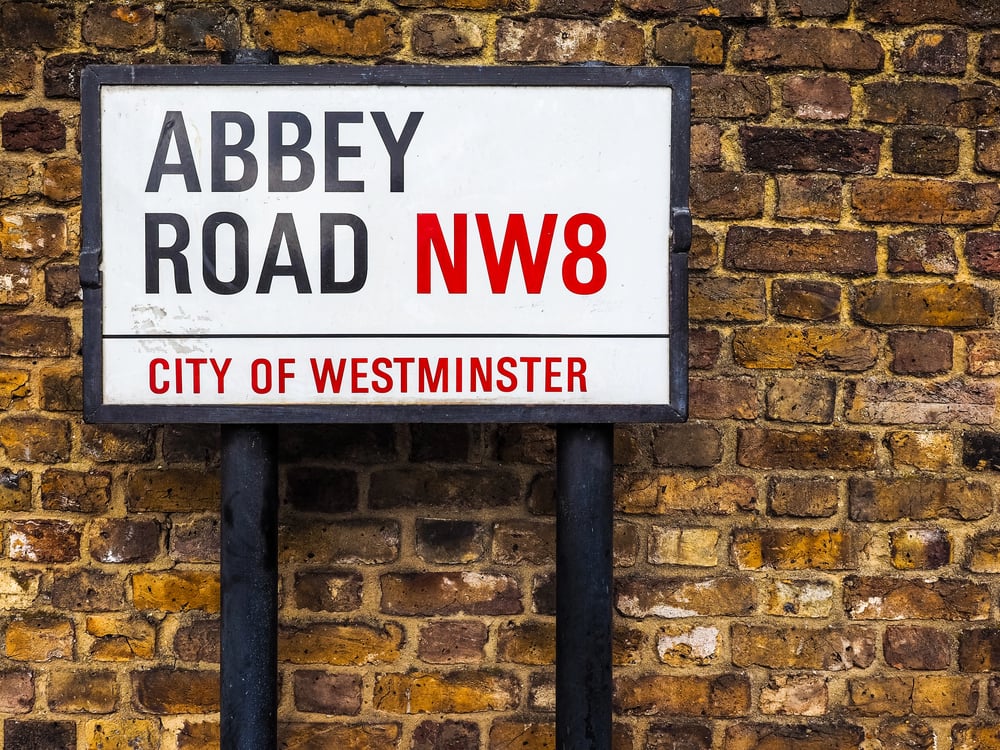
The Beatles’ penultimate album features the four band members walking across a zebra crossing outside Abbey Road Studios—a deceptively simple concept that spawned countless imitations. Shot in just ten minutes on an August morning in 1969, photographer Iain Macmillan captured the image that fueled the “Paul is dead” conspiracy theories due to McCartney being barefoot.
The cover’s lack of text or band name demonstrated the group’s confidence in their cultural significance.
Dark Side of the Moon

Pink Floyd’s masterpiece boasts perhaps the most recognizable album cover in rock history—a prism dispersing light into a rainbow spectrum against a stark black background. Designer Storm Thorgerson created this minimalist yet powerful visual representation of the band’s sonic themes of light, darkness, and mental fragmentation.
The image works on multiple levels—scientific, philosophical, and aesthetic—much like the ambitious music it represents.
Like Go2Tutors’s content? Follow us on MSN.
Nevermind

Nirvana’s breakthrough album features a diaper-less baby swimming toward a dollar bill on a fishhook—a visual critique of capitalism that perfectly complemented the band’s anti-establishment ethos. The image struck a nerve with Generation X and became an instant cultural reference point for the grunge movement.
Spencer Elden, the baby on the cover, has had a complicated relationship with his unexpected fame—though the image’s impact on popular culture remains undeniable.
Sgt. Pepper’s Lonely Hearts Club Band

This revolutionary artwork featured The Beatles surrounded by a collage of 58 different celebrities, historical figures, and cultural icons—each personally selected by the band members. Designer Peter Blake created what amounted to a visual time capsule of the 1960s counterculture movement.
The cover, with its elaborate staging and vibrant colors, reflected the album’s groundbreaking musical complexity and marked a seismic shift away from simple band portraits.
London Calling

The Clash’s seminal album borrowed its pink and green typography from Elvis Presley’s debut while featuring Paul Simonon smashing his bass on stage—a perfect visual metaphor for punk’s destruction of rock traditions. Photographer Pennie Smith initially thought the photo too blurry for use, yet that raw imperfection perfectly captured the band’s rebellious energy.
The image has become shorthand for rock rebellion, emblazoned on countless t-shirts and posters.
Like Go2Tutors’s content? Follow us on MSN.
Sticky Fingers
The Rolling Stones pushed boundaries with an Andy Warhol-designed cover featuring a close-up of a jeans-clad male crotch, complete with a working zipper on early pressings. The daring image perfectly suited the album’s raw sensual energy and the band’s notorious reputation.
Some retailers refused to stock the album—making it all the more coveted by fans and cementing its status as a collector’s item.
Unknown Pleasures

Joy Division’s debut album features a white-on-black visualization of radio waves from the first pulsar discovered by astronomers. Designer Peter Saville found the image in The Cambridge Encyclopedia of Astronomy and inverted the colors, creating an abstract, haunting visual that matched the band’s atmospheric post-punk sound.
The stark waves have become one of music’s most widely reproduced images—appearing on everything from t-shirts to tattoos decades after the album’s release.
Straight Outta Compton

N.W.A’s groundbreaking album cover showed the group members glaring down at the viewer—presumably a police officer—from a threatening angle. The black-and-white image conveyed the raw aggression of their revolutionary gangsta rap sound and unapologetic portrayal of life in South Central Los Angeles.
This confrontational visual approach set the template for countless hip-hop albums that followed, emphasizing authenticity and unfiltered urban storytelling.
Like Go2Tutors’s content? Follow us on MSN.
Blue

Joni Mitchell’s deeply personal album features a close-up of her face bathed in blue light—an intimate portrait that perfectly captures the record’s emotional vulnerability. Mitchell painted the self-portrait herself, connecting the visual and musical art forms in a uniquely personal way.
With its monochromatic blue palette, the image evokes the album’s themes of melancholy and introspection, serving as a perfect visual complement to some of the most soul-baring songwriting in popular music.
Born in the U.S.A.
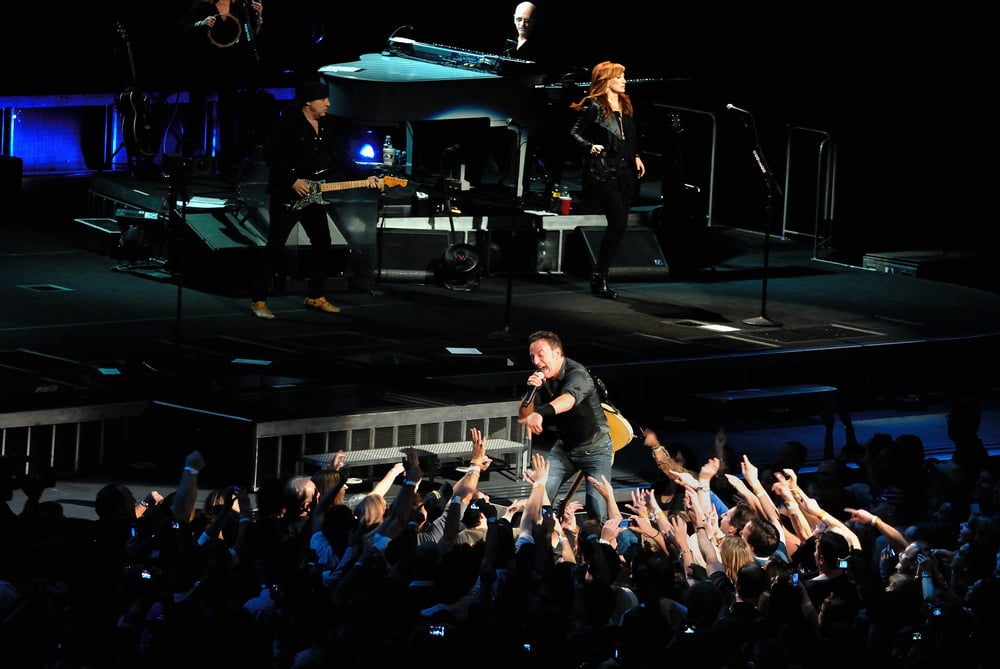
Bruce Springsteen’s iconic cover shows him from behind, facing an American flag in blue jeans and a red cap. Photographer Annie Leibovitz captured this seemingly patriotic image for an album filled with critical commentary on the Vietnam War and American working-class struggles.
The visuals’ misinterpretation—often seen as straightforward patriotism rather than nuanced commentary—mirrored how many listeners misunderstood the album’s title track as simply celebratory rather than critical.
Lemonade

Beyoncé’s Lemonade cover shows her turned away, head down, wearing a fur coat atop braided hair—a visual that radiates resilience, heritage, and emotional gravity. Photographed by Robin Harper, the stark, elegant image encapsulates themes of betrayal, empowerment, and Black identity that run through the album.
Like the visual album itself, the cover fuses personal narrative with political statement, redefining what pop iconography can convey.
Like Go2Tutors’s content? Follow us on MSN.
Thriller

Michael Jackson’s career-defining album features him in a now-iconic white suit against a black background—a deceptively simple portrait that became one of music’s most recognizable images. In it, Jackson looks directly at the viewer with an expression of confident cool that perfectly represented his ascension to global superstardom.
The image’s clean simplicity contrasted with the album’s theatrical music videos, particularly the horror-movie-inspired title track.
Aladdin Sane

David Bowie’s sixth album features him with the lightning bolt across his face—perhaps the most enduring visual representation of his chameleon-like artistic persona. Photographer Brian Duffy captured Bowie’s iconic makeup design, which represented the mental splitting suggested by the album title—a play on “A Lad Insane.”
The striking image transcended music to influence fashion, art, and countless Halloween costumes for decades to follow.
The Velvet Underground & Nico
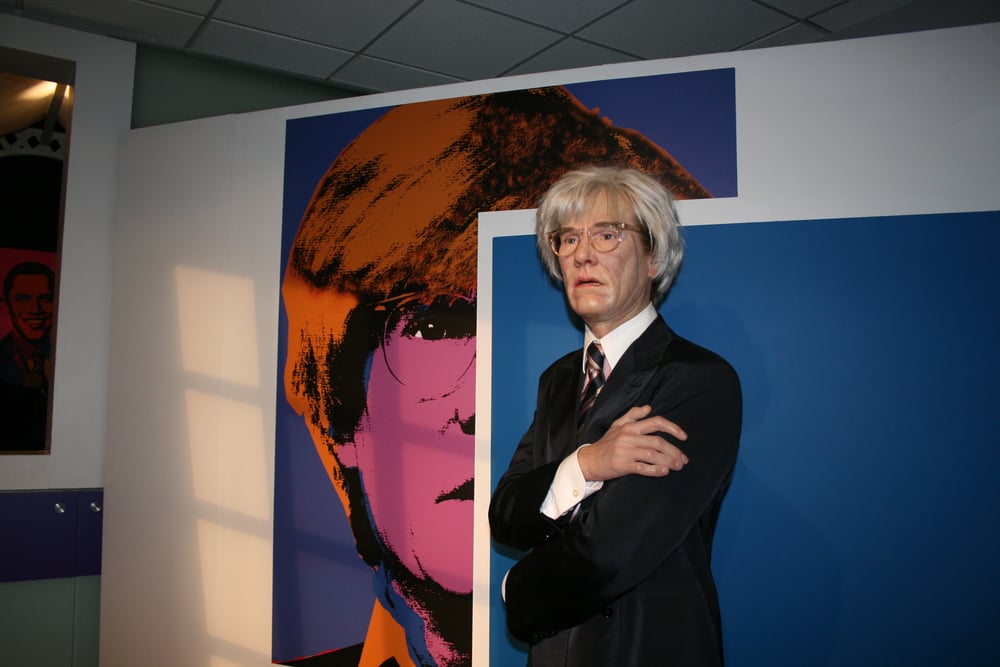
Andy Warhol’s banana cover for the Velvet Underground’s debut—complete with “Peel slowly and see” instructions and a peelable sticker on early pressings—became an instant art object rather than mere packaging. The provocative yellow fruit against a stark white background embodied Warhol’s pop art aesthetic while hinting at the band’s experimental, sometimes risqué content.
Original copies with the intact sticker now command astronomical prices among collectors.
Like Go2Tutors’s content? Follow us on MSN.
Ramones
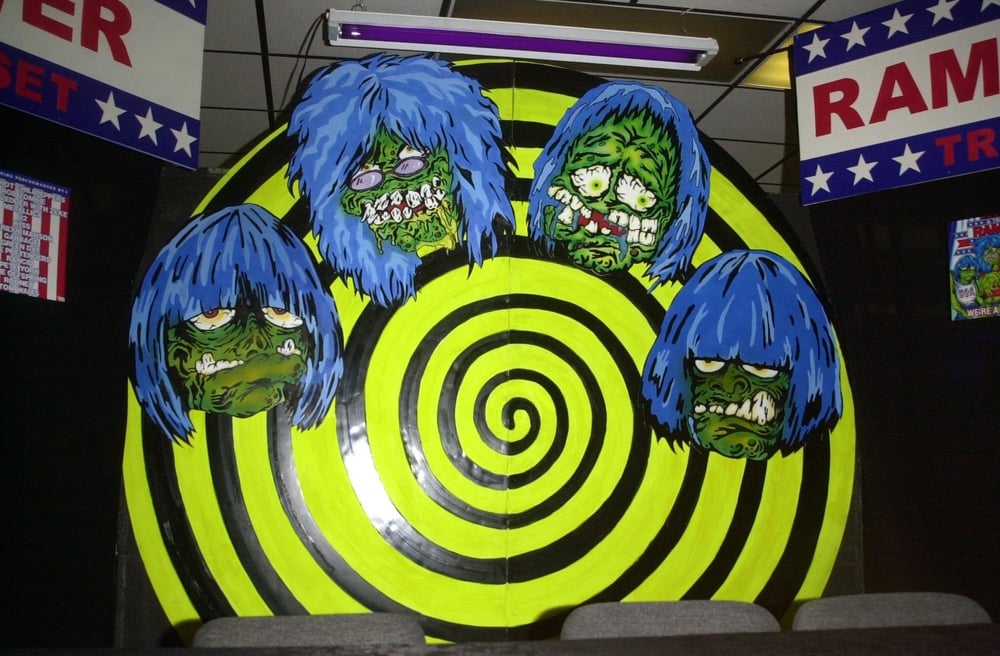
The debut album from these leather-jacketed punk pioneers features the four band members standing against a brick wall—a stark black-and-white image that defined punk’s aesthetic minimalism. Photographer Roberta Bayley captured the band looking simultaneously tough and bored, creating a visual template for punk authenticity that countless bands would emulate.
The image’s gritty urban realism perfectly matched the band’s stripped-down musical approach.
Bitches Brew

Miles Davis’s revolutionary jazz fusion album features a surreal, psychedelic painting by artist Mati Klarwein—a dreamlike African-American face emerging from a turbulent landscape of abstract forms. The artwork’s bold colors and Afrocentric imagery perfectly captured the album’s genre-defying sound that blended jazz with rock, funk, and electronic elements.
Released in 1970, the cover’s Afrofuturistic aesthetic challenged conventional jazz packaging while visually representing the musical boundaries Davis was shattering.
Timeless Visual Language
Album art continues evolving in the streaming era, yet these iconic covers remind us how powerful the marriage of visual and musical artistry can be. The most enduring album covers don’t just package music—they extend and enhance it, creating rich multi-sensory experiences that resonate across generations.
Like the music they represent, these images have transcended their original context to become cultural shorthand—instantly recognizable symbols that continue shaping how we understand music’s place in our shared cultural landscape.
Like Go2Tutors’s content? Follow us on MSN.
More from Go2Tutors!

- 16 Restaurant Chains That Went Too Fast
- 12 Things Sold in the 80s That Are Now Illegal
- 15 Strange Things People Have Tried to Ban (And Failed)
- 16 Collectibles People Tossed Out Too Soon
- 17 Myths from Your Childhood That Were Actually Based on Real Things
Like Go2Tutors’s content? Follow us on MSN.