School Skills That Became Useless
Schools have been promising to prepare students for “the real world” for decades. The real world, however, was not motionless.
Technology advanced more quickly than curricula, and once-essential skills gradually became obsolete. Progress surpassed the syllabus, not the teachers.
While some of the lessons are nostalgic holdovers from a time before Wi-Fi, smartphones, and voice assistants revolutionized the way we live, work, and learn, others taught discipline that is still important today. These 15 school skills have become obsolete.
Memorizing State Capitals

State capitals were chanted for hours by generations of children. The names Austin, Olympia, and Montpelier sounded significant and exotic.
However, the information is useless outside of trivia contests and standardized assessments. Memorization is no longer necessary thanks to instant lookups and modern navigation apps.
The memory exercise was more important than the actual capitals. Ironically, our brains no longer need to remember the details because smartphones now store them.
Search bars have supplanted the ability that formerly developed mental stamina.
Cursive Writing

Cursive was once the pride of penmanship. Teachers graded loops, flourishes, and slants like art critics.
Today, it’s practically an endangered script. With emails and messaging apps dominating communication, handwriting has become more personal than practical.
Many schools dropped cursive from their curriculum entirely, and younger generations often struggle to read old letters written in elegant script. Cursive hasn’t disappeared completely—it survives in signatures and decorative lettering—but as a daily skill, it’s as dated as sealing wax.
Long Division by Hand
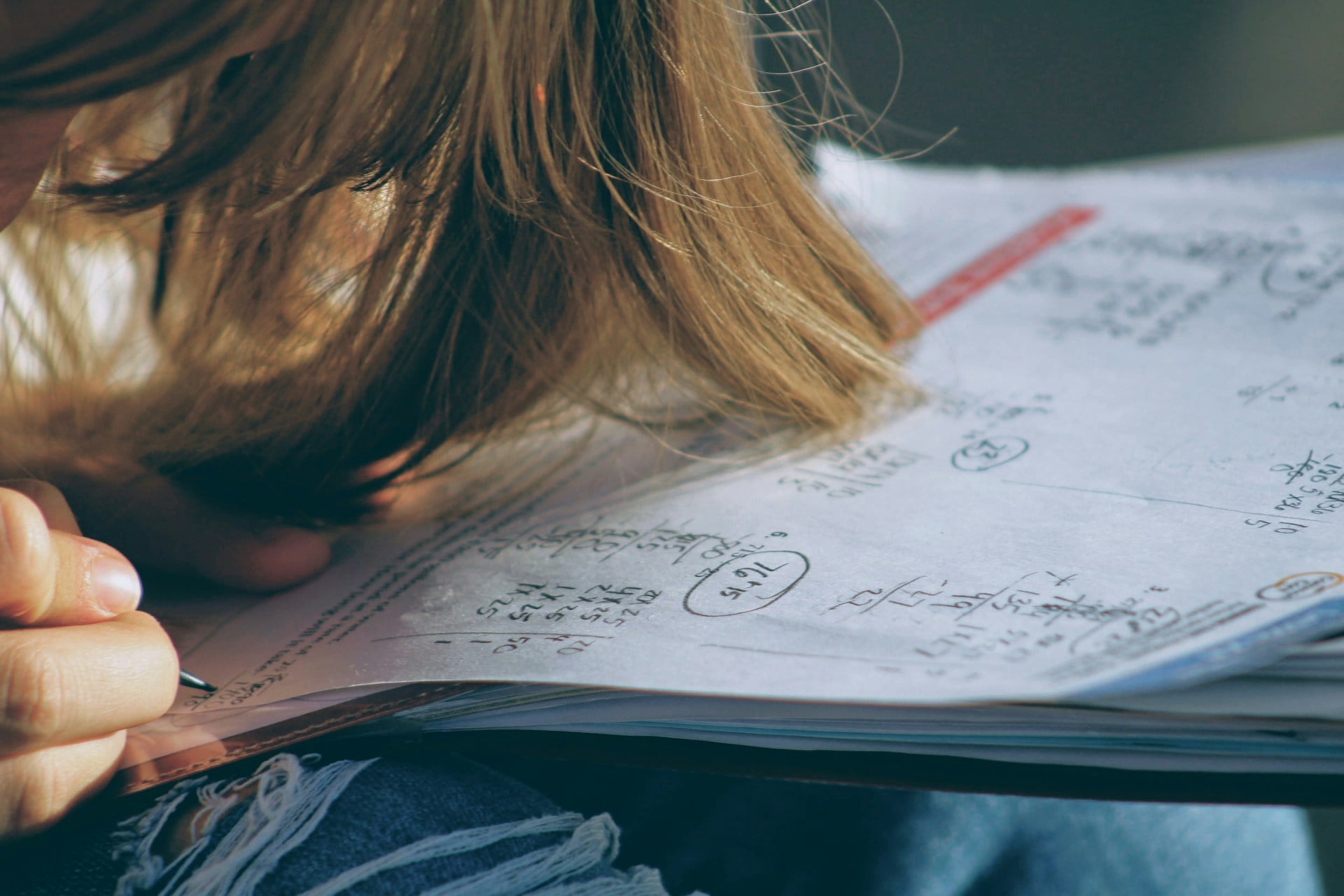
The long-division worksheet was once a symbol of discipline and focus. Every column and remainder had to line up perfectly.
Today, most people grab a calculator in seconds. The logic behind division still matters, but doing it manually is obsolete in everyday life.
Technology freed us from arithmetic drudgery, letting us focus on understanding rather than repetition. The irony is that what once represented intelligence now looks like unnecessary suffering.
Diagramming Sentences
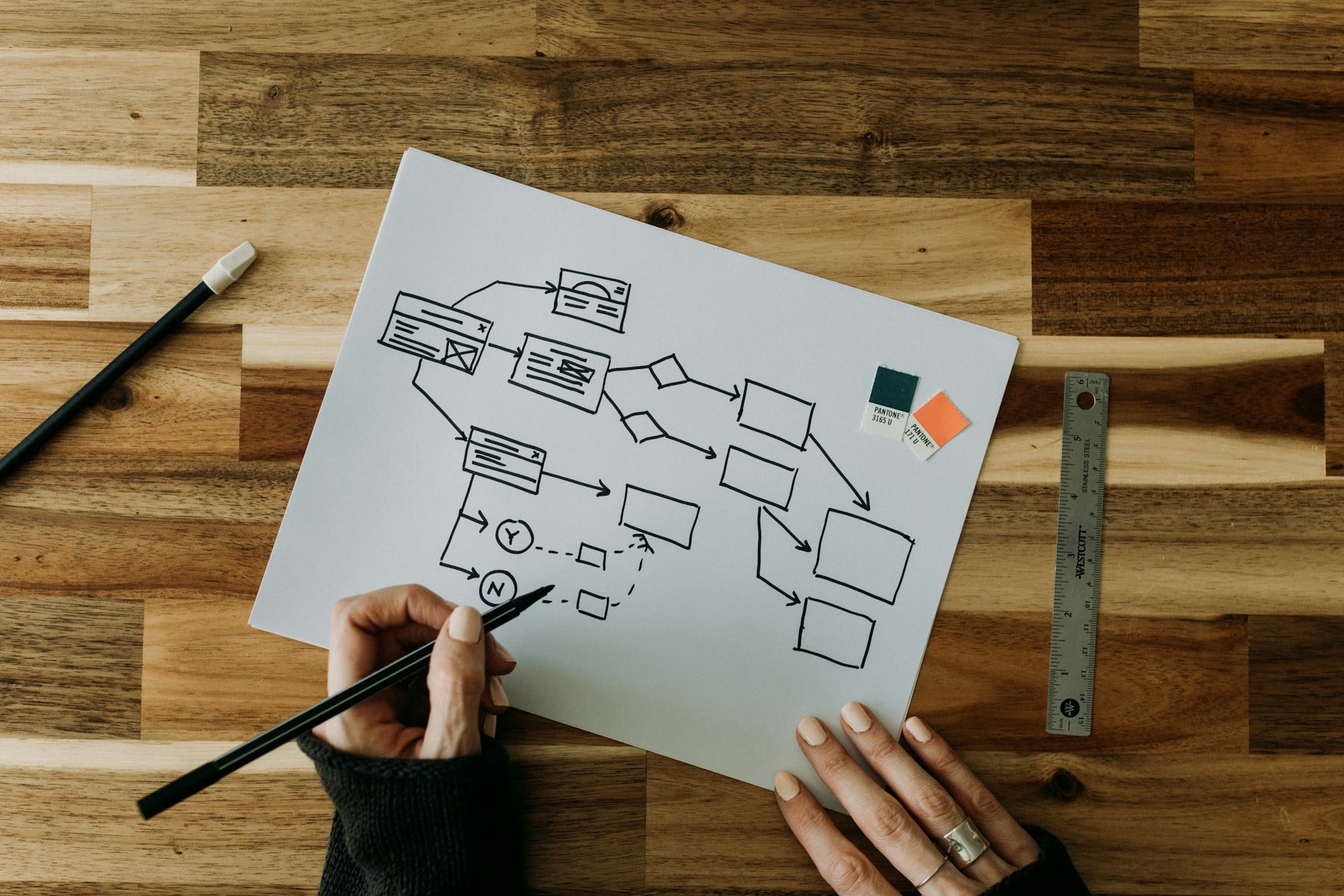
Teachers once believed the key to writing well was understanding sentence anatomy. Students spent hours breaking down clauses, modifiers, and prepositional phrases, filling blackboards with complex diagrams.
It looked impressive but rarely improved writing style. Modern communication favors clarity and brevity over grammatical dissection.
Editors now use tools that flag tone, readability, and flow—skills sentence diagrams never measured. It turns out great writing isn’t mechanical; it’s conversational.
Using the Dewey Decimal System
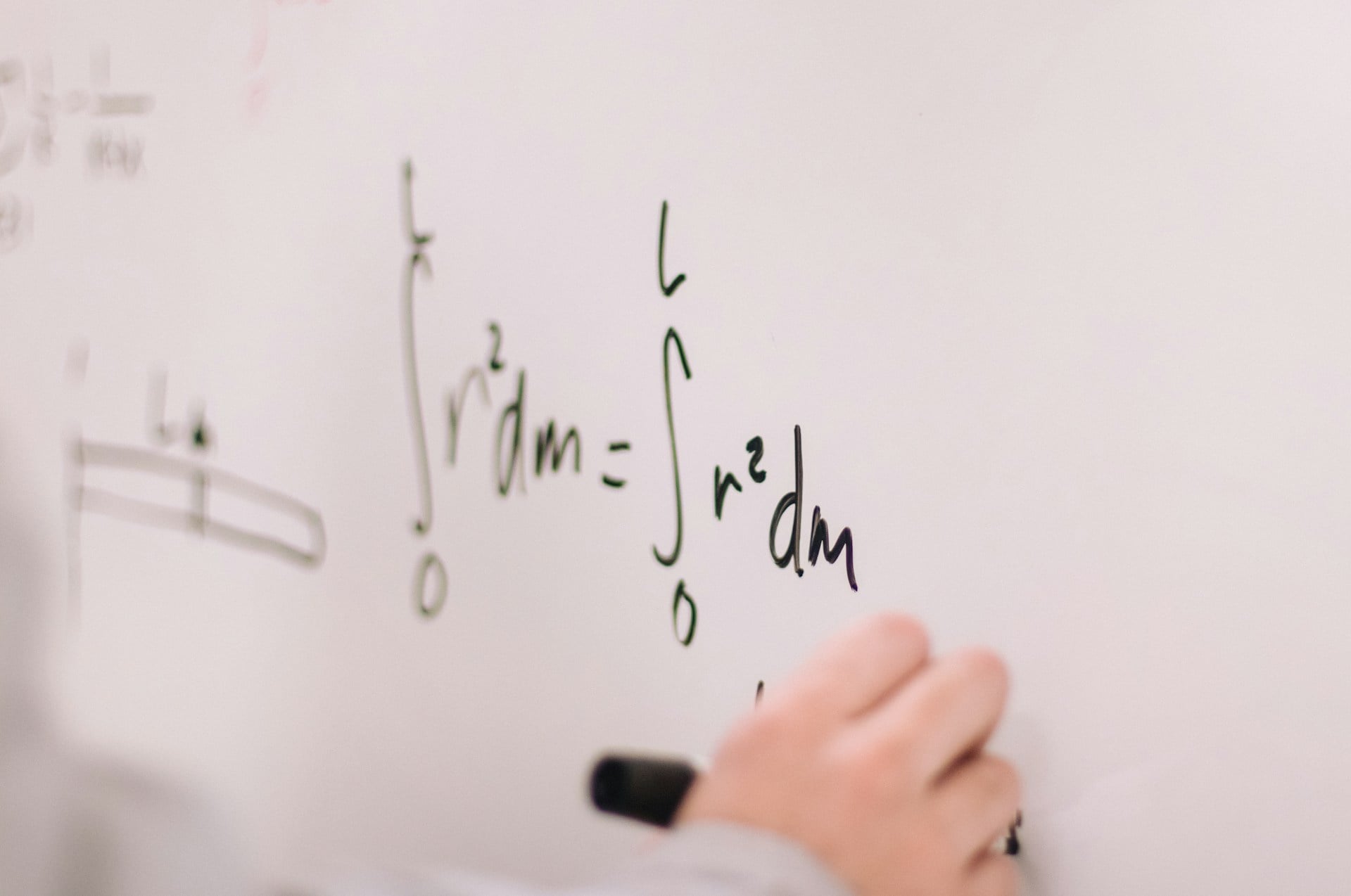
Before digital catalogs, finding a library book meant deciphering the Dewey Decimal system—a mix of numbers, decimals, and subcategories that felt like a secret code. Students learned to navigate card catalogs and dusty index drawers just to locate a single book.
Now, a keyword search brings up what used to take fifteen minutes in five seconds. The system still organizes libraries behind the scenes, but users rarely see it.
What was once an academic treasure hunt is now a single line in a search box.
Typing on Typewriters

Typing class used to sound like a factory floor—metal arms clacking, bells dinging, and correction tape fluttering. Students learned to load paper, fix jams, and type without looking down.
Computers erased all that effort. While typing speed remains important, the mechanical part vanished.
Typewriters became symbols of nostalgia and artistic rebellion rather than productivity. Still, those who learned on typewriters often kept one habit modern texters lack: proofreading before they hit send.
Memorizing Phone Numbers

Once upon a time, knowing phone numbers by heart was a survival skill. Everyone could recall friends, relatives, and emergency services instantly.
That skill vanished the moment cell phones arrived. Contacts replaced memory, and now many people can’t recite even their closest friend’s number.
It’s convenient, but fragile. Lose your phone, and your social network disappears until you sync it back.
Memory muscles atrophied quietly while convenience took over.
Balancing a Checkbook

Balancing a checkbook was once a monthly ritual. You’d record expenses, tally deposits, and reconcile totals by hand.
It taught accountability and patience—traits that still matter—but the act itself is extinct. Online banking and instant balance tracking made manual bookkeeping unnecessary.
Apps categorize spending automatically, replacing paper with dashboards. The principle remains timeless; the notebook version belongs to history.
Home Economics Sewing Projects

Home economics once prepared students for domestic life. You learned to cook from scratch, plan meals, and sew basic repairs.
While cooking survived as a life skill, sewing quietly slipped away. Mass-produced clothing and affordable replacements made stitching obsolete for most households.
Few people darn socks when online shopping delivers replacements overnight. Sewing remains a creative hobby, not a requirement—a reminder that progress sometimes trades craftsmanship for convenience.
Using a Slide Rule
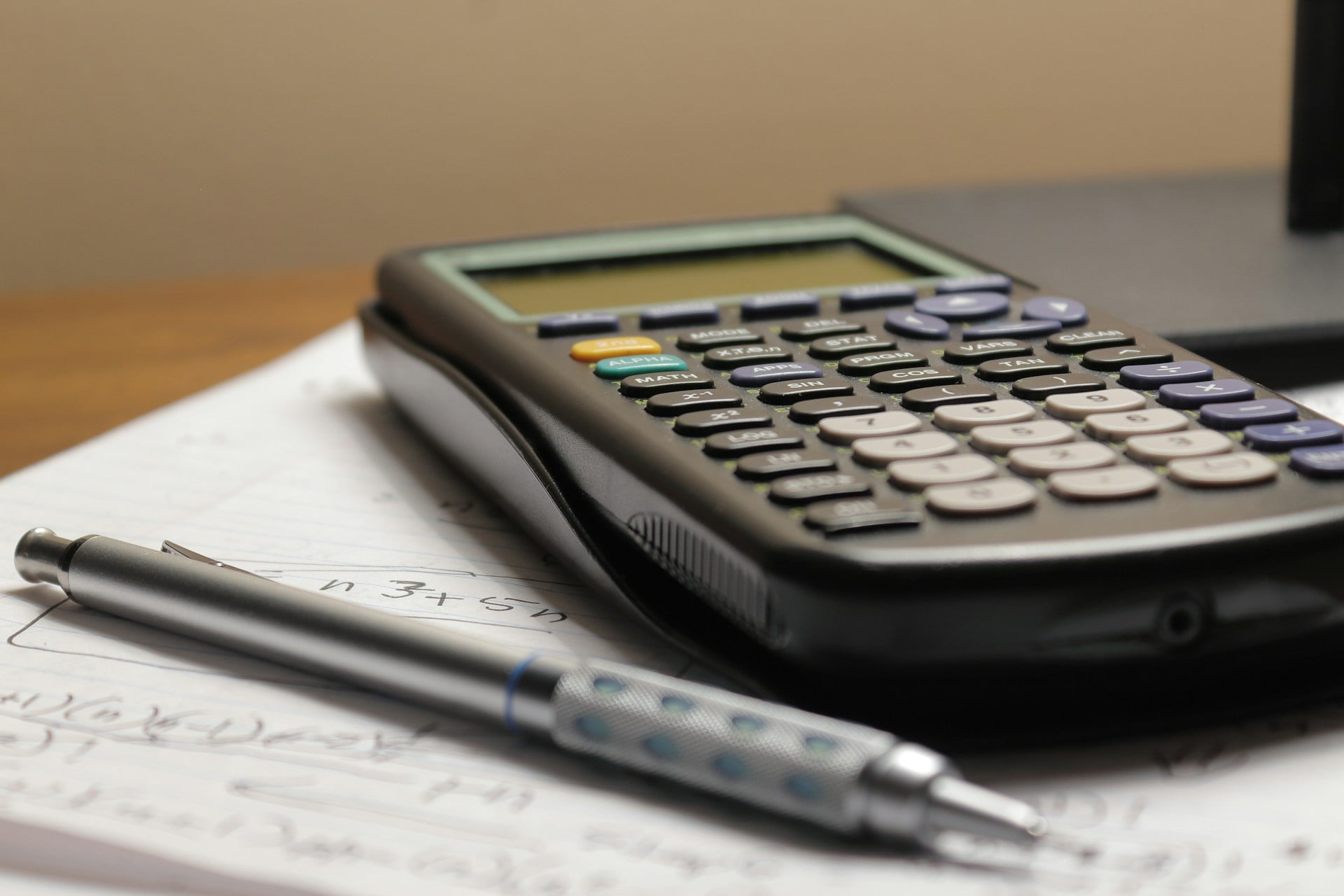
Before calculators, engineers and scientists performed calculations using slide rules—a ruler-like device that could multiply, divide, and compute logarithms through clever scaling. Mastery took patience and precision.
When handheld calculators appeared, slide rules became instant relics. Today, even students who study aerospace engineering have never held one.
Yet it’s worth appreciating what it represented: human ingenuity at its most analog, a world where math was tactile instead of digital.
Learning Keyboard Shortcuts on Floppy Disks

Early computer classes involved a ritual of inserting floppy disks, typing commands, and memorizing shortcuts. You learned to navigate menus using only keystrokes.
Forget one, and progress froze. Modern operating systems replaced that friction with sleek design and touchscreens.
Files auto-save, cloud storage syncs everything, and updates happen silently in the background. The floppy-disk era taught patience; the modern era rewards immediacy.
Spelling Without Spellcheck

Spelling bees once made heroes out of sharp spellers. Essays were graded as much for accuracy as for ideas.
Then came autocorrect. While spellcheck saved time and improved readability, it also dulled our attention to detail.
Many can no longer remember if a word “looks right” because software fixes it automatically. Purists lament the loss, but communication hasn’t suffered—if anything, people write more often now, freed from the fear of red-pen corrections.
Learning to Use an Atlas
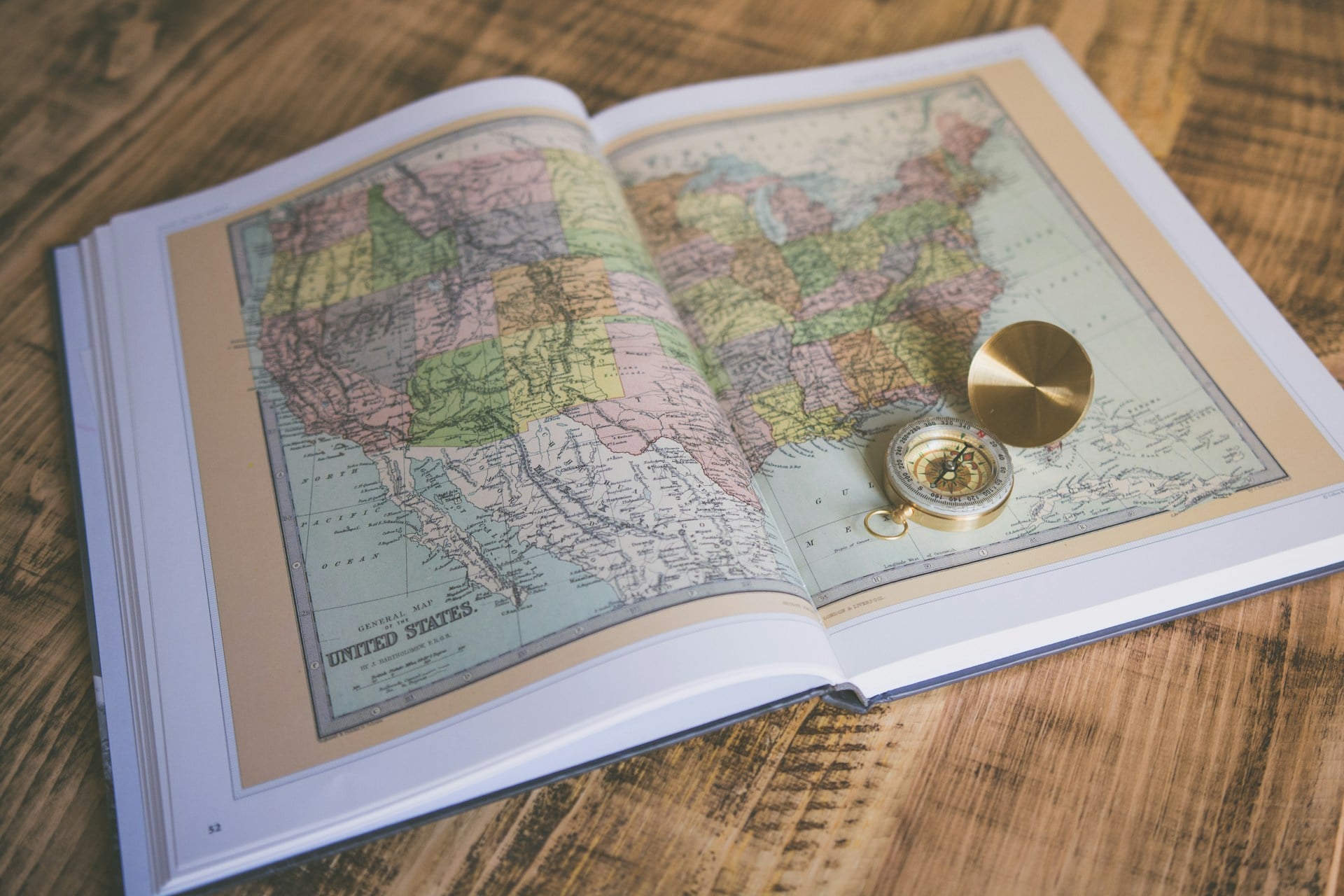
Geography class once meant unfolding enormous maps, tracing routes, and calculating distances using the map’s scale. Students memorized rivers, borders, and capitals to understand the world’s shape.
GPS replaced all that with turn-by-turn directions and real-time traffic updates. The trade-off: we reached destinations faster but lost some sense of spatial awareness.
Modern travelers can cross continents without ever noticing which way is north.
Reading Analog Clocks

Analog clocks used to be everywhere—classrooms, offices, living rooms. Learning to tell time by watching hands move was essential.
Now, digital clocks dominate every device, and time displays follow us on screens. Some schools even removed wall clocks because students relied entirely on their phones.
Analog reading remains a simple cognitive skill, but it’s slipping away. Ironically, vintage watch sales are booming again—not for practicality, but as fashion statements.
Memorizing the Periodic Table

The never-ending task of learning the periodic table is rarely forgotten by students. It was like climbing an atomic number and symbol mountain.
That mountain now exists online. Interactive charts and searchable databases are used by both chemists and educators.
A single search query is now needed for what formerly required memory. The memorization marathon is irrelevant; the objective of comprehending atomic structure is still important.
Though it is now more of an artwork than an assignment, the table itself remains a symbol of science.
The Knowledge Gap
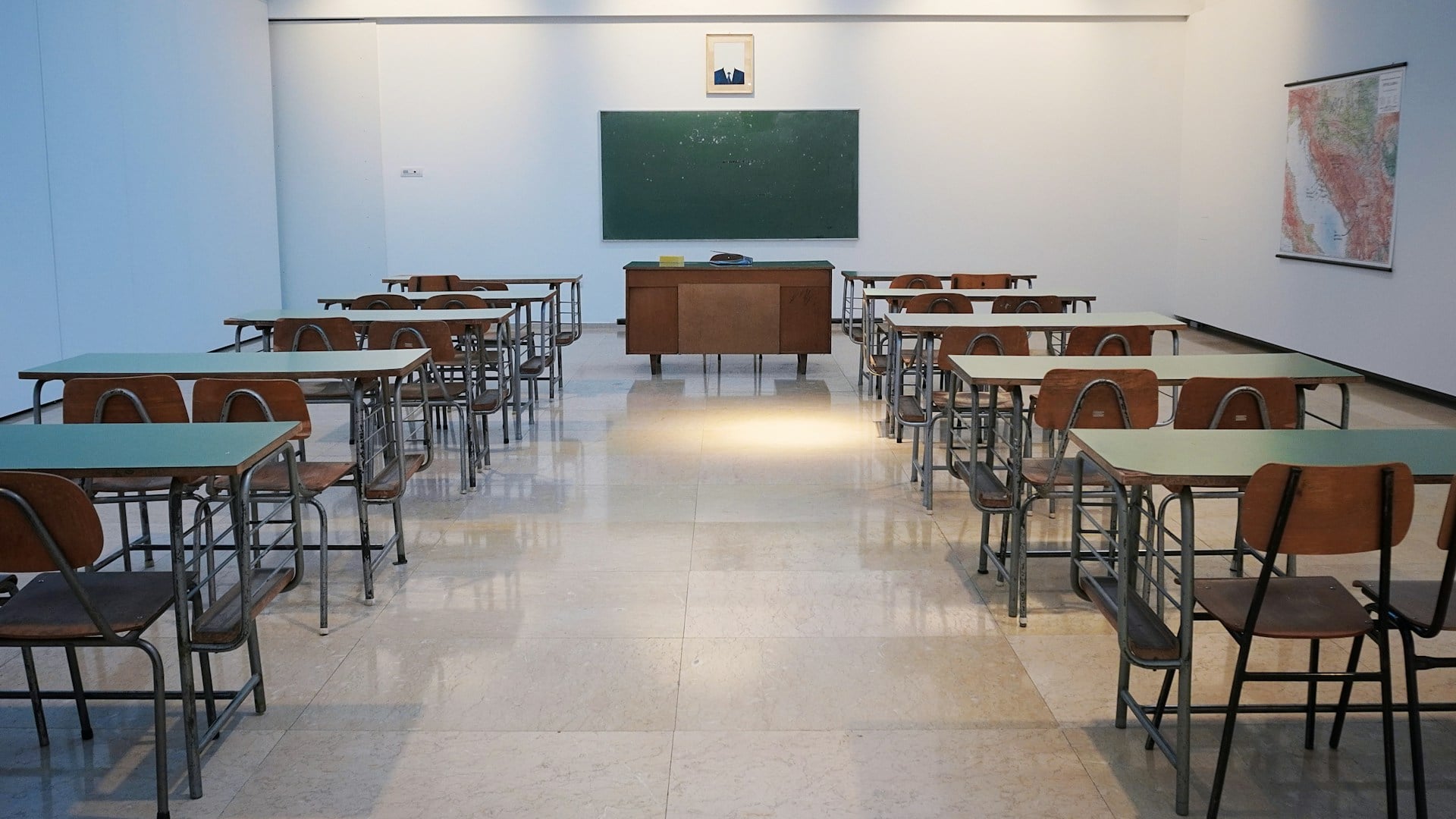
Timeless knowledge and fleeting trivia are passed down to each generation. Writing letters was once taught in schools; today, email management is taught.
Students may learn how to work with artificial intelligence or deal with digital ethics in the classrooms of the future. The pattern is constant; in twenty years, something that seems necessary now might seem archaic.
The goal of education has always been to develop flexibility rather than merely memorize facts. The world needs creativity, curiosity, and the capacity to relearn quickly, not flawless recall.
Life requires education to change, and no app can take the place of that.
More from Go2Tutors!

- The Romanov Crown Jewels and Their Tragic Fate
- 13 Historical Mysteries That Science Still Can’t Solve
- Famous Hoaxes That Fooled the World for Years
- 15 Child Stars with Tragic Adult Lives
- 16 Famous Jewelry Pieces in History
Like Go2Tutors’s content? Follow us on MSN.



