16 Meals Named After Real People
Food has always been one of the most personal ways to honor someone special. Throughout history, chefs, restaurateurs, and creative cooks have immortalized everyone from beloved family members to famous celebrities by naming dishes after them. Some of these culinary tributes have become so iconic that we forget there were actual people behind the names—real individuals with fascinating stories that are just as interesting as the food itself.
From opera singers to military heroes, from pregnant wives to eccentric pastors, the people behind these famous dishes lived remarkable lives that shaped not just cuisine, but culture itself. Here is a list of 16 meals named after real people, along with the captivating stories of how they earned their place in culinary history.
Fettuccine Alfredo
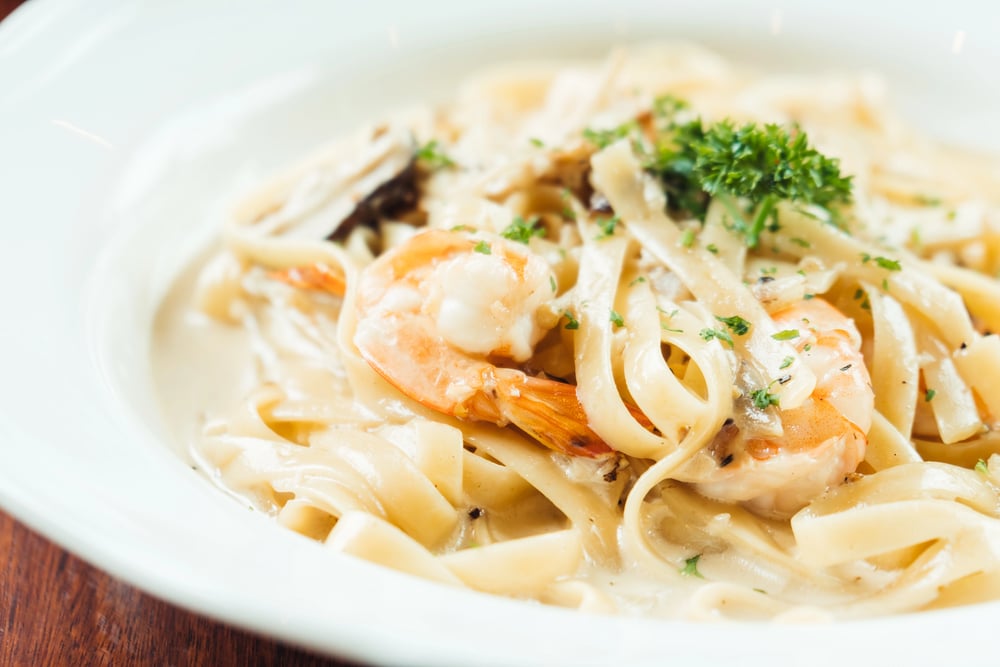
This creamy pasta classic has one of the most romantic origin stories in culinary history. In early 1914, Italian restaurateur Alfredo di Lelio was desperately trying to help his pregnant wife regain her appetite and strength.
He experimented in his Roman kitchen until he created the perfect combination of fresh fettuccine, butter, and Parmigiano-Reggiano cheese. His wife loved it so much that she ate it regularly throughout her pregnancy.
Caesar Salad
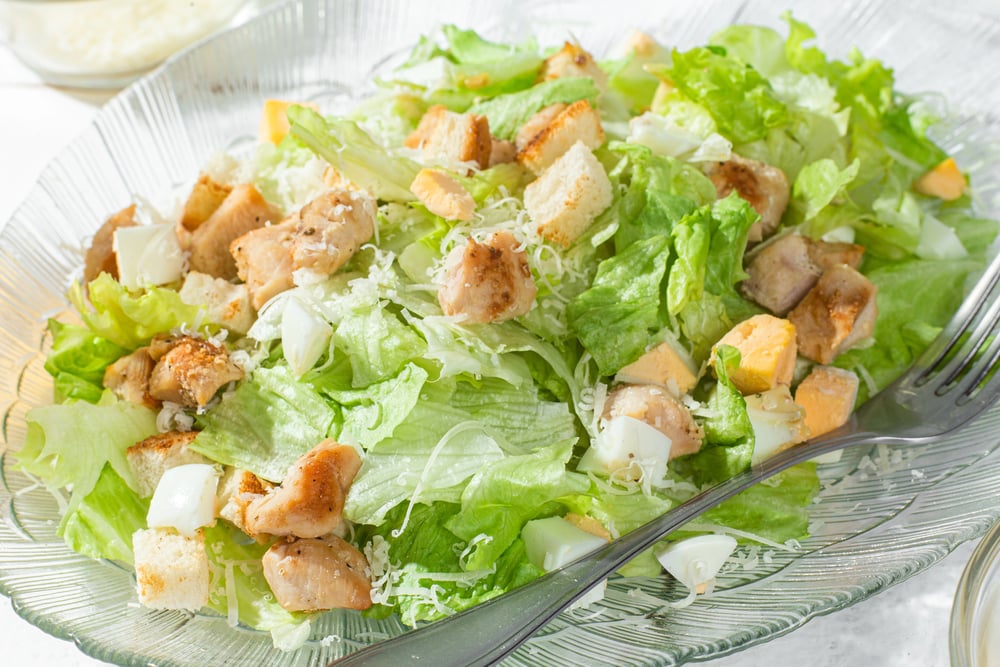
Despite its Roman name, this salad has nothing to do with Julius Caesar. The real Caesar was an Italian-American restaurateur named Caesar Cardini who owned a restaurant in Tijuana, Mexico, during Prohibition.
In 1924, during an especially busy weekend when American visitors crossed the border to drink legally, Cardini’s kitchen ran dangerously low on ingredients. In a moment of culinary desperation, he threw together whatever he had left: romaine lettuce, croutons, parmesan cheese, and a dressing made from scratch.
Beef Stroganoff
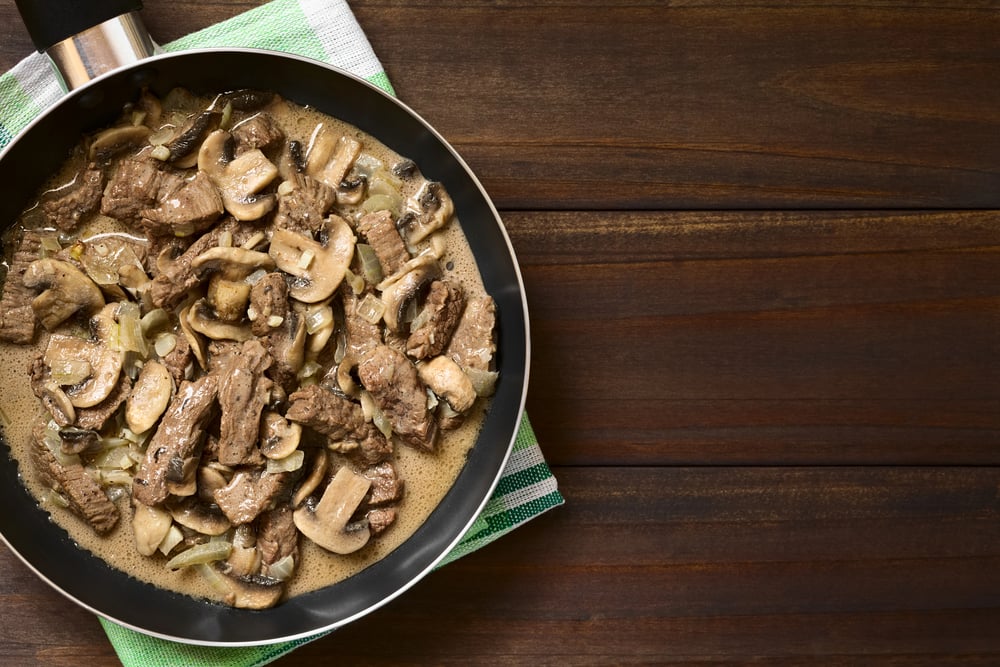
This hearty Russian dish carries the name of one of the most powerful families in Russian history. The Stroganoffs were wealthy merchants and nobles who rose to prominence alongside Ivan the Terrible in the 16th century.
While there’s some debate about which specific Stroganov inspired the dish, most food historians believe it was created for the family during the 18th or 19th century. The recipe was designed to be tender enough for older family members to enjoy, with the beef cut into strips and served in a rich, creamy sauce that made even tough cuts of meat deliciously edible.
Chicken Tetrazzini
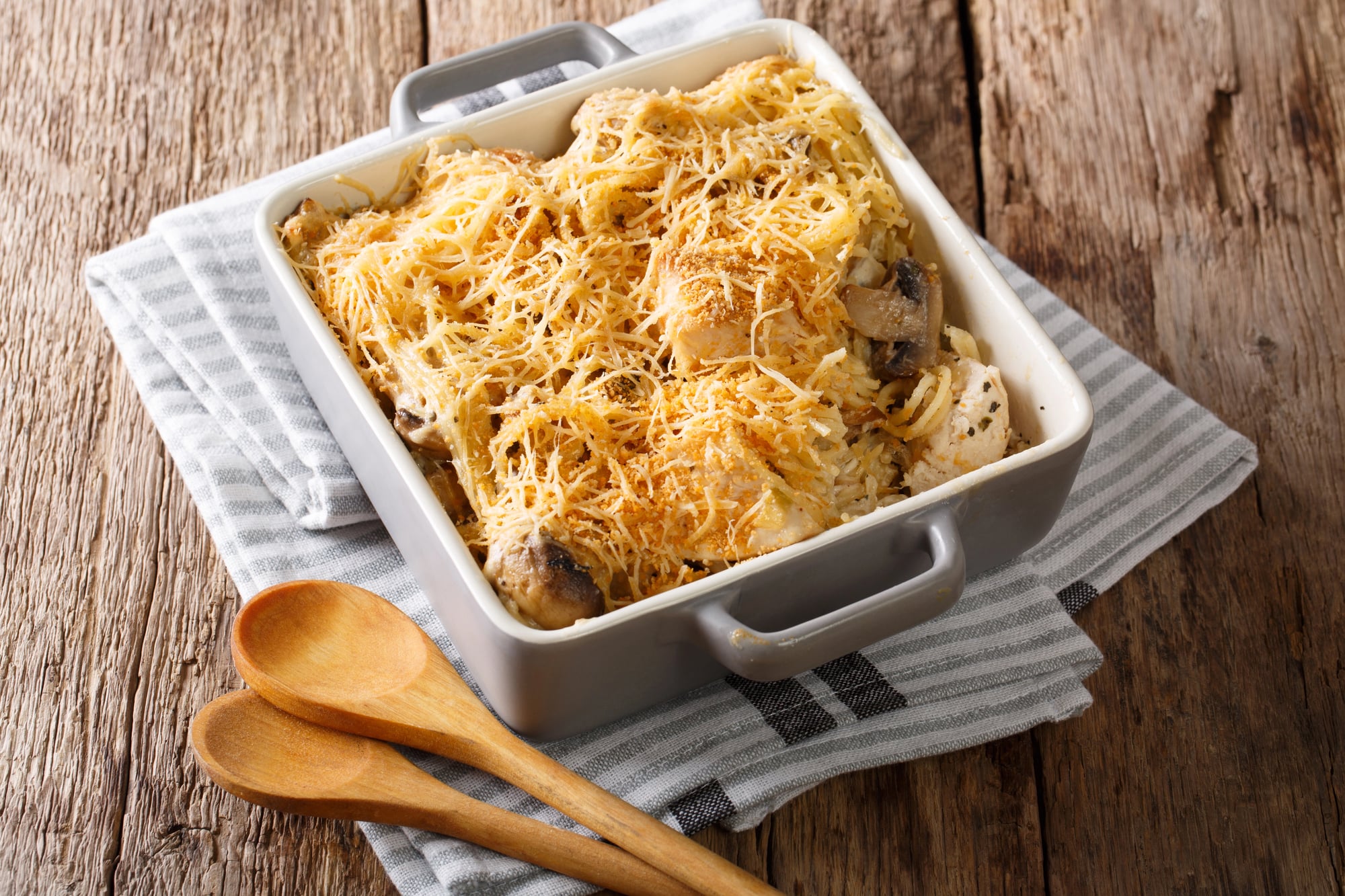
Opera singer Luisa Tetrazzini was the Beyoncé of the late 1800s and early 1900s. This Italian soprano was so wildly popular that rival singers praised her voice, and her recordings are still considered unmatched today.
She toured the world starting at age 19, captivating audiences with her incredible vocal range. When she performed in the United States in 1905, multiple hotels claimed to have created this creamy chicken and pasta casserole in her honor.
Peach Melba
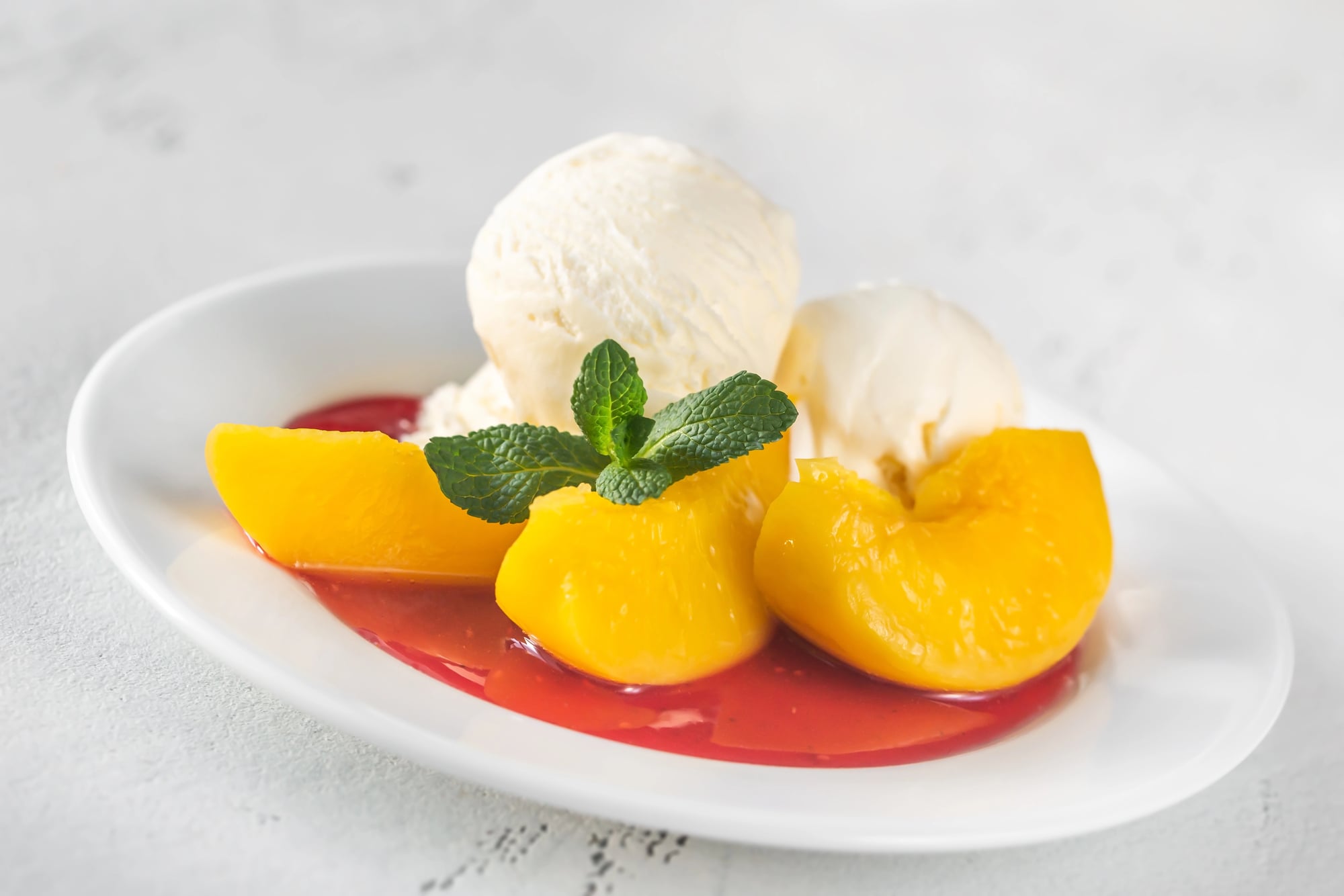
French chef Auguste Escoffier was known for creating dishes to honor the celebrities of his day, and none became more famous than this elegant dessert. In 1892, Australian opera star Nellie Melba performed in Wagner’s ‘Lohengrin’ at Covent Garden in London.
Escoffier, who was working at the Savoy Hotel, was so impressed that he created a special dessert featuring fresh peaches, vanilla ice cream, and raspberry sauce, served on a silver dish with an ice sculpture of a swan. The dessert became Melba’s signature, and Escoffier later created three more dishes in her honor.
Beef Wellington
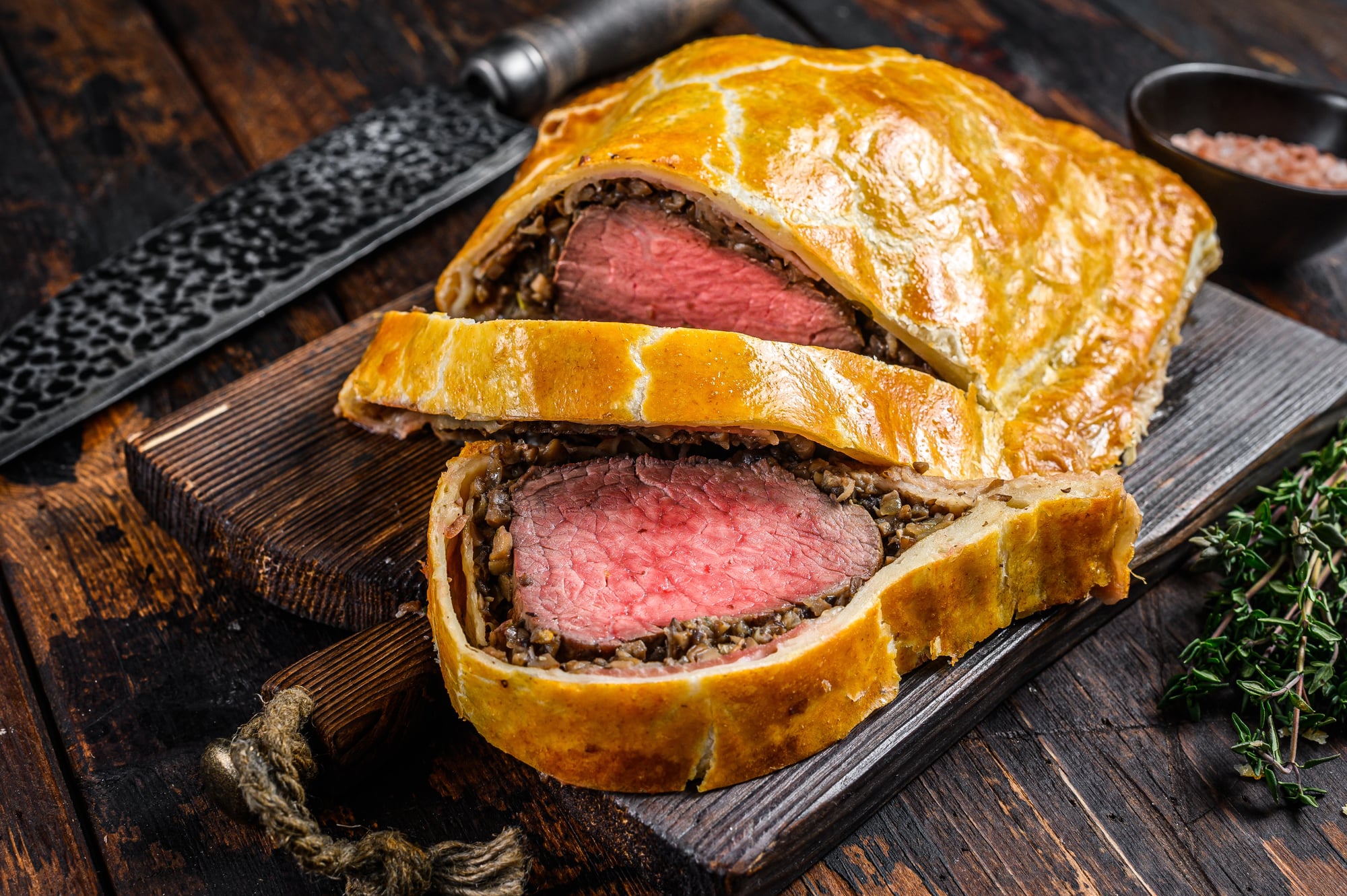
This show-stopping dish is believed to honor Arthur Wellesley, the 1st Duke of Wellington, who defeated Napoleon at the Battle of Waterloo in 1815. The Duke was a fascinating character who went on to become Prime Minister of Great Britain after his military career.
Some stories suggest the dish got its name because it resembles a Wellington boot—another innovation attributed to the Duke. Others believe it was simply a rebranding of the French ‘filet de boeuf en croûte’ after Britain’s victory over France.
Nachos
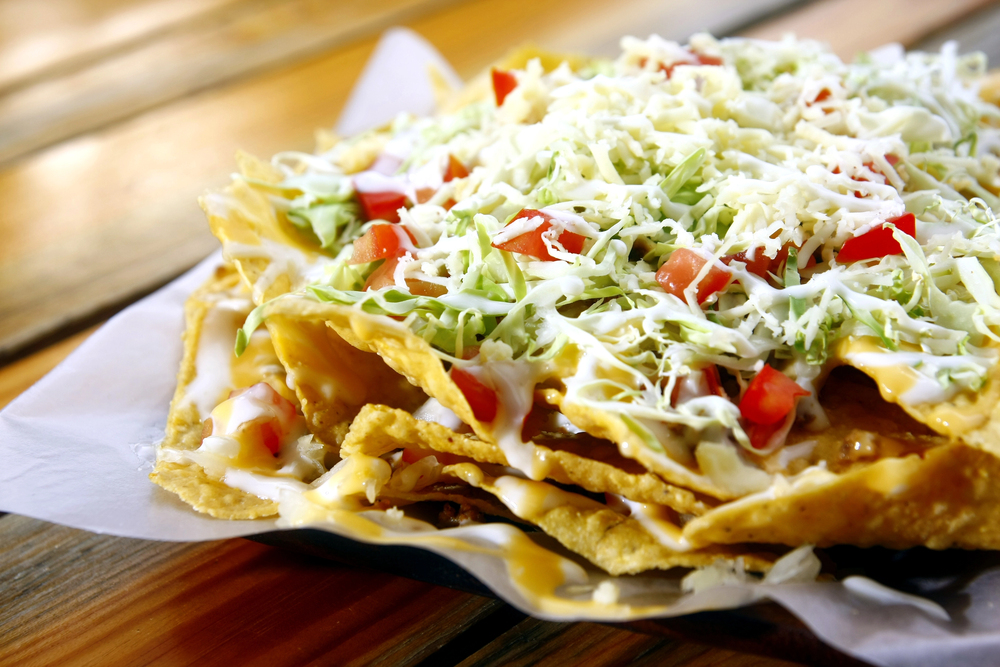
Sometimes the best dishes come from pure improvisation, and nachos are a perfect example. In the 1940s, Ignacio ‘Nacho’ Anaya worked at a restaurant called the Victory Club in Piedras Negras, Mexico, just across the border from Eagle Pass, Texas.
When a group of American military wives arrived after the kitchen had closed, Nacho didn’t want to turn them away. He grabbed what he could find: leftover tortilla chips, cheese, and jalapeño peppers.
Lobster Newburg
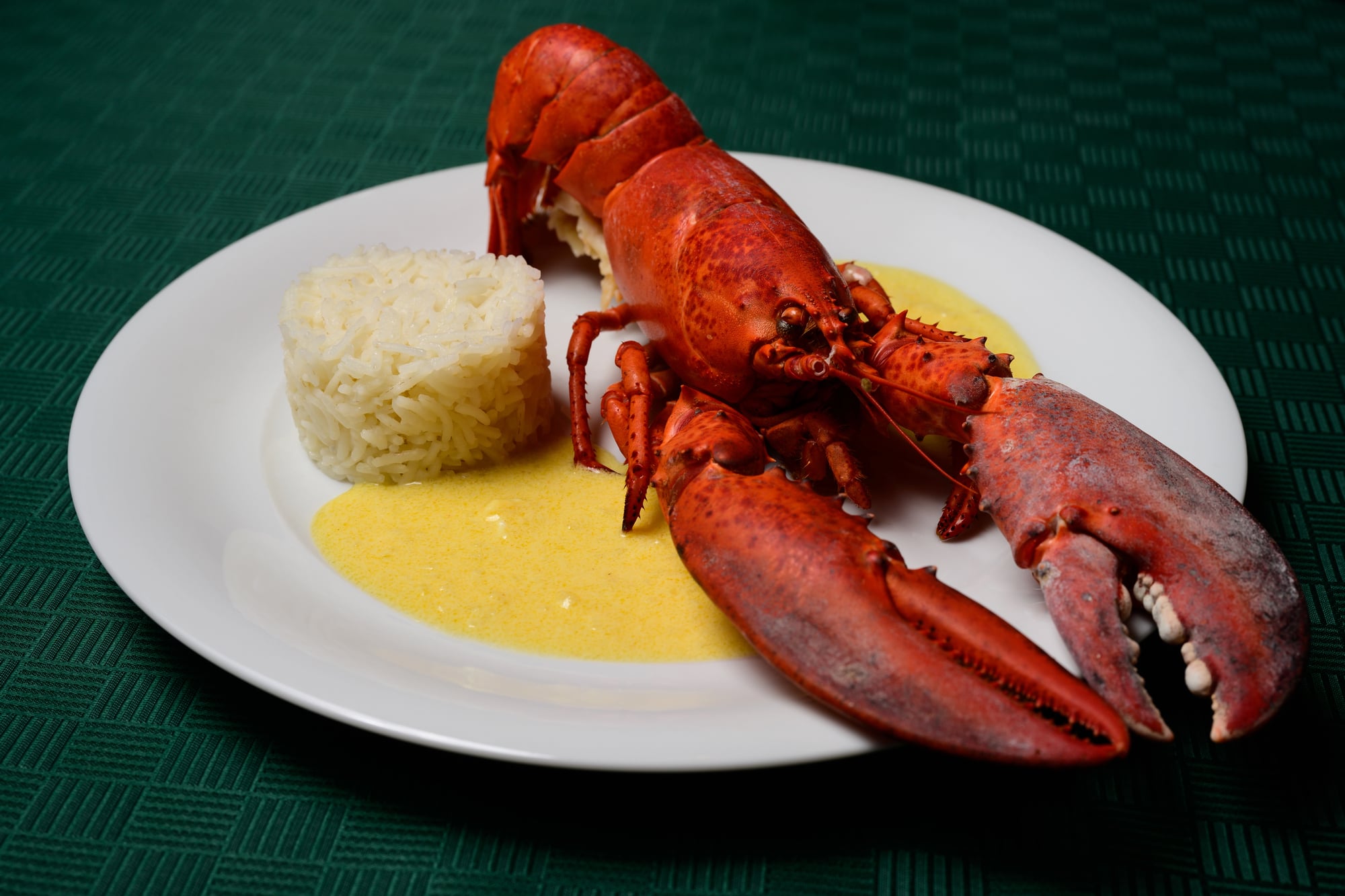
This luxurious appetizer has its roots in a chance encounter at one of New York’s most famous restaurants. In 1876, sea captain Ben Wenberg walked into Delmonico’s with an idea.
He convinced head chef Charles Ranhofer to try his recipe, which involved cooking lobster in cream, butter, and sherry. The dish was so delicious that Delmonico’s immediately added ‘Lobster Wenberg’ to their menu.
Graham Crackers
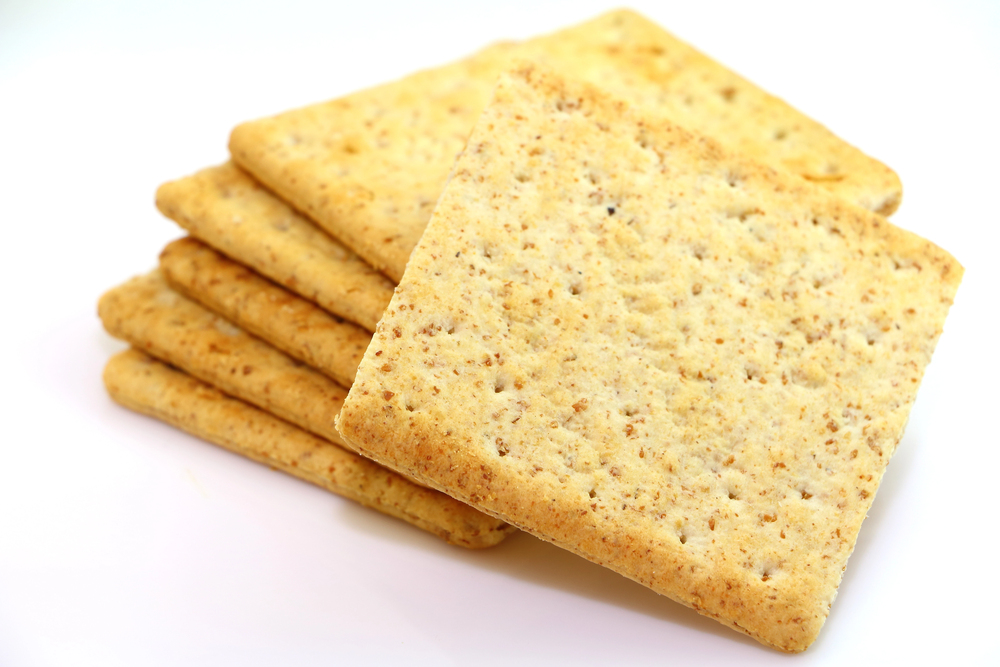
Sylvester Graham was a 19th-century Presbyterian minister with some very strong opinions about food and morality. He believed that eating bland, whole grain foods would keep people away from temptation and lead them to live more virtuous lives.
Graham developed his own coarsely ground wheat flour and created crackers as part of his radical vegetarian diet. His followers were called ‘Grahamites,’ and they embraced his philosophy that minimizing pleasure in all forms—including food—was the path to spiritual purity.
Bananas Foster
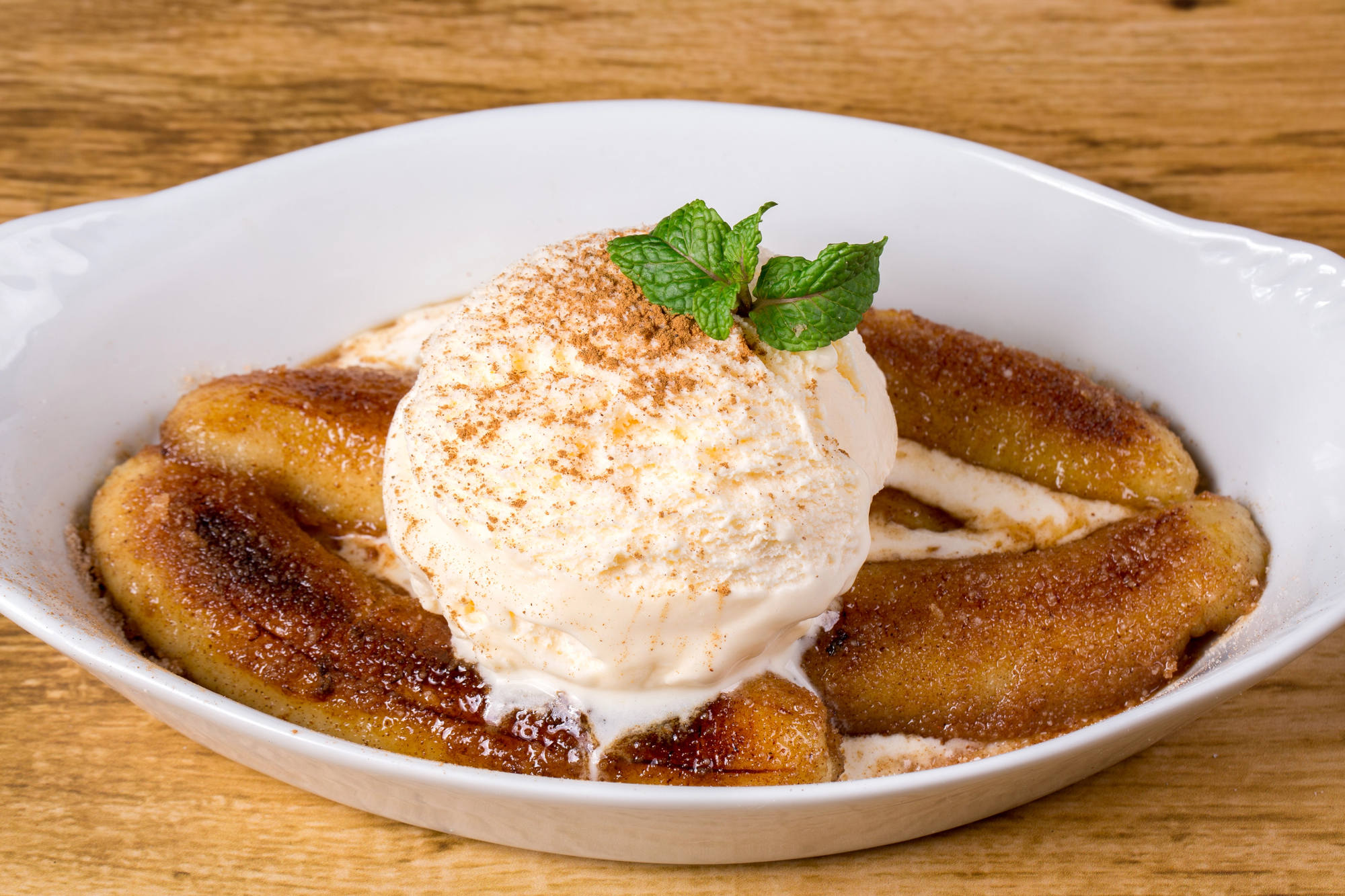
New Orleans in the 1950s was a major port for banana imports from South America, which inspired this spectacular flaming dessert. The dish was created at Brennan’s restaurant by chef Paul Blangé, working with the Brennan family to modify an old family recipe.
They named it after Richard Foster, who was chairman of the New Orleans Crime Commission and a friend of the restaurant owners. The dessert features bananas cooked in butter, brown sugar, cinnamon, and rum, then dramatically flambéed and served over vanilla ice cream.
Chicken à la King
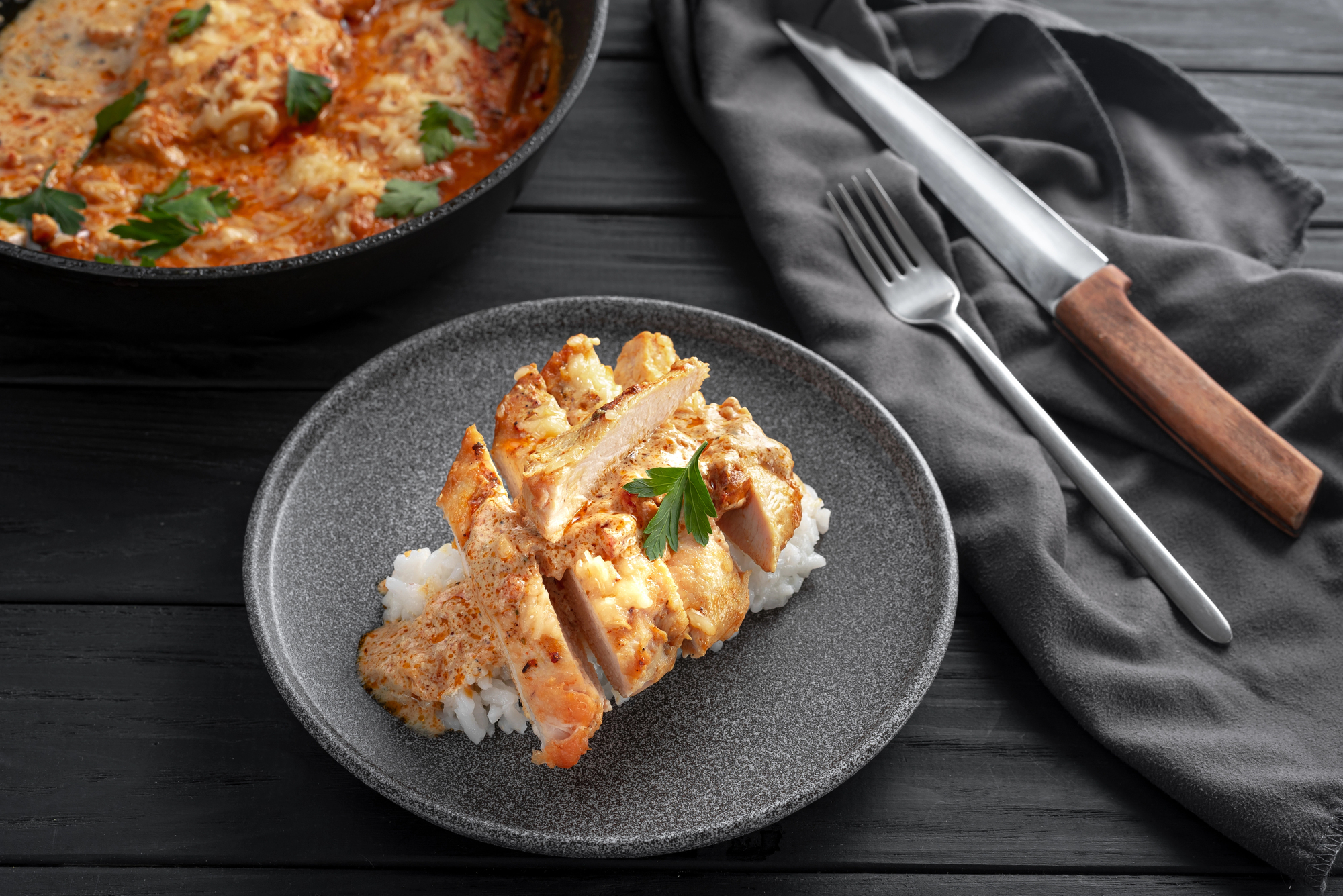
This creamy chicken dish has a delightfully straightforward origin story. In the 1890s, William ‘Bill’ King worked as a cook at the Bellevue Hotel in Philadelphia.
He was experimenting with ways to make leftover chicken more appealing when he combined chunks of chicken with mushrooms, peppers, and a rich cream sauce. The result was so popular with hotel guests that it quickly spread to other restaurants.
Salisbury Steak
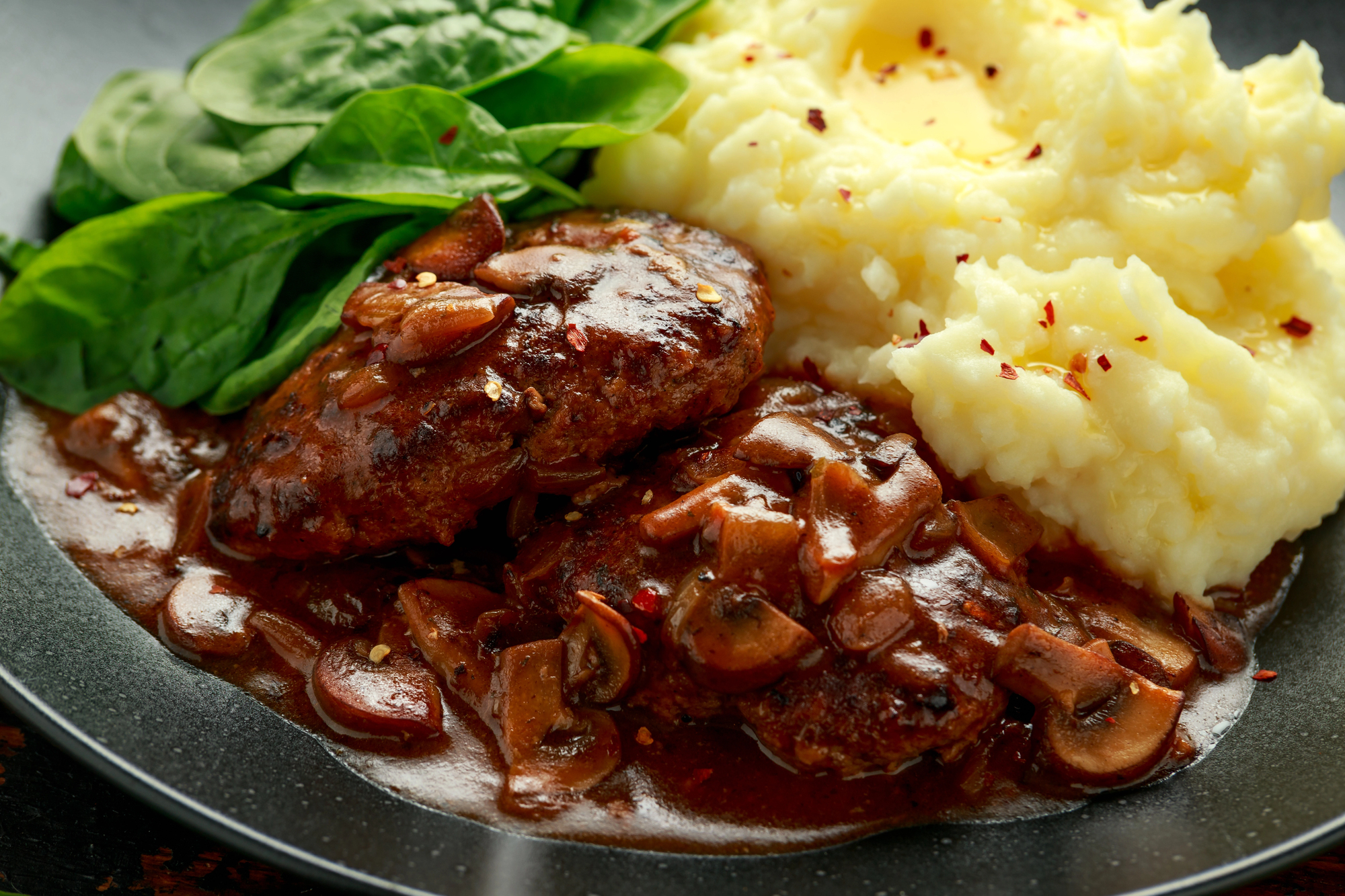
Dr. James Henry Salisbury was a 19th-century physician who believed that most diseases could be cured through proper diet. During the American Civil War, he developed what he called ‘muscle pulp of beef’—essentially seasoned ground beef formed into patties—as a healthy meal for soldiers.
Dr. Salisbury was convinced that a diet heavy in lean beef would cure everything from digestive problems to mental illness. While his medical theories didn’t pan out, his protein-rich dish became a comfort food staple.
Cobb Salad
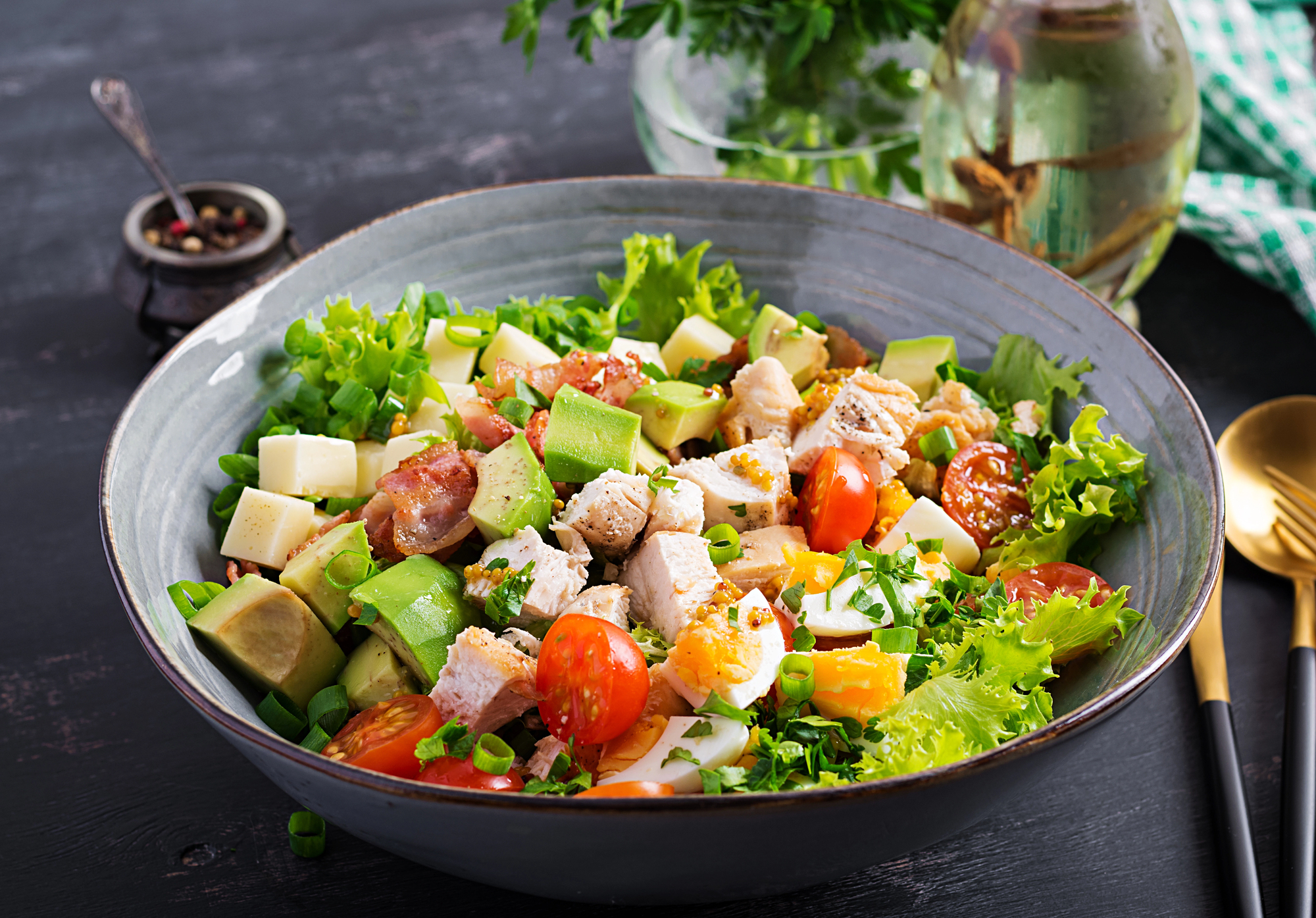
Robert H. Cobb was a Hollywood restaurateur in the 1930s who owned the famous Brown Derby restaurant. According to legend, Cobb was working late one night in 1937 when he got hungry and wandered into the kitchen looking for a snack.
He opened the refrigerator and started grabbing whatever caught his eye: lettuce, tomatoes, bacon, chicken, hard-boiled eggs, blue cheese, and avocado. He chopped everything up, tossed it together, and created what would become one of America’s most beloved salads.
Sandwich
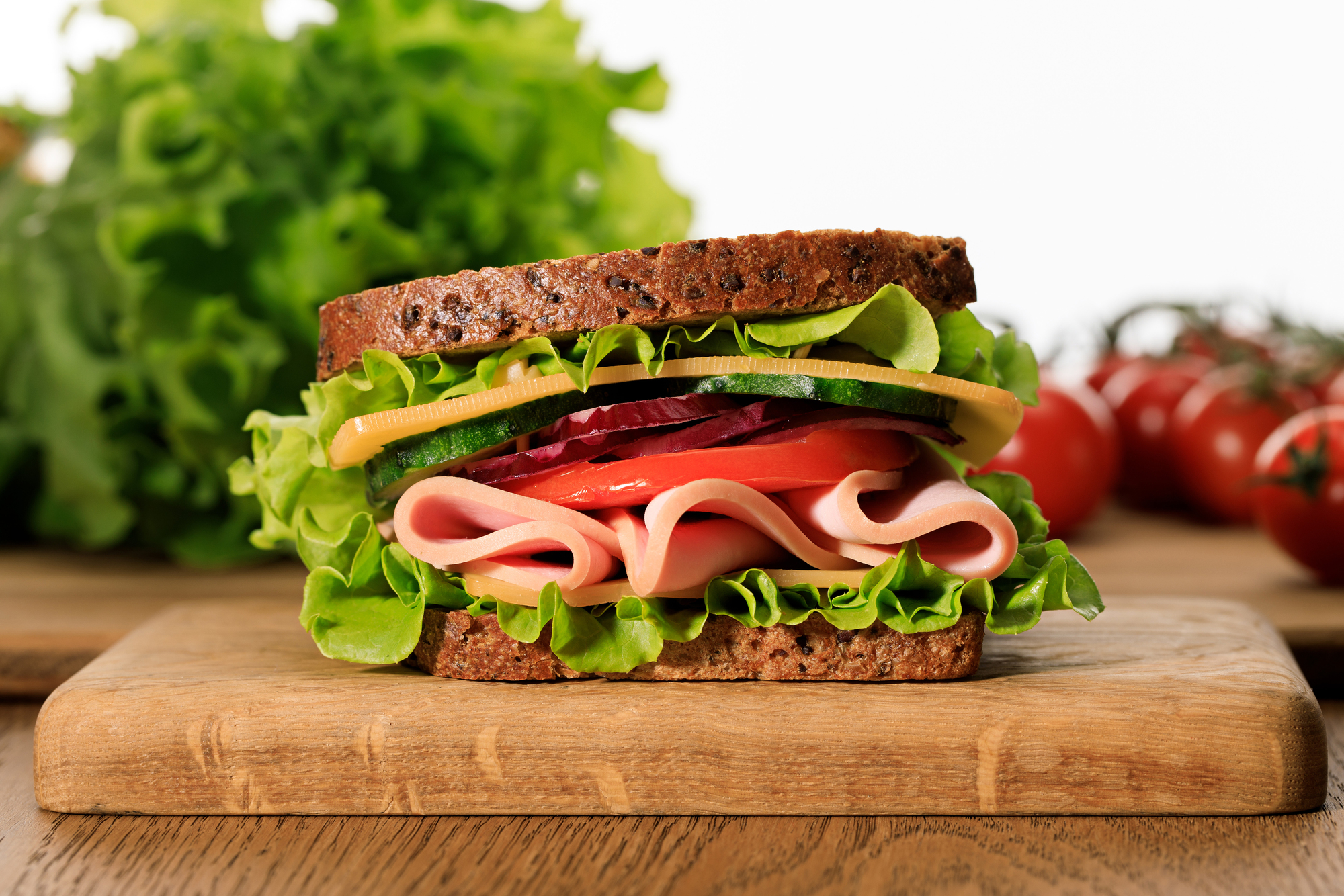
John Montagu, the 4th Earl of Sandwich, was an 18th-century English nobleman with a serious gambling problem. Legend has it that he was so addicted to card games that he refused to leave the table for meals.
In 1762, during a particularly intense 24-hour gaming session, he instructed his servants to bring him meat tucked between two pieces of bread so he could eat without getting his cards greasy or having to use utensils. Other players began asking for ‘the same as Sandwich,’ and the concept spread throughout London’s gentlemen’s clubs.
Pizza Margherita
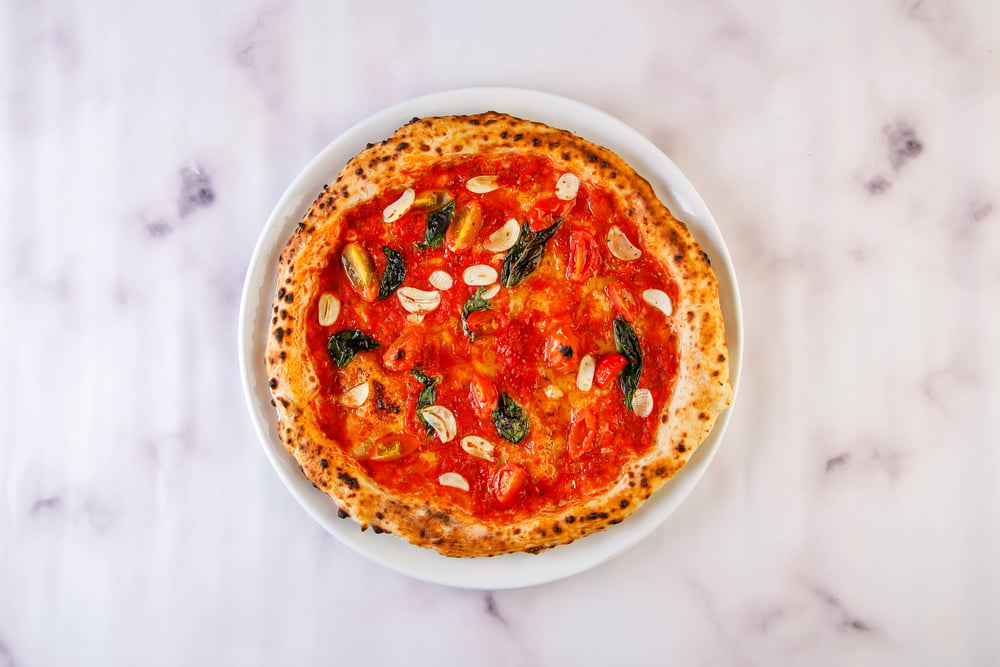
In 1889, Queen Margherita of Savoy visited Naples, and local pizzaiolo Raffaele Esposito wanted to create something special for Italian royalty. He crafted three different pizzas for her to try, but the one that captured her heart featured tomatoes, mozzarella, and fresh basil—the colors of the Italian flag.
The Queen was so delighted with this patriotic pie that Esposito named it ‘Pizza Margherita’ in her honor. This simple combination of ingredients became the gold standard for pizza worldwide.
Carpaccio
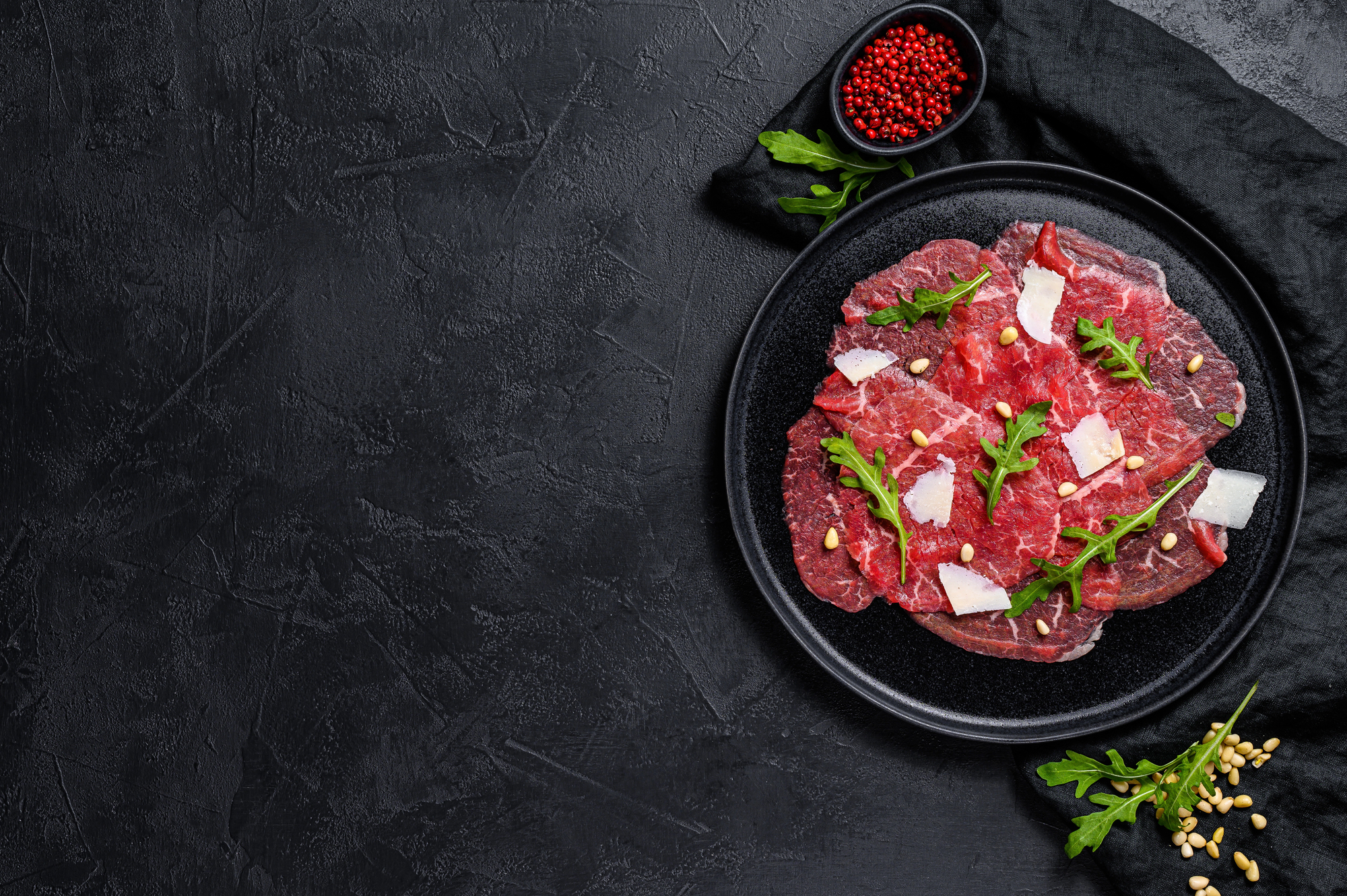
This dish has a uniquely artistic origin story that connects food with fine art. In the 1950s, Giuseppe Cipriani was running Harry’s Bar in Venice when he created a dish of thinly sliced raw beef for a customer who couldn’t eat cooked meat for health reasons.
When it came time to name the dish, Cipriani was inspired by a Venetian Renaissance painter named Vittore Carpaccio, who was famous for using rich red colors in his work. The deep red of the raw beef reminded Cipriani of Carpaccio’s paintings.
From History’s Kitchen to Your Table
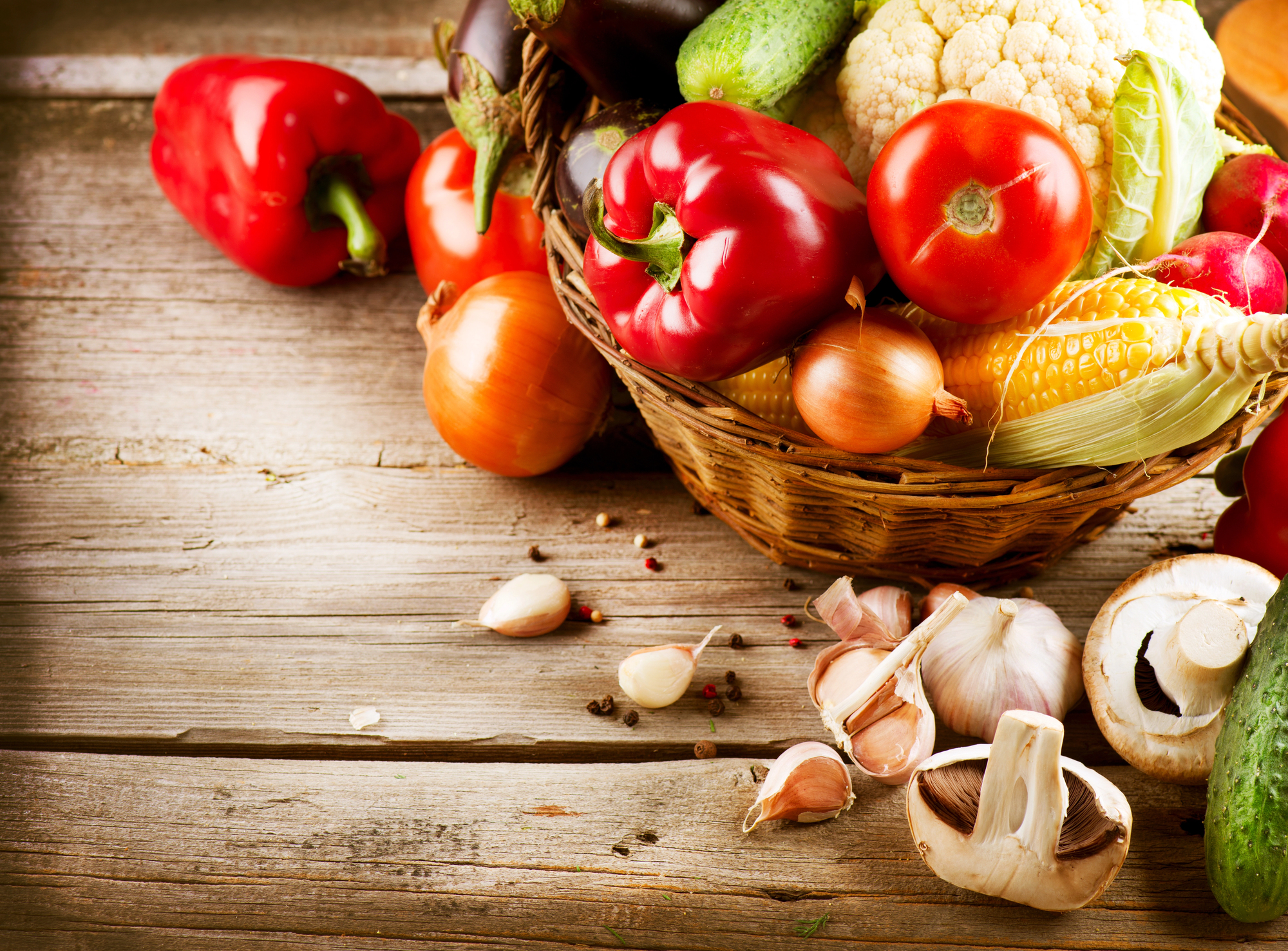
These 16 dishes prove that the best recipes often come with the best stories. Whether born from love, necessity, accident, or pure creativity, each of these meals carries the legacy of a real person who left their mark on culinary history.
The next time you order fettuccine Alfredo or bite into a Granny Smith apple, you’re not just enjoying a meal—you’re tasting a piece of someone’s life story. From Alfredo’s devoted care for his pregnant wife to Nacho’s quick thinking in a pinch, these dishes remind us that behind every great recipe is a human being with dreams, challenges, and moments of inspiration that changed the way we eat forever.
More from Go2Tutors!

- The Romanov Crown Jewels and Their Tragic Fate
- 13 Historical Mysteries That Science Still Can’t Solve
- Famous Hoaxes That Fooled the World for Years
- 15 Child Stars with Tragic Adult Lives
- 16 Famous Jewelry Pieces in History
Like Go2Tutors’s content? Follow us on MSN.