16 Collaborative Behaviors That Span Species Lines
Nature is often portrayed as a ruthless competition where only the strongest survive, but the reality is far more cooperative than most people realize. Across the natural world, completely different species have evolved remarkable partnerships that benefit everyone involved.
These collaborations span the entire tree of life, from bacteria working with plants to mammals teaming up with birds, proving that cooperation can be just as powerful as competition in shaping evolution. What makes these partnerships truly amazing is how species with completely different biology, communication systems, and life strategies manage to coordinate their behavior for mutual benefit.
Here is a list of 16 collaborative behaviors that span species lines.
Cleaner Fish Services
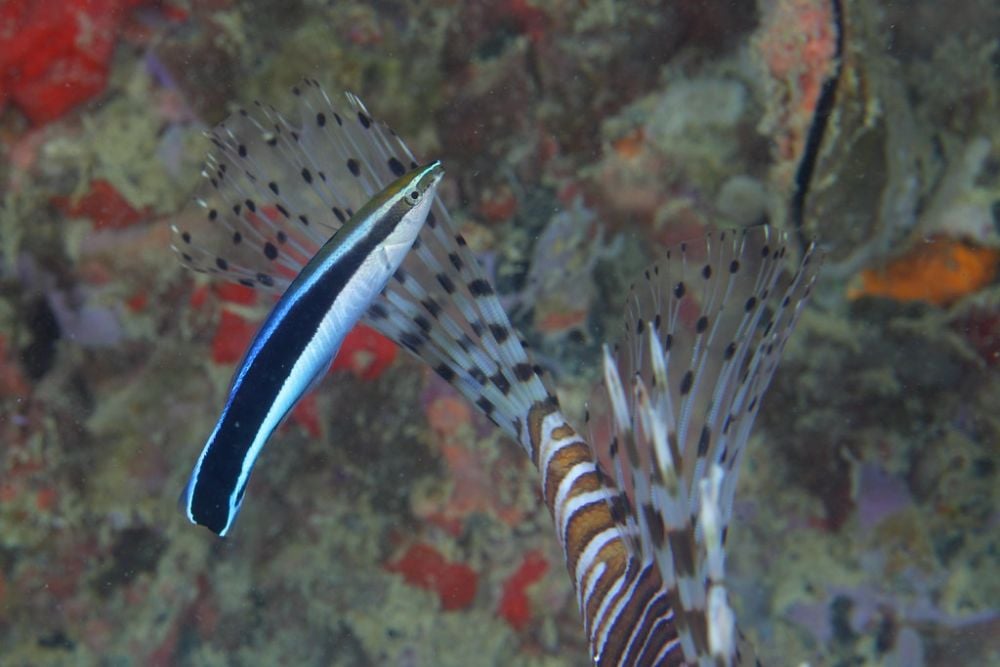
Some of the ocean’s most impressive teamwork happens at underwater cleaning stations where small fish provide grooming services to much larger marine animals. Cleaner wrasses and gobies remove parasites, dead skin, and infected tissue from sharks, rays, and large fish that would otherwise struggle to maintain their health.
The relationship is so well-established that predatory fish will wait patiently in line at cleaning stations, suppressing their hunting instincts to receive these essential health services.
Oxpecker and Large Mammal Partnerships

African oxpeckers have turned pest control into an art form by riding on the backs of buffalo, rhinos, and other large mammals while dining on ticks, flies, and other parasites. These small birds get an all-you-can-eat buffet while their hosts receive relief from annoying and potentially disease-carrying insects.
The oxpeckers also serve as early warning systems, taking flight and calling out when predators approach their grazing partners.
Like Go2Tutors’s content? Follow us on MSN.
Pollination Networks
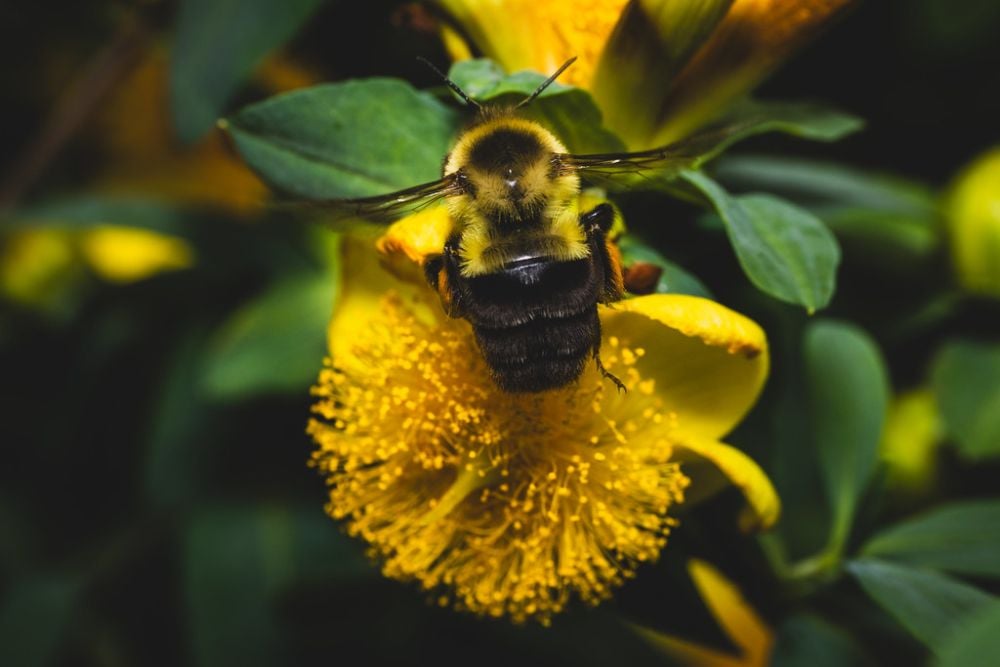
The collaboration between flowering plants and their pollinators represents one of nature’s most successful business partnerships, with both sides offering valuable services in exchange for essential resources. Bees, butterflies, birds, and even bats receive nectar and pollen while inadvertently transferring genetic material between plants, enabling reproduction across vast distances.
Some orchids have evolved such specific relationships with particular insects that neither species can survive without the other.
Ant-Aphid Farming
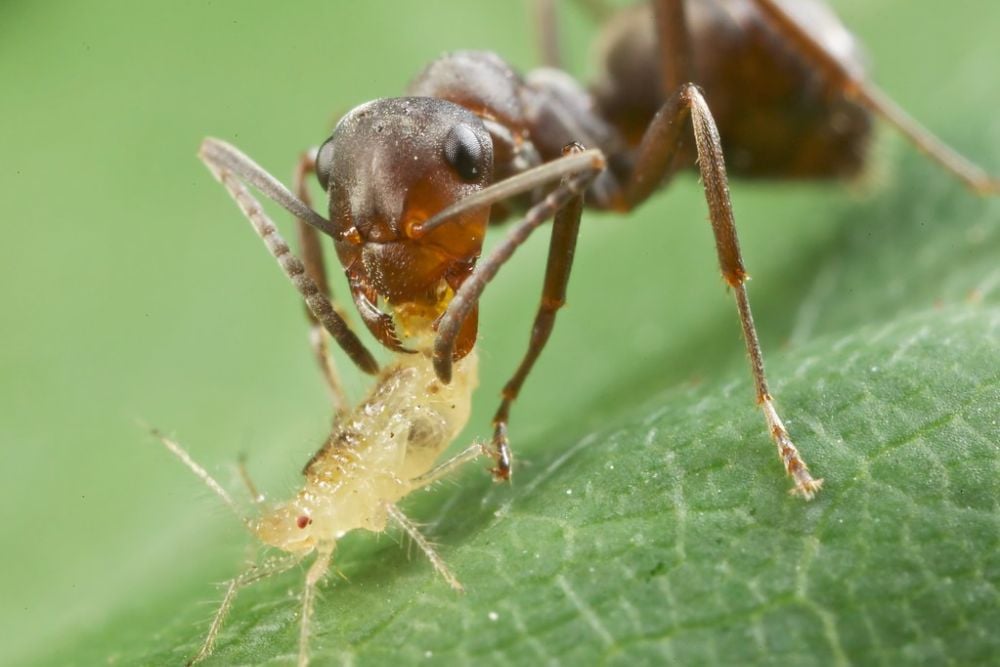
Ants have essentially domesticated aphids, protecting these small insects from predators while harvesting the sweet honeydew they produce as waste products. The ants patrol the aphid colonies, fighting off ladybugs and other aphid predators, and even move their charges to better feeding locations when necessary.
This relationship is so sophisticated that some ant species overwinter aphid eggs in their nests, ensuring a steady supply of honeydew producers for the following season.
Mycorrhizal Root Networks

Underground fungal networks connect the roots of different plant species, creating what scientists call the ‘wood wide web’ that allows forests to share resources and information. Trees can send nutrients, water, and even chemical warning signals to other plants through these fungal partnerships, with the fungi receiving carbohydrates in return.
Mother trees have been observed sending extra resources to their offspring through these networks, while also supporting struggling neighbors during droughts or disease outbreaks.
Like Go2Tutors’s content? Follow us on MSN.
Honeyguide Bird Cooperation

African honeyguide birds have developed an extraordinary partnership with humans and honey badgers, leading them to bee colonies in exchange for access to beeswax and larvae. The birds use specific calls and flight patterns to guide their partners to hidden hives, then wait for the mammals to break open the colonies before sharing in the feast.
This collaboration has persisted for thousands of years, with some human cultures maintaining traditional knowledge about how to communicate with and follow these remarkable birds.
Mixed-Species Foraging Flocks

Different bird species often join forces while searching for food, combining their various skills and vigilance levels to improve everyone’s success and safety. Woodpeckers flush out insects that ground-feeding birds can catch, while sentinel species like nuthatches keep watch for predators and alert the entire flock to danger.
These temporary alliances can include a dozen or more species, each contributing unique abilities to the group’s collective foraging efficiency.
Remora Fish Hitchhiking
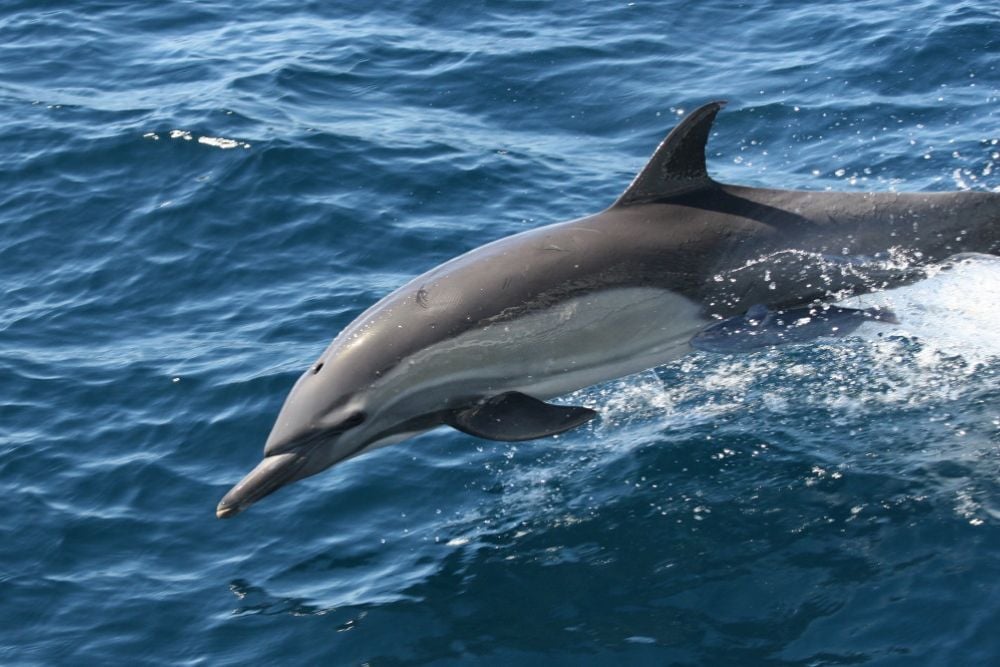
Remora fish have modified their dorsal fins into powerful suction cups that allow them to attach to sharks, whales, and other large marine animals for free transportation and protection. While hitching rides, they feed on parasites, loose scales, and food scraps from their hosts’ meals, providing cleaning services in exchange for their mobile lifestyle.
This relationship has become so specialized that different remora species prefer specific types of host animals.
Like Go2Tutors’s content? Follow us on MSN.
Anemone and Clownfish Symbiosis

Clownfish have developed immunity to sea anemone stings, allowing them to live safely among the anemone’s venomous tentacles while providing protection and cleaning services in return. The fish defend their anemone homes from butterflyfish and other predators that would eat the anemone, while also removing debris and parasites from their host.
The anemone benefits from the fish’s waste products, which provide essential nutrients for growth.
Crocodile and Plover Bird Dental Care

Egyptian plovers have earned the nickname ‘crocodile bird’ for their remarkable willingness to hop into the open mouths of Nile crocodiles to remove food scraps and parasites from their teeth. The crocodiles remain perfectly still during these cleaning sessions, suppressing their powerful bite reflex to allow the small birds to work safely.
This dental hygiene service helps prevent infections and tooth decay in the crocodiles while providing easy meals for the brave little birds.
Badger and Coyote Hunting Teams

American badgers and coyotes have developed complementary hunting strategies that make both species more successful at catching ground squirrels and prairie dogs. Badgers excel at digging prey out of burrows while coyotes are better at catching animals that flee across open ground, so they often hunt together to cover all escape routes.
This partnership has been documented across multiple generations, with some badger-coyote pairs maintaining their collaboration for years.
Like Go2Tutors’s content? Follow us on MSN.
Lichen Dual Organism

Lichens represent one of nature’s most successful long-term partnerships, combining algae or cyanobacteria with fungi to create entirely new organisms that can survive in environments where neither partner could exist alone. The photosynthetic partner produces food from sunlight while the fungal partner provides structure, protection, and mineral absorption from rock surfaces.
This collaboration has been so successful that lichens can be found thriving everywhere from arctic tundra to desert rocks.
Grouper and Moray Eel Coordination

Giant groupers and moray eels have developed sophisticated hunting partnerships in coral reefs, using hand signals and coordinated attacks to catch fish that would otherwise escape either predator alone. The grouper signals to eels by shaking its head and positioning itself near crevices where prey might be hiding, while the eel’s ability to enter tight spaces complements the grouper’s open-water hunting skills.
These partnerships can last for hours, with both predators sharing the spoils of their coordinated hunts.
Cattle Egret Pest Control
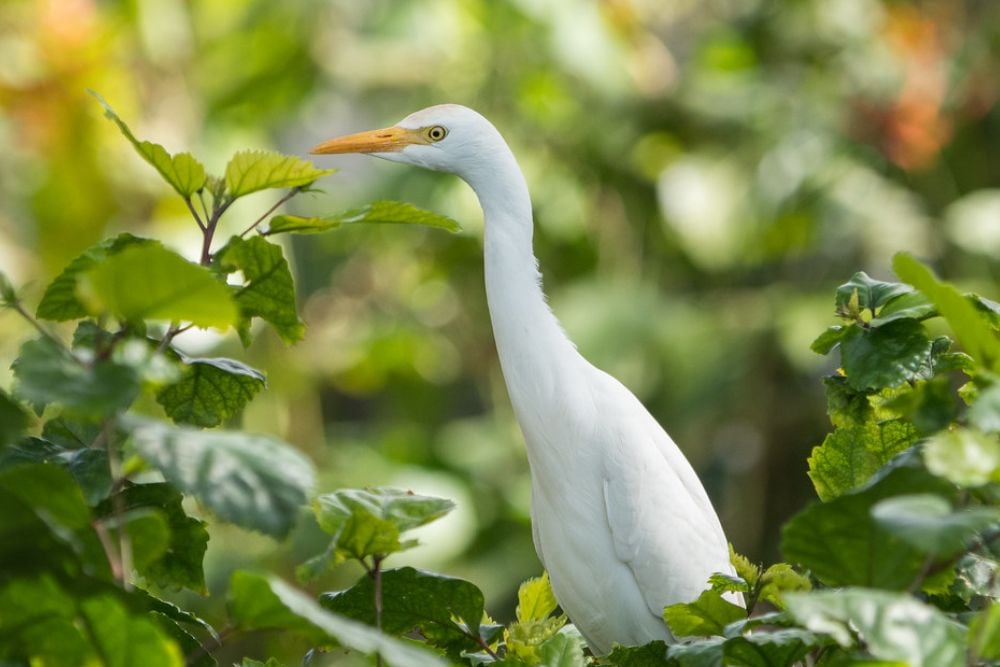
Cattle egrets follow grazing animals like buffalo, cattle, and elephants, catching insects that are stirred up by the movement of these large herbivores through grasslands. The birds get easy access to grasshoppers, beetles, and other prey while providing pest control services that reduce the number of biting insects bothering their hosts.
This relationship has become so established that the egrets time their breeding seasons to coincide with peak grazing activity.
Like Go2Tutors’s content? Follow us on MSN.
Decorator Crab Camouflage
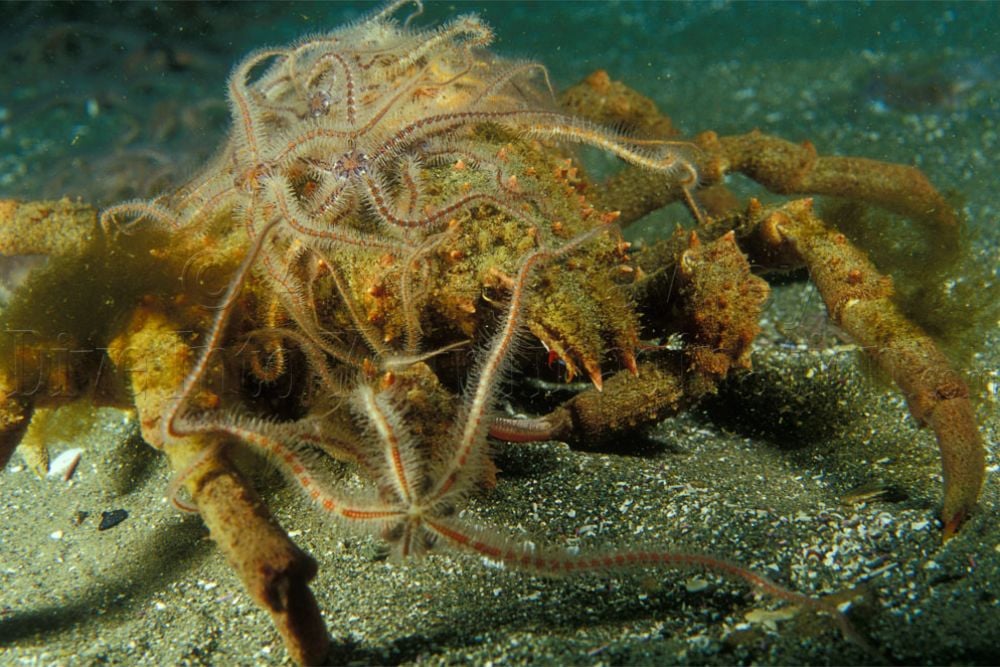
Decorator crabs carefully select and attach specific sponges, algae, and other organisms to their shells, creating living camouflage that benefits both the crab and its hitchhiking passengers. The attached organisms gain new territory and access to food-rich areas as the crab moves around, while the crab becomes nearly invisible to predators and prey.
Some species are so selective about their decorations that they maintain gardens of preferred organisms for future use.
Human-Dolphin Fishing Cooperation
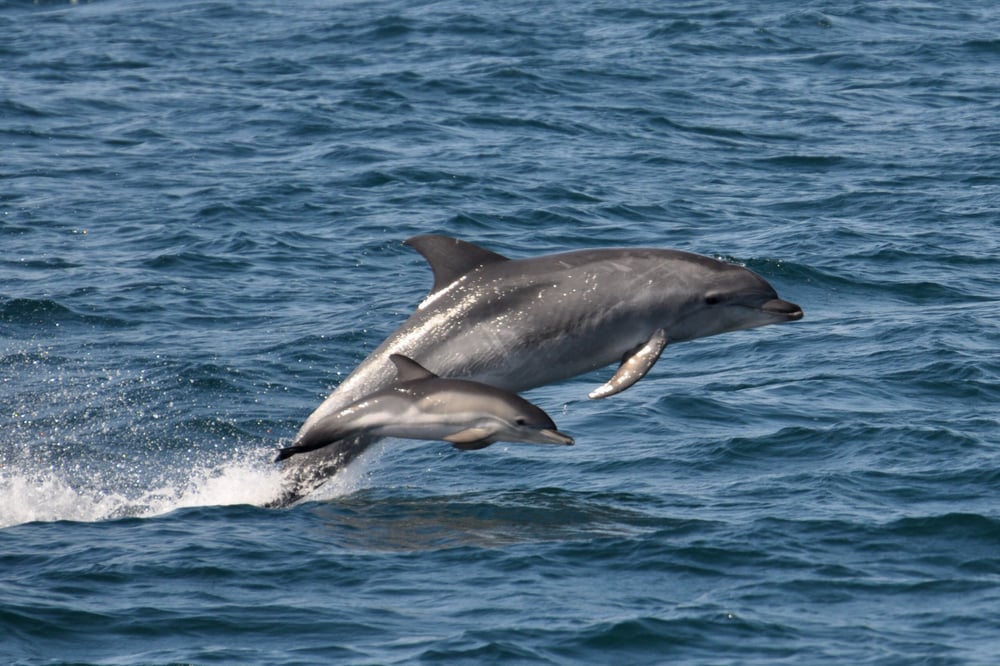
In several locations around the world, wild dolphins have developed fishing partnerships with human communities, working together to catch fish in ways that benefit both species. The dolphins drive schools of fish toward waiting fishermen, who use nets to catch the fish while the dolphins feed on those that escape or are deliberately shared.
These partnerships have persisted for generations in places like Brazil and Australia, with dolphins teaching the techniques to their offspring and fishermen passing down the traditional cooperation methods.
Cooperation Writes Evolution’s Success Stories

These remarkable partnerships demonstrate that evolution often favors collaboration over competition, creating relationships that allow entirely different species to thrive together in ways neither could achieve alone. As ecosystems face increasing pressure from climate change and habitat loss, these cooperative relationships become even more crucial for maintaining biodiversity and ecosystem stability.
The ingenuity and complexity of these cross-species collaborations remind us that nature’s greatest innovations often come from learning to work together rather than simply trying to outcompete one another.
More from Go2Tutors!

- 16 Restaurant Chains That Went Too Fast
- 12 Things Sold in the 80s That Are Now Illegal
- 15 Strange Things People Have Tried to Ban (And Failed)
- 16 Collectibles People Tossed Out Too Soon
- 17 Myths from Your Childhood That Were Actually Based on Real Things
Like Go2Tutors’s content? Follow us on MSN.