16 Most-Watched News Reports in History
Throughout history, certain news events have stopped the world in its tracks, drawing audiences so massive that entire populations seemed to pause whatever they were doing to watch history unfold. These weren’t just ordinary news broadcasts—they were shared human experiences that transcended borders, languages, and cultures.
From space exploration triumphs to national tragedies, presidential assassinations to natural disasters, these reports became defining moments that entire generations remember exactly where they were when they heard the news.Television’s power to unite millions of viewers around single events has created some of the most-watched broadcasts in media history.
Here is a list of 16 news reports that captured the attention of unprecedented global audiences and became defining moments of their respective eras.
Apollo 11 Moon Landing

The Apollo 11 moon landing on July 20, 1969, drew an estimated 650 million viewers worldwide—roughly one-fifth of the entire global population at the time. Walter Cronkite’s coverage on CBS became iconic, particularly his emotional reaction when Neil Armstrong first set foot on the lunar surface.
The broadcast represented humanity’s greatest technological achievement, and people around the world gathered around television sets to witness this historic first step on another celestial body.
JFK Assassination Coverage

President John F. Kennedy’s assassination on November 22, 1963, and the subsequent four days of continuous coverage drew unprecedented audiences across all networks. An estimated 96% of American households with televisions watched some portion of the coverage, making it one of the most-watched events in TV history.
The live broadcast of Lee Harvey Oswald’s murder by Jack Ruby two days later added another shocking moment that millions witnessed in real-time.
Challenger Space Shuttle Disaster

The Challenger disaster on January 28, 1986, was witnessed live by millions of viewers, including countless schoolchildren who were watching because teacher Christa McAuliffe was aboard. The explosion occurred just 73 seconds after liftoff, and the coverage continued for hours as news anchors struggled to comprehend what had happened.
The tragedy marked a turning point in how Americans viewed space exploration and the risks involved in pushing technological boundaries.
September 11 Attack
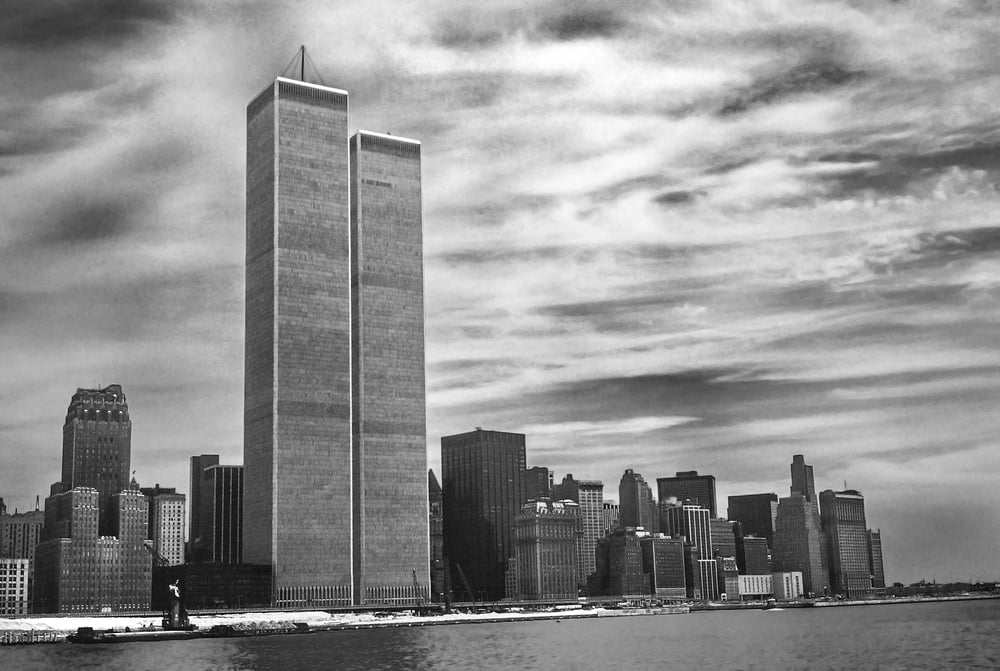
The September 11, 2001 terrorist attacks drew massive global audiences as viewers watched in real-time while the second plane hit the World Trade Center and the towers collapsed. Networks provided continuous coverage for days, with an estimated 80 million Americans watching during the initial hours of the crisis.
The attacks fundamentally changed how news organizations cover breaking events and demonstrated television’s role in processing collective trauma.
Nixon Resignation Speech
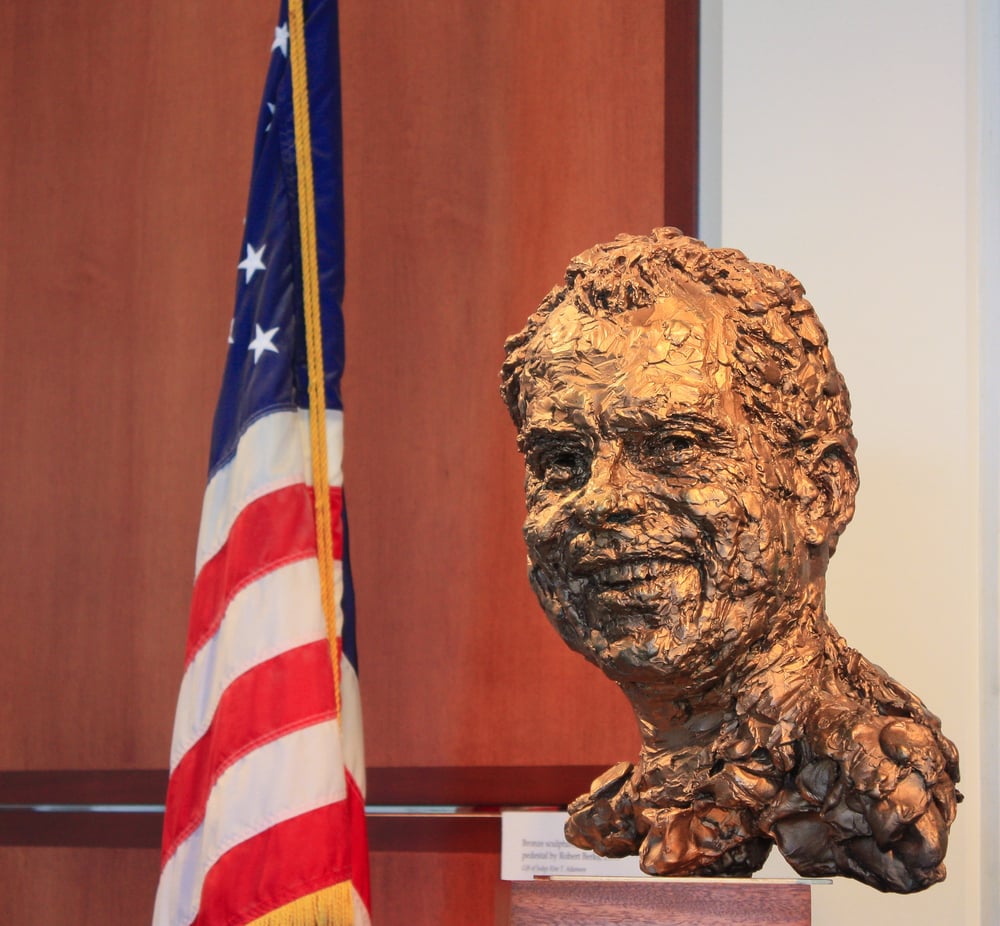
President Richard Nixon’s resignation speech on August 8, 1974, attracted approximately 110 million viewers in the United States alone. The 16-minute address marked the first time in American history that a president resigned from office, making it a constitutional crisis of unprecedented proportions.
Nixon’s departure ended the Watergate scandal that had dominated news coverage for over two years.
Princess Diana’s Funeral
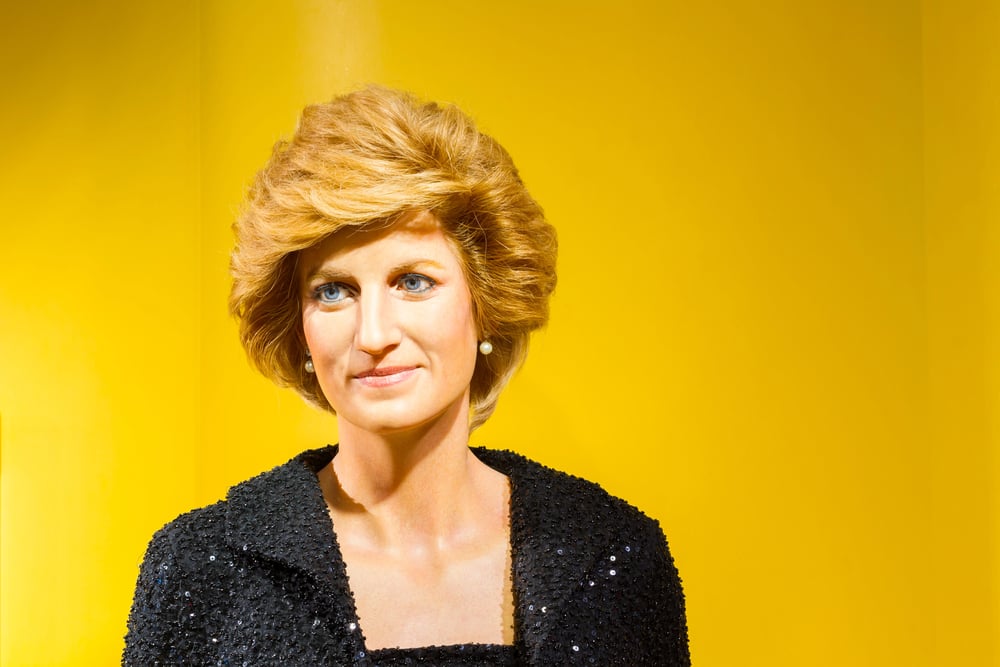
Princess Diana’s funeral on September 6, 1997, was watched by an estimated 2.5 billion people worldwide, making it one of the most-watched events in television history. The ceremony combined royal pageantry with genuine public grief, as millions lined the streets of London while billions more watched on television.
The coverage lasted for hours and included commentary from news anchors around the world trying to capture the significance of the ‘People’s Princess.’
Berlin Wall Fall

The fall of the Berlin Wall in November 1989 drew massive global audiences as people watched the symbolic end of the Cold War unfold in real-time. News crews captured citizens attacking the wall with hammers and pickaxes while East and West Berliners celebrated together for the first time in decades.
The images of families reuniting and guards abandoning their posts became some of the most powerful visuals of the 20th century.
O.J. Simpson Bronco Chase

The O.J. Simpson white Bronco chase on June 17, 1994, attracted an estimated 95 million viewers, making it one of the most-watched events of the 1990s. The slow-speed chase lasted for hours as Simpson sat in the passenger seat while his friend Al Cowlings drove through Los Angeles freeways.
The surreal nature of the chase, combined with Simpson’s celebrity status, created a media spectacle that interrupted regular programming across all networks.
Pearl Harbor Attack Reports
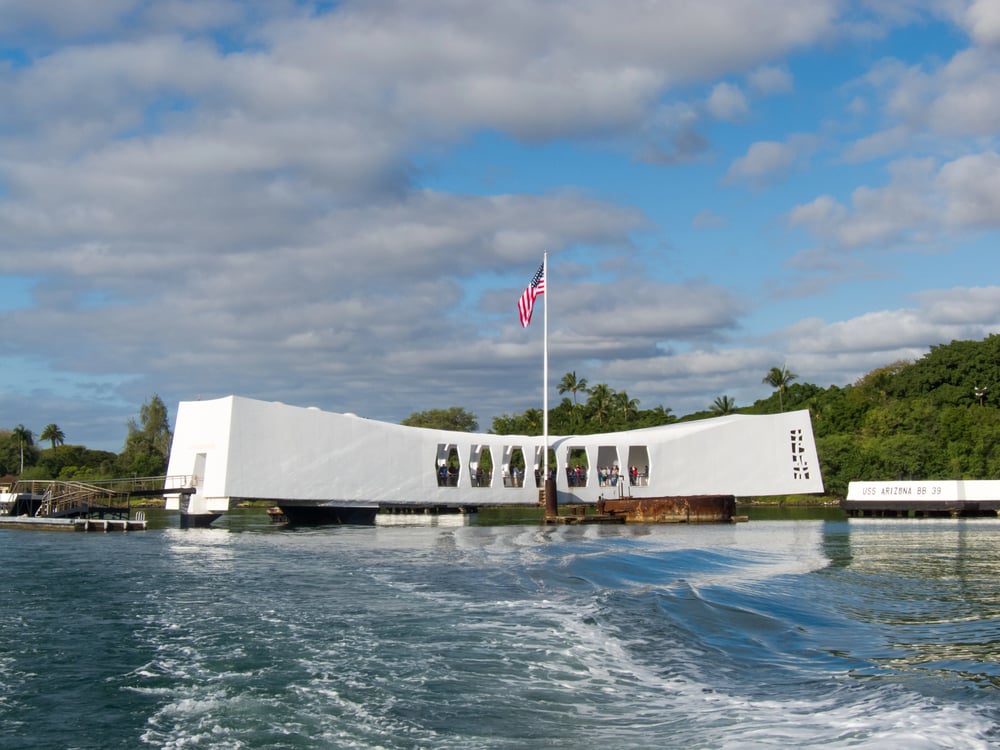
The initial radio and early television reports of the Pearl Harbor attack on December 7, 1941, reached millions of Americans and marked the country’s entry into World War II. While television was still in its infancy, radio broadcasts interrupted regular programming to deliver the shocking news that Japanese forces had attacked the U.S. naval base.
The reports galvanized American public opinion and led to President Roosevelt’s ‘Day of Infamy’ speech the following day.
Hindenburg Disaster

The Hindenburg disaster on May 6, 1937, was covered by radio reporter Herbert Morrison, whose emotional account became one of the most famous pieces of broadcast journalism ever recorded. While the actual crash wasn’t televised, Morrison’s live radio description with his famous words ‘Oh, the humanity!’ was later synchronized with newsreel footage.
The coverage marked an early example of how dramatic live reporting could capture public attention and emotion.
Watergate Hearings

The Senate Watergate hearings in 1973 drew daytime television audiences that rivaled popular soap operas, with millions of Americans following the investigation into President Nixon’s administration. The hearings were broadcast live during the day, and many people rearranged their schedules to watch the proceedings unfold.
Senator Sam Ervin’s folksy questioning style and dramatic testimony from key witnesses made for compelling television that helped turn public opinion against Nixon.
Chernobyl Nuclear Disaster

News coverage of the Chernobyl nuclear disaster on April 26, 1986, drew massive audiences across Europe and the Soviet Union, though initial reports were heavily censored by Soviet authorities. As details emerged over the following days and weeks, international news coverage intensified, with millions tuning in to understand the scope of the nuclear accident.
The disaster marked a significant moment in the opening of Soviet society and demonstrated the global impact of nuclear technology.
Live Aid Concert

The Live Aid concerts on July 13, 1985, were broadcast live to an estimated 1.9 billion viewers across 150 countries, making it one of the largest simultaneous broadcasts in television history. While technically a concert rather than a news event, the broadcasts raised awareness and funds for famine relief in Africa.
The 16-hour event featured performances from London and Philadelphia, with news anchors providing commentary between musical acts.
Waco Siege Ending

The fiery end of the Waco siege on April 19, 1993, was broadcast live as FBI agents moved in on the Branch Davidian compound in Texas. Millions watched as the buildings erupted in flames, killing leader David Koresh and dozens of his followers after a 51-day standoff.
The coverage raised questions about federal law enforcement tactics and became a rallying point for anti-government sentiment in the United States.
Columbine High School Shooting

The Columbine High School shooting on April 20, 1999, marked a turning point in how news organizations cover mass shootings, with millions watching continuous coverage throughout the day. Live television showed students fleeing the school while SWAT teams surrounded the building, though many details reported during the initial coverage later proved incorrect.
The tragedy changed how schools approach security and influenced news media policies about covering similar events.
COVID-19 Pandemic Announcements

President Trump’s March 11, 2020 address about COVID-19 travel restrictions and the WHO’s pandemic declaration drew massive global audiences as people sought information about the emerging health crisis. Multiple press conferences and briefings throughout March 2020 attracted millions of viewers as governments around the world announced lockdown measures.
The coverage marked the beginning of a fundamentally different era in global health, economics, and daily life.
When the World Watches Together

These historic broadcasts demonstrate television’s unique power to create shared experiences that transcend individual communities and connect humanity during pivotal moments. Whether celebrating achievements like the moon landing or processing tragedies like 9/11, these events remind us that despite our differences, people around the world often react to major news with similar emotions of wonder, grief, fear, or hope.
The massive audiences for these reports show that even in our fragmented media landscape, certain events still have the power to unite millions of viewers around a single story. As technology continues evolving how we consume news, these broadcasts remain touchstones for understanding how information can bring people together during history’s most significant moments.
More from Go2Tutors!

- The Romanov Crown Jewels and Their Tragic Fate
- 13 Historical Mysteries That Science Still Can’t Solve
- Famous Hoaxes That Fooled the World for Years
- 15 Child Stars with Tragic Adult Lives
- 16 Famous Jewelry Pieces in History
Like Go2Tutors’s content? Follow us on MSN.