16 Movie Endings That Got Changed Because Test Audiences Hated Them
Hollywood has always been in the business of pleasing audiences, even if that means scrapping a director’s original vision. The practice of test screenings—where early versions of films are shown to random viewers for feedback—has dramatically altered some of our favorite movies in their final stages of production.
These preview audiences wield surprising power over what eventually makes it to theaters. Here is a list of 16 movies that underwent significant ending changes after test audiences rejected the filmmakers’ original conclusions.
Fatal Attraction

The psychological thriller had originally ended with Glenn Close’s character killing herself and blaming Michael Douglas’s character for her murder. Test audiences resented this ending as unfulfilling and insisted that the villain be punished more clearly.
The studio spent another $1.3 million to reshoot the now-famous bathroom confrontation where Close’s character is shot and killed instead of merely killed. This alteration made the film a more conventional thriller with more clear-cut heroes and villains.
Pretty Woman
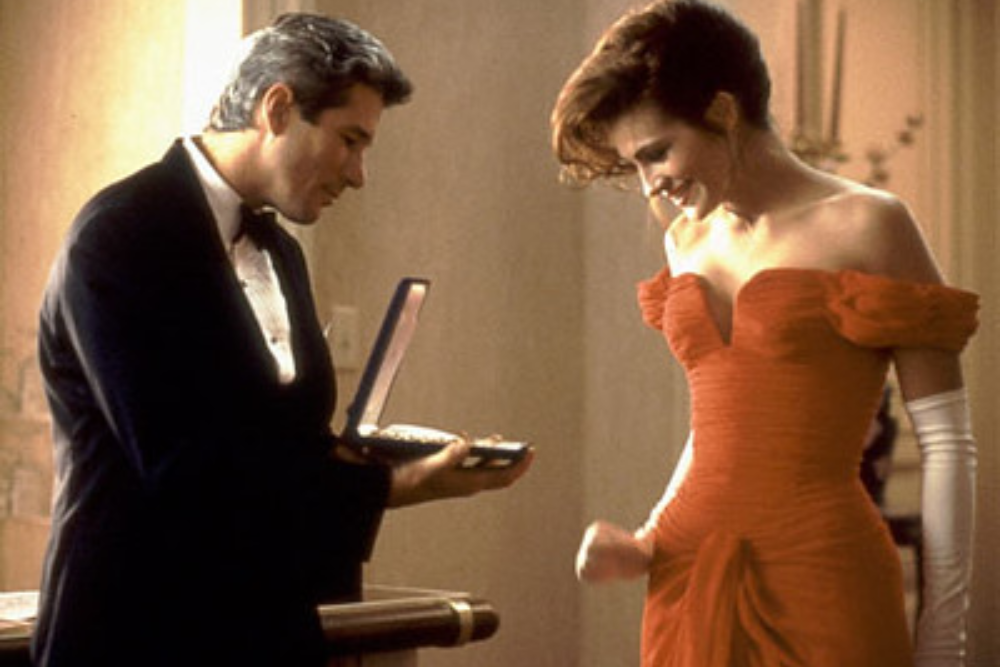
The fairytale romance we know today once had a much darker ending. The original script titled ‘3000’ ended with Vivian (Julia Roberts) and Edward (Richard Gere) parting ways permanently, with Edward throwing money at Vivian before she returns to her difficult life on the streets.
Test audiences were devastated by this conclusion and demanded a happier resolution. The studio obliged, creating the now-famous fire escape scene where Edward arrives with flowers to ‘rescue’ Vivian.
Like Go2Tutors’s content? Follow us on MSN.
I Am Legend
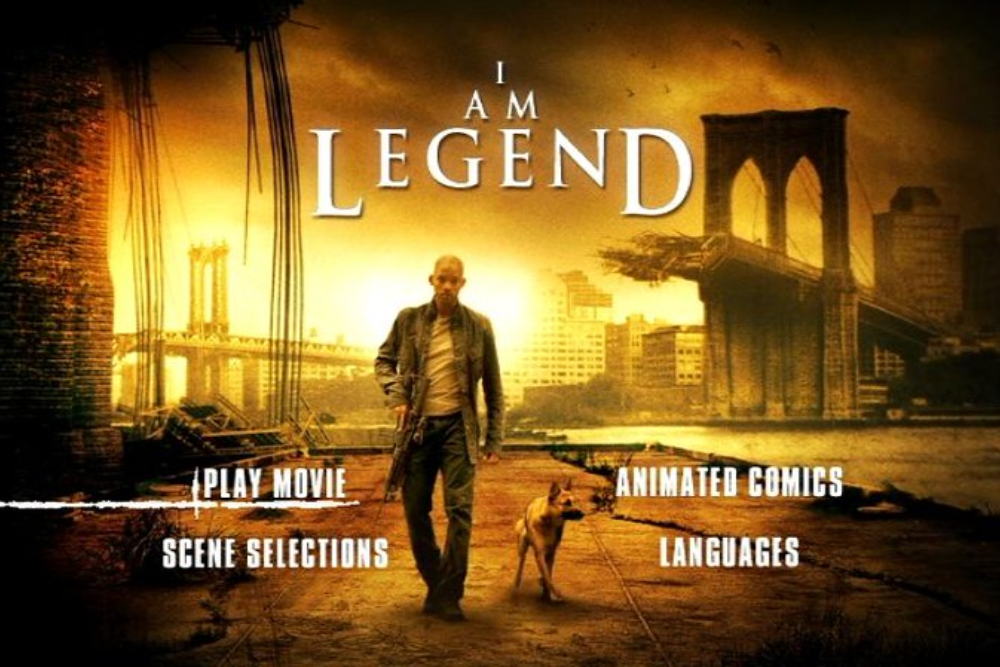
Will Smith’s apocalyptic thriller originally concluded with a shocking revelation—the creatures hunting him were actually sentient beings trying to rescue one of their own that Smith’s character had captured. The original ending revealed Smith as the true monster of the story from the creatures’ perspective.
Test audiences rejected this complex moral twist, preferring a straightforward hero narrative. The theatrical release was changed to a sacrificial ending where Smith’s character dies heroically while ensuring a cure reaches survivors.
The Break-Up
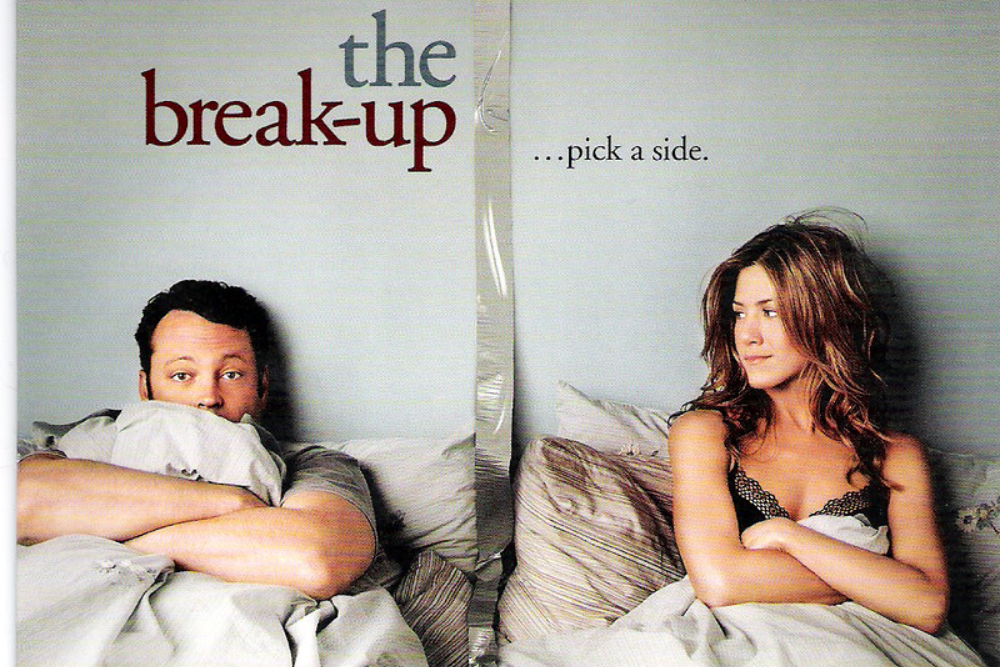
This Jennifer Aniston and Vince Vaughn romantic comedy initially stuck to its guns with an ending where the couple actually stays broken up—they run into each other months later, share a pleasant conversation, and move on with their separate lives. Test audiences, conditioned to expect reconciliation in romantic comedies, hated this realistic conclusion.
Though the filmmakers didn’t completely cave by reuniting the couple, they softened the ending by adding subtle hints that the characters might eventually reconnect.
Little Shop of Horrors
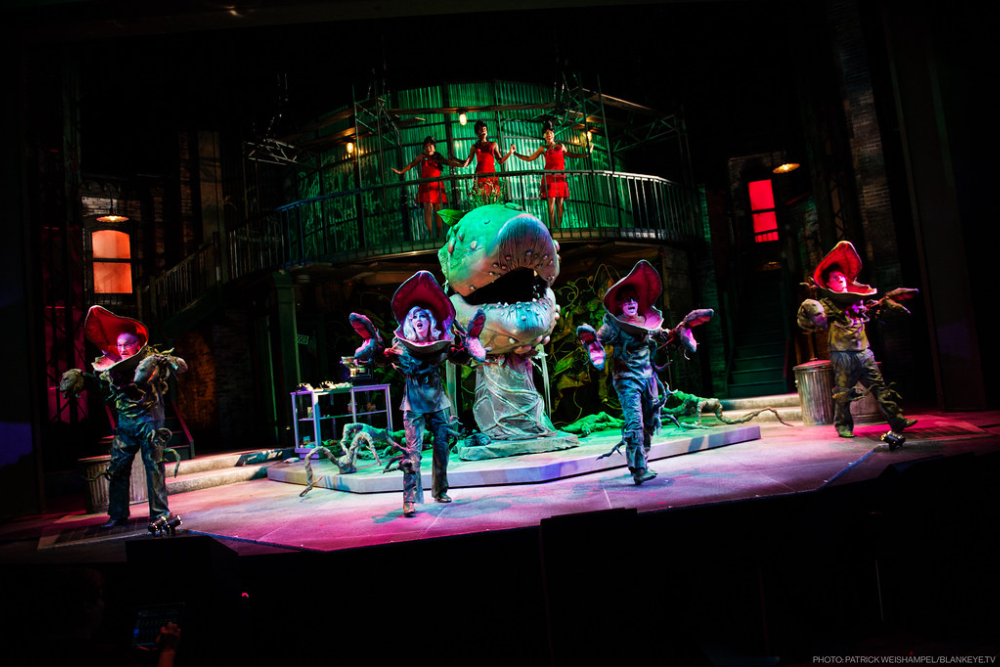
The 1986 musical adaptation originally remained faithful to its stage version, ending with the carnivorous plant Audrey II eating the protagonists and going on to conquer the world. This apocalyptic finale, which cost over $1 million to produce, shocked test audiences who had become attached to the main characters.
Director Frank Oz reluctantly shot a new, happier ending where the plant is defeated and the couple survives, though the original ending has since been restored in special edition releases.
Like Go2Tutors’s content? Follow us on MSN.
Terminator 2: Judgment Day
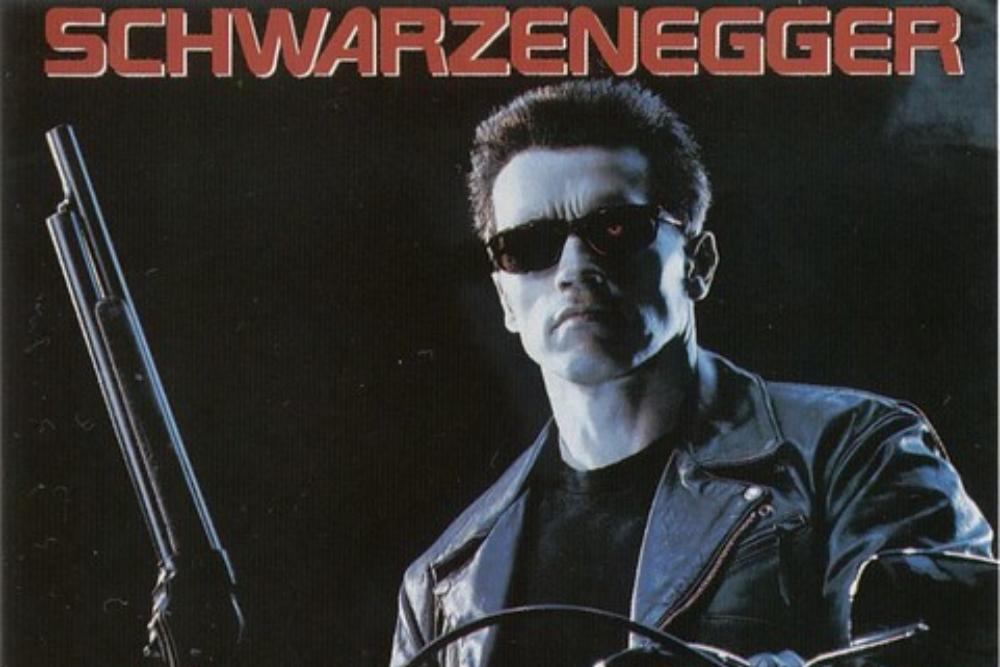
James Cameron’s sci-fi classic originally concluded with an elderly Sarah Connor watching a grown John Connor playing with his daughter in a peaceful park, confirming that they had successfully prevented the apocalyptic Judgment Day. Test audiences found this epilogue anticlimactic and confusing.
The theatrical version instead ended with Sarah’s hopeful yet uncertain monologue about facing an unknown future, leaving the door open for potential sequels while maintaining emotional resonance.
Seven
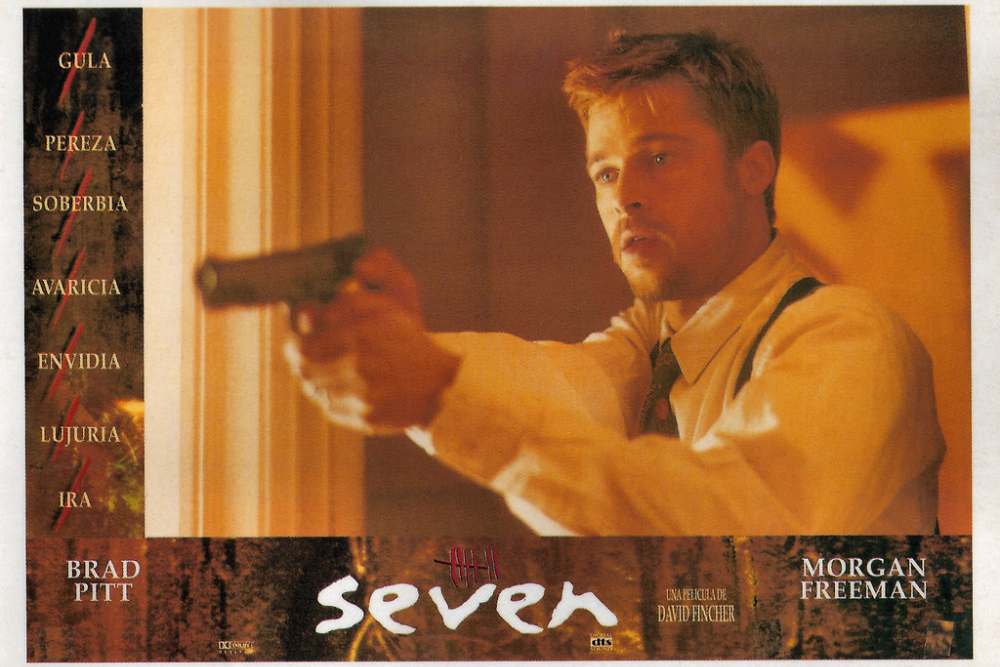
The psychological thriller almost had a very different ending thanks to studio pressure. New Line Cinema initially rejected the now-famous ‘head in a box’ conclusion as too dark and demanded changes.
Brad Pitt stood firm, insisting his contract required the original ending to remain intact. Despite being disturbed, test audiences validated this decision by reporting that the shocking finale made the film memorable and meaningful, proving that sometimes audiences appreciate being challenged.
Titanic
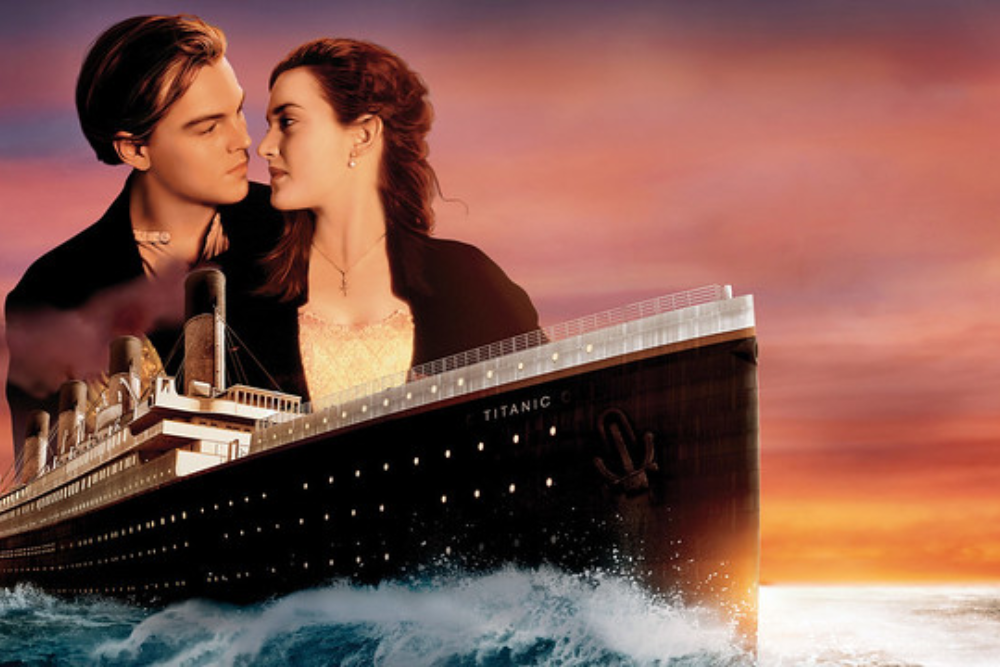
James Cameron’s epic romance originally showed a more confrontational scene between Rose and treasure hunter Brock Lovett when she throws the diamond necklace into the ocean. Test viewers disliked this tension in the film’s final moments and found it detracted from the emotional impact.
The scene was reshot to show a more reflective Lovett who comes to understand Rose’s connection to the necklace, providing a more satisfying emotional conclusion to the modern-day framing story.
Like Go2Tutors’s content? Follow us on MSN.
Dodgeball: A True Underdog Story
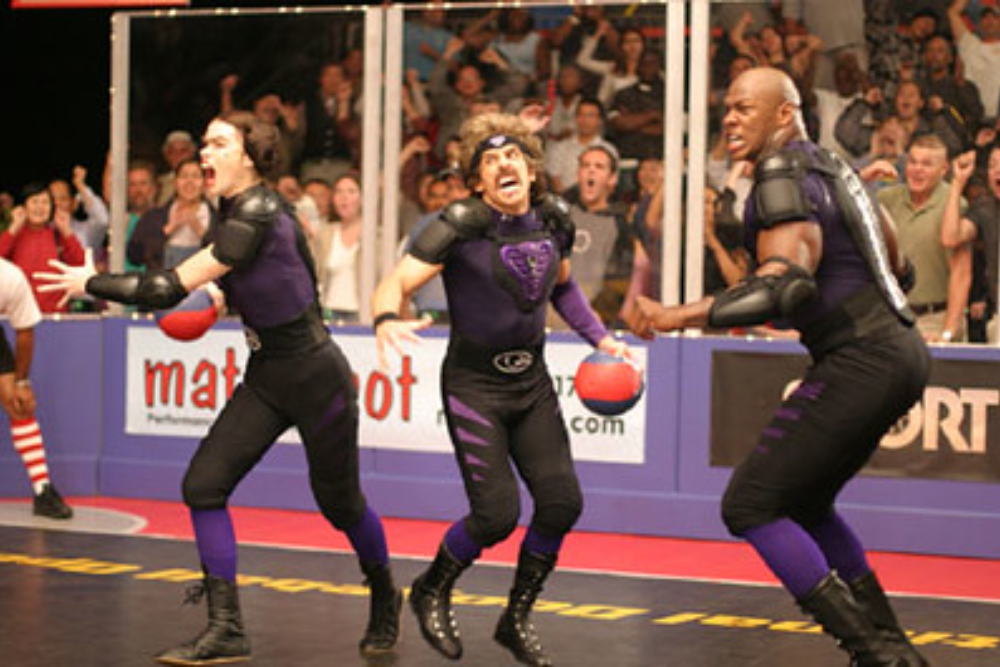
The scrappy comedy initially ended with Vince Vaughn’s Average Joe’s team losing the championship to Ben Stiller’s Globo Gym. Director Rawson Marshall Thurber wanted to subvert sports movie clichés with this downer ending.
The studio and test audiences strongly disagreed, finding the conclusion depressing rather than clever. The filmmakers ultimately shot the more conventional triumphant ending where the underdogs win, though the original conclusion is included as an alternate ending on the DVD.
The Butterfly Effect
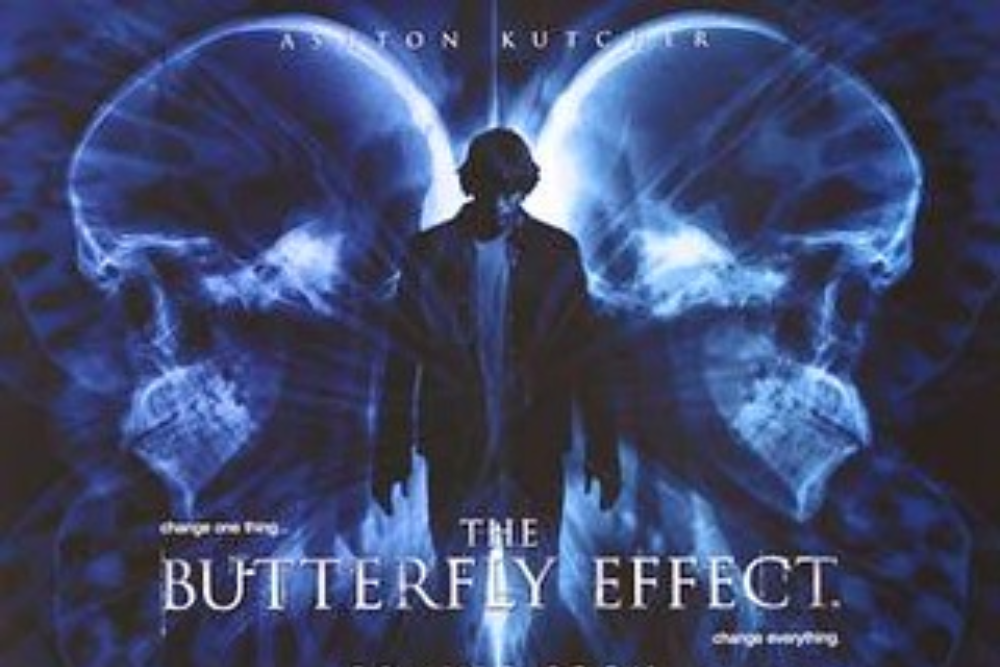
Ashton Kutcher’s time-travel thriller originally ended with his character traveling back to the womb and strangling himself with his umbilical cord, preventing all the tragedies shown throughout the film. Test audiences found this ending too disturbing and confusing despite its thematic consistency.
The theatrical release was changed to a simpler conclusion where Kutcher’s character merely chooses to avoid meeting his love interest, sacrificing their relationship to protect her from harm.
Get Out
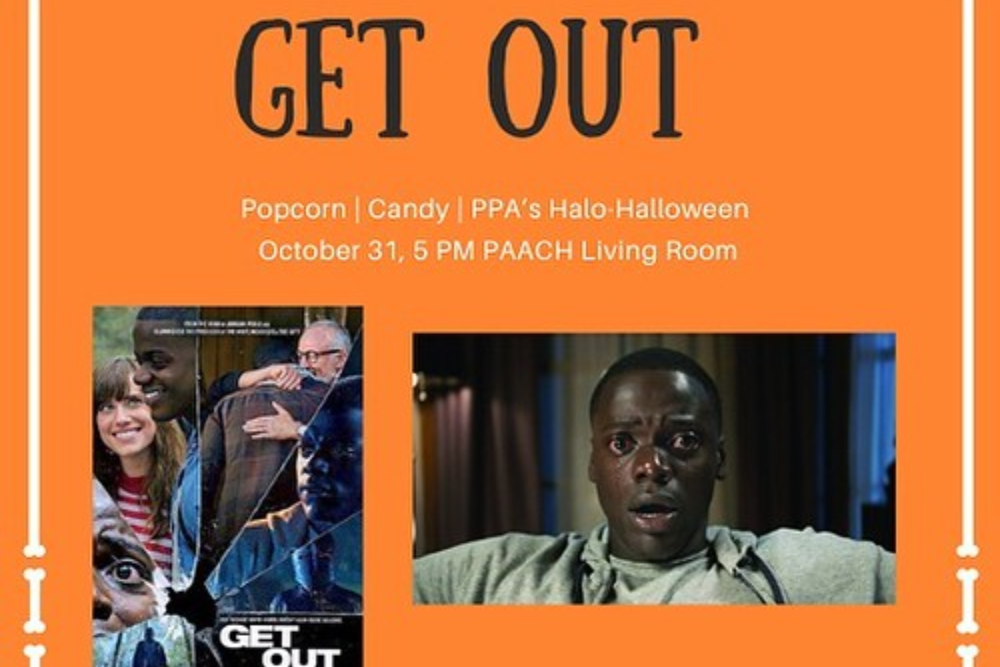
Jordan Peele’s groundbreaking horror film initially concluded with protagonist Chris being arrested for the murder of the Armitage family, offering a bleak commentary on racial injustice. Test audiences found this ending too depressing, especially after the tension of the preceding scenes.
Peele agreed to change the finale, having Rod rescue Chris instead, providing a more cathartic conclusion while still preserving the film’s social commentary.
Like Go2Tutors’s content? Follow us on MSN.
28 Days Later
The post-apocalyptic zombie film originally had its characters discover that the infection was limited to Britain, ending on a hopeful note that civilization continued elsewhere. Test audiences found this ending unsatisfying and unbelievable within the film’s established rules.
Director Danny Boyle shot a darker alternative ending where Cillian Murphy’s character dies, though the theatrical release ultimately used a third version where the survivors are rescued but their future remains uncertain.
Clerks
Kevin Smith’s indie classic originally ended with convenience store clerk Dante being shot and killed by a robber after closing the store. This nihilistic conclusion was meant to represent the meaninglessness of his frustrations throughout the film.
Test audiences found this ending jarring and unnecessarily tragic. Smith agreed to cut the scene entirely, allowing the film to end on a more reflective note that better matched its overall tone of slacker comedy.
Scott Pilgrim vs. The World
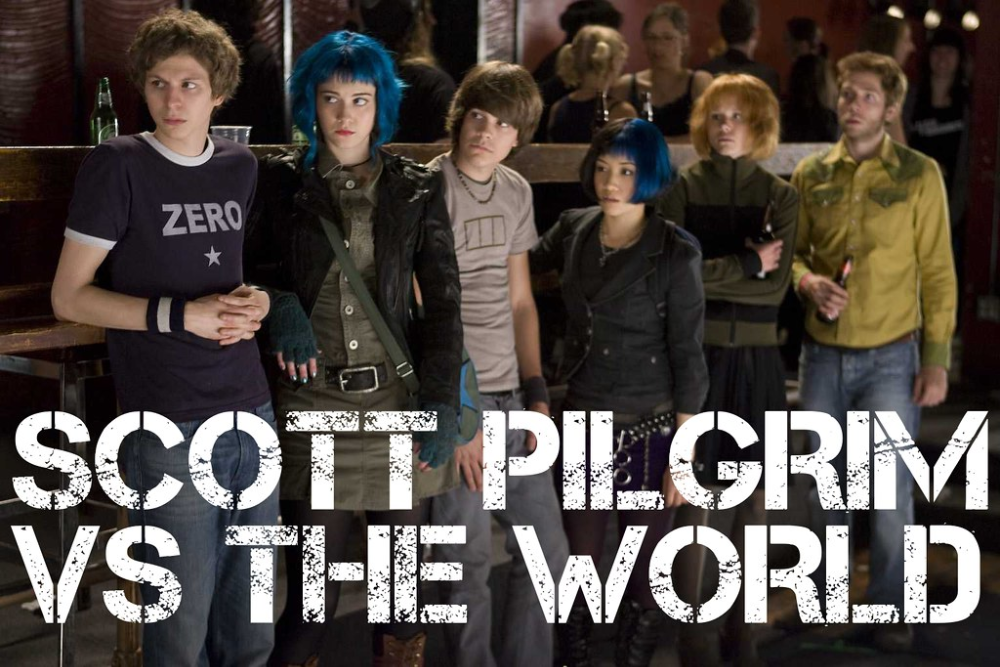
Edgar Wright’s comic book adaptation initially followed its source material by having Scott end up with Knives Chau rather than Ramona Flowers. Test audiences strongly preferred Scott and Ramona together after investing in their relationship throughout the film.
The ending was changed to have Scott pursue Ramona instead, aligning more with audience expectations for a romantic conclusion while slightly diverging from the comic’s original message about personal growth.
Like Go2Tutors’s content? Follow us on MSN.
Paranormal Activity
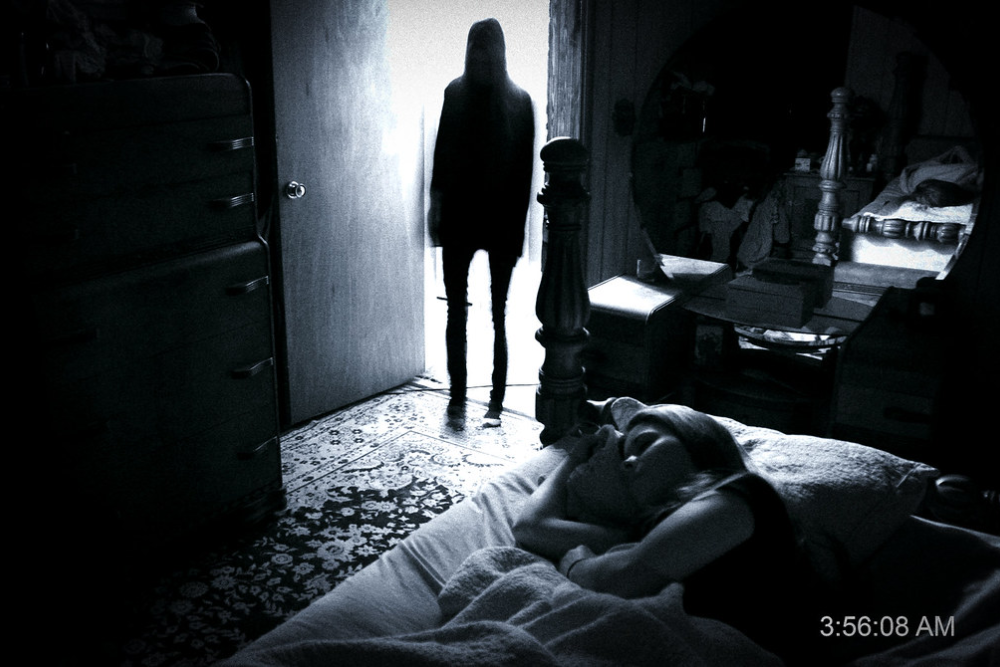
The micro-budget horror phenomenon originally concluded with Katie returning to the bedroom covered in blood, then lunging at the camera with a demonic face. Test audiences found this ending unsatisfying and somewhat predictable.
During its festival run, the film went through several alternative endings before settling on the more subtle and terrifying finale where Katie kills her boyfriend off-camera and her whereabouts are left unknown, setting up the franchise that would follow.
The Descent

This claustrophobic horror film had two different endings depending on the release region. The UK version ended with the main character’s escape being revealed as merely a hallucination, with her actually remaining trapped in the cave.
American test audiences rejected this bleak conclusion, leading to a recut version for US theaters that ended with her successfully escaping. Director Neil Marshall has stated that the original UK ending better represented his vision for the story.
From Test Screens to Cultural Touchstones
The relationship between filmmakers and test audiences reflects the complex balance of art and commerce that defines Hollywood. While purists might argue that a director’s original vision should remain intact, these altered endings have often become the definitive versions in popular culture.
The practice continues today, though social media has made keeping alternative endings secret increasingly difficult. When you next watch a perfectly satisfying movie conclusion, remember it might be the result of ordinary viewers just like you demanding something different from what was originally planned.
Like Go2Tutors’s content? Follow us on MSN.
More from Go2Tutors!

- 18 Unexpectedly Valuable Collectibles You Might Have Lying Around
- 20 Little-Known Historical Battles That Had Huge Consequences
- 20 Historical Artifacts That Scientists Can’t Explain
- 15 Inventions That Were Immediately Banned After Being Created
- 20 Actors Who Were Almost Cast in Iconic Roles
Like Go2Tutors’s content? Follow us on MSN.