Christmas Cookie Trivia That Will Delight You
Christmas cookies have become as essential to the holiday season as decorated trees and wrapped presents. Every family seems to have their favorite recipe, whether it’s passed down through generations or discovered on the back of a butter package.
These sweet treats bring people together in kitchens across the country, filling homes with the smell of vanilla, cinnamon, and sugar. But the history and facts behind these beloved baked goods contain some truly surprising stories.
Let’s explore some of the most interesting and unexpected things about Christmas cookies that most people have never heard before.
Gingerbread men were once used as medicine
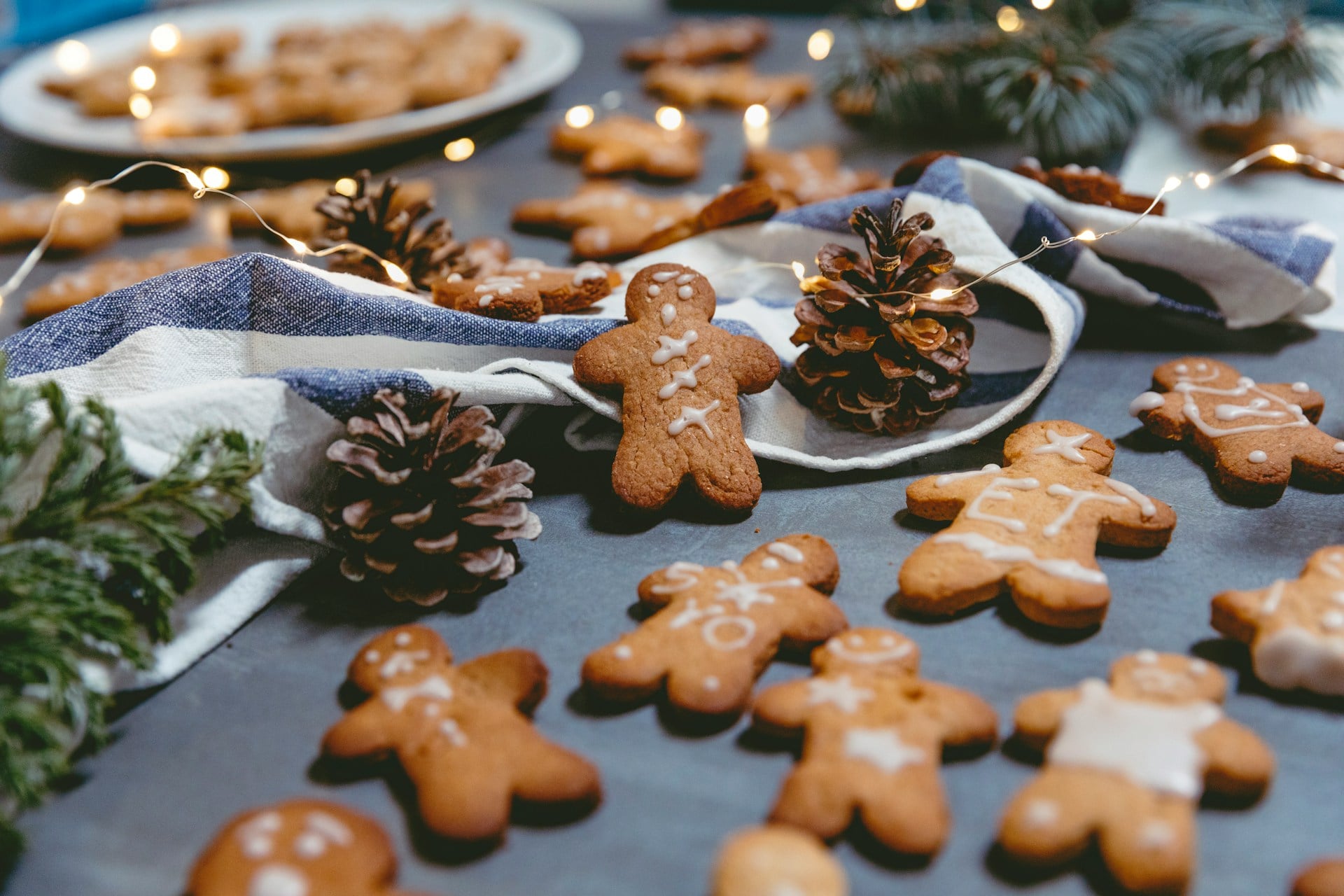
Doctors in medieval Europe prescribed gingerbread to patients suffering from stomach problems and digestive issues. The ginger root mixed into the dough had real medicinal properties that helped settle upset stomachs.
Wealthy people kept gingerbread in their medicine cabinets rather than their kitchens. The cookies transformed from pharmacy items into holiday treats when bakers started shaping them into people and animals during festivals.
Queen Elizabeth I of England gets credit for popularizing the gingerbread man shape when she had cookies made to resemble visiting dignitaries.
Cookie cutters were originally tin ceiling tiles

Early American settlers created the first cookie cutters by cutting shapes from discarded tin ceiling panels. These ceiling tiles were thin enough to bend but sturdy enough to hold their shape through repeated use.
Families would save damaged ceiling pieces specifically for this purpose rather than throwing them away. Professional tinsmiths eventually started making cookie cutters as a side business during slow periods.
The tradition of using metal cookie cutters continues today, though most modern versions come from factories rather than recycled building materials.
Snickerdoodles have nothing to do with doodles

The funny name ‘snickerdoodle’ doesn’t mean anything in particular and nobody knows exactly where it came from. Some food historians think it might be a nonsense word that New England housewives invented just because it sounded cute.
Others believe it could be a corruption of the German word ‘Schneckennudel,’ which refers to a type of snail-shaped pastry. The earliest known recipe appeared in an American cookbook from 1889.
Despite the mystery around its name, the cinnamon-sugar coated cookie became a Christmas staple in homes across the country.
Lebkuchen cookies built entire gingerbread cities

German bakers in Nuremberg created elaborate edible cities from Lebkuchen, a spiced cookie similar to gingerbread, during the 1600s. These weren’t simple gingerbread houses but detailed replicas of entire towns with churches, shops, and city walls.
Bakers competed to build the most impressive displays, some stretching across entire tables. The tradition started as a way to showcase baking skills during Christmas markets.
Modern versions still appear in German Christmas markets, though they’re usually much smaller than their historical counterparts.
Spritz cookies need a special press to exist

Swedish spritz cookies require a cookie press to create their distinctive shapes and patterns. The dough is too soft to roll and cut like regular cookies but firms up perfectly when baked.
Bakers load the dough into a press with different decorative discs that create wreaths, stars, trees, and other shapes. The word ‘spritz’ comes from the German verb ‘spritzen,’ which means to squirt or spray.
These buttery cookies became Christmas favorites in Scandinavian communities and spread throughout America when immigrants brought their presses and recipes.
Sugar cookies were once called Nazareth cookies

The simple sugar cookie that everyone decorates at Christmas started as a regional specialty in Nazareth, Pennsylvania. German Moravian settlers in this small town baked thin, crispy cookies cut into shapes during the 1700s.
People traveling through Nazareth would stop specifically to buy these cookies as gifts or souvenirs. The recipe gradually spread beyond Pennsylvania as families moved west and shared their baking traditions.
Eventually, the name changed from Nazareth cookies to the more generic ‘sugar cookies’ as they became common everywhere.
Pizzelles are technically the oldest known cookie

Italian pizzelles date back to at least the 8th century, making them potentially the oldest cookie recipe still in regular use. These thin, crispy waffle cookies require a special iron press that imprints decorative patterns onto both sides.
Early versions were made over open fires using irons with long handles. The cookies got their name from the Italian word ‘pizze,’ referring to round and flat objects.
Italian-American families still make pizzelles during Christmas using electric pizzelle makers that are much easier than the original method.
Pfeffernusse cookies contain no nuts despite their name

German pfeffernusse translates to ‘pepper nuts,’ but the cookies contain neither black pepper nor any actual nuts. The ‘pepper’ refers to the various spices mixed into the dough, including cloves, cardamom, and anise.
The ‘nuts’ part describes their small, round shape that resembles hazelnuts. These dense, chewy cookies are rolled in powdered sugar and traditionally stored for weeks to soften before eating.
German immigrants brought pfeffernusse to America, where they became popular in communities with strong German heritage.
Russian tea cakes traveled from Mexico

These powdered sugar-covered cookies that Americans call Russian tea cakes actually originated in medieval Arab countries. The recipe traveled to Mexico where they became known as Mexican wedding cookies.
European immigrants then brought similar recipes to Russia, where they were called snow peaks. American cookbooks started calling them Russian tea cakes in the 1950s for reasons that remain unclear.
The same basic cookie appears under at least a dozen different names across various cultures.
Biscotti must be baked twice by definition

The Italian word ‘biscotti’ literally means ‘twice cooked’ or ‘twice baked.’ Bakers first bake the dough in a long loaf, then slice it and bake the pieces again to create the signature dry, crunchy texture.
This double-baking process was originally developed to make cookies that would last for months without spoiling. Italian sailors and soldiers carried biscotti on long journeys because they stayed edible far longer than regular bread or cookies.
The hard cookies were meant to be dunked in wine, coffee, or tea to soften them before eating.
Thumbprint cookies replaced expensive jam pastries

Central European bakers invented thumbprint cookies as an affordable substitute for fancy jam pastries during hard economic times. Instead of rolling out pastry dough and carefully assembling pastries, bakers simply pressed their thumb into cookie dough and filled the depression with jam.
The technique saved time and used less expensive ingredients while still creating an attractive treat. Swedish immigrants popularized thumbprint cookies in America, where they became a Christmas baking tradition.
Modern bakers often use the back of a spoon instead of an actual thumb to make more uniform indentations.
Shortbread was once taxed as a luxury item
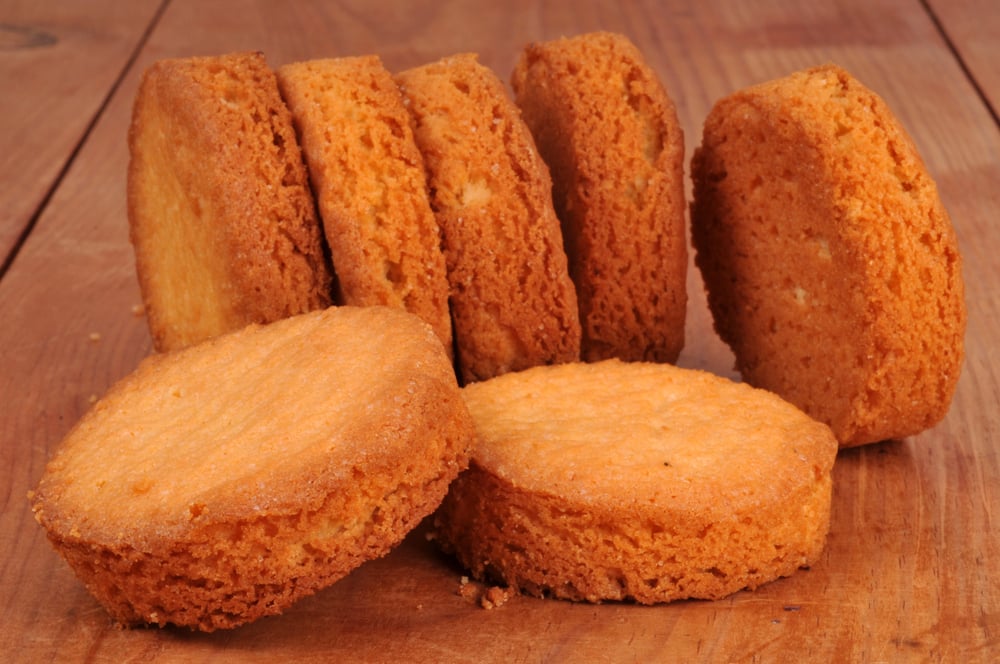
The Scottish government imposed a tax on shortbread during certain periods because it contained so much expensive butter. Only wealthy families could afford to make shortbread regularly since butter cost significantly more than other cooking fats.
The cookies became associated with special occasions, particularly Christmas and New Year celebrations. Traditional shortbread contains just three ingredients: butter, sugar, and flour.
The high butter content gives shortbread its rich, crumbly texture that distinguishes it from regular cookies.
Candy cane cookies started as a creative solution

Baking at home often leads to leftover bits of candy canes, thanks to little hands getting excited. Those cracked mint candies found their way into sweet dough, turning waste into something colorful and delicious.
A spark of creativity made these treats popular fast – fixing one issue by making another thing entirely. You might mix the shards right into the batter; sometimes they go on top after shaping.
What started quietly is now part of holiday baking, shaped by what people actually do in kitchens.
Linzer cookies require two cookies to make one
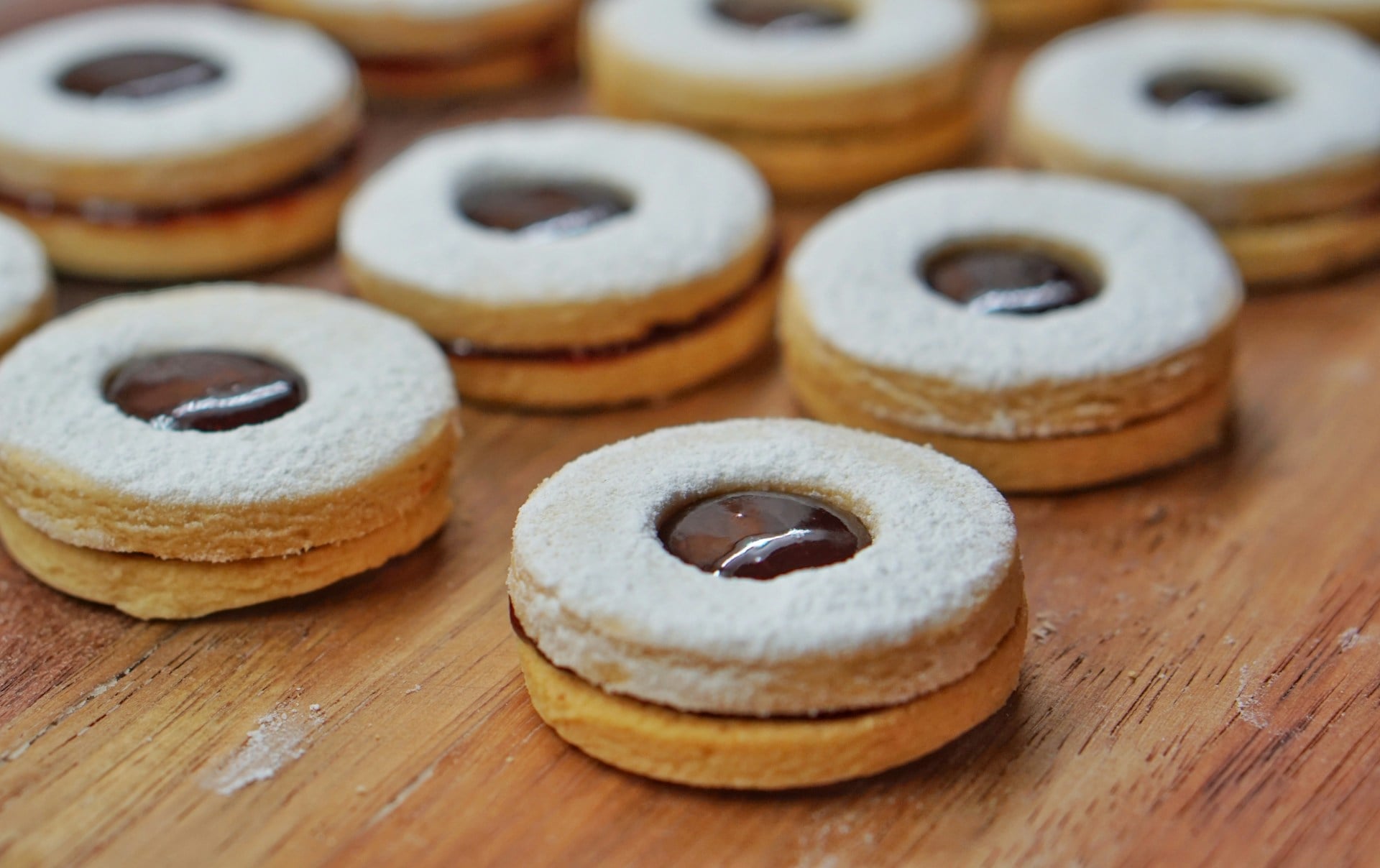
Baked in Linz, Austria, these little cookies hold a secret layer of raspberry jam between two nutty rounds. One side peeks through an open window, shaped right in the middle, revealing bright red filling below.
Almond gives the dough its deep flavor, not too sweet, just warm and rich. Centuries ago, local ovens turned out large pastry versions, ancestors to today’s small treat.
That older cousin – the Linzer torte – appeared as early as the 17th century, possibly the first recorded cake ever written down. Tiny ones caught on at holidays, mostly because they shine on trays without needing expert hands.
Baked layers twist into small shapes, much like little desserts curled at the edges

Starting off with soft dough made from cream cheese, bakers shaped small treats by wrapping sweet mixtures inside. These tiny pastries get their flaky texture from being rolled again and again before baking.
Filled most often with jam, chopped nuts, cocoa, or spiced sugar, each bite carries familiar flavors in a fresh form. Though linked to Hanukkah, they show up during December holidays across different homes.
Their name? It traces back to a Yiddish term meaning ‘little twists’ – a nod to how they curve like gentle spirals.
Few meringue cookies include flour at all

Whipped egg whites mixed only with sugar form these airy treats – no flour needed at all. Back in the 1700s, cooks in France fine-tuned how to bake them until they melt when touched.
Baking slowly and gently keeps them pale while removing all dampness inside. Humidity ruins the batch; water from the air makes them gummy instead of crisp.
Though tricky to get right, people now link them to holiday seasons since colors can swirl through the mix before shaping. Designs twist into stars, trees, anything cheerful.
These sweet traditions continue evolving

Baked goods born long ago across faraway lands now rest together on festive trays in U.S. households. One batch at a time, families tweak flavors until they match what feels right – often stumbling into fresh versions without meaning to.
What little hands color with sugar and icing today may show up again years later in kitchens of their grown-up owners. These December rituals stick around not due to perfection but because warmth hides in the act: shaping dough, passing plates, laughing near ovens.
More from Go2Tutors!

- The Romanov Crown Jewels and Their Tragic Fate
- 13 Historical Mysteries That Science Still Can’t Solve
- Famous Hoaxes That Fooled the World for Years
- 15 Child Stars with Tragic Adult Lives
- 16 Famous Jewelry Pieces in History
Like Go2Tutors’s content? Follow us on MSN.