16 Nostalgic TV Shows That Predicted the Future
Television writers have always been dreamers, imagining worlds filled with flying cars, robot servants, and communication devices that seemed like pure fantasy. What’s remarkable is how often these creative minds managed to envision technologies and social changes that would eventually become reality. Sometimes they were decades ahead of their time, describing innovations that wouldn’t appear until the next century.
Looking back at classic TV shows through a modern lens reveals an uncanny ability to predict everything from smartphones to social media to artificial intelligence. These weren’t just lucky guesses—many writers were genuinely thoughtful about where technology and society might be heading.
Here is a list of 16 nostalgic TV shows that managed to predict aspects of our modern world with surprising accuracy.
The Jetsons
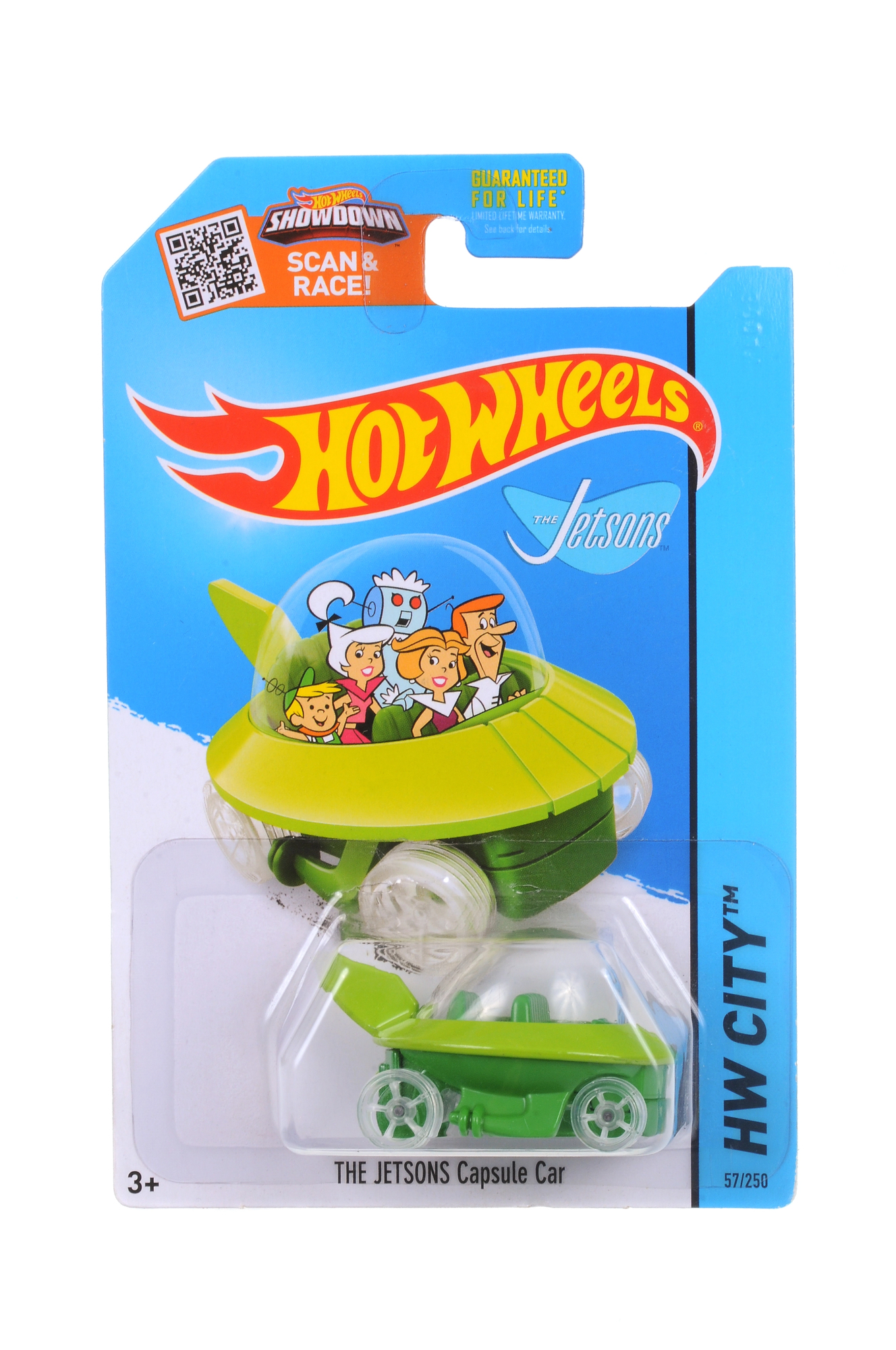
This 1962 cartoon family lived in a world of video calls, flat-screen TVs, and robot housekeepers that seemed impossibly futuristic at the time. George Jetson worked from home using video conferencing technology that wouldn’t become common until the 2020s, and the family’s flat-panel displays mounted on walls predicted modern smart TVs perfectly.
The show also featured voice-controlled devices, automated homes, and even drone delivery services that Amazon would eventually make real. While we’re still waiting for those flying cars, nearly every other piece of Jetsons technology has found its way into modern homes.
Star Trek
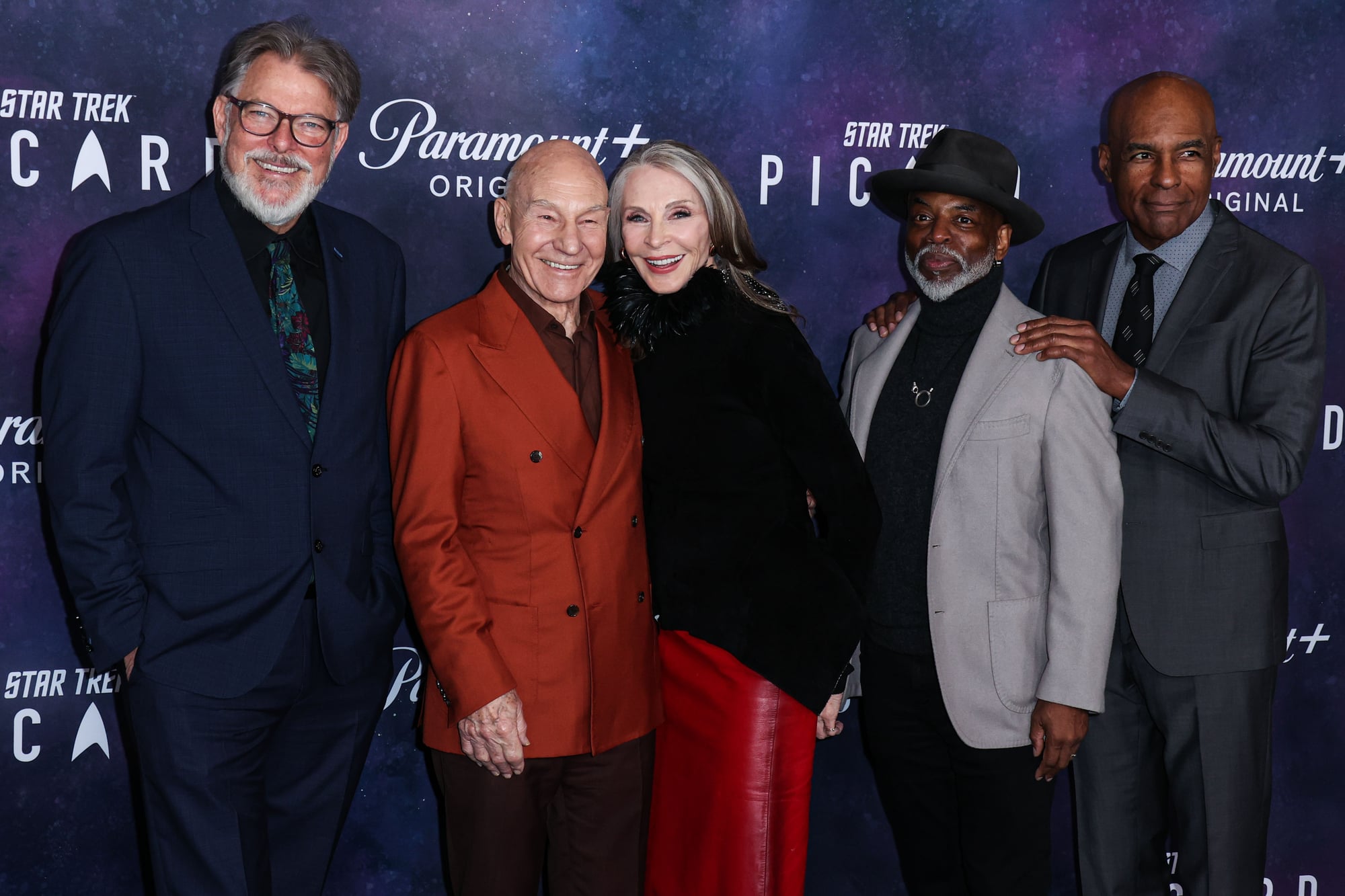
The original series introduced audiences to handheld communicators that were clearly the inspiration for flip phones and modern smartphones. The crew used tablet-like devices for reading and data input decades before the iPad existed, and the ship’s computer responded to voice commands like today’s Alexa or Siri.
The show also predicted Bluetooth headsets, GPS navigation, and even the concept of social media through the ship’s internal communication network. The universal translator concept has become reality through apps like Google Translate, and the medical tricorder inspired countless real medical devices.
The Twilight Zone

Rod Serling’s anthology series tackled themes of surveillance, artificial intelligence, and social media addiction long before these became real concerns. Episodes like ‘The Monsters Are Due on Maple Street’ predicted how social media would amplify paranoia and turn neighbors against each other.
The show explored concepts of virtual reality, mind control through technology, and the dangers of becoming too dependent on machines. Many episodes feel eerily relevant today, particularly those dealing with government surveillance and the loss of privacy in modern society.
Like Go2Tutors’s content? Follow us on MSN.
Knight Rider

KITT, the talking car with artificial intelligence, anticipated the development of smart vehicles and GPS navigation systems by decades. The car could communicate with other computers, analyze situations, and even drive itself—features that Tesla and other automakers are now making standard.
KITT’s voice interface and ability to understand natural language predicted the development of AI assistants in vehicles. The show also featured early concepts of heads-up displays, automatic parking, and collision avoidance systems that are now common safety features.
The Simpsons

This long-running animated series has an almost supernatural ability to predict future events, from smartwatches to video calling to tablet computers. The show depicted people using handheld devices to watch TV and movies years before streaming on mobile devices became possible.
Episodes showed automated checkout systems, virtual reality gaming, and even the concept of people becoming famous through viral videos. The show’s writers seem to have an uncanny knack for satirizing technologies and trends just before they become mainstream reality.
Babylon 5
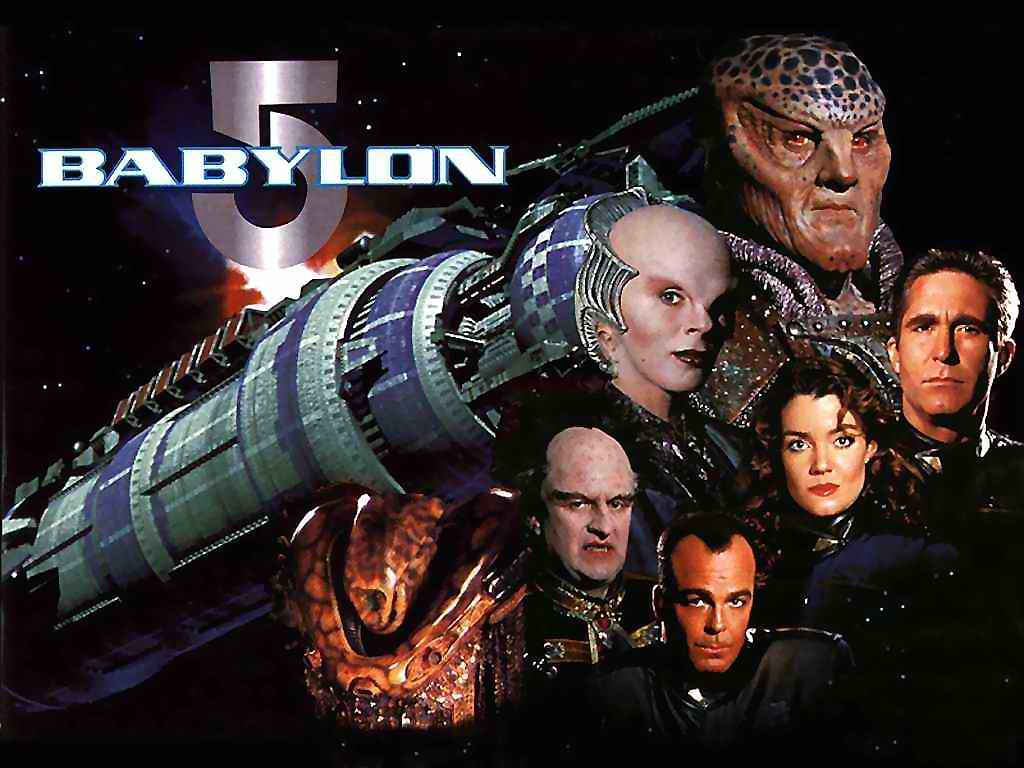
This space opera introduced the concept of a handheld device that combined communication, information access, and entertainment—essentially describing a smartphone in the 1990s. The show featured realistic depictions of space-based internet, video conferencing across vast distances, and artificial intelligence that could learn and adapt.
Babylon 5 also explored themes of corporate surveillance, media manipulation, and the challenges of governing in a connected universe. The series predicted how technology would change diplomatic relations and international cooperation.
Like Go2Tutors’s content? Follow us on MSN.
Inspector Gadget
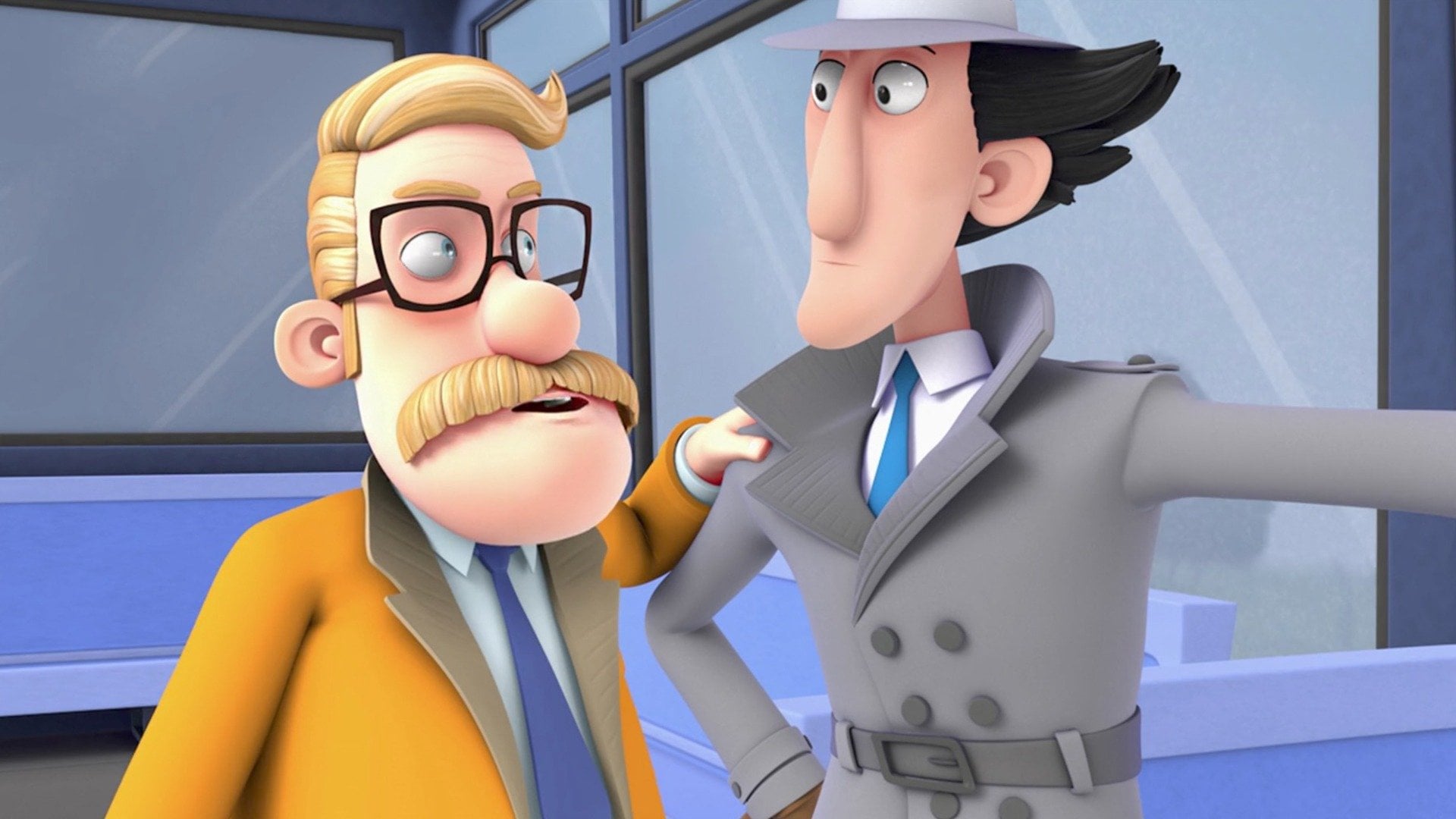
The bumbling detective’s various built-in gadgets anticipated many modern technologies, from his helicopter hat predicting personal drones to his extendable arms resembling robotic prosthetics. Gadget’s ability to communicate through his watch clearly anticipated smartwatches and wearable technology.
The show featured early concepts of GPS tracking, video calling, and even augmented reality through Gadget’s various viewing devices. While the execution was comedic, many of the underlying technologies have become real and useful tools.
Max Headroom
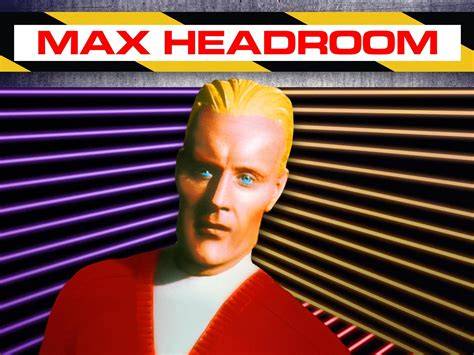
This cyberpunk series explored a world dominated by television networks and predicted the rise of reality TV, 24-hour news cycles, and media manipulation. The show featured computer-generated hosts and virtual personalities decades before AI influencers became real.
Max Headroom depicted a society where everything was monitored and recorded, anticipating modern surveillance culture and social media’s constant documentation of daily life. The series also predicted how advertising would become increasingly targeted and invasive.
Knight Rider 2000
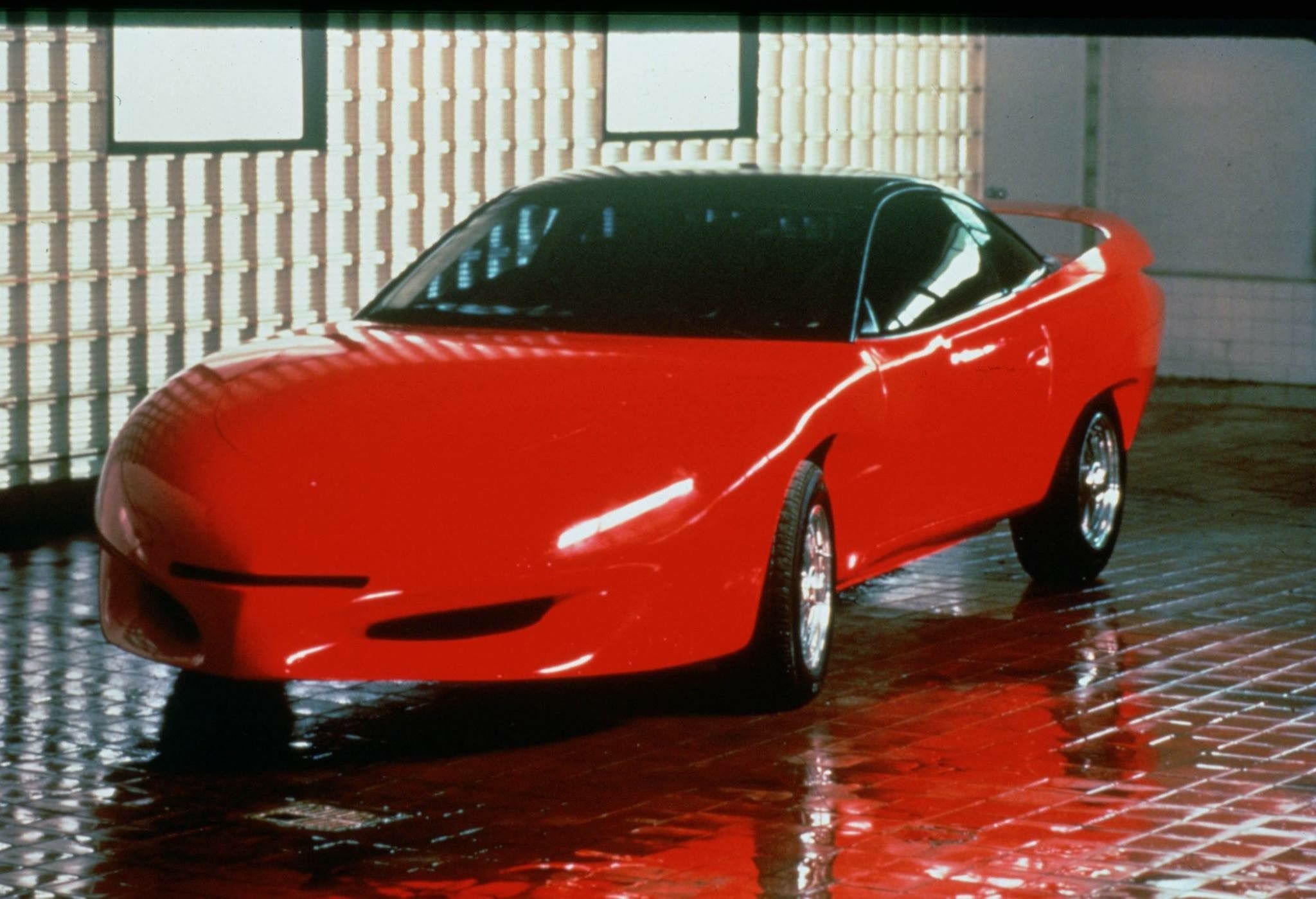
The TV movie sequel expanded on the original’s themes and predicted even more advanced automotive technology, including fully autonomous vehicles and smart highway systems. The new KITT could interface wirelessly with traffic systems and other vehicles, anticipating modern vehicle-to-vehicle communication protocols.
The movie depicted a world where cars could be summoned remotely and would arrive at your location automatically—exactly what ride-sharing apps now offer. The integration of AI assistants into daily transportation showed remarkable foresight about how we’d interact with smart vehicles.
Like Go2Tutors’s content? Follow us on MSN.
Quantum Leap

While the show’s time travel premise was pure science fiction, it predicted the development of holographic technology and advanced computer interfaces. The character of Al appeared as a hologram that only the main character could see and interact with, anticipating augmented reality applications.
The show featured handheld devices for accessing vast databases of information, essentially describing modern smartphones and internet connectivity. Quantum Leap also explored how technology might change human identity and consciousness, themes that are becoming relevant as virtual reality and AI advance.
SeaQuest DSV
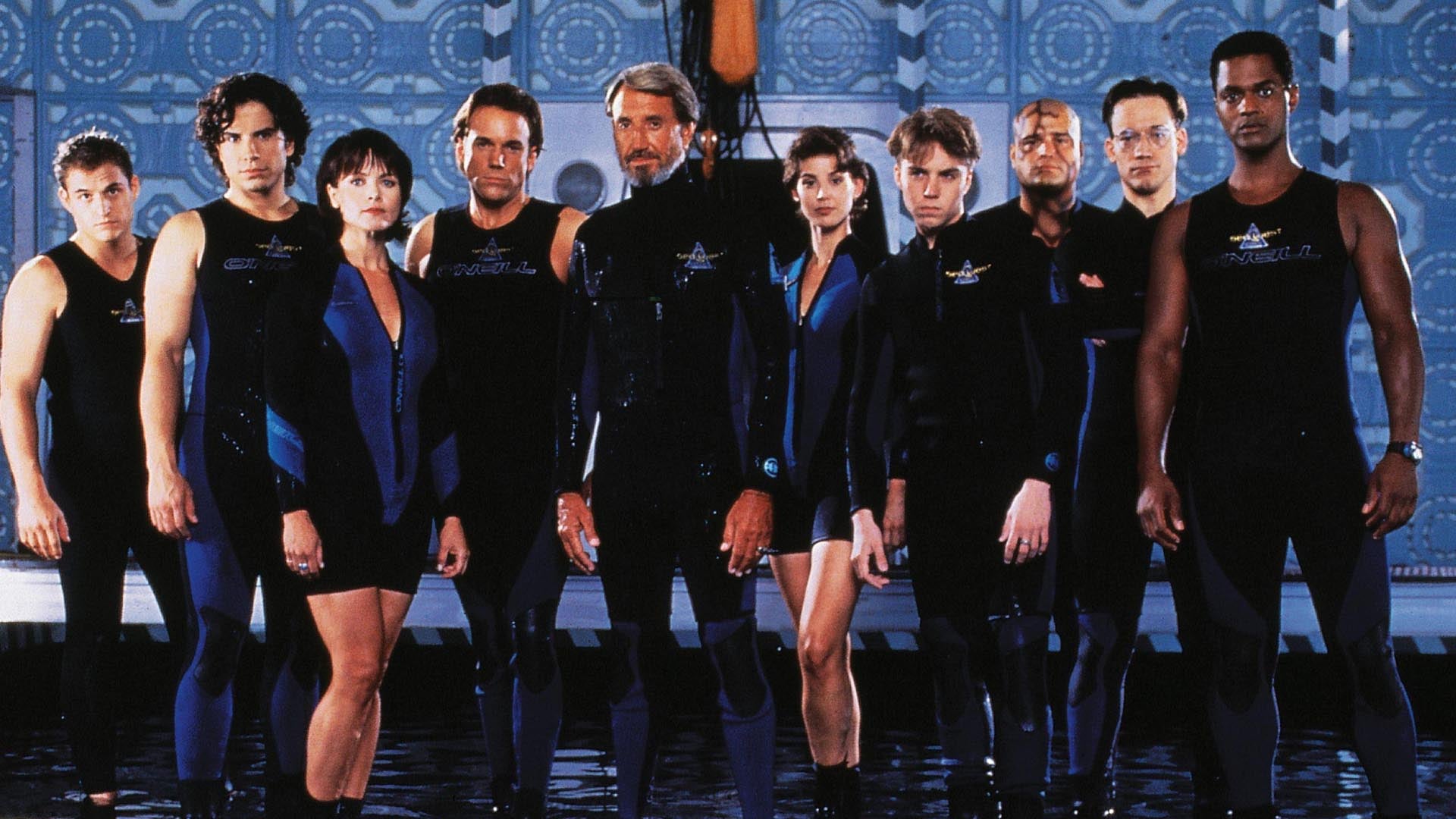
This underwater adventure series predicted advanced sonar technology, underwater internet communications, and marine research techniques that have since become reality. The show featured dolphins communicating through computer interfaces, anticipating real research into animal-computer interaction.
SeaQuest depicted global environmental monitoring systems and international cooperation on climate issues that mirror today’s environmental initiatives. The series also showed how submarines could serve as mobile research platforms, connecting to worldwide data networks from the ocean depths.
Buck Rogers in the 25th Century

The show featured personal computers, video calling, and handheld communication devices decades before they became common. Buck Rogers depicted a world where people carried small devices that could access information, communicate across vast distances, and control other technologies—essentially describing smartphones.
The series also predicted the development of smart buildings with automated systems and voice-controlled environments. The show’s vision of global communication networks and instant access to information proved remarkably accurate.
Like Go2Tutors’s content? Follow us on MSN.
Automan

This short-lived series about a computer-generated superhero predicted virtual reality, computer graphics, and artificial intelligence with surprising accuracy. The show depicted a computer program that could materialize in the real world and interact with physical objects, anticipating holographic and augmented reality technology.
Automan featured advanced computer interfaces, voice recognition, and AI that could learn and adapt to new situations. The series explored themes of digital consciousness and the blending of virtual and physical reality that are becoming increasingly relevant.
Future Cop

This 1970s series paired a human detective with an android partner, predicting the development of AI assistants and robotic law enforcement. The show explored how artificial intelligence might be integrated into police work and public safety, themes that are now reality with predictive policing algorithms and automated surveillance systems.
Future Cop anticipated debates about AI rights, the ethics of artificial consciousness, and how humans would relate to increasingly sophisticated machines. The series showed remarkable foresight about the challenges of human-AI cooperation.
Space: 1999
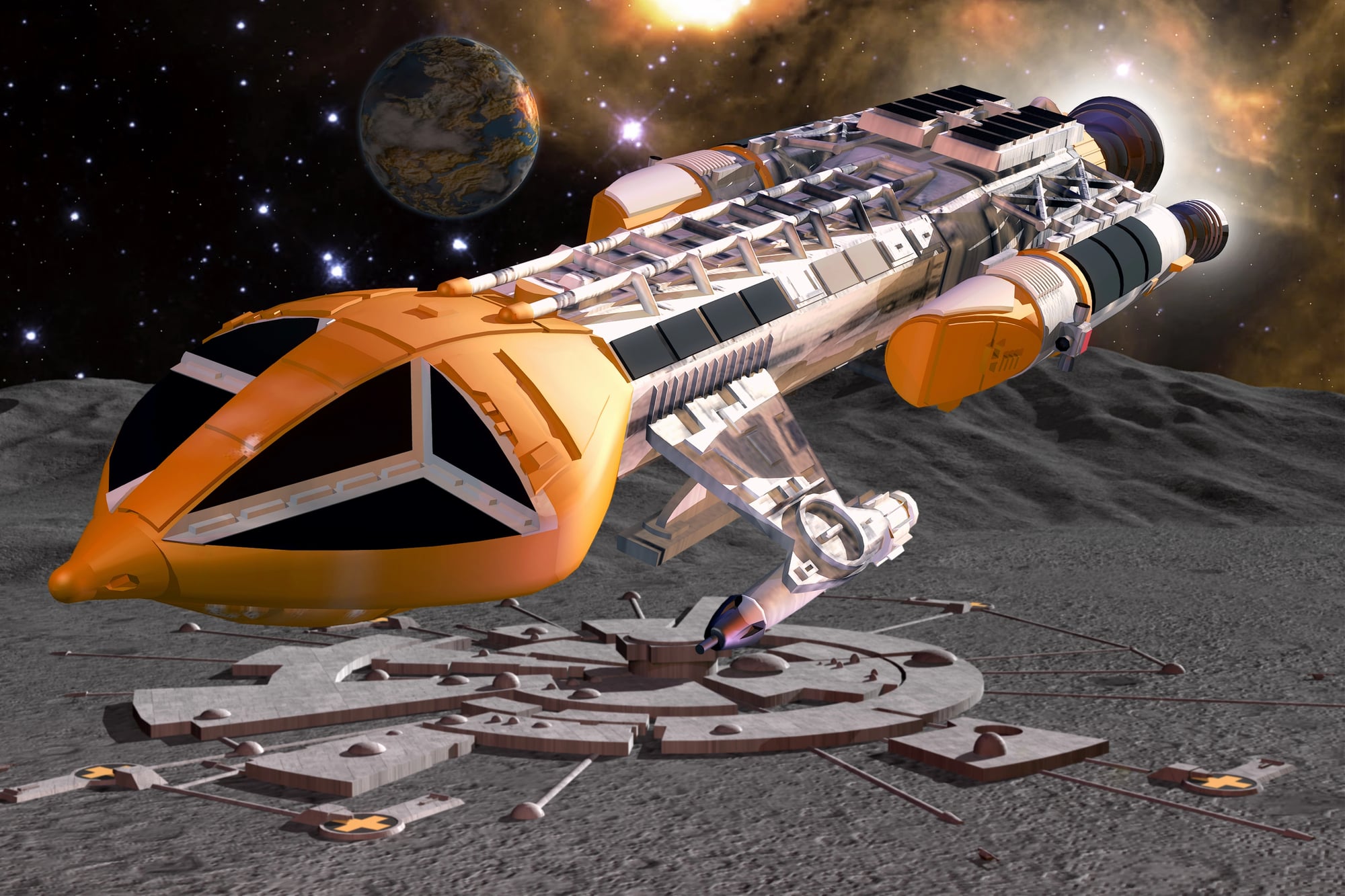
This British series predicted space-based computing, lunar colonization efforts, and advanced life support systems decades before they became practical realities. The show featured handheld communication devices, computer tablets, and automated spacecraft systems that anticipated modern space technology.
Space: 1999 depicted international cooperation in space exploration and the challenges of sustaining human life in hostile environments. The series also explored how isolation and technology dependence would affect human psychology, themes relevant to long-duration space missions being planned today.
Like Go2Tutors’s content? Follow us on MSN.
Gerry Anderson’s UFO

This 1970s series featured satellite communication networks, computer-controlled defense systems, and advanced surveillance technology that seemed impossibly futuristic at the time. The show predicted the development of global monitoring systems, automated threat detection, and international intelligence sharing.
UFO depicted a world where computers could process vast amounts of data and make split-second decisions, anticipating modern AI and machine learning applications. The series also showed how technology would change military operations and international security cooperation.
When Fiction Becomes Reality

These classic television shows demonstrate that the best science fiction isn’t just about predicting gadgets—it’s about understanding how technology changes human behavior and society. The writers who created these series were remarkably perceptive about the direction of technological development, often anticipating not just what would be possible, but how people would actually use new technologies.
While we may not have flying cars or robot maids yet, many of the communication devices, computer interfaces, and AI systems depicted in these shows have become integral parts of daily life. The most prescient predictions weren’t about the technology itself, but about how seamlessly these innovations would integrate into human experience.
These shows remind us that today’s science fiction might well be tomorrow’s mundane reality, and that creative minds have always been our best guides to imagining possible futures.
More from Go2Tutors!

- 18 Unexpectedly Valuable Collectibles You Might Have Lying Around
- 20 Little-Known Historical Battles That Had Huge Consequences
- 20 Historical Artifacts That Scientists Can’t Explain
- 15 Inventions That Were Immediately Banned After Being Created
- 20 Actors Who Were Almost Cast in Iconic Roles
Like Go2Tutors’s content? Follow us on MSN.