16 Diet Products That Briefly Took Over TV Before Vanishing
Remember those late-night infomercials promising miracle weight loss with minimal effort? The diet industry has always been a revolving door of products that capture our attention, dominate advertising space, and then mysteriously fade away.
Many of us have been tempted by these seemingly magical solutions, only to watch them disappear almost as quickly as they arrived. These products didn’t just appear in commercials—they infiltrated our cultural conversations, talk shows, and magazine ads.
Here is a list of 16 diet products that once dominated our television screens before vanishing into obscurity.
Thigh Master

The Thigh Master took America by storm in the early 1990s with Suzanne Somers demonstrating how this simple spring device could sculpt your inner thighs. The purple contraption became a household name as millions of Americans squeezed their way to supposedly toned legs while watching TV.
Despite its massive popularity, the Thigh Master gradually disappeared from advertising, leaving behind a legacy as one of the most recognizable fitness fads of its era.
Shake Weight

This modified dumbbell promised to tone your arms through a vigorous shaking motion that had everyone raising eyebrows. The Shake Weight generated over $40 million in sales within its first year, fueled by ubiquitous commercials featuring models demonstrating the unusual workout technique.
Its suggestive movement quickly became fodder for late-night comedy shows, and despite initial commercial success, the product’s reputation never recovered from becoming a punchline.
8-Minute Abs

This workout program promised washboard abs in just eight minutes a day, featuring intensely enthusiastic instructors in colorful spandex. The VHS tape sold millions of copies through relentless television advertising that made it seem like the perfect solution for time-strapped Americans.
The program’s popularity waned as fitness experts increasingly emphasized that spot reduction wasn’t effective and that abs were ‘made in the kitchen’ rather than through brief workouts.
The Cookie Diet

This unusual weight loss approach involved eating specially formulated cookies throughout the day followed by one regular meal. The Cookie Diet claimed you could lose weight while satisfying sweet cravings, with commercials showing happy dieters munching on treats instead of typical diet food.
Despite initial enthusiasm and celebrity endorsements, nutritionists’ criticism about its low caloric content and lack of balanced nutrition eventually pushed it out of the mainstream.
Sauna Belts

These electric heating belts promised to melt away belly fat while you went about your daily activities. Commercials showed people losing inches from their waistlines simply by strapping on these heating devices and letting them work their supposed magic.
The reality that localized heating only causes temporary water weight loss eventually caught up with these products, and regulatory scrutiny over unsubstantiated claims helped them fade from the airwaves.
Ab Roller

The Ab Roller promised to transform flabby stomachs into six-packs through its guided rolling motion that supposedly perfected the crunch exercise. TV spots featured models with impossibly defined abs demonstrating how easy it was to use while avoiding neck strain associated with traditional crunches.
The product’s downfall came as fitness philosophy shifted toward full-body workouts rather than isolated exercises, along with the market becoming saturated with similar devices.
Slim-Fast
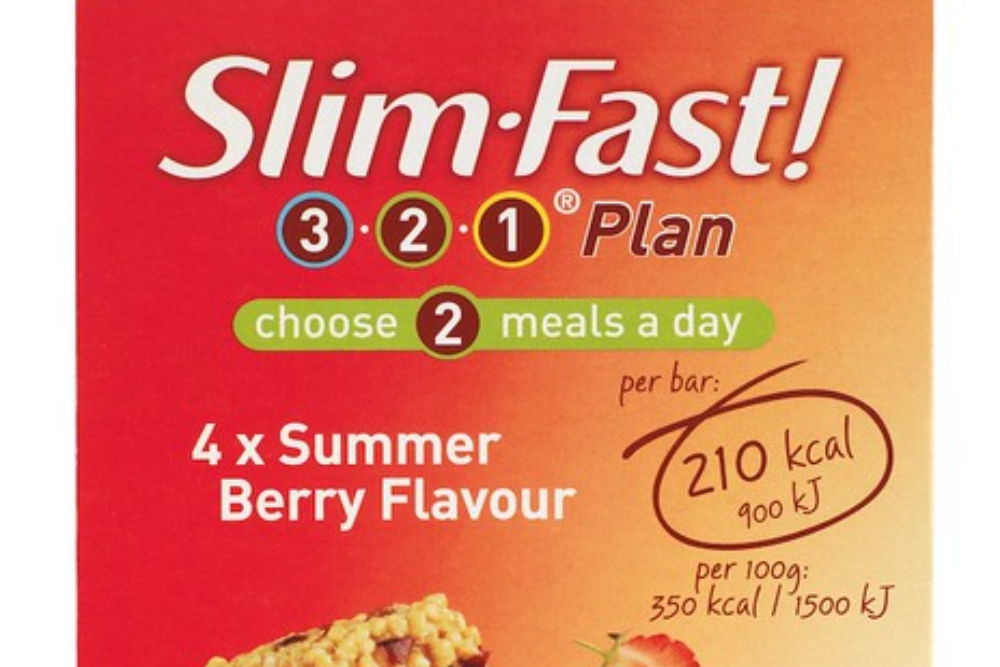
This meal replacement shake dominated daytime television in the 1990s with its catchy slogan ‘a shake for breakfast, a shake for lunch, then a sensible dinner.’ The commercials featured dramatic before-and-after transformations and promised a simple solution to complex weight issues.
While Slim-Fast still exists today, its cultural prominence has diminished significantly as consumers shifted toward whole foods and away from processed meal replacements.
The Toning Shoes

These uniquely designed shoes claimed to tone your legs and buttocks simply by walking in them. Brands like Skechers Shape-Ups and Reebok EasyTone filled commercial breaks with promises of fitness benefits from their rounded soles that created instability.
The bubble burst when the FTC ordered Skechers to pay $40 million in customer refunds for making unsubstantiated claims, causing the entire category to rapidly disappear from prime advertising slots.
The Cabbage Soup Diet

Though not a commercial product, this diet plan spread through television talk shows and magazine features in the 1990s like wildfire. The premise was simple yet extreme: eat unlimited amounts of cabbage soup for seven days to achieve rapid weight loss, with proponents claiming losses of up to 10 pounds in a week.
The diet’s popularity crashed nearly as quickly as it rose once nutritionists pointed out the weight loss was primarily water and that the approach was nutritionally unsound.
The Grapefruit Diet

Also known as the Hollywood Diet, this plan centered around eating grapefruit with every meal to supposedly burn fat through the fruit’s ‘special enzymes.’ The diet received extensive television promotion through daytime talk shows and health segments throughout the 1970s and 1980s.
Scientific scrutiny eventually revealed no magical fat-burning properties in grapefruit, though the fruit remains a healthy food choice for other reasons.
Electronic Ab Stimulators
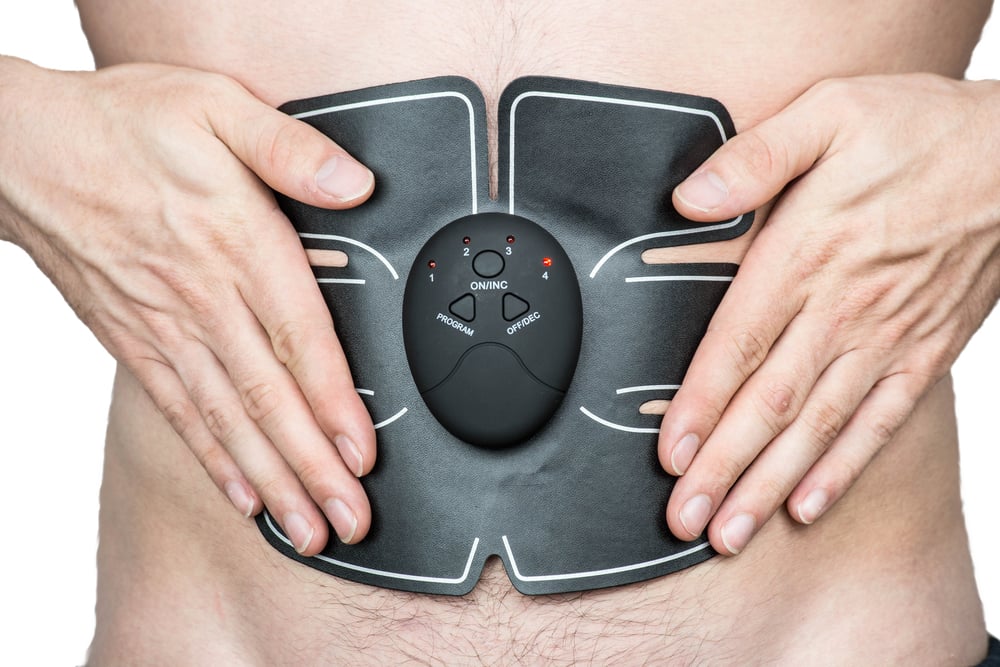
These devices promised to contract your muscles without exercise using electrical impulses sent through pads attached to your body. Late-night infomercials showed people relaxing while the machines supposedly did all the work, creating perfectly toned abs without breaking a sweat.
The FDA eventually cracked down on many of these products for making false claims about weight loss and muscle development, effectively ending their television reign.
Diet Pills With Ephedra

Before its ban, diet supplements containing ephedra dominated television advertising with promises of effortless weight loss through increased metabolism. The commercials typically featured energetic people engaging in activities while emphasizing how the pills helped them shed pounds without changing their lifestyle.
The FDA banned ephedra in 2004 after linking it to serious side effects including strokes and heart attacks, bringing an abrupt end to what had been a massive television advertising category.
The Blood Type Diet

This diet claimed that your blood type determined which foods you should eat to lose weight and improve health. The concept received major television exposure through talk shows and news segments, with the corresponding book becoming a bestseller.
Scientific research failed to support the diet’s claims, and as media outlets began featuring these criticisms, the diet’s prominence on television gradually diminished.
Diet Patches

These adhesive patches claimed to deliver weight loss ingredients through the skin, allowing users to lose weight without swallowing pills or changing their diet. Television commercials portrayed the patches as revolutionary, showing people going about their day with discreet patches delivering supposed fat-burning compounds.
The FTC eventually took action against several manufacturers for false advertising, as studies showed the ingredients either weren’t effectively delivered through the skin or weren’t effective for weight loss.
The Tapeworm Diet

While never officially advertised, this dangerous approach received significant television coverage in the early 2000s through shock-value news segments and reality shows. The concept involved deliberately ingesting tapeworm eggs to create parasitic infections that would consume calories.
Medical professionals’ warnings about the serious health risks eventually stopped media coverage, though the diet remains a disturbing footnote in weight loss history.
The Master Cleanse

This liquid diet consisting of lemon juice, maple syrup, cayenne pepper, and water received enormous television exposure when celebrities began endorsing it on talk shows. Proponents claimed it could detoxify your body while producing rapid weight loss, making it seem like a quick fix for excess pounds.
As medical professionals voiced concerns about its extreme caloric restriction and lack of essential nutrients, television personalities became more hesitant to promote it.
Weight Loss Legacy

The television landscape has always reflected our complicated relationship with dieting, showcasing our persistent hope for simple solutions to complex health challenges. Many of these products exploited our insecurities while promising unrealistic results, becoming cultural phenomena before scientific scrutiny or changing consumer preferences rendered them obsolete.
Though these specific products have largely vanished from our screens, they remind us to approach today’s miracle solutions with the healthy skepticism they’ve helped us develop.
More from Go2Tutors!

- The Romanov Crown Jewels and Their Tragic Fate
- 13 Historical Mysteries That Science Still Can’t Solve
- Famous Hoaxes That Fooled the World for Years
- 15 Child Stars with Tragic Adult Lives
- 16 Famous Jewelry Pieces in History
Like Go2Tutors’s content? Follow us on MSN.