16 Rare Conditions That Affect Appearance
When it comes to how people look, most of the focus stays on trends, beauty standards, or genetics. But there’s another side to appearance that isn’t talked about often. Some people live with rare conditions that change how their bodies look in very noticeable ways. These conditions may be uncommon, but they’re very real — and they affect more than just what’s seen on the outside.
These are not just medical terms — they’re real challenges people deal with every day. Let’s take a closer look at some of the rare conditions that shape the way people appear.
Progeria
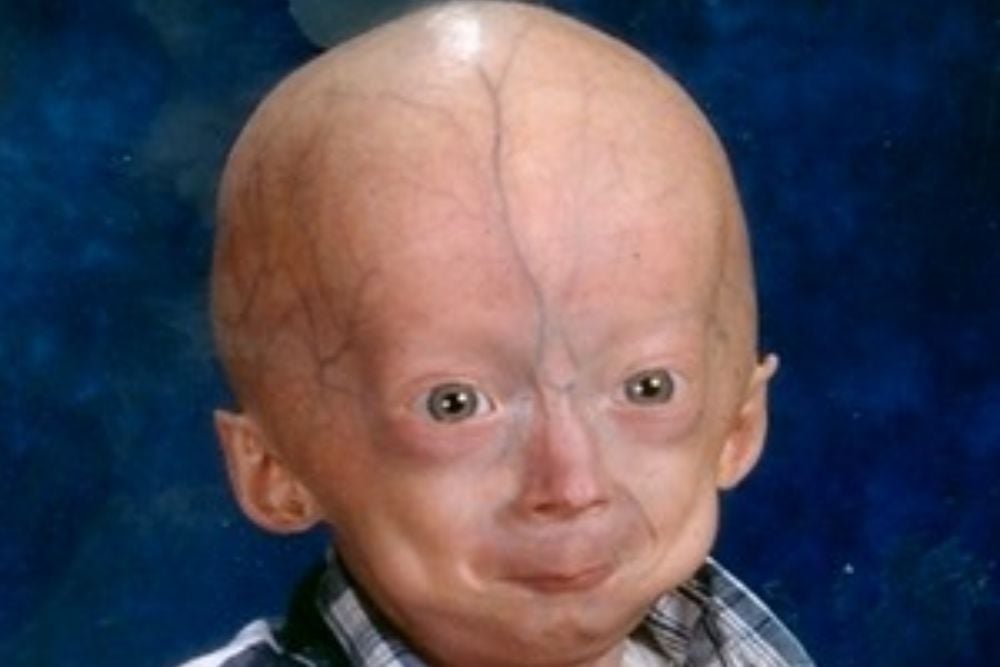
This condition speeds up aging, often starting in early childhood. Children with progeria tend to look much older than they are, with features like hair loss, thin skin, and small faces with large heads. Their bodies remain small and fragile, but they often have very normal intelligence. It’s incredibly rare, affecting only a few hundred children worldwide. Sadly, most don’t live past their early teens, but many continue to smile and live with incredible strength.
Treacher Collins Syndrome
People with this syndrome are born with facial differences that can affect the eyes, ears, cheekbones, and jaw. The severity varies — some might have small ears or no ears at all, while others may have a jaw that’s underdeveloped. Breathing and hearing can also be difficult. It doesn’t affect brain development, but it can lead to bullying or feeling left out. Despite these challenges, many live full, successful lives with the help of surgeries and support.
Like Go2Tutors’s content? Follow us on MSN.
Harlequin Ichthyosis

Babies born with this condition have thick, hard skin that cracks and splits. It can look shiny, red, and very painful. The skin forms large plates and can pull at the face, giving the eyes, mouth, and nose unusual shapes. Without treatment, it can be life-threatening, especially in newborns. With modern care, though, many people with the condition are living longer and more comfortably than ever before.
Neurofibromatosis Type 1
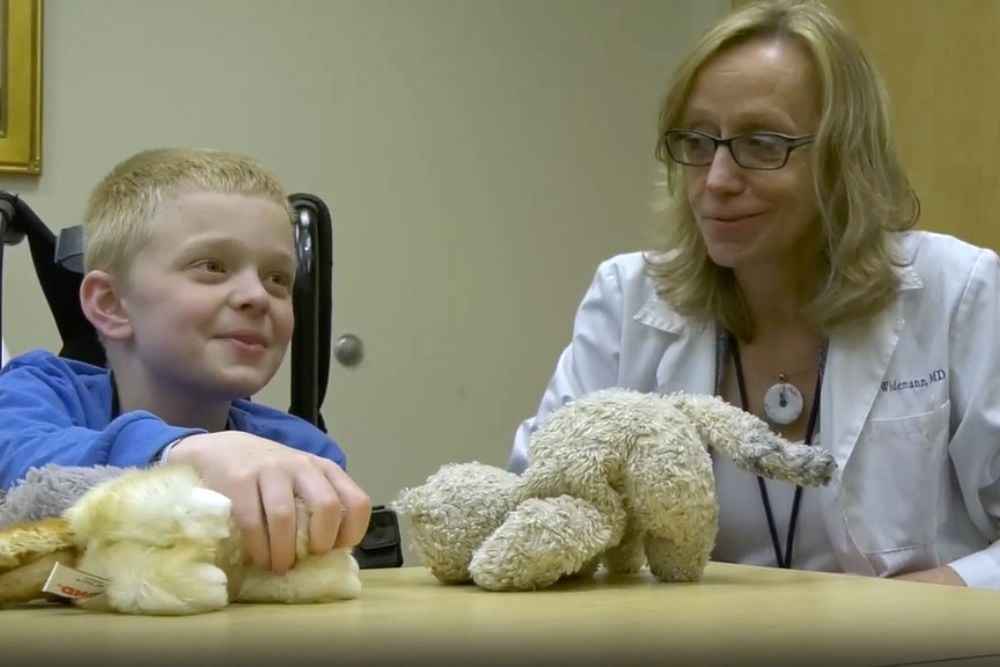
This condition causes tumors to grow on nerves throughout the body, often leading to lumps under the skin or large growths on the face and limbs. Some people may have café-au-lait spots (light brown patches) on their skin. The tumors are usually non-cancerous, but they can still cause discomfort or visible disfigurement. The condition can be passed down in families, or it can appear suddenly in someone with no family history.
Cutis Laxa
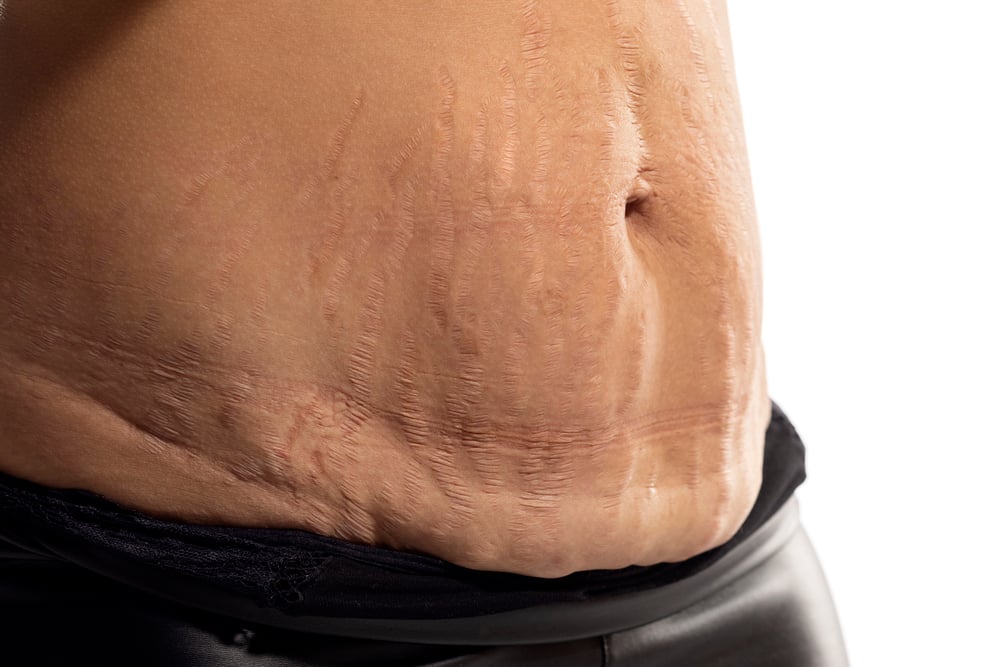
This is a connective tissue disorder that makes the skin loose and wrinkly, almost like it’s too big for the body. In severe cases, it can also affect the lungs and other organs, making it more than just a skin problem. The skin may hang in folds, especially around the face, arms, and legs. It can make people look older than they are, even in childhood. There is no cure, but some turn to surgery for support with appearance and movement.
Like Go2Tutors’s content? Follow us on MSN.
Albinism
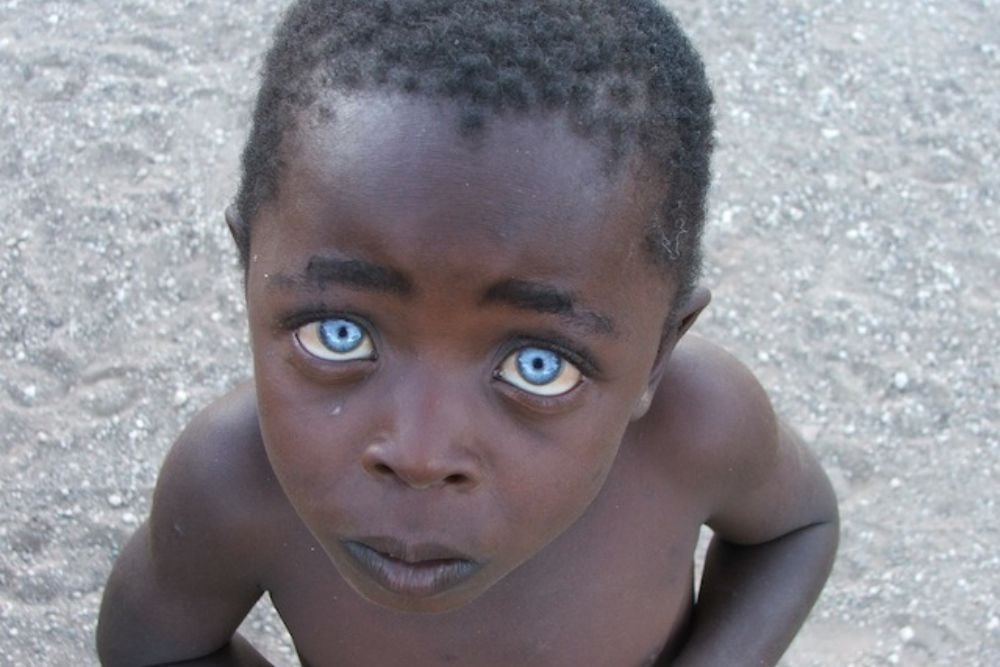
People with albinism have little to no pigment in their skin, hair, or eyes. This gives them very pale skin and light-colored eyes, and they’re often sensitive to sunlight. Vision problems are also common. Although albinism doesn’t affect intelligence or ability, people living with it often face social challenges or discrimination due to their unique look. In some parts of the world, myths and fear around the condition make life even more difficult.
Parry-Romberg Syndrome

This condition slowly causes the skin and soft tissues on one side of the face to shrink or waste away. It usually starts during childhood or adolescence and progresses over time. The affected side of the face may look sunken or asymmetrical, which can be distressing. In some cases, it can lead to headaches or neurological problems. The cause isn’t clear, and treatment focuses on easing symptoms and managing facial changes.
Hypertrichosis
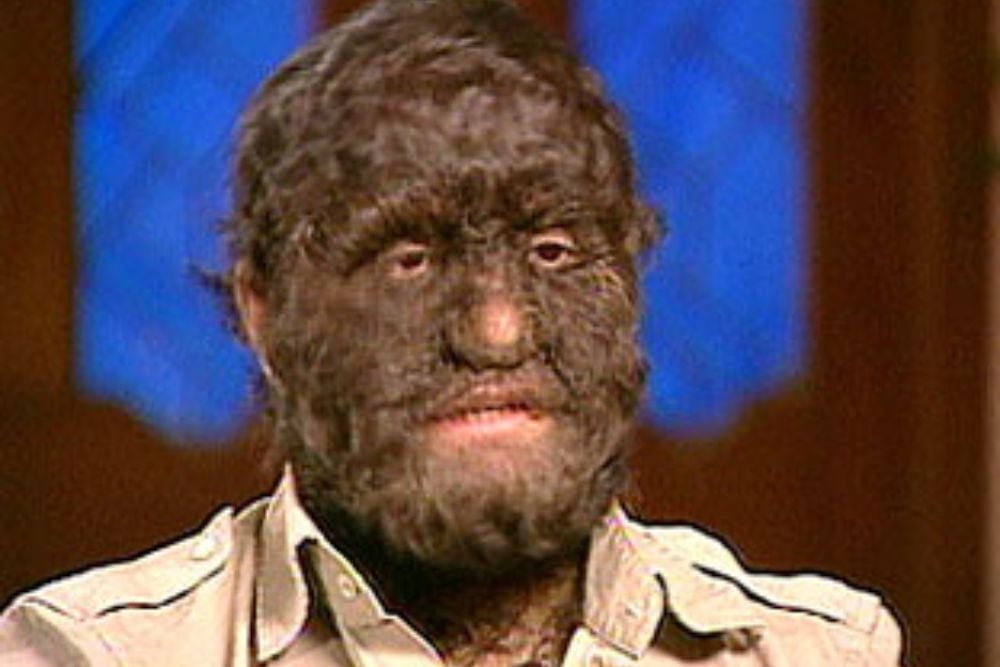
Sometimes called “werewolf syndrome,” this condition causes extra hair growth all over the body, including the face. It can be present from birth or develop later in life. The thick hair can make it hard for people to blend in or feel accepted. Hair removal is an option, but it can be expensive and needs to be done regularly. The condition is extremely rare, with only a handful of known cases worldwide.
Like Go2Tutors’s content? Follow us on MSN.
Ectodermal Dysplasia

This group of genetic conditions affects the skin, hair, nails, teeth, and sweat glands. People with it may have missing teeth, very thin hair, dry skin, or problems with body temperature regulation. The face might appear different due to gaps in the teeth or lack of eyebrows and eyelashes. Though the condition is lifelong, many manage it with medical and dental care. Still, physical changes can make social situations tough.
Vitiligo
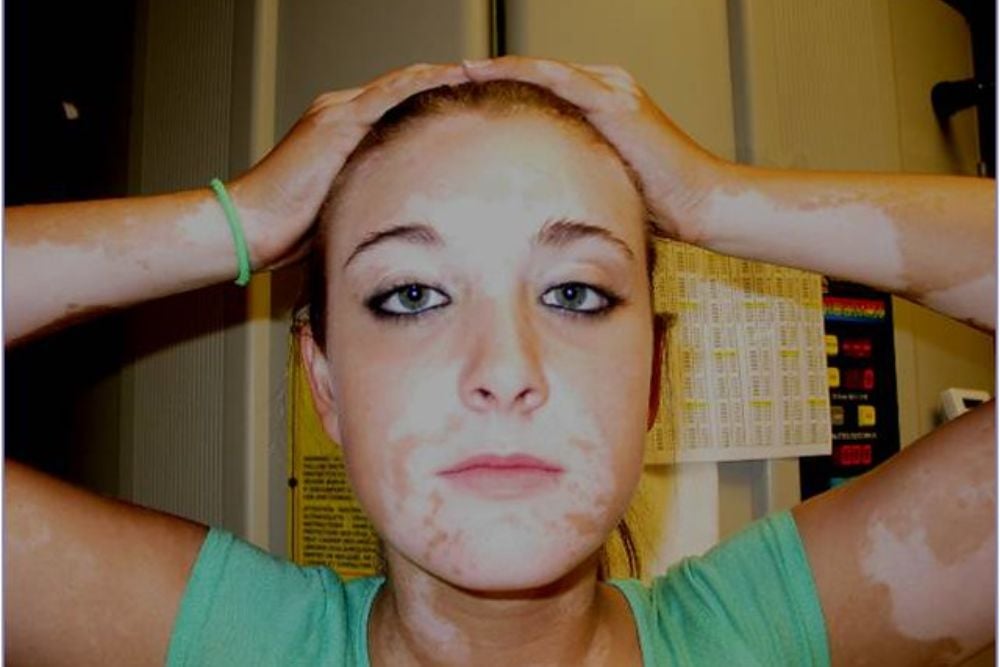
Vitiligo causes patches of skin to lose color, turning white or lighter than the person’s natural tone. It can appear anywhere and may spread over time. The condition doesn’t cause physical pain, but it can be emotionally tough, especially in cultures where skin tone is closely tied to beauty standards. People with darker skin tones often feel the effects more visibly. Though treatments exist, there’s no full cure yet.
Crouzon Syndrome

People born with this condition have skull bones that fuse too early, leading to a misshapen head and facial structure. It can affect the shape of the eyes, nose, and jaw, and sometimes causes vision or breathing issues. Surgeries are often needed early in life to help the brain grow properly. Despite how different it can make someone look, many live long, healthy lives with the right care and support.
Like Go2Tutors’s content? Follow us on MSN.
Lipodystrophy

This condition affects how fat is stored in the body, often causing fat to disappear from areas like the face, arms, or legs. At the same time, it might build up in unexpected places like the neck or abdomen. The changes can happen gradually or suddenly. Some forms of lipodystrophy are linked to insulin problems, making it a health risk beyond appearance. People may look unusually lean in some areas and bulky in others.
Piebaldism
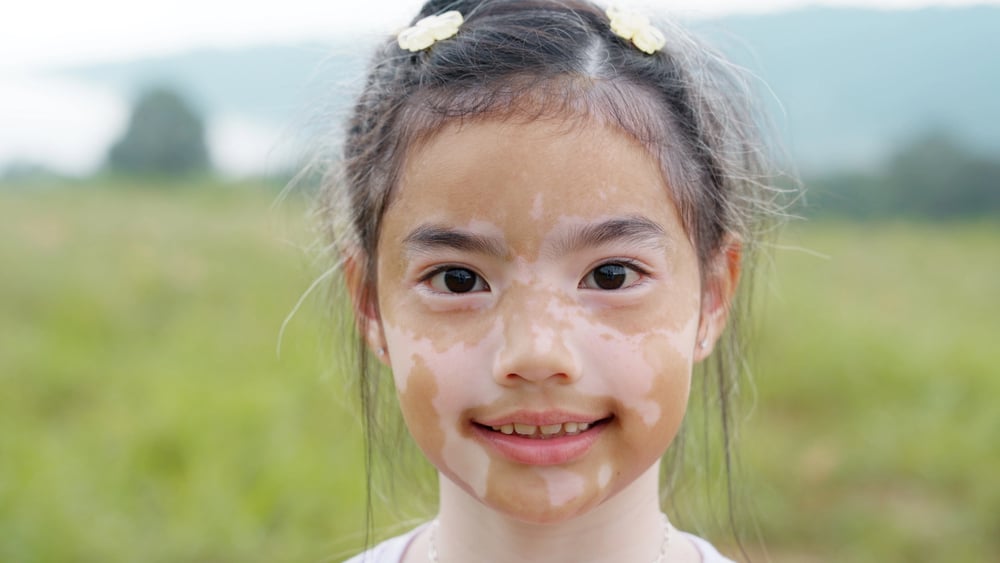
This is a rare genetic condition where patches of skin and hair lack pigment from birth. A common feature is a white forelock — a patch of white hair at the front of the scalp. The skin patches don’t change over time and are usually seen on the forehead, chest, and limbs. It’s harmless medically, but very noticeable. People with piebaldism often get mistaken for having vitiligo, but it’s a completely different condition.
CLOVES Syndrome

This complex disorder causes overgrowth of skin, blood vessels, and other tissues. People may have large, fatty masses or uneven limb sizes. Birthmarks and vein problems are also common. The condition varies widely from person to person, which can make it hard to diagnose. Though rare, it often requires multiple doctors to manage the wide range of symptoms, many of which affect how someone looks.
Like Go2Tutors’s content? Follow us on MSN.
Epidermolysis Bullosa
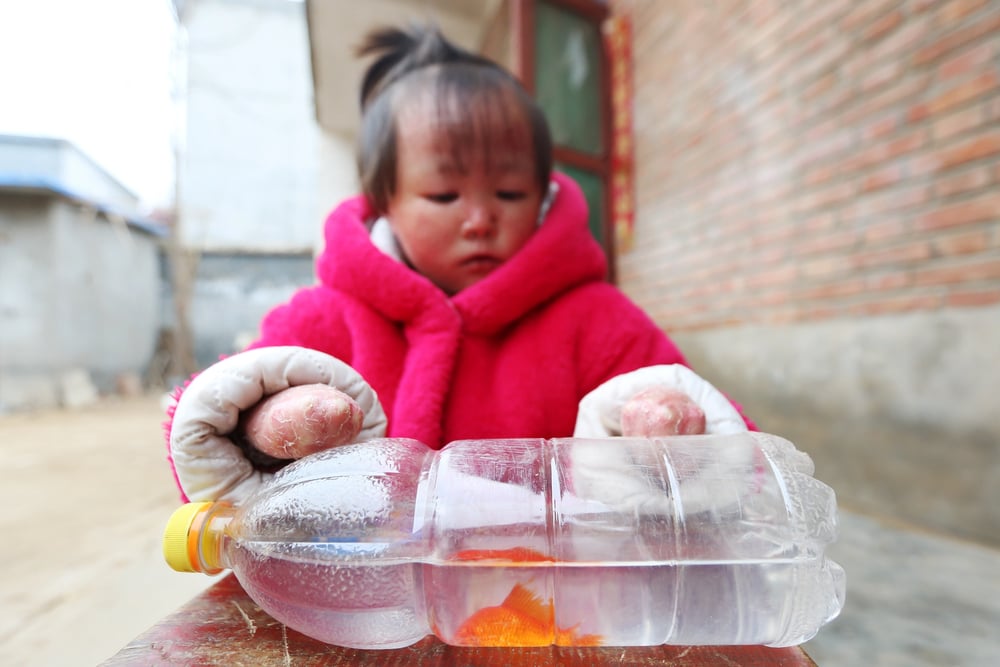
Known for causing extremely fragile skin, this condition leads to blisters and wounds from even the slightest touch or friction. Over time, scarring can change the shape of fingers, toes, or facial features. It’s painful and can make daily activities very difficult. Bandaging, wound care, and protective clothing become part of daily life. The condition affects appearance mainly through scarring and constant skin damage.
Poland Syndrome
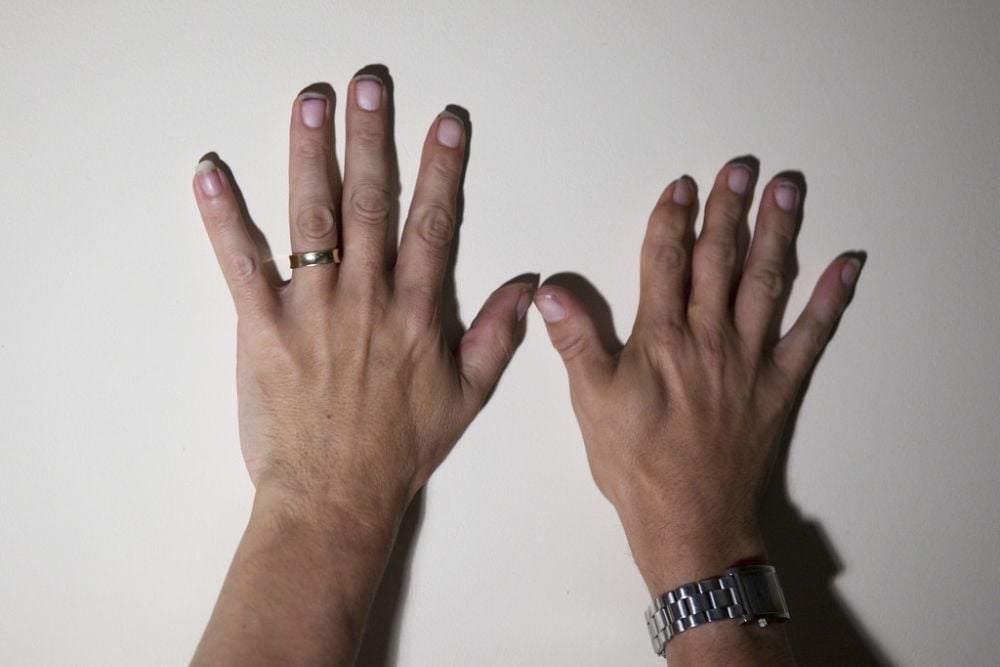
People with Poland Syndrome are born with underdeveloped chest muscles, usually on one side of the body. This can cause the chest to appear sunken or uneven, and in some cases, the hand on the same side may also be smaller or misshapen. It’s more common in males and is often noticed during puberty. Though the condition doesn’t affect life span or brain development, it can affect self-esteem, especially during teenage years. Surgery is an option for those who want to balance their appearance.
Then and Now: A Look That Tells a Story
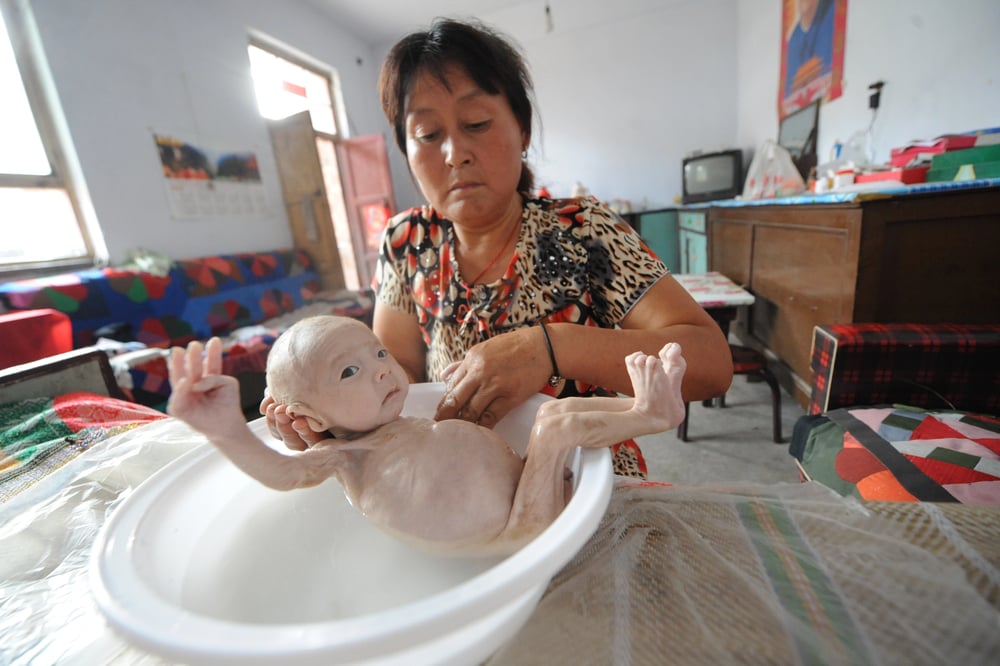
Every one of these conditions changes more than just what someone sees in the mirror. They shape confidence, identity, and even how people are treated in the world. But they also highlight human strength — the way people adapt, learn, and still go after their goals, no matter what their reflection shows. These differences may start as medical challenges, but they grow into stories of courage and resilience. And while they may be rare, the understanding and kindness they call for should never be.
Like Go2Tutors’s content? Follow us on MSN.
More from Go2Tutors!

- 16 Historical Figures Who Were Nothing Like You Think
- 12 Things Sold in the 80s That Are Now Illegal
- 15 VHS Tapes That Could Be Worth Thousands
- 17 Historical “What Ifs” That Would Have Changed Everything
- 18 TV Shows That Vanished Without a Finale
Like Go2Tutors’s content? Follow us on MSN.