16 Surprising Things About the River Nile Ecosystem
Most people think they know the Nile. The world’s longest river, ancient Egyptian civilization, pyramids rising from its banks.
But the river that flows 4,132 miles from the heart of Africa to the Mediterranean holds ecological secrets that would surprise even seasoned nature enthusiasts. The Nile isn’t just a waterway — it’s a living system that has adapted, survived, and thrived through millennia of change.
Ancient Fish Species Still Swimming
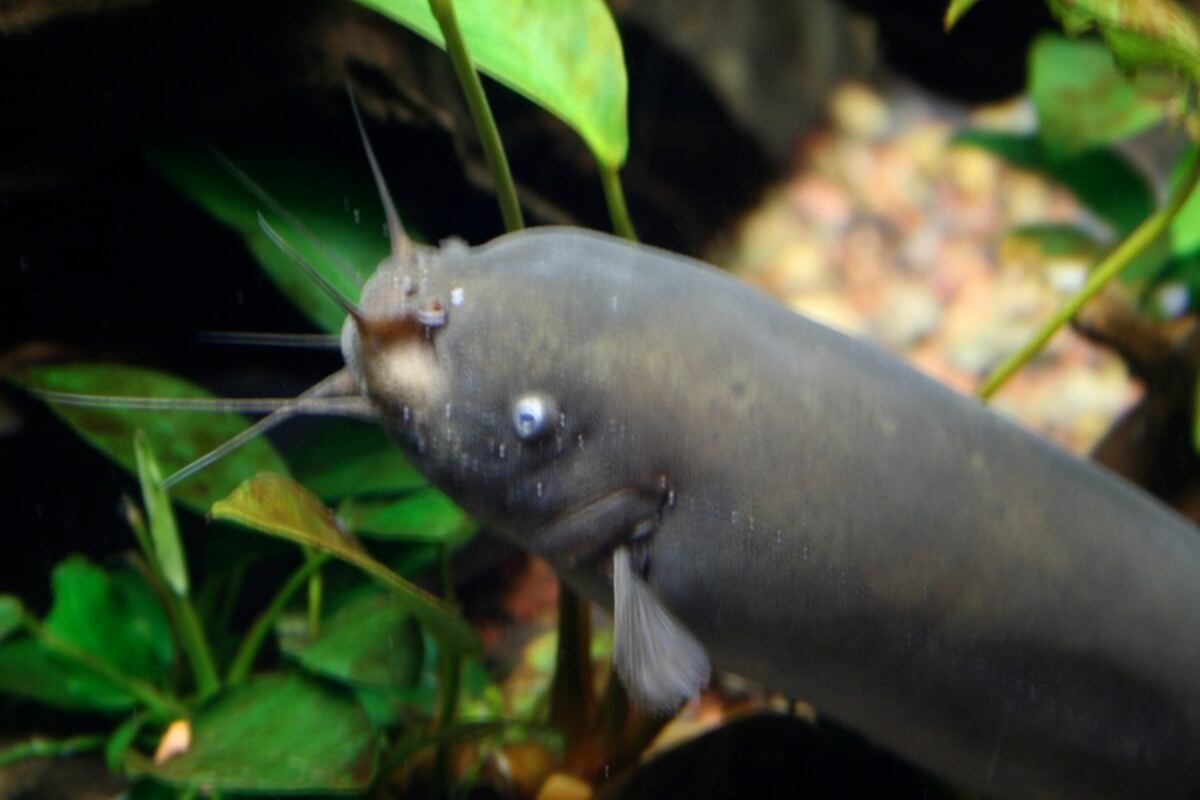
The Nile houses fish that haven’t changed much since the pharaohs ruled Egypt. Electric catfish still patrol these waters, capable of generating 450-volt shocks.
They’ve been doing this exact thing for over 3,000 years.
Floating Islands That Migrate Seasonally
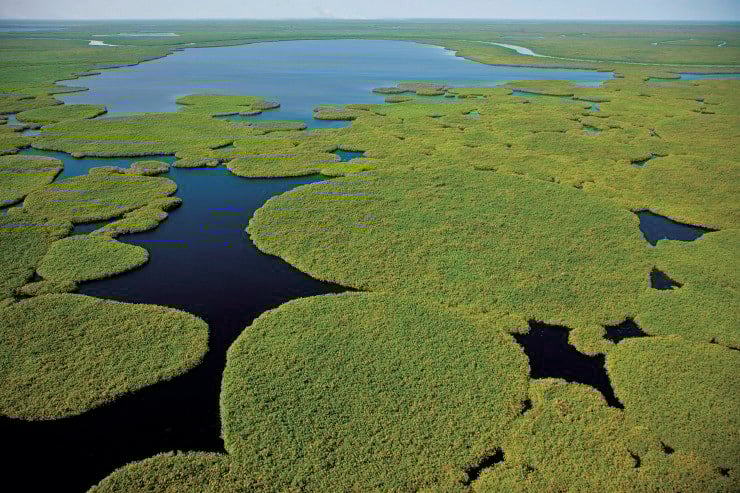
The Sudd wetlands in South Sudan contain something that defies logic: islands made entirely of vegetation that drift with the current. These floating masses, some as large as football fields, support entire ecosystems — birds nest on them, hippos graze them down to water level, and they break apart and reform like living puzzles.
And here’s the thing that gets overlooked: they’re not accidents of nature, but rather the result of a delicate balance between water hyacinth, papyrus, and dozens of other plants that have learned to live without solid ground beneath them. So these green rafts migrate hundreds of miles each year, carrying their passengers (everything from crocodiles to entire colonies of weaver birds) to new territories.
The seasonal floods push them north, the dry season pulls them back south — a slow-motion dance that has been choreographed by climate and current for thousands of years. But the most remarkable part isn’t their movement; it’s how quickly life colonizes them, turning a mat of floating vegetation into a complete habitat within weeks.
Papyrus Plants Acting Like Natural Water Filters

Think of papyrus as the Nile’s kidney system. These towering grass-like plants don’t just look impressive — they’re processing thousands of gallons of river water every day, pulling out pollutants and excess nutrients like a biological treatment plant that never needs maintenance. The roots create underwater forests where sediment settles and harmful bacteria get trapped and broken down.
What makes this process almost magical is how the plants seem to know exactly what the water needs. During flood season, they absorb excess phosphorus that would otherwise trigger destructive algae blooms.
In dry periods, they release stored nutrients back into the water, feeding the smaller organisms that keep the whole food chain running. It’s as if the river has been running its own environmental protection agency for millennia, and papyrus is both the technology and the workforce.
Nile Crocodiles Have Magnetic Navigation
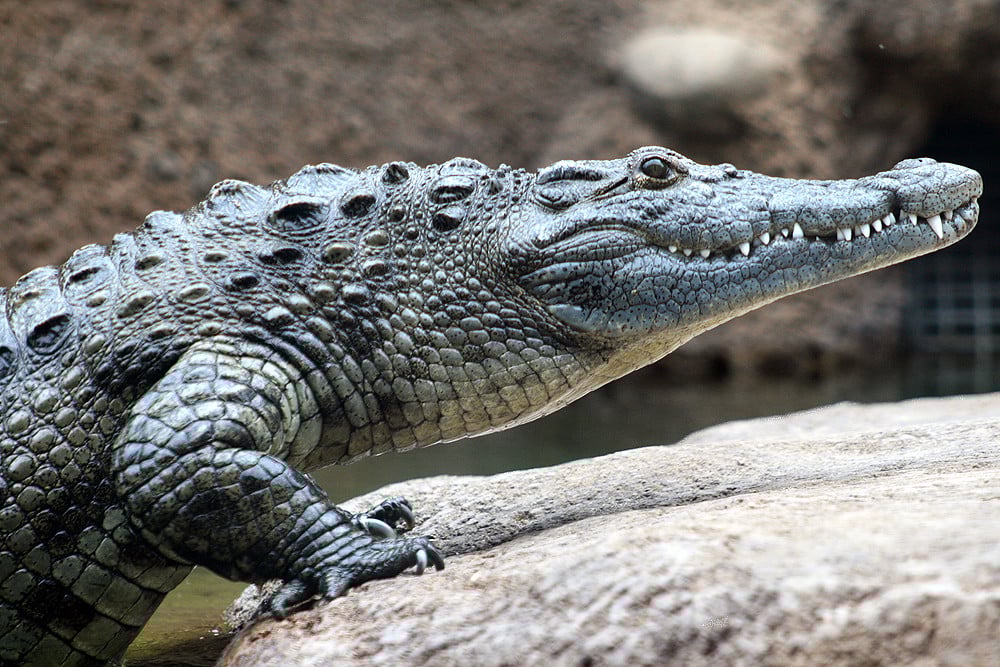
Nile crocodiles navigate using Earth’s magnetic field. Research shows these ancient predators can sense magnetic variations and use them like an internal GPS system.
They return to exact nesting sites year after year, sometimes traveling hundreds of miles through murky water. The precision is unsettling.
A female crocodile will swim upstream for weeks, past dozens of seemingly identical riverbanks, to lay her eggs in the same patch of sand her mother used decades earlier. She’s reading magnetic signatures in the Earth that humans can’t even detect without instruments.
To be fair, when you’ve been perfecting your navigation system for 200 million years, you tend to get good at it.
Seasonal Reversals Create Underwater Forests
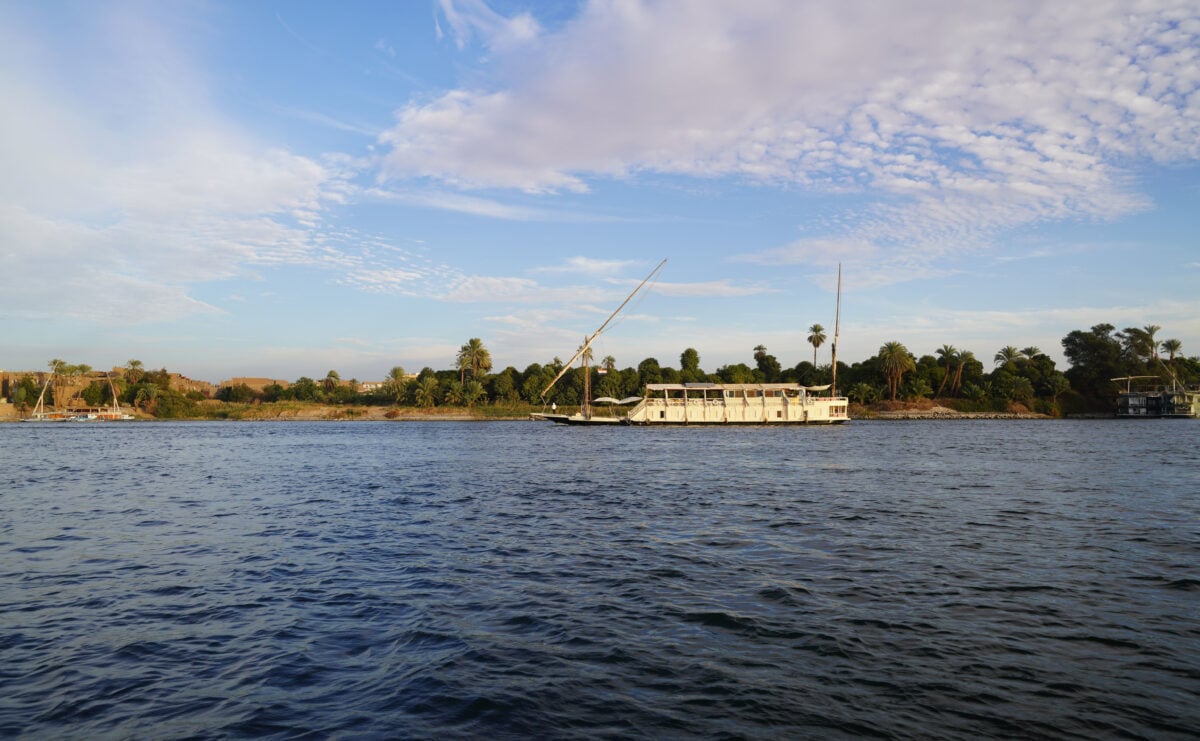
When the Nile floods each year, something counterintuitive happens beneath the surface — the river essentially grows a temporary forest. Submerged grasses and aquatic plants explode into growth, creating dense underwater meadows that stretch for miles.
Fish that spent the dry season in deep pools suddenly find themselves swimming through what looks like a flooded prairie, complete with pathways, clearings, and hiding spots. These underwater landscapes exist for only a few months before the water recedes and leaves them high and dry (literally).
But in that brief window, they become nurseries for countless species. Young fish that were born in the shallows grow up in these submerged gardens, learning to hunt among the grass stems and dodge predators in the green maze.
The whole ecosystem shifts into a different gear, like switching from black-and-white to color. The strangest part is how quickly it all disappears.
One week the fish are gliding through underwater forests; the next week those same plants are crunching under the feet of cattle coming to drink at the water’s edge.
Lungfish Survive by Literally Hibernating in Mud
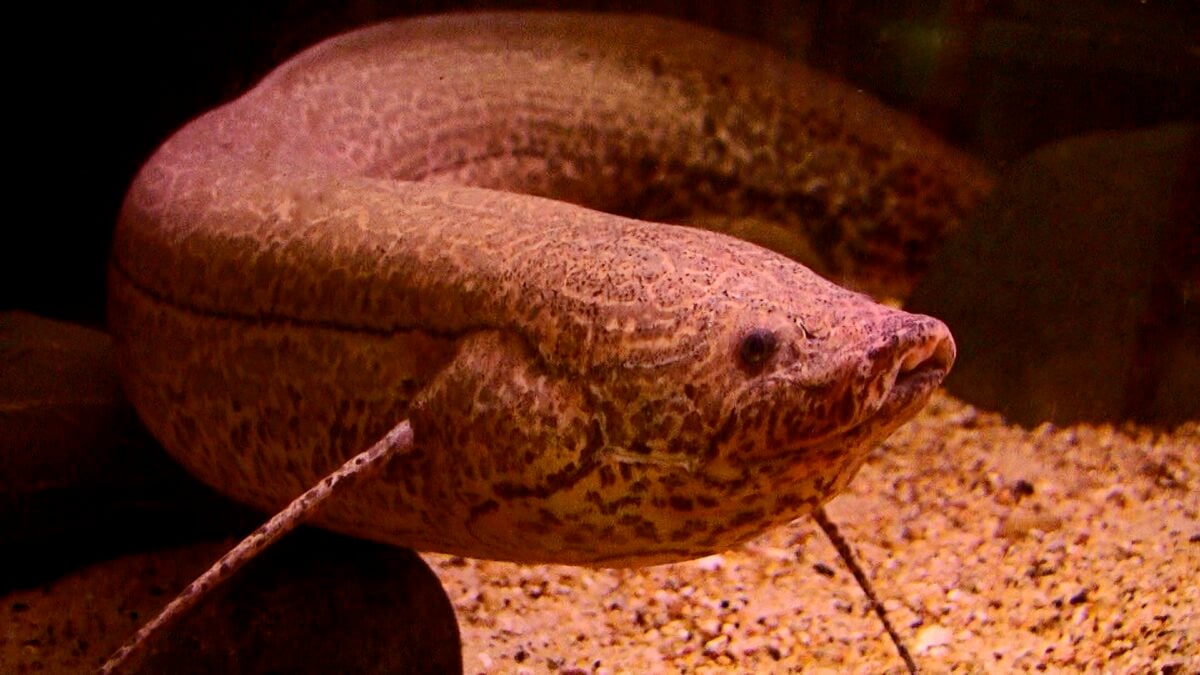
African lungfish have solved drought in the most extreme way imaginable. When the Nile’s tributaries dry up, they don’t migrate or die — they bury themselves in mud and essentially pause their lives for months.
Their metabolism drops to nearly zero, they stop moving, and they breathe air through primitive lungs while waiting for water to return.
Hippo Highways Engineer River Channels

Hippos are the Nile’s unintentional landscape architects. Their daily walks between grazing areas and water create deep channels that redirect water flow during floods.
These “hippo highways” can stretch for miles inland, creating permanent waterways that didn’t exist before the hippos carved them out with their massive feet. The engineering happens accidentally but consistently.
A pod of hippos follows the same route to their favorite grazing spot every night for decades, and their combined weight — each animal tips the scales at over three tons — gradually presses a permanent groove into the landscape. During flood season, water finds these grooves and turns them into new tributaries.
The hippos are basically terraforming the river system one footstep at a time, though they’re completely unaware of their role as hydraulic engineers.
Microscopic Diatoms Control Water Clarity
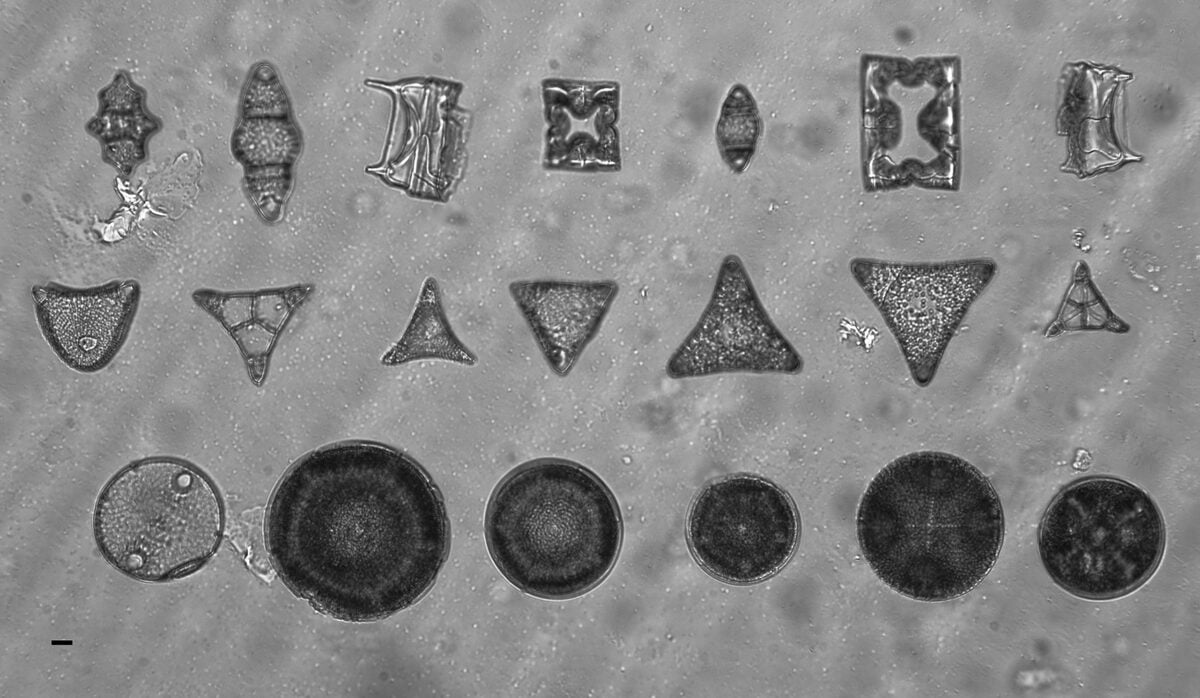
Diatoms are single-celled algae that live in glass houses — literally. Their cell walls are made of silica, the same material as glass, and they come in geometric shapes so intricate they look like alien jewelry under a microscope.
In the Nile, these tiny organisms hold more power over water quality than any large animal. When conditions are right, diatoms bloom in numbers that seem impossible — billions upon billions coating every surface in the river with a golden-brown film.
They consume dissolved nutrients so efficiently that the water becomes crystal clear within days. When they die off, their glass shells sink to the bottom, creating layers of sediment that geologists can read like tree rings, telling the story of the river’s health going back thousands of years.
But here’s what makes them fascinating rather than just useful: each species has its own perfectly symmetrical pattern, as if someone designed them with a compass and protractor. Circles within hexagons, spirals that follow mathematical ratios, radial patterns that would make a cathedral architect jealous.
The Blue and White Niles Stay Separate for Miles
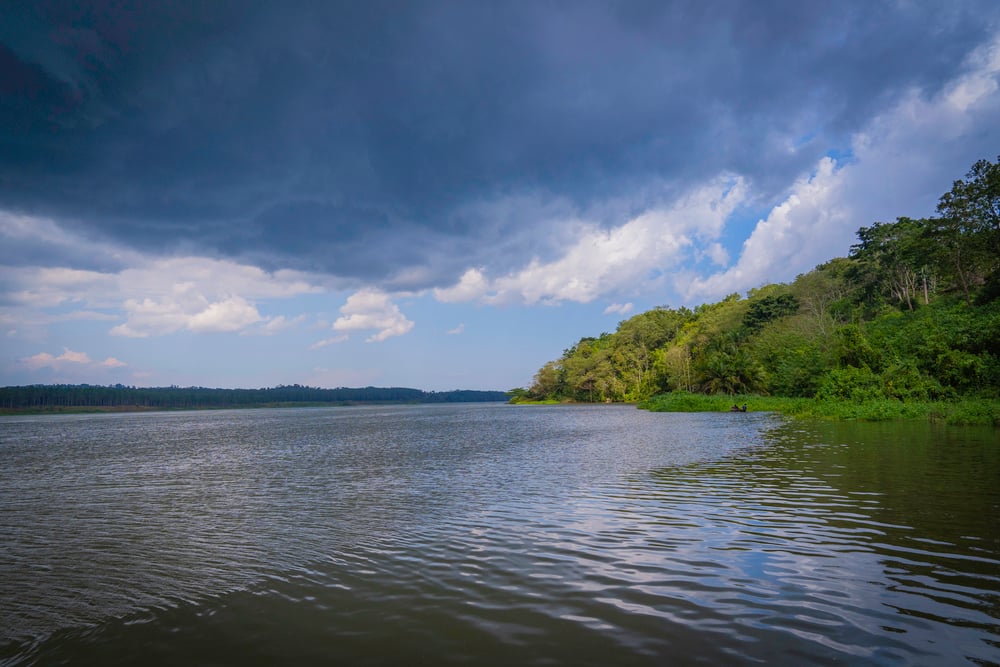
Where the Blue and White Niles meet in Khartoum, they don’t actually mix right away. The two rivers flow side by side for several miles, maintaining their distinct colors like oil and water.
The Blue Nile carries sediment from Ethiopian highlands, while the White Nile runs clearer from its journey through wetlands. You can stand on a bridge and watch two different rivers occupying the same channel — one muddy brown, the other greenish-clear, with a visible line between them that shifts and wavers but never quite disappears.
The temperature difference keeps them separate almost as much as the density difference. Eventually physics wins and they blend into the familiar muddy brown of the main Nile, but for those first few miles, it’s like watching two entirely different ecosystems learning to share the same space.
Underground Rivers Feed the Nile
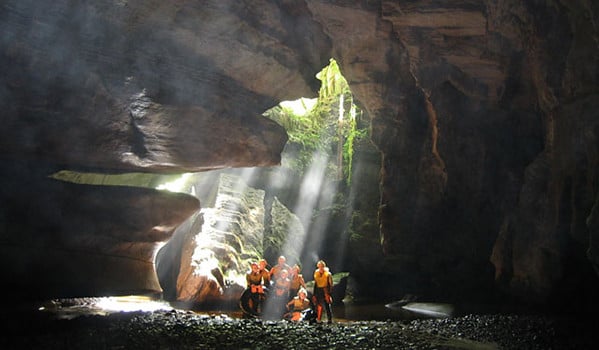
Beneath the Nile runs a hidden river system that most people never consider. Groundwater aquifers stretch for hundreds of miles underground, feeding springs and seeps that keep parts of the river flowing even during extreme droughts.
These underground tributaries carry water that fell as rain thousands of years ago, before it filtered down through rock layers and began its slow journey to daylight. The water emerging from these hidden sources tells stories written in minerals and isotopes — chemical signatures that reveal where it originated and how long it spent underground.
Some springs along the Nile are flowing water that was last exposed to air during the Roman Empire. It’s ancient water meeting an ancient river, creating an ecosystem that operates on geological timescales most living things can’t even comprehend.
What’s remarkable is how this underground system acts as a buffer against climate extremes. When surface water disappears, the underground rivers keep flowing.
When floods threaten to wash everything away, the aquifers absorb the excess and store it for later release.
Migratory Birds Use Nile Thermals Like Highways
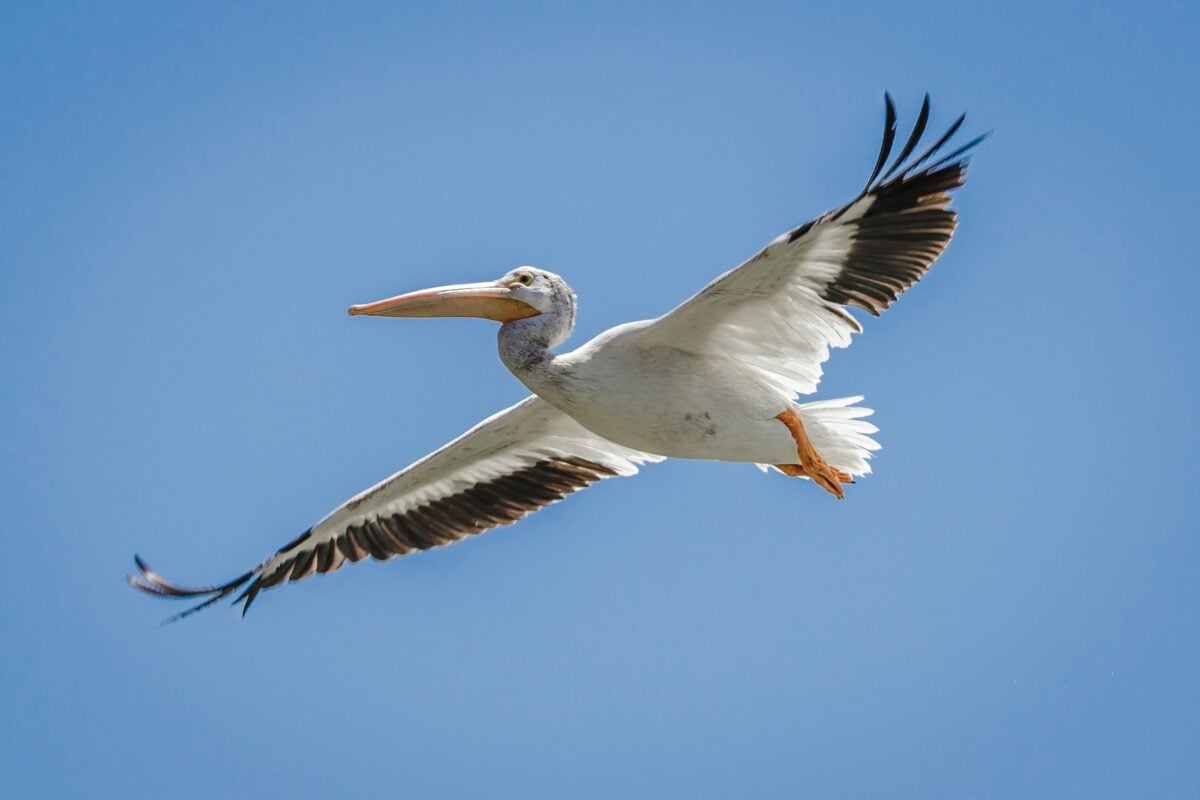
The Nile creates its own weather system that birds have learned to exploit. Warm air rising from the river and its surrounding wetlands generates thermal columns — invisible elevators of hot air that allow large birds to gain altitude without flapping their wings.
Millions of migrating birds time their journeys to catch these thermals, turning the entire Nile corridor into an aerial superhighway.
Termites Build Air-Conditioned Mounds Along the Banks
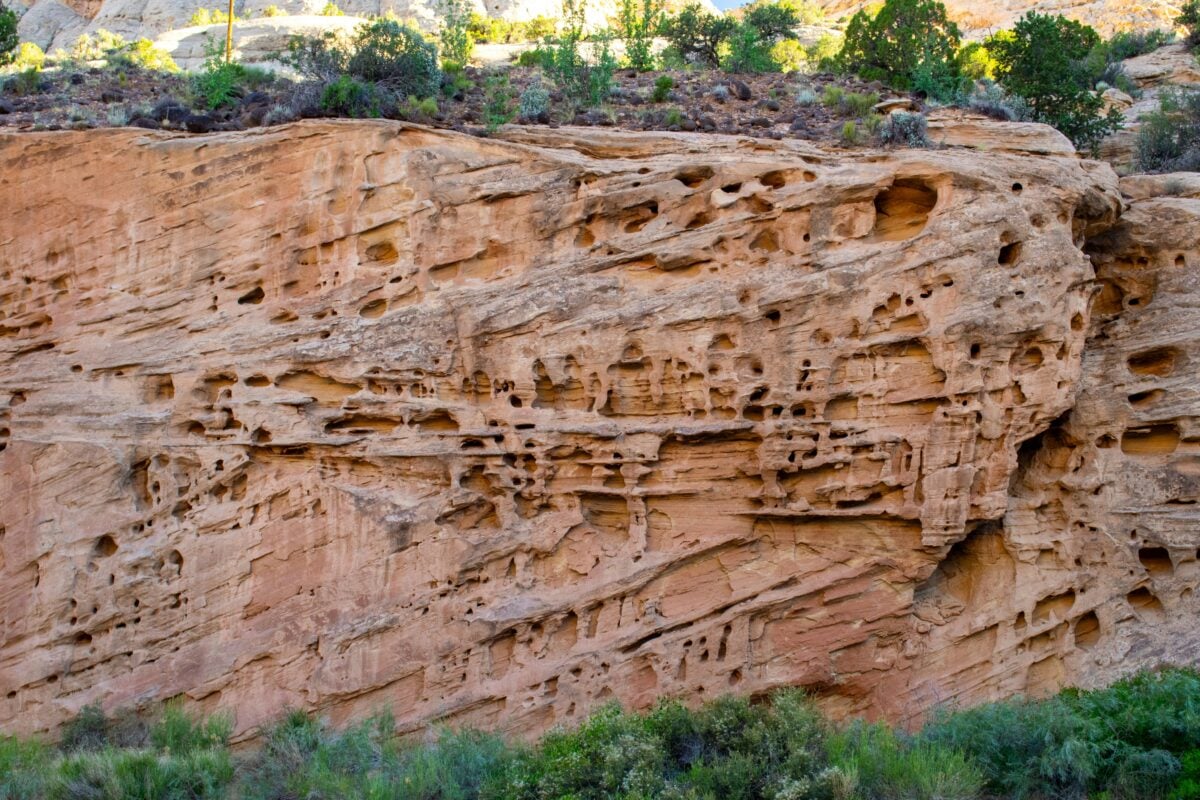
Termite colonies along the Nile have mastered climate control. Their towering mounds function as sophisticated ventilation systems, drawing cool air from underground chambers and exhausting hot air through the top.
The internal temperature stays constant year-round, creating perfect conditions for farming fungus gardens that feed the entire colony. The mounds are architectural marvels that put human air conditioning to shame.
Curved channels inside the structures create airflow patterns that would impress an aeronautical engineer. The termites adjust the ventilation system seasonally by opening and closing specific tunnels, fine-tuning their climate control as external conditions change.
Some of these mounds have been maintaining perfect internal temperatures for over a century, outlasting most human buildings in the region. What’s truly impressive is how the termites manage humidity along with temperature.
The fungus gardens they cultivate require precise moisture levels, so the mounds include chambers that either add or remove water vapor from the circulating air.
Seasonal Fish Migrations Span Thousands of Miles
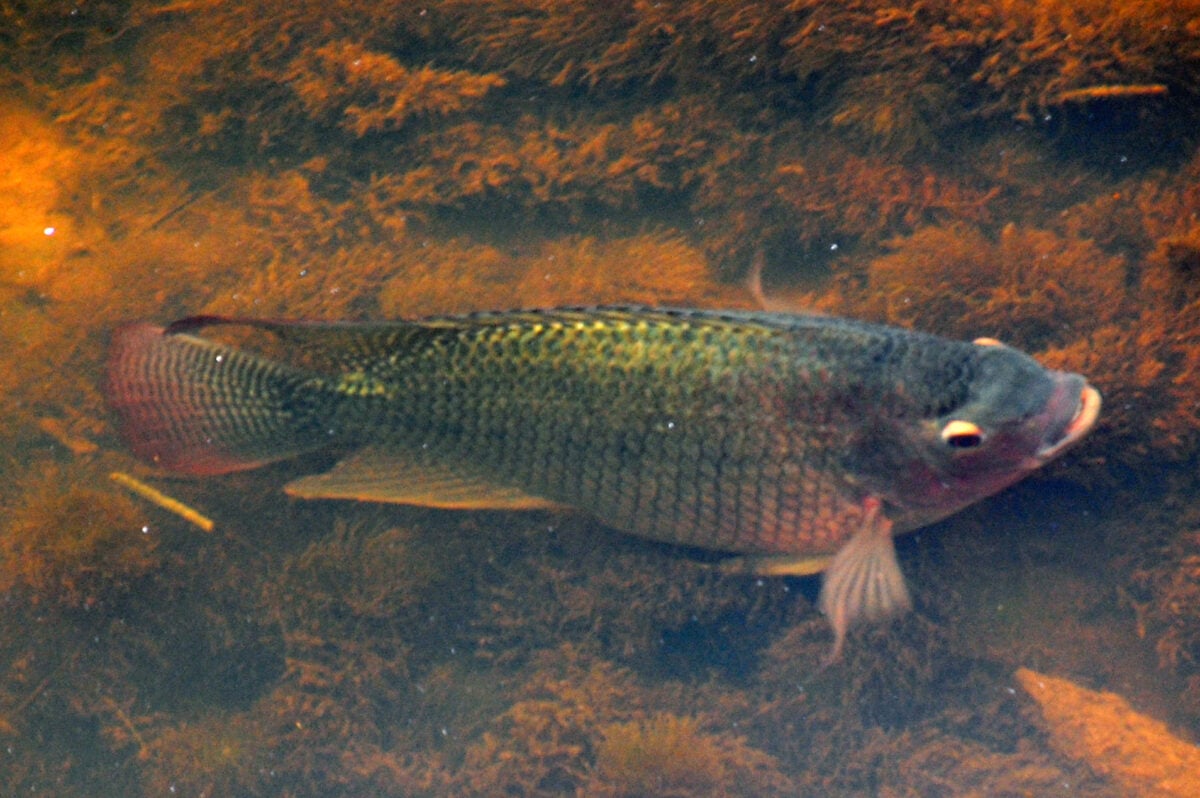
Nile perch undertake migrations that rival any land animal. These massive fish — some weighing over 400 pounds — travel the entire length of the river system following seasonal food sources and spawning grounds.
They navigate by taste, following chemical trails in the water that lead them to specific tributaries where they were born decades earlier. The logistics of these migrations are staggering.
Adult perch leave feeding grounds in Sudan and swim upstream against powerful currents for months to reach spawning areas in Uganda. They’re carrying so much stored energy that they don’t eat during the entire journey — a fast that can last half a year. Meanwhile, juvenile perch are making the opposite journey downstream, timing their departure to avoid competing with the returning adults.
Crocodile Mothers Provide Taxi Service
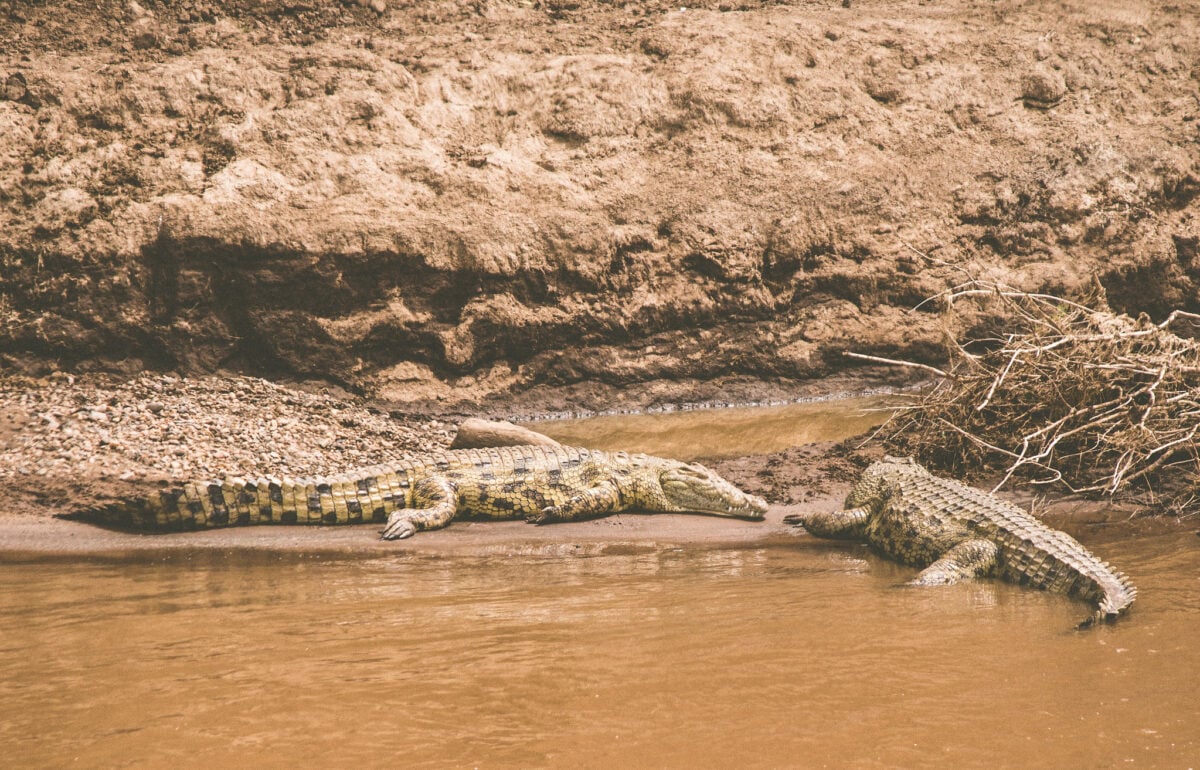
Female Nile crocodiles offer their babies something most reptiles don’t: transportation. After the eggs hatch, mothers carefully carry dozens of tiny crocodiles to water in their mouths, making multiple trips to relocate the entire brood.
The babies call to their mother with high-pitched chirps, and she responds by gently picking them up between jaws that could snap a gazelle in half. This taxi service continues for weeks.
Young crocodiles ride on their mother’s back, dive off to hunt insects, then climb back on for protection and transport. She’s basically operating a mobile nursery, keeping her offspring safe while teaching them the river’s geography and hunting techniques.
Water Hyacinth Creates Floating Meadows
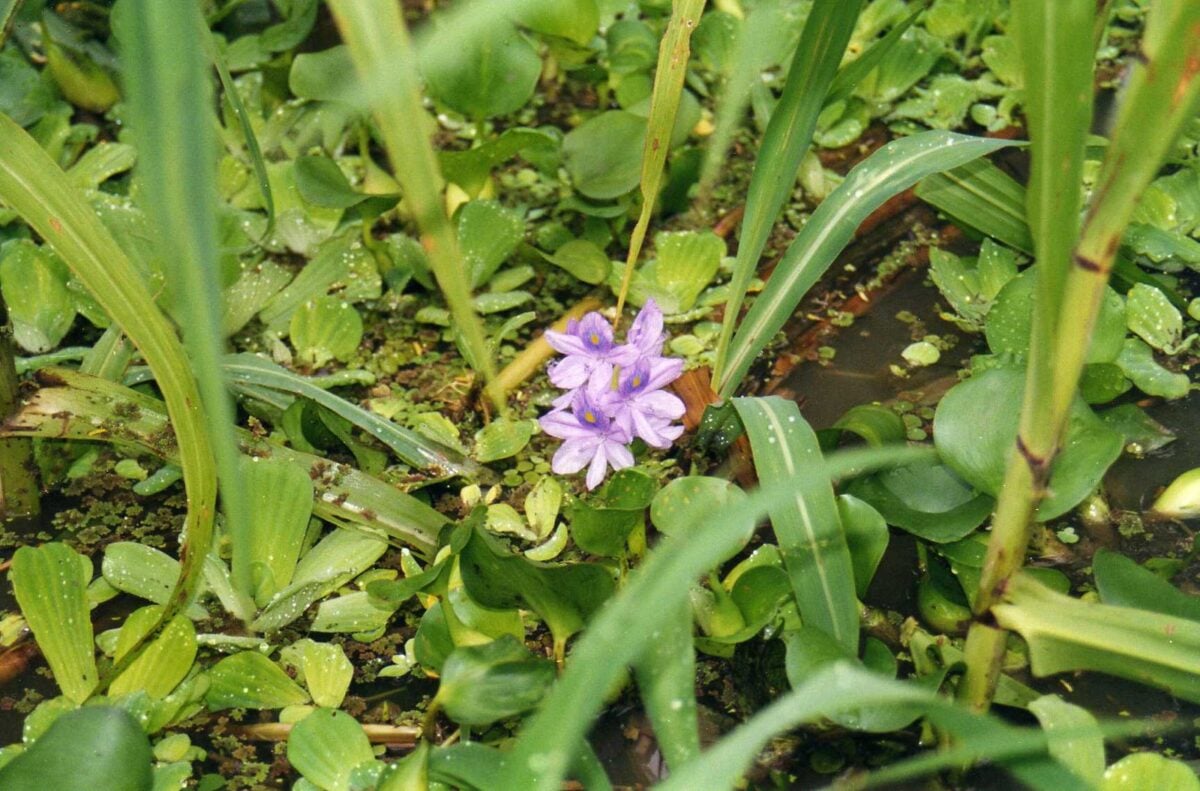
Water hyacinth, though technically an invasive species, has created some of the Nile’s most unique habitats. These free-floating plants link together to form massive meadows that drift with the current, supporting everything from nesting birds to grazing hippos.
The meadows can stretch for miles, creating temporary landscapes that exist somewhere between land and water.
Ancient Baobab Trees Store Flood Water
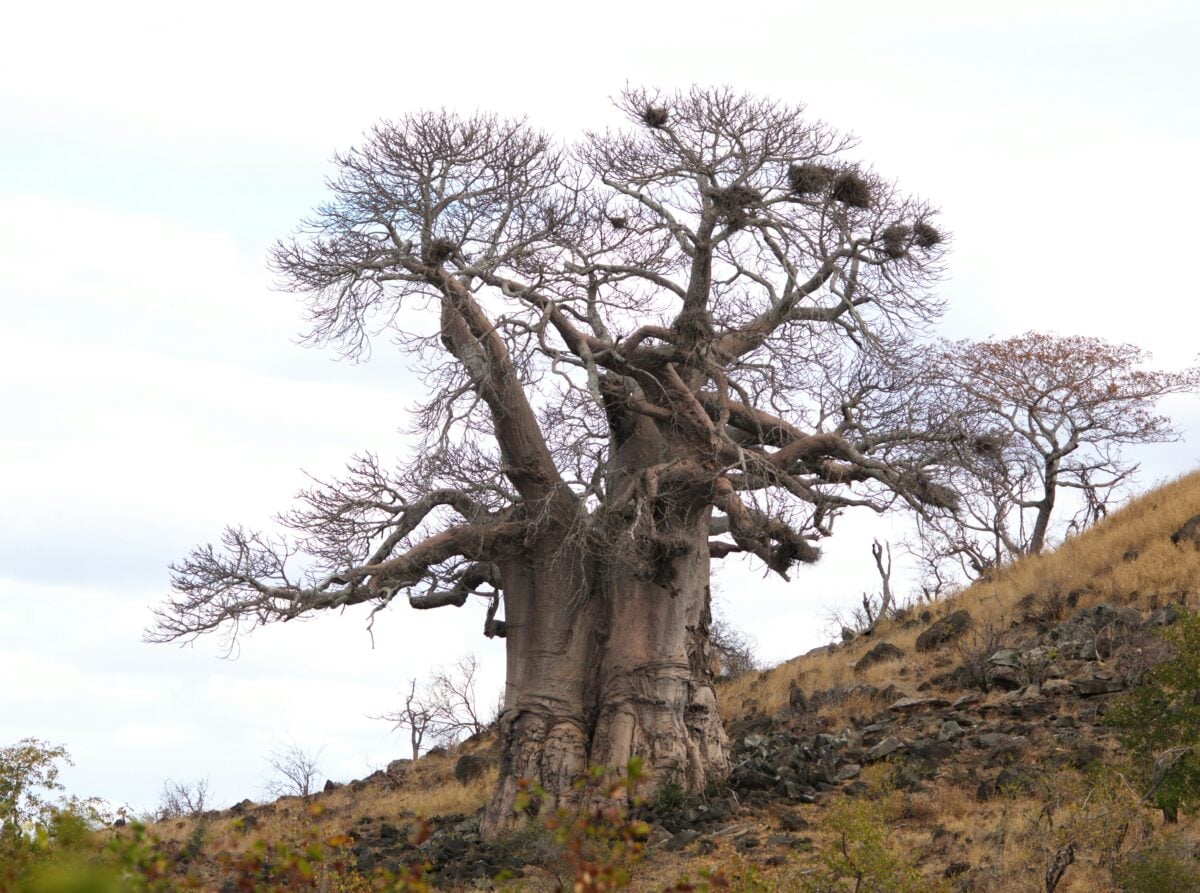
Thousand-year-old baobab trees along the Nile’s banks function as living reservoirs. Their massive trunks can store up to 32,000 gallons of water, which they absorb during flood season and slowly release during droughts.
These ancient giants essentially serve as biological dams, moderating the river’s flow and providing emergency water sources for wildlife during extreme dry periods. The trees have been performing this service for so long that entire ecosystems have evolved around their water-storage cycle.
Animals know which trees hold the most water and visit them in predictable patterns during drought years. Some baobabs have been tapped by human communities for centuries, providing consistent water sources in regions where the river itself becomes unreliable.
The River That Refuses to Be Tamed
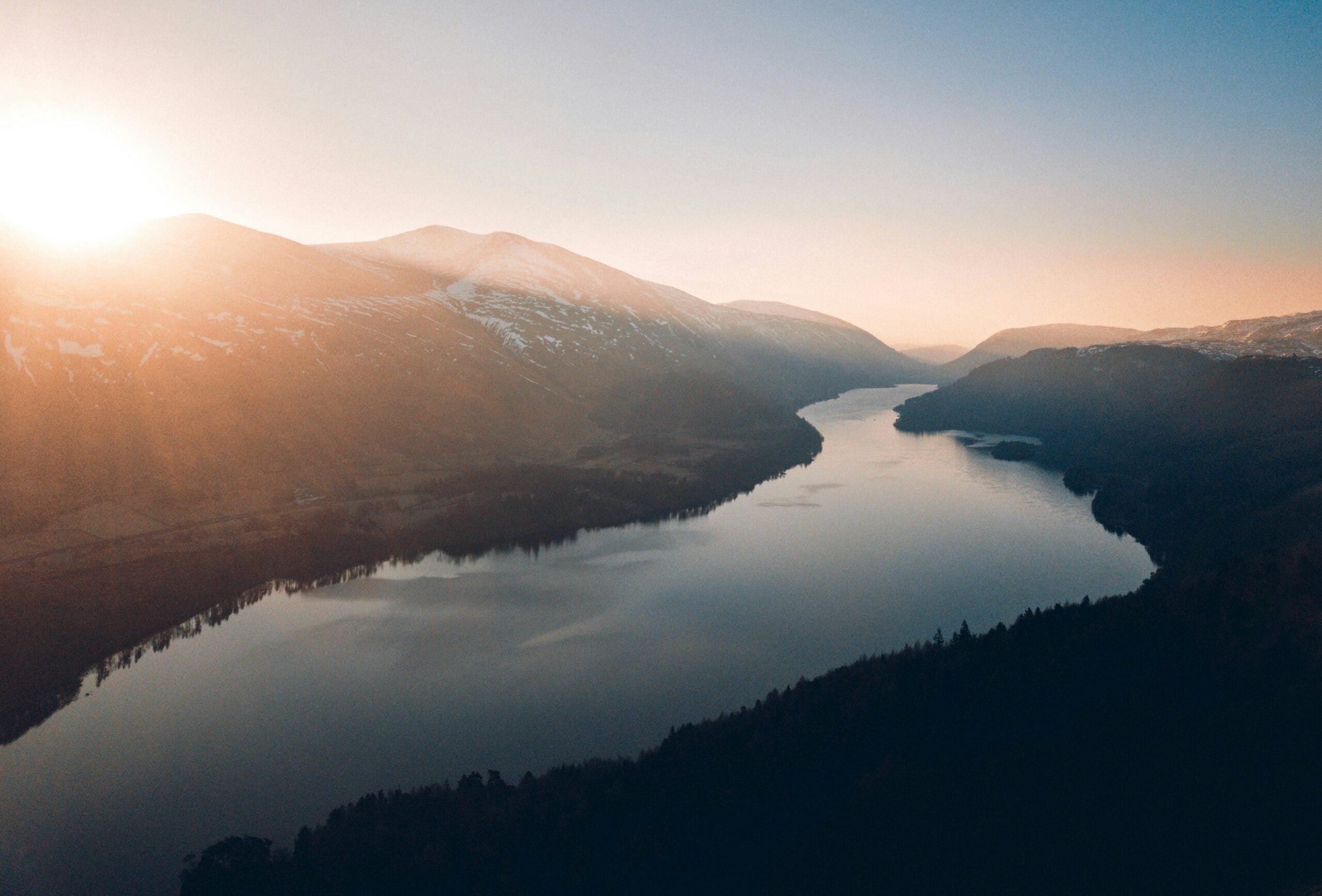
After learning about floating islands and underground rivers, magnetic navigation and ancient water storage, one thing becomes clear: the Nile operates on its own terms. Human civilizations have risen and fallen along its banks, engineering projects have tried to control its flow, and yet the essential wilderness remains.
The ecosystem continues to surprise researchers who thought they understood how rivers work. Perhaps that’s the most remarkable thing about the Nile — after thousands of years of human interaction, it still has secrets to share.
More from Go2Tutors!

- The Romanov Crown Jewels and Their Tragic Fate
- 13 Historical Mysteries That Science Still Can’t Solve
- Famous Hoaxes That Fooled the World for Years
- 15 Child Stars with Tragic Adult Lives
- 16 Famous Jewelry Pieces in History
Like Go2Tutors’s content? Follow us on MSN.



