Bizarre Marketing Attempts from the 1990s
The 1990s were a wild time for advertising. Brands didn’t just want to stand out—they wanted to shock, surprise, and sell big.
Some ideas were smart. Others? Not so much.
It was a decade filled with strange experiments and marketing moves that made people pause and ask, “Wait, they really did that?” The truth is, companies were willing to try just about anything back then. And wow—some of it was really weird.
Let’s take a look at the stuff that left people confused, amused, or just plain uncomfortable.
Crystal Pepsi

This one turned heads right away. It looked like water but tasted like regular Pepsi.
The company pushed it as a “clear cola” to make it seem clean and modern. People were curious at first, but the taste didn’t match the hype.
After all the buzz, it didn’t take long for Crystal Pepsi to quietly disappear from shelves.
McDonald’s Arch Deluxe

McDonald’s wanted to make a burger for grown-ups. So they created the Arch Deluxe—fancier toppings, a new sauce, and ads that basically said it wasn’t for kids.
But most adults just wanted the regular menu, and the new burger didn’t wow anyone. It ended up being one of the company’s biggest flops.
Like Go2Tutors’s content? Follow us on MSN.
Colgate frozen dinners

Yes, the toothpaste brand once tried to sell food. Colgate launched a line of frozen meals, thinking the name would build trust.
Instead, people were weirded out. No one wants to eat lasagna while thinking about toothpaste.
The idea faded almost as quickly as it came.
Coors Rocky Mountain water

Coors, known for beer, decided to jump into the bottled water trend. They released their own sparkling water—but the packaging looked exactly like their beer.
People got confused. Was it alcohol? Was it soda? No one really knew, and no one really bought it.
Frito-Lay WOW! Chips
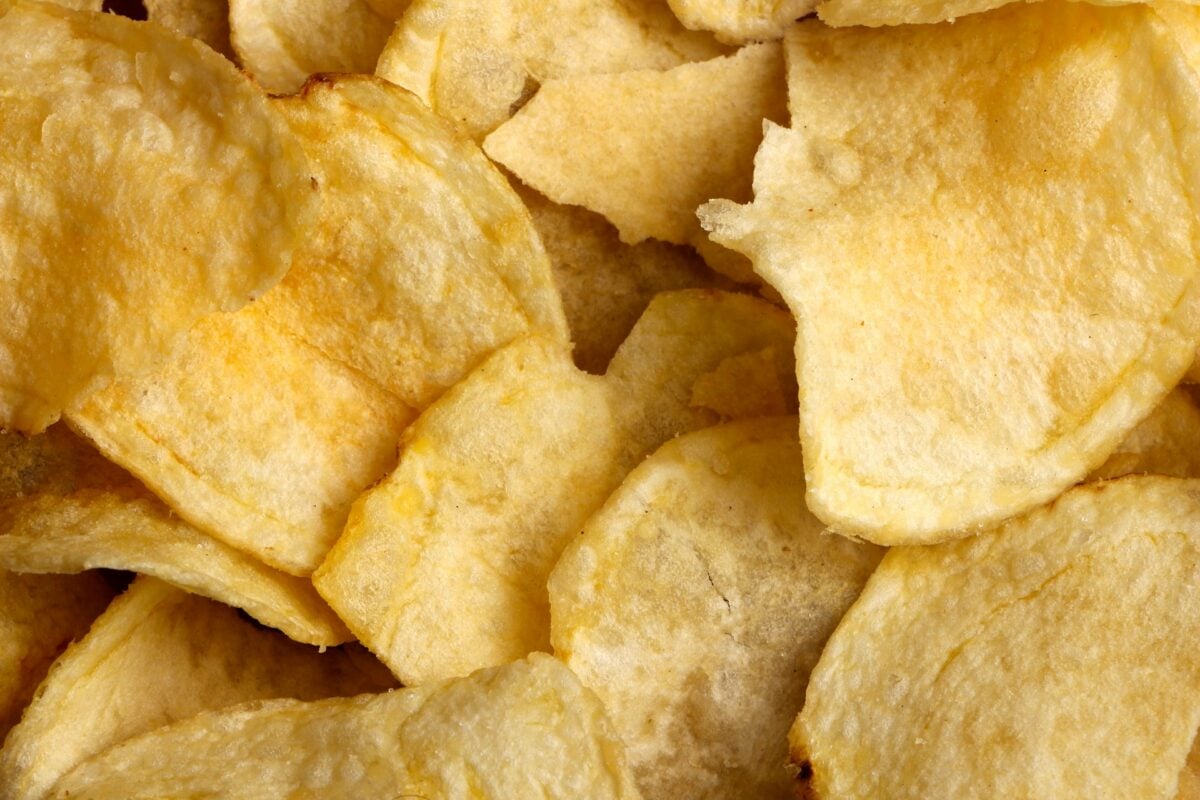
These chips were supposed to be guilt-free, made with a fat substitute called olestra. The ads promised big flavor with fewer calories.
But the chips had some… let’s say, “unpleasant” side effects for many people. Complaints started rolling in, and the product had to be reworked.
Like Go2Tutors’s content? Follow us on MSN.
Pepsi’s fighter jet giveaway
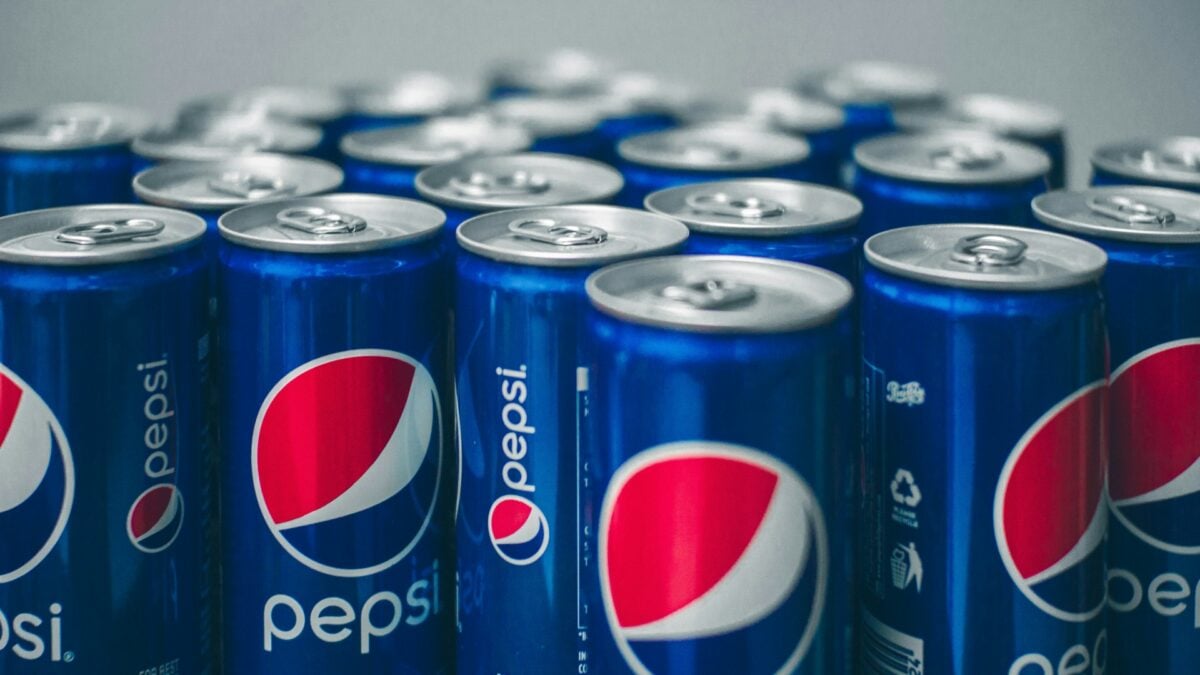
Pepsi launched a promo where people could earn points and trade them in for prizes. One ad joked that 7 million points could get you a fighter jet.
A college kid took it seriously, raised the points, and asked for the jet. Pepsi said no, he sued, and the whole thing became a legal circus.
No one got the jet.
Harley-Davidson cologne
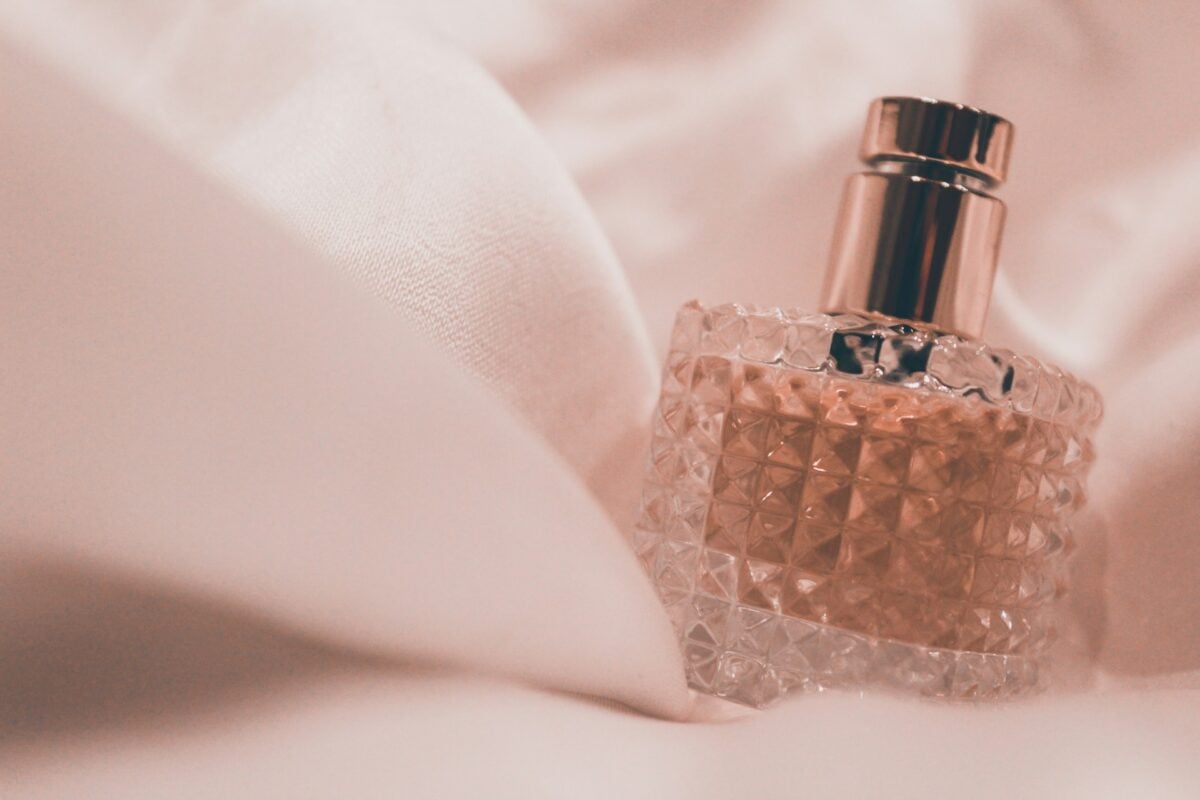
Known for motorcycles and leather jackets, Harley-Davidson decided to make… perfume. It came in sleek bottles with the Harley logo and was meant to capture the “spirit” of the brand.
But people didn’t want biker scents in a bottle. The product barely made a splash.
Nike’s backward swoosh

Nike tried something different: hats with the swoosh logo printed backwards. The idea was that it would look normal when you wore the hat backwards.
The result? Most people thought the hats were fake or misprinted. The idea never caught on and quickly disappeared.
Like Go2Tutors’s content? Follow us on MSN.
Nintendo’s Virtual Boy

Virtual reality sounded cool, so Nintendo jumped in with the Virtual Boy. It promised 3D gaming in a portable device, but it was clunky, heavy, and only showed red and black graphics.
Many players got headaches, and the games weren’t great. It didn’t last a year before being pulled off the market.
Hubba Bubba soda
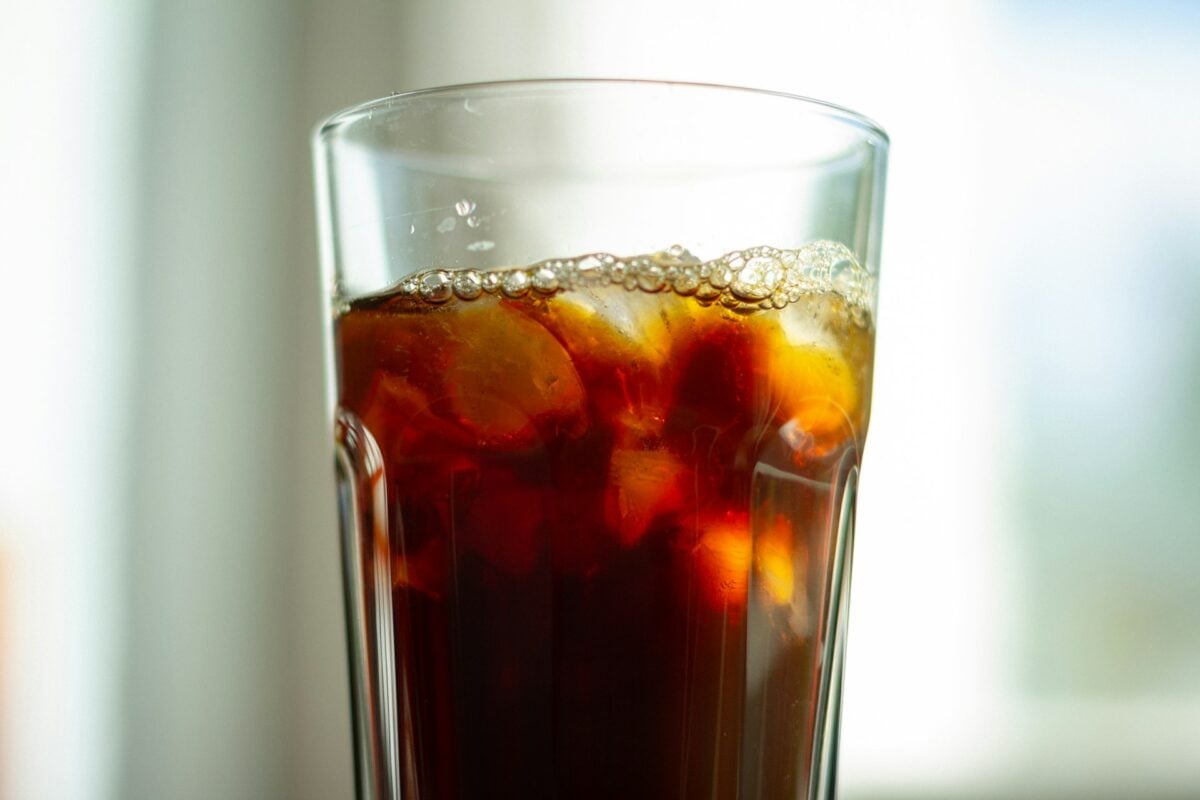
Hubba Bubba made bubble gum. So someone thought, “Let’s turn it into a drink!” The result was a bright, sweet soda that tasted just like the gum.
It was fun for a sip or two—but most kids didn’t even finish a can. It vanished pretty quickly.
OK Soda

Coca-Cola created a drink that tried to appeal to teens who didn’t like advertising. The branding was gray and kind of gloomy, with slogans like “What’s the point?” It was supposed to be cool by not trying to be cool.
But in the end, nobody really got it. The drink flopped hard.
Like Go2Tutors’s content? Follow us on MSN.
Apple’s Pippin console
Apple once tried to make a gaming console. It was called the Pippin and was part computer, part game system.
But it was super expensive and had hardly any games. Most people didn’t even know it existed.
Apple quietly pulled the plug not long after launch.
7Up’s Spot video game

7Up had a little red mascot named Spot, and they gave him his own video game. The game was decent, but it had almost nothing to do with soda.
Players were left wondering why it even existed. It didn’t help boost soda sales much, and the idea faded fast.
Lifesavers soda

Imagine turning fruity candy into a fizzy drink. That’s exactly what Lifesavers did.
But what worked as a sweet treat didn’t really work as a drink. It was way too sugary, and most people didn’t enjoy drinking it.
The idea disappeared pretty fast.
Like Go2Tutors’s content? Follow us on MSN.
Miller Clear beer

Clear drinks were trendy for a while, so Miller made a clear beer. It looked like sparkling water, but tasted like beer.
That confused a lot of people. It didn’t feel like beer, didn’t look like beer, and didn’t last long in stores.
Burger King’s left-handed Whopper

This was an April Fools’ joke, but a lot of people believed it. Burger King announced a Whopper made just for left-handed folks—with all the ingredients rotated 180 degrees.
People came in asking for it, seriously.
Reebok’s Dan and Dave fail

Reebok built a whole campaign around two American athletes, Dan and Dave, leading up to the 1992 Olympics. The idea was to create a rivalry between them.
But then one of them didn’t even make the Olympic team.
Like Go2Tutors’s content? Follow us on MSN.
When weird ideas ruled the world

Being unique was key in the 1990s. Businesses were doing everything they could to attract attention, even if it didn’t always make sense.
Some of the concepts were original and enjoyable. Others were totally off the mark.
More from Go2Tutors!

- 16 Historical Figures Who Were Nothing Like You Think
- 12 Things Sold in the 80s That Are Now Illegal
- 15 VHS Tapes That Could Be Worth Thousands
- 17 Historical “What Ifs” That Would Have Changed Everything
- 18 TV Shows That Vanished Without a Finale
Like Go2Tutors’s content? Follow us on MSN.