16 Toys That Flopped with Collectors
Some toys were destined for greatness. They had the marketing budgets, the flashy commercials, and the shelf space at every major retailer.
Yet when collectors look back today, these once-promising playthings sit in the discount bins of toy history, forgotten and largely unwanted. The reasons vary—poor quality, bad timing, or simply missing that indefinable spark that transforms plastic into treasure.
Laser Tag Sets
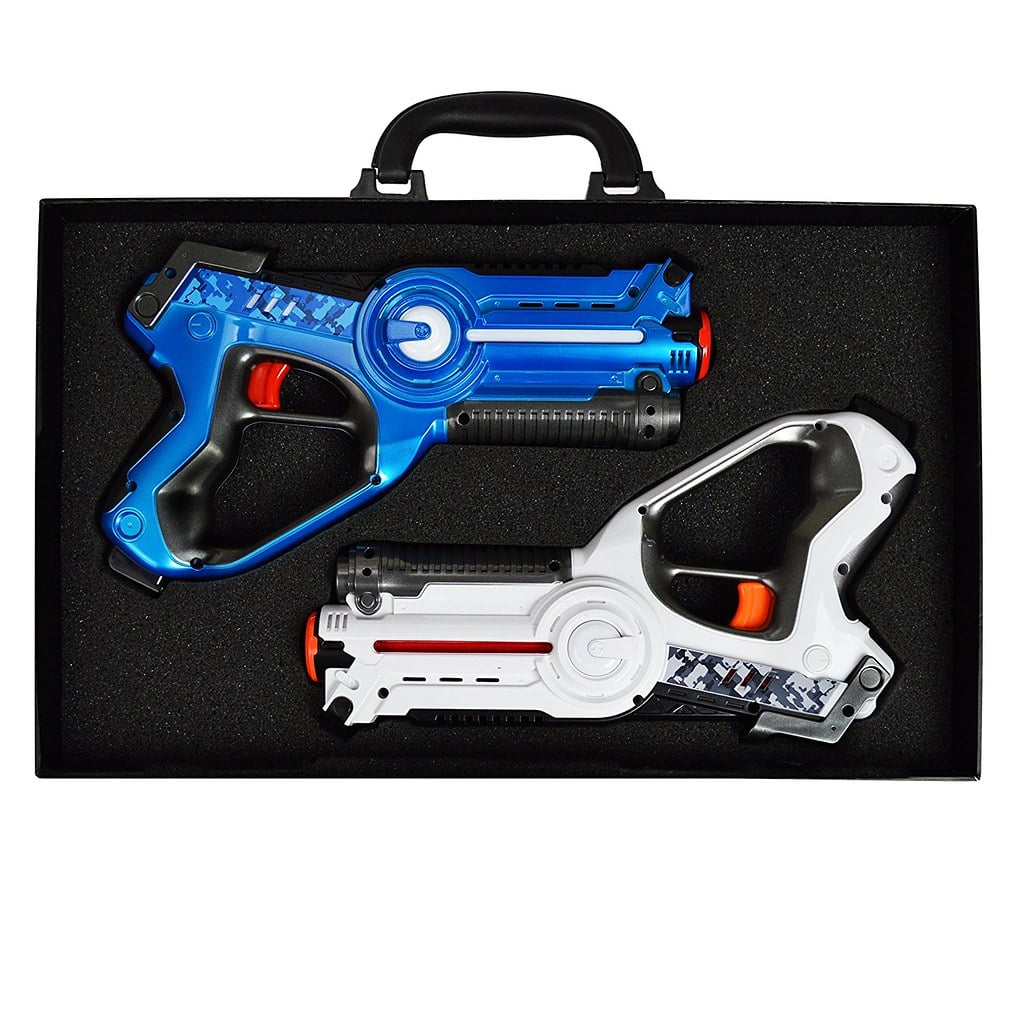
Laser tag gear looked unstoppable in the late 1980s. The technology was cutting-edge for the time, and kids were obsessed with anything that involved shooting lasers.
But the home versions never delivered on their promise. The sensors were finicky, the range was terrible, and half the time the guns didn’t register hits properly.
Parents spent serious money on these sets, only to watch them gather dust after a few frustrating backyard battles.
Rubik’s Magic
The follow-up to the Rubik’s Cube should have been collector gold (especially given how the original cube has maintained its value and appeal over decades). Instead, Rubik’s Magic—a folding puzzle that transformed one image into another—felt like a cheap parlor trick that lost its novelty after a single solve.
And once you figured out the simple folding pattern, there wasn’t much left to discover, which meant there wasn’t much reason for collectors to hold onto them, let alone seek out vintage versions.
Creepy Crawlers

There’s something almost poetic about watching a child’s face the first time they pour liquid plastic into a metal mold and wait for heat to work its transformation into a rubber spider or snake. The anticipation builds—will it come out right this time, or will it be another misshapen blob that barely resembles the creature on the package?
But that magic wore thin quickly, and the reality of Creepy Crawlers was messier and more disappointing than the commercials suggested. The molds burned out, the plastic rarely set properly, and parents grew tired of the smell and mess.
So these kits ended up in closets, forgotten until garage sale season, where they’d sit unmarked and unsold while vintage Star Wars figures flew off the tables.
Tiger Electronics Handheld Games
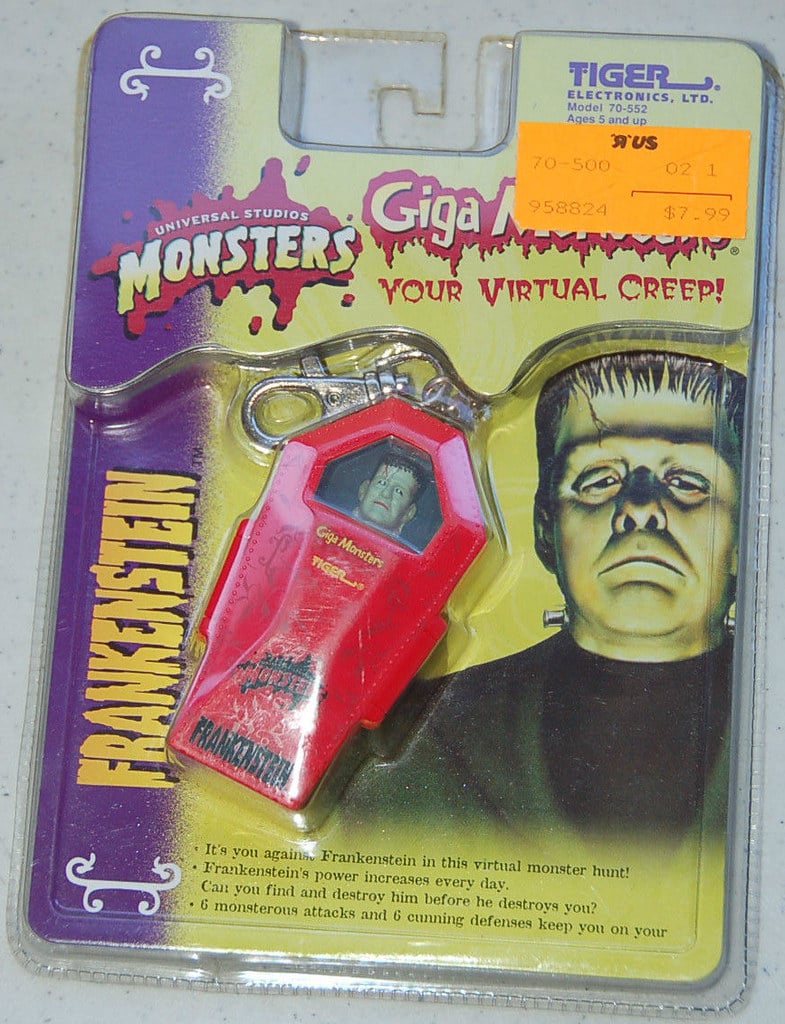
Tiger Electronics handhelds were everywhere in the 1990s. Cheap, portable, and featuring every popular franchise from Batman to Street Fighter.
They seemed like the perfect collectible—nostalgic, numerous, and tied to beloved properties.
Turns out nostalgia has limits. The games were terrible when they were new, and time hasn’t been kind to their reputation.
Collectors want items that represent the best of their era, not the most frustrating.
Stretch Armstrong
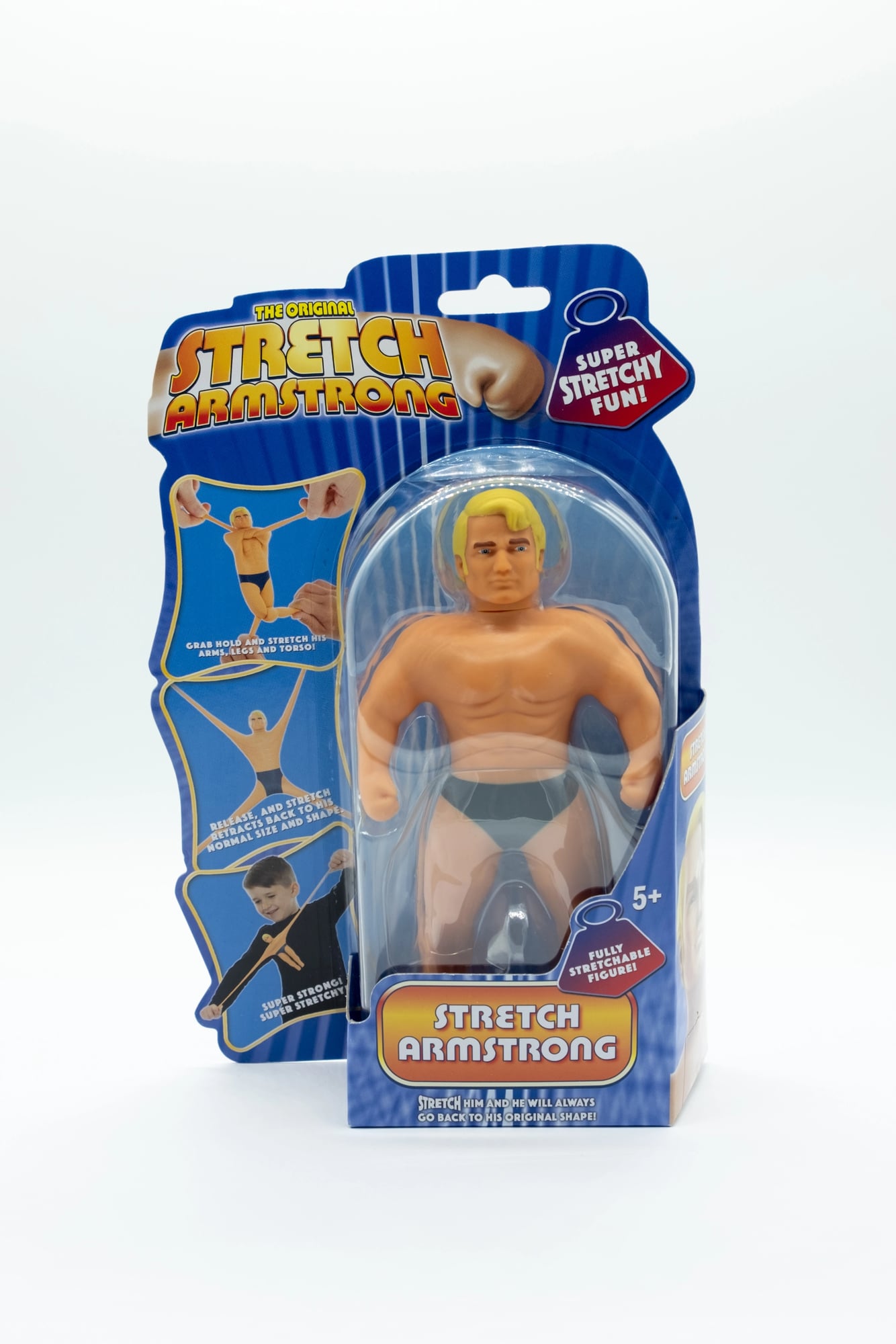
Here’s the thing about Stretch Armstrong: the concept was brilliant, the execution was flawed, and the long-term appeal was nonexistent. A superhero you could stretch to four times his normal size sounds like every kid’s dream.
But the gel inside would leak, the skin would tear, and within months most Stretch Armstrongs looked more like casualties than toys. Collectors today can find decent examples, but they’re not exactly fighting over them.
The novelty that seemed so compelling in 1976 feels pretty one-dimensional now.
Virtual Boy Games
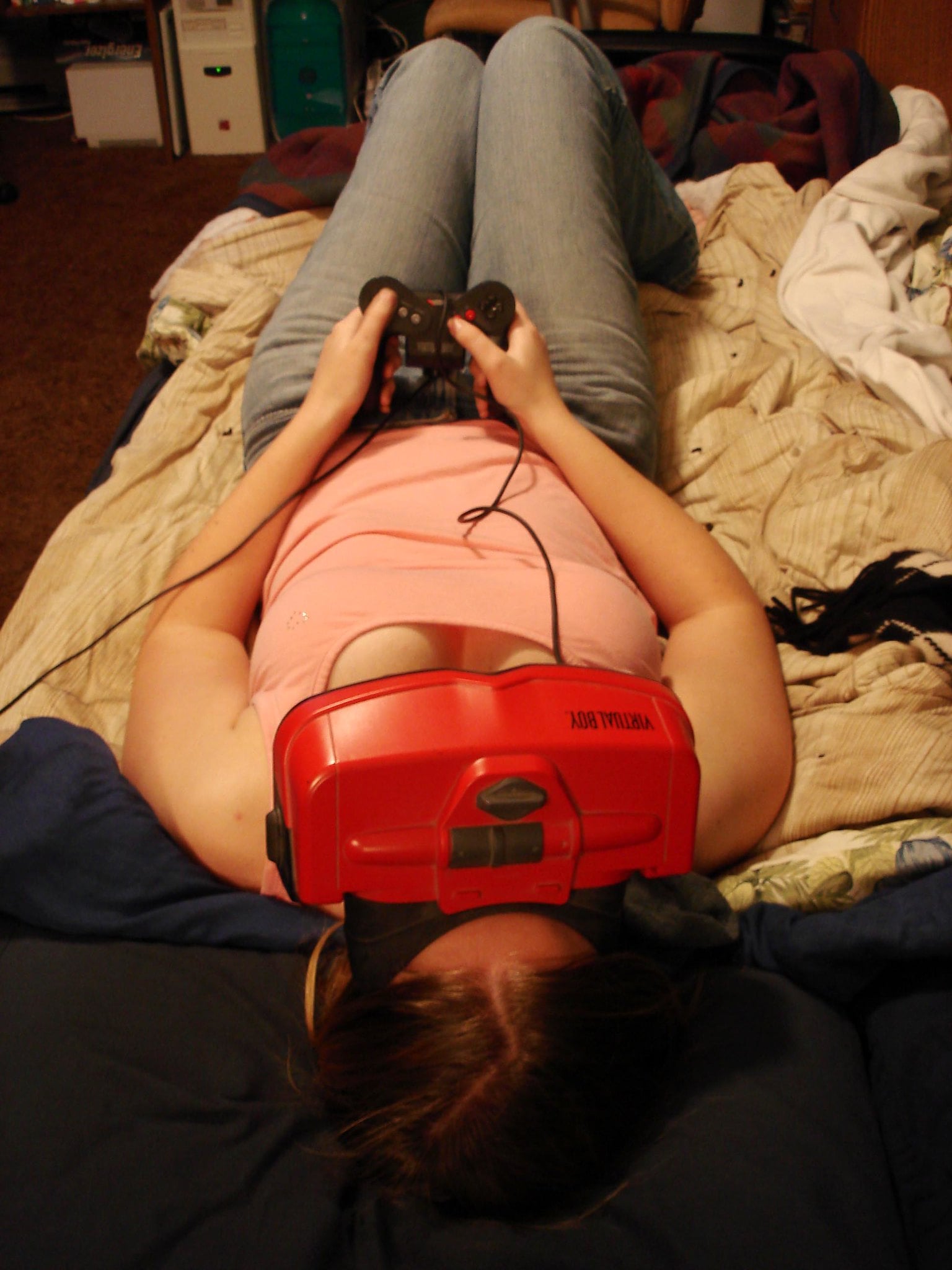
Nintendo’s Virtual Boy represents one of the most spectacular failures in gaming history, which should have made it a collector’s paradise—rare, infamous, and tied to a beloved brand (and indeed, the Virtual Boy console itself has become quite sought after among collectors who appreciate its bizarre place in gaming history). But the games themselves tell a different story.
Most were rushed, poorly designed, and genuinely unpleasant to play.
Even collectors who appreciate historical curiosities have largely passed on Virtual Boy cartridges, and when they do change hands, it’s often for far less than other Nintendo rarities from the same era.
Power Glove
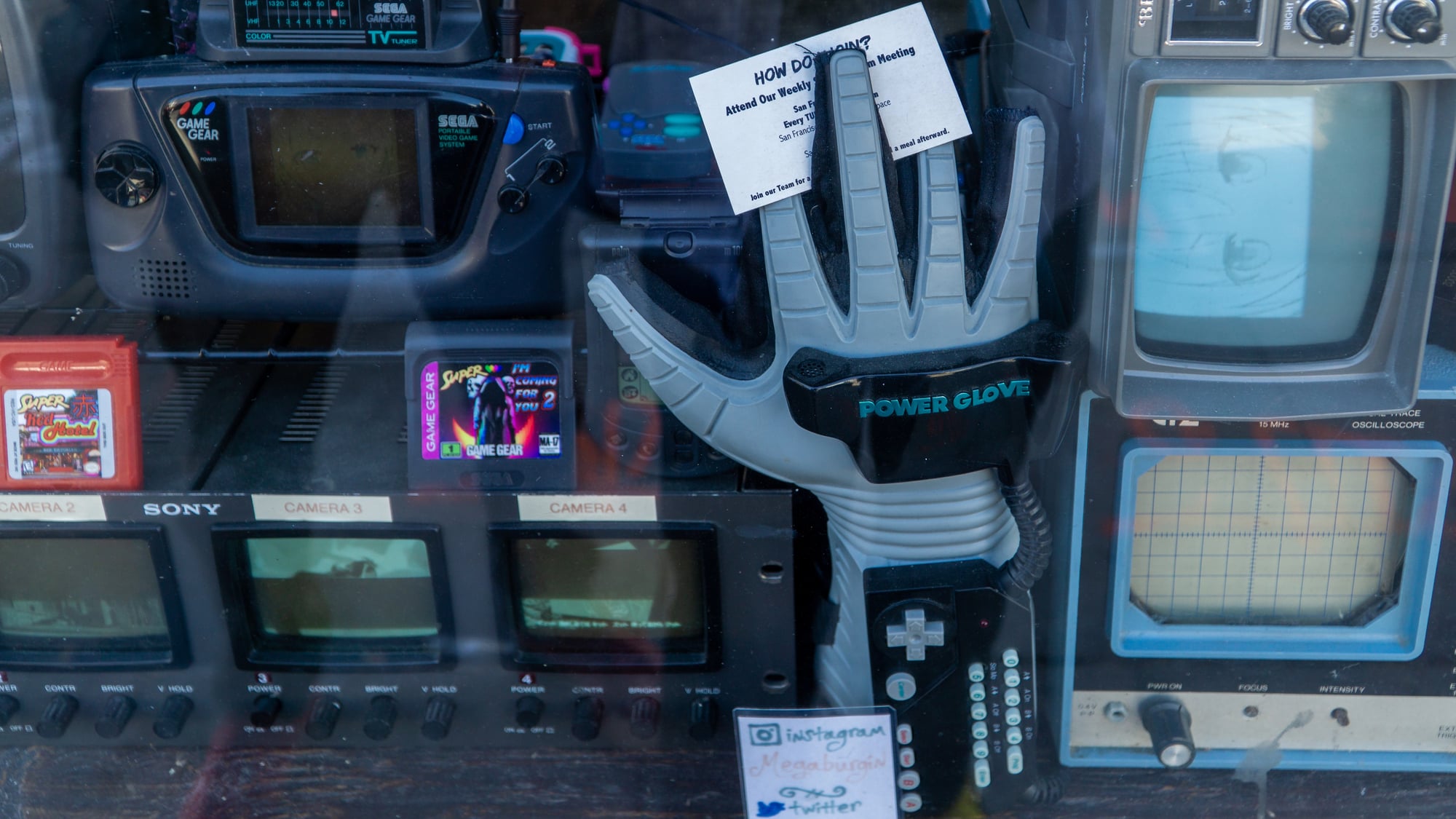
The Power Glove occupies that peculiar space between technological marvel and complete disaster. When it appeared in 1989, it looked like something from the future—a wearable controller that would let kids control games with hand gestures.
The reality was different: clunky, unresponsive, and compatible with only a handful of games.
But here’s where it gets interesting for collectors: the Power Glove was so bad it became legendary. “It’s so bad” became its unofficial slogan.
And yet, that infamy hasn’t translated into collector value the way you might expect. Perhaps some failures are too well-documented to become truly desirable.
Teddy Ruxpin
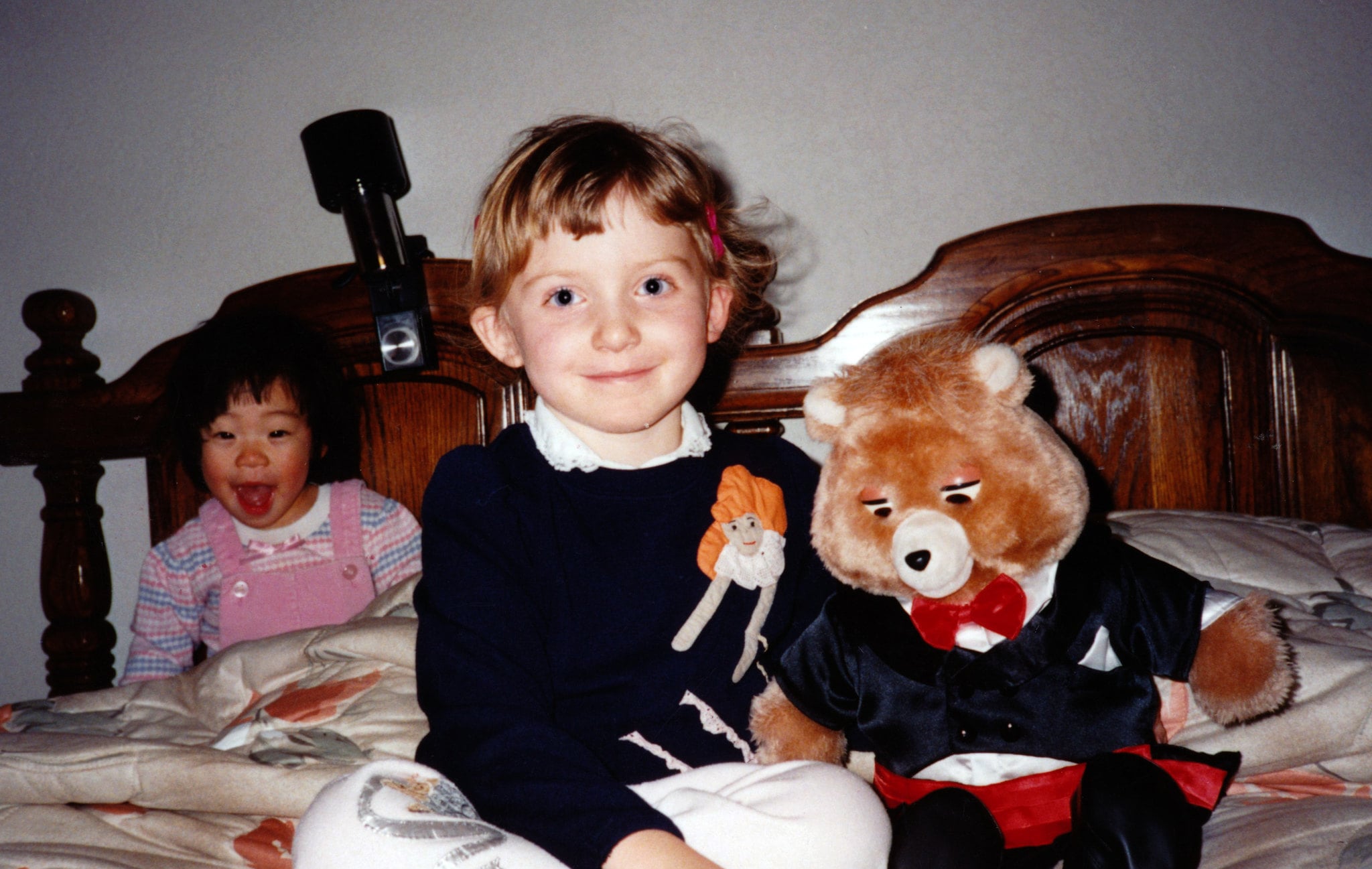
Teddy Ruxpin promised something genuinely special—a talking bear that would read stories to children using cassette tapes inserted into his back. The technology was impressive for 1985, and the bear’s moving mouth and eyes created an almost magical experience.
At first.
But the magic had a short shelf life, and the mechanical parts were fragile. Motors burned out, tapes got mangled, and the bear’s movements became jerky and unnatural.
Collectors today can find working examples, but they’re buying them more for the nostalgic memory than for any lasting play value or investment potential.
Pogo Bal
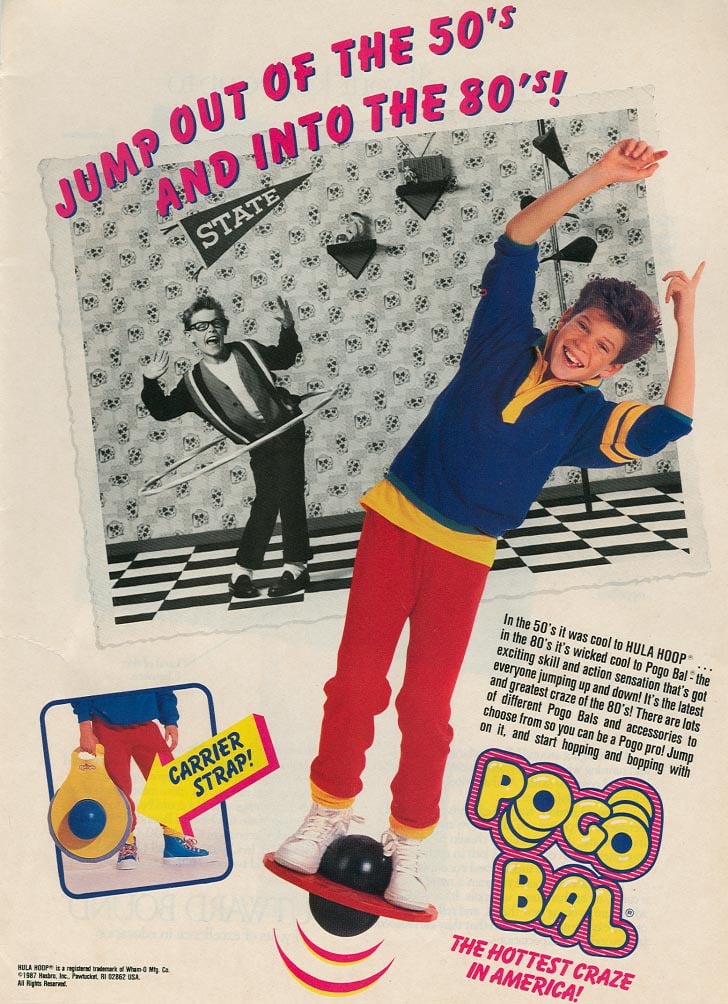
Some toys fail because they’re poorly made. Others fail because they’re ahead of their time.
The Pogo Bal falls into a third category: toys that seem like a good idea until you actually try to use them. A plastic orb with a platform attached, designed to let kids bounce around like they were on a pogo stick.
The problem was balance—or rather, the complete lack of it. Most kids couldn’t stay on the thing for more than a few bounces, and the ones who could quickly discovered that bouncing on an orb wasn’t particularly entertaining.
So these ended up in basements and attics, where they’ve remained largely forgotten by collectors who have more interesting vintage toys to pursue.
Lazer Tag Academy Figures
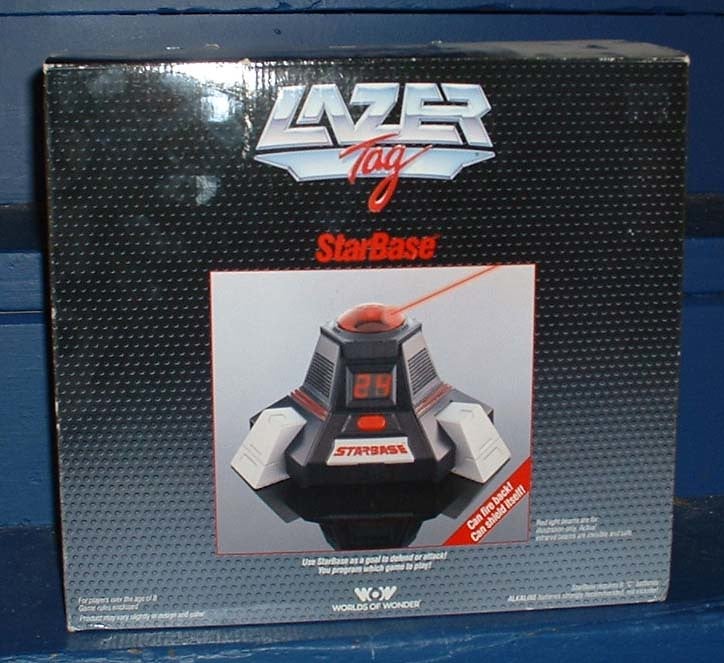
The animated series Lazer Tag Academy spawned a line of action figures that should have been collector gold. The show had a decent following, the figures were reasonably well-made, and they tied into the laser tag craze that was sweeping the country.
But timing matters in the toy business. By the time the figures hit shelves, the laser tag fad was already cooling off, and kids had moved on to other interests.
The figures sold poorly and were quickly discontinued, which usually creates scarcity and collector interest. Instead, they’ve become a footnote in 1980s toy history.
Garbage Pail Kids Cards (Later Series)
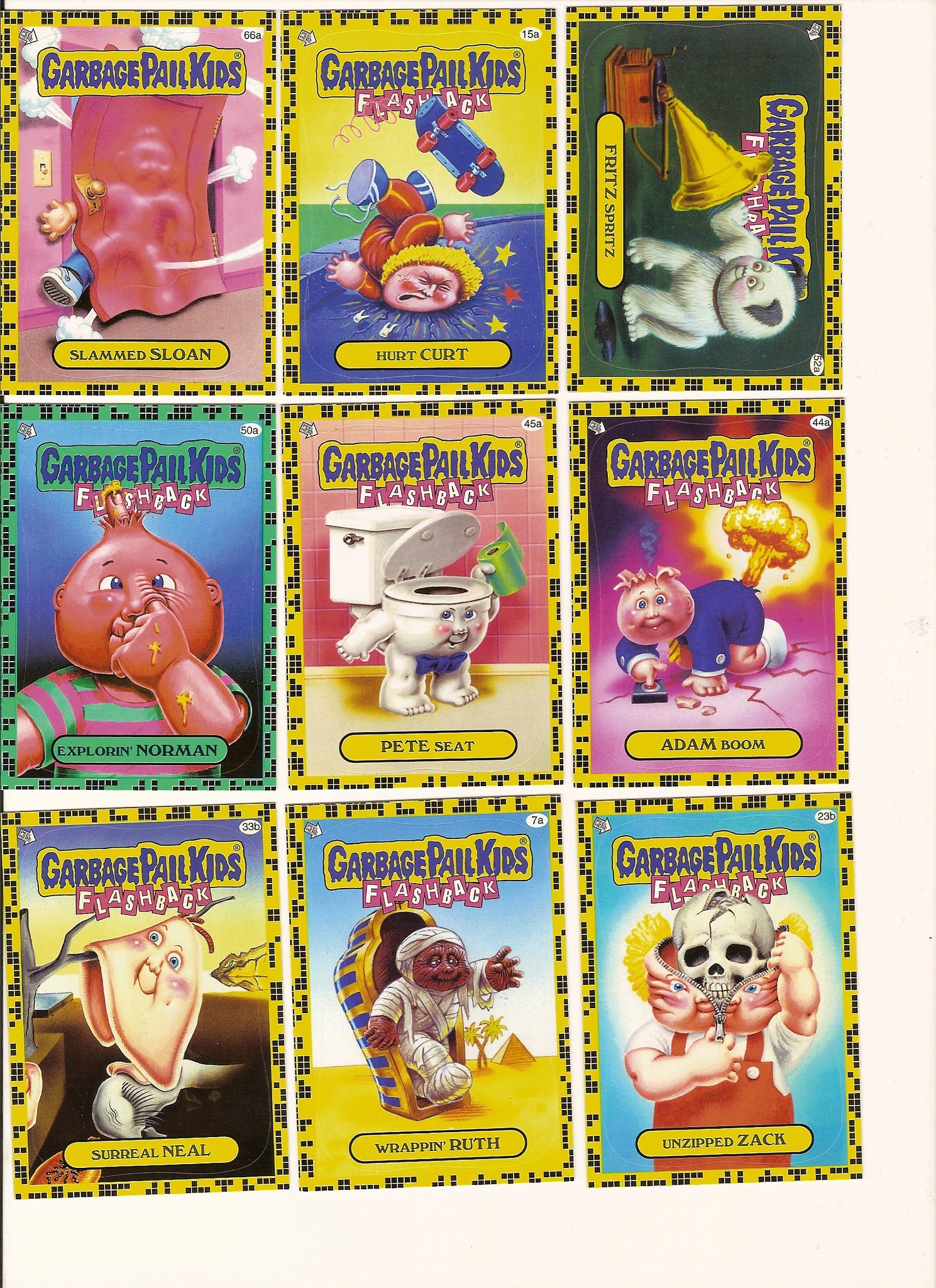
The original Garbage Pail Kids cards from the mid-1980s became collector treasures, with rare cards selling for hundreds or even thousands of dollars. So when Topps revived the brand multiple times over the years, collectors should have been interested.
They weren’t.
The later series lacked the subversive edge and cultural relevance of the originals, and they felt more like cash grabs than genuine creative efforts. But perhaps more importantly, the market was already saturated with the original cards that collectors actually wanted, leaving little room for the newer versions to establish their own value.
Skip-It

There’s something almost cruel about the way Skip-It toys were marketed to children in the 1990s. The commercials made it look effortless—kids spinning the weighted orb around their ankle while jumping over the attached cord with perfect rhythm.
The reality was different, and usually involved a lot of falling down and getting smacked in the ankle by a hard plastic orb.
But even successful Skip-It users quickly discovered that the activity got repetitive fast (the built-in counter that tracked your jumps was supposed to add competition, but mostly just reminded you how boring the whole thing was).
These toys had their moment, but it was brief, and collectors today show little interest in preserving that particular piece of 1990s childhood frustration.
Crossfire
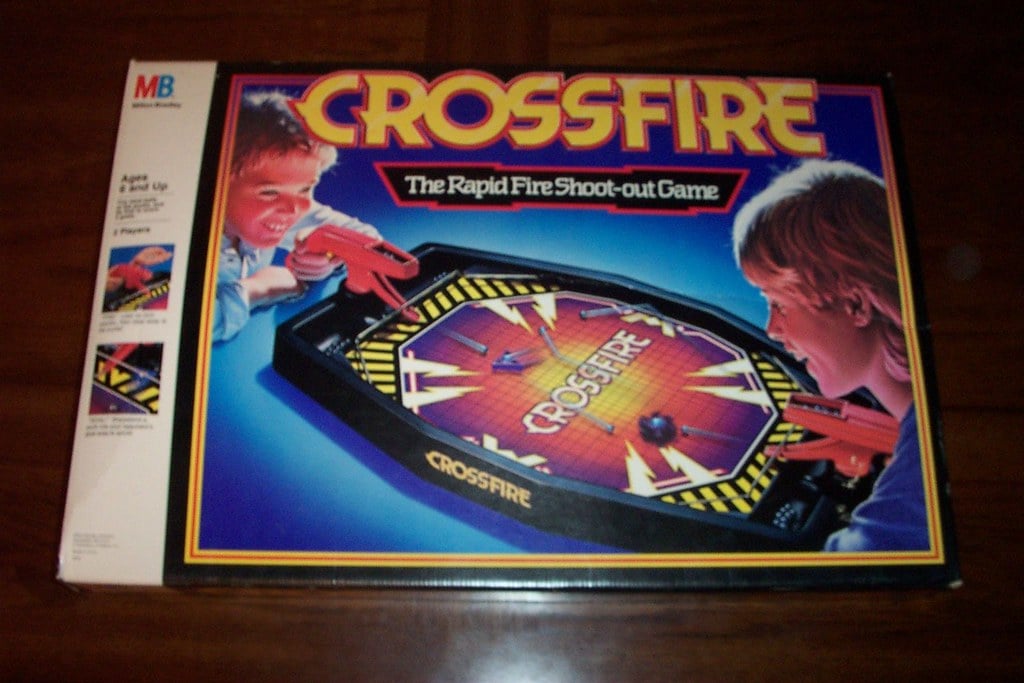
Crossfire had one of the most memorable commercials of the 1990s—two teams of players firing orb bearings across a board while heavy metal music pounded and an announcer shouted “CROSSFIRE!” The game looked intense and exciting on screen.
In reality, it was loud, messy, and surprisingly dull. The orb bearings scattered everywhere, the playing field was too small for the dramatic battles shown in the ads, and games ended quickly without much strategy involved.
Parents hated the noise and mess, kids got bored with the limited gameplay, and the sets ended up in closets. Collectors today can find Crossfire sets easily and cheaply, which tells you everything you need to know about their desirability.
Popples
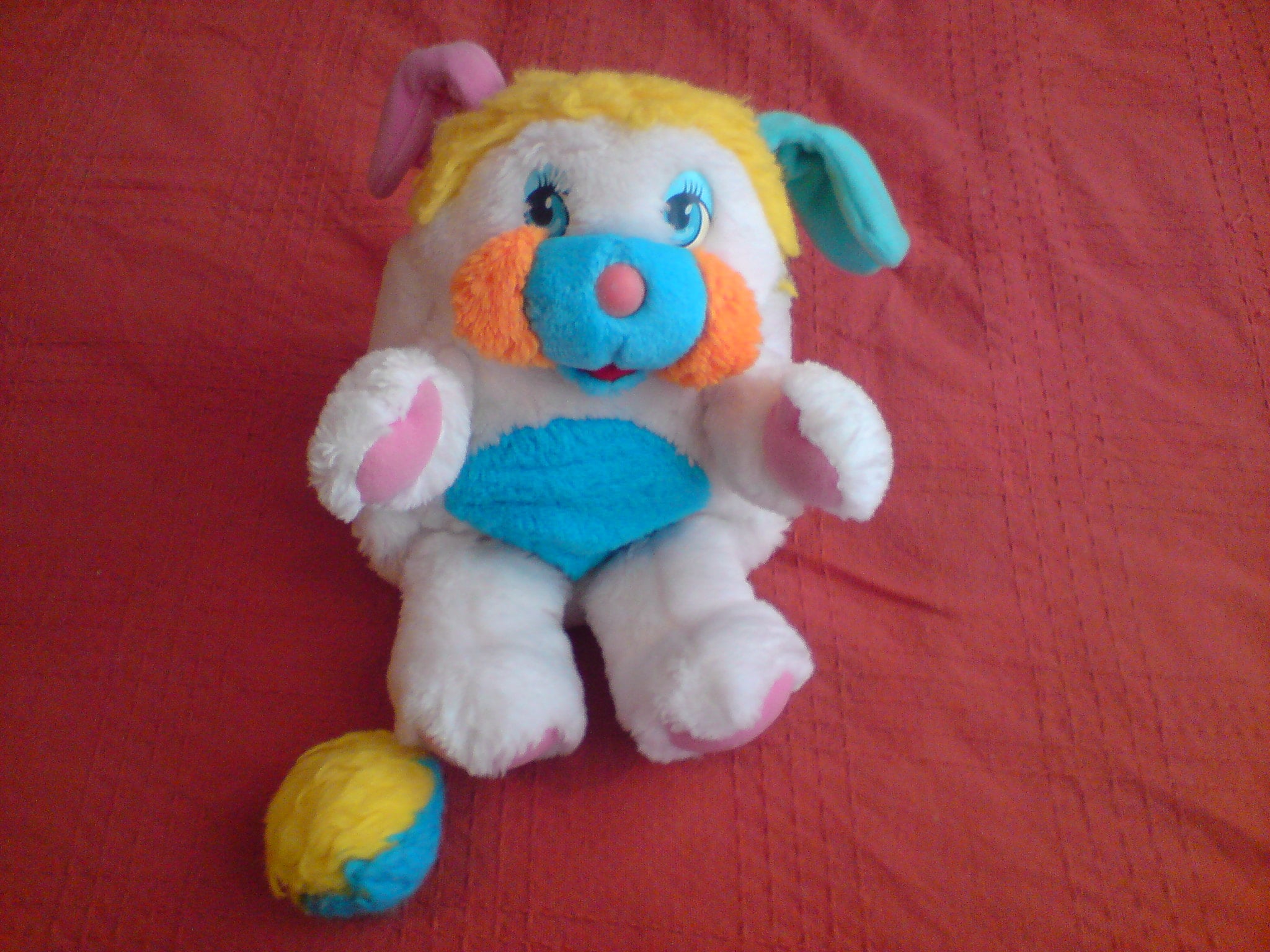
Popples should have been collector favorites. They were cute, colorful, and had a unique transformation gimmick—each plush toy could flip inside out to become an orb.
The concept was simple but satisfying, and the characters had their own animated series and a devoted following among young kids.
But Popples suffered from a fatal flaw: they were too simple. Once you’d transformed a Popple a few times, you’d experienced everything it had to offer.
There were no additional features, no accessories, no complex storylines to explore. Just a cute stuffed animal that turned into an orb.
Rock Lords
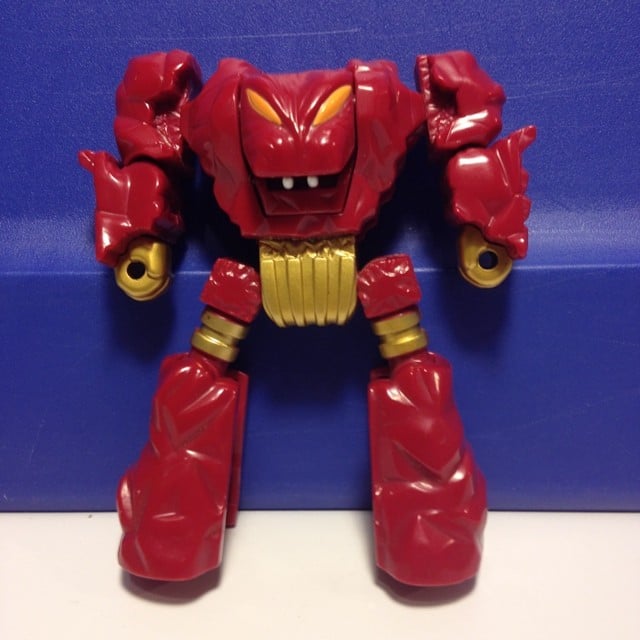
Rock Lords represented Tonka’s attempt to cash in on the Transformers craze, but with robots that transformed into rocks instead of vehicles. The concept was questionable from the start—rocks aren’t exactly dynamic or exciting—but the execution made things worse.
The transformations were simple, the rock modes looked like actual rocks (which isn’t as appealing as it sounds), and the robot modes were clunky and poorly articulated.
Even kids caught up in the transformer toy craze of the 1980s largely ignored Rock Lords, and collectors today show even less interest.
Food Fighters
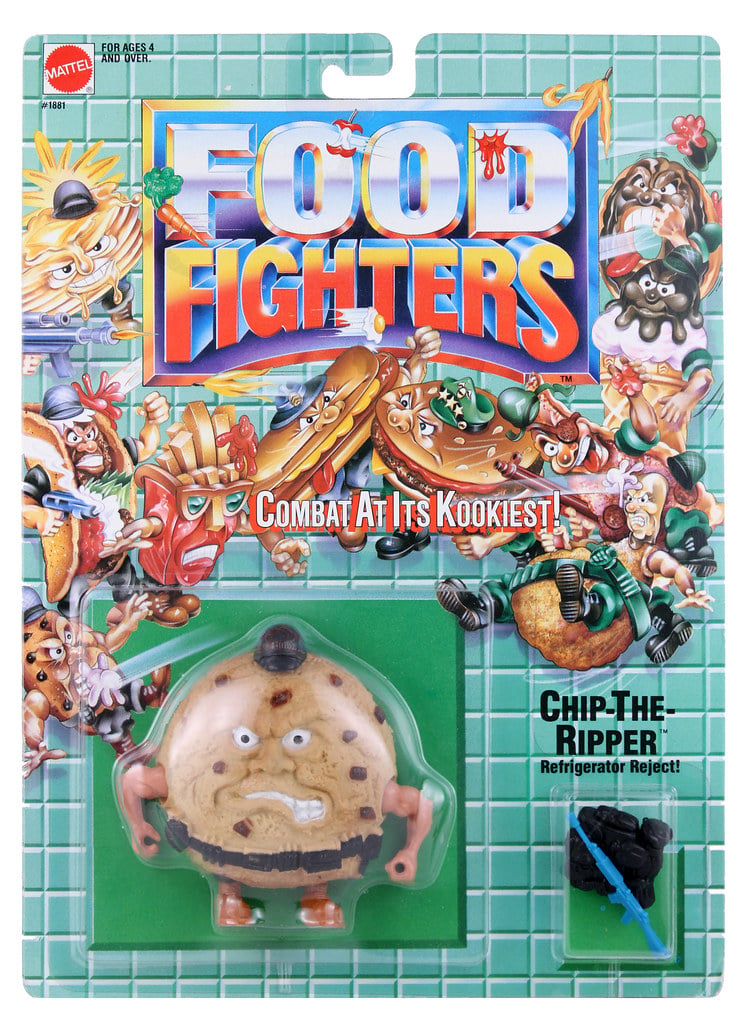
Food Fighters were action figures designed to look like anthropomorphic food items engaged in combat. Kitchen Commando faced off against Refrigerator Rejects in what was supposed to be an epic culinary battle.
The concept was weird enough to be memorable, and the figures were reasonably well-made for their time.
But Food Fighters suffered from an identity crisis—they were too strange for kids who wanted traditional action heroes, but not quite weird enough to develop a cult following.
They disappeared from shelves quickly and have remained largely forgotten by collectors who have more appealing vintage figures to pursue.
The Lessons Hidden in Plain Sight
The toy graveyard tells stories that go deeper than simple market failures. These forgotten playthings reveal something about the gap between promise and delivery, between the magic of a thirty-second commercial and the reality of a child’s attention span.
They remind us that collector value isn’t just about rarity or nostalgia—it’s about toys that managed to capture something lasting, something worth preserving. The toys that succeed with collectors are the ones that delivered on their promises, that created genuine play value, that became part of childhood rather than just passing through it.
More from Go2Tutors!

- The Romanov Crown Jewels and Their Tragic Fate
- 13 Historical Mysteries That Science Still Can’t Solve
- Famous Hoaxes That Fooled the World for Years
- 15 Child Stars with Tragic Adult Lives
- 16 Famous Jewelry Pieces in History
Like Go2Tutors’s content? Follow us on MSN.



