15 Early Machines That Worked — But Were Extremely Dangerous
The industrial revolution transformed human civilization, bringing mechanical power to tasks once performed by muscle alone. These innovations dramatically increased productivity and changed how people lived, but this progress came with significant costs.
Early inventors often prioritized function over safety, creating machines that accomplished their tasks while putting operators at terrible risk. Here is a list of 15 early machines that functioned as intended but posed extreme dangers to those who used them:
Early Steam Engines
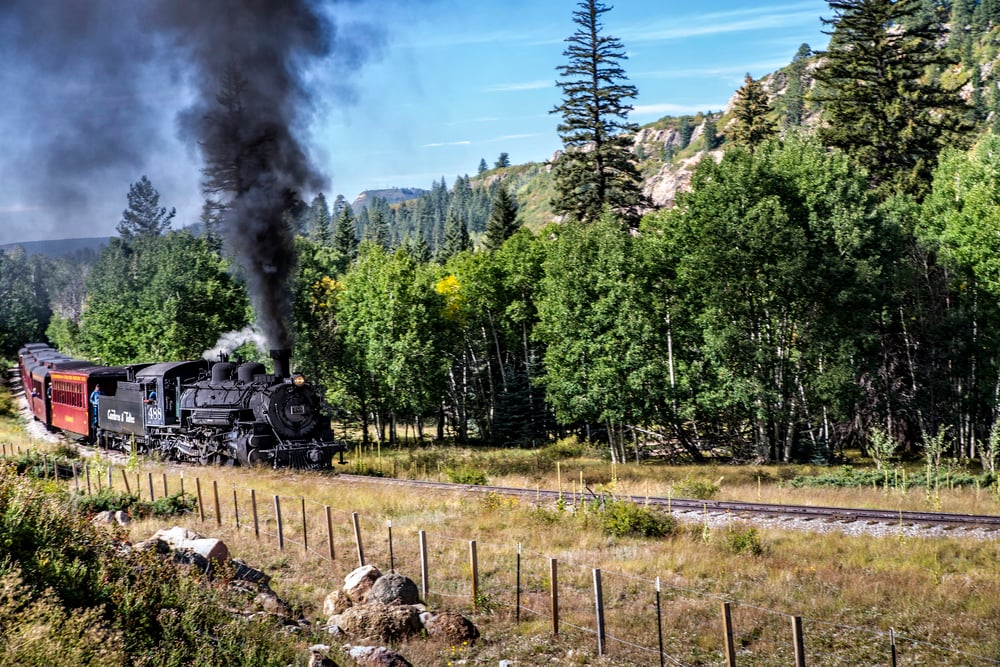
The earliest steam engines lacked pressure relief valves and proper boiler testing. These metal monsters could generate impressive power for factories and transportation, but their boilers frequently exploded with devastating force.
Workers often had to monitor dangerous pressure levels while standing directly beside these ticking time bombs. When failures occurred, the resulting blast could hurl shrapnel in all directions and scald nearby operators with superheated steam.
Mechanical Power Looms
These revolutionary machines transformed textile production in the 1800s but were notorious for catching workers’ clothing and pulling them into the mechanism. The thunderous noise in textile factories meant operators couldn’t hear warnings from coworkers.
The rapidly moving shuttle could become a dangerous projectile if it flew off the track, and children as young as five were often employed to crawl beneath the operating looms to retrieve fallen materials or fix issues.
Like Go2Tutors’s content? Follow us on MSN.
Early X-Ray Machines

When Wilhelm Röntgen discovered X-rays in 1895, the technology was rapidly adopted without understanding its dangers. Early X-ray devices exposed patients and operators to massive radiation doses thousands of times higher than modern standards.
Many pioneering radiologists developed severe radiation burns, lost fingers, and eventually died from cancer due to repeated exposure. Manufacturers even marketed X-ray machines as entertainment devices before the dangers became widely known.
Radium Dial Painting Equipment

In the early 1900s, watch companies employed young women to paint watch dials with radium-infused paint that glowed in the dark. The fine brushes needed for this detailed work were pointed by mouth, causing workers to ingest radioactive material repeatedly.
Employers assured the ‘Radium Girls’ that the substance was harmless despite mounting evidence to the contrary. Many developed horrific radiation poisoning, with their bones literally crumbling as the radium replaced calcium in their bodies.
Early Washing Machines

The first mechanical washing machines from the late 1800s featured exposed gears and wringers that could catch fingers, hair, or clothing. These hand-cranked or early electric machines had no automatic shutoff mechanisms.
The wringer, which squeezed water from clothes, proved especially hazardous as it could pull an operator’s hand between the rollers and crush bones before they could react to stop the machine.
Like Go2Tutors’s content? Follow us on MSN.
Coal Mining Machinery
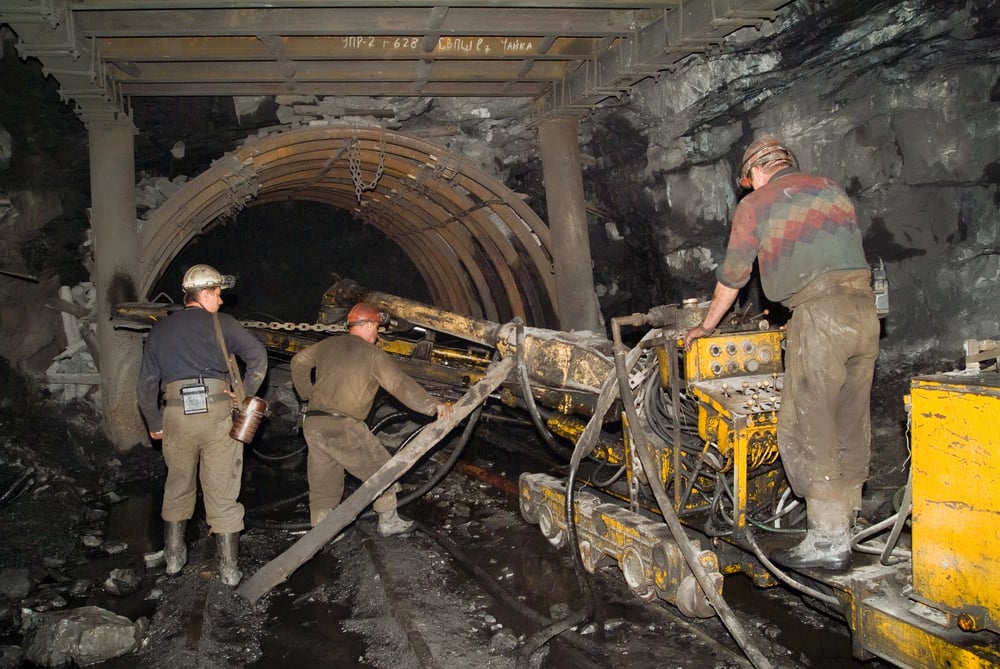
Early coal-cutting machines increased mining efficiency but created deadly dust clouds that workers inhaled constantly. These mechanical cutters lacked water sprays to suppress dust and produced ear-splitting noise that damaged hearing.
The confined spaces underground meant operators worked in close proximity to spinning cutting heads with minimal guarding. Sparks from metal parts striking rock could ignite methane gas or coal dust, causing catastrophic explosions.
Printing Presses
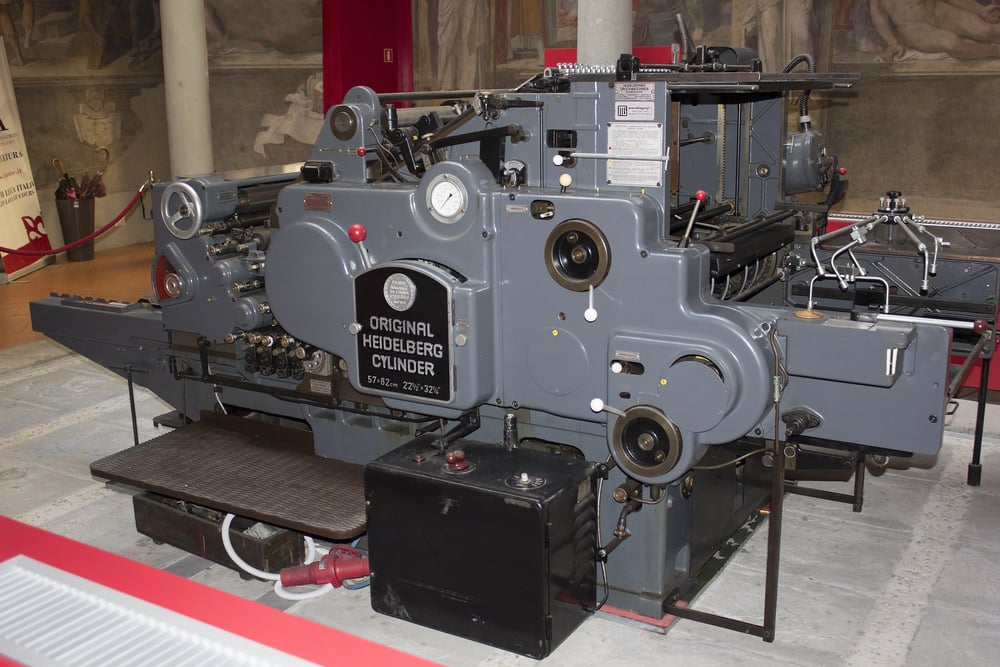
Early industrial printing presses operated with tremendous force and speed with minimal safety features. Operators had to feed paper into moving parts by hand, risking fingers and arms getting caught between rollers or plates.
The rotating components could easily crush limbs, and the mechanical drive systems featured exposed gears and belts. Workers sometimes became entangled in the machinery while trying to clear jams without stopping the press.
Early Circular Saws
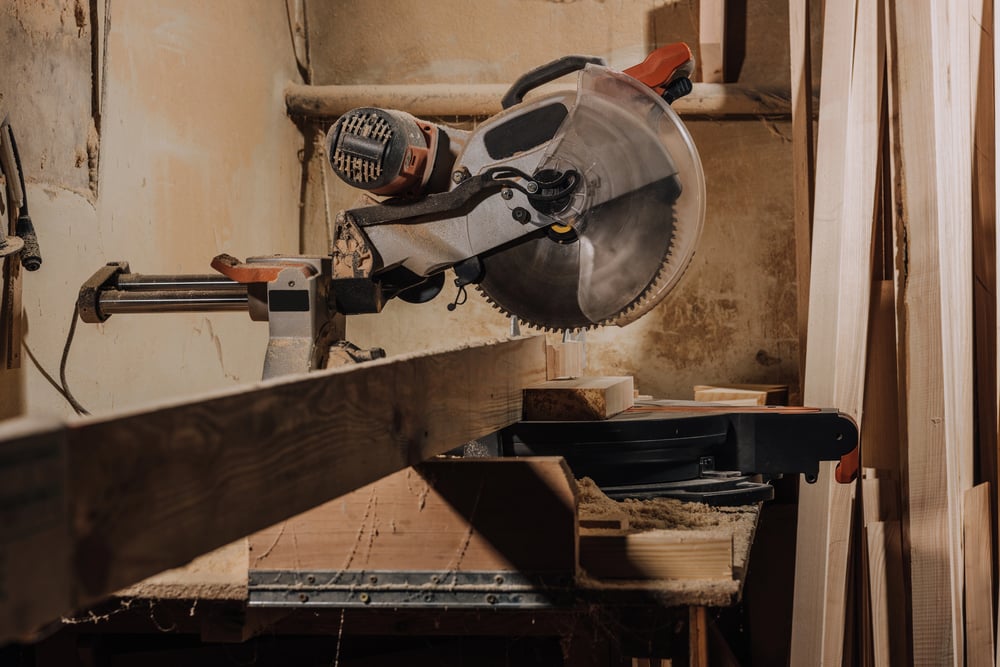
The first circular saws revolutionized woodworking but lacked almost every safety feature we take for granted today. These spinning blades operated without guards, emergency stops, or blade brakes.
Kickback was common and could launch lumber across workshops at lethal speeds. Sawdust extraction systems didn’t exist, forcing operators to breathe harmful particles while working with blades running at dangerous speeds just inches from their hands.
Like Go2Tutors’s content? Follow us on MSN.
Industrial Meat Grinders
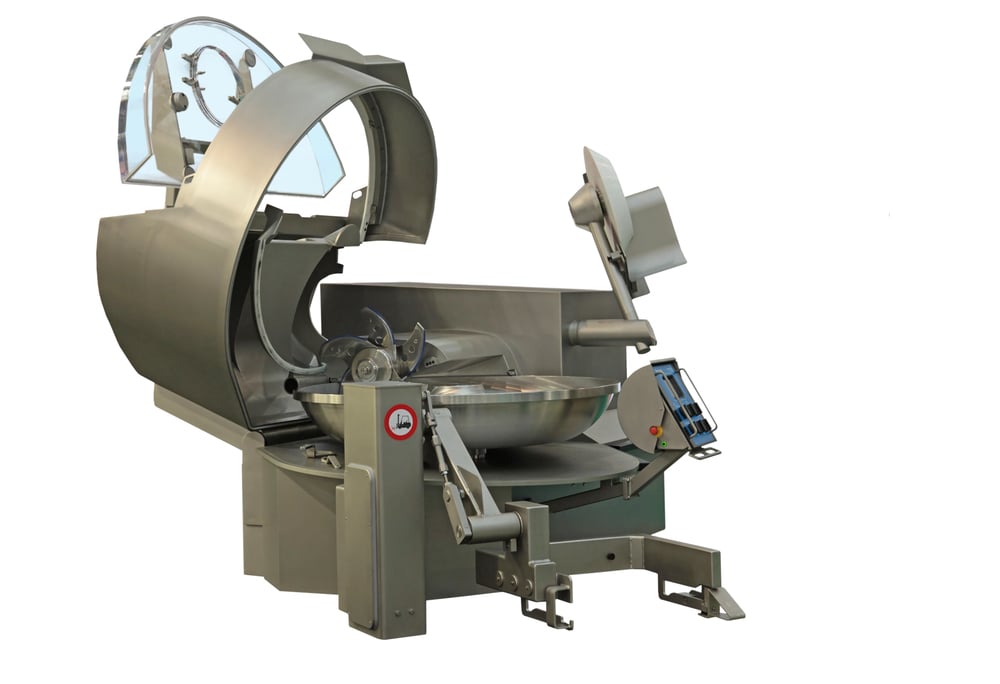
Early mechanical meat grinders dramatically increased food processing efficiency but presented horrific dangers to operators. These machines could process hundreds of pounds of meat per hour through exposed augers and grinding plates.
Workers fed meat into the machines by hand with no guards preventing human tissue from entering the mechanism. Loose clothing or jewelry could drag a person’s hand into the grinder before they could react.
Early Cement Mixers
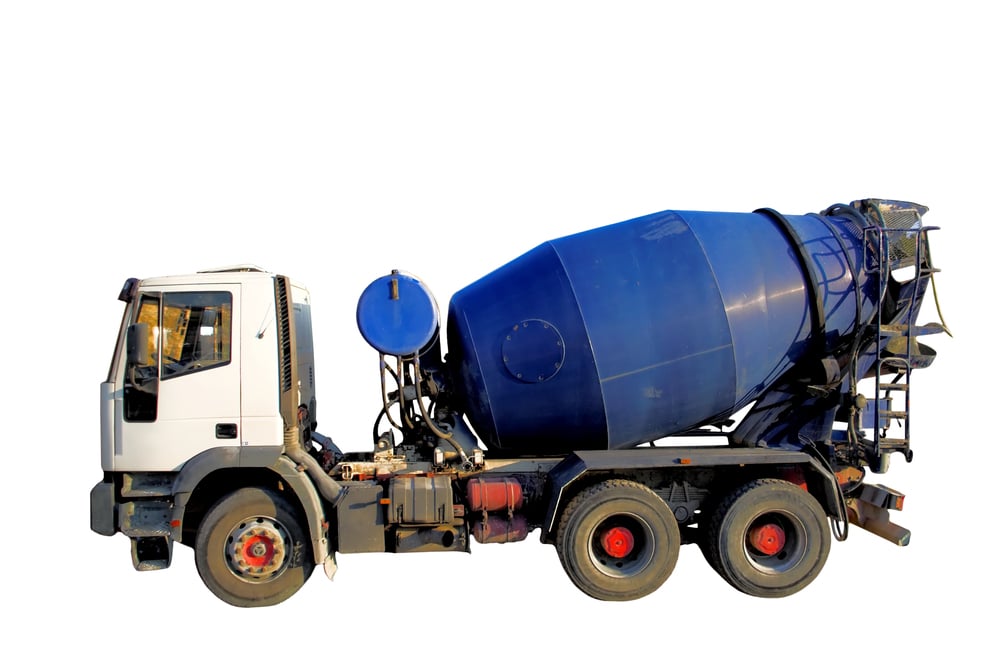
The first powered cement mixers used open drums with mixing paddles that rotated constantly. Workers had to shovel ingredients into the turning drum, risking falling in or getting caught by the mixing arms.
The drive systems used exposed belts and pulleys with no emergency stops. Cleaning these machines was particularly dangerous as workers often had to reach inside to remove hardened cement while the power remained connected.
Punch Card Machines

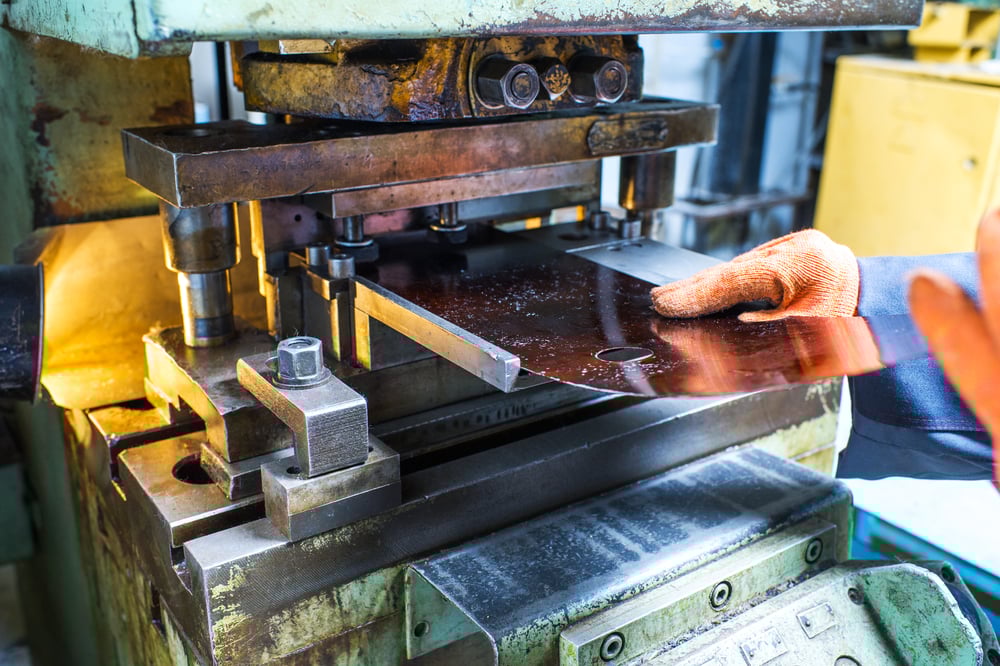
Early data processing equipment used metal punches to create holes in cards, applying tremendous force through mechanical linkages. These machines could easily crush fingers caught between the punch and die.
The rapid cycling of industrial punch machines meant operators had to maintain perfect timing when feeding materials. Some early models lacked two-hand safety controls, allowing operators to accidentally activate the punch while their fingers were in the danger zone.
Like Go2Tutors’s content? Follow us on MSN.
Gas Lighting Systems
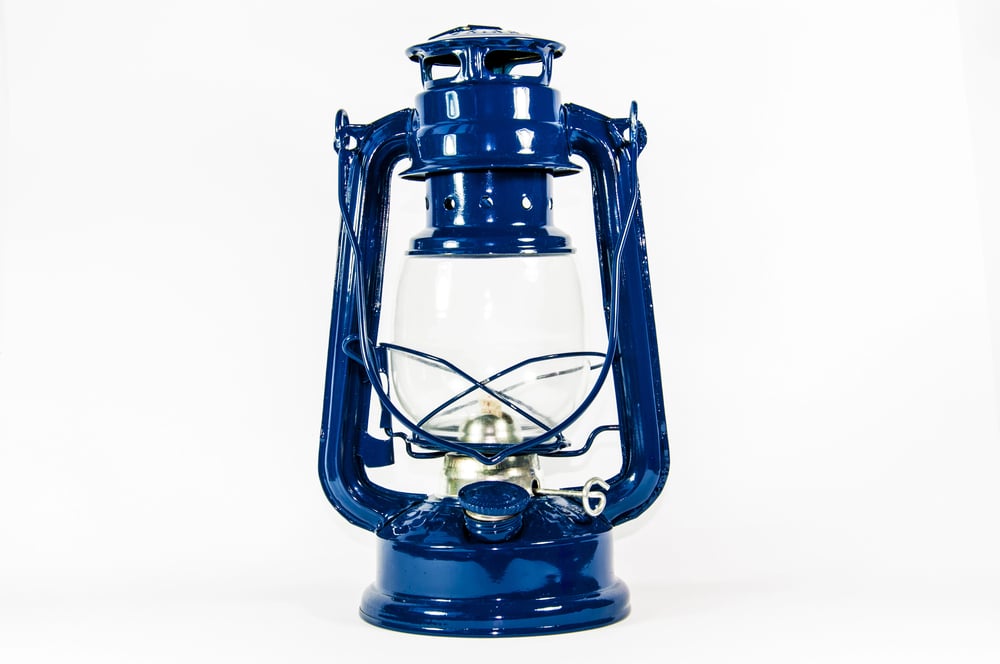
Before electricity became common, gas lighting systems illuminated homes and businesses using pipes that delivered flammable gas to open flames. These systems leaked poisonous carbon monoxide and could fill spaces with explosive gas if fixtures were damaged.
Maintaining these systems required working with active gas flows that could ignite at any moment. The open flames created persistent fire hazards, especially around curtains and furniture in Victorian homes.
Belt-Driven Factory Equipment

Before individual electric motors became common, factories powered all machines through a central system of drive shafts and leather belts. These exposed belts transferred power from steam engines throughout multi-story buildings.
Workers moved among spinning shafts turning at high speeds, with foot-wide leather belts whipping through the air. Getting caught in this system meant being pulled into the machinery with no way to stop individual machines in an emergency.
Early Tractors

The first tractors transformed agriculture but were dangerously unstable with high centers of gravity and narrow wheelbases. These machines frequently tipped over when working on hillsides, crushing operators beneath tons of metal.
Early models lacked rollover protection structures or seatbelts, and the exposed mechanical parts snagged clothing easily. Power take-off shafts that drove implements claimed countless limbs when farmers approached running equipment.
Like Go2Tutors’s content? Follow us on MSN.
Edison’s Electric Chair
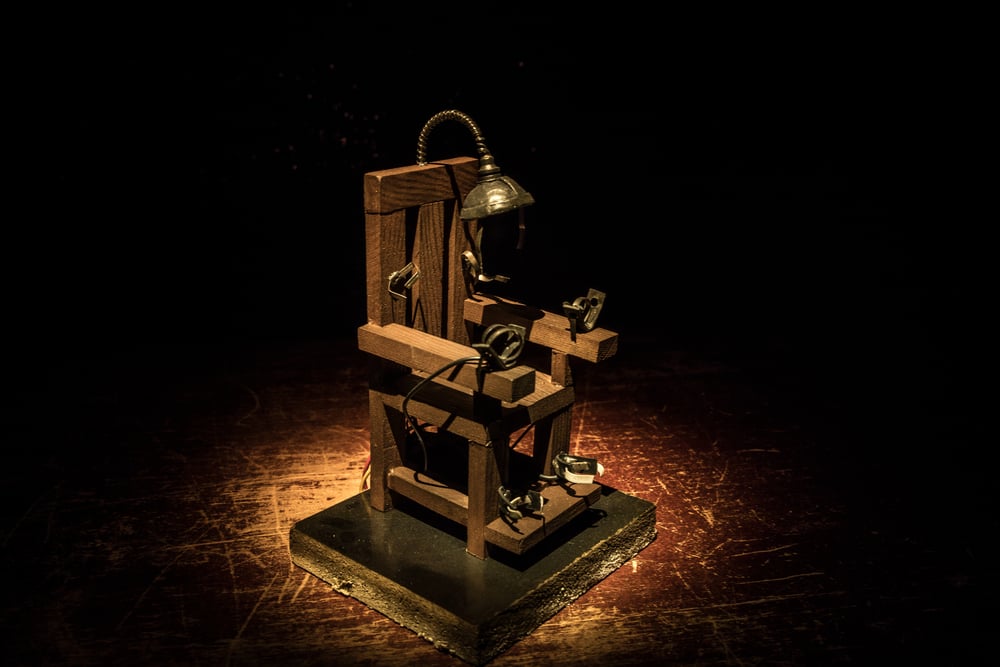
While not a typical industrial machine, Edison’s electric chair deserves mention as a deliberately dangerous invention. Developed in the battle between AC and DC current systems, this execution device often failed to work as intended.
The first execution in 1890 required multiple jolts of electricity over eight minutes, causing the condemned to catch fire. Edison promoted this gruesome spectacle to convince the public that his rival’s alternating current was inherently unsafe.
The Legacy of Industrial Danger

These early machines remind us that innovation often comes with unforeseen consequences. The dangers these devices posed eventually led to safety regulations and engineering standards we now take for granted.
Modern machinery incorporates extensive safeguards developed through painful lessons from industrial accidents that claimed countless lives. Today’s safety features—emergency stops, automatic shutoffs, guards over moving parts—exist because previous generations learned the hard way that technological progress requires protecting human operators.
While we celebrate the ingenuity behind these early machines, we should remember the tremendous human cost paid during the early industrial era.
More from Go2Tutors!

- 18 Unexpectedly Valuable Collectibles You Might Have Lying Around
- 15 Things Every Teenager in the ’70s Did That Teens Today Wouldn’t Understand
- 15 Strange Things People Have Tried to Ban (And Failed)
- 15 Inventions That Were Immediately Banned After Being Created
- 20 Actors Who Were Almost Cast in Iconic Roles
Like Go2Tutors’s content? Follow us on MSN.



