16 Ways Geography Secretly Controls What We Eat
Most individuals are unaware of how geography shapes our meals. For thousands of years, the physical environment has subtly influenced human cuisine, from the grains that satisfy our hunger to the spices that make our tongues water.
The remarkable range of food cultures we observe today is the result of a combination of circumstances, such as rivers creating fertile valleys, mountains blocking trade routes, and climate determining which crops can flourish. You might be surprised to learn how deeply land and lunch are related.
Here are 16 ways that geography subtly influences our diet.
Climate Zones Create Signature Flavors
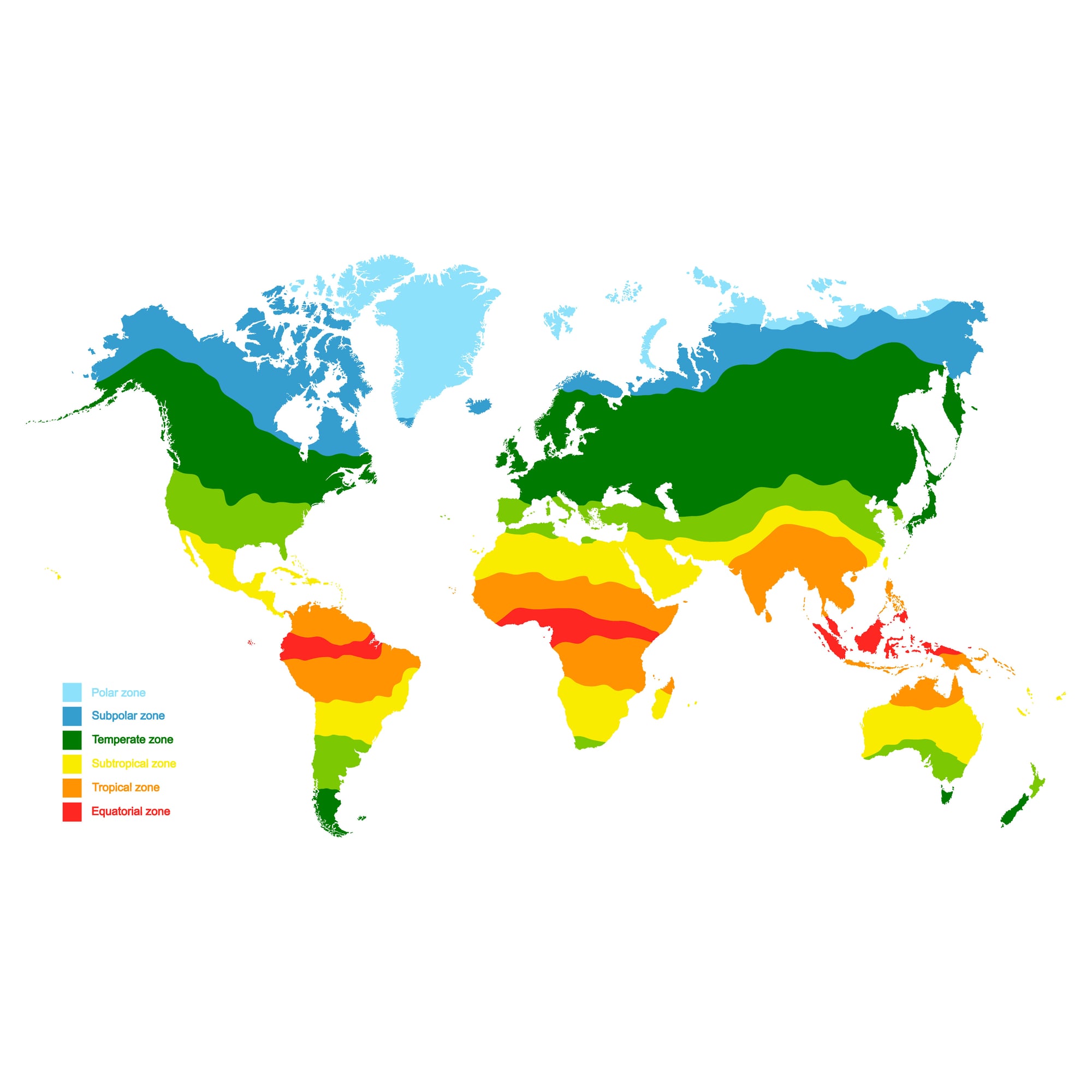
Different climate zones naturally produce different types of crops, which become the foundation of regional cuisines. Mediterranean climates give us olive oil, tomatoes, and wine grapes, while tropical regions produce coconut, bananas, and an abundance of spices.
The cool, wet climate of Northern Europe favored hearty grains like barley and rye, leading to bread-heavy diets and beer brewing traditions that persist today.
Mountain Barriers Shape Trade Routes

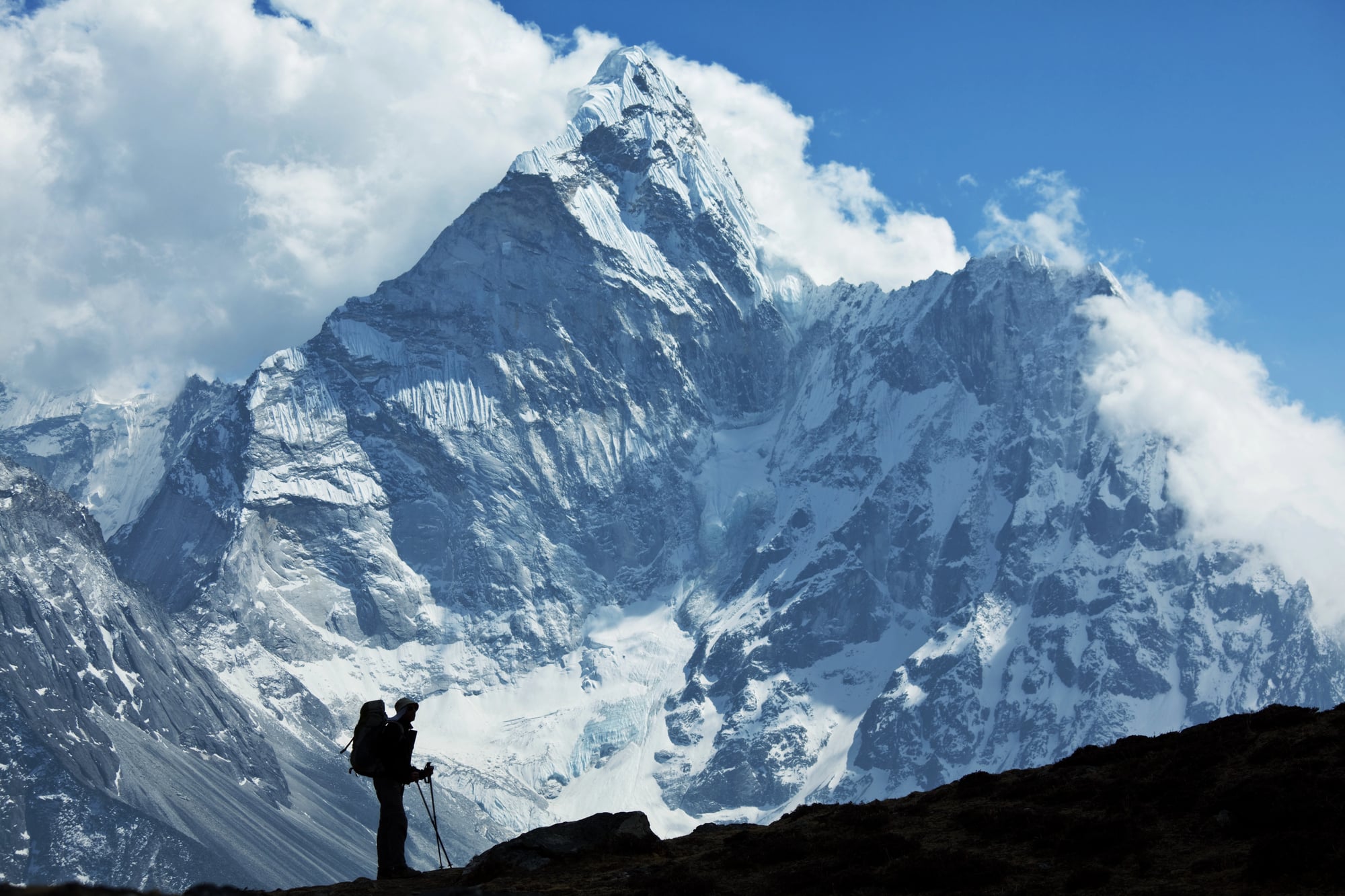
Mountain ranges act like giant walls that historically determined which foods could travel where. The Himalayas kept many Asian spices from reaching Europe for centuries, making pepper and cinnamon worth their weight in gold.
Similarly, the Andes isolated South American crops like potatoes and quinoa from the rest of the world until European explorers crossed the oceans. These natural barriers created distinct culinary regions that developed independently for thousands of years.
River Valleys Enable Agricultural Abundance
Major river systems create fertile floodplains that become agricultural powerhouses, directly influencing what entire civilizations eat. The Nile River made Egypt the breadbasket of the ancient world, while the Mississippi River valley turned the American Midwest into a corn and soybean empire.
These river-fed regions don’t just grow food—they export their agricultural identity to the rest of the world through trade.
Coastal Access Determines Seafood Culture
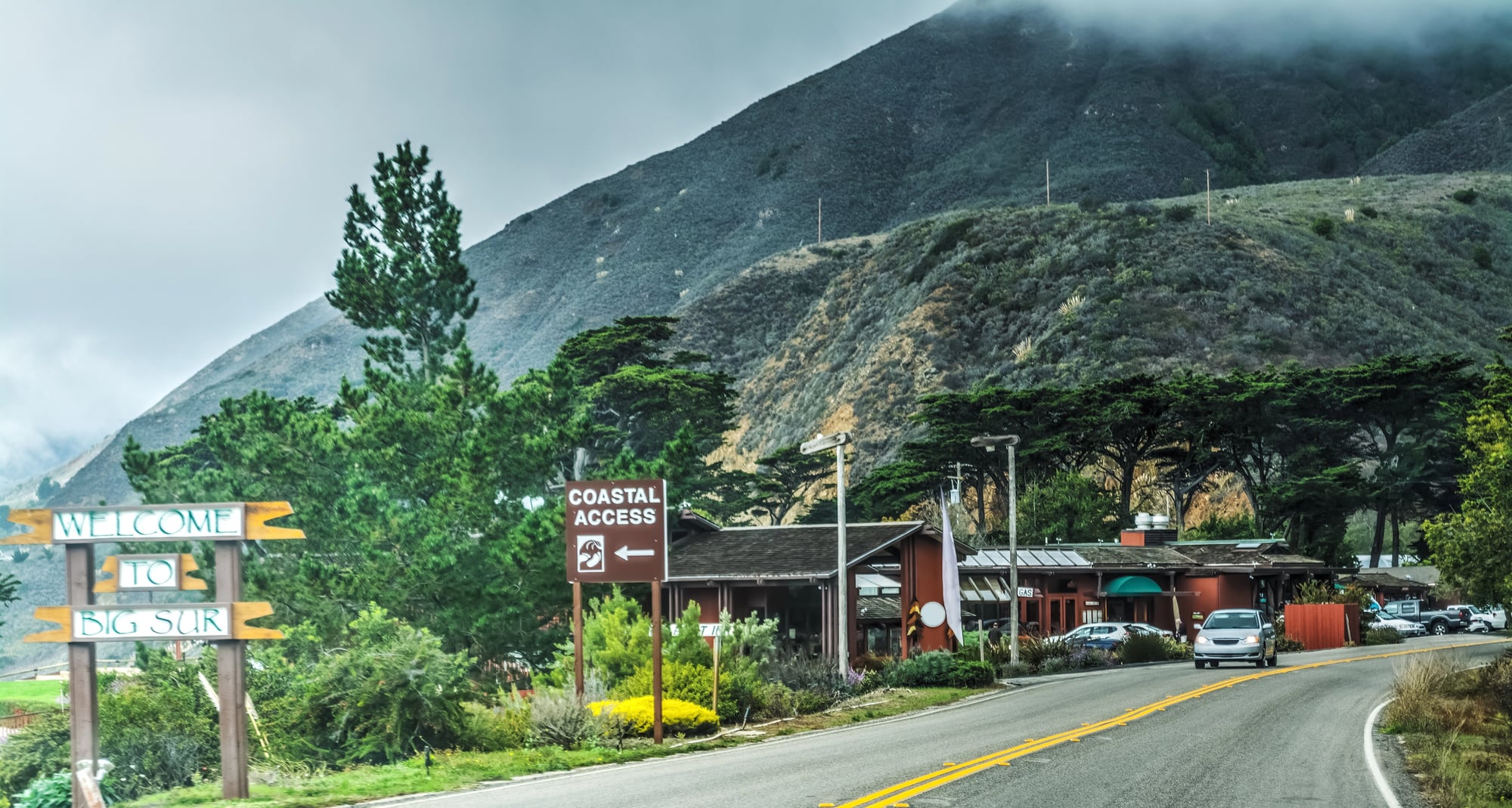
Geography’s most obvious influence on diet comes from proximity to water. Coastal communities naturally develop seafood-heavy cuisines, from Japan’s sushi culture to New England’s clam chowder traditions.
Landlocked regions, meanwhile, rely more heavily on livestock and land-based proteins. The difference between a Mediterranean diet rich in fish and a Central Asian diet built around lamb and beef often comes down to simple geography.
Altitude Affects Crop Selection

Elevation plays a huge role in determining what foods can grow successfully in different regions. High-altitude areas like the Andes and Tibet developed cuisines based on hardy crops like potatoes, barley, and quinoa that can survive thin air and temperature extremes.
Lower elevations favor heat-loving crops like rice, corn, and tropical fruits. This altitude-based agriculture creates distinct food cultures even within the same country.
Soil Quality Dictates Agricultural Focus
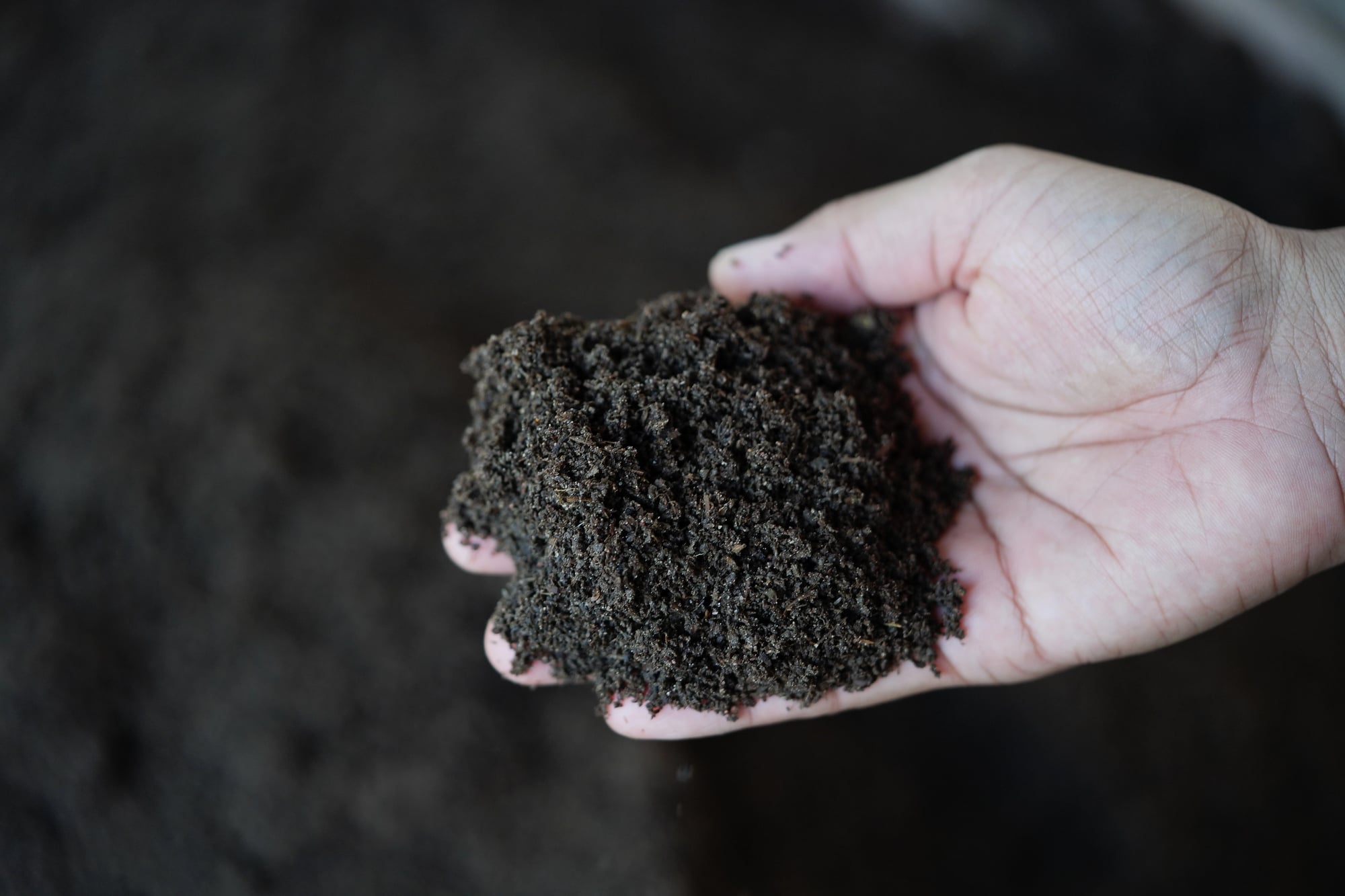
The type of soil in a region determines which crops will thrive, shaping entire food cultures over generations. Rich, volcanic soils in places like Sicily and Hawaii produce incredible tomatoes and coffee, while sandy soils in peanut-growing regions of Georgia create different agricultural opportunities.
Clay-heavy soils might favor root vegetables, while loamy soils support grain production. These soil differences explain why certain regions become famous for specific foods.
Desert Conditions Force Food Preservation
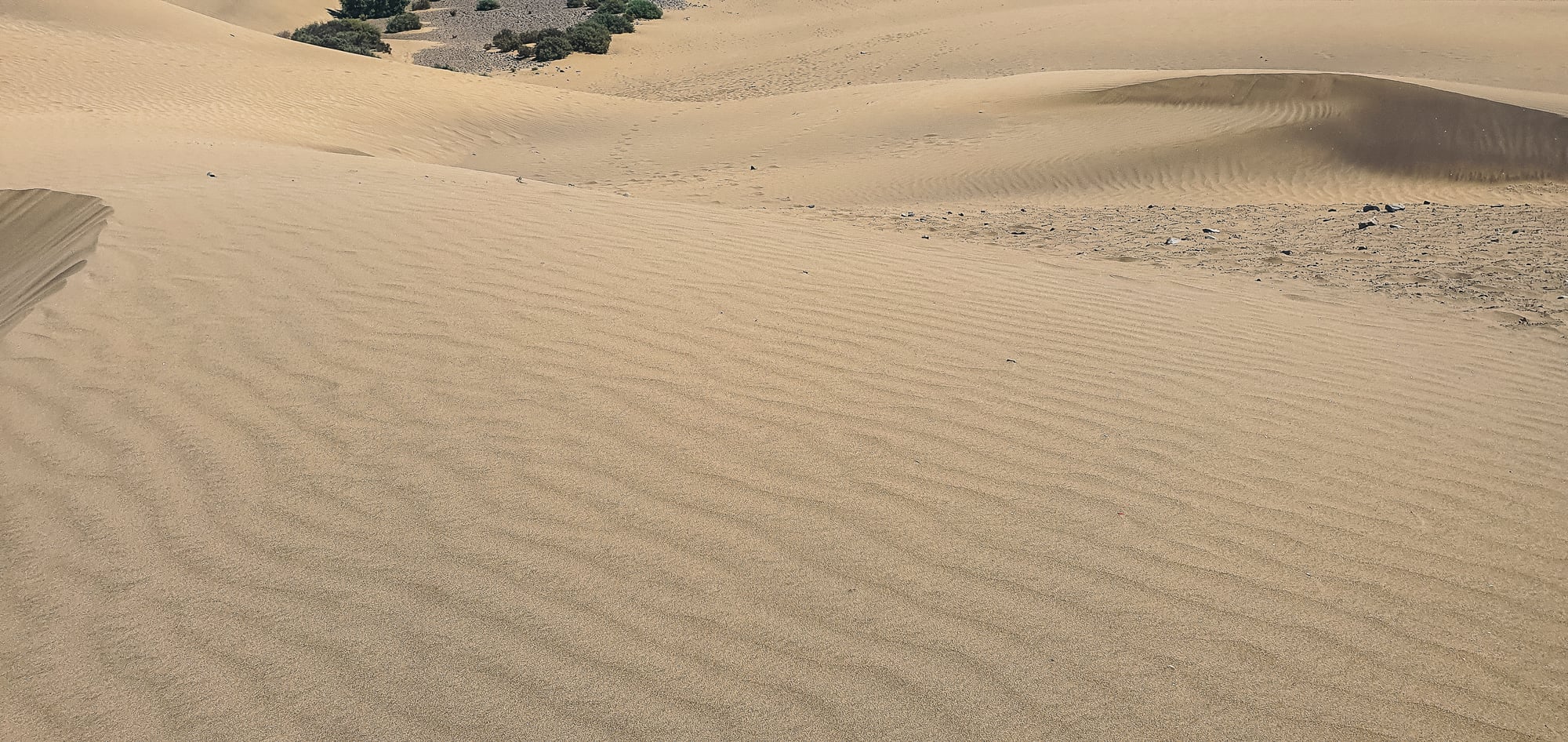
Arid environments naturally led to the development of food preservation techniques that became cultural traditions. Middle Eastern cuisines developed methods for drying fruits, curing meats, and fermenting dairy products to survive in desert climates.
These preservation techniques didn’t just solve practical problems—they created entirely new flavors and textures that define regional cuisines. What started as survival became signature taste profiles.
Island Geography Creates Unique Fusion Cuisines

Islands develop distinctive food cultures because their isolation forces creativity with limited ingredients, while their position as stopping points creates cultural mixing. Hawaiian cuisine blends Polynesian, Asian, and American influences because of the islands’ strategic location in the Pacific.
Similarly, Caribbean food culture developed from the collision of African, European, and indigenous ingredients on isolated island chains. This geographic isolation plus cultural crossroads effect creates some of the world’s most interesting fusion cuisines.
Forest Coverage Influences Protein Sources

In the past, a region’s forest density dictated whether its inhabitants relied more on farming, fishing, or hunting for sustenance. Cuisines based on game meats and foraged items evolved in densely forested areas, such as Northern Canada and portions of Russia.
Domesticated livestock and grain-based diets were more prevalent in areas where forests were cut down for agriculture. Modern regional cuisines continue to reflect these forest-influenced protein preferences.
Mineral Deposits Affect Water and Soil Chemistry

Underground geology influences the mineral content of water and soil, which subtly affects the taste of everything grown in that region. The limestone-rich soil of Champagne, France, creates the perfect conditions for sparkling wine grapes, while iron-rich water in certain areas gives local beer distinctive flavors.
These mineral differences help explain why the same crop varieties can taste completely different when grown in different locations.
Seasonal Weather Patterns Create Eating Rhythms
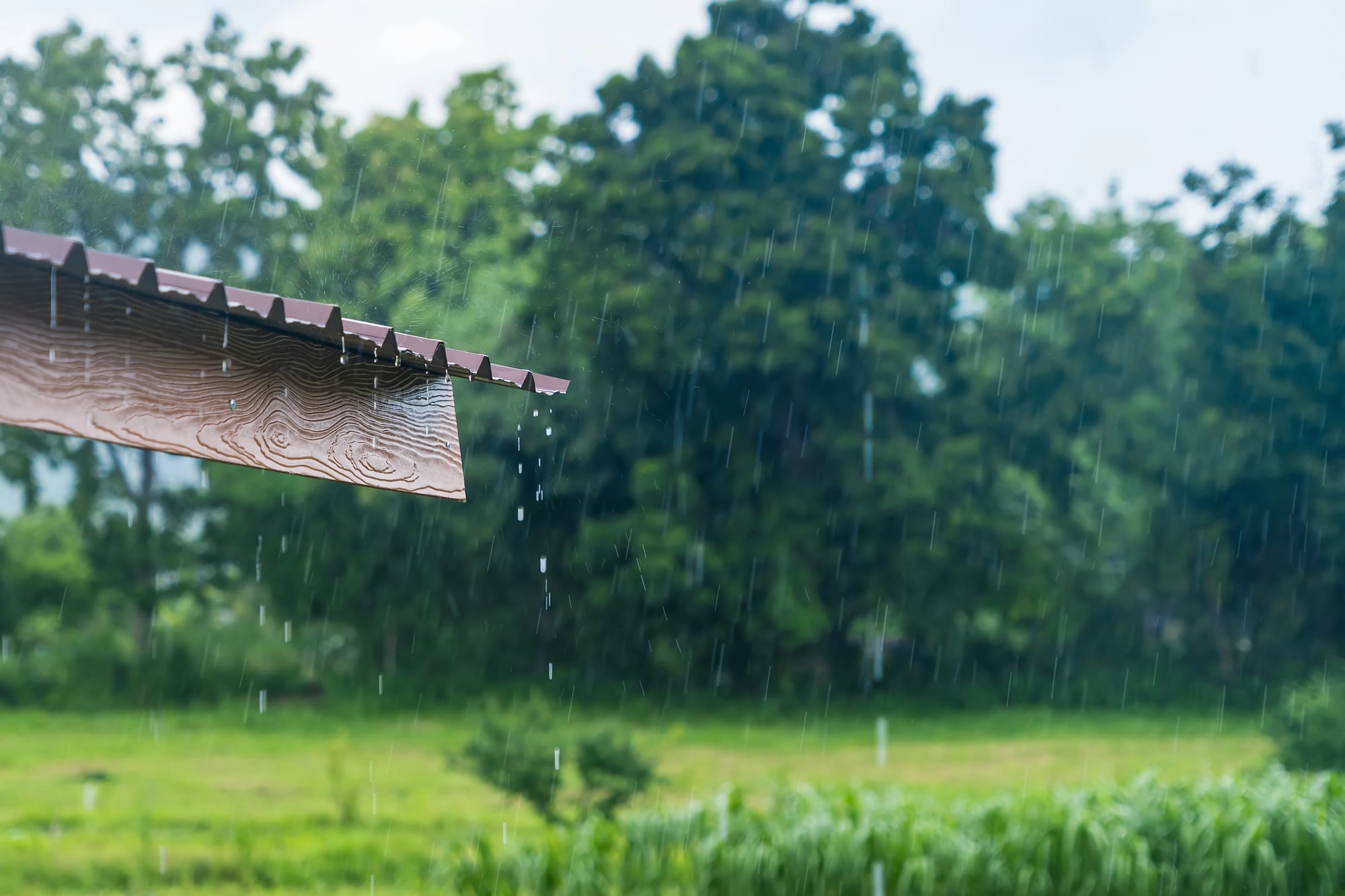
Geographic location determines seasonal patterns, which traditionally shaped when and what people ate throughout the year. Mediterranean regions with mild winters allowed for year-round fresh food production, while harsh northern winters forced communities to develop elaborate food storage and preservation systems.
These seasonal eating patterns became deeply embedded in cultural traditions and holiday foods that persist even in our modern era of global food distribution.
Natural Disasters Shape Food Security Strategies
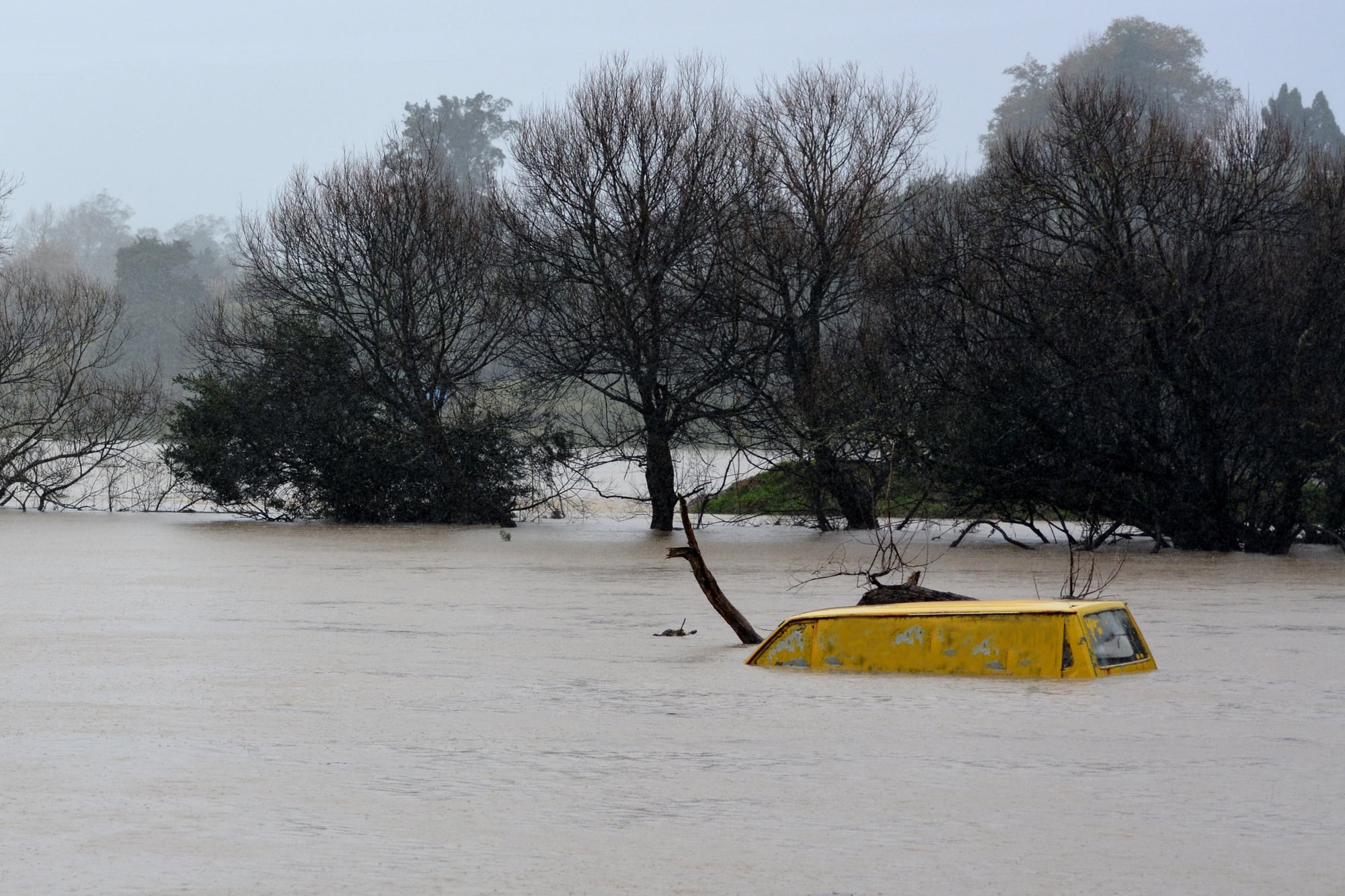
Regions prone to specific natural disasters developed food cultures designed around resilience and recovery. Areas with frequent droughts, like parts of Australia and Africa, traditionally favored drought-resistant crops and livestock.
Flood-prone regions developed elevated storage systems and foods that could survive water damage. These disaster-adapted food strategies often became permanent features of regional cuisine.
Latitude Determines Growing Seasons

A region’s distance from the equator directly affects the length and timing of growing seasons, which shapes agricultural choices and eating patterns. Northern latitudes with short growing seasons historically relied on preserved foods and winter-hardy crops, leading to cuisine heavy on root vegetables and fermented foods.
Equatorial regions with year-round growing seasons developed fresh, plant-heavy diets with less emphasis on preservation techniques.
Wind Patterns Affect Agricultural Success

Prevailing wind patterns can make or break agricultural regions by bringing or blocking moisture, which determines what foods can be successfully grown. The monsoon winds that bring life-giving rain to South Asia made rice cultivation possible, creating the foundation for billions of people’s diets.
Conversely, areas in the rain shadow of mountains become deserts where only specific drought-adapted crops can survive.
Proximity to Trade Routes Increases Food Diversity
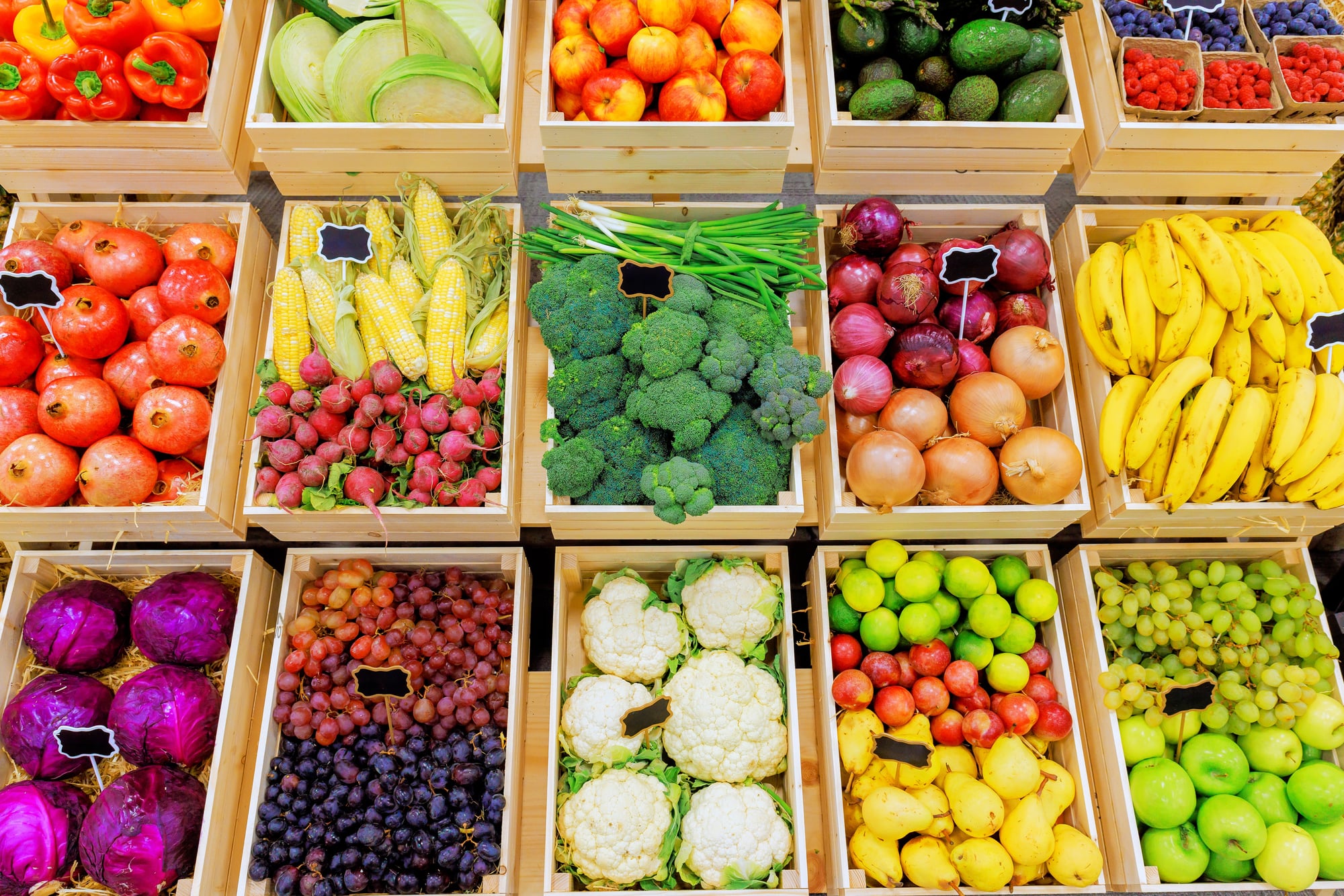
The amount of gastronomic diversity that a place could access depended on its geographic location in relation to past trade routes. Due to their location at the intersection of several trade networks, cities along the Silk Road, such as Istanbul and Venice, developed extraordinarily varied culinary traditions.
More uniform culinary customs based only on regional products were preserved in isolated areas distant from important commerce routes. Port cities frequently have the most internationally influenced cuisines, which can be explained by the effect of trade routes.
Tectonic Activity Creates Unique Cooking Methods
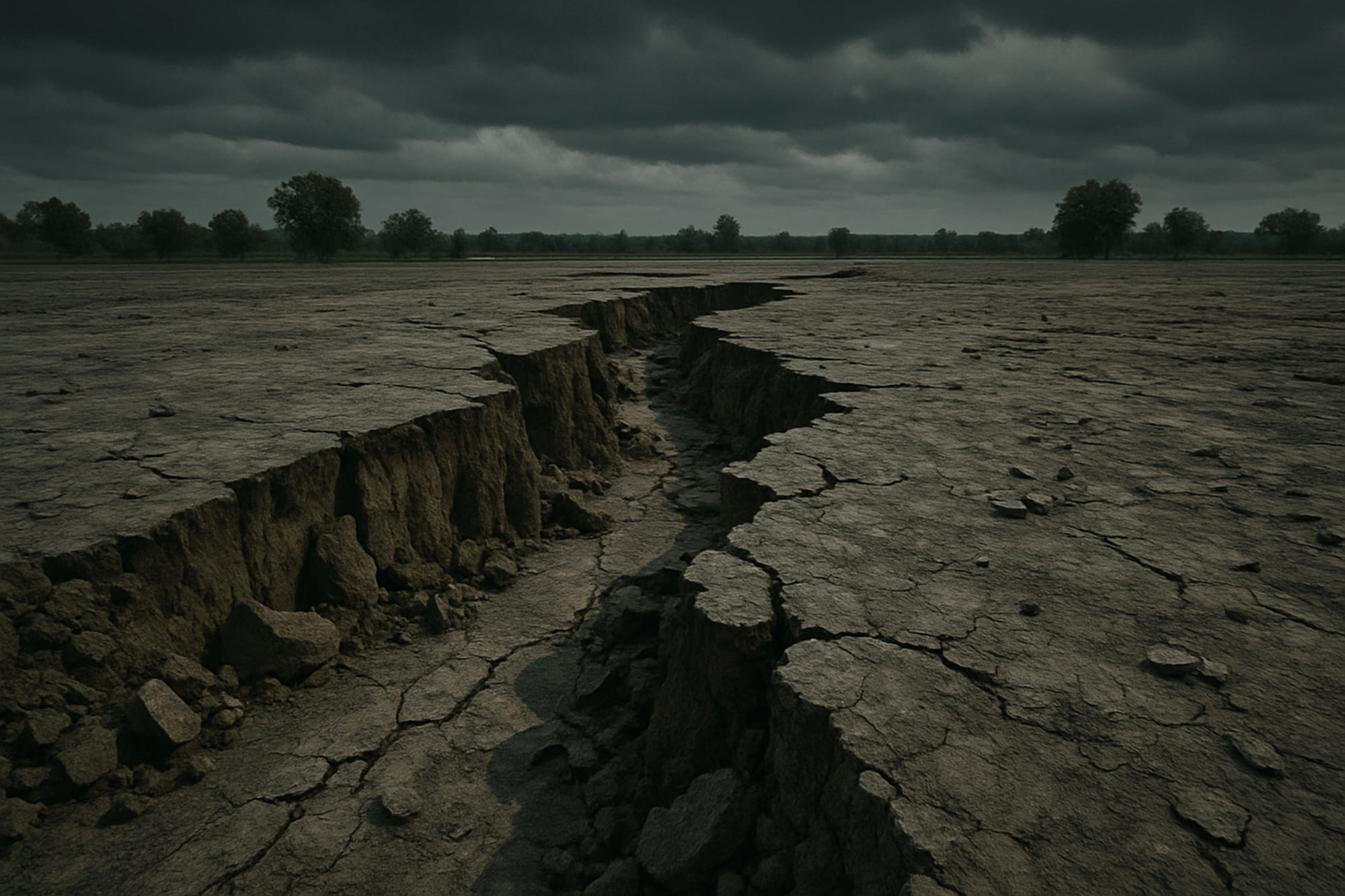
Regions with volcanic activity or geothermal features developed unique cooking methods that became cultural signatures. Iceland’s geothermal cooking, where food is buried in hot springs, creates distinctive flavors impossible to replicate elsewhere.
Similarly, volcanic regions like parts of Italy and Japan developed cooking techniques that take advantage of natural heat sources. These geology-based cooking methods often become defining features of regional food culture.
The Invisible Hand Behind Every Meal

Geography’s influence on food culture runs so deep that we rarely notice it anymore. The spices in your favorite curry exist because of mountain barriers and trade winds, while the vegetables on your plate grew in soil shaped by ancient geological processes.
Even in our globally connected world, these geographic forces continue shaping food trends, agricultural decisions, and regional taste preferences. Understanding this invisible geographic influence helps explain why food cultures developed so differently around the world—and why certain flavors just taste like home.
More from Go2Tutors!

- The Romanov Crown Jewels and Their Tragic Fate
- 13 Historical Mysteries That Science Still Can’t Solve
- Famous Hoaxes That Fooled the World for Years
- 15 Child Stars with Tragic Adult Lives
- 16 Famous Jewelry Pieces in History
Like Go2Tutors’s content? Follow us on MSN.



