Unexplained Phenomena Captured in Photographs
Photography was supposed to make the world clearer. When cameras became common, people thought they’d finally settle old arguments about ghosts, monsters, and strange lights in the sky.
Instead, cameras created more mysteries. Over the years, photographers have captured images that scientists, experts, and investigators still can’t fully explain, even with modern technology.
Let’s look at some of the most baffling photos ever taken and why they continue to puzzle people decades later.
The Solway Firth Spaceman
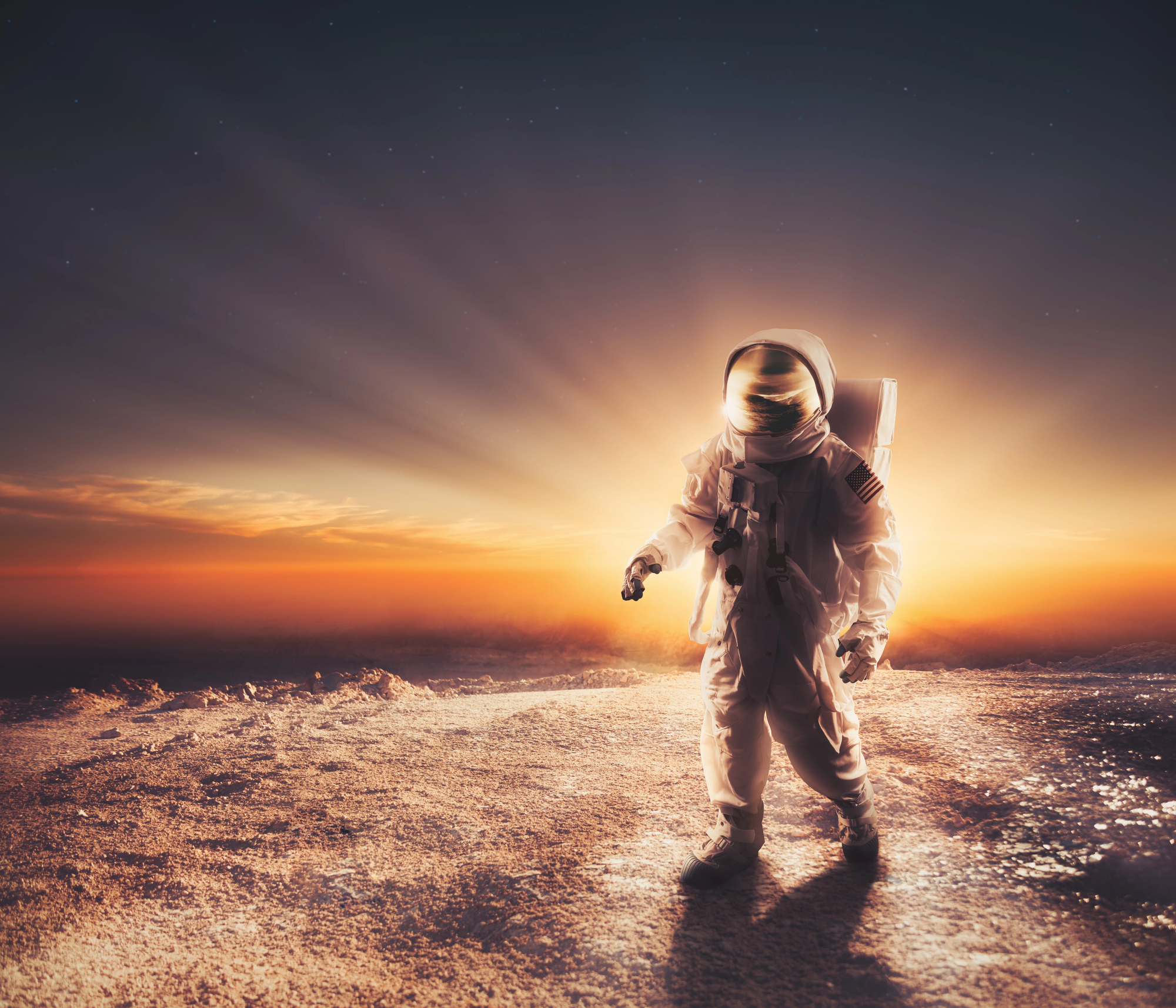
Jim Templeton took his young daughter to a marsh in Cumbria, England, in 1964 for some family photos. When he developed the film, he noticed something bizarre behind his daughter in one shot.
A figure wearing what looked like a white spacesuit stood in the background, yet Templeton insisted nobody else was there that day. Kodak examined the negative and confirmed it hadn’t been tampered with.
Stranger still, Templeton claimed two men in dark suits visited him days later, questioning him about the photo before driving away when he couldn’t provide answers they wanted.
The Hook Island Sea Monster
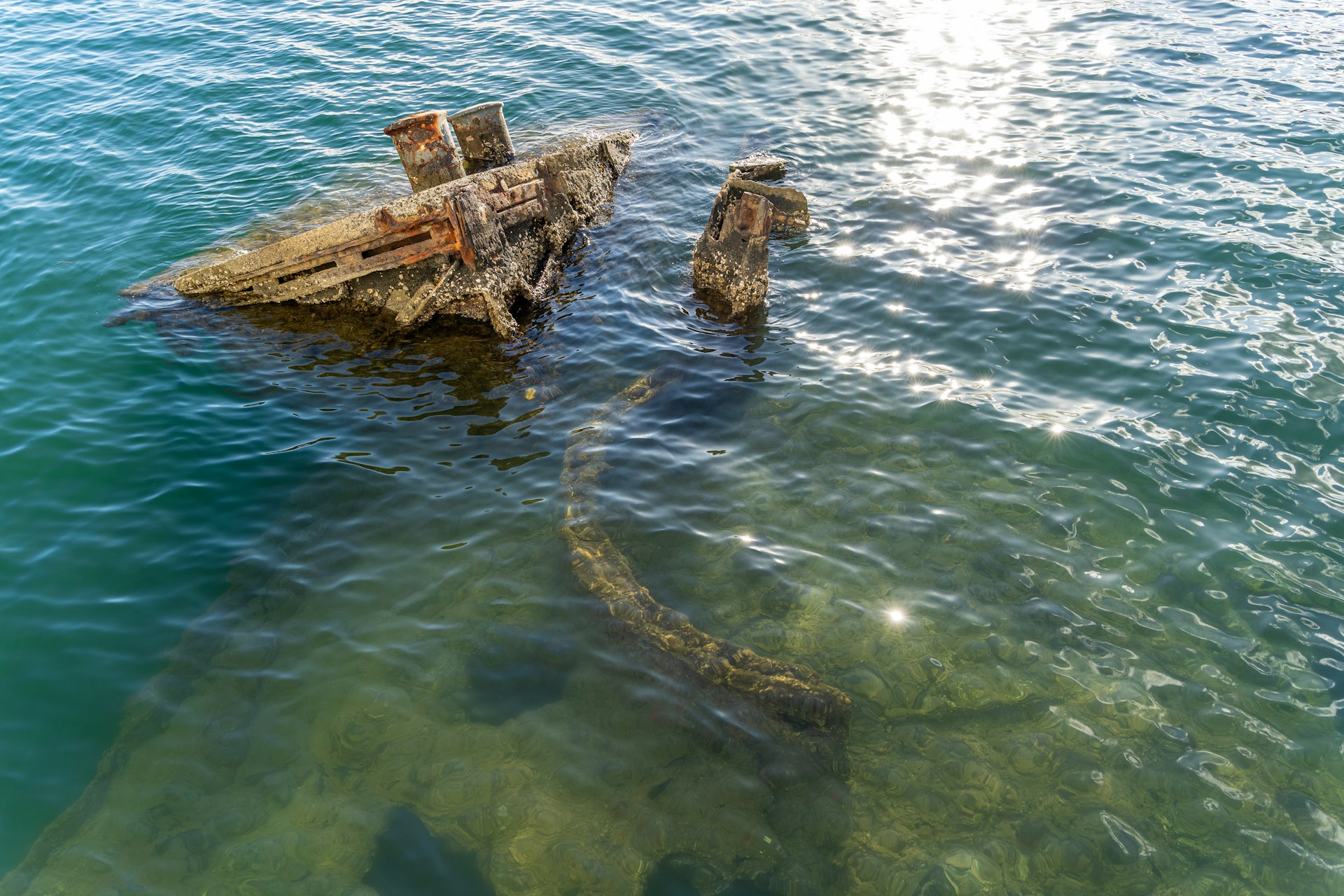
Robert Le Serrec was sailing near Queensland, Australia, in 1964 when he spotted something massive in the shallow water below. He grabbed his camera and photographed what appeared to be an enormous tadpole-shaped creature, over 75 feet long, lying on the ocean floor.
The thing had visible eyes and a gaping mouth. Le Serrec and his wife even dove down to get closer, but the creature seemed to open its mouth wider, sending them back to their boat.
Marine biologists have suggested everything from a deflated whale carcass to an elaborate hoax, but nobody has definitively explained what the couple photographed that day.
The Hessdalen Lights
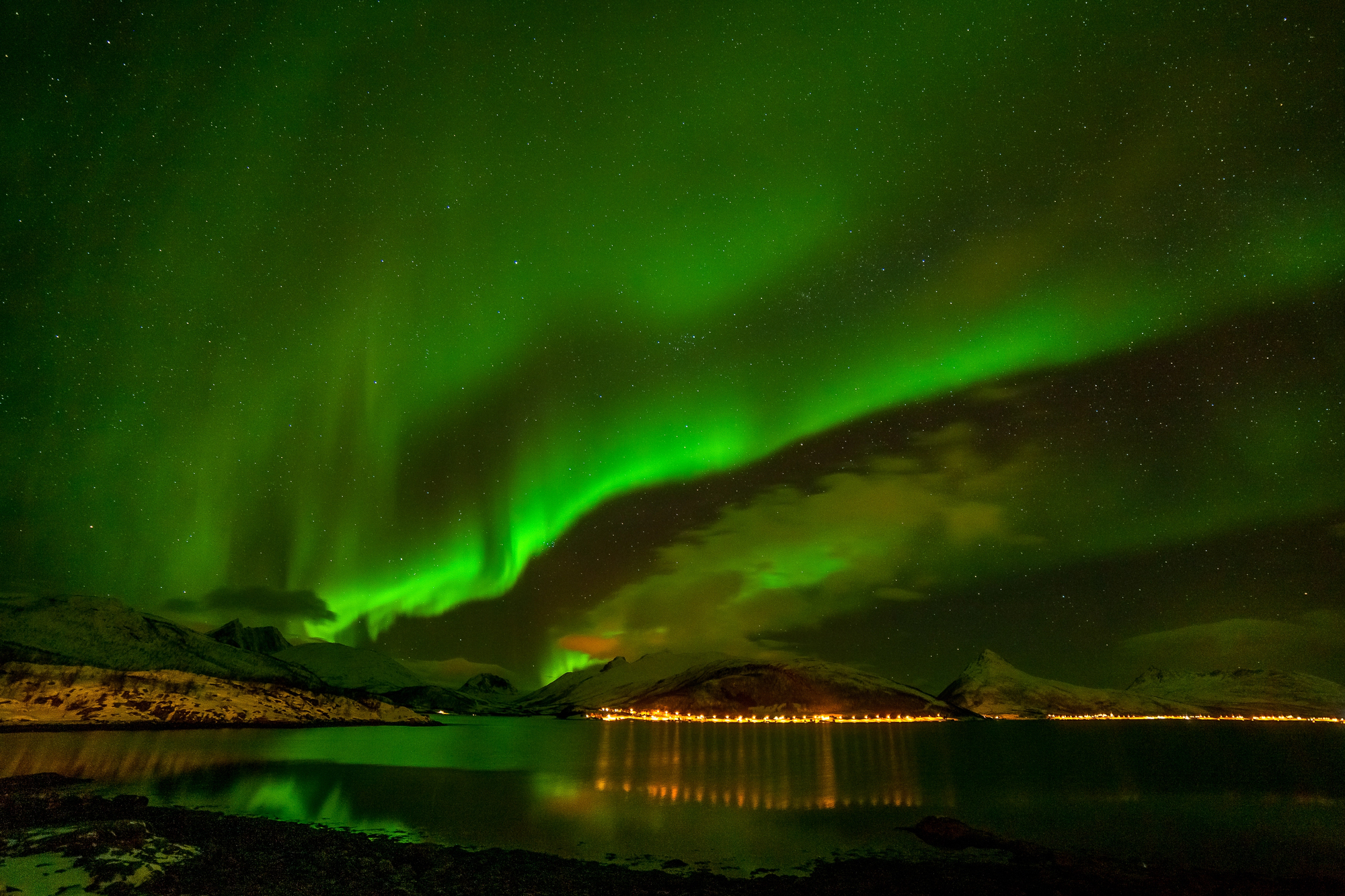
A remote valley in Norway has been producing strange lights since at least the 1930s, but photographers finally started documenting them seriously in the 1980s. The lights appear as bright, floating orbs that move through the valley, sometimes hovering for over an hour.
They show up on radar and infrared cameras, proving they’re not just optical illusions. Scientists have set up monitoring stations and collected hundreds of photos and videos.
Theories range from ionized iron dust to piezoelectric effects from the valley’s geology, but none fully explain why these lights behave the way they do or why they appear so consistently in this specific location.
The Phoenix Lights
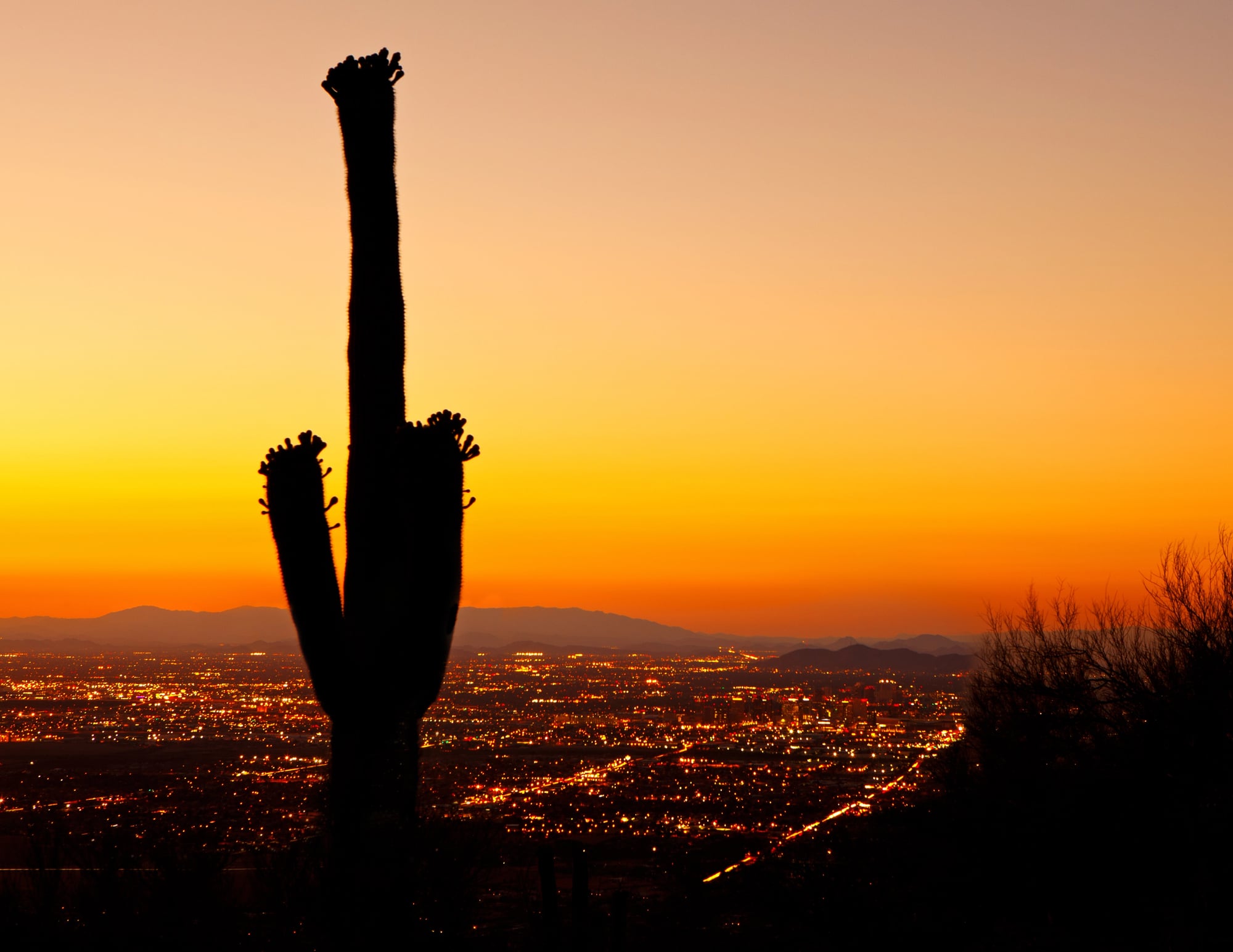
Thousands of people watched massive V-shaped formations glide silently over Arizona on March 13, 1997, and many grabbed their cameras. The photos show a pattern of lights spanning what witnesses estimated was over a mile wide.
The military later claimed they were flares from a training exercise, but this explanation fell apart when people pointed out the timing didn’t match and flares don’t maintain perfect formation while moving across the sky. Some photos show the lights passing in front of stars, suggesting solid objects blocking the light.
The sheer number of witnesses and photographs from different angles made this one of the most documented unexplained aerial events in American history.
The SS Watertown Faces

Two crew members died aboard the oil tanker SS Watertown in 1924, and their bodies were buried at sea according to maritime tradition. Days later, other crew members reported seeing the faces of the dead men in the waves following the ship.
The captain photographed the ocean, and when the film was developed, two faces appeared clearly in the water. The ship’s company had the negative examined by experts who found no signs of double exposure or manipulation.
The faces appeared in the same spot in the wake for several days before finally disappearing. Psychologists have suggested pareidolia, where the brain sees faces in random patterns, but this doesn’t explain why multiple people saw the same faces in the same location over multiple days.
The Copper Family Falling Body
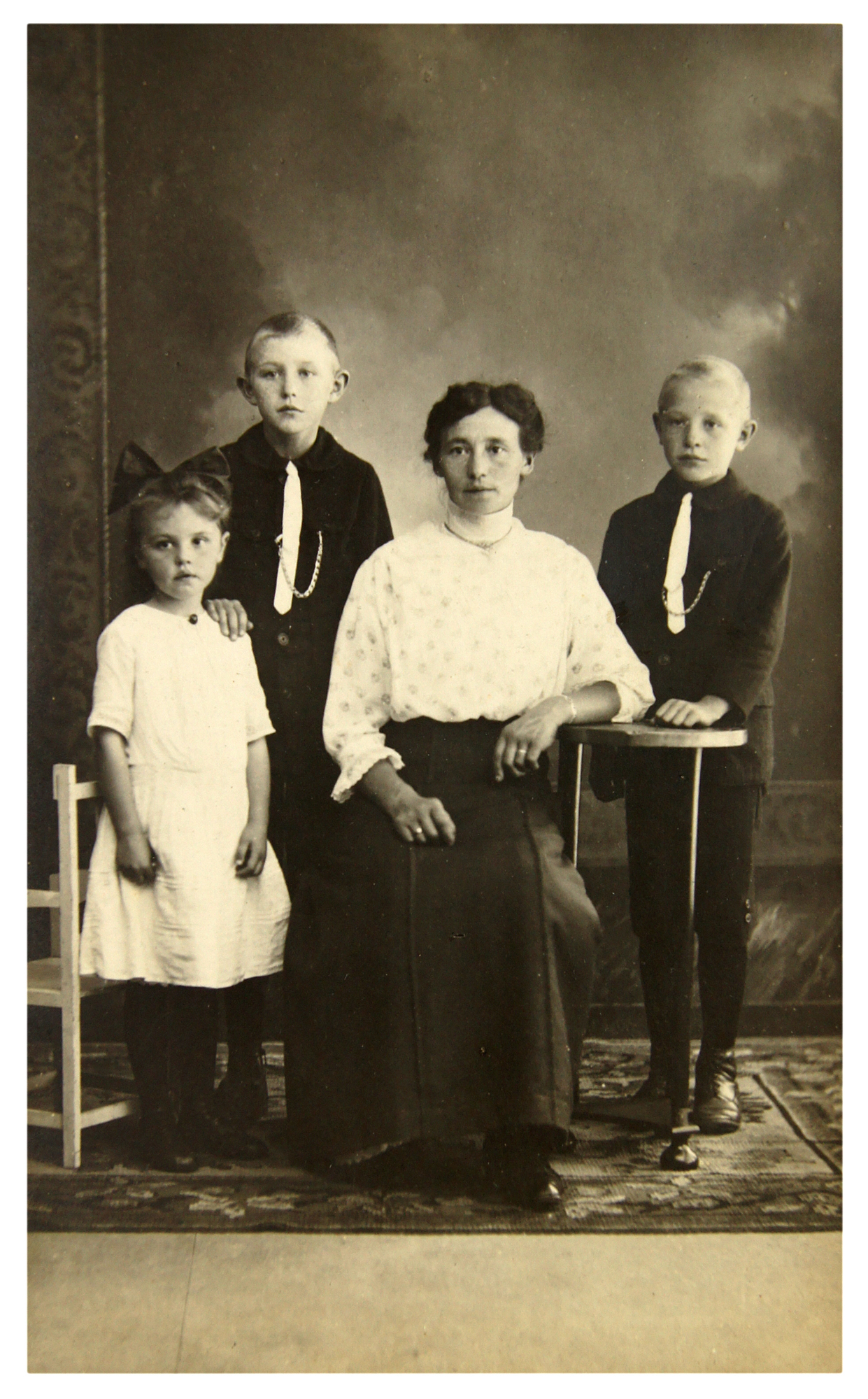
A family in Texas set up a camera to take photos of their new truck in the 1950s. When they developed the film, one image showed what appeared to be a body falling from the sky above their property.
The figure looked human, with visible limbs in a falling position. Nobody in the area had reported a missing person, no planes had flown overhead that day, and there were no tall structures nearby someone could have fallen from.
The Coopers kept the photo private for years before it eventually leaked to investigators. Despite extensive analysis, nobody has determined what the camera captured or where this falling figure could have come from.
The Skunk Ape Photographs
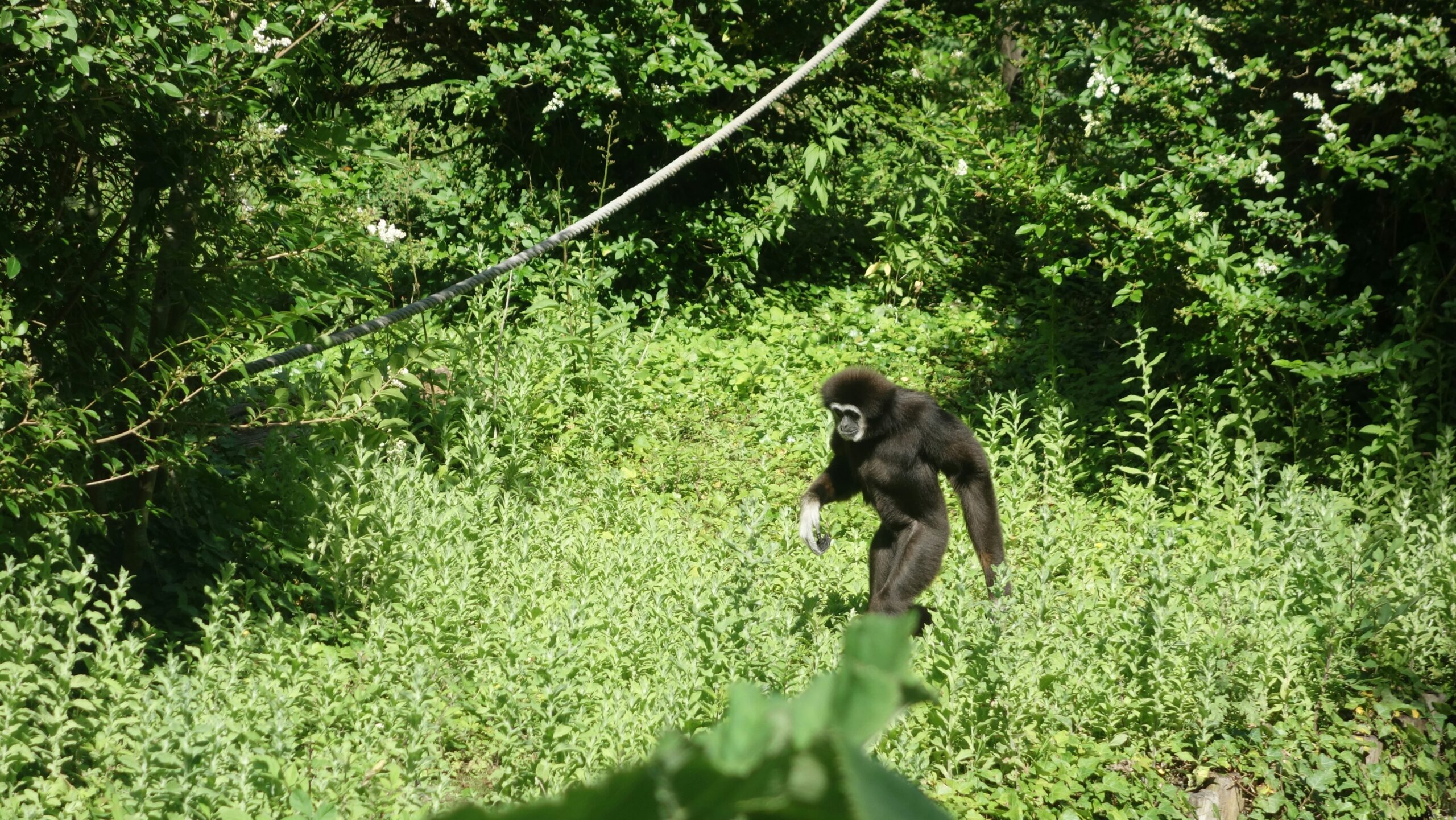
A woman in Florida received an odd visitor in 2000 when something large started raiding her porch at night, stealing apples she’d left out. She grabbed her camera and managed to take two photos of a large, ape-like creature standing in her backyard.
The creature had reddish-brown hair and stood upright like a human. She sent copies to the local sheriff with a letter explaining that the smell was unbearable and she wanted help removing it.
Wildlife experts noted the proportions didn’t match known apes, and the location was wrong for any escaped zoo animal. The woman never came forward publicly, and researchers couldn’t identify what species she photographed.
The Black Knight Satellite
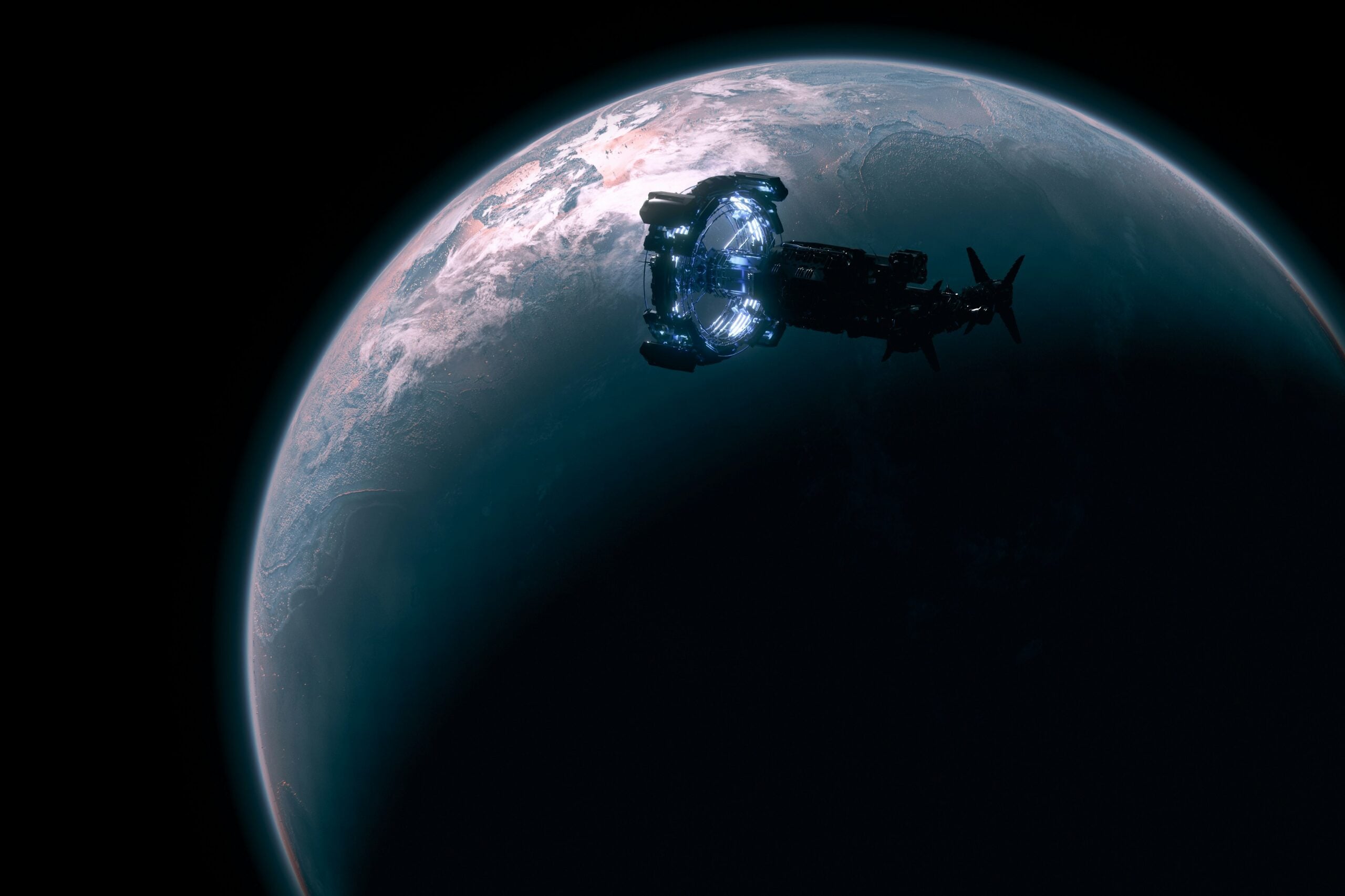
A dark object photographed during space missions has sparked debates for decades. Astronauts on various missions captured images of what looked like an artificial satellite in polar orbit, yet no country claimed ownership of it.
The object appeared large, roughly 30 feet long, and seemed to reflect light like metal. NASA eventually claimed the photos showed a thermal blanket lost during a spacewalk, but this explanation didn’t satisfy everyone since similar objects had been photographed during earlier missions before that spacewalk occurred.
Radio operators in the 1950s and 1960s also reported picking up strange signals that seemed to come from this object’s orbit.
The Goddard Squadron Photograph
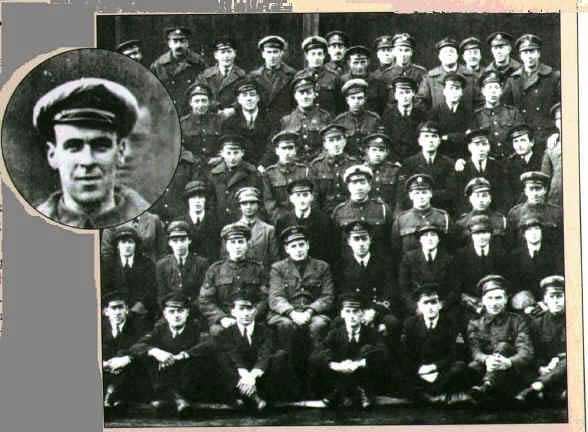
Sir Victor Goddard took a routine group photo of his RAF squadron in 1919. When developed, the photo showed an extra face in the back row that nobody recognized.
Days later, a mechanic who had missed the photo session due to an accident died from his injuries. When squadron members looked at the photo again, several identified the extra face as the deceased mechanic.
The photo became famous because it seemed to show someone who was alive at the time but not present, yet matched his appearance perfectly. Photographic experts found no evidence of double exposure or manipulation of the print.
The Battle of Los Angeles Photograph
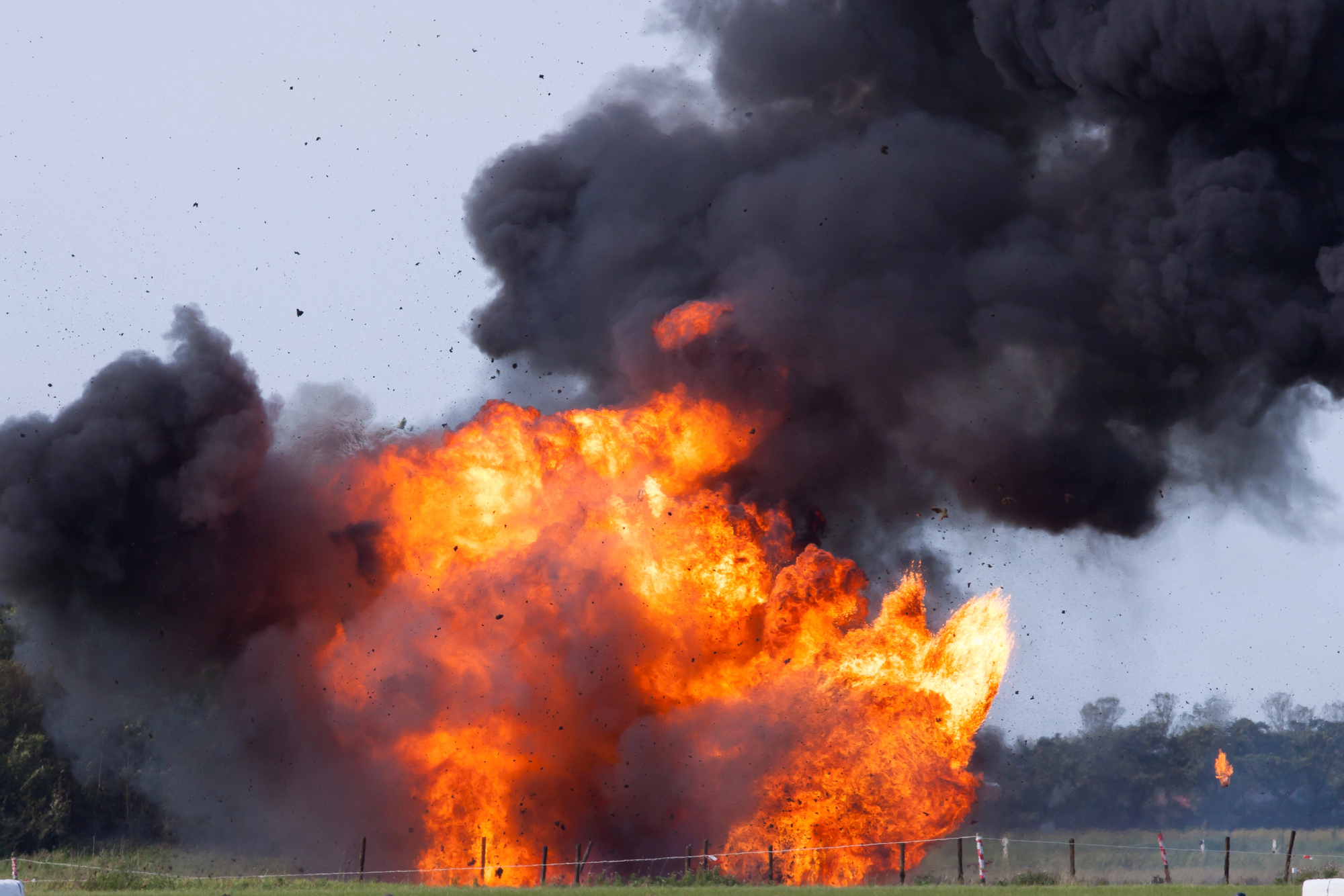
In February 1942, just months after Pearl Harbor, air raid sirens wailed across Los Angeles. Searchlights lit up the night sky, and anti-aircraft guns fired over 1,400 rounds at something hovering above the city.
A Los Angeles Times photographer captured the scene, showing searchlights converging on an object in the sky. The military initially claimed they’d repelled a Japanese attack, then changed their story to say it was a false alarm caused by weather balloons.
However, the photo clearly shows something at the convergence point of the searchlights. Witnesses described a large craft that didn’t match any known aircraft of the era.
The Tulip Staircase Ghost
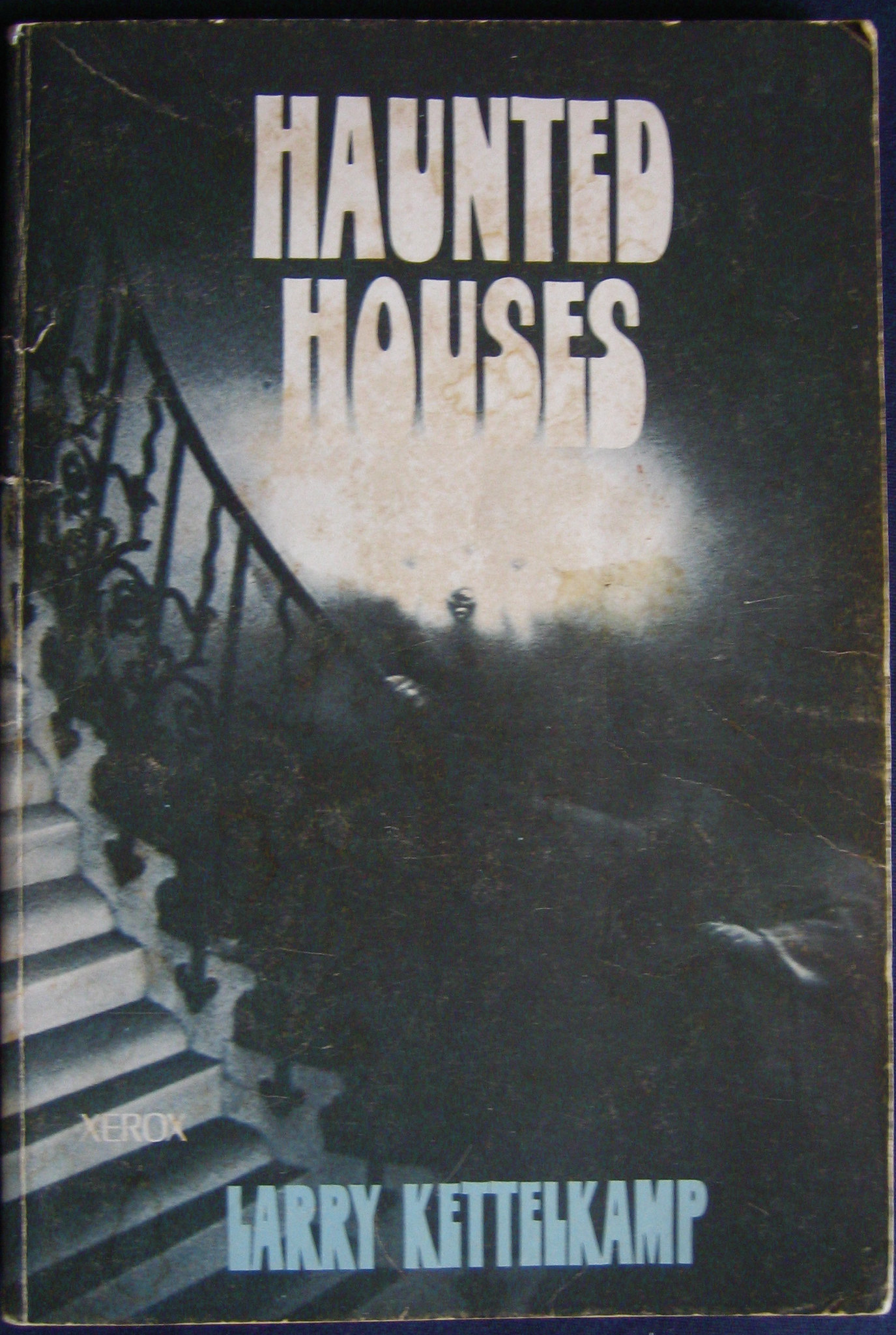
Reverend Ralph Hardy visited the Queen’s House in Greenwich, England, in 1966 and photographed the beautiful Tulip Staircase. When he developed his film, one image showed a cloaked figure climbing the stairs, gripping the railing.
Hardy hadn’t seen anyone on the stairs when he took the photo. Ghost experts at the time examined the negative and found no tampering.
The figure appears to be wearing period clothing from centuries earlier. Multiple psychics and visitors have since reported feeling presence on this staircase, but Hardy’s photo remains the only clear image ever captured there.
The Falcon Lake Incident
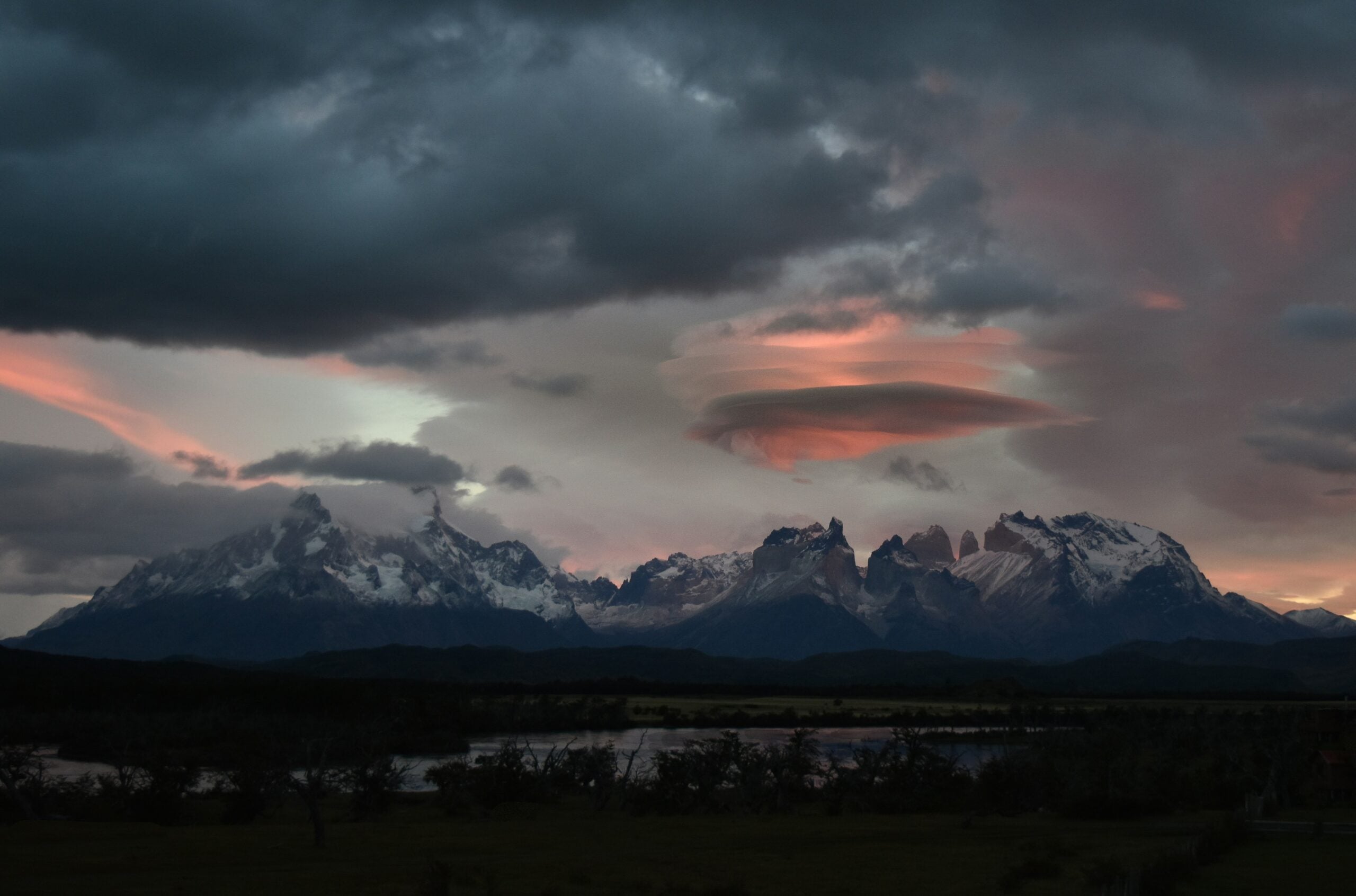
Stefan Michalak approached what he thought was an experimental aircraft that had landed in the Canadian wilderness in 1967. As he got closer and peered inside an opening, the craft suddenly lifted off, and a blast of heat from an exhaust vent hit his chest.
Michalak staggered to a hospital, where doctors photographed the bizarre grid pattern of burns on his torso. The burns matched perfectly with a grid-like vent he’d described seeing on the craft.
Doctors couldn’t explain the precise geometric pattern or why the burns showed signs of radiation exposure. The Royal Canadian Mounted Police investigated extensively but never explained what burned him or what craft he encountered in the forest.
The Worstead Church Visitor
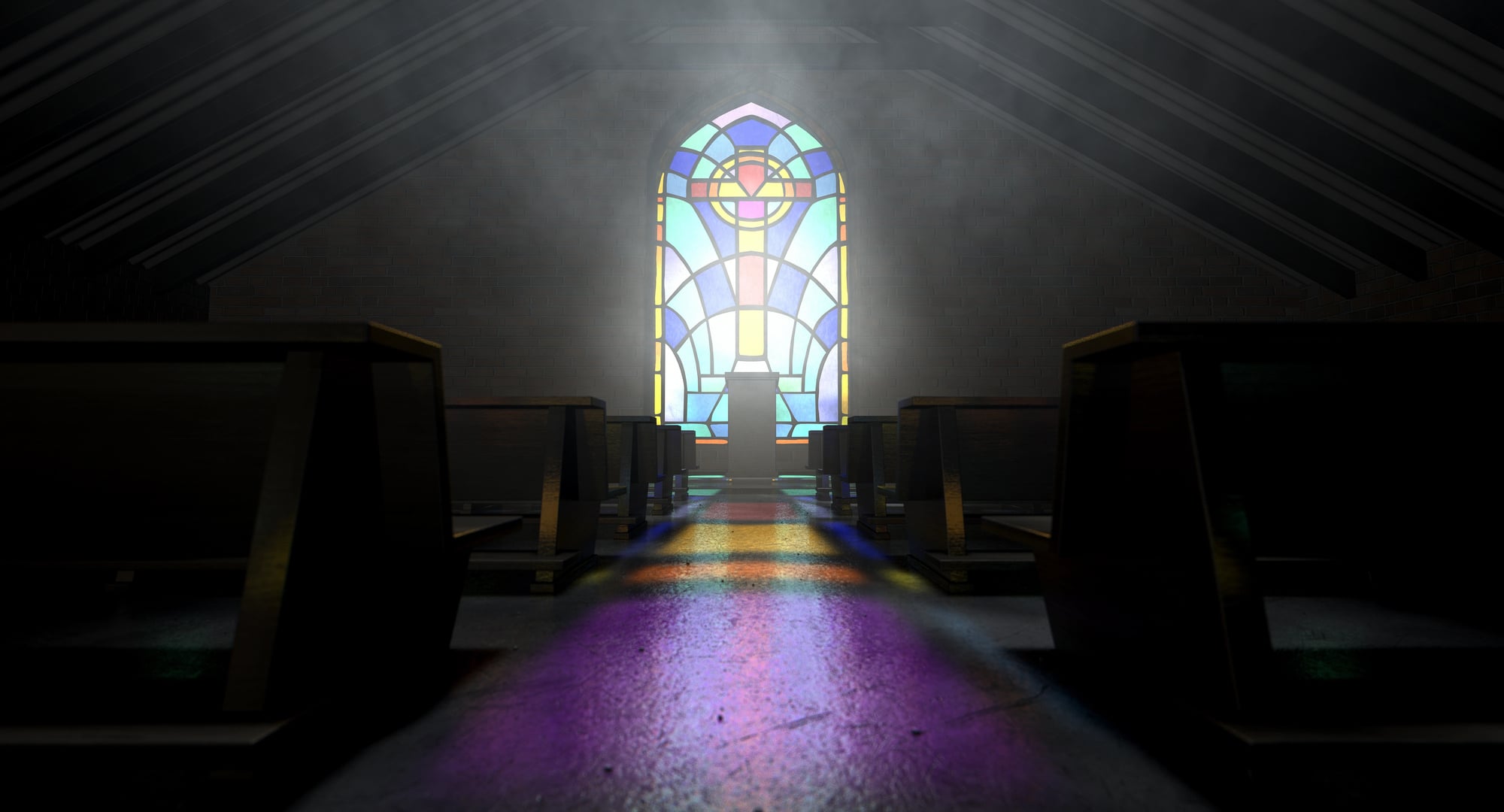
Diane Berthelot visited Worstead Church in Norfolk, England, with her husband in 1975. Her husband snapped a photo of Diane sitting alone in a pew, praying.
When they reviewed their vacation photos later, they noticed a figure sitting directly behind Diane in the pew. The figure wore what appeared to be period clothing and had a pale, translucent appearance.
Diane insisted nobody else was in that section of the church when the photo was taken. Experts examined the negative and found no signs of double exposure, and the figure’s period clothing matched the church’s historical records.
The Loch Ness Surgeon’s Photograph
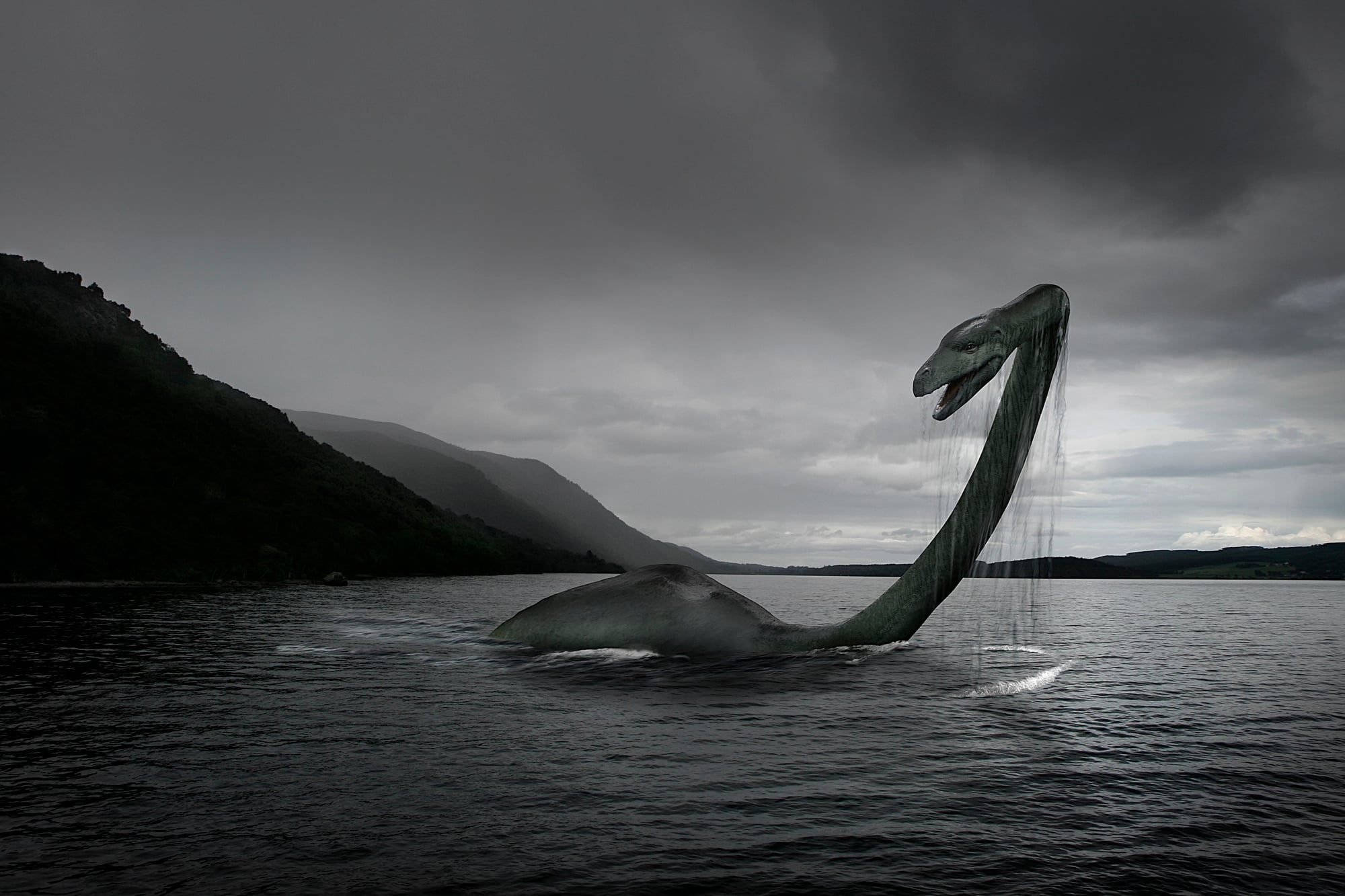
Robert Kenneth Wilson, a London surgeon, photographed something with a long neck and small head protruding from Loch Ness in 1934. The image became the most famous piece of evidence for the Loch Ness Monster and sparked decades of investigation.
Although one of the men involved confessed years later that it was a hoax using a toy submarine with a sculpted head, researchers have pointed out inconsistencies in the confession. The original negative was lost, making it impossible to verify the hoax claim completely.
Some investigators believe the confession itself was false and that Wilson really did photograph something unusual in the loch that morning.
The Freddy Jackson Ghost
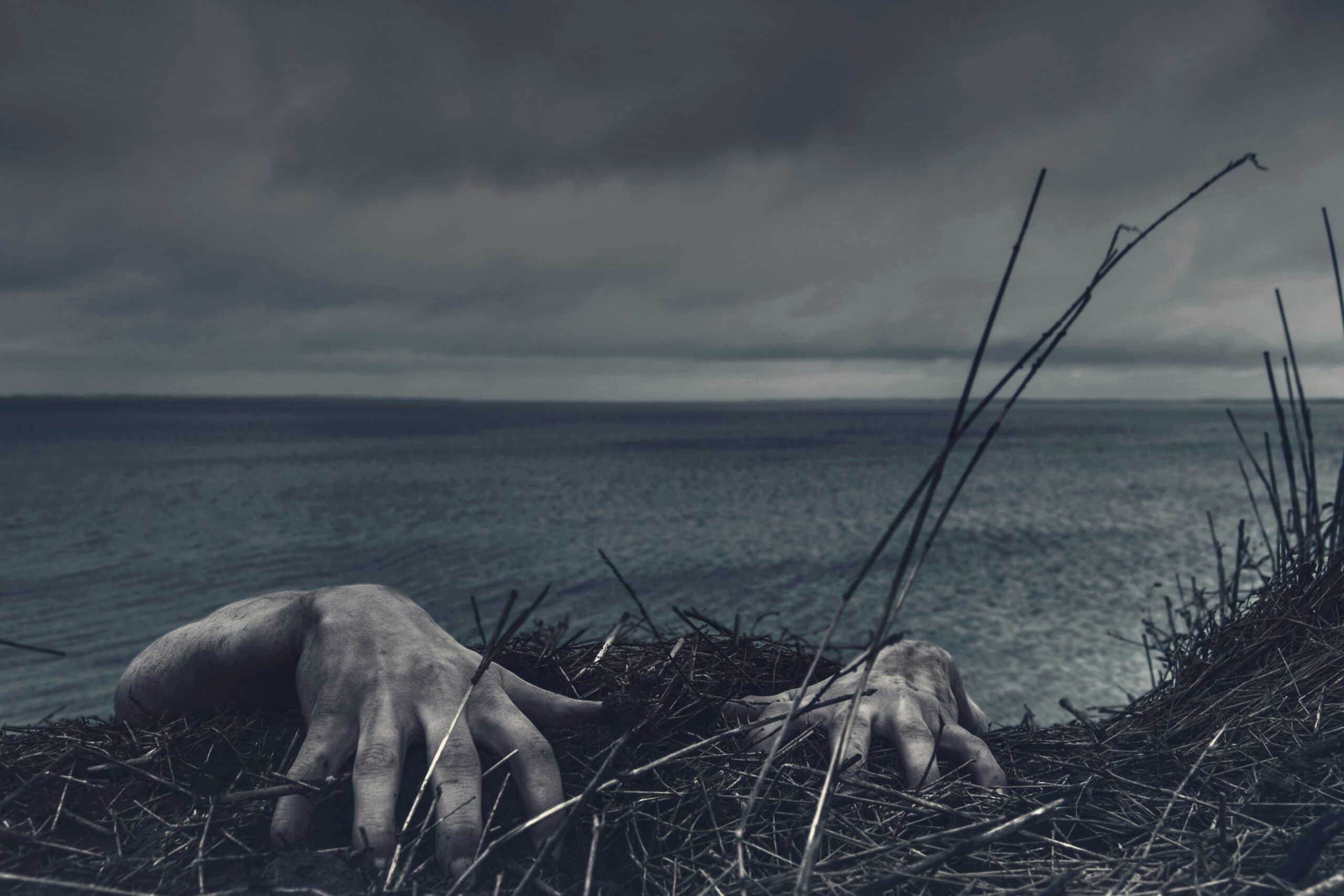
An RAF squadron took a group photo in 1919, the same day they buried their mechanic, Freddy Jackson, who’d died in a propeller accident. When the photo was developed, squadron members were startled to see Jackson’s face clearly visible behind one of the airmen in the back row.
The face matched Jackson perfectly, and several men who knew him well confirmed it was him. Sir Victor Goddard, who led the squadron, verified the photo’s authenticity.
Skeptics have suggested it was simply another airman who looked like Jackson, but the squadron members who knew him best insisted it was unmistakably their dead colleague appearing in the photo.
The Amityville Ghost Boy
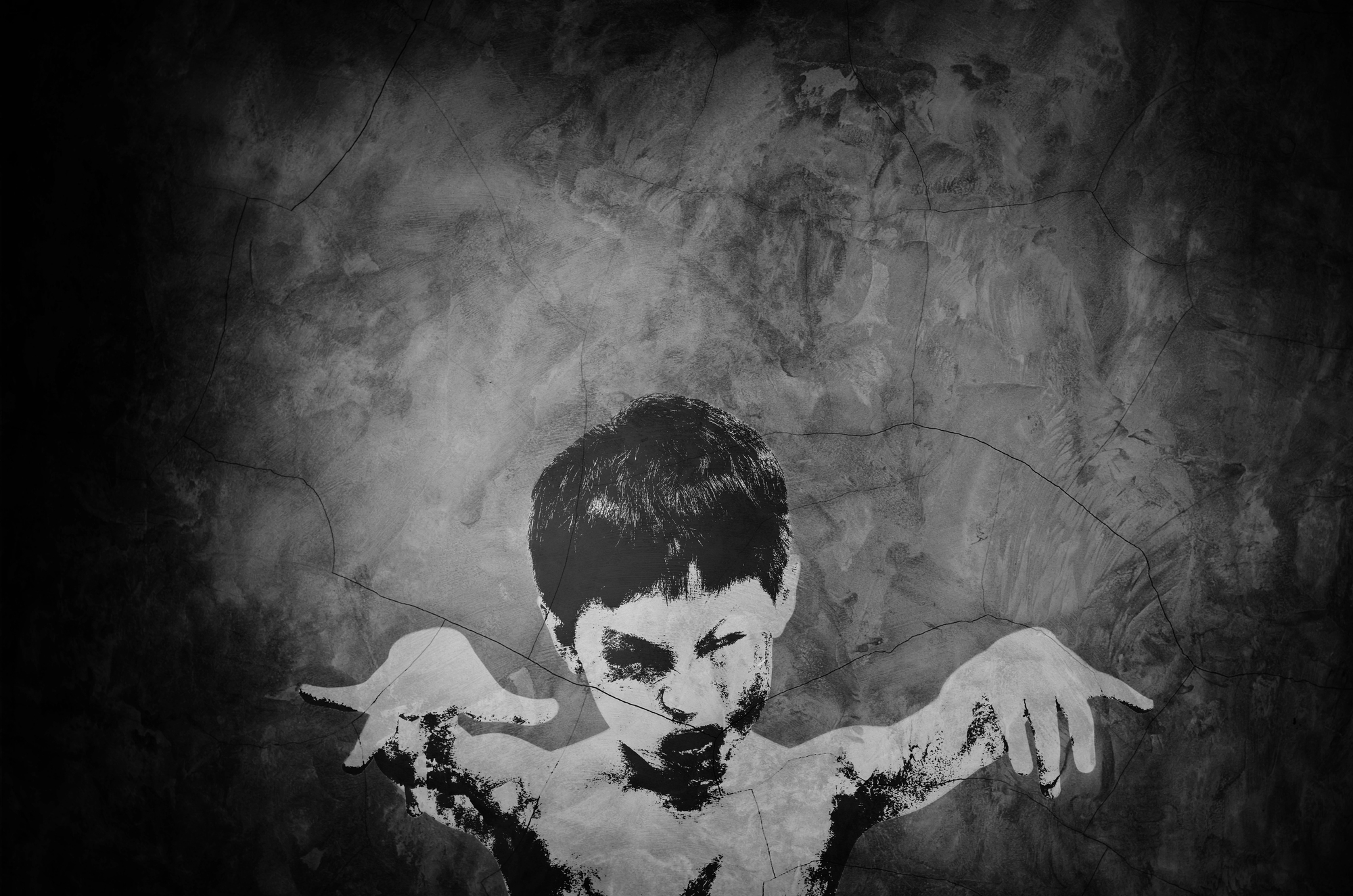
Professional photographers visited the allegedly haunted house in Amityville during an investigation in 1976. They set up automatic cameras throughout the house to capture anything unusual while the building stood empty.
One camera photographed a young boy with glowing eyes peering out from a doorway in an upstairs hallway. Investigators confirmed nobody was in the house at the time, all doors were locked, and no children lived there.
The Lutz family, who’d fled the house claiming paranormal activity, said they’d never seen a child ghost but had reported other strange occurrences. The photo remains controversial, with believers pointing to the clear detail and skeptics suggesting camera malfunction or light reflections.
The Time Traveler in the Museum

A photograph from the 1940s showing the reopening of a Canadian bridge drew renewed attention decades later when someone noticed an oddly dressed man in the crowd. The man wore modern sunglasses with a distinctive wrap-around style, a printed t-shirt, and a portable camera too advanced for the 1940s.
Everyone else in the photo wore period-appropriate clothing and hats. The man’s appearance sparked theories about time travel since his outfit and accessories didn’t match anything available in that era.
Skeptics have tried to explain each item as vintage pieces that just looked modern. Finding all those items together on one person in a 1940s crowd photo remains statistically improbable according to fashion historians.
Cooper’s Treasure Map
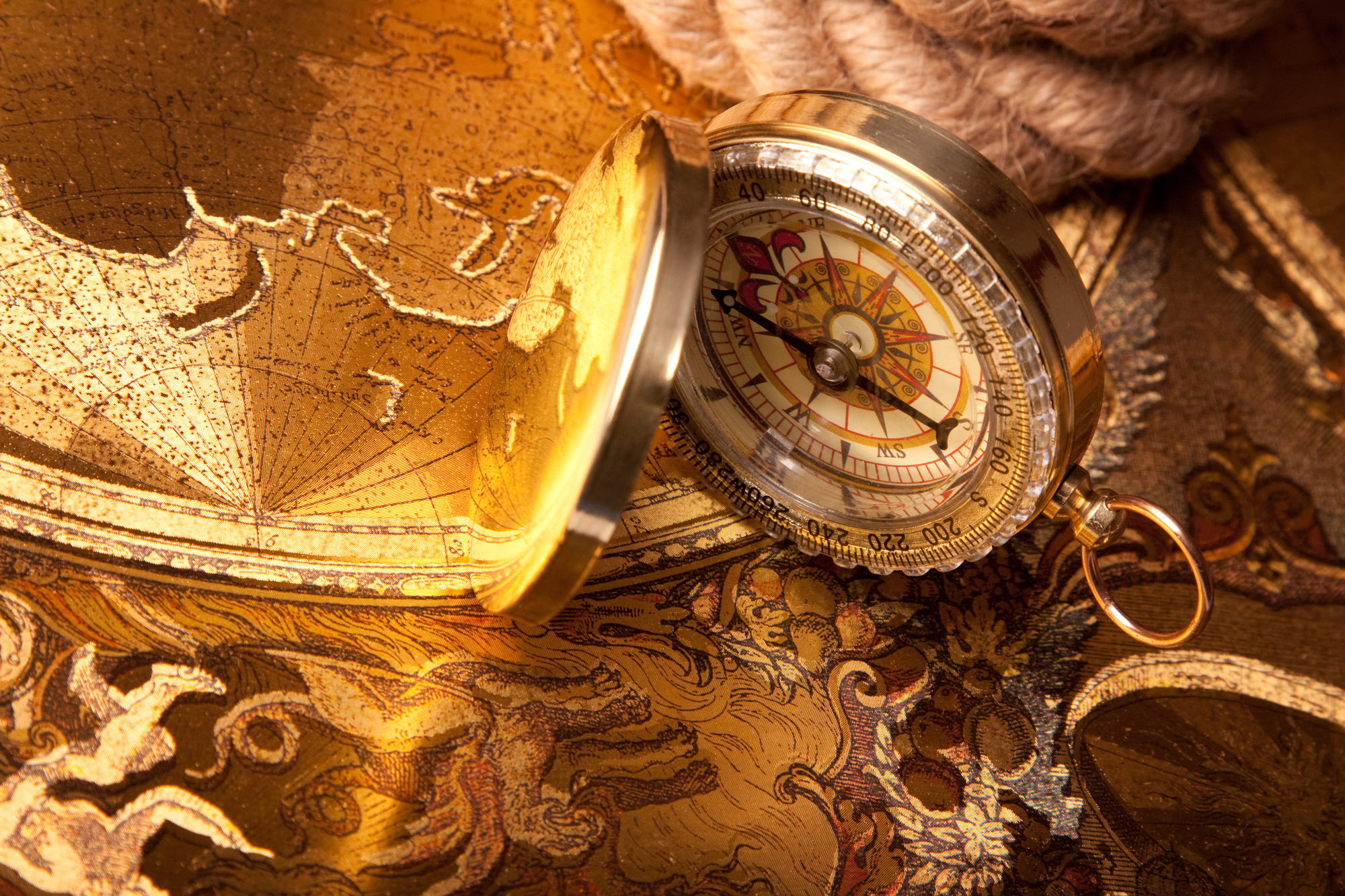
Gordon Cooper, one of the original Mercury astronauts, claimed that he photographed anomalies during his space missions that suggested ancient structures in the Caribbean. Before he died, he released what he said were treasure maps based on those photographs, showing locations where advanced magnetic readings indicated buried metallic objects.
The original NASA photographs reportedly showed geometric formations on the ocean floor that didn’t look natural. NASA has never released the full collection of photos Cooper referenced, claiming many were routine geographic surveys with nothing unusual in them.
Treasure hunters continue searching the coordinates Cooper identified, finding some anomalous readings but nothing conclusive.
Where We Stand Today

These photographs force people to consider possibilities outside normal experience. Technology has improved dramatically since many of these images were taken, yet modern analysis often raises more questions than answers.
Scientists can rule out some explanations but struggle to provide definitive alternatives. What seemed impossible to explain in the 1960s remains puzzling today, even with advanced forensic photography techniques.
These images remind us that cameras don’t always clarify mysteries—sometimes they preserve them, frame by frame, for future generations to puzzle over. The gap between what we see and what we understand hasn’t narrowed as much as we’d like to think.
More from Go2Tutors!

- The Romanov Crown Jewels and Their Tragic Fate
- 13 Historical Mysteries That Science Still Can’t Solve
- Famous Hoaxes That Fooled the World for Years
- 15 Child Stars with Tragic Adult Lives
- 16 Famous Jewelry Pieces in History
Like Go2Tutors’s content? Follow us on MSN.



