17 Animals That Farm Their Own Food Supply
When we think about farming, images of tractors, plows, and human hands tending crops usually come to mind. Yet agriculture isn’t exclusively a human invention.
Throughout the natural world, countless species have developed sophisticated methods to cultivate, harvest, and manage their own food sources with remarkable efficiency. From tiny insects that grow fungus gardens to marine creatures that tend algae farms, these animal agriculturalists have been perfecting their techniques for millions of years.
Here is a list of 17 animals that farm their own food supply.
Leafcutter Ants
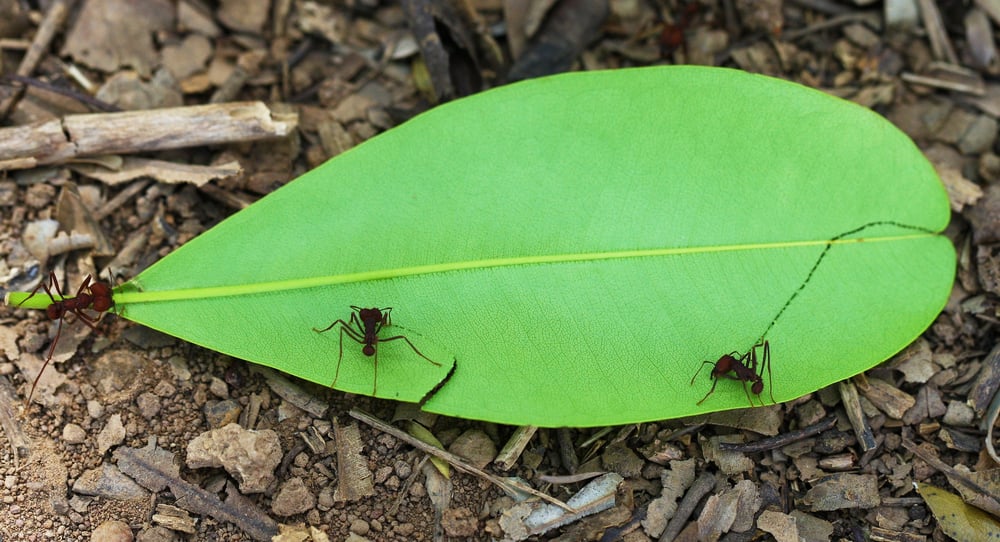
Leafcutter ants operate one of nature’s most complex agricultural systems, though they don’t actually eat the leaves they harvest. Instead, they chew them into a pulp — using it as compost to grow fungus in underground gardens.
The fungus serves as their primary food source. These ants carefully maintain optimal growing conditions by controlling temperature and humidity while removing harmful bacteria that could destroy their crops.
Damselfish

Several damselfish species are dedicated underwater farmers who cultivate algae gardens on coral reefs. They’ll aggressively defend their territories from other fish that might graze on their crops.
These fish actually weed their gardens — removing less nutritious algae species and promoting the growth of their preferred varieties. The result? A more productive food source than wild algae patches.
Attine Ants
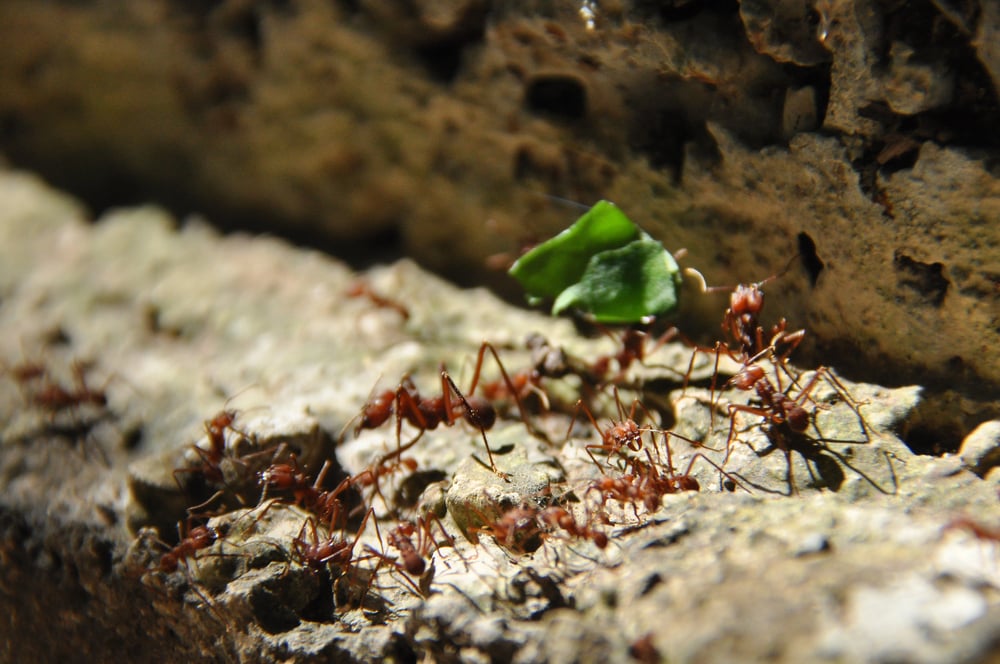
Beyond leafcutters, the entire attine ant subfamily practices agriculture. These ants have been farming for over 50 million years, making them far more experienced agriculturalists than humans.
They’ve developed different farming techniques depending on their species — some grow fungus on flower petals, others on caterpillar droppings. Some even practice crop rotation to maintain soil fertility.
Marsh Periwinkles
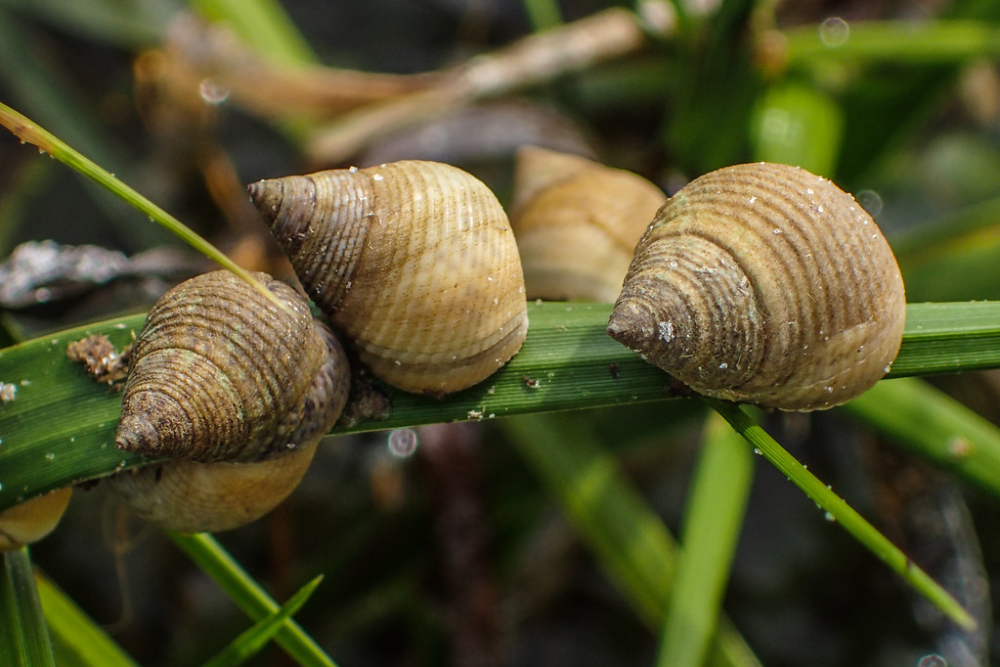
These small marine snails create and maintain their own gardens of fungus on salt marsh grasses. Marsh periwinkles wound the grass with their radula (feeding organ), then cultivate fungus in these wounds.
The fungus breaks down the tough plant material — making it easier for the snails to digest while providing essential nutrients they couldn’t obtain from raw grass alone.
Yeti Crabs
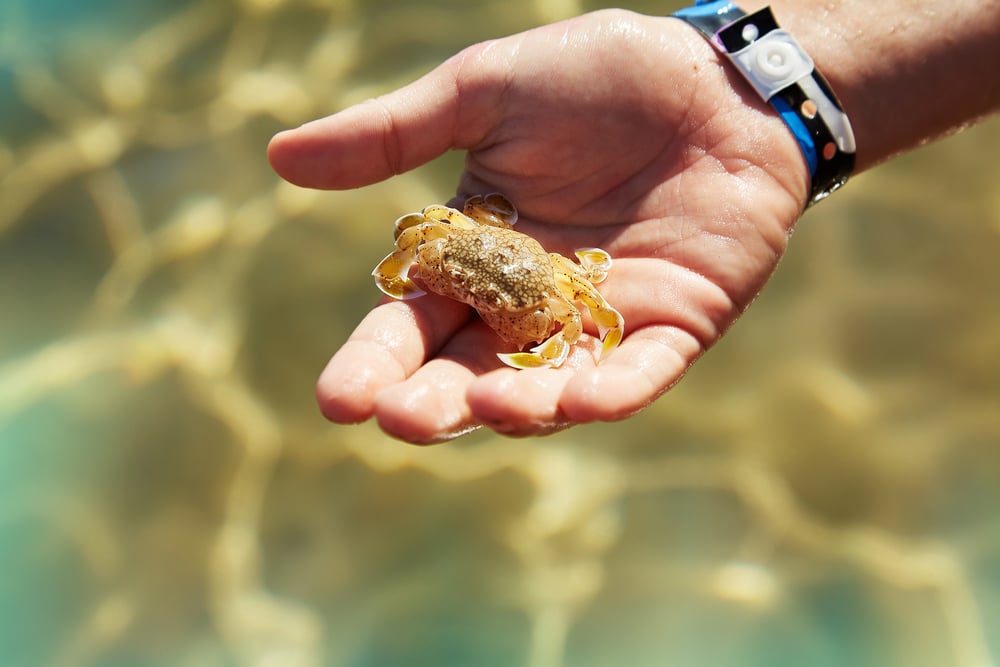
Living in the deep ocean near hydrothermal vents, yeti crabs have developed an unusual farming method. They cultivate bacteria on their hairy arms and claws — waving them in the mineral-rich water to feed their bacterial crops.
These bacteria convert the chemicals from the vents into food that the crabs can consume. It’s essentially turning toxic environments into productive farms.
Ambrosia Beetles
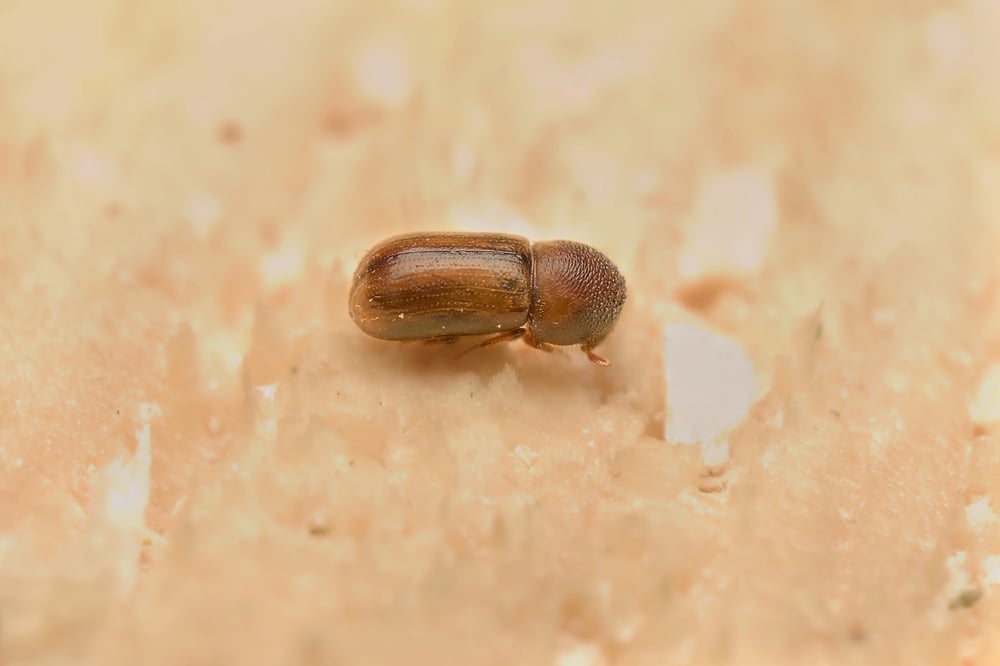
These tiny beetles are skilled fungus farmers who bore into trees and create galleries where they cultivate their crops. Female beetles carry fungal spores in special structures on their bodies — inoculating their tunnels with the right species.
The beetles tend their fungal gardens carefully, removing competing molds while maintaining perfect conditions for their food source to thrive.
Macrotermes Termites
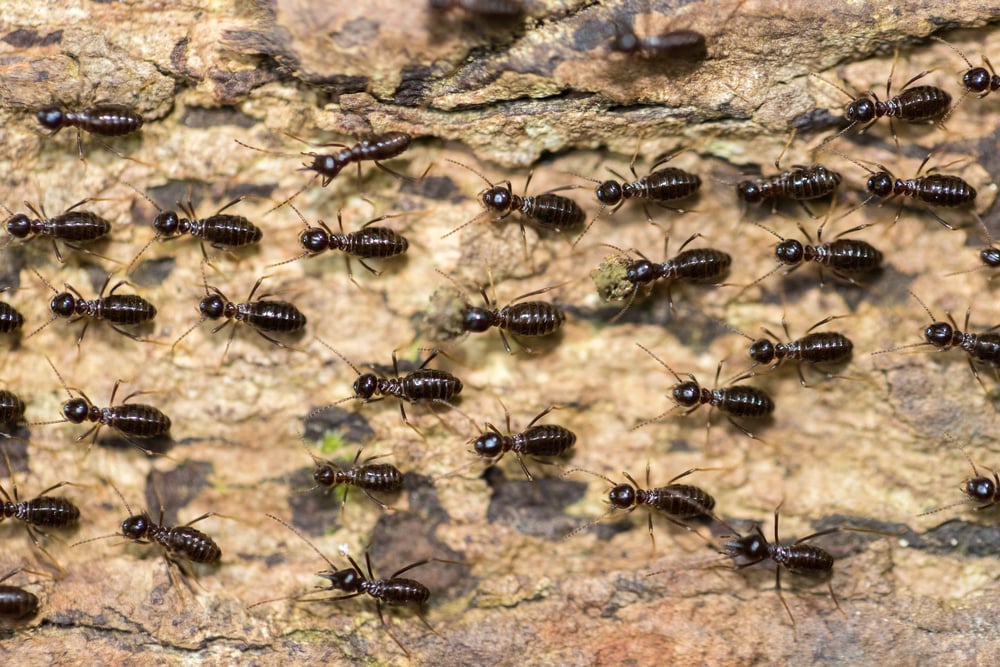
Macrotermes termites construct elaborate underground fungus gardens in specialized chambers within their mounds. They collect dead plant material, process it in their guts — then use their feces as fertilizer for growing fungus.
The termites maintain strict climate control in their gardens, with worker termites constantly adjusting ventilation and moisture levels to optimize growth conditions.
Bark Beetles
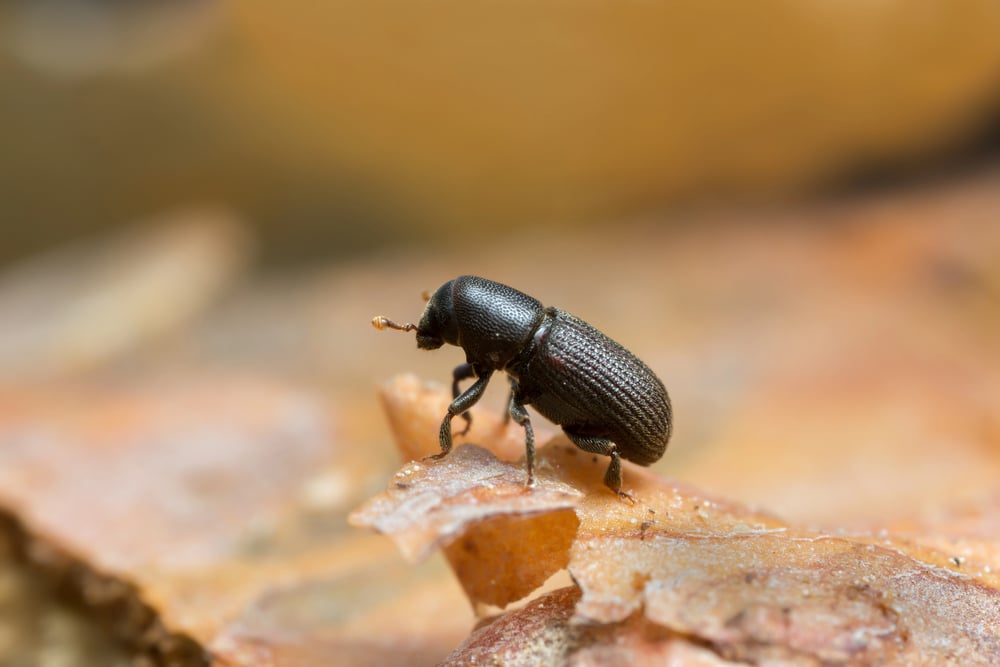
Many bark beetle species practice agriculture by farming symbiotic fungi within tree bark. These beetles have evolved special pouches called mycangia that carry fungal spores.
When they bore into trees, they inoculate the tunnels with their fungal partners — which help break down the wood and provide concentrated nutrition for developing beetle larvae.
Stingless Bees
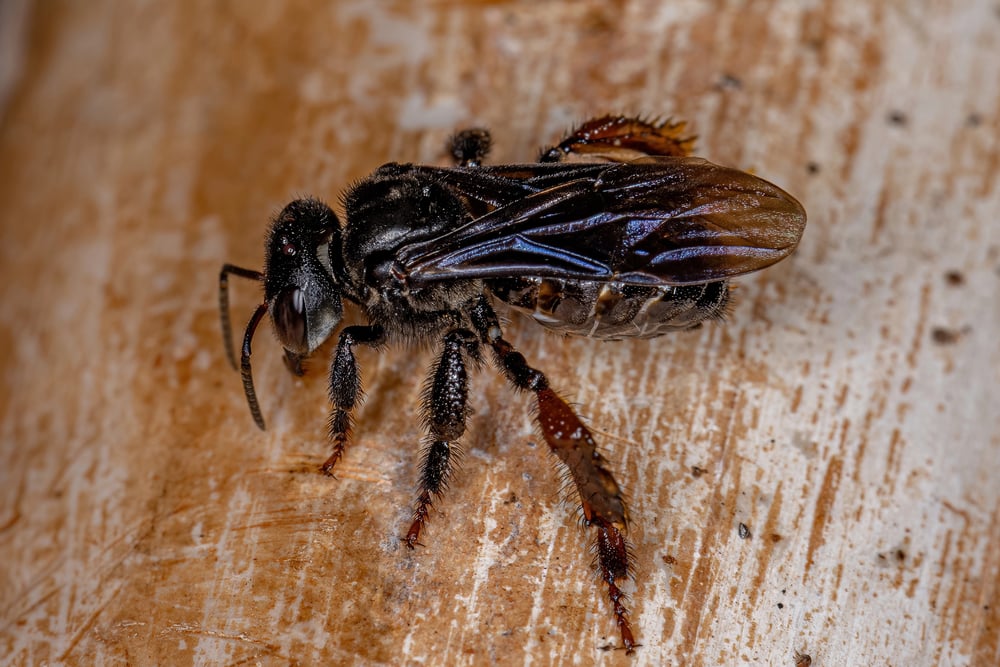
Some species of stingless bees engage in a form of agriculture by cultivating fungus to feed their larvae. These bees collect pollen and nectar, yet they also maintain fungal cultures within their nests.
The fungus helps process and preserve the food stores — creating a more nutritious and stable food supply for the developing bees.
Coral Polyps
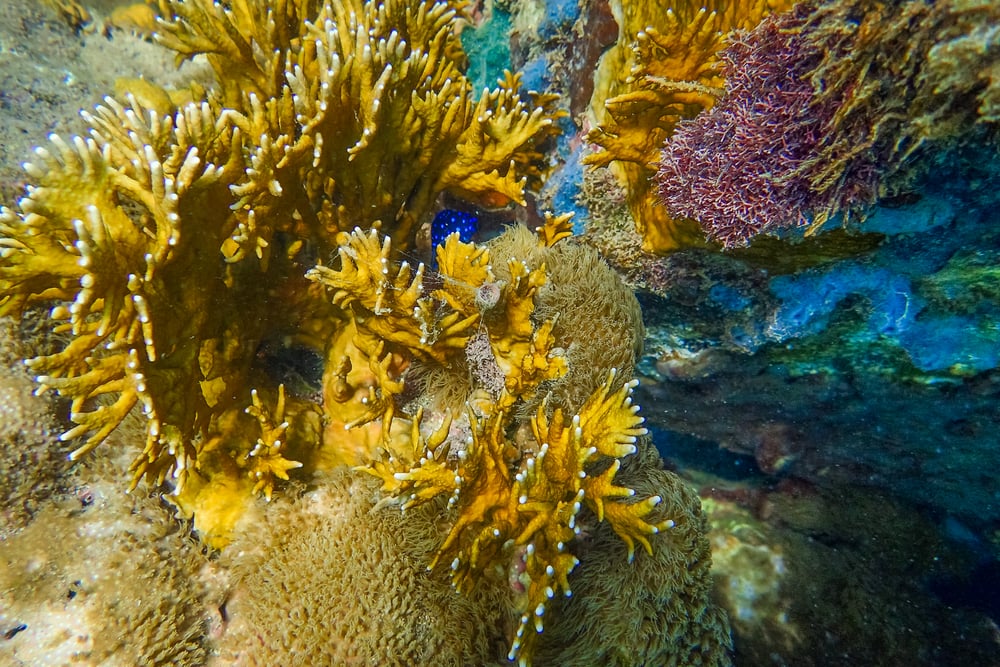
Coral polyps maintain one of the ocean’s most important agricultural relationships through their partnership with zooxanthellae algae. These tiny plants live within the coral tissues and photosynthesize — providing up to 90% of the coral’s nutritional needs.
In return, the coral provides the algae with protection and nutrients, creating a highly efficient farming system.
Aphids
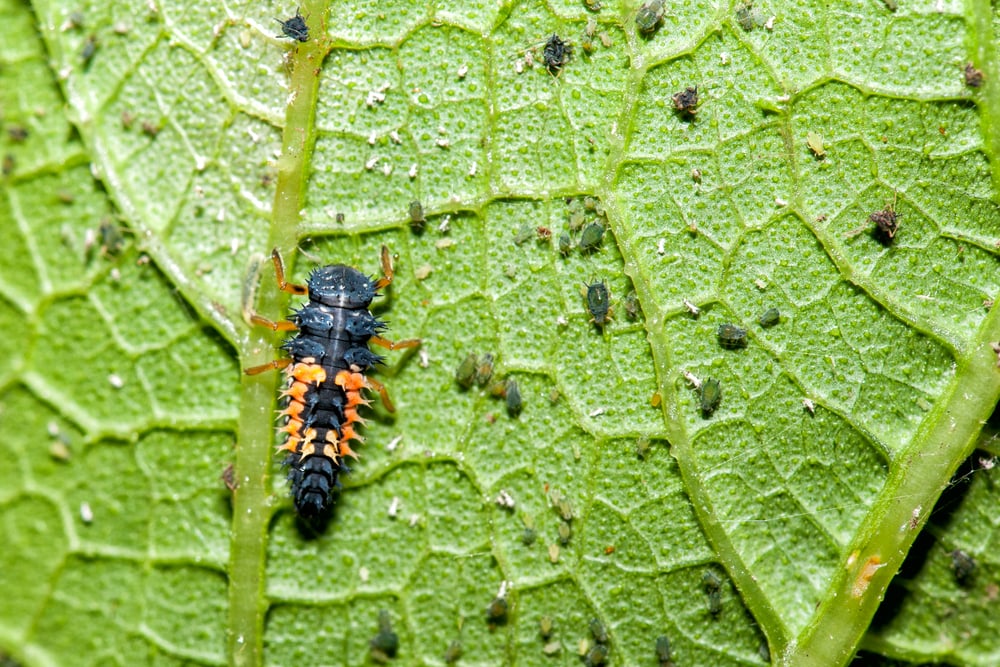
While not farmers in the traditional sense, aphids practice a form of livestock management by tending scale insects and other honeydew-producing bugs. Some aphid species move their ‘herds’ to fresh feeding areas and protect them from predators.
This relationship is so developed that some aphids have lost the ability to produce certain essential nutrients, depending entirely on their managed insects.
Wood Ants
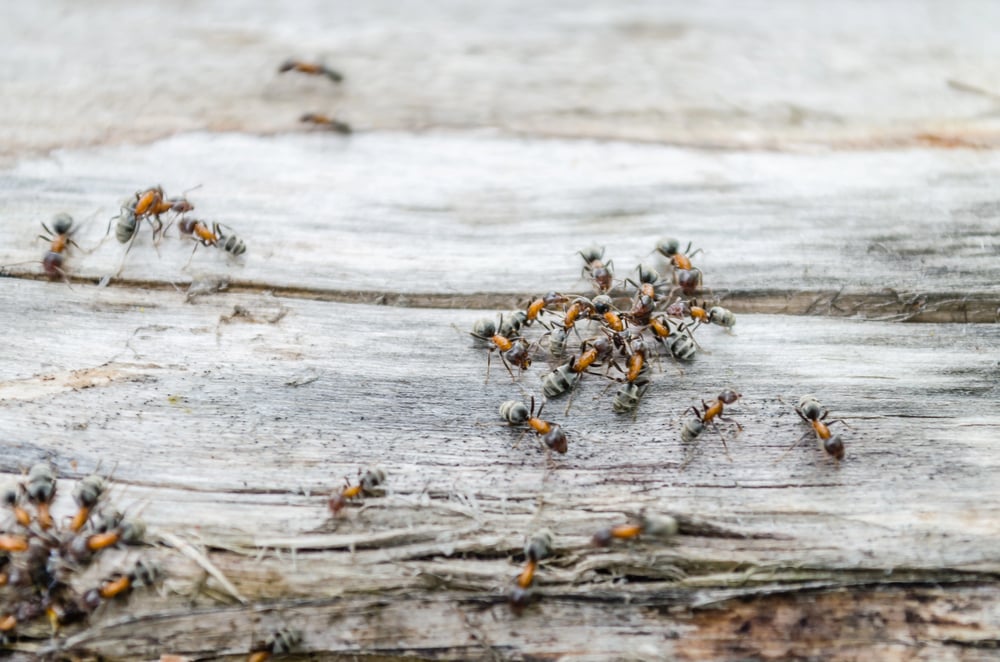
Certain wood ant species cultivate aphids like tiny cattle, protecting them from predators and parasites in exchange for honeydew. These ants will move aphids to better feeding locations, build shelters for them, and even carry them to safety during threats.
The relationship is so sophisticated that some aphids have evolved to produce more honeydew when stimulated by their ant farmers.
Pompano Fish
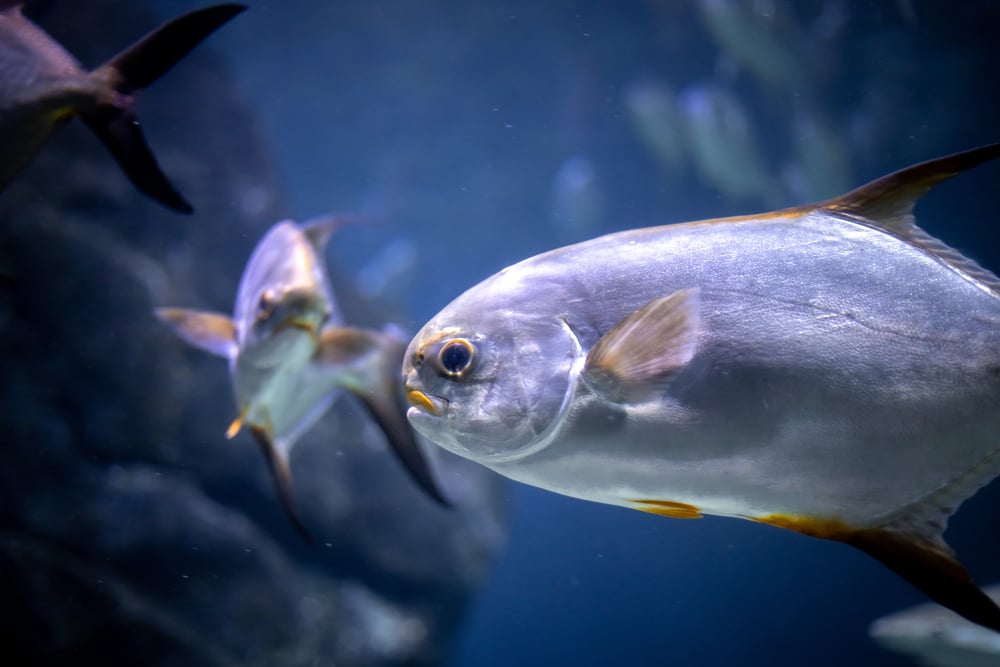
Adult pompano fish create and maintain cleaning stations where they cultivate beneficial bacteria and small organisms. These fish return regularly to specific locations where they’ve established microbial communities that help clean parasites and dead skin from their bodies.
By maintaining these spots, they ensure a consistent source of health services and food for the organisms they support.
Fungus-Growing Termites
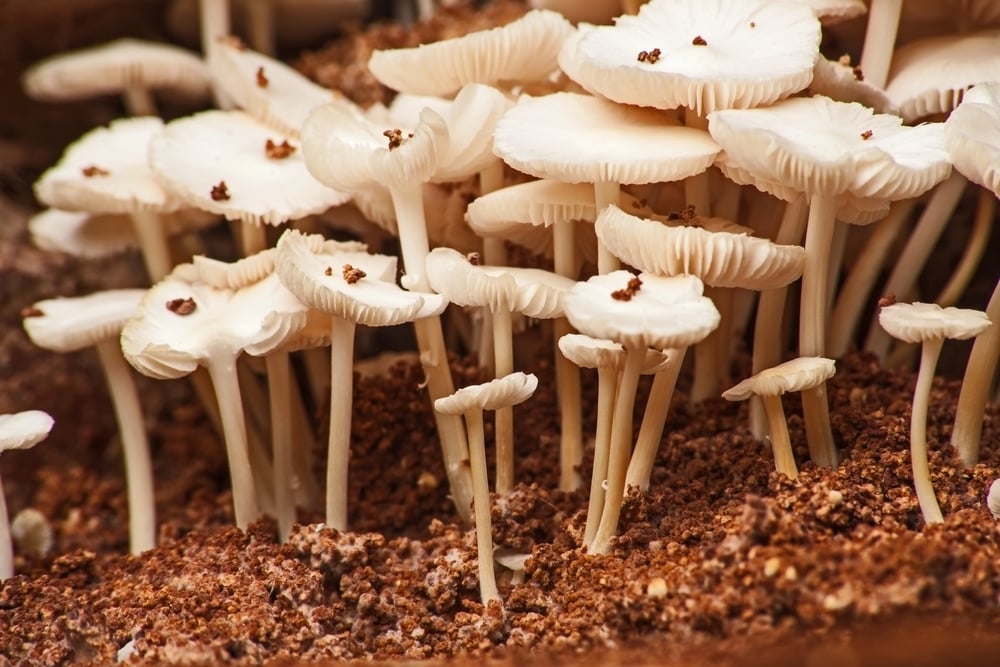
Beyond Macrotermes, several other termite species practice agriculture by growing fungus in specialized chambers. These termites have evolved different techniques for processing plant material and maintaining their crops.
Some species even practice companion planting, growing multiple fungus species together to create a more balanced and productive food system.
Snapping Shrimp
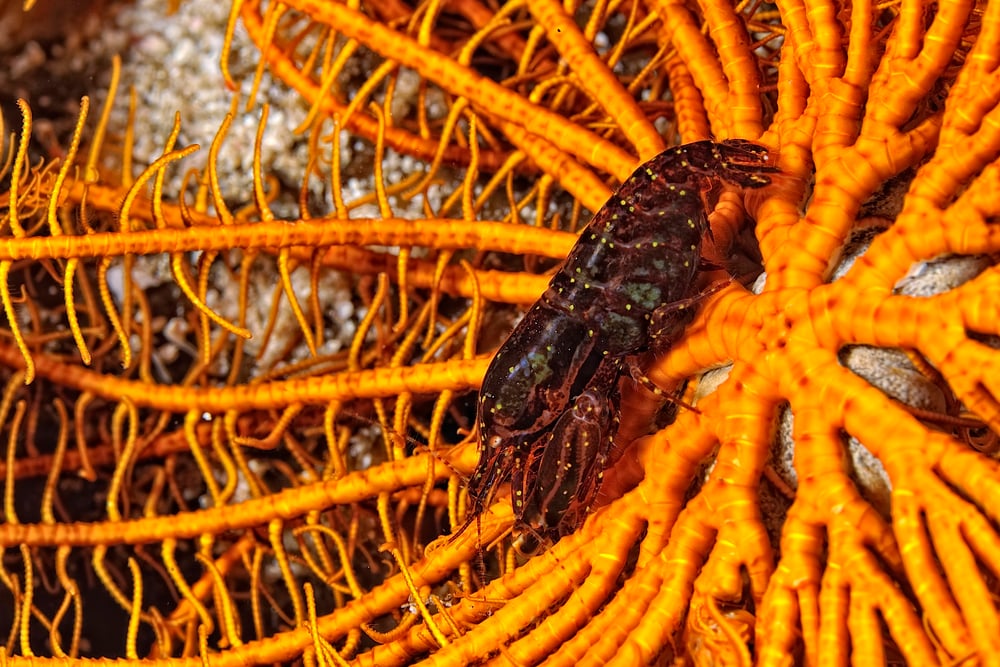
Some species of snapping shrimp cultivate algae gardens on sponges and other marine surfaces. These shrimp actively tend their algae patches, removing competitors while maintaining optimal growing conditions.
They’ve been observed transplanting algae to new locations and protecting their crops from grazing fish, demonstrating clear agricultural behavior.
Marsh Crabs
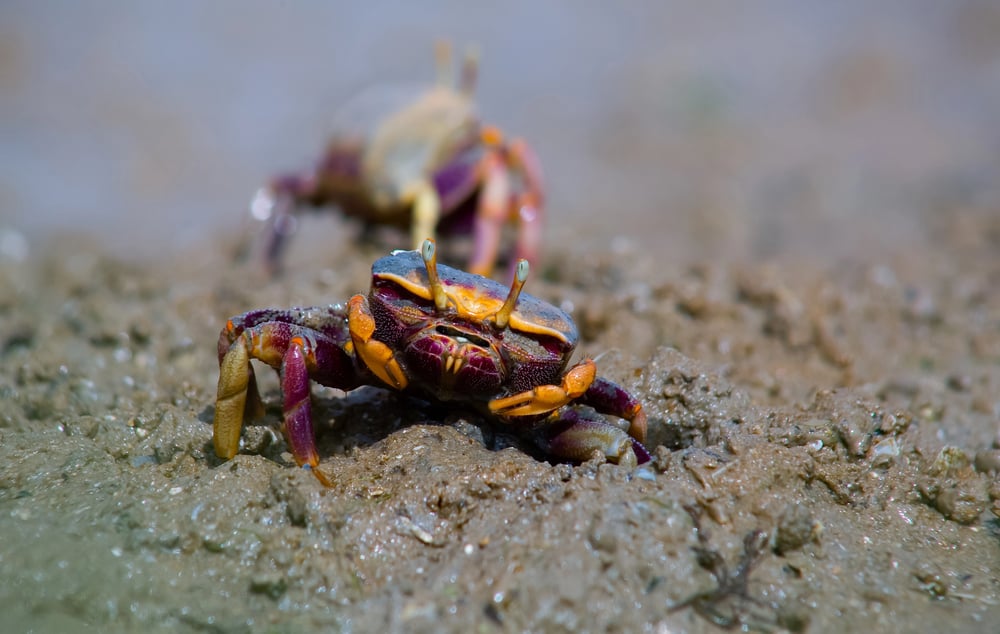
Certain marsh crab species practice agriculture by cultivating and harvesting specific types of algae and bacteria. These crabs create and maintain patches of their preferred food sources, actively managing the growth conditions by controlling water flow and removing competing organisms.
They return regularly to harvest their crops, much like human farmers visiting their fields.
Clownfish
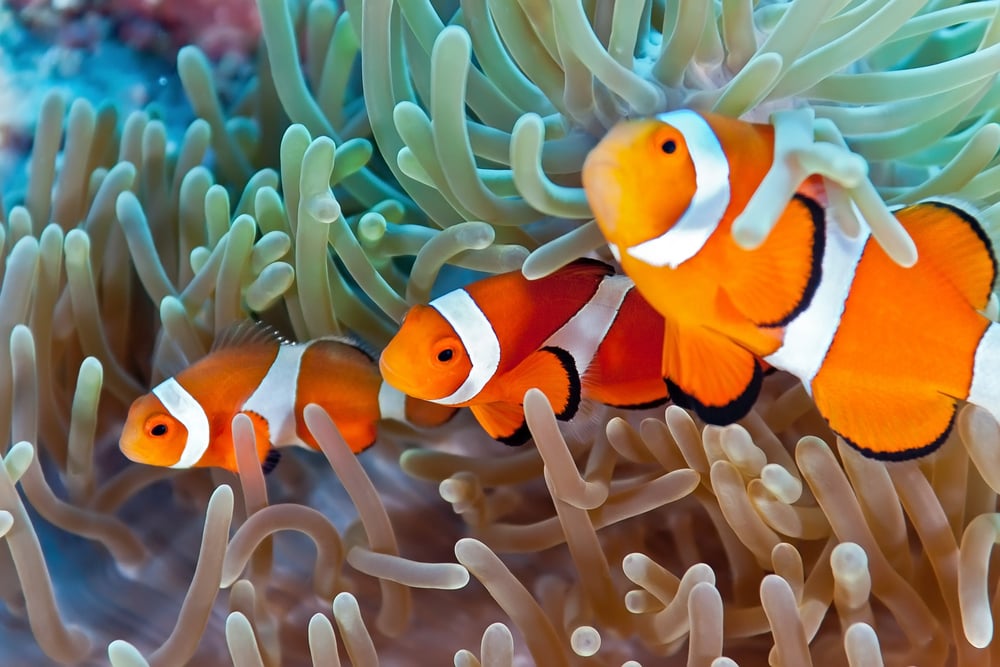
Clownfish engage in a form of agriculture through their relationship with sea anemones. While primarily known for their symbiotic protection arrangement, clownfish also help cultivate algae growth on their host anemones.
They remove debris, provide nutrients through their waste, and defend the anemone from threats. Essentially, they’re farming their living home for both shelter and food.
Lessons from Nature’s First Farmers
These remarkable animal agriculturalists remind us that the drive to cultivate and manage food sources runs deep in the natural world. Long before humans developed farming techniques, countless species had already mastered the art of sustainable agriculture.
They’d created systems that have thrived for millions of years. Their methods offer valuable insights into efficiency, sustainability, and the intricate relationships that make successful farming possible, proving that agriculture is truly one of life’s most fundamental innovations.
More from Go2Tutors!

- The Romanov Crown Jewels and Their Tragic Fate
- 13 Historical Mysteries That Science Still Can’t Solve
- Famous Hoaxes That Fooled the World for Years
- 15 Child Stars with Tragic Adult Lives
- 16 Famous Jewelry Pieces in History
Like Go2Tutors’s content? Follow us on MSN.