14 Coffee Shops That Changed Everything
Coffee culture didn’t emerge overnight. The bustling coffeehouses of 17th-century London evolved into today’s Wi-Fi-enabled third spaces through the influence of certain establishments that completely transformed how we think about, consume, and experience coffee. These weren’t just places serving great brews—they were pioneers that shifted entire industries, sparked social movements, and redefined what it means to grab a cup of joe.
The coffee shops on this list didn’t follow trends. They created them. Here’s a list of 14 coffee shops that genuinely changed everything about coffee culture as we know it.
Lloyd’s of London Coffee House

Edward Lloyd opened a coffee house in London back in 1686 that would accidentally birth the world’s most famous insurance market. Merchants, ship captains, and underwriters gathered there to conduct business over steaming cups—sharing information about shipping routes and cargo risks while the coffee grew cold.
Lloyd’s became the unofficial headquarters for marine insurance, with patrons scribbling policies on napkins and table scraps. This humble coffee shop evolved into Lloyd’s of London, which remains the world’s leading insurance marketplace today.
Café de Flore

When Café de Flore opened in Paris in 1887, it quickly became the intellectual heartbeat of the city. Writers like Jean-Paul Sartre and Simone de Beauvoir practically lived there—crafting existentialist philosophy between sips of café au lait while cig smoke curled around their heated debates.
The café’s red banquettes witnessed the birth of countless literary works and political movements. Flore proved that coffee shops could transcend their basic function, becoming cultural institutions where ideas fermented alongside perfectly roasted beans.
Caffè Reggio

Domenico Parisi brought something revolutionary to New York’s Greenwich Village when he opened Caffè Reggio in 1927: America’s first espresso machine. This gleaming copper beast—imported directly from Italy—introduced Americans to proper espresso culture decades before Starbucks existed.
The café became a bohemian gathering spot where beat poets and folk singers discovered that coffee could be an art form rather than just a morning necessity.
Peet’s Coffee

Alfred Peet changed American coffee forever with his Berkeley shop in 1966. Most Americans were drinking weak, over-roasted coffee from cans, yet Peet introduced them to dark-roasted, European-style beans with actual flavor profiles.
He personally taught the founders of Starbucks everything they knew about coffee roasting—making him the grandfather of America’s coffee revolution. Peet’s single-handedly elevated American coffee standards and sparked the specialty coffee movement that continues today.
The Original Starbucks

That first Starbucks at Pike Place Market wasn’t serving frappuccinos when it opened in 1971. The founders—trained by Alfred Peet himself—simply sold high-quality coffee beans and equipment to home brewers who wanted something better than grocery store coffee.
Howard Schultz later joined and transformed the company into the coffeehouse chain we know today, redefining coffee from a commodity into an experience while creating the modern concept of the ‘third place’ between work and home.
Blue Bottle Coffee

James Freeman started Blue Bottle in 2002 with a philosophy that seemed radical at the time: coffee should be treated like wine, with attention to origin, processing, and freshness. His Oakland farmers market stand grew into a movement that prioritized single-origin beans—along with precise brewing methods and beans roasted within 48 hours of serving.
Blue Bottle proved that consumers would pay premium prices for genuinely superior coffee, paving the way for today’s third-wave coffee culture.
Intelligentsia Coffee

Chicago’s Intelligentsia pioneered direct trade relationships with coffee farmers when it launched in 1995—bypassing traditional importers to ensure better prices for growers and superior beans for customers. They introduced cupping sessions to the public, teaching regular coffee drinkers to taste notes and terroir like wine enthusiasts would appreciate vintage characteristics.
Intelligentsia transformed coffee appreciation from casual consumption into serious craft, influencing an entire generation of specialty roasters.
Stumptown Coffee

Duane Sorensen opened Stumptown in Portland in 1999 with an obsessive focus on bean quality and brewing precision that bordered on fanatical. The company popularized cold brew on a massive scale—introducing many Americans to pour-over brewing methods through their meticulous barista training programs.
Stumptown’s influence spread far beyond Portland, inspiring countless independent roasters to prioritize craft over convenience.
Café Central

Vienna’s Café Central established the template for European coffeehouse culture in 1876—one that still influences establishments worldwide. With its grand architecture, newspapers from around the world, and intellectual atmosphere, Central demonstrated that coffee shops could be elegant social institutions rather than mere refreshment stops.
The café’s tradition of providing newspapers, chess sets, and comfortable seating for extended stays became the standard model for coffeehouses across Europe and beyond.
Café Tortoni

Buenos Aires’s Café Tortoni opened in 1858 and quickly became the cultural heart of Argentina’s capital—helping establish South America’s distinctive café culture in the process. The ornate café hosted tango performances, literary readings, and political discussions, proving that coffee shops could serve as community centers in developing nations.
Tortoni’s model influenced café culture throughout Latin America, where coffee shops remain central to social life.
Caffè Greco
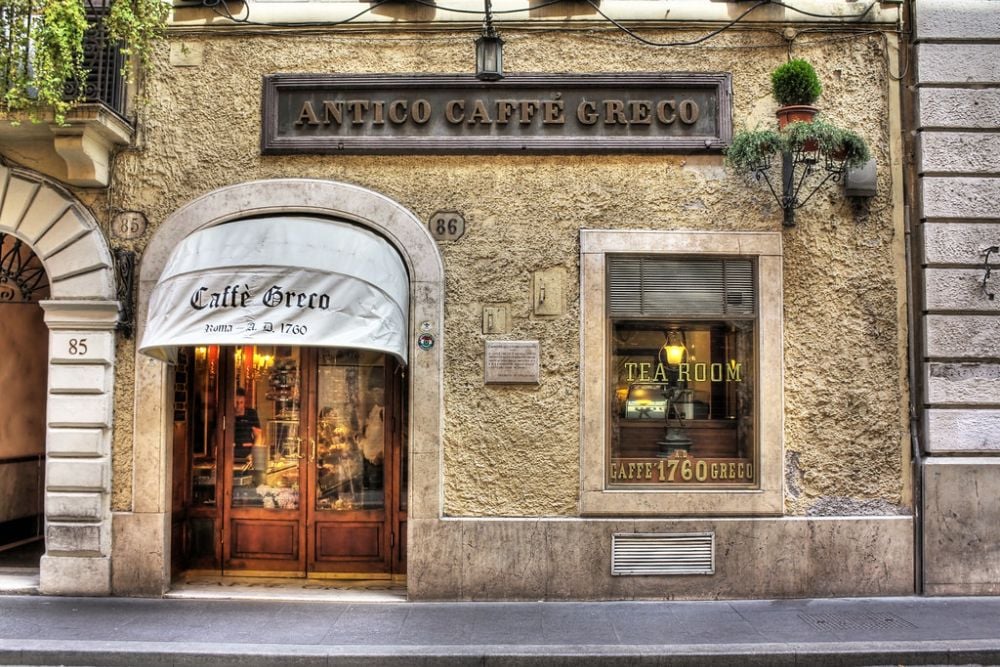
Rome’s Caffè Greco attracted artists and writers from across Europe after its establishment in 1760, including luminaries like Goethe, Byron, and Keats. The café demonstrated that coffee houses could transcend national boundaries, becoming international gathering places for creative minds.
Greco’s influence helped spread Italian coffee culture throughout Europe while establishing the romantic notion of the artist’s café that persists in popular culture today.
Café A Brasileira

Lisbon’s Café A Brasileira revolutionized Portuguese coffee culture when it opened in 1905 by importing Brazilian beans directly and serving them at affordable prices. The café’s bold motto, ‘The best coffee is from Brazil and is drunk at A Brasileira,’ challenged European coffee snobbery while proving that great coffee didn’t need to be expensive.
This democratization of quality coffee influenced café culture throughout Portugal and its former colonies.
Indian Coffee House
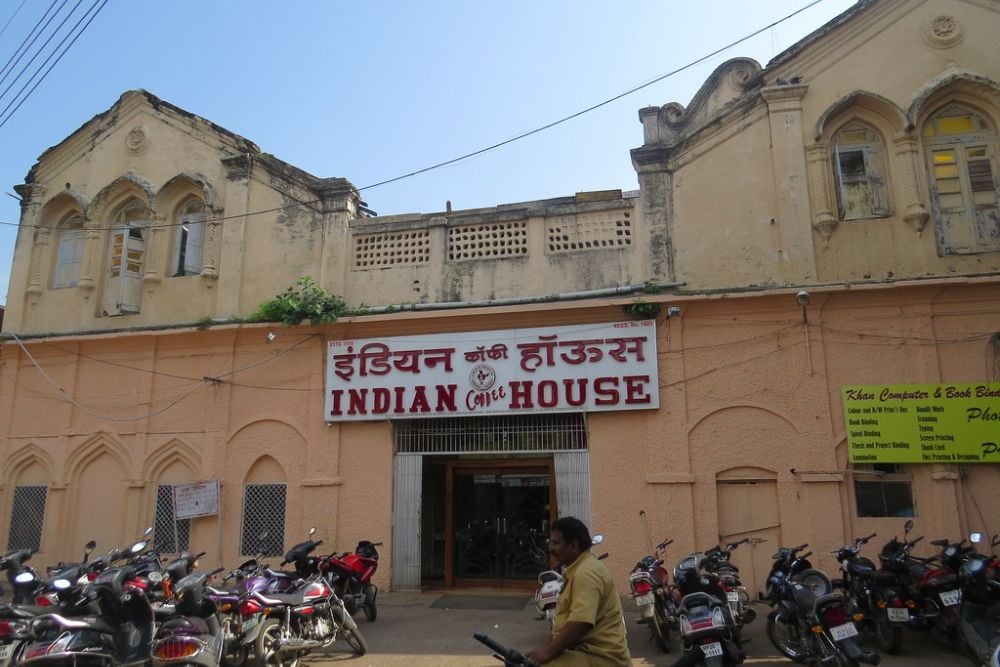
The Indian Coffee House chain became a symbol of India’s intellectual and political awakening after independence when it was established in 1957. These government-supported cafés provided affordable gathering spaces for students, writers, and activists across the country.
The distinctive architecture and standardized menu created a uniquely Indian coffee culture that balanced Western café traditions with local needs and economics.
Café de la Paix
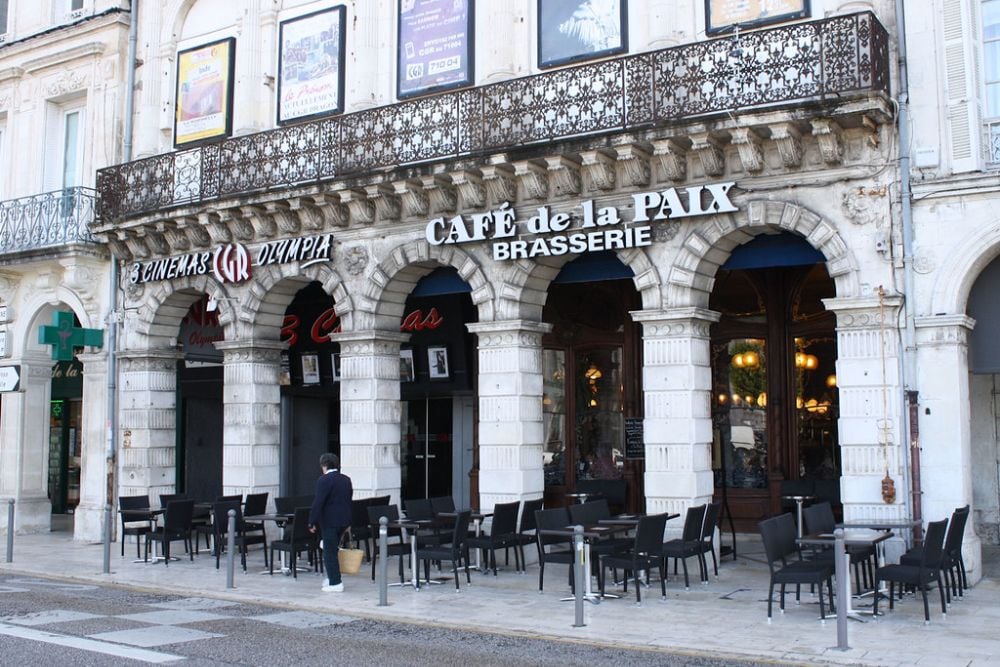
Paris’s Café de la Paix established the grand café tradition that would influence upscale coffee culture worldwide after opening in 1862 near the Opera House. With its opulent interior and prime location, the café attracted international celebrities and set the standard for luxury coffee experiences.
La Paix showed that coffee shops could be destinations in themselves, not just convenient stops for caffeine.
Where We Stand Today

These pioneering coffee shops didn’t just change how we drink coffee—they transformed how we socialize, work, and think about public spaces. From Lloyd’s accidental creation of modern insurance to Starbucks’ reinvention of the American coffeehouse, each establishment proves that great coffee shops become cultural institutions.
Today’s specialty coffee movement, with its emphasis on origin, craft, and community, directly traces its roots to these groundbreaking establishments. The next time you order a pour-over or settle into a café with your laptop, remember that you’re participating in a tradition shaped by centuries of coffee innovation.
More from Go2Tutors!

- The Romanov Crown Jewels and Their Tragic Fate
- 13 Historical Mysteries That Science Still Can’t Solve
- Famous Hoaxes That Fooled the World for Years
- 15 Child Stars with Tragic Adult Lives
- 16 Famous Jewelry Pieces in History
Like Go2Tutors’s content? Follow us on MSN.