17 Bizarre Dietary Habits Of Legendary Visionaries
History’s greatest minds were often strange people. Not in a romantic, misunderstood-genius sort of way — but in a “he only ate apples for a week and thought that cured body odor” sort of way.
The relationship these visionaries had with food says a lot about how they operated: obsessive, ritualistic, and completely unbothered by what anyone else thought. Some of their habits were harmless quirks.
Others were genuinely alarming. All of them are fascinating.
Nikola Tesla and His Warm Milk and Honey Ritual

Tesla became increasingly restrictive with food as he aged. By the end of his life, he had reduced his diet almost entirely to warm milk, honey, and vegetable juices.
He believed this combination was enough to sustain a working mind, and he seemed more interested in feeding the pigeons outside his New York hotel room than feeding himself. He reportedly spent a fortune on pigeon food and even brought injured birds indoors to nurse them back to health — all while subsisting on very little himself.
Steve Jobs Ate One Thing at a Time
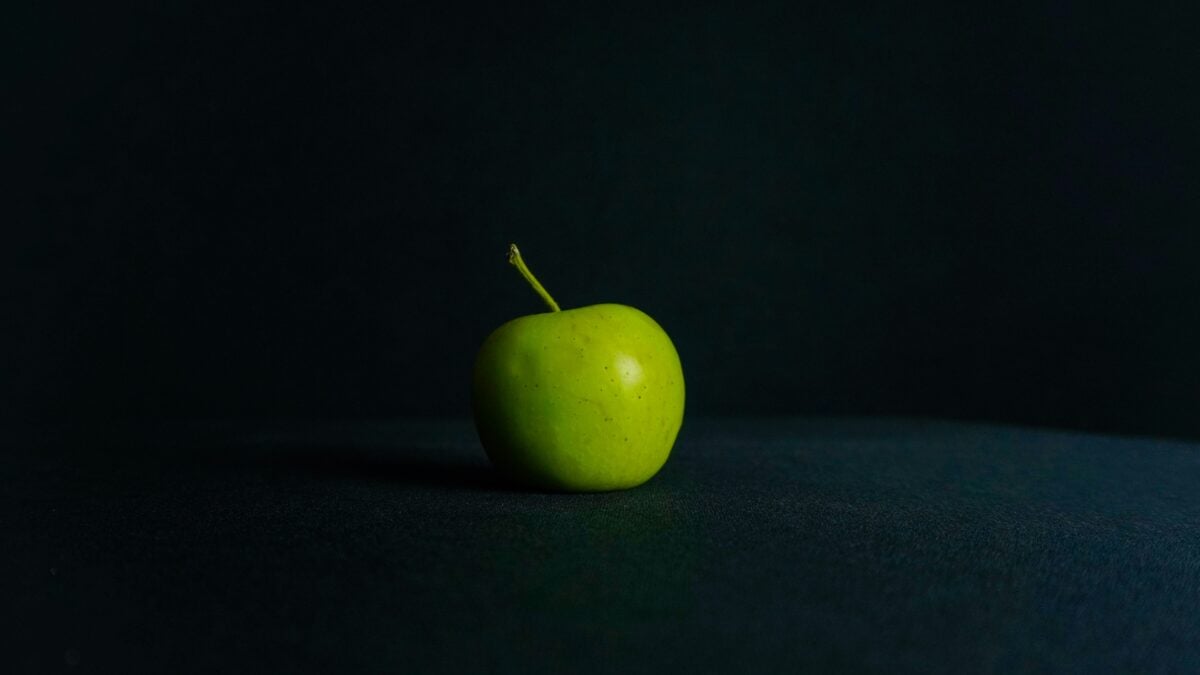
Jobs went through extended periods of eating only a single food. Apples. Carrots. Pureed fruit.
He would lock in on one item and eat it exclusively for weeks, sometimes months. He genuinely believed this kind of mono-diet cleansed his body and eliminated the need to wear deodorant.
His colleagues at Apple had a different opinion on that second part. He also fasted frequently, sometimes going several days without eating during intense work periods, which he treated as a feature rather than a problem.
Charles Darwin Ate His Discoveries
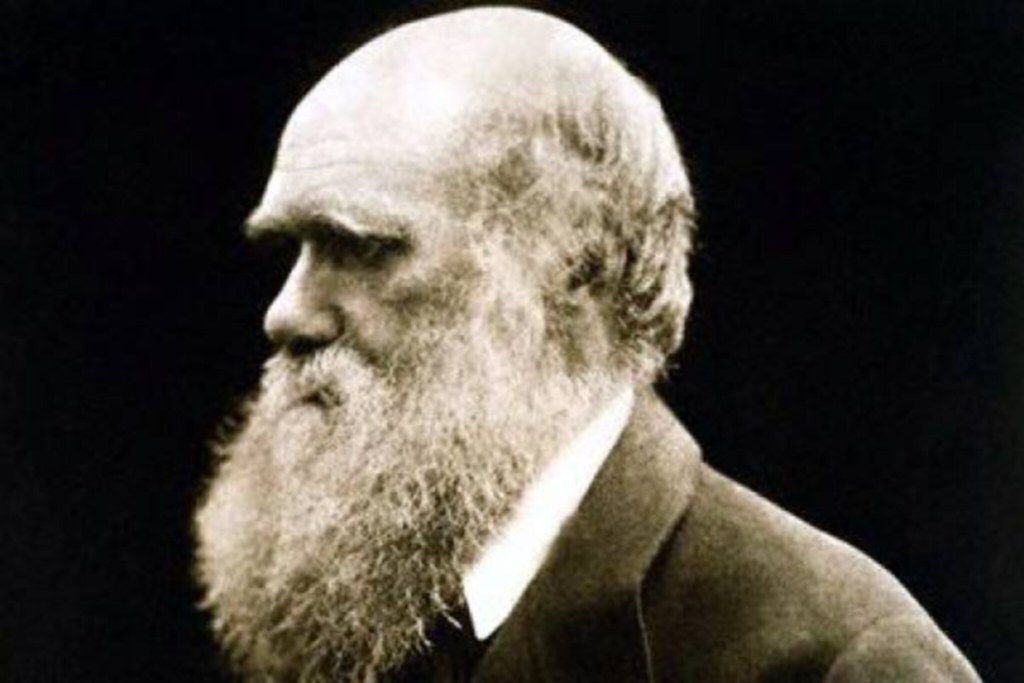
Darwin wasn’t just interested in cataloguing exotic species — he wanted to taste them. As a member of the Glutton Club at Cambridge, he made it his mission to eat animals that were unusual or rarely consumed.
He worked his way through hawk, bittern, and brown owl over the years. The owl, he reported, was “indescribable.”
Not in a good way. His adventurous palate was less about nutrition and more about curiosity taken to its logical, slightly troubling extreme.
Franz Kafka Chewed Each Bite Dozens of Times
Kafka became devoted to a practice called Fletcherism, developed by an American health advocate named Horace Fletcher. The idea was simple: chew every bite of food until it became completely liquid before swallowing.
Fletcher recommended around 32 chews per bite. Kafka took this seriously.
He was already an anxious, meticulous person, and Fletcherism gave his anxiety a new outlet. Meals reportedly took a very long time, and eating with him was not a relaxing experience for anyone involved.
Voltaire Drank Up to 72 Cups of Coffee Per Day
Accounts vary on the exact number, but most historians agree Voltaire consumed somewhere between 40 and 72 cups of coffee daily. He mixed his with chocolate, which at least added some calories to the equation.
His doctor told him the habit would kill him. Voltaire reportedly found this amusing and kept drinking.
He lived to 83, which made him one of the longest-lived major writers of his era. He never slowed down, on the coffee or the writing.
Honoré de Balzac’s Coffee-Fueled Writing Marathon

Balzac approached coffee the way some people approach a controlled substance. He drank it in extraordinary quantities — reportedly 50 cups a day during heavy writing periods — and he preferred it thick, almost paste-like, made from grounds he sometimes chewed directly.
He described the physical sensation of extreme caffeine consumption in striking detail in his own essays, noting the racing thoughts, the trembling hands, and the sense that his mind was working faster than his pen could follow. He produced more than 90 novels.
His heart gave out at 51.
Thomas Edison Survived on Milk
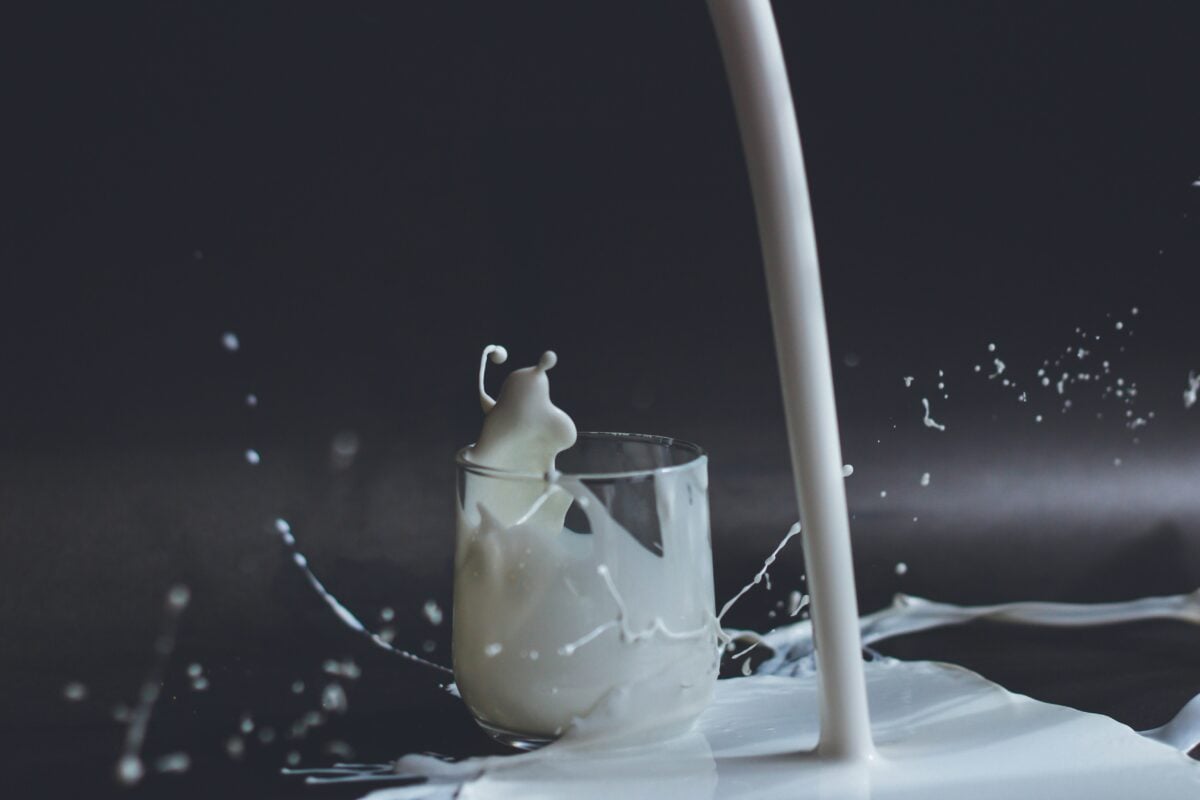
Edison went through a period where he ate almost nothing but milk. Not for weeks — for months.
He became convinced that a liquid diet was easier for the body to process and would allow more mental energy to be directed toward invention. He drank a pint of milk every few hours throughout the day and considered it a complete nutritional system.
His associates found this habit strange even by Edison’s standards, which was a high bar.
Winston Churchill Drank Champagne Before Noon

Churchill treated alcohol less like a beverage and more like a food group. He started his mornings with weak whisky and soda, moved through champagne with most meals, and considered a decent Cognac after dinner non-negotiable.
What makes this genuinely bizarre rather than just indulgent is how structured it was. He had specific rules about what he drank and when.
Champagne was a particular fixture — he drank it at lunch, at dinner, and sometimes before either. He also ate at odd hours, often having breakfast in bed and working from there until early afternoon.
Lord Byron Starved Himself to Stay Thin
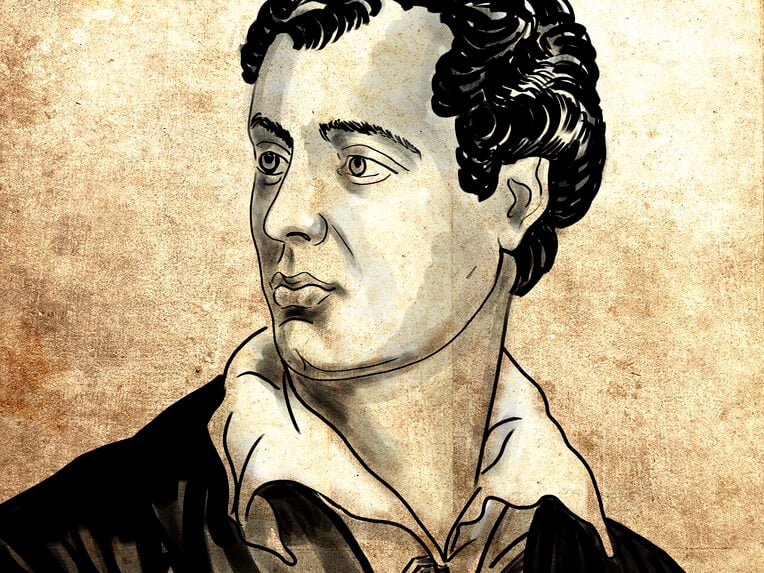
Byron was obsessed with his weight in a way that was less about health and more about image. He wanted to appear gaunt and poetic, and he pursued this through dramatic food restriction.
At various points he lived almost entirely on biscuits and soda water, or potatoes drenched in vinegar, which he believed suppressed appetite. He weighed himself constantly. He once wrote that he would rather die than be fat.
His diet caused significant physical damage over time and reflected an anxiety about appearance that consumed a significant portion of his mental energy alongside the poetry.
Howard Hughes Ate Ice Cream for Every Meal
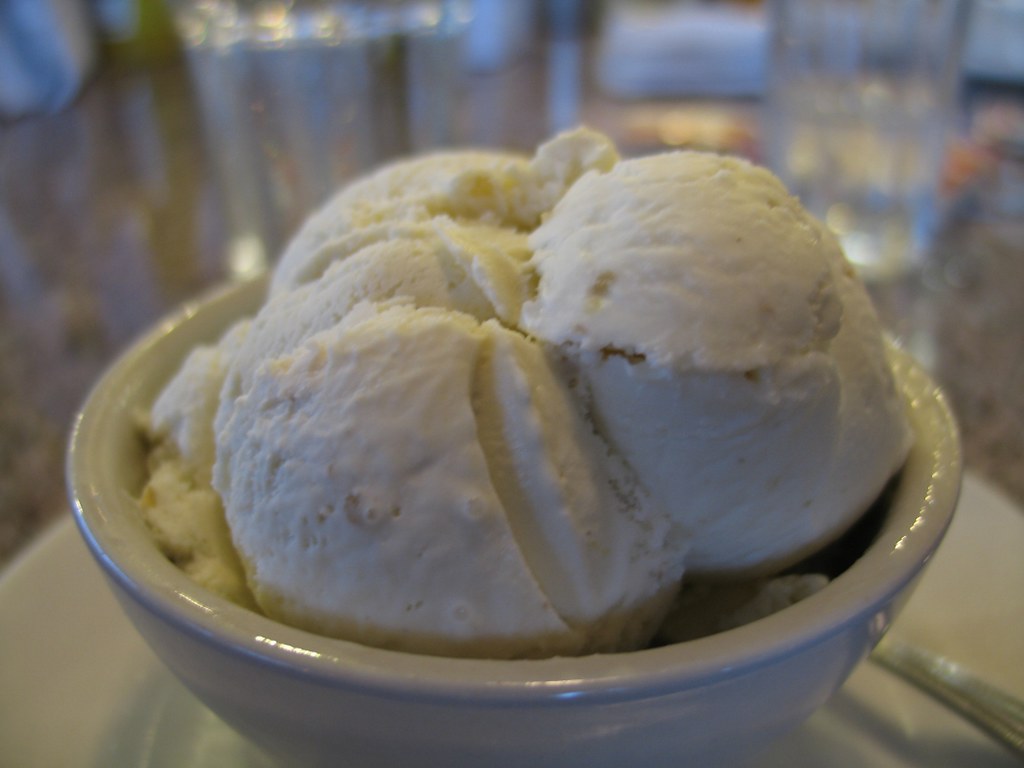
During one of his more extreme periods, Hughes ate nothing but ice cream — specifically Baskin-Robbins’ Banana Nut flavor — for an extended stretch. When that flavor was discontinued, he reportedly bought up the entire remaining stock and then fell into something of a crisis about what to eat next. He later shifted to a period of eating only chicken. Not different preparations of chicken.
The same specific part of the chicken, prepared in the same way, every day. His relationship with food mirrored his broader struggle with obsession and control.
Pythagoras Had a Serious Problem with Beans

The mathematician and philosopher believed that beans contained human souls. This was not a casual opinion — it was central to his philosophy and he enforced it strictly among his followers.
Eating beans was forbidden. Being near beans was suspicious.
The prohibition was so serious that, according to ancient accounts, Pythagoras died partly because of it. Fleeing enemies, he reportedly refused to cross a bean field and was caught as a result.
Whether that story is accurate is debated, but the bean prohibition itself is well-documented.
Immanuel Kant Ate One Meal a Day, Every Day at Noon
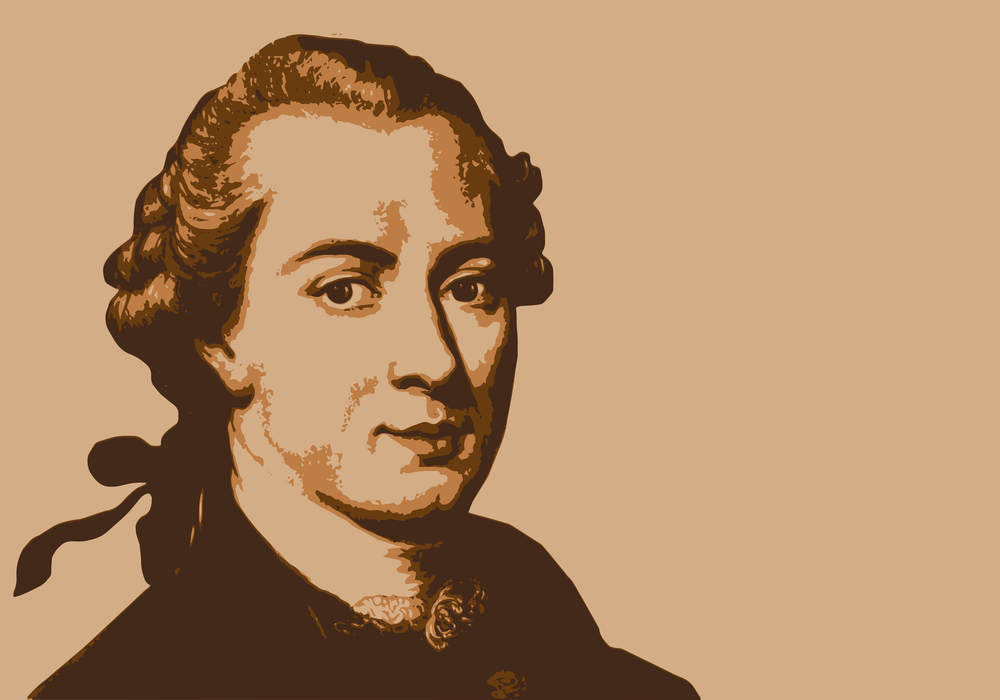
Kant’s life was organized around a routine so rigid that neighbors reportedly set their clocks by his afternoon walk. His eating matched this.
He ate one meal per day, always at noon, and it was always substantial enough to serve as his only food for the day. He believed multiple meals disrupted thought.
He also invited guests frequently but had a rule: the number of diners had to be more than the Graces (three) and fewer than the Muses (nine), meaning between four and eight people at the table. Kant had opinions about everything, including table size.
Salvador Dali Turned Eating Into Performance

Dali treated meals as theatrical events. He had strong preferences for very specific foods — sea urchins, barnacles, and unusual shellfish featured heavily — and he insisted on elaborate presentations regardless of where he was eating. He wrote an entire cookbook, “Les Diners de Gala,” which is part recipe collection and part surrealist artwork, featuring instructions for dishes with names like “Thousand-Year-Old Eggs Cooked With Time.”
He banned certain foods from his table entirely, including anything he found visually uninteresting. The experience of dining with Dali was, by most accounts, not relaxing.
Benjamin Franklin’s Cold Air Diet
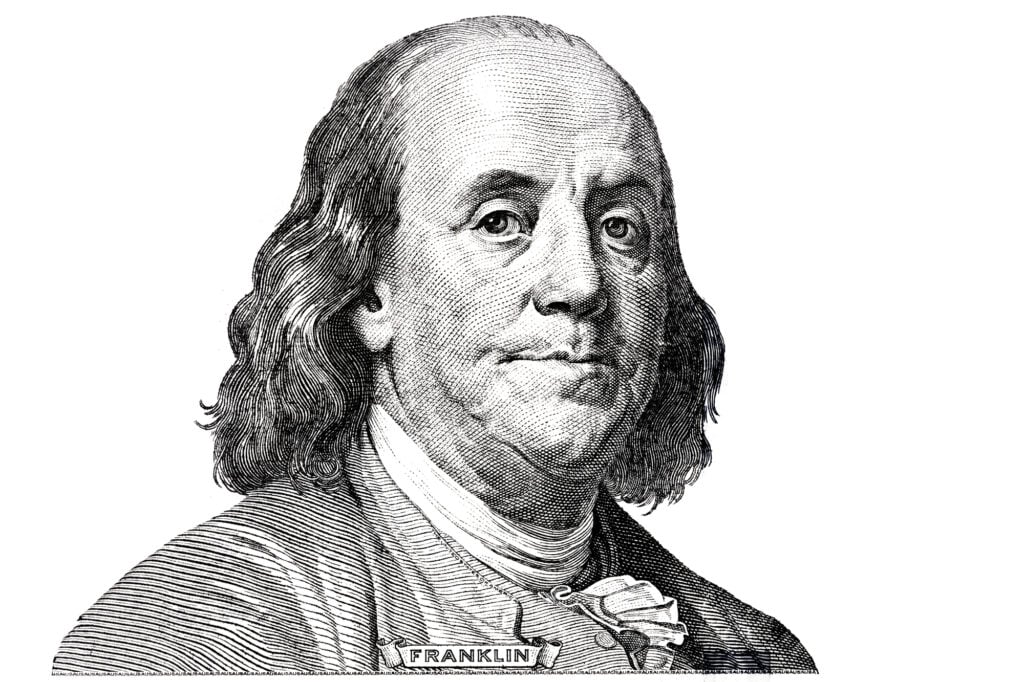
Franklin was an enthusiastic experimenter, and he applied this to his own body. He believed in “air baths” — sitting undressed in front of an open window for extended periods — as a health practice. He also went through a vegetarian phase as a teenager, primarily because it was cheaper and he could use the food money to buy books.
He gave it up later in life but remained convinced that simpler food in smaller quantities produced better thinking. He also had strong opinions about the right amount of wine, which he considered a legitimate health measure in moderation.
Ludwig van Beethoven’s Bread and Fish Obsession
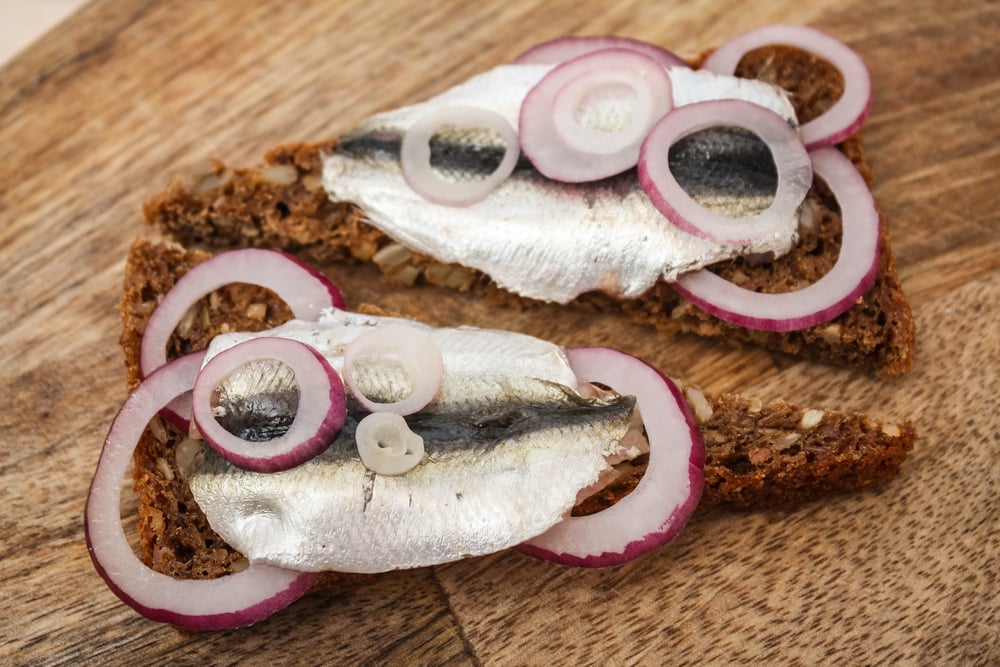
Beethoven was a difficult person to cook for. He had strong preferences and strong dislikes, and he expressed both loudly. He loved fish — particularly river fish — and ate it with bread in a way that bordered on ritualistic.
He was also known to throw food at servants when it displeased him, which was frequently. His domestic life was chaotic in every dimension, and meals were no exception. Despite these preferences, he often forgot to eat entirely when composing, then made up for it all at once in meals that his stomach apparently did not appreciate.
Marcel Proust Ate Almost Nothing
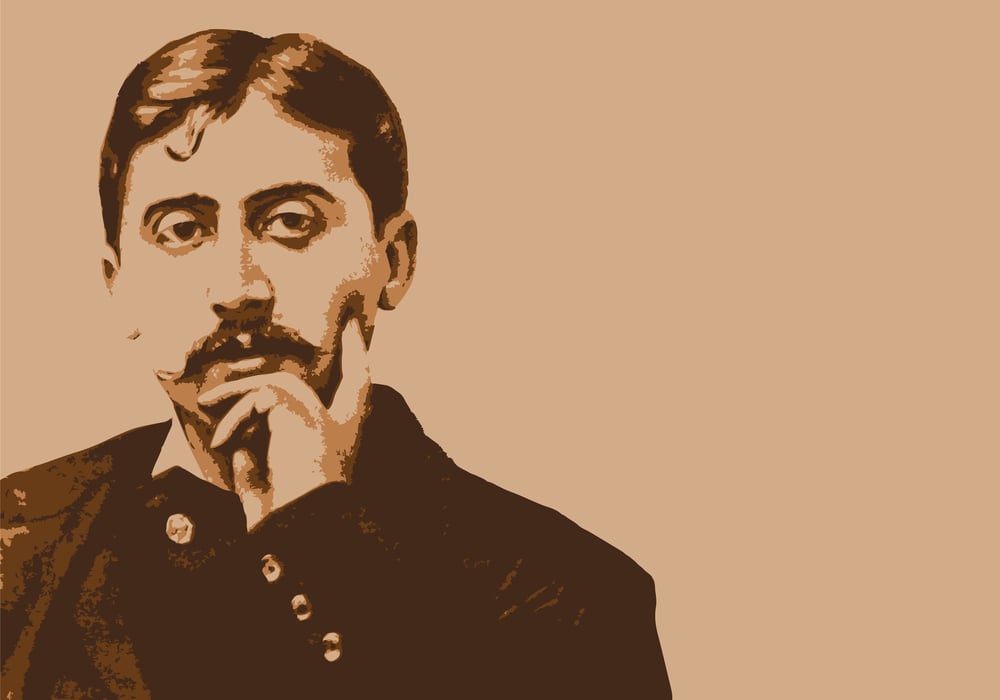
By the end of his life, Proust had reduced his diet to café au lait and croissants, consumed in the early hours of the morning before he slept. He spent most of his later years in a cork-lined room, writing, and he treated eating as an inconvenience.
He was deeply interested in the sensory memory triggered by food — most famously the madeleine dipped in tea — but this interest was intellectual rather than practical. He did not eat because he enjoyed eating.
He ate because the body insisted.
Isaac Newton Regularly Forgot to Eat

Meals at Newton’s often stayed on the table, uneaten, according to those who kept house for him. Sitting down to eat could spark an idea so fast that halfway through he’d rise without finishing.
Off he’d go, pulled by some sudden insight, leaving forks beside plates growing colder by the minute. Later, when time stretched long behind him, the dishes remained exactly where they were.
Just like rest, feeding himself felt more like a pause than anything worth prioritizing. One friend remembered how meals would pass him by, unnoticed.
Not because he believed in fasting, but because numbers filled his thoughts so completely there was little room left for hunger.
Strange meals from history reveal unexpected truths
A thread connects these behaviors, tied more to mastery than diet. Not one liked being boxed in by standard schedules – too slow for how they thought.
They rewrote the script daily, even when deciding meals. What landed on their fork became yet another chance to answer only to themselves.
Body took the hit for some. Others, Voltaire included, laughed at doctors’ guesses.
Yet the thread linking them? Not meal plans – rather how fiercely they chased their path. Focus that deep on a thought, formula, artwork, or music piece turns meals into fixation, sometimes forgotten entirely.
Balance seldom shows up there. When somebody says your eating habits seem odd, remember you’re not alone.
Strange tastes have plenty of fans.
More from Go2Tutors!

- The Romanov Crown Jewels and Their Tragic Fate
- 13 Historical Mysteries That Science Still Can’t Solve
- Famous Hoaxes That Fooled the World for Years
- 15 Child Stars with Tragic Adult Lives
- 16 Famous Jewelry Pieces in History
Like Go2Tutors’s content? Follow us on MSN.



