16 Romantic Movies That Defined Date Nights
Date night movies do more than just entertain. They create shared emotional experiences that couples carry with them long after leaving the theater. The best romantic films become cultural reference points—shaping how entire generations think about love, relationships, and what romance should look like.
Certain movies transcend entertainment to become relationship blueprints. These films establish expectations, create inside jokes between couples, and influence how people approach their own love lives. Here is a list of 16 romantic movies that defined date nights and continue shaping modern romance.
Casablanca (1942)
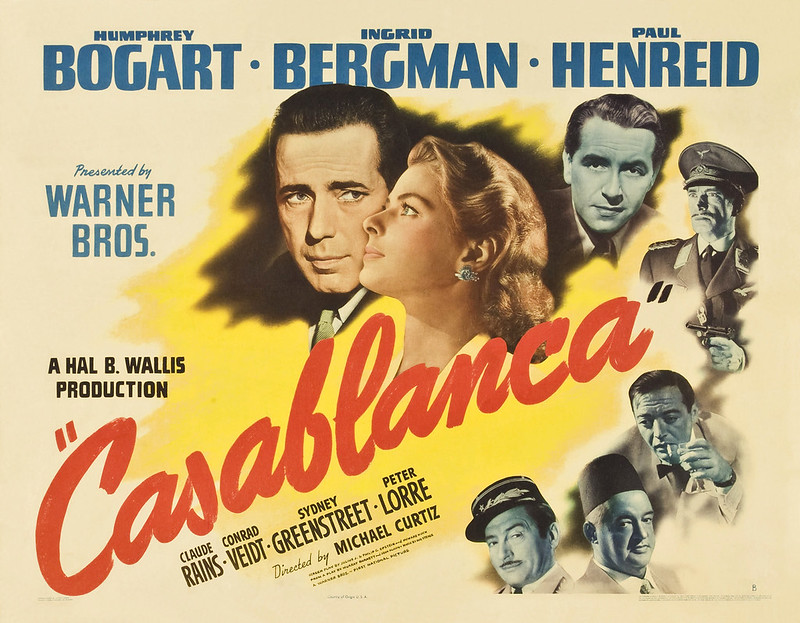
Casablanca created the template for noble, sacrificial love that still makes couples swoon eighty years later. Rick and Ilsa’s impossible romance proved that sometimes loving someone means letting them go—though their chemistry made “Here’s looking at you, kid” into the most quoted line in romantic history.
The Princess Bride (1987)

The Princess Bride turned fairy tale tropes into something fresh and funny while delivering genuine romantic moments. Westley’s devotion to Buttercup gave us “true love” as both sincere emotion and knowing wink—creating a romance that works for cynics and hopeless romantics alike.
When Harry Met Sally (1989)

When Harry Met Sally asked the ultimate question: can men and women really be friends without romance getting in the way? The film’s realistic approach to modern dating made it feel like a documentary—while proving that the best relationships often grow from genuine friendship.
Ghost (1990)
Ghost proved that love could literally transcend death, turning pottery-making into cinema’s most parodied romantic scene. Patrick Swayze’s posthumous devotion to Demi Moore created a supernatural love story—though the film’s thriller elements kept it from becoming overly sentimental.
Pretty Woman (1990)

Pretty Woman updated Cinderella for the modern era, creating a fairy tale where transformation goes both ways. Julia Roberts’ charm made audiences believe in love that transcends social barriers—while the shopping montages established impossibly high standards for romantic generosity.
Sleepless in Seattle (1993)

Sleepless in Seattle popularized the idea of destined love and romantic fate in ways that seem almost quaint now. The film proved that emotional connection could develop without physical presence—though Tom Hanks and Meg Ryan’s limited screen time together made their chemistry feel even more magical.
You’ve Got Mail (1998)

You’ve Got Mail captured early internet romance when email felt revolutionary rather than routine. The anonymous correspondence between enemies-turned-lovers created a template for online relationships—though the film’s portrayal of digital dating seems innocent compared to modern apps.
Titanic (1997)

Titanic combined epic historical drama with intense young love, proving that romance could work on the biggest possible scale. Leo and Kate’s class-crossing passion felt both grand and intimate—while the ship’s inevitable fate gave every romantic moment devastating poignancy.
The Notebook (2004)
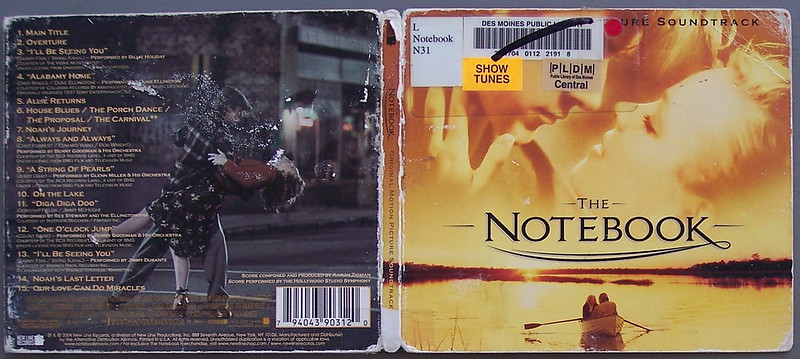
The Notebook redefined romantic devotion through its portrayal of love that survives decades, social pressure, and memory loss itself. Ryan Gosling’s passionate pursuit of Rachel McAdams created unrealistic expectations for real relationships—though the film’s dual timeline showed how true love evolves over time.
Eternal Sunshine of the Spotless Mind (2004)
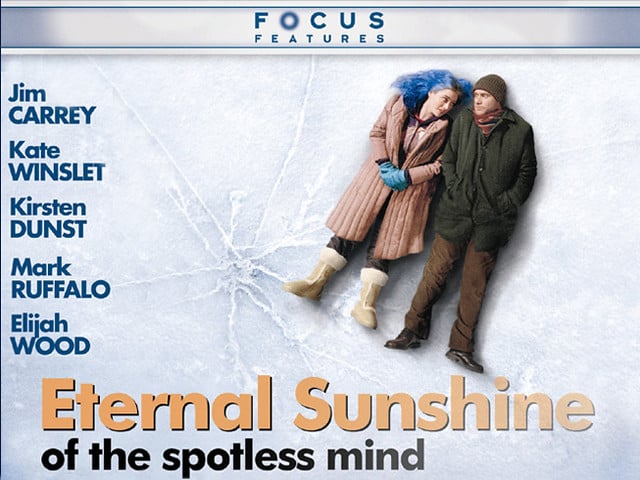
Eternal Sunshine explored whether we’d choose to forget painful relationships if we could—ultimately deciding that even bad memories have value. Jim Carrey and Kate Winslet’s complex dynamic challenged romantic movie conventions—proving that unconventional love stories could be just as moving as traditional fairy tales.
500 Days of Summer (2009)

500 Days of Summer deconstructed romantic comedy formulas while exploring the gap between expectations and reality in modern dating. Joseph Gordon-Levitt’s unrequited obsession with Zooey Deschanel challenged the notion that persistence always wins love. The film’s non-linear structure reflected how relationships actually feel when you’re living through them rather than watching from outside.
La La Land (2016)
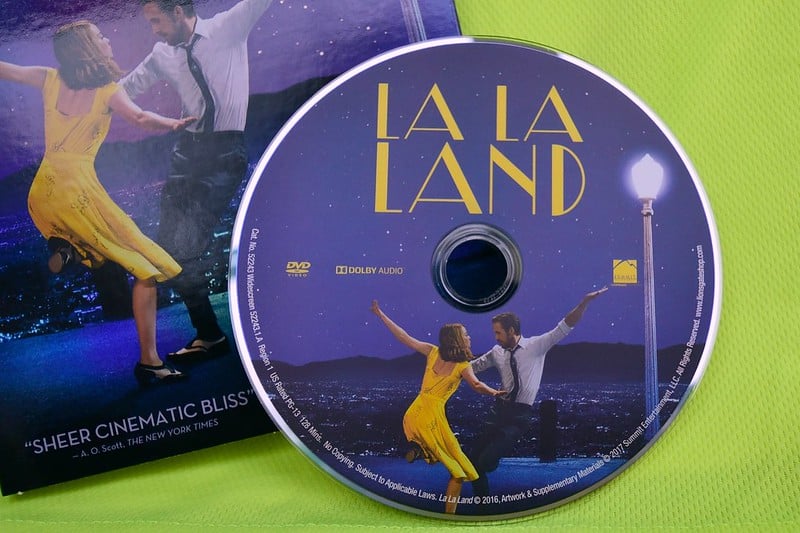
La La Land combined classic Hollywood musical magic with contemporary relationship challenges that feel completely modern. Ryan Gosling and Emma Stone’s chemistry carried the film’s exploration of career versus love dilemmas. The movie’s bittersweet ending acknowledged that sometimes supporting someone’s dreams means accepting that you might not be part of their future.
The Proposal (2009)

The Proposal updated fake relationship tropes through Sandra Bullock and Ryan Reynolds’ chemistry that gradually becomes genuine affection. The film’s workplace romance elements reflected how professional and personal lives increasingly intersect in modern dating. Fish-out-of-water comedy provided laughs while the story explored immigration, family expectations, and cultural differences with surprising depth.
Crazy, Stupid, Love (2011)

Crazy, Stupid, Love examined romance from multiple generational perspectives while proving that love can be reinvented at any age. Steve Carell’s midlife relationship crisis paralleled Ryan Gosling’s younger romance in ways that showed how dating challenges remain consistent across decades. The interconnected storylines demonstrated how romantic decisions ripple through entire families and communities.
About Time (2013)

About Time used time travel to explore how small romantic moments create meaningful relationships over grand gestures. Domhnall Gleeson’s ability to relive encounters taught him that authenticity beats perfection every time. The film expanded love’s definition beyond romantic partnerships to include family relationships and everyday appreciation for ordinary moments.
A Star Is Born (2018)

A Star Is Born updated classic Hollywood romance for contemporary audiences while exploring how fame and addiction complicate even perfect love. Bradley Cooper and Lady Gaga’s musical collaboration created authentic chemistry that felt both intimate and epic. The movie’s tragic elements reminded viewers that love alone can’t solve every problem, though it can inspire great art.
Movies That Write Love’s Rules

These romantic films prove that cinema shapes how people understand and pursue love in real life. Each movie created cultural touchstones that couples reference, romantic gestures they attempt, and relationship expectations that extend far beyond entertainment. While Hollywood romance rarely matches real-world complexity, these films provide emotional blueprints that help people navigate modern love’s challenges. The best romantic movies don’t just show us love stories—they teach us how to write better ones ourselves.
More from Go2Tutors!

- The Romanov Crown Jewels and Their Tragic Fate
- 13 Historical Mysteries That Science Still Can’t Solve
- Famous Hoaxes That Fooled the World for Years
- 15 Child Stars with Tragic Adult Lives
- 16 Famous Jewelry Pieces in History
Like Go2Tutors’s content? Follow us on MSN.