17 Details About The Founding of Las Vegas That Sound Made Up
Las Vegas stands as a monument to human imagination and ambition in the middle of the Nevada desert. The glittering metropolis that attracts millions of visitors annually had humble beginnings that are just as fascinating as its present-day extravagance.
Many of the historical details behind Sin City’s origin story seem almost too outlandish to be true. Here is a list of 17 surprising facts about the founding of Las Vegas that might leave you wondering if they were dreamt up in one of the city’s famous casino showrooms.
A Railroad Auction Created the City
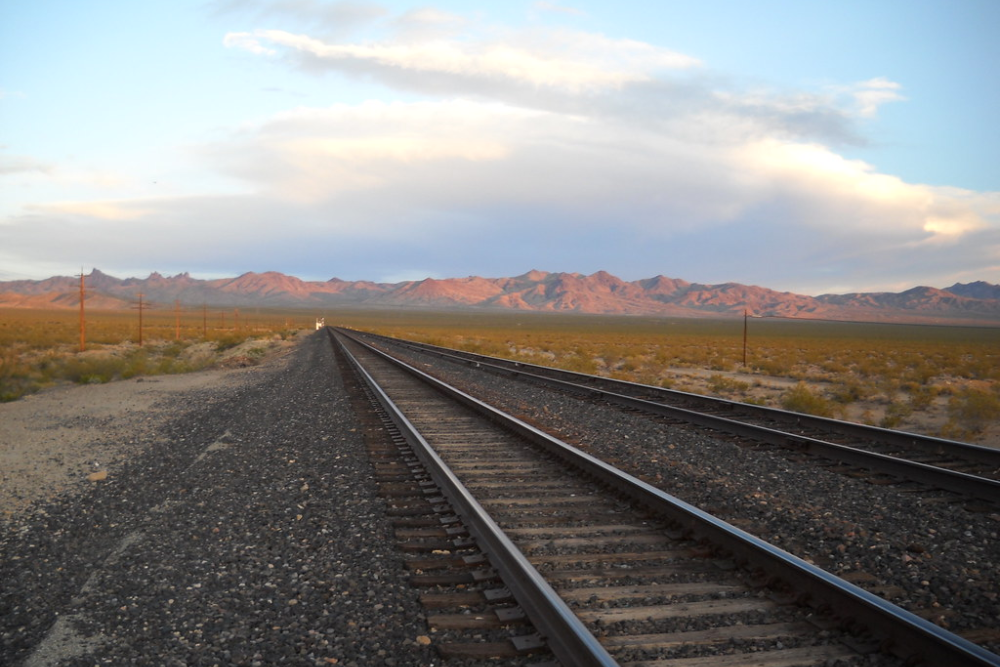
The modern Las Vegas was essentially born at a land auction on May 15, 1905, when the San Pedro, Los Angeles & Salt Lake Railroad auctioned off 1,200 parcels of land in just one day. This wasn’t some grand urban planning initiative but merely a commercial venture to create a maintenance stop along the railway.
The entire town layout was designed in a single afternoon by railroad survey engineers with little thought given to its potential future as an entertainment capital.
Indigenous Peoples Named It First

The name ‘Las Vegas’ means ‘the meadows’ in Spanish, but the area was known to Southern Paiute natives as ‘the place of rushing water’ long before European settlers arrived. The natural springs created a rare desert oasis that sustained life for thousands of years before disappearing in the 20th century due to groundwater pumping.
These springs were so reliable and unexpected in the harsh environment that they seemed almost magical to early travelers.
Mormon Settlers Built a Fort That Failed

The first attempt at European settlement in Las Vegas was a Mormon mission established in 1855. The settlers built an adobe fort and attempted to farm the area, but abandoned the settlement after only two years due to harsh conditions and conflicts with local Native Americans.
The remains of this fort eventually became the oldest building in Las Vegas, though the original settlers never imagined their failed venture would someday sit in the shadow of mega-resorts.
It Was Once Part of Arizona
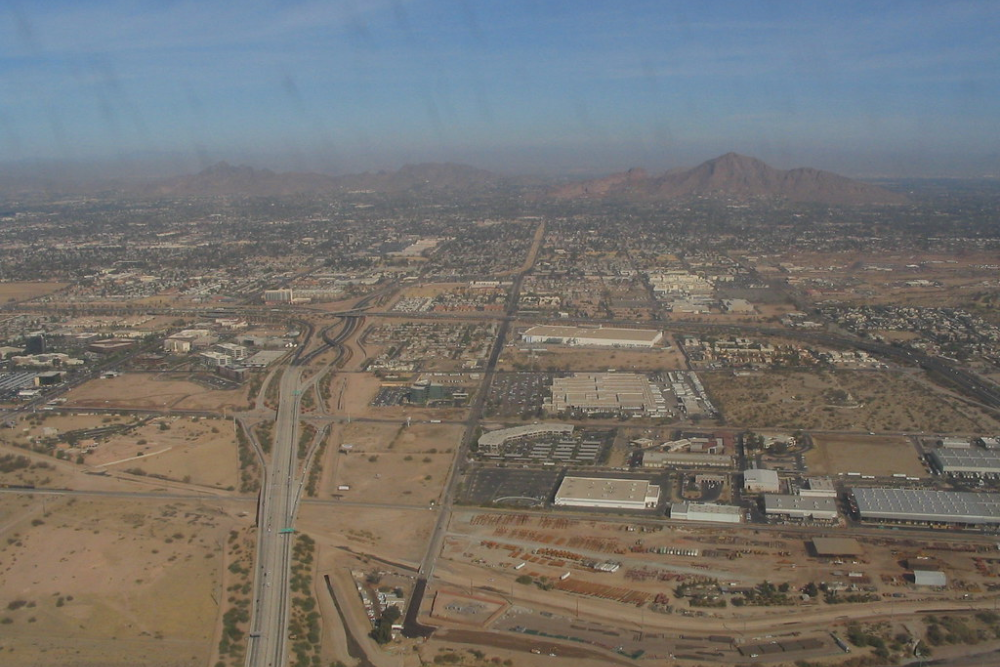
Before Nevada was even a state, Las Vegas was briefly part of Arizona Territory. The settlement fell under various jurisdictional changes as territories were established and refined.
Las Vegas has been part of Mexico, Utah Territory, Arizona Territory, and finally Nevada, changing political hands more frequently than a poker chip changes hands at a high-stakes table.
The Town Almost Died Before It Boomed
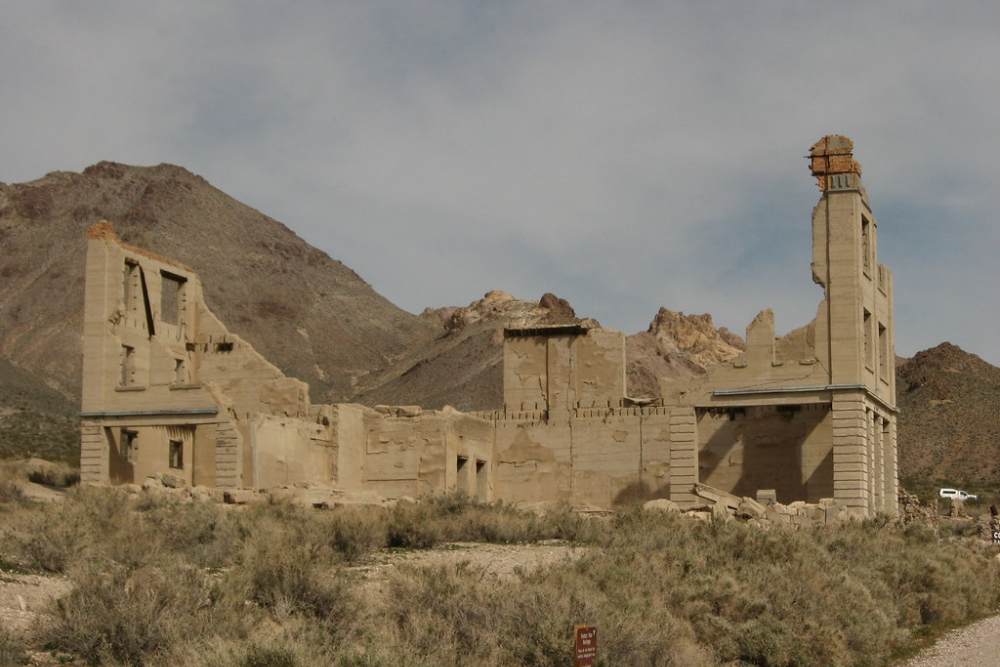
After the initial railroad land auction, Las Vegas nearly disappeared completely. When Nevada banned gambling in 1910, much of the town’s early economic activity evaporated.
The population dwindled so dramatically that Las Vegas was almost reclassified as a ghost town by 1920. The settlement was saved from obscurity only by the prospects of nearby mining operations and the later decision to build Hoover Dam.
Federal Workers, Not Gamblers, Sparked Growth

The massive population influx that transformed Las Vegas from a sleepy desert town came not from entertainment seekers but from federal workers building Hoover Dam during the Great Depression. From 1930 to 1934, thousands of workers and their families created an unprecedented demand for housing, services, and importantly entertainment after long days working in brutal conditions.
Divorce Laws Preceded Gambling
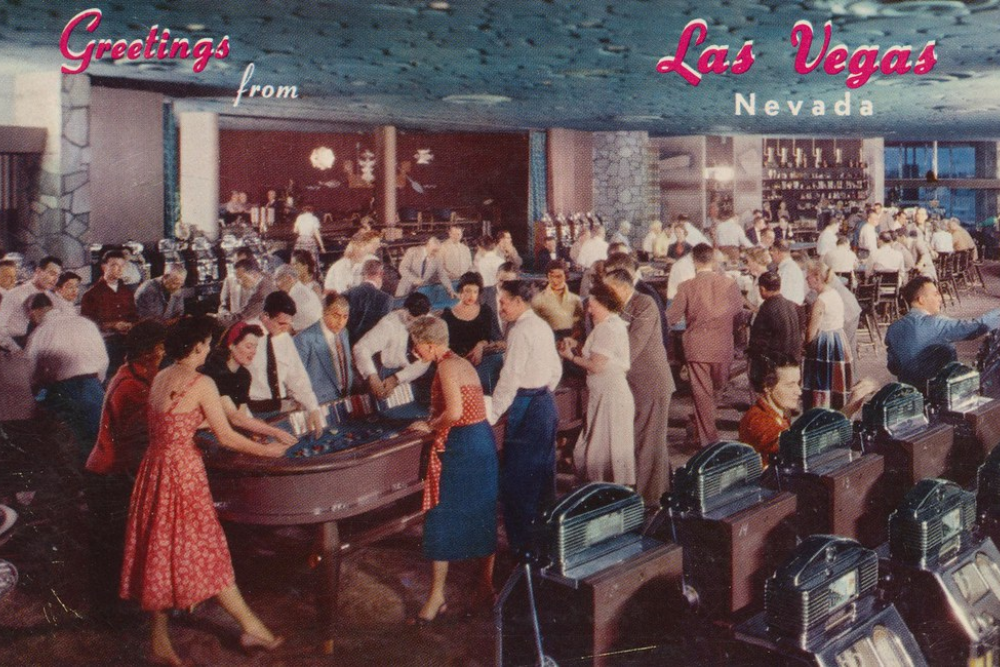
Before Las Vegas became known for casinos, it gained national fame as the ‘divorce capital’ of America. Nevada’s liberal divorce laws allowed people to establish residency after just six weeks and quickly end marriages that were difficult to dissolve elsewhere.
Divorce ranches catered to wealthy individuals waiting out their six-week residency requirement, creating an industry that predated the gambling boom by several years.
Block 16 Was the Original Sin City
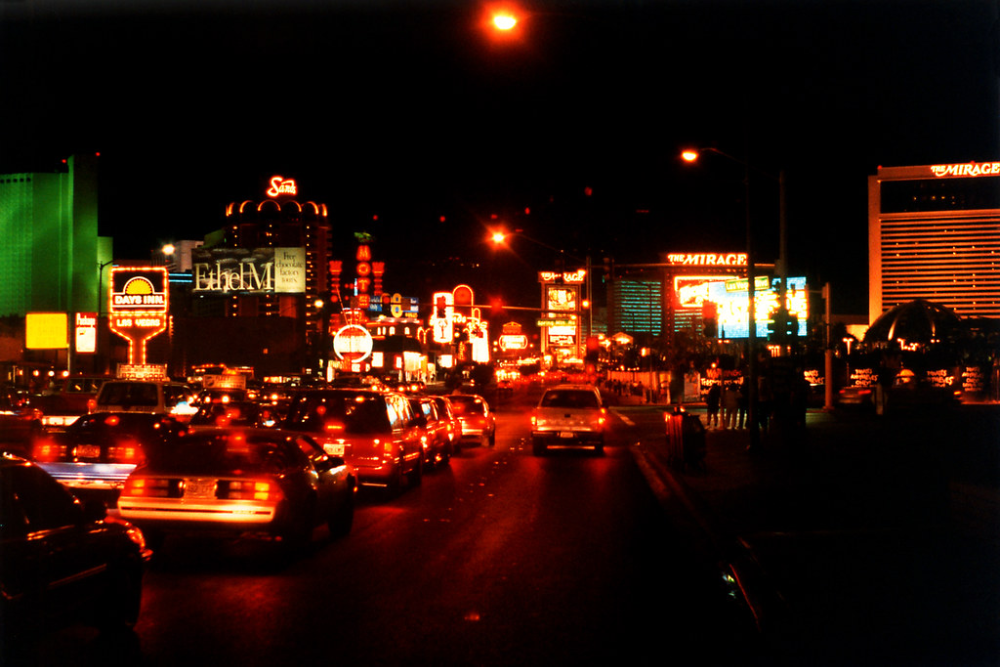
Long before the famous Strip existed, downtown’s Block 16 was the designated ‘vice district’ where prostitution and liquor sales were allowed even during Prohibition. This single block between First and Second Streets was the only area where such activities were permitted, creating a concentrated entertainment zone that established Las Vegas’s reputation for adult-oriented fun decades before the mega-resorts appeared.
Hoover Dam Workers Were Forbidden From Las Vegas

While building Hoover Dam, federal authorities were so concerned about workers squandering their wages in Las Vegas that they created Boulder City as a planned community where gambling and alcohol were prohibited. Workers caught visiting Las Vegas could be immediately fired.
This restriction, of course, only made the forbidden city more attractive to dam workers looking for entertainment.
The First Casino License Went to a Woman

Though gambling discussions often focus on famous male figures like Bugsy Siegel or Howard Hughes, the first legal casino license in Las Vegas after gambling was re-legalized in 1931 was issued to Mayme Stocker for the Northern Club. Female business ownership in the early gambling industry was more common than most historical accounts suggest, with several pioneering women running successful operations.
Water Rights Preceded Land Rights

In the desert, water claims were often more valuable than land claims. Early Las Vegas development centered around control of the natural springs, with water rights being established before formal property claims.
The Las Vegas Valley Water District was formed in 1947, making it one of the earliest municipal services established as the city expanded, a recognition that water access would determine the city’s survival.
The Famous Strip Isn’t in Las Vegas

Technically speaking, the famous Las Vegas Strip isn’t located within Las Vegas city limits. The glittering stretch of mega-resorts sits in unincorporated Clark County, specifically in the communities of Paradise and Winchester.
This jurisdictional quirk allowed early casino developers to avoid city taxes and regulations while still benefiting from the Las Vegas name and reputation.
A Mob-Connected Businessman Named Paradise

The community of Paradise, where much of the Strip is located, was named by mob-connected businessman Moe Dalitz. The story goes that Dalitz and other casino investors pushed for this unincorporated township to prevent the City of Las Vegas from annexing the Strip and imposing additional taxes and regulations on their businesses.
They essentially created a new community to protect their financial interests.
Atomic Bomb Testing Became a Tourist Attraction
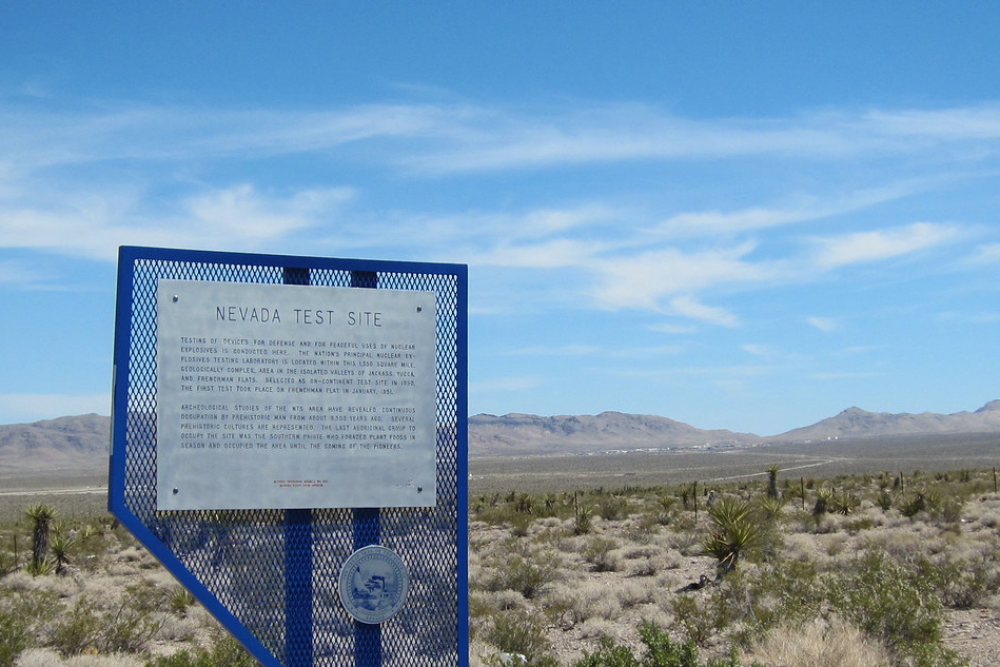
Las Vegas embraced its proximity to the Nevada Test Site, where nuclear weapons were tested above ground from 1951 to 1962. Hotels offered ‘atomic tourism’ packages where guests could watch mushroom clouds from hotel rooftops, and the city crowned ‘Miss Atomic Bomb’ in beauty pageants.
This bizarre fusion of apocalyptic weaponry and entertainment could only have happened in early Las Vegas.
Casinos Were Deliberately Designed Without Clocks
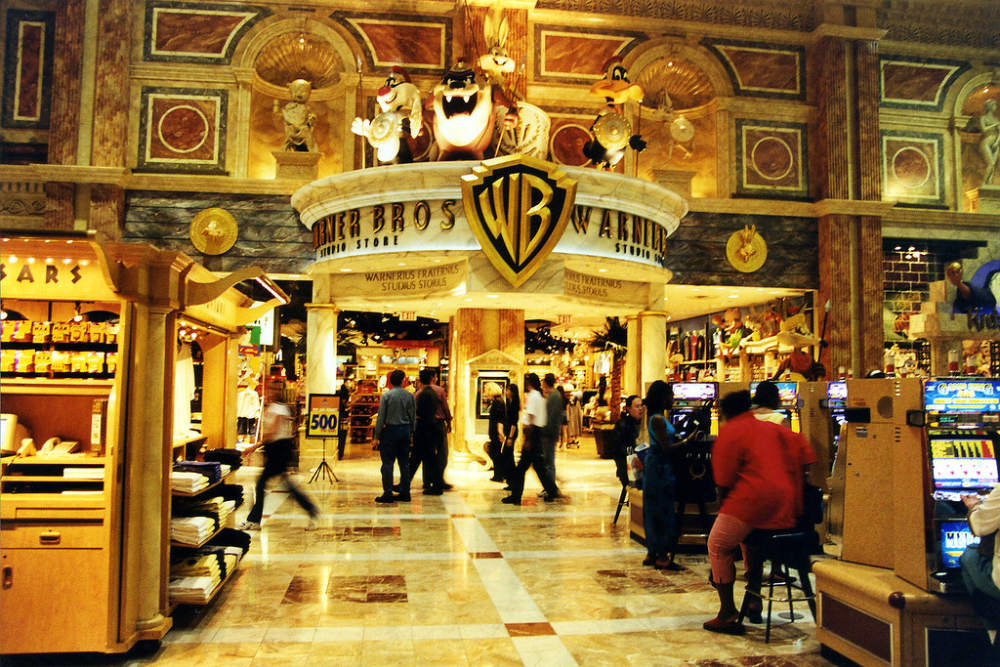
Early Las Vegas casinos pioneered psychological design elements that are now standard in gambling establishments worldwide. They intentionally eliminated clocks and windows to create environments where patrons lost track of time.
This wasn’t accidental but a deliberate strategy developed by early casino operators to maximize gambling time and revenue.
Howard Hughes Bought Las Vegas by Telephone
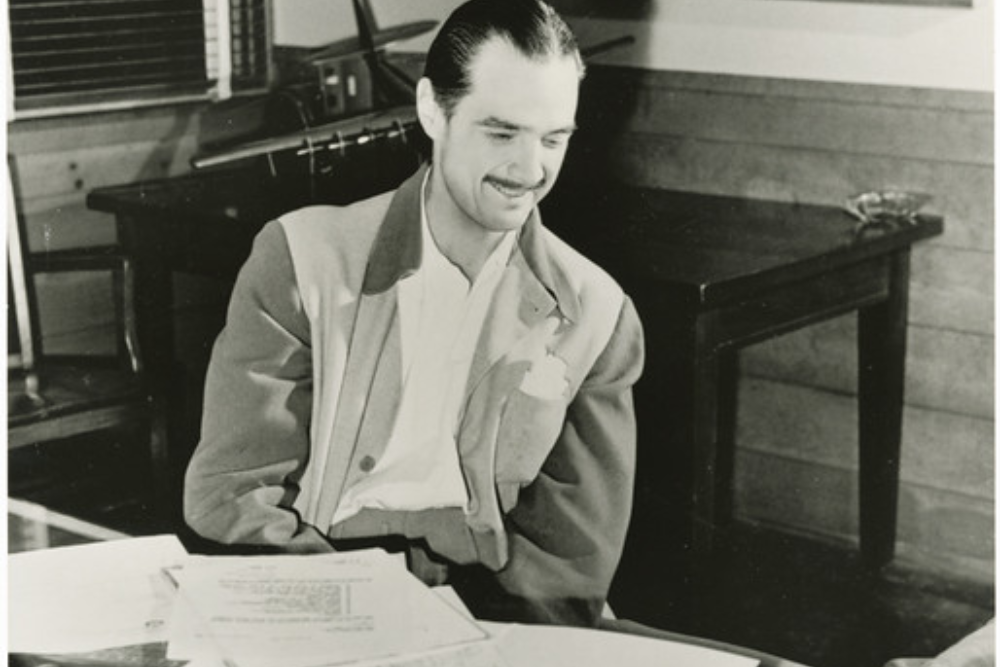
When Howard Hughes arrived in Las Vegas in 1966, he famously refused to leave his penthouse at the Desert Inn. When the hotel tried to evict him to make room for other high rollers, Hughes simply purchased the entire property over the telephone.
This began a buying spree where he acquired numerous hotels, casinos, and even undeveloped land—all through proxies, as he rarely left his room.
The Strip Was Named After Los Angeles
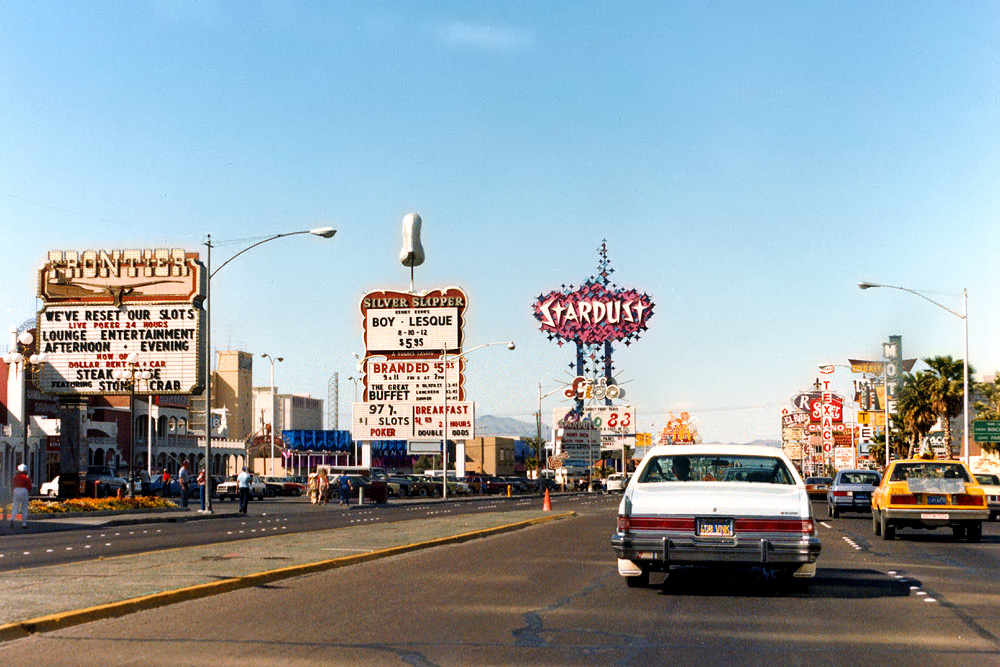
The Las Vegas Strip got its name from Los Angeles police officer Guy McAfee, who moved to Las Vegas and opened the Golden Nugget casino. He referred to the developing area of Highway 91 south of downtown as the ‘Strip’ after the Sunset Strip in Los Angeles.
The nickname stuck, despite having no official standing, and became one of the most recognized entertainment district names in the world.
The Desert Oasis Lives On

Las Vegas has transformed from a small desert water stop to a global entertainment destination through repeated reinvention and adaptation. The city that began as a railroad auction has survived economic depressions, the rise and fall of organized crime influence, corporate takeovers, and dramatic shifts in American entertainment preferences.
What’s perhaps most surprising about Las Vegas isn’t any single detail of its founding but its remarkable ability to constantly reimagine itself while retaining its essential character as a place where the ordinary rules simply don’t apply.
More from Go2Tutors!

- The Romanov Crown Jewels and Their Tragic Fate
- 13 Historical Mysteries That Science Still Can’t Solve
- Famous Hoaxes That Fooled the World for Years
- 15 Child Stars with Tragic Adult Lives
- 16 Famous Jewelry Pieces in History
Like Go2Tutors’s content? Follow us on MSN.