Largest Lego Towers Built
Most kids stack their Lego bricks into towers that reach maybe waist-high before physics takes over and the whole thing comes crashing down. But some people decided that wasn’t nearly ambitious enough.
Around the world, communities have spent months building towers that stretch over a hundred feet into the sky, each one trying to claim the title of tallest Lego structure ever built. These aren’t just impressive piles of plastic bricks.
Each record-breaking tower represents hundreds of thousands of individual pieces, weeks or months of planning, and teams of people working together toward a goal that probably seemed impossible at first.
Tel Aviv’s Memorial Tower

In December 2017, the city of Tel Aviv built a tower that reached 36 meters tall. That’s 118 feet of Lego bricks stacked in memory of Omer Sayag, an eight-year-old boy who died from cancer in 2014.
Omer loved building with Lego during his illness, and his teachers launched the project more than a year before construction began. The tower used over 500,000 bricks donated by residents across the city.
Workers and volunteers assembled sections in Rabin Square, right in front of the Tel Aviv municipality building. The organizers submitted drone footage and measurements to Guinness World Records to verify their achievement.
Young Engineers, an international group offering Lego enrichment programs, sponsored the event along with Tel Aviv City Hall. Several organizations participated in the construction that lasted nearly two weeks.
The project brought the community together for something meaningful rather than just breaking a record for the sake of it.
Milan Sets the Bar in 2015
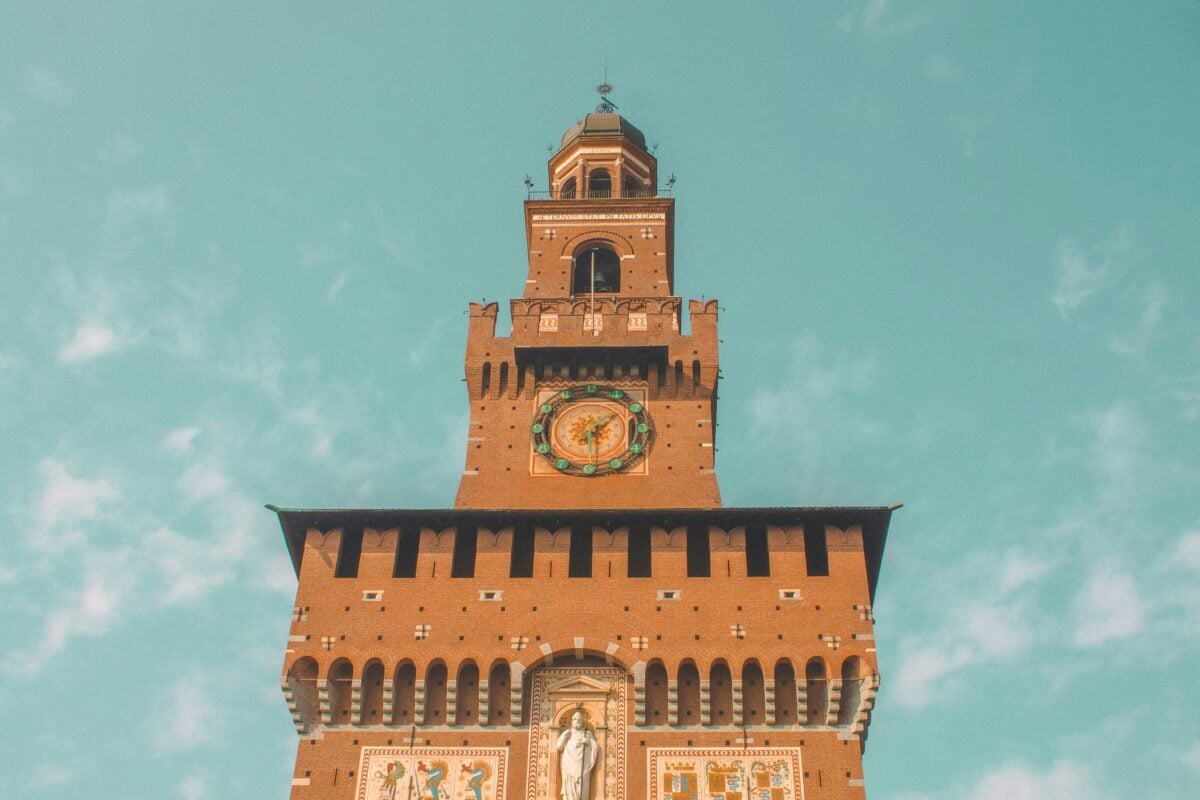
Before Tel Aviv made its attempt, Italy held the record. Lego Italia built a tower in Milan that measured 35.05 meters, or about 115 feet.
The construction took place during the Milan World Expo and used approximately 550,000 bricks. The Lego Group donated seven euros for every centimeter of the tower to Urban Oasis, a project working with the World Wildlife Fund to protect and develop urban green spaces.
The event ran from June 17th to June 21st, drawing more than 50,000 spectators and 18,000 builders who participated in the construction. The organizers wanted to make a point about how small actions add up.
Just as tiny bricks combine to create something massive, small charitable contributions help build a better future. That message resonated more than the record itself.
Budapest Brings Professional Help
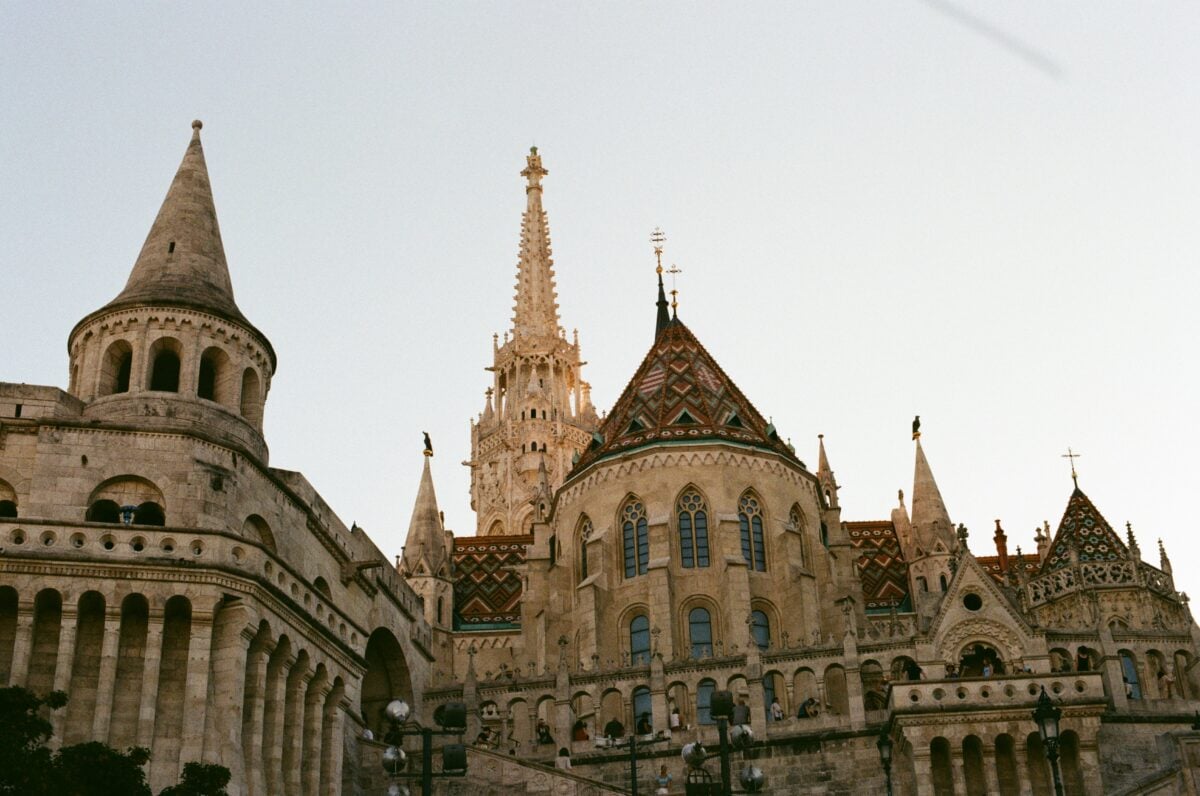
In 2014, elementary students in Budapest decided they wanted to beat the existing record. They brought in a team of official Lego builders from Denmark to help make it happen.
The result stood 34.76 meters tall, about 114 feet. They used 450,000 bricks and built it in front of Saint Stephen’s Basilica.
The tower featured images from computer games and took about a week to complete. Professional builders attached metal cables to the structure during construction to keep it stable, but those cables had to be removed for the tower to qualify as free-standing under Guinness rules.
They topped the whole thing with a Rubik’s cube, paying tribute to another Hungarian invention. The tower stood for just five days before it had to be taken down, but it beat the previous record by about two feet.
Delaware Students Spend Their Summer

A year before Budapest’s attempt, students from Delaware’s Red Clay Consolidated School District built a 112-foot tower. That’s 34.43 meters, and it weighed nearly a ton.
The district had 28 schools, and each one built a section of the tower during the spring and summer of 2013. Students worked for months assembling the pieces, which were later brought together at John Dickinson High School.
The final assembly required cranes and lifts because you can’t just stack something that tall by hand. The tower resembled the Empire State Building, starting wider at the bottom and tapering as it rose.
At about 30 feet, it switched to a standard square shape and kept that form for most of its height before tapering again near the top. Local engineers and architects helped design the structure to make sure it wouldn’t collapse.
District Superintendent Mervin Daugherty said the project taught students about teamwork. One person couldn’t build something like this alone.
But when everyone works together, things that seem impossible become achievable.
Prague Holds the Line in 2012

Before Delaware took the record, Prague built a tower that reached 106 feet. The Czech tower stood as the benchmark that others tried to beat throughout 2013 and early 2014.
Details about Prague’s construction are harder to find than the later attempts, but it clearly inspired the competitive spirit that followed. Within a year of Prague setting the record, Delaware had beaten it.
Then Budapest beat Delaware. Then Milan beat Budapest.
Records in this category don’t last long.
Brazil Gets the Kids Involved
São Paulo assembled a tower with the help of nearly 6,000 Lego enthusiasts. Most of them were children.
They put together 500,000 pieces that were later stacked using a crane, reaching just over 102 feet. Brazil’s approach focused on community participation more than setting a permanent record.
Getting thousands of kids involved in a single project creates memories that last longer than any entry in a record book. The tower itself might have come down after a few days, but the experience stuck with everyone who helped build it.
The Engineering Challenges

Building a 100-foot tower from Lego bricks creates problems that don’t exist when you’re just making a small model on your kitchen table. The weight of all those bricks pushing down from above can crush the pieces at the bottom.
The tower needs to resist wind. It has to stay balanced despite being assembled from separate sections. Most record attempts used a metal pipe or pole running through the center for stability.
The Lego bricks still had to be free-standing and properly interlocked, but that central support helped keep everything aligned. Some builders used cables or wires during construction, though Guinness rules required removing them before official measurement.
Architects and engineers usually get involved to calculate weight distribution and stress points. You can’t just start stacking and hope for the best when you’re working with half a million pieces.
Why Half a Million Bricks

The number keeps coming up. Nearly every major tower attempt uses somewhere between 400,000 and 550,000 bricks. That’s not a coincidence.
At those heights, you need enough bricks to build a base wide enough to support everything above it. You also need the structure to taper as it rises, which means lots of bricks in the lower sections.
Going much higher would require exponentially more pieces to maintain stability, and at some point the cost and logistics become unrealistic. The standard Lego brick is less than half an inch tall.
To reach 100 feet, you need thousands of layers. Each layer in a wider section might use hundreds of bricks.
The math adds up fast.
Community Projects vs Corporate Efforts

Some towers came from official Lego initiatives, built by professional builders. Others emerged from schools, cities, or community groups.
Both approaches have merit, but they feel different. When a school district spends months getting students involved, the tower becomes about education and teamwork.
When Lego Italia builds one during an expo, it’s about brand presence and spectacle. Neither is wrong, but the motivation changes what the project means.
The memorial tower in Tel Aviv found middle ground. It had corporate sponsors and professional help, but the emotional core came from remembering a child who loved Lego.
That combination of professionalism and personal meaning made it stand out.
The Measurement Process

Getting into the Guinness Book of World Records requires following strict guidelines. You can’t use adhesives.
The structure must be free-standing. Only standard Lego bricks count.
Official adjudicators show up to verify the height using precise measuring equipment. For Delaware’s tower, surveyors used a rotary laser and detector to get an exact measurement down to fractions of an inch.
They documented everything with photos and detailed calculations. The verification process matters because people will always question a record that looks suspicious.
Having independent confirmation from Guinness gives the achievement legitimacy.
Tallest Doesn’t Mean Best

Height gets you into the record books, but it’s not the only measure of an impressive Lego creation. Some of the most amazing builds happen on a smaller scale with incredible detail.
Full-size cars built from millions of bricks. Detailed replicas of famous buildings.
Working machines with moving parts. These take as much skill and effort as a tall tower, but they don’t get the same attention because they don’t set a simple record.
Still, there’s something undeniably impressive about a tower you can see from blocks away. It makes people stop and look up.
It gets kids excited about building things themselves.
What Happens After the Record Falls
Most of these towers stood for just a few days or weeks before being dismantled. You can’t leave a 100-foot Lego tower standing in a public square forever.
Weather would damage it. Someone needs the space for something else.
The bricks get reused or returned to wherever they came from. The Delaware tower was taken down shortly after verification.
Budapest lasted five days. Milan probably came down after the expo ended.
These structures exist temporarily, which adds to their appeal. They’re events rather than permanent installations.
Photos and videos preserve what the towers looked like. The people who helped build them remember the experience.
But the actual towers vanish, leaving room for the next group to try beating the record.
Where the Records Go From Here

As of early 2018, Tel Aviv held the official record at 36 meters. But records like this never stay broken for long.
Someone somewhere is probably planning the next attempt right now. Each new record only beats the previous one by a few feet or meters.
We might be approaching practical limits on how high a free-standing Lego tower can reach without using so many bricks that the project becomes impossible to organize. But people will keep trying.
The towers themselves matter less than what they represent. They show what happens when groups of people commit to building something bigger than any individual could create alone.
The record books will change, but that lesson stays constant.
More from Go2Tutors!

- The Romanov Crown Jewels and Their Tragic Fate
- 13 Historical Mysteries That Science Still Can’t Solve
- Famous Hoaxes That Fooled the World for Years
- 15 Child Stars with Tragic Adult Lives
- 16 Famous Jewelry Pieces in History
Like Go2Tutors’s content? Follow us on MSN.



