17 Foods That Were Accidentally Named After the Wrong Countries
Food names don’t always match where they came from. In fact, a surprising number of dishes are linked to countries that had little or nothing to do with their creation. Sometimes it’s due to translation errors, old stereotypes, or just plain confusion that stuck—and once a name caught on, it was hard to change.
These culinary mix-ups are part history, part marketing, and part happy accident. A name might have sounded exotic, or a label might have been mistranslated on arrival in a new land. The result is a delicious mess of identity, one that surprises food lovers again and again.
Here is a list of 17 foods that were named after the wrong countries—intentionally or not.
French Fries
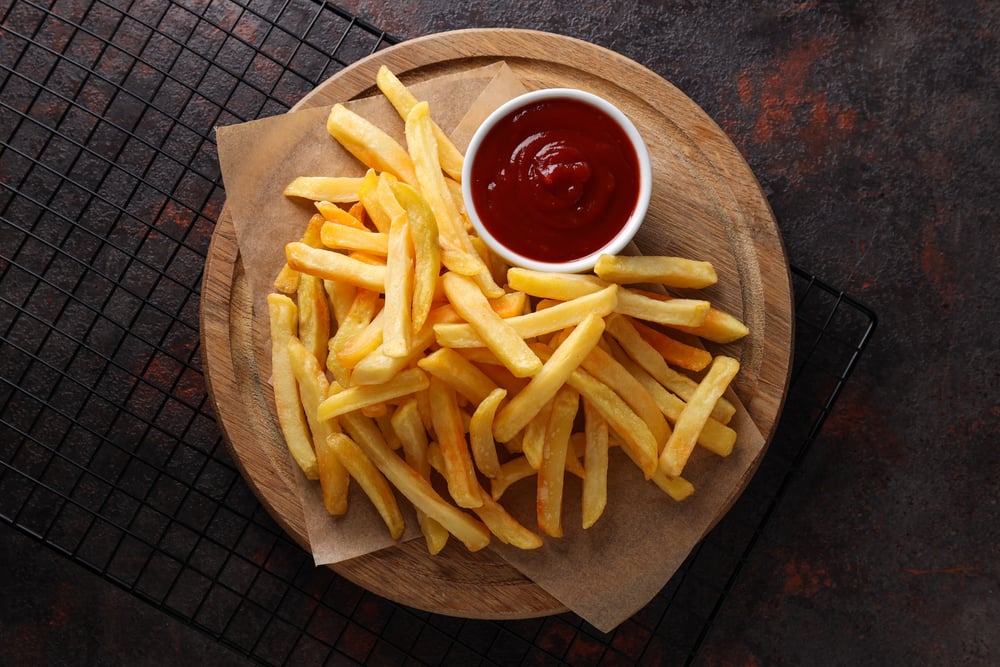
French fries didn’t start in France. They likely came from Belgium, where villagers were frying potatoes as early as the 1600s.
When American soldiers stationed in French-speaking Belgium during World War I described the fried potatoes as ‘fries’, the name stuck back home. Now, they’re seen as an American snack that borrowed a French label, even though Belgium has a stronger claim.
English Muffins
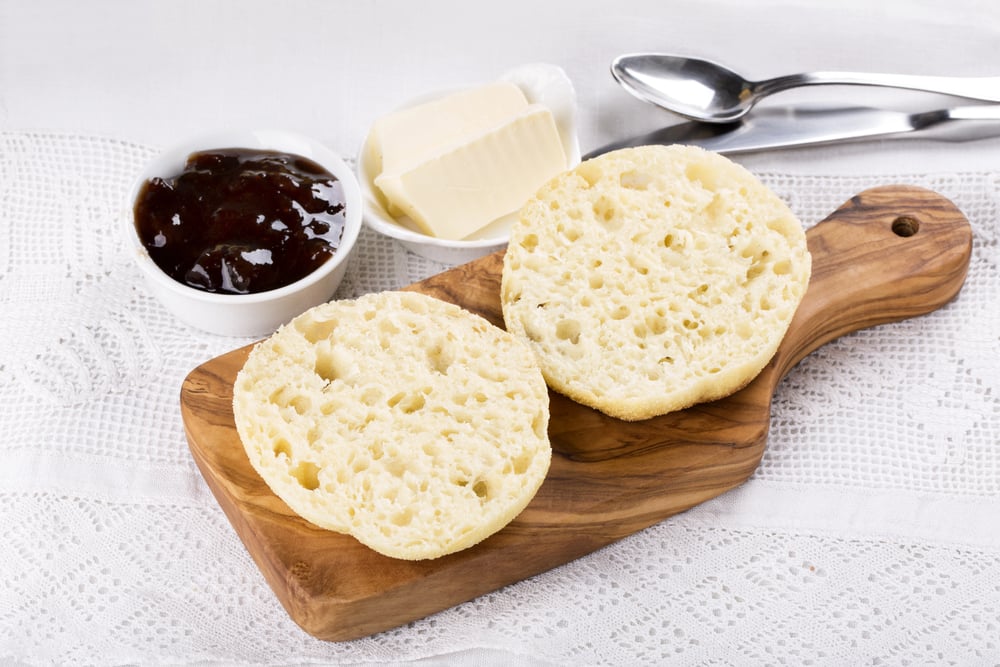
Despite the name, English muffins are more American than British. They were developed by Samuel Bath Thomas, a baker who moved from England to New York in the late 1800s.
Inspired by crumpets, he created a lighter, airier snack with nooks and crannies perfect for absorbing butter. In England, people just call them muffins—if they eat them at all—while Americans keep calling them English muffins.
Like Go2Tutors’s content? Follow us on MSN.
Danish Pastry
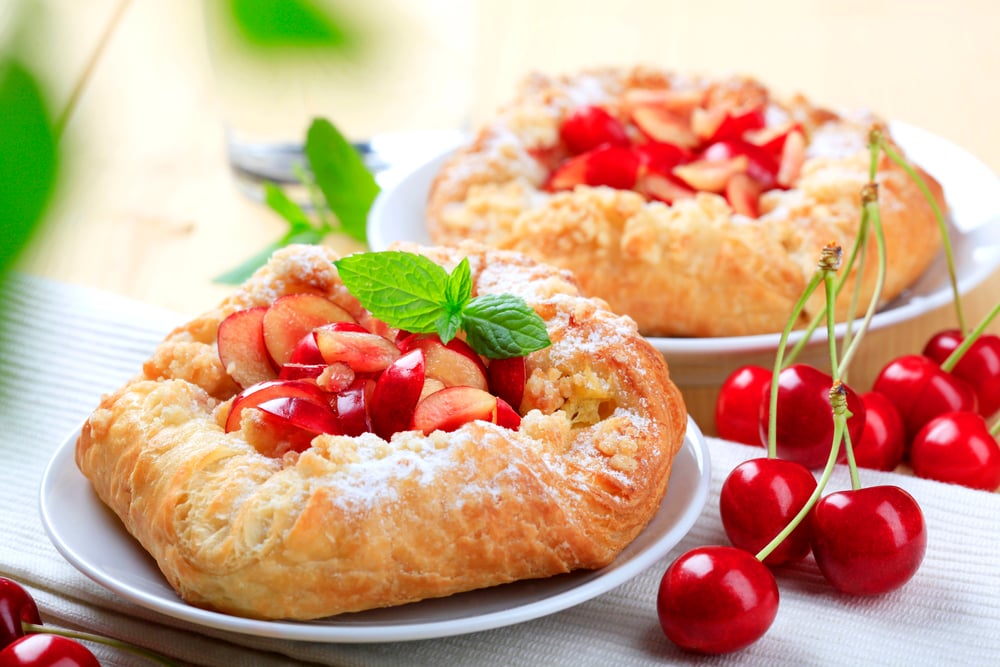
Danes do love pastries, but the laminated, flaky kind known as the ‘Danish’ came from Austrian bakers. A strike in Denmark during the 1850s forced local bakeries to hire Austrians, who brought their techniques for layering butter and dough.
Locals loved the result, and it was dubbed ‘Viennese bread’ before the name shifted to Danish pastry. It’s a tasty example of how cultural exchange can lead to delicious confusion.
Swiss Cheese
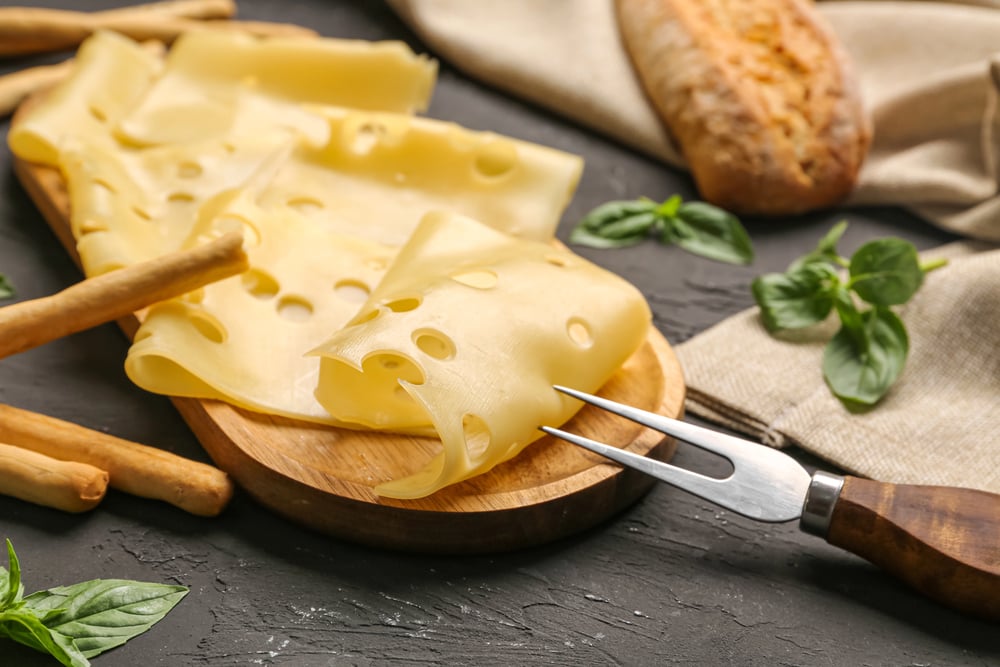
Not all cheese with perforations is Swiss. The type Americans call ‘Swiss cheese’ is based on Emmental from Switzerland—but it’s a simpler, milder version made for mass production.
Authentic Swiss cheeses include Gruyère, Appenzeller, and raclette, none of which resemble supermarket slices. So while the name sticks, it often hides the real story of Swiss diversity.
Canadian Bacon
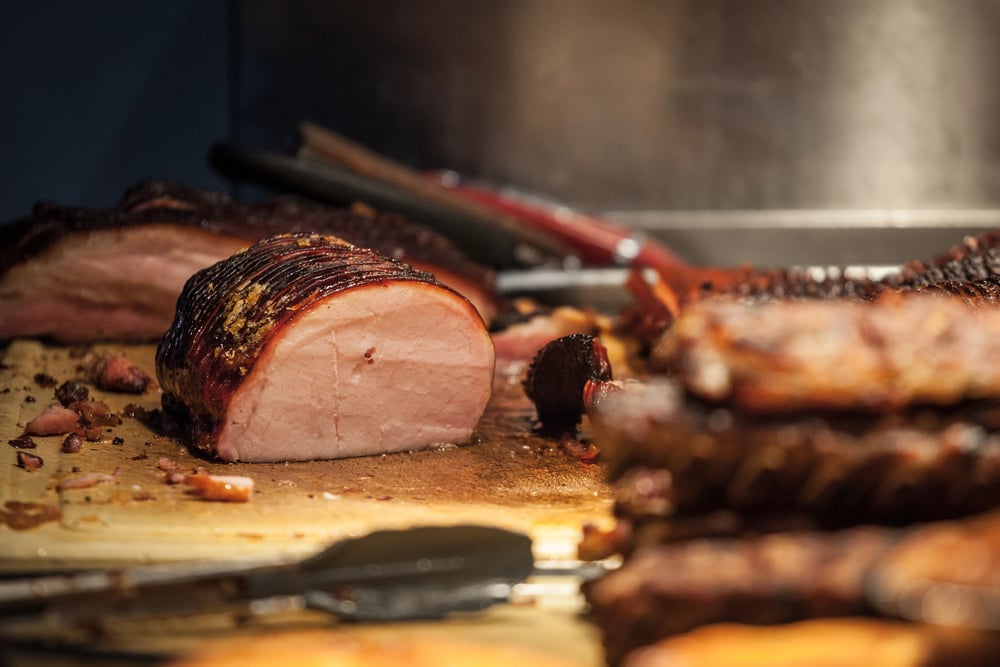
Most Canadians don’t even call it Canadian bacon. In Canada, it’s known as ‘back bacon’ or ‘peameal bacon’ depending on the style.
The round, lean ham-like version served in the U.S. got its name from North American import deals in the 1800s—but in Canada, it just means pork from the back. The label didn’t travel as well as the flavor.
Like Go2Tutors’s content? Follow us on MSN.
French Toast
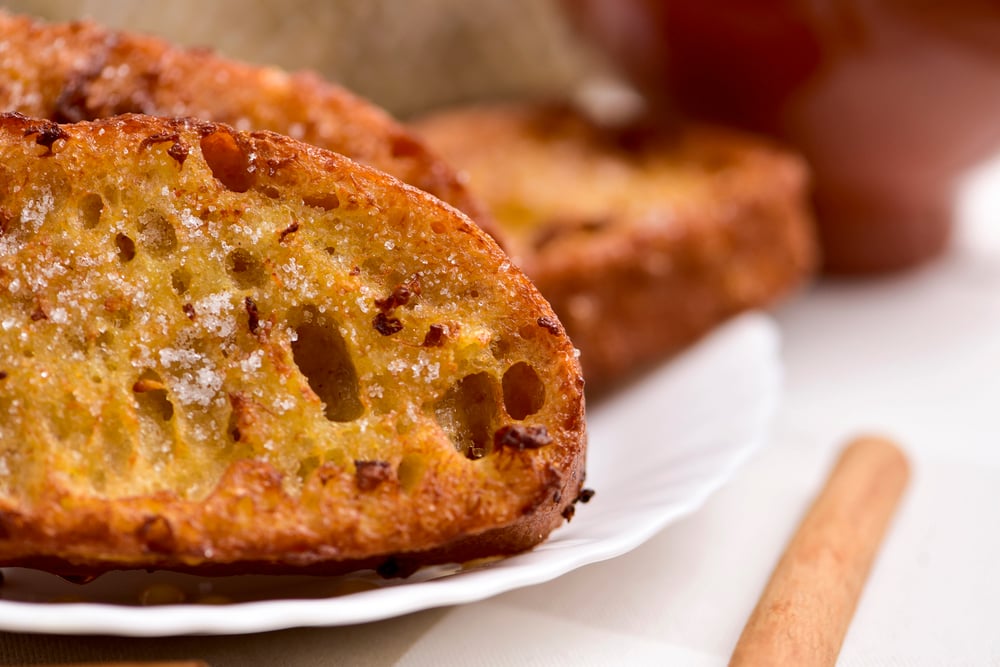
Versions of French toast go back to ancient Rome, long before anyone was calling themselves French. People across Europe soaked day-old bread in milk and egg to avoid wasting food.
The term ‘French toast’ likely came from early American menus trying to make it sound fancy. It stuck, even though the dish’s real roots are much older and spread far wider.
Russian Dressing
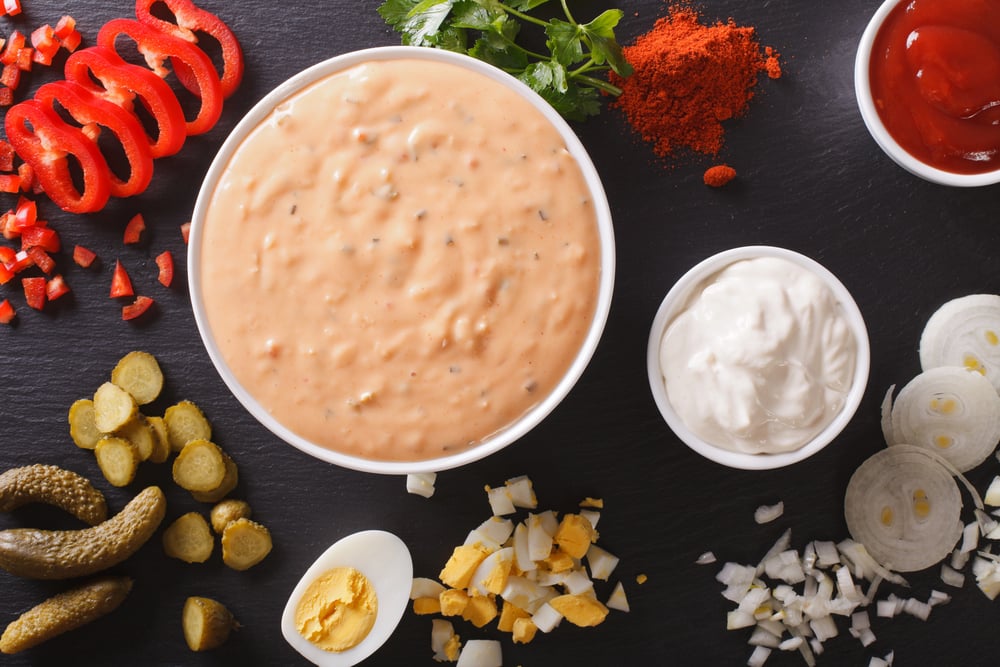
There’s nothing Russian about Russian dressing. The condiment was created in New Hampshire in the early 1900s and was originally used on seafood.
Some versions added caviar or paprika, giving it a ‘Russian’ flair in the eyes of marketers—not in its origin. Today, many people still assume it’s from Moscow, even though it’s a purely American invention.
German Chocolate Cake
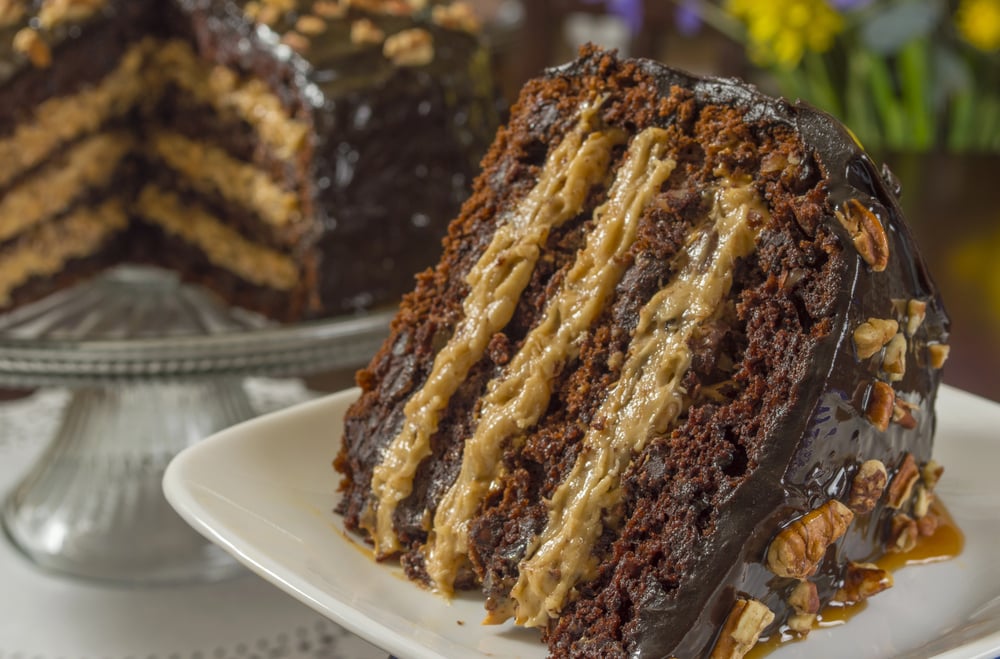
The ‘German’ in German chocolate cake refers to a man named Samuel German, who developed a type of sweet baking chocolate in the 1850s. The cake recipe came later, after someone paired his chocolate with coconut and pecans.
Because of the name, many assume the dessert hails from Germany, when it’s actually an American treat celebrating a man, not a country.
Like Go2Tutors’s content? Follow us on MSN.
French Dip Sandwich
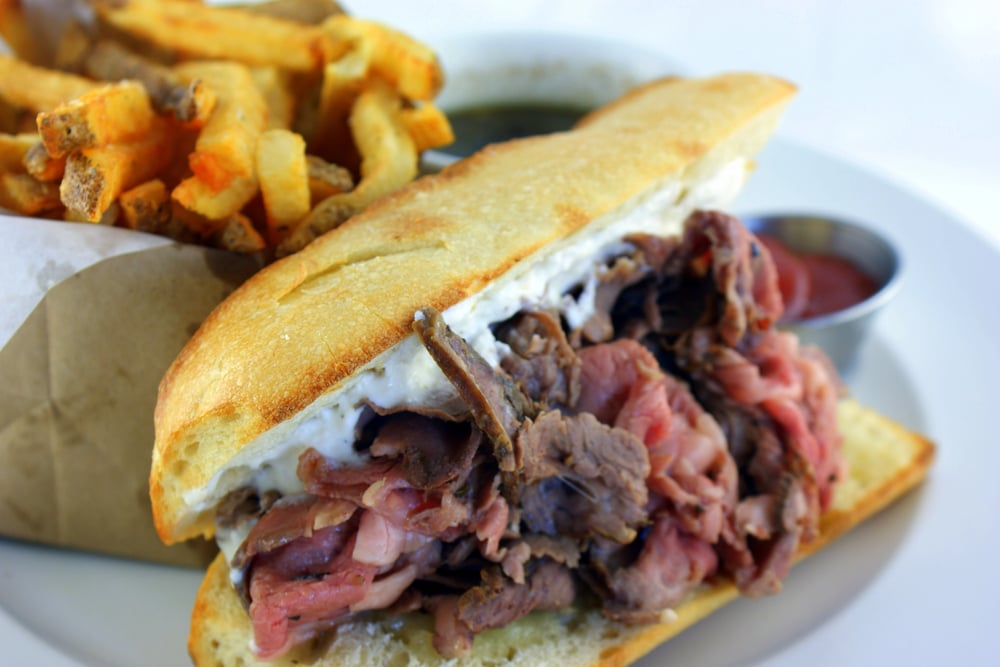
The French dip sandwich was invented in Los Angeles—not Paris. Two restaurants in LA still argue over who created it first.
The name comes from the style of the bread, a French roll, and not the sandwich’s origin. It’s a simple creation—meat dipped in jus—but the name adds a dash of European flair to something very local.
Greek Yogurt
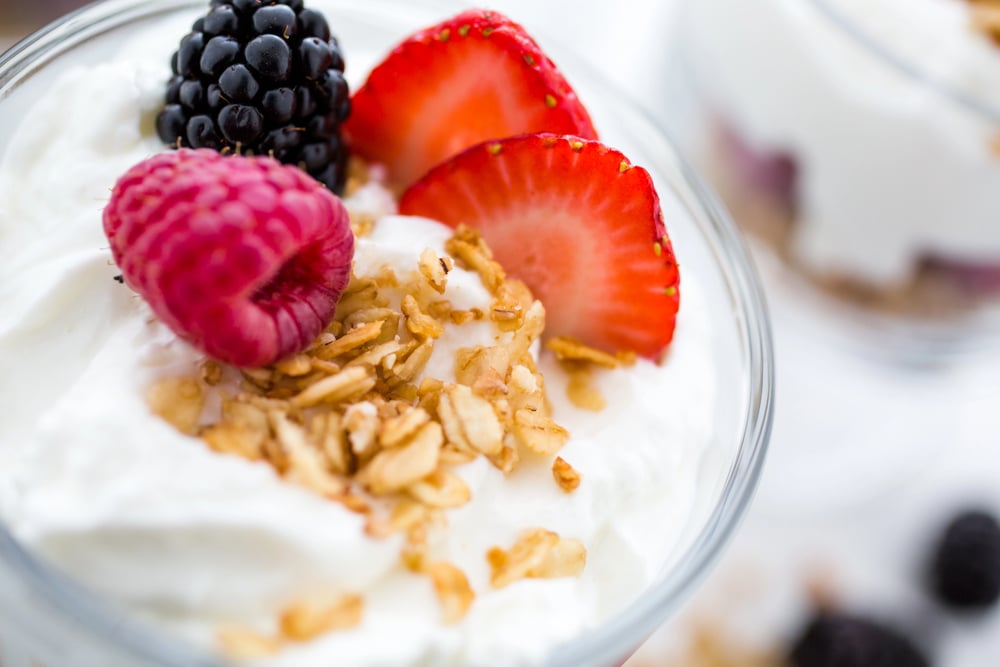
What’s sold as ‘Greek yogurt’ in the U.S. isn’t always from Greece. The term refers to the thick, strained style of yogurt, popular across Greece, Turkey, and the Middle East.
Greek companies happened to brand it well in the West, and the name stuck on packaging and menus. The yogurt often comes from many countries, but it carries a single regional identity in American eyes.
Italian Dressing
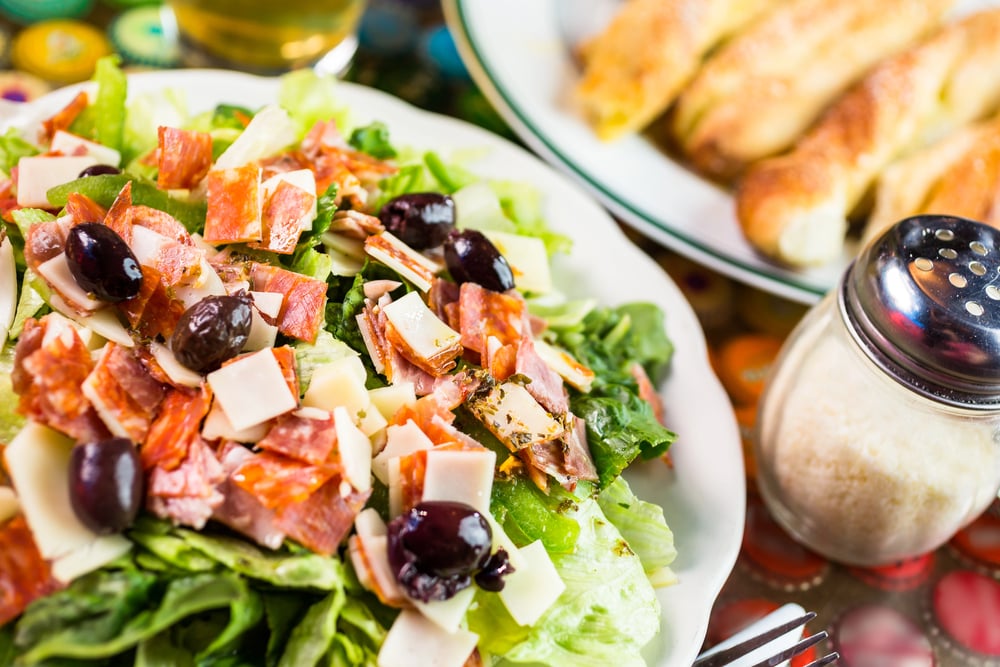
Italy isn’t serving up Italian dressing on its salads. The sweet, tangy mix of oil, vinegar, and spices is purely American.
It was first popularized in Midwestern restaurants in the mid-20th century and had almost nothing in common with simple olive oil dressings used in Italian cuisine. The name was added to give salads an international twist.
Like Go2Tutors’s content? Follow us on MSN.
Chinese Chicken Salad
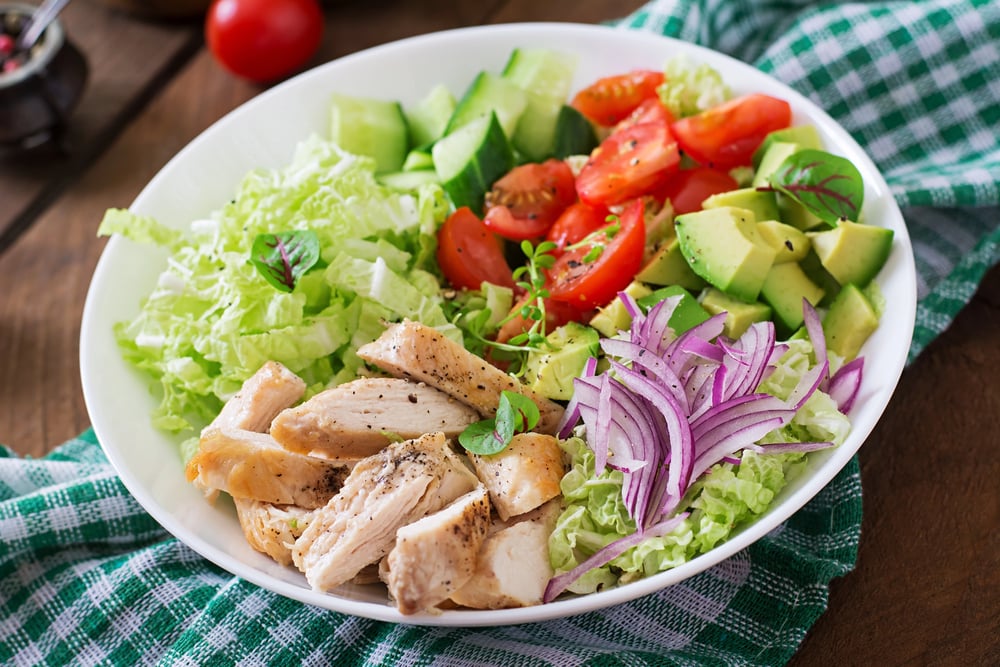
You won’t find Chinese chicken salad in Beijing. This dish was invented in California, mixing crunchy noodles, cabbage, and sweet sesame dressing.
It borrows loosely from Asian flavors, but it’s a distinctly American invention. The name may sound exotic, but the roots are firmly West Coast.
Polish Sausage
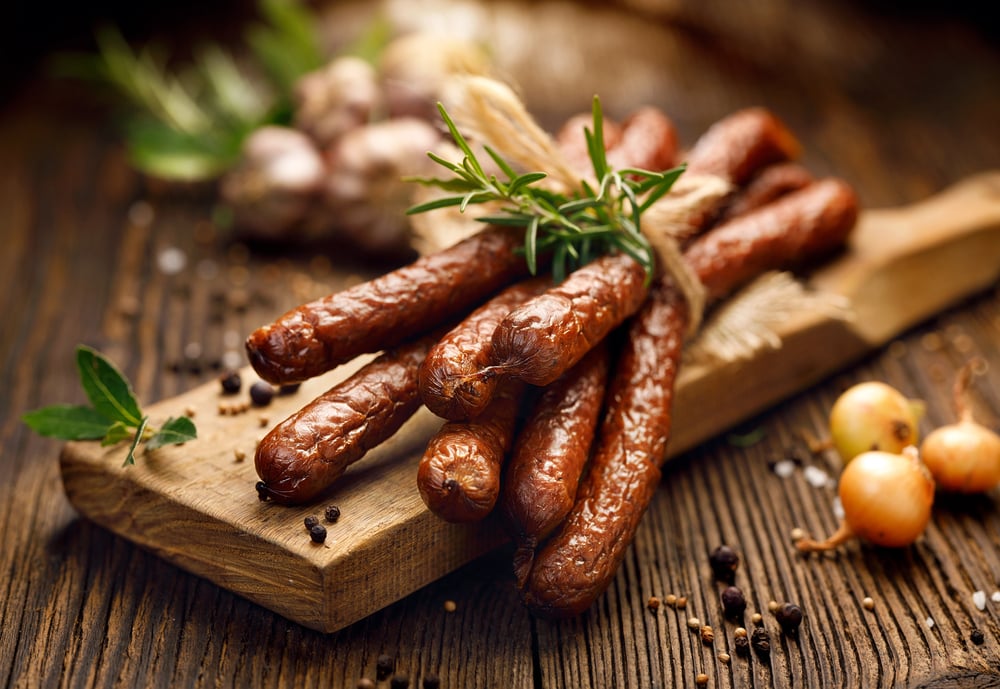
While Poland is home to dozens of sausages, what’s sold in the U.S. as ‘Polish sausage’ is usually kielbasa—a broad term that simply means sausage in Polish. The American version is a specific smoked, garlic-heavy style that doesn’t reflect the range of sausages Poland actually produces.
So while the name is borrowed from the language, the product is a local adaptation.
French Vanilla

There’s no such thing as a French vanilla bean. The term usually refers to a style of preparation that includes egg yolk for richness.
It became popular in American ice cream recipes, and the ‘French’ label was added to make it sound more luxurious. It’s more about texture and taste than national origin.
Like Go2Tutors’s content? Follow us on MSN.
Hawaiian Pizza
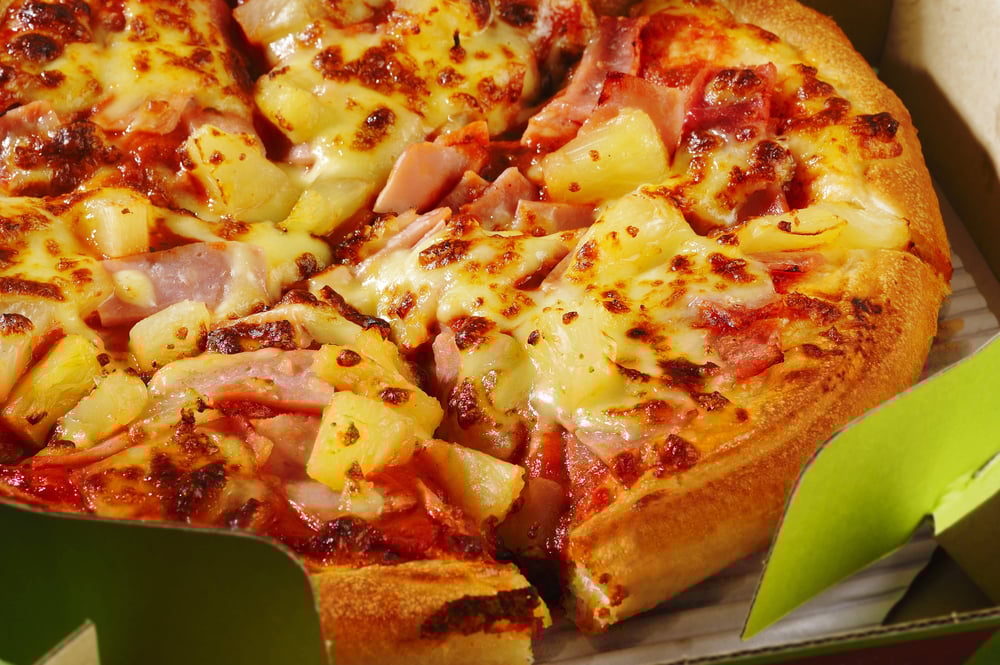
Pineapple on pizza didn’t come from Hawaii—it came from Canada. A Greek immigrant named Sam Panopoulos created the combination in Ontario in the 1960s.
He named it ‘Hawaiian’ because that was the brand of canned pineapple he used. The name fueled a food debate worldwide, but the place was pure Canadian ingenuity.
Spanish Peanuts
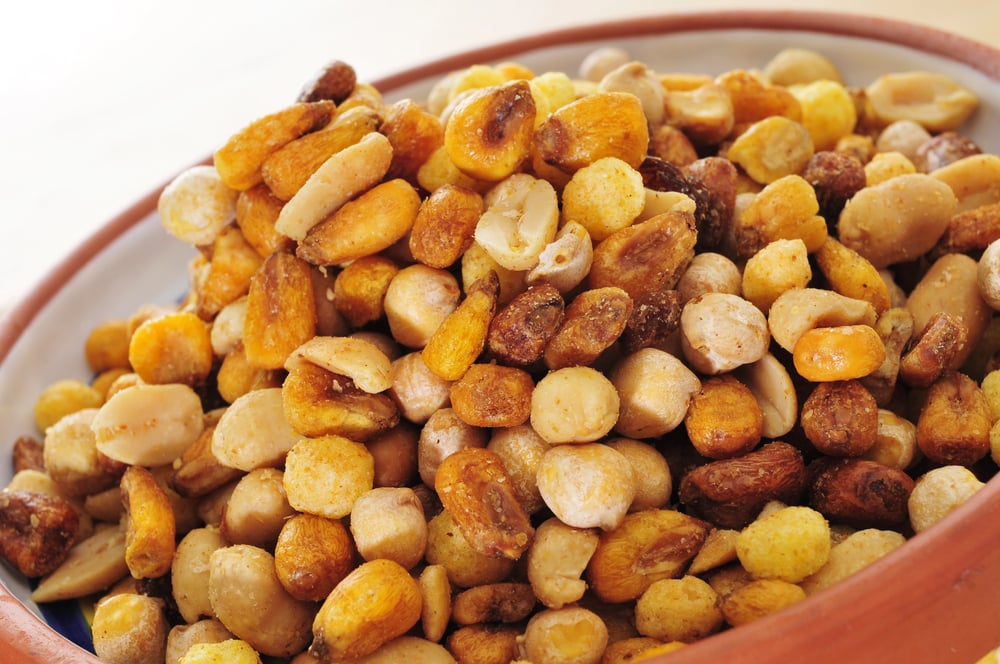
Spanish peanuts didn’t originate in Spain. They were first grown in South America and later adapted in the U.S.
The name refers to a specific variety with red skins and a slightly sweeter flavor—not a connection to Spanish cuisine. It’s a case where a name helps with product identity, even if it misleads on origin.
Scotch Eggs
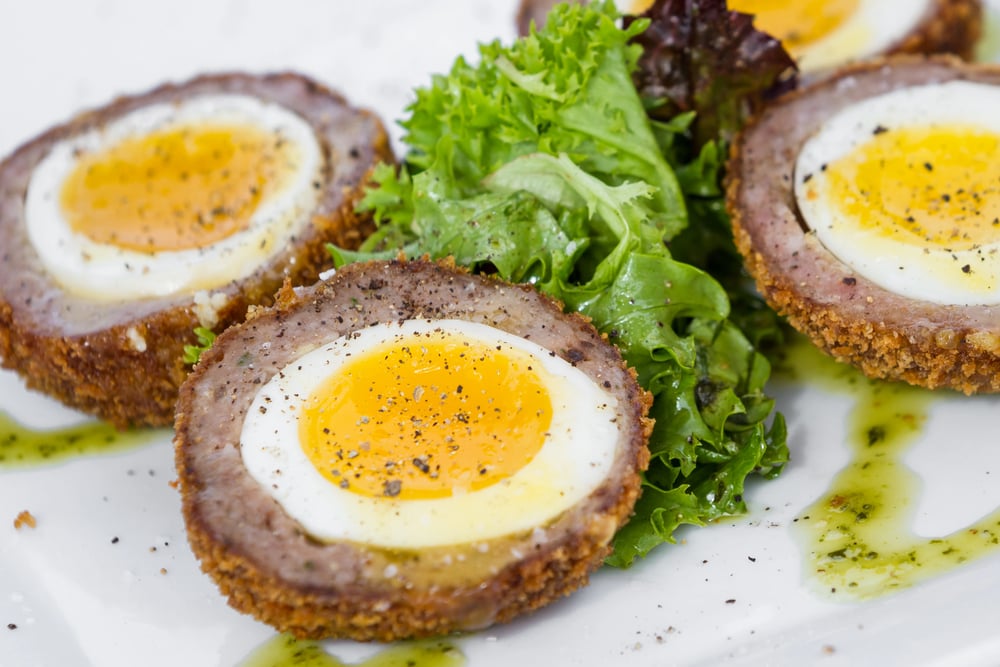
Scotch eggs aren’t from Scotland. They were first sold at Fortnum & Mason, a fancy British department store in London, back in the 1700s.
The name may have been a marketing ploy or a misinterpretation of older cooking methods, but Scotland wasn’t involved. It remains a uniquely English snack despite the title.
Like Go2Tutors’s content? Follow us on MSN.
When Names Don’t Match the Map
Some food names are more about style than geography. Whether it was clever branding, a historical mix-up, or a flat-out guess, plenty of dishes ended up tied to countries they didn’t come from.
It’s a reminder that food culture is always evolving—and not always accurately labeled. Just because the name sounds global doesn’t mean the recipe traveled far.
More from Go2Tutors!

- 16 Historical Figures Who Were Nothing Like You Think
- 12 Things Sold in the 80s That Are Now Illegal
- 15 VHS Tapes That Could Be Worth Thousands
- 17 Historical “What Ifs” That Would Have Changed Everything
- 18 TV Shows That Vanished Without a Finale
Like Go2Tutors’s content? Follow us on MSN.