Flower Moon Myths and Meanings Revealed
There’s something about a full moon that makes people stop what they’re doing and look up. The Flower Moon, rising in May when the world finally shakes off winter’s grip, carries more stories than most.
Ancient cultures watched this particular moon with special attention, weaving tales that still echo through modern folklore. These stories didn’t emerge randomly — they grew from careful observation of nature’s rhythms and the human need to find meaning in celestial events.
Ancient Native American Origins
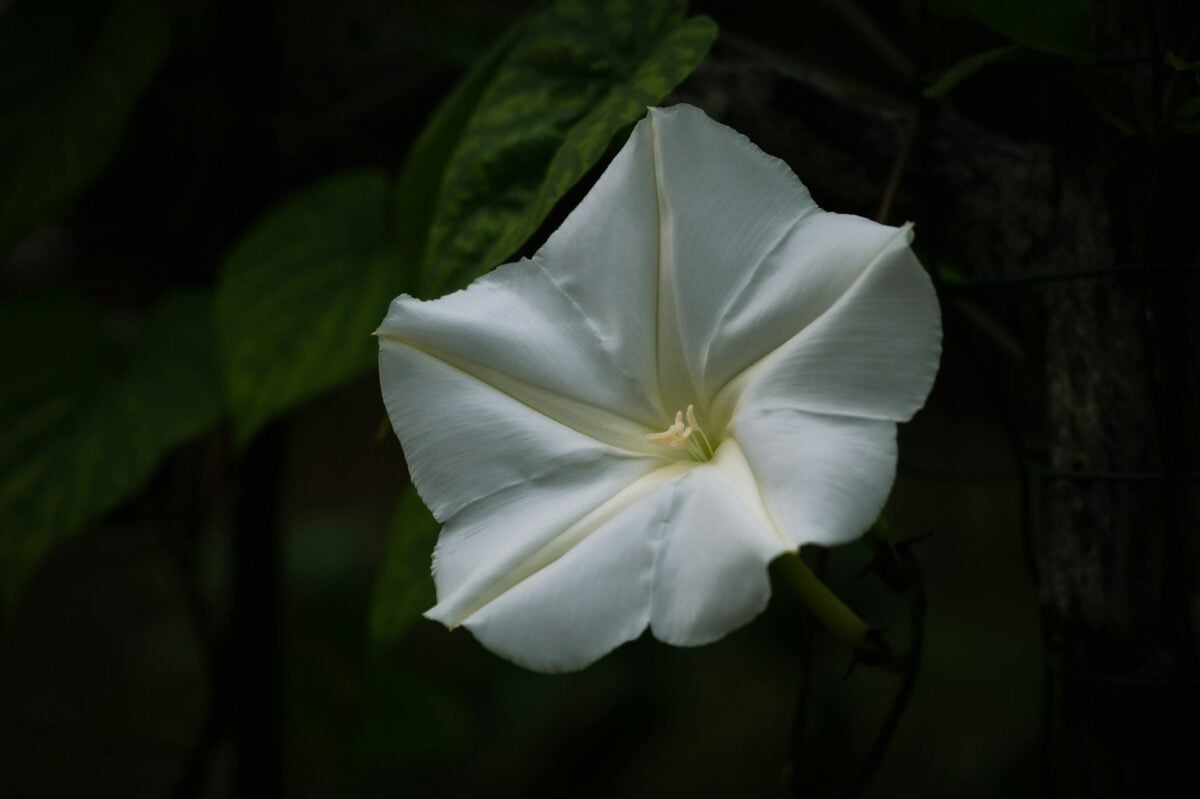
The Flower Moon gets its name straight from Native American tradition. No romantic poetry or mystical invention here.
Tribes across North America noticed that May’s full moon coincided with spring’s most dramatic display of wildflowers. They named it accordingly.
The Algonquin peoples were particularly systematic about this lunar calendar. Each full moon received a name that reflected what was happening in the natural world.
May’s moon became the Flower Moon because that’s when prairie roses, wild columbine, and dozens of other native blooms reached their peak.
The Planting Moon Connection
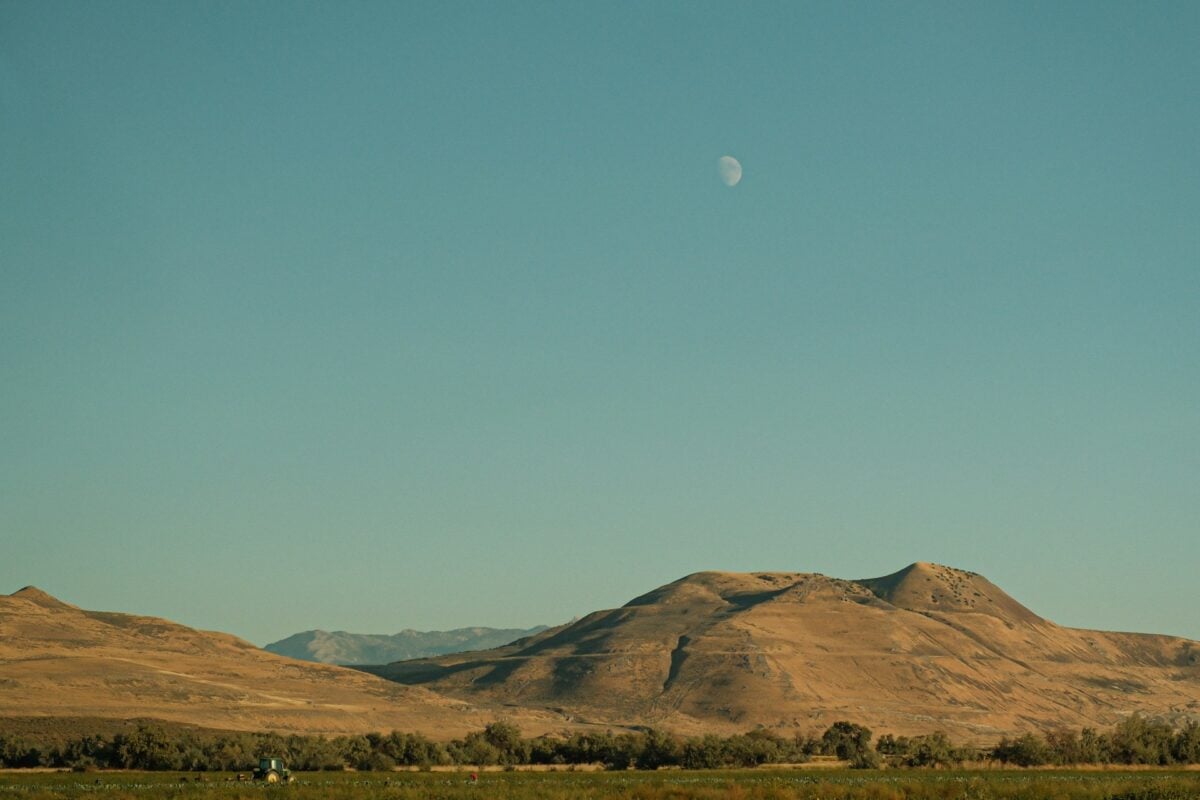
Many tribes also called May’s full moon the Planting Moon, and this reveals something important about how indigenous peoples understood time. The moon wasn’t just a pretty sight in the sky (though it certainly was that) — it was a practical calendar that told them when specific agricultural tasks needed to happen, when certain foods would be ready to harvest, when animals would be moving through particular areas.
So the Flower Moon served as both a celebration of beauty and a reminder that serious work needed to be done. And yet there’s something almost contradictory about this timing, because while flowers are blooming everywhere, farmers are still focused on getting crops in the ground — the real flowering of their efforts won’t come until much later.
But perhaps that’s exactly the point: this moon represents hope made visible, the promise that patient work will eventually bloom into something sustaining.
European Folk Traditions
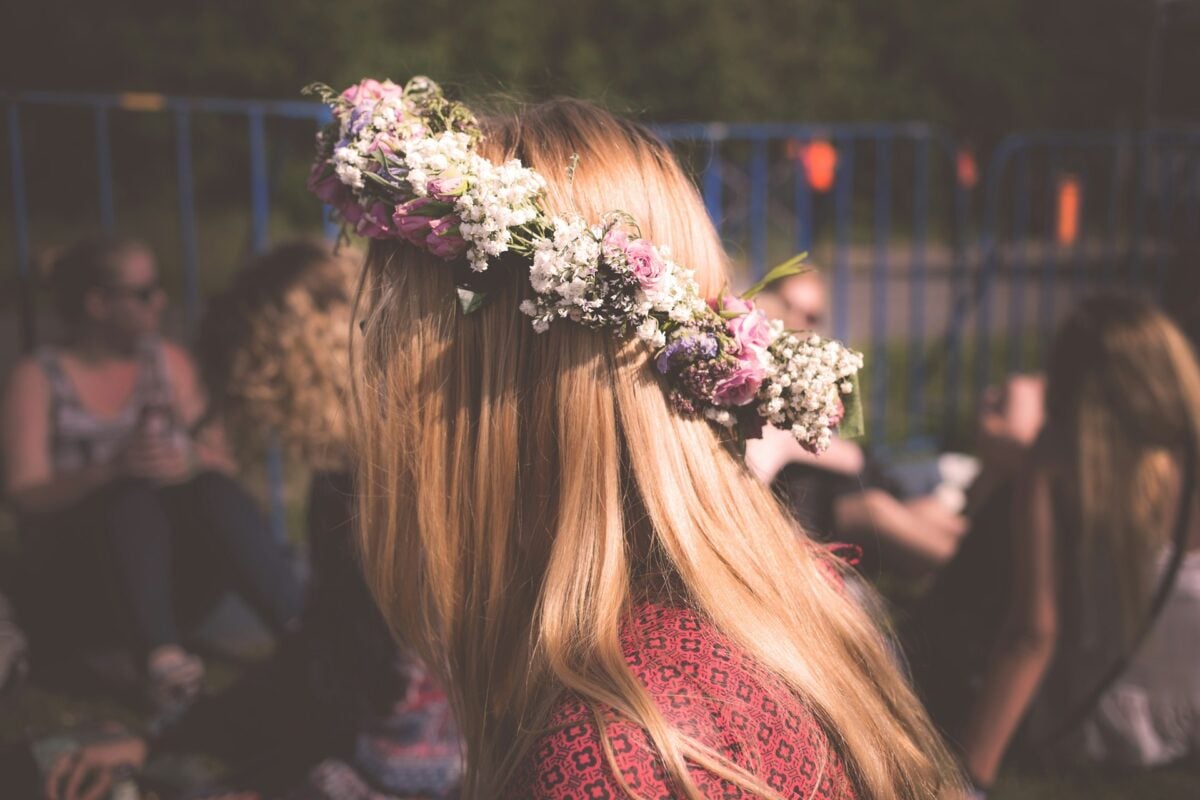
Europeans developed their own relationship with May’s moon, though their stories took a different turn. The Flower Moon became associated with fertility rituals and courtship customs that would make modern dating apps seem quaint by comparison.
Medieval Europeans believed this moon held special power over romantic relationships. Young people would gather flowers by moonlight, weave them into crowns, and perform elaborate courtship dances that supposedly revealed their true love’s identity.
These weren’t casual traditions — entire communities organized around these May moon celebrations.
Celtic Beltane Connections
The Flower Moon coincides with Beltane, one of the most significant festivals in the Celtic calendar. Beltane falls on May 1st, and the full moon that follows carries the festival’s energy forward.
Celtic mythology paints this time as a moment when the boundary between the mortal world and the realm of the fae becomes thin. Celtic folklore claims that flowers picked under the Flower Moon hold magical properties.
People would gather specific blooms — hawthorn, primrose, rowan — and use them in protection charms, love spells, and healing remedies. Whether you believe in magic or not, there’s something undeniably powerful about the ritual of gathering flowers by moonlight.
Agricultural Significance
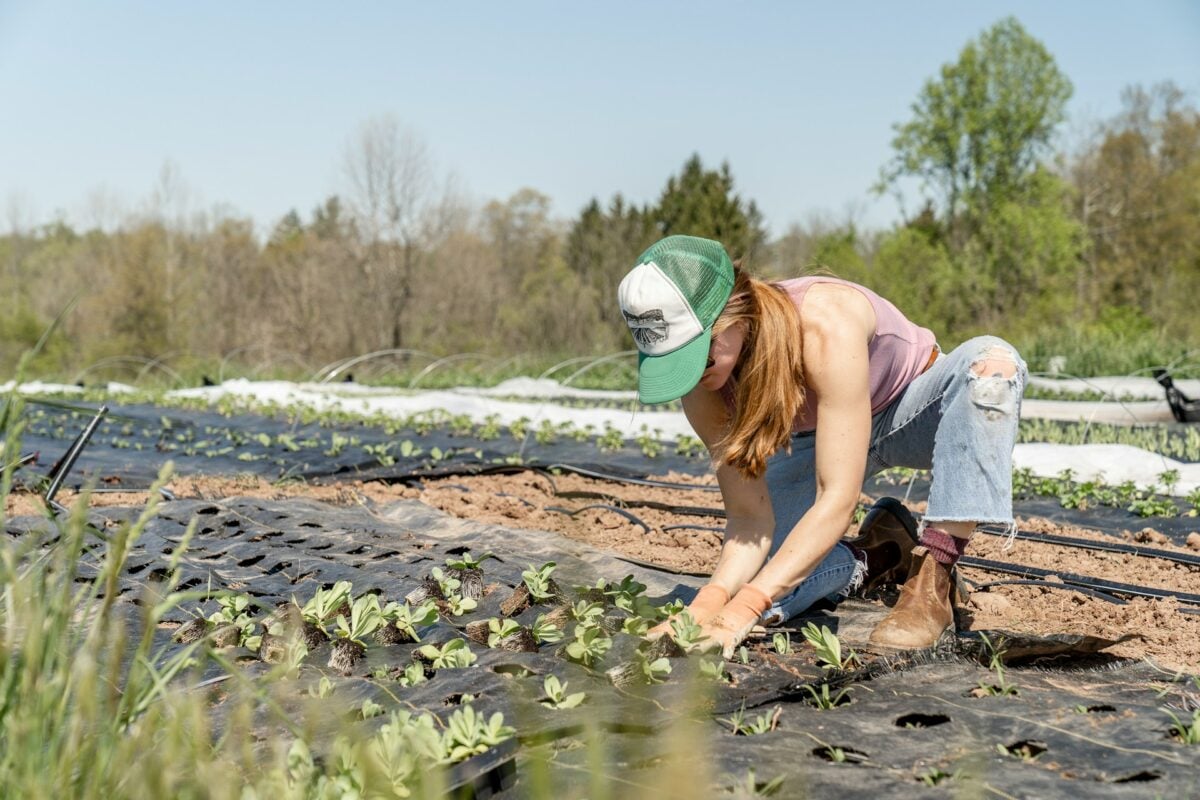
The Flower Moon marks a crucial turning point in the agricultural year. Farmers have traditionally used this moon as a signal that the danger of hard frost has passed.
It’s safe to plant tender crops, transplant seedlings, and begin the serious work of the growing season. This timing isn’t arbitrary.
The full moon provides enough light for evening and early morning work, extending the productive hours of each day. Farmers could plant by moonlight when necessary, tend to livestock, and prepare for the intense activity of summer growing season.
Modern Spiritual Interpretations
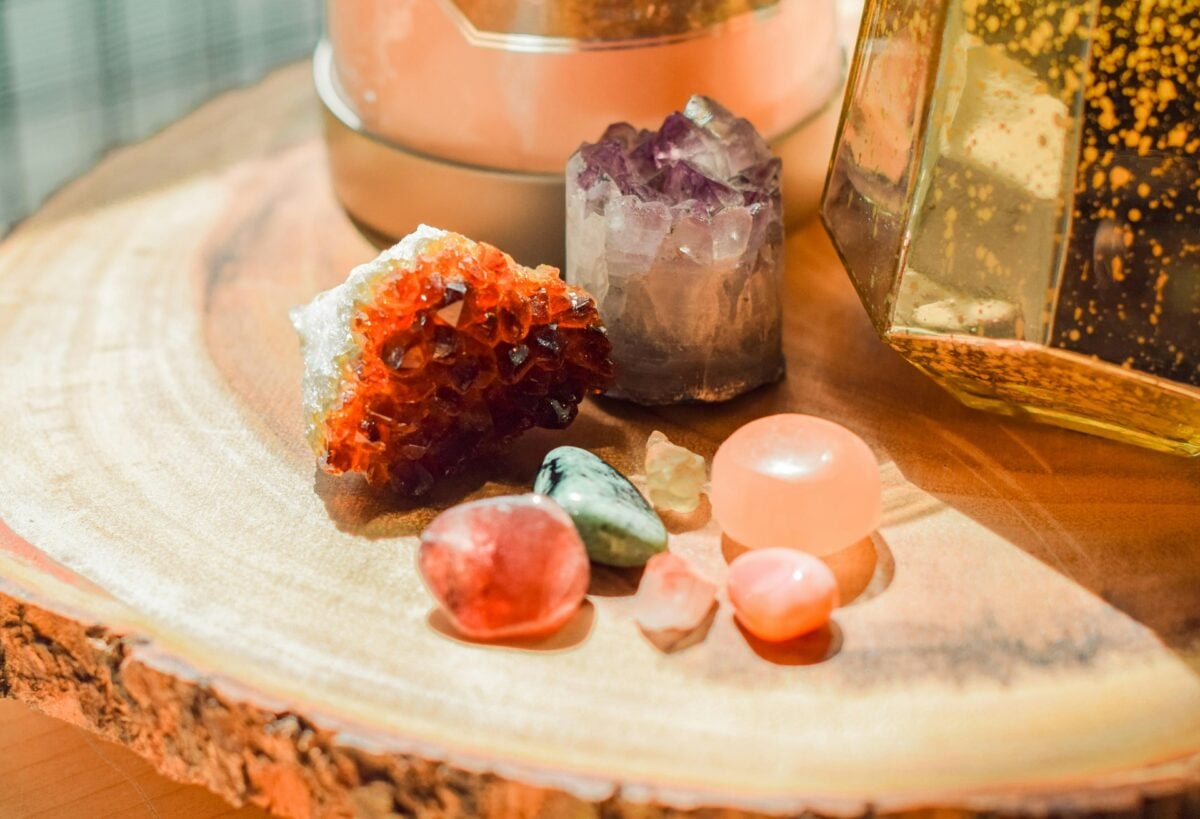
Contemporary spiritual practices have embraced the Flower Moon with enthusiasm that sometimes borders on the theatrical. Modern pagans, Wiccans, and various New Age practitioners treat this moon as a time of manifestation, renewal, and connecting with feminine divine energy.
These interpretations often blend traditional folklore with contemporary self-help concepts. The result can be meaningful for practitioners, even if it strays considerably from historical sources.
Astronomical Reality
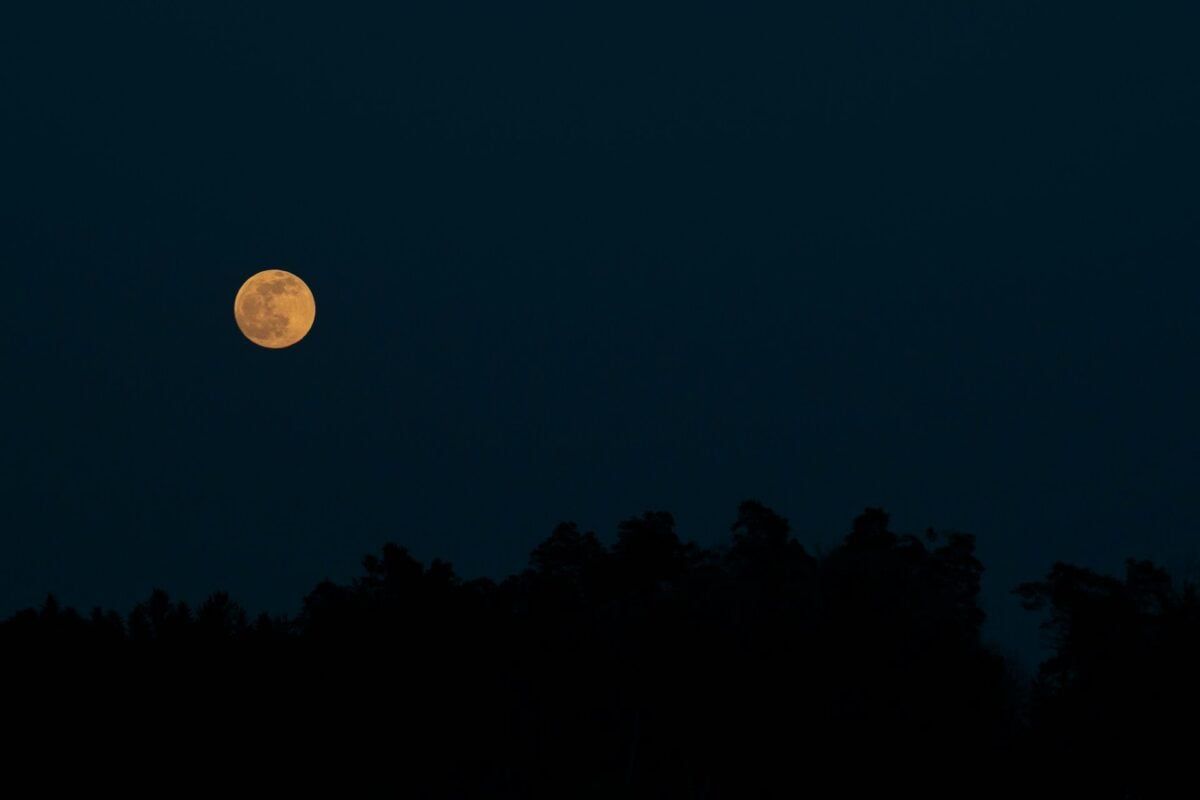
From a purely scientific perspective, the Flower Moon is simply May’s full moon — no different astronomically from any other full moon throughout the year. The moon doesn’t actually change size, color, or gravitational pull based on the season (though atmospheric conditions can affect how it appears to observers on Earth).
What makes the Flower Moon special isn’t anything inherent in the moon itself, but rather what’s happening on Earth when it rises. May represents peak spring in the Northern Hemisphere, when daylight hours are increasing rapidly and plant growth explodes across the landscape.
The moon simply provides a convenient marker for this natural timing.
Horticultural Timing
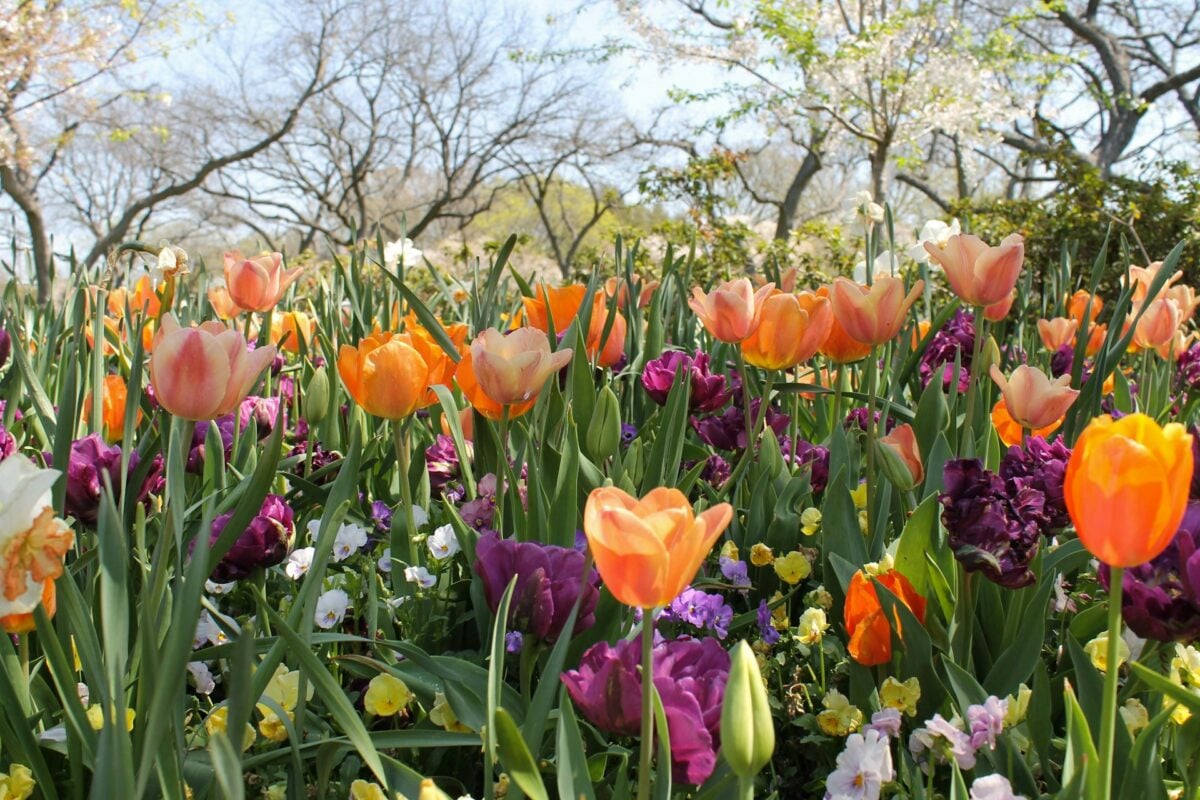
Gardeners have long used the Flower Moon as a planting guide, and there’s solid practical wisdom behind this tradition. By May’s full moon, soil temperatures have typically warmed sufficiently for most seeds and transplants.
The risk of killing frost has passed in most temperate regions. This lunar timing also coincides with when many perennial flowers begin their main blooming cycle.
Tulips, daffodils, and other early spring bulbs are finishing their show, while summer perennials like peonies and irises are just beginning to open. The garden reaches a particular kind of peak beauty during this time.
Cultural Festivals and Celebrations
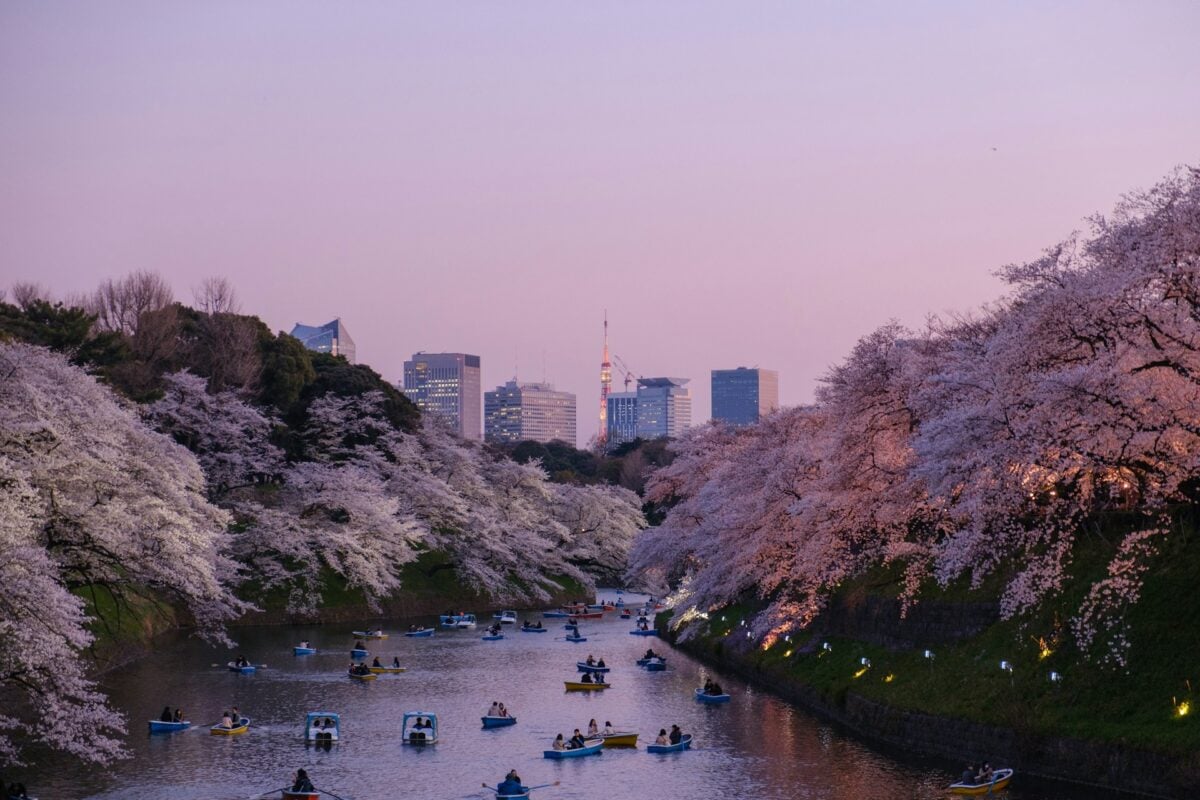
May flower festivals around the world often align with the Flower Moon, though not always deliberately. England’s May Day celebrations, Mexico’s Día de las Flores, and various cherry blossom festivals in Asia all tend to fall during this lunar cycle.
These festivals share common themes: celebrating beauty, welcoming the growing season, and gathering community around natural abundance. The Flower Moon provides a unifying celestial backdrop for these diverse cultural expressions.
Psychological and Emotional Associations
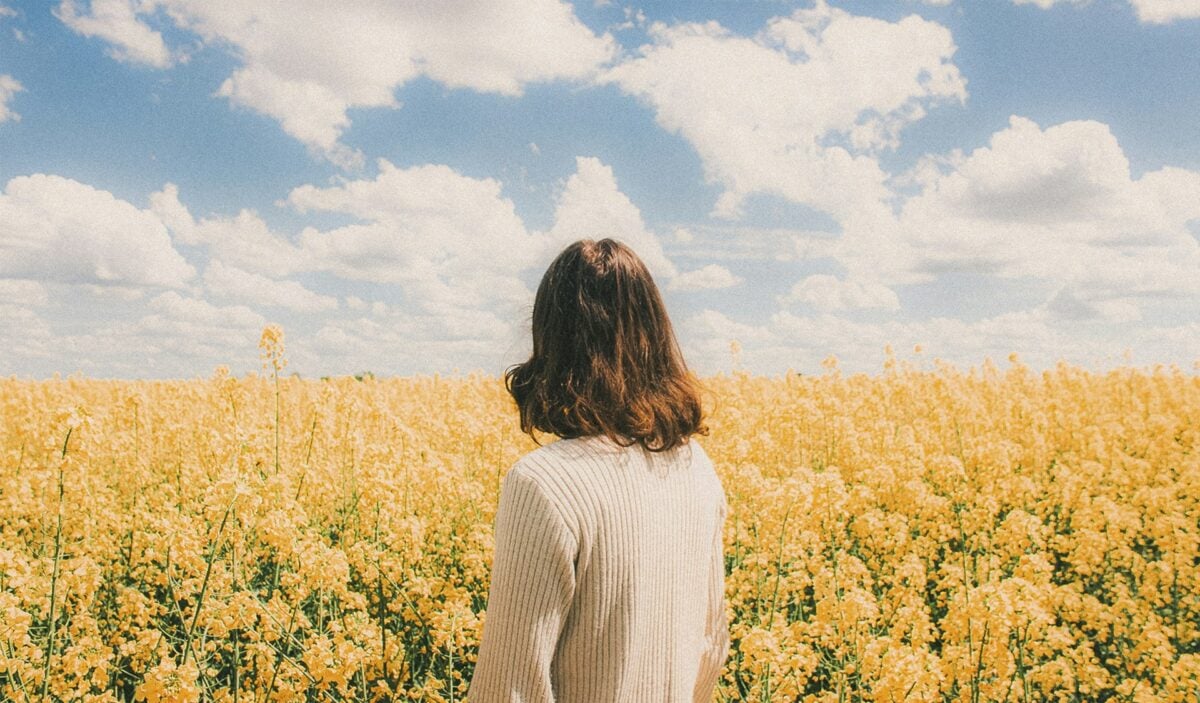
There’s something psychologically powerful about the combination of lengthening days, blooming flowers, and bright moonlight that characterizes May evenings. Research suggests that increased daylight and warmer weather can improve mood and energy levels for many people.
The Flower Moon arrives when many people are emerging from winter’s psychological hibernation. It coincides with a natural upswing in human activity and optimism.
Whether this creates the moon’s positive associations or simply reinforces them is difficult to determine.
Folklore and Superstitions
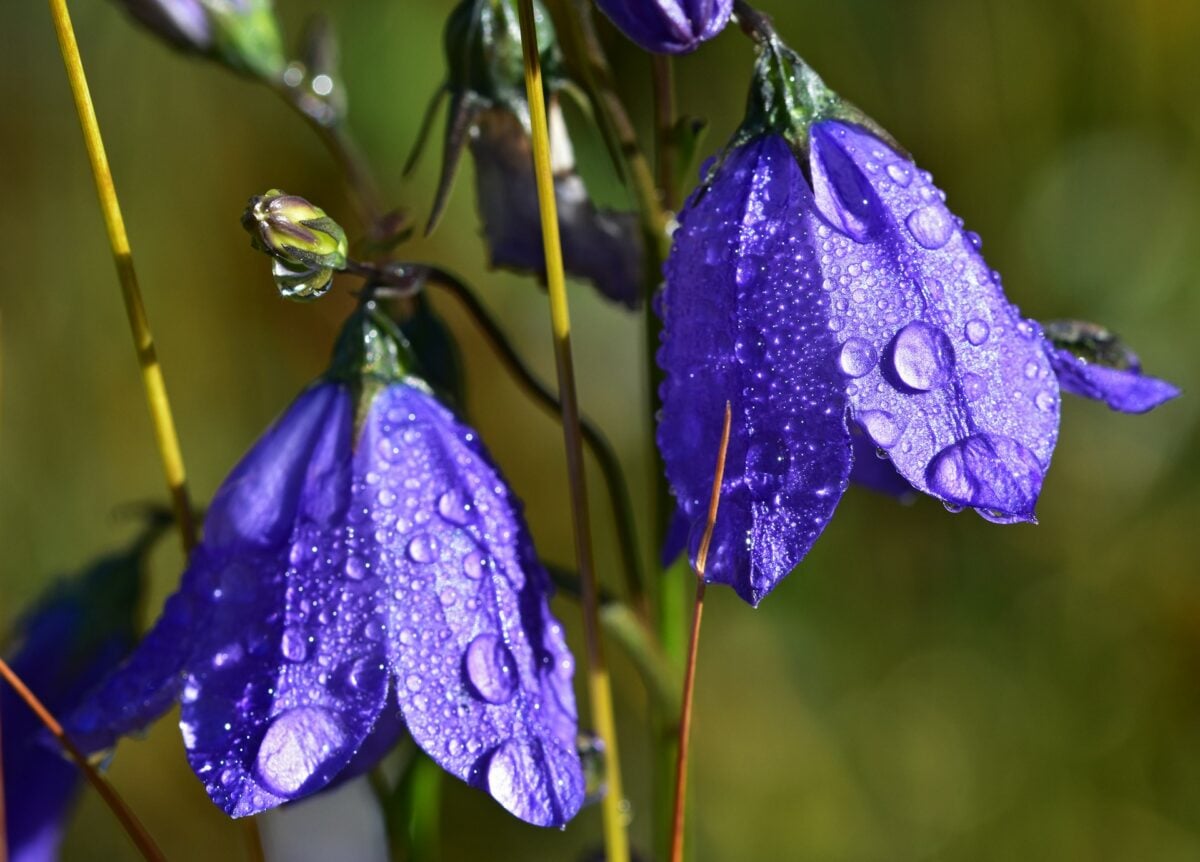
Traditional folklore surrounding the Flower Moon includes beliefs about its power to enhance beauty, promote healing, and strengthen romantic relationships. Some cultures believed that washing your face in dew collected under the Flower Moon would improve your complexion for the entire year.
Other superstitions warned against cutting your hair during this moon (it would grow back too quickly) or making major decisions while under its influence (you might be too optimistic to think clearly). These beliefs reflect a worldview where celestial events directly influence daily life.
Mythological Narratives
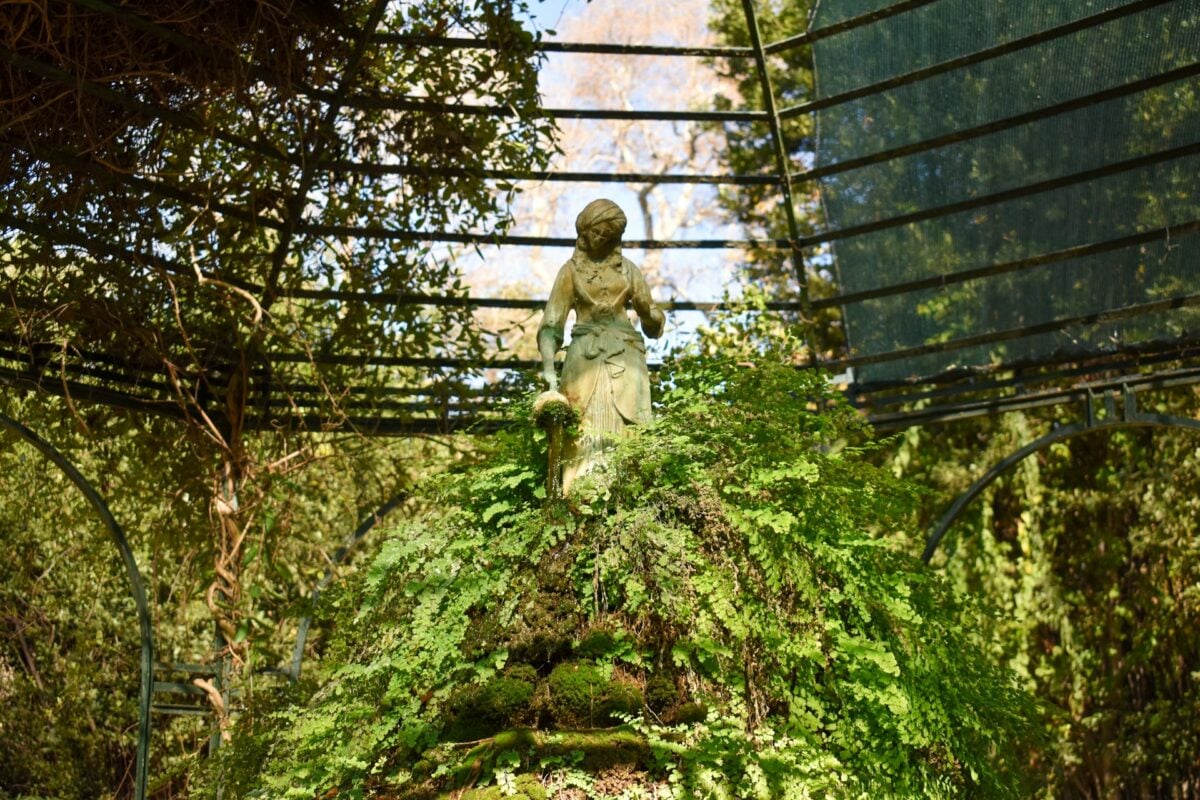
Greek mythology connects May’s full moon to Maia, the goddess of growth and nurturing for whom the month is named. Roman mythology similarly links this time to Flora, goddess of flowers and spring.
These mythological connections aren’t coincidental — ancient peoples created stories that helped them remember and honor the natural cycles they observed. Norse mythology associates this moon with the goddess Freya and her dominion over love, beauty, and fertility.
Celtic myths speak of the Flower Moon as a time when the goddess Brigid walks the earth, blessing crops and encouraging growth.
When Beauty Becomes Wisdom
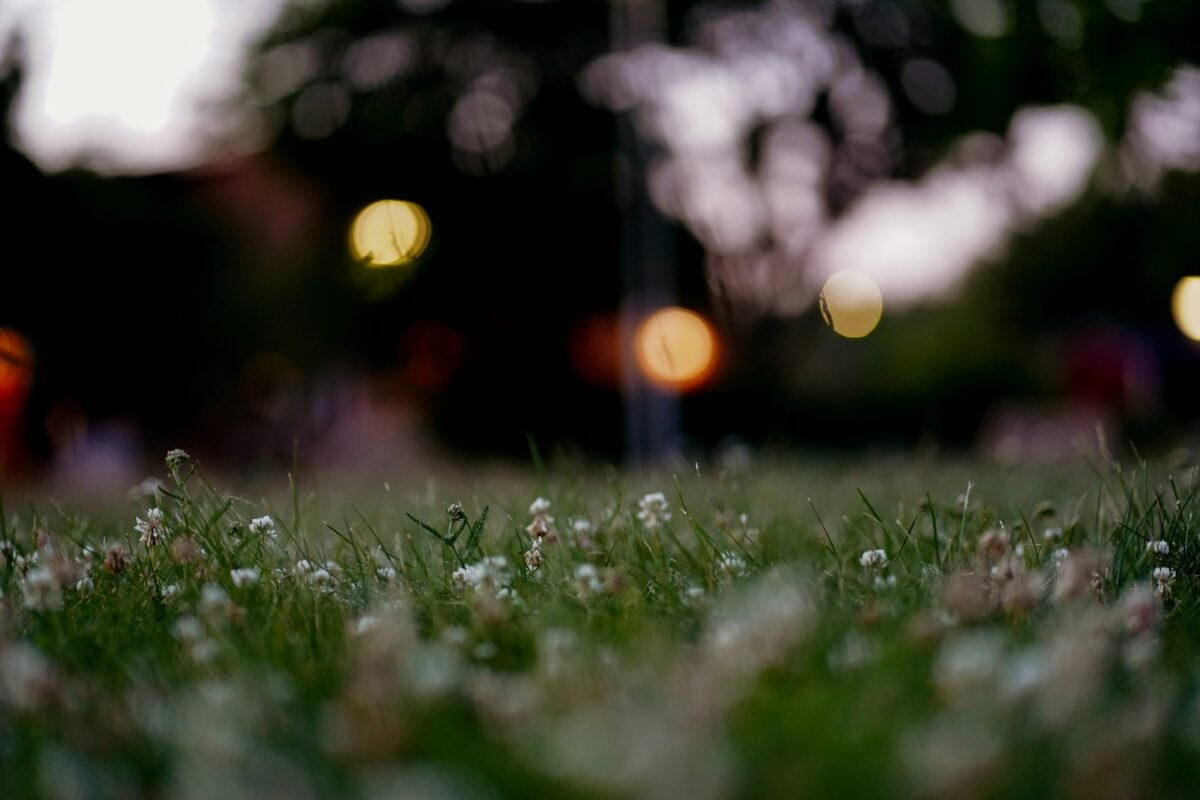
The Flower Moon endures because it represents something humans have always needed: a moment when the world’s beauty feels both abundant and temporary. Every culture that has watched this moon rise has understood that flowers bloom briefly, that spring’s promise requires autumn’s harvest, that beauty and impermanence dance together in ways that break hearts and inspire hope in equal measure.
The stories we tell about this moon aren’t really about astronomy — they’re about our need to find meaning in the cycles that govern our lives.
More from Go2Tutors!

- The Romanov Crown Jewels and Their Tragic Fate
- 13 Historical Mysteries That Science Still Can’t Solve
- Famous Hoaxes That Fooled the World for Years
- 15 Child Stars with Tragic Adult Lives
- 16 Famous Jewelry Pieces in History
Like Go2Tutors’s content? Follow us on MSN.



