17 Harsh Places Where People Still Live Today
Life finds a way, even in the most unforgiving corners of our planet. While most of us complain when the air conditioning breaks or the WiFi slows down, there are communities scattered across the globe that face daily challenges most people can’t even imagine. These aren’t temporary research stations or military outposts—these are places where families have built their lives, raised children, and created vibrant communities despite conditions that would send the average person running for the nearest exit.
From bone-chilling temperatures that freeze your breath mid-air to scorching deserts where shade becomes a precious commodity, human resilience shines brightest in these extreme environments. Here is a list of 17 harsh places where people still call home today.
La Rinconada, Peru
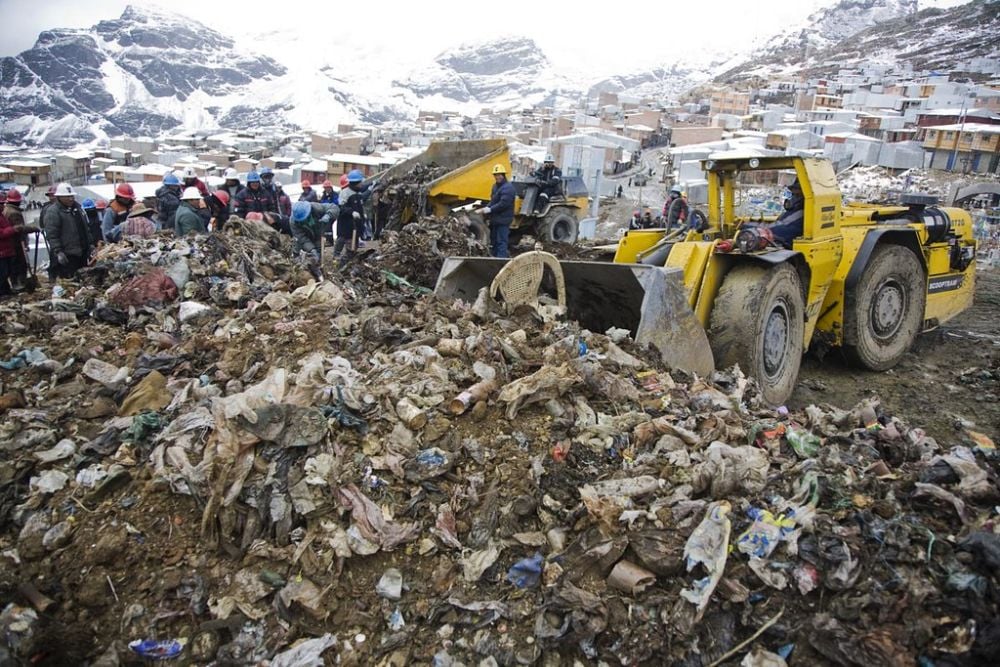
Perched at an elevation of 16,732 feet in the Peruvian Andes, La Rinconada holds the title of the world’s highest permanent settlement. The town exists solely because of gold mining, with about 50,000 residents enduring oxygen levels that are roughly half of what you’d find at sea level.
The thin air makes simple tasks like climbing stairs feel like running a marathon, and the constant threat of altitude sickness looms over everyone who calls this place home.
Oymyakon, Russia
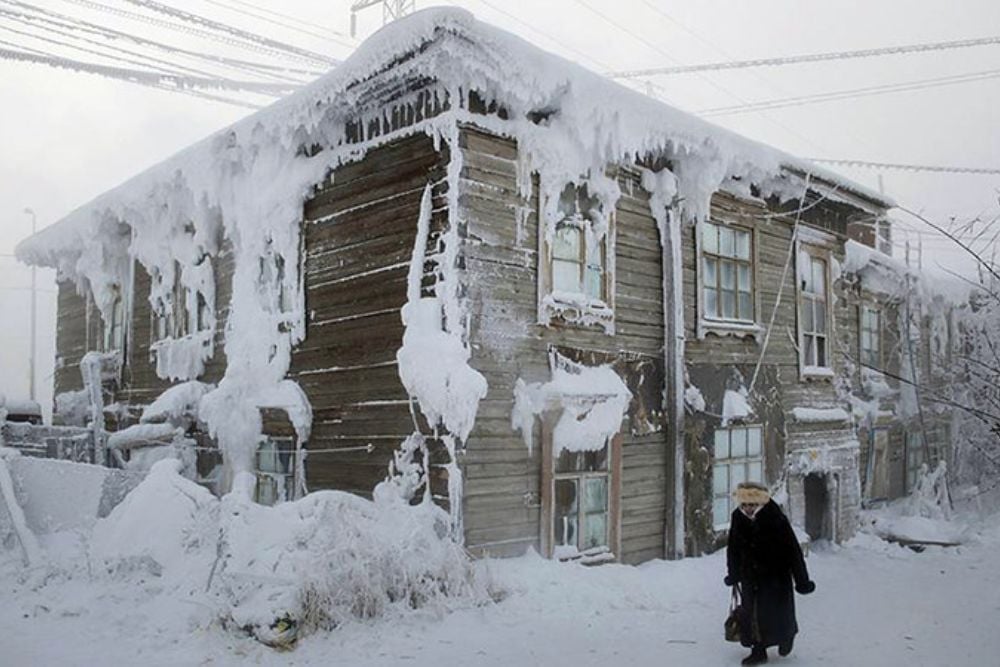
Welcome to the coldest permanently inhabited place on Earth, where winter temperatures regularly drop to -58°F and the record low hit a staggering -96.16°F in 1924. About 500 hardy souls live in this Siberian village, where car engines must run continuously during winter months or they’ll freeze solid.
The ground is permanently frozen, making traditional farming impossible, so residents rely heavily on reindeer meat, horse meat, and fish to survive the brutal winters.
Like Go2Tutors’s content? Follow us on MSN.
Tristan da Cunha
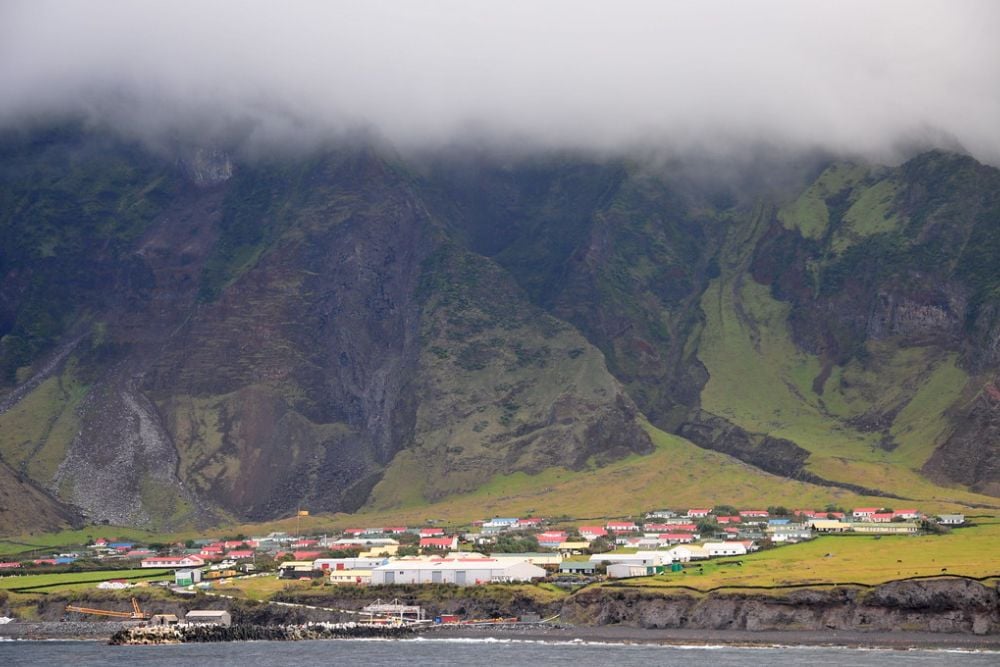
This British territory sits in the middle of the South Atlantic Ocean, earning its reputation as the most remote inhabited archipelago on Earth. The nearest landmass is 1,500 miles away, and the 270 residents can only receive supplies by boat a few times per year when weather permits.
Everyone on the island shares just seven surnames, and if you need emergency medical care, you better hope it can wait for the next supply ship or helicopter evacuation.
McMurdo Station, Antarctica
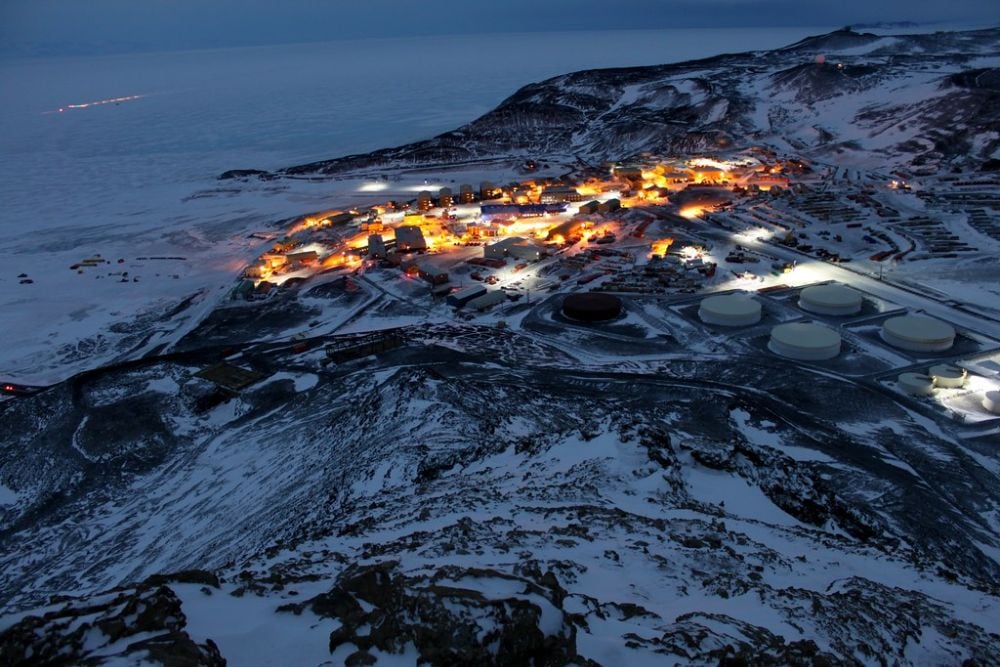
While not a traditional town, McMurdo Station houses up to 1,200 people during the summer months and about 150 brave souls who stay through the Antarctic winter. Residents deal with months of complete darkness, temperatures that can drop to -50°F, and winds that can reach 200 mph.
The station operates like a small city with its own fire department, hospital, and even bars, but stepping outside without proper gear can be deadly within minutes.
Ittoqqortoormiit, Greenland
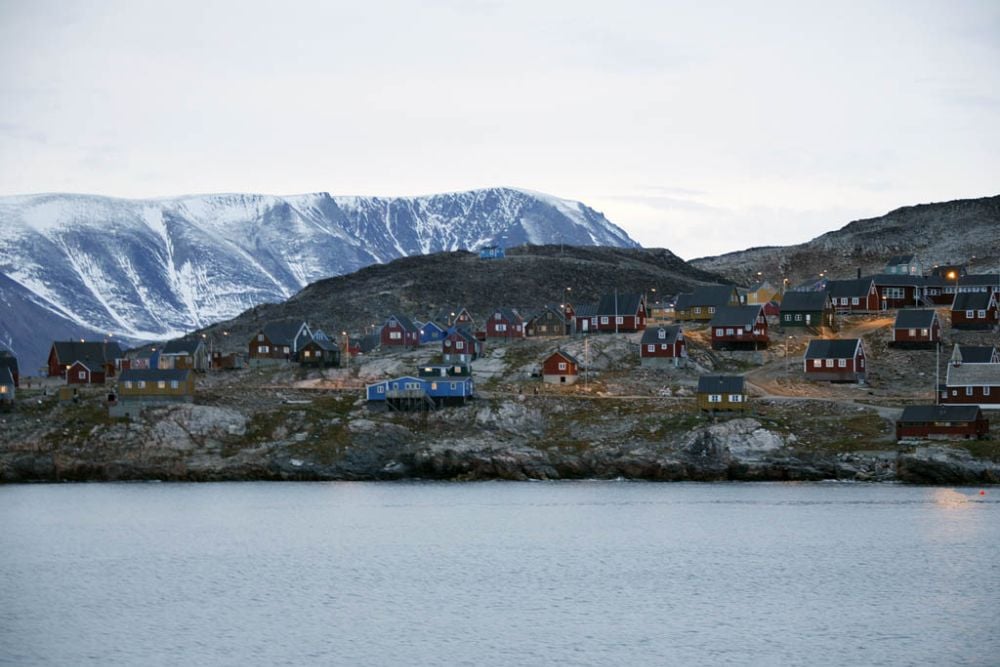
This tiny settlement of about 450 people sits on the edge of the world’s largest national park in northeastern Greenland. Residents face four months of complete darkness during winter and temperatures that rarely rise above freezing even in summer.
The sea ice that surrounds the town for most of the year makes supply deliveries incredibly challenging, forcing residents to rely heavily on hunting polar bears, seals, and whales for survival.
Like Go2Tutors’s content? Follow us on MSN.
Dallol, Ethiopia
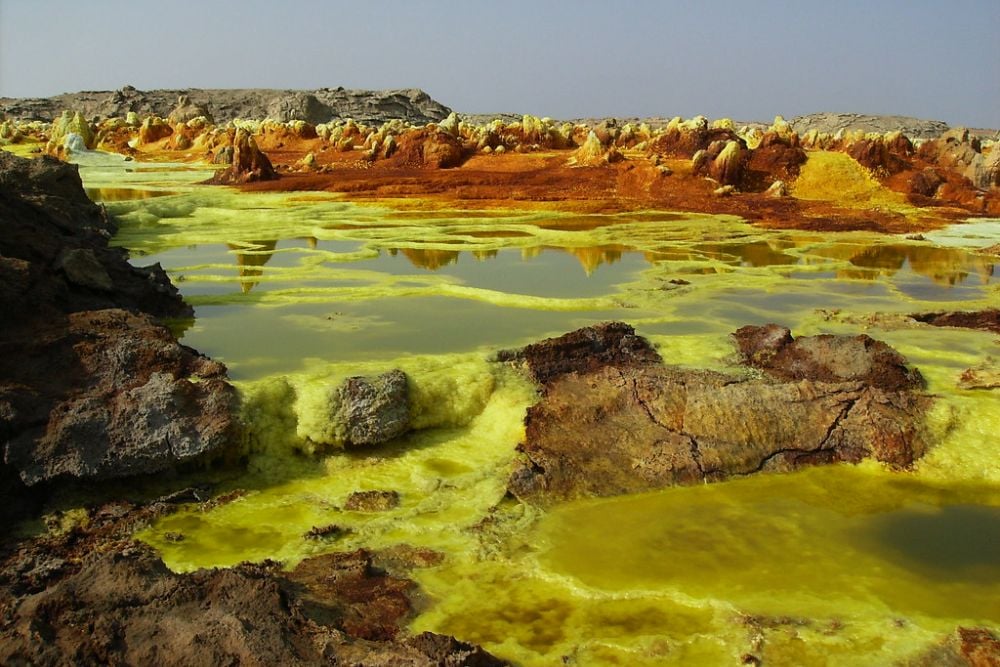
Known as one of the hottest places on Earth where people actually live, Dallol sees average temperatures around 94°F year-round, with daily highs often exceeding 125°F. The landscape looks like something from another planet, with sulfur springs, salt formations, and toxic gases creating a hostile environment.
The few hundred residents who work in the salt mines here must contend with extreme heat, dangerous fumes, and terrain that can literally burn through your shoes.
Coober Pedy, Australia
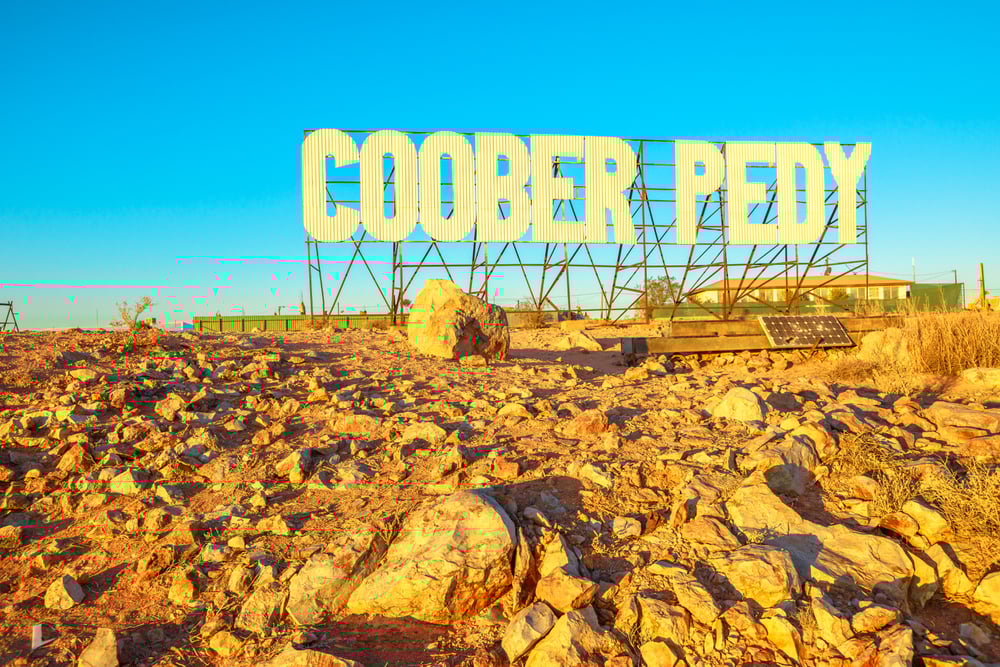
Half the residents of this opal mining town live underground to escape the scorching desert heat that can reach 120°F in summer. The name literally means ‘white man’s pit in the ground’ in the local Aboriginal language, which gives you a pretty good idea of what life is like here.
Above ground, the landscape is so barren and Mars-like that NASA has used it for testing equipment, while underground, residents have carved out homes, churches, and even hotels in the rock.
Whittier, Alaska
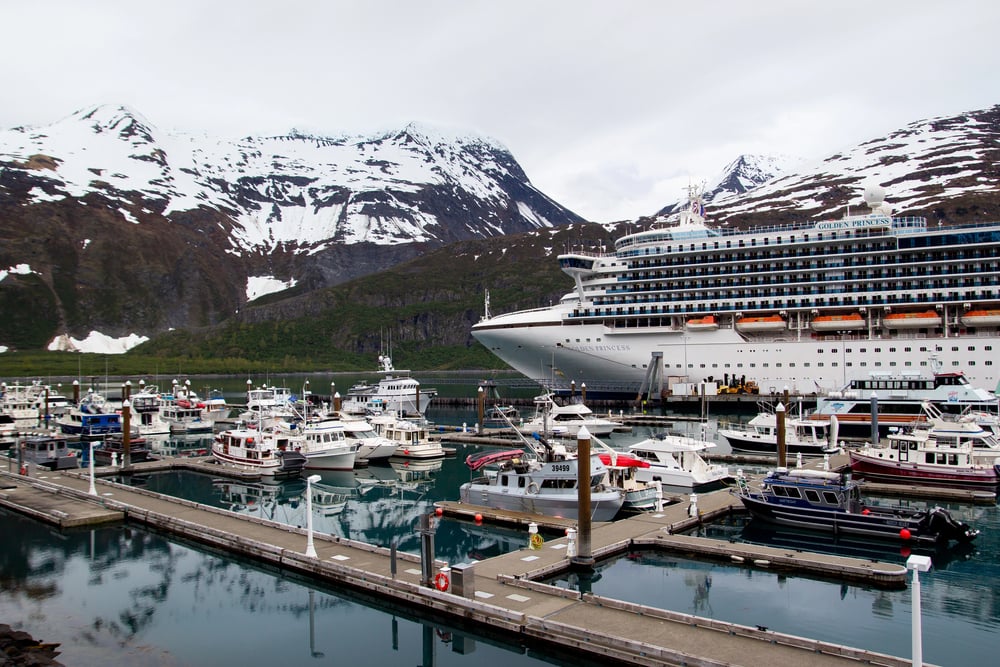
Nearly all 300 residents of this Alaskan town live in a single 14-story building called Begich Towers, originally built as military barracks. The town is accessible only by a 2.5-mile tunnel that closes at night, essentially trapping residents inside their community.
Winter brings months of darkness and temperatures that can drop to -30°F, while summer offers brief respite with nearly 24 hours of daylight.
Like Go2Tutors’s content? Follow us on MSN.
Shaharah, Yemen
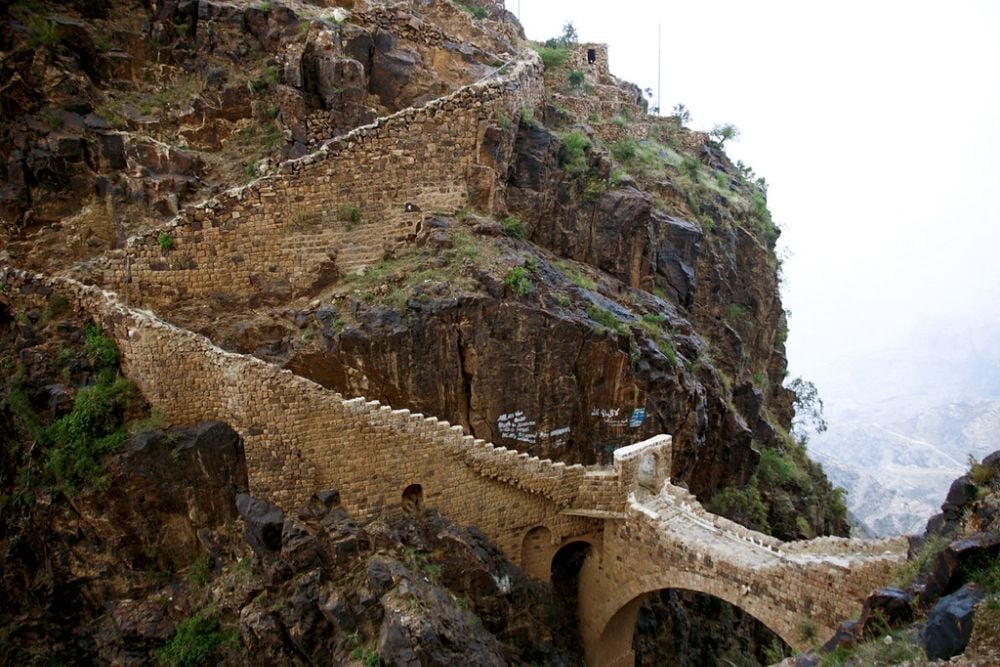
This fortified village sits 8,530 feet above sea level on a mountain peak that’s connected to the outside world by a single stone bridge built in the 17th century. The village remained hidden from the outside world until the 1960s when aircraft spotted it during the Yemeni Civil War.
Residents must navigate treacherous mountain paths and the famous bridge to get supplies, and the isolation means medical emergencies can quickly become life-threatening situations.
Supai, Arizona
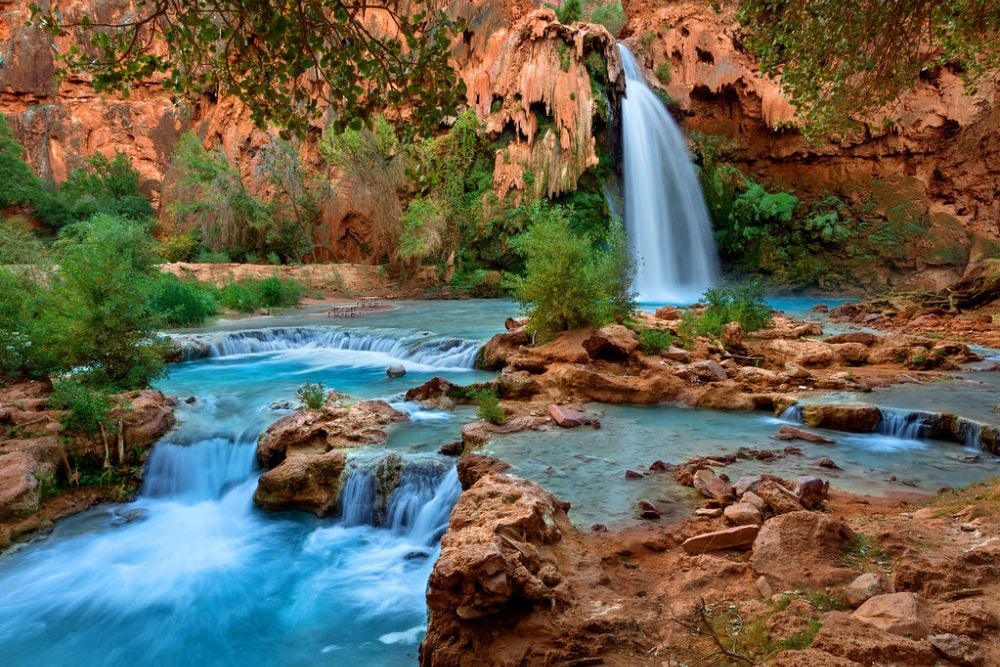
The only place in the United States where mail is still delivered by mule, Supai sits at the bottom of the Grand Canyon and houses the Havasupai Tribe. The village has no roads leading to it, so everything from groceries to medical supplies must be transported by helicopter or pack animals along an eight-mile trail.
Residents live without many modern conveniences that most Americans take for granted, and emergency evacuations require expensive helicopter rides.
Longyearbyen, Svalbard
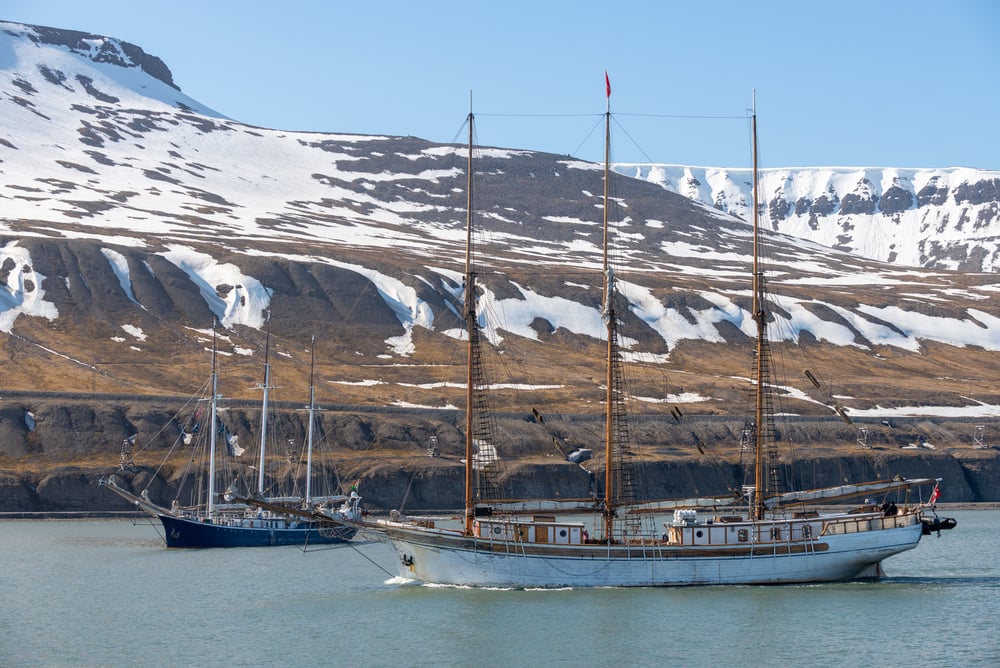
This Norwegian settlement is the northernmost town in the world, where residents endure four months of complete darkness and four months of constant daylight each year. Temperatures can drop to -40°F, and polar bears outnumber humans in the area, making it illegal to leave town without a rifle.
The permafrost is so effective at preserving things that it’s illegal to die here—your body would never decompose, so terminally ill residents must leave the island.
Like Go2Tutors’s content? Follow us on MSN.
Rincon de la Vieja, Costa Rica
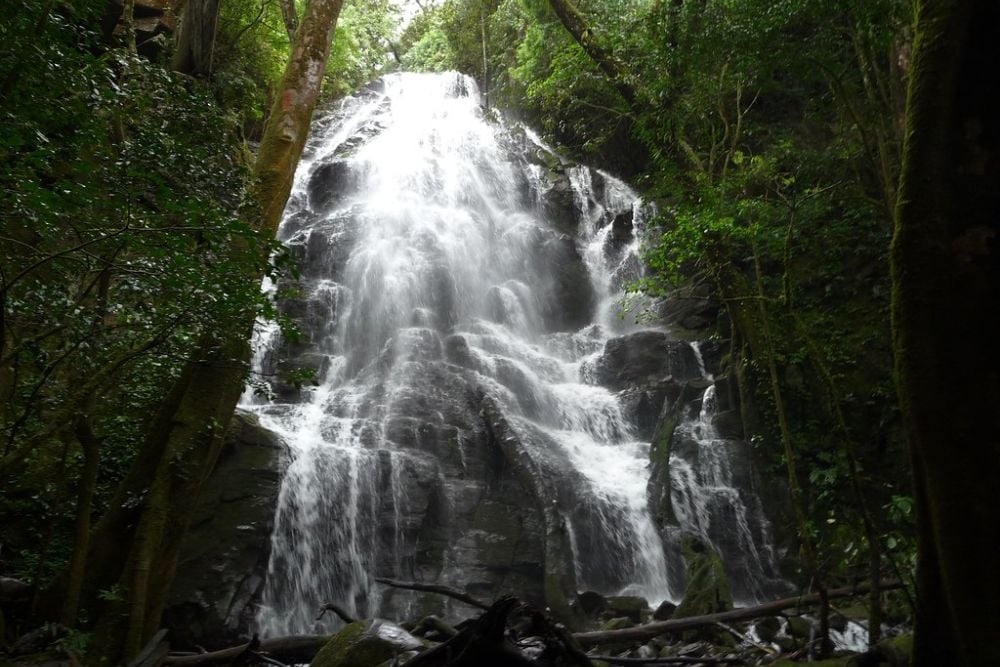
While Costa Rica might sound tropical and pleasant, residents near this active volcano deal with regular earthquakes, toxic gas emissions, and the constant threat of eruption. The sulfurous fumes from the volcano create an environment that burns vegetation and makes breathing difficult on bad days.
Residents have learned to read the volcano’s moods and have evacuation plans ready, but many refuse to leave despite the obvious dangers.
Atacama Desert, Chile
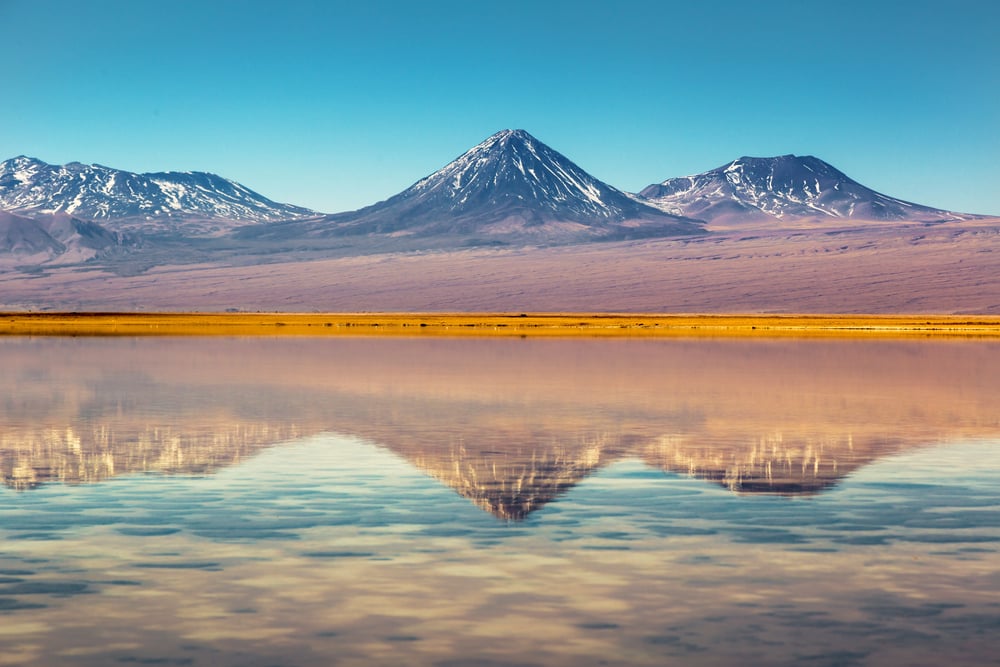
The driest non-polar desert on Earth is home to several small mining communities where residents might not see rain for years at a time. Some weather stations in the region have never recorded precipitation, and the combination of high altitude and extreme dryness creates conditions similar to what you’d find on Mars.
Residents rely entirely on trucked-in water and face the constant challenge of keeping equipment and themselves functional in the bone-dry environment.
Vostok Station, Antarctica
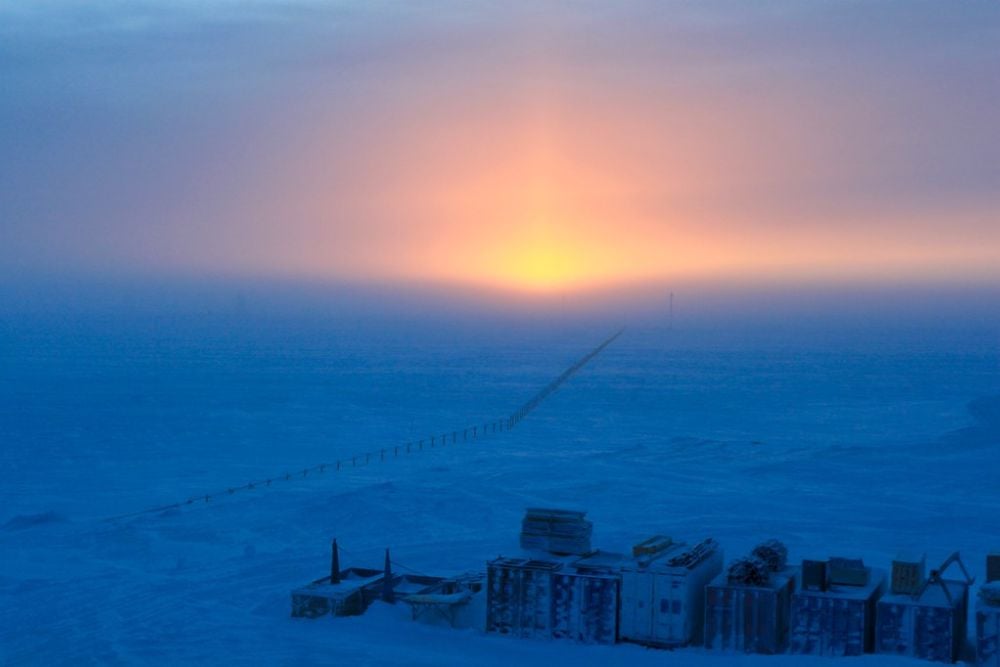
While primarily a research station, Vostok has housed scientists year-round since 1957, making it one of the most consistently inhabited places in Antarctica. The station holds the record for the coldest temperature ever recorded on Earth at -128.6°F, and residents endure eight months of darkness each year.
The isolation is so complete that it takes more effort to reach Vostok than it does to reach the International Space Station.
Like Go2Tutors’s content? Follow us on MSN.
Barrow (Utqiagvik), Alaska
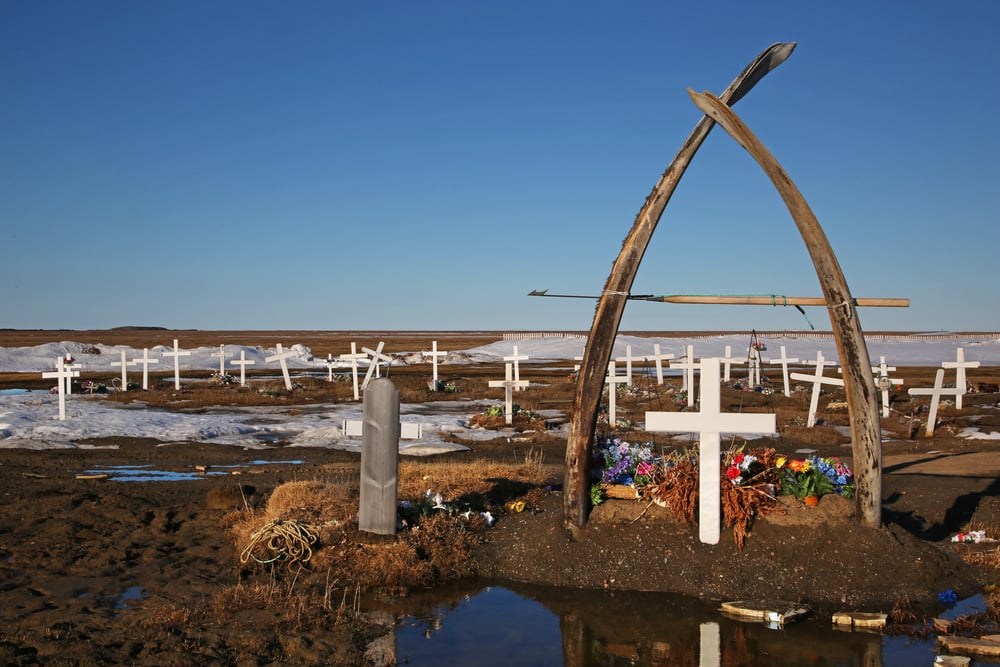
The northernmost city in the United States experiences 65 straight days of darkness during winter and 65 days of continuous sunlight in summer. With temperatures that can drop to -50°F and winds that create deadly wind chills, residents face some of the harshest conditions in North America.
The town sits on permafrost, making construction challenging, and groceries can cost five times more than in the lower 48 states due to transportation difficulties.
Arica, Chile
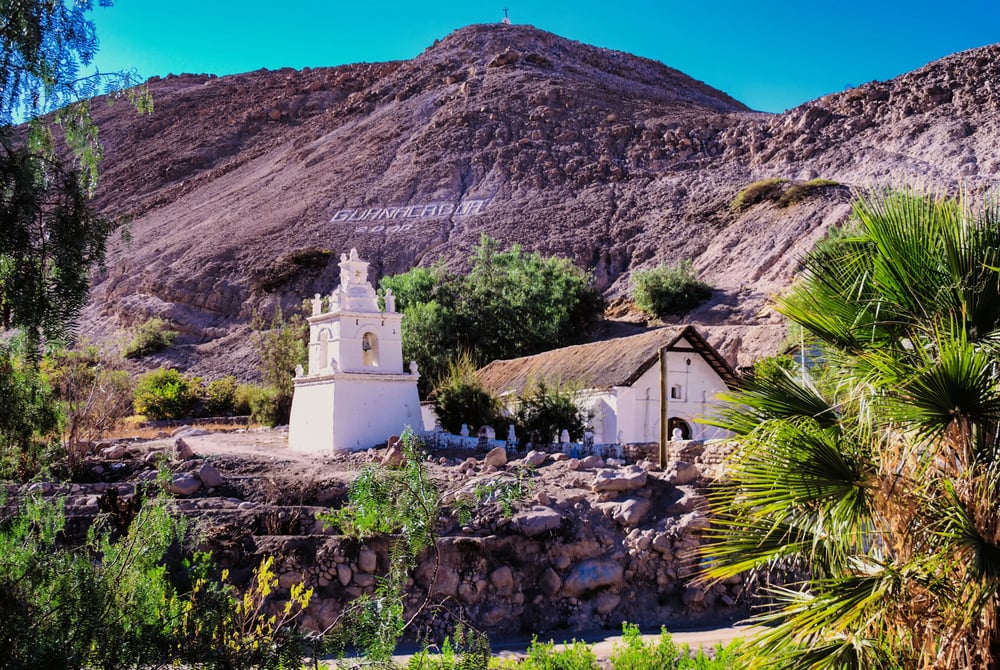
This coastal city in the Atacama Desert holds the record for the longest dry spell in recorded history—no measurable rainfall for 173 months between 1903 and 1918. Residents have adapted to life with virtually no fresh water sources, relying on desalination and water trucked in from hundreds of miles away.
The extreme dryness preserves everything so well that 2,000-year-old mummies are naturally preserved in the surrounding desert.
Alert, Canada
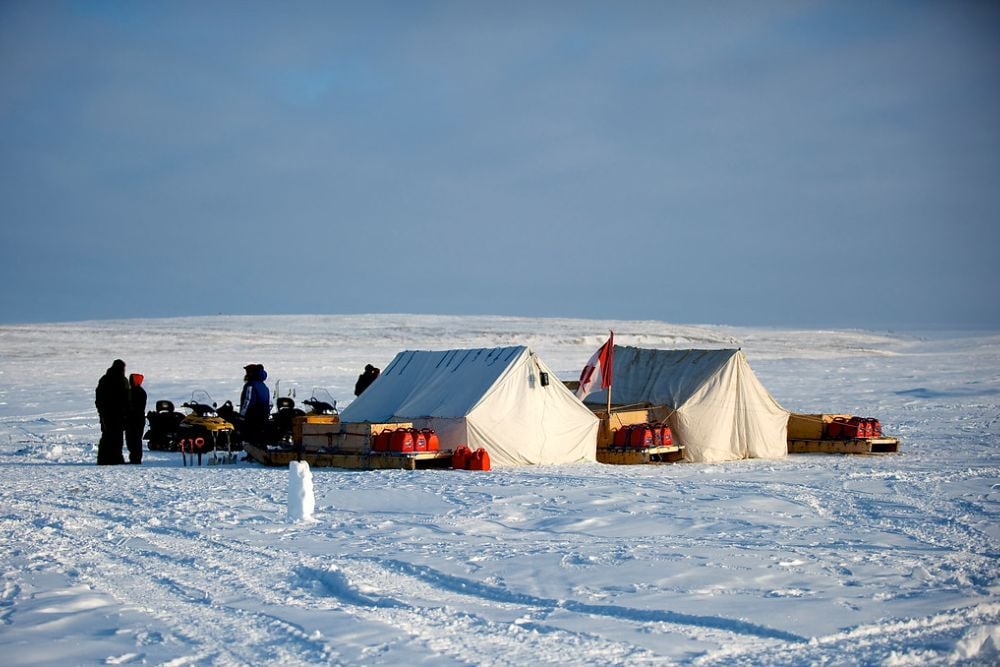
The northernmost permanently inhabited place in the world, Alert is home to about 62 people who maintain a weather station and military base just 508 miles from the North Pole. Winter temperatures average -40°F, and the sun doesn’t rise for four months out of the year.
Supply flights can only land during certain weather conditions, and medical emergencies often require dangerous evacuation flights in extreme conditions.
Like Go2Tutors’s content? Follow us on MSN.
Where Determination Meets Reality
These communities prove that humans can adapt to almost any environment when necessity or opportunity calls. Whether driven by mining prospects, scientific research, cultural heritage, or simply the desire to live differently, these residents have found ways to thrive where others would merely survive.
Their daily lives might seem impossibly difficult to outsiders, but they’ve created communities, traditions, and support systems that make even the harshest places feel like home. In our increasingly connected world, these settlements remind us that sometimes the most meaningful life experiences happen in the places that challenge us the most.
More from Go2Tutors!

- 16 Historical Figures Who Were Nothing Like You Think
- 12 Things Sold in the 80s That Are Now Illegal
- 15 VHS Tapes That Could Be Worth Thousands
- 17 Historical “What Ifs” That Would Have Changed Everything
- 18 TV Shows That Vanished Without a Finale
Like Go2Tutors’s content? Follow us on MSN.