16 Times Weather Changed the Course of an Important Event
Throughout human history, our plans, battles, explorations, and everyday lives have been at the mercy of something we cannot control: the weather. While we’ve developed increasingly sophisticated forecasting methods, Mother Nature has repeatedly demonstrated her ability to alter the course of pivotal events, sometimes in ways that changed history forever.
Weather has played a decisive role in shaping our world in ways many people never consider. Here is a list of 16 remarkable instances when weather dramatically changed the outcome of significant historical events.
The Mongol Fleet Destroyed by Kamikaze
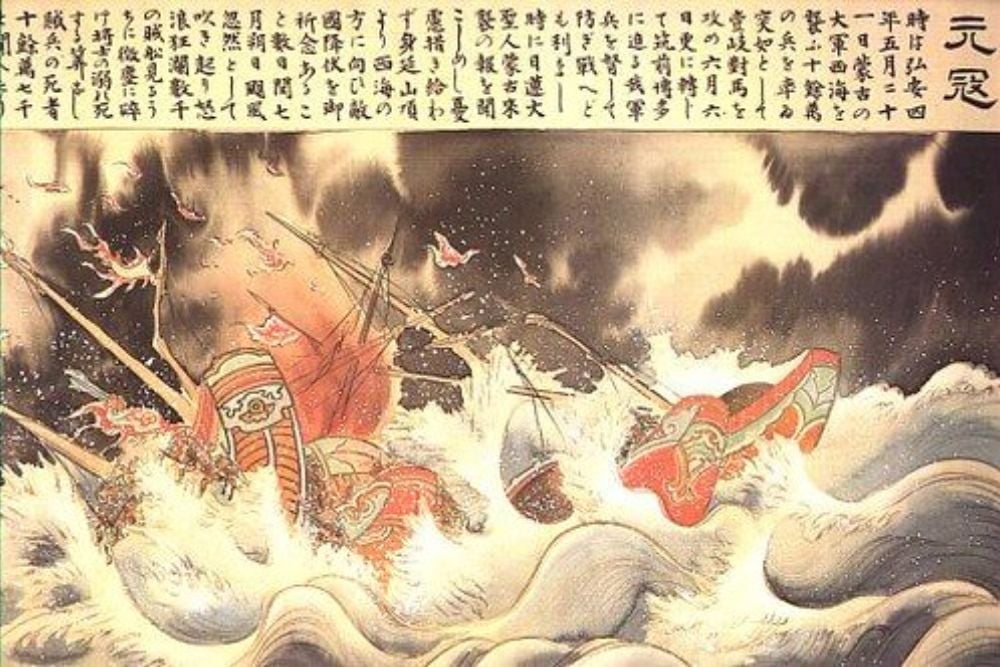
In 1274 and again in 1281, Kublai Khan launched massive naval invasions of Japan. Both times, massive typhoons—later called ‘kamikaze’ or ‘divine winds’—decimated the Mongol fleets.
With an estimated 4,000 ships destroyed and about 100,000 men drowned, the second typhoon was especially catastrophic. For millennia to come, these natural disasters essentially kept Japanese freedom intact and prevented invasion of the island.
Napoleon’s Retreat from Russia

Napoleon Bonaparte’s Grande Armée was not defeated by Russian military forces as much as by the brutal Russian winter of 1812. His troops were unprepared for temperatures that plummeted to -30°F. The extreme cold froze men and horses alike, while snow-covered roads became impassable.
What began as an invasion force of approximately 500,000 men was reduced to just 27,000 soldiers capable of fighting. This weather-induced disaster marked the beginning of Napoleon’s downfall.
D-Day’s Critical Weather Window
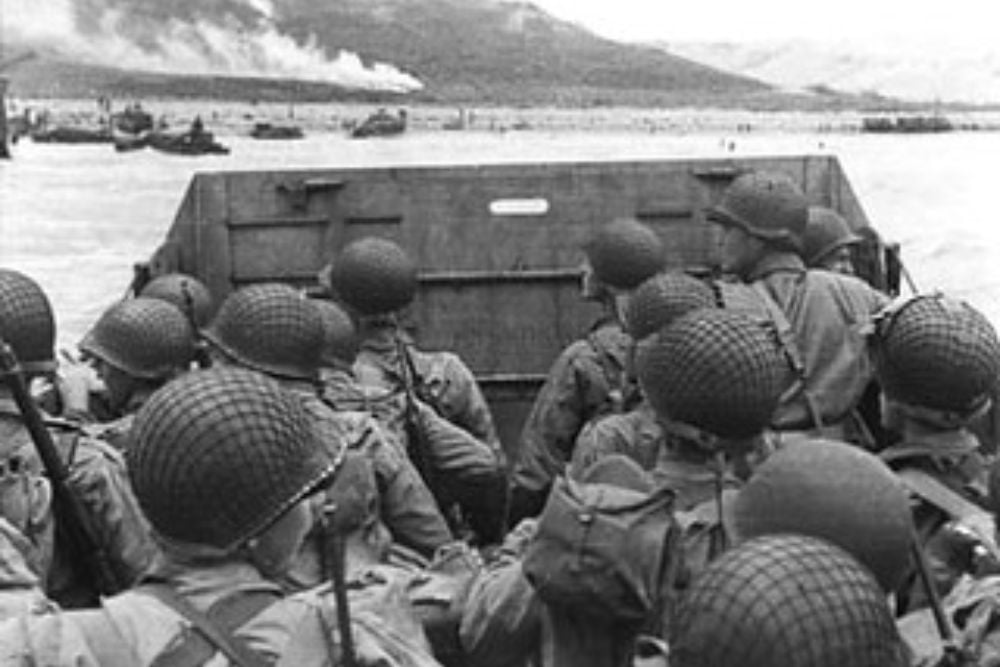
The Allied invasion of Normandy during World War II depended totally on appropriate meteorological conditions. General Eisenhower postponed the operation because of stormy conditions, originally set for June 5, 1944.
Then meteorologists found a limited 36-hour period of better weather. This prediction turned up accurate, enabling the large-scale invasion on June 6 to go on. The Germans were caught rather unprepared since they thought no commander would undertake an invasion in such limited circumstances, so giving the Allies the advantage they required.
The Spanish Armada’s Demise
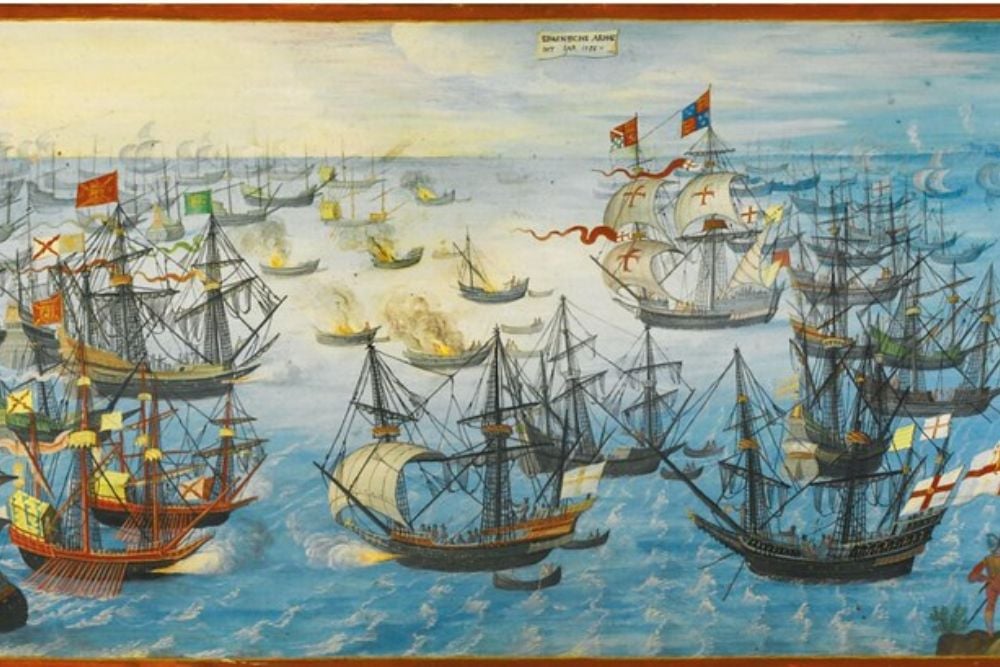
In 1588, King Philip II of Spain sent his ‘Invincible Armada’ to invade England. After initial naval engagements with the English fleet, the Spanish ships were forced to sail northward around the British Isles.
Violent storms in the North Atlantic wrecked many vessels on the coasts of Scotland and Ireland. The weather destroyed more Spanish ships than the English navy had, effectively ending Spain’s attempt to conquer England and altering the balance of power in Europe.
George Washington’s Fog-Assisted Escape
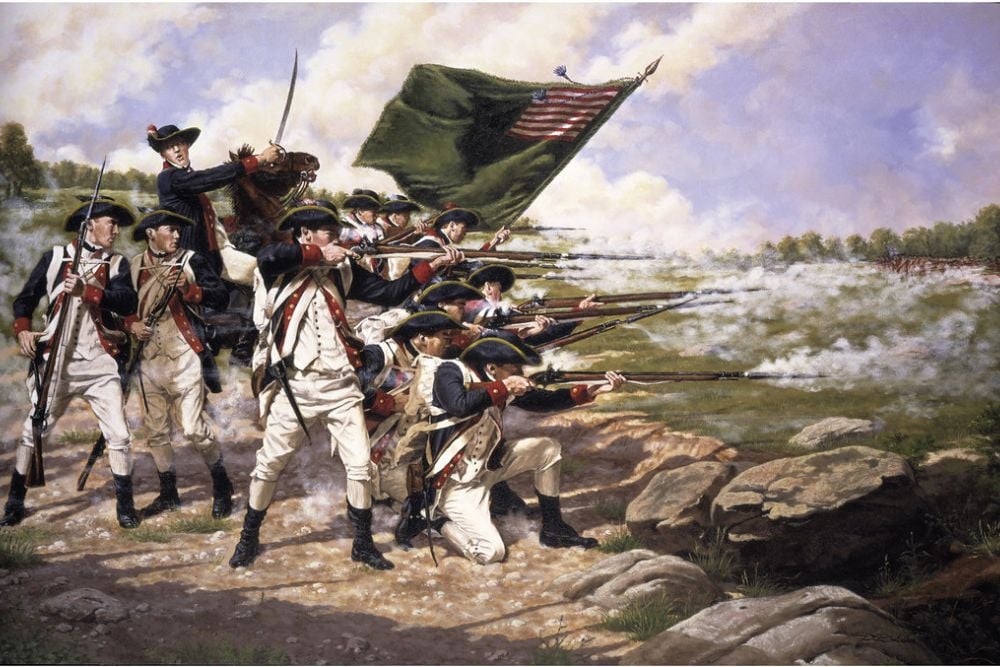
General Washington and the Continental Army were trapped on Brooklyn Heights with the British army closing in following the Battle of Long Island in 1776. Under cover of darkness and fog, Washington was able to evacuate his whole army across the East River to Manhattan as a providental fog settled over the area facing inevitable loss.
This weather-assisted evacuation saved the Revolutionary Army as well as maybe the American Revolution itself.
Russia’s Rasputitsa Halts Hitler

Twice a year, Russia experiences ‘rasputitsa’—the season of mud caused by heavy rainfall in spring and autumn. During Operation Barbarossa in 1941, the German advance toward Moscow ground to a halt when autumn rains turned roads into nearly impassable mud baths.
Military equipment became bogged down, supply lines were disrupted, and the offensive stalled. This delay proved critical, as winter set in before the Germans could capture Moscow, contributing significantly to Hitler’s eventual defeat on the Eastern Front.
The Great Storm That Saved Japan
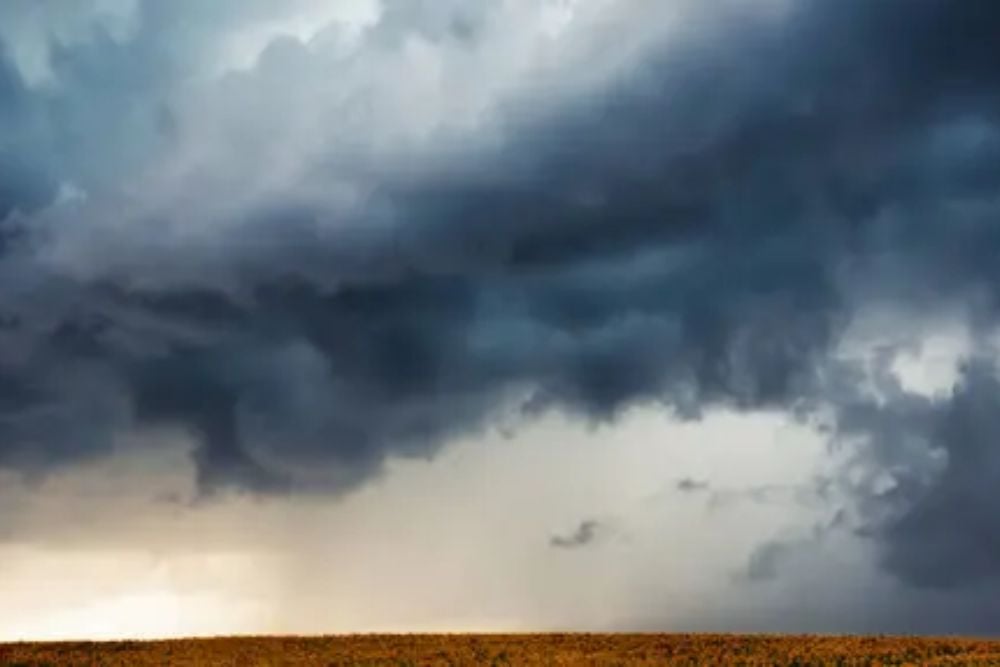
In the 13th century, Kublai Khan attempted a third invasion of Japan after his previous two fleets were destroyed by typhoons. As the Mongol ships approached Japan in 1281, another massive typhoon struck, sinking most of the fleet and killing an estimated 100,000 invaders.
The Japanese believed these ‘divine winds’ (kamikaze) were sent by the gods to protect their homeland. This weather event preserved Japanese sovereignty and had profound implications for East Asian history.
Hurricane Katrina Reshapes American Politics

When Hurricane Katrina devastated New Orleans and the Gulf Coast in 2005, the inadequate federal response became a defining moment in George W. Bush’s presidency. The storm exposed critical failures in disaster preparedness and response, disproportionately affecting poor and minority communities.
This catastrophic weather event catalyzed major reforms in emergency management systems and significantly influenced subsequent American political discourse about climate change, infrastructure, and social inequality.
Hail Halts Hannibal
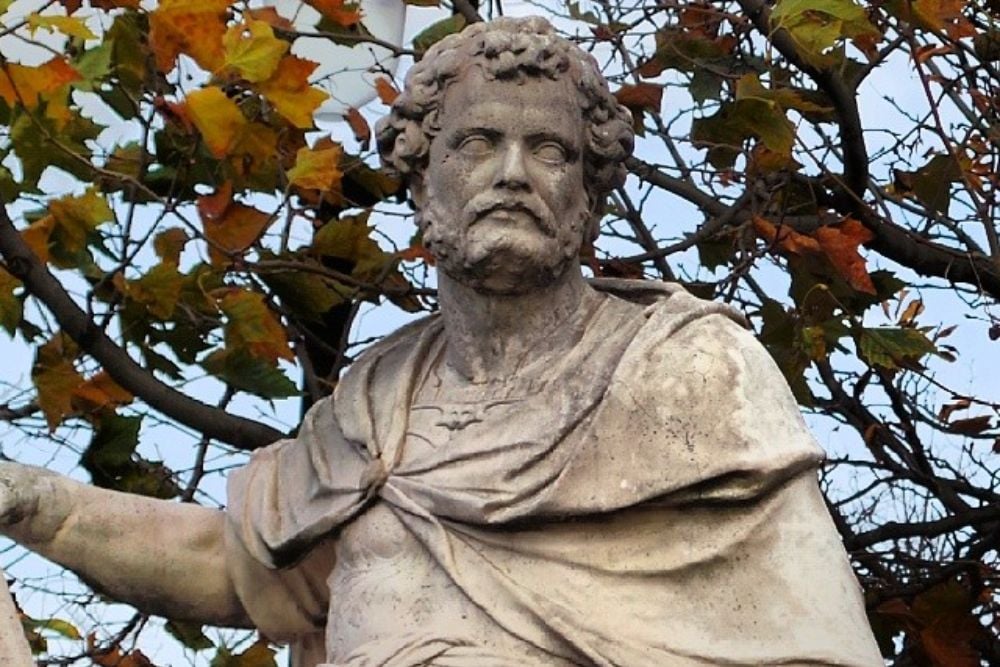
In 218 BCE, Hannibal Barca crossed the Alps with his army and war elephants to invade Italy. During a critical battle near Cannae, a violent hailstorm erupted with winds that blew directly into the faces of the Roman soldiers.
Taking advantage of this weather condition, Hannibal positioned his troops with their backs to the storm and launched a devastating attack. The weather gave him a decisive tactical advantage that contributed to one of Rome’s most crushing defeats.
Drought and the Maya Collapse
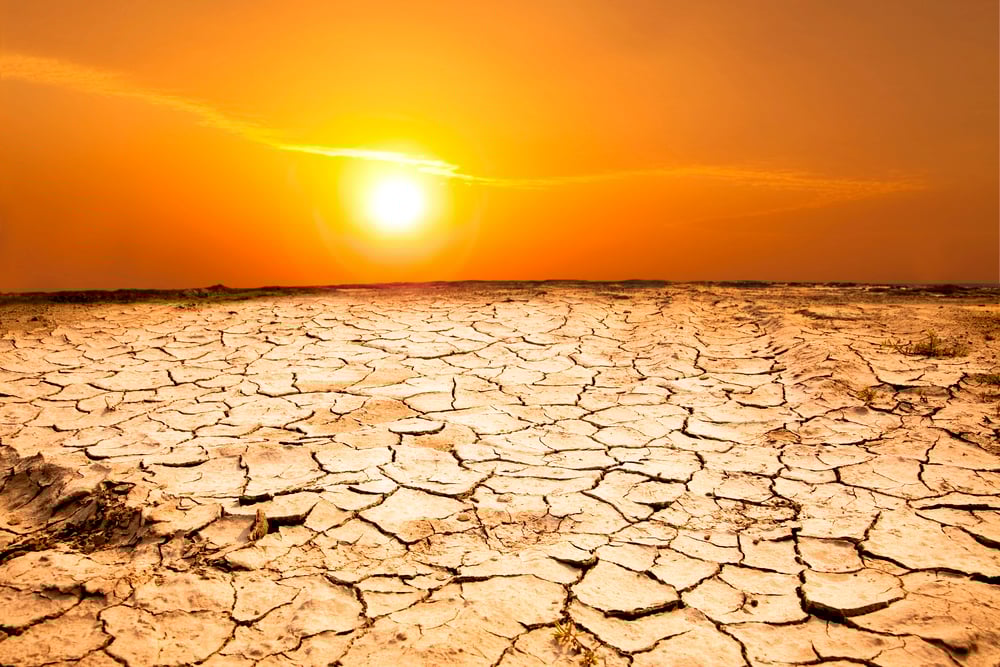
Recent research suggests that severe drought played a major role in the collapse of Maya civilization between 800 and 950 CE. Multiple extended droughts severely impacted agriculture and water supplies in a society dependent on seasonal rainfall. Advanced climate modeling indicates that during this period, annual rainfall may have decreased by 40-60% in the Maya lowlands.
This climate catastrophe triggered social unrest, warfare, and eventually the abandonment of major urban centers, fundamentally altering the course of Mesoamerican history.
The Ice Age Migration

Approximately 20,000 years ago, during the Last Glacial Maximum, sea levels were about 400 feet lower than today. This climate condition created a land bridge connecting Asia and North America across what is now the Bering Strait.
This weather-induced geographic change enabled the migration of humans from Asia into the Americas. Without this ice age and its consequential land bridge, human settlement of the Americas might have been delayed by millennia, completely altering the human history of two continents.
The Year Without a Summer

In 1815, Mount Tambora in Indonesia erupted violently, ejecting massive amounts of volcanic ash into the atmosphere. This led to 1816 becoming known as ‘The Year Without a Summer’ across the Northern Hemisphere. Crop failures and food shortages resulted in the worst famine of the 19th century.
This climate disaster spurred significant migration from New England to the Midwest, accelerated agricultural innovation, and even influenced literature and art—Mary Shelley wrote ‘Frankenstein’ during the gloomy summer while confined indoors due to the persistently inclement weather.
Dust Bowl Migration
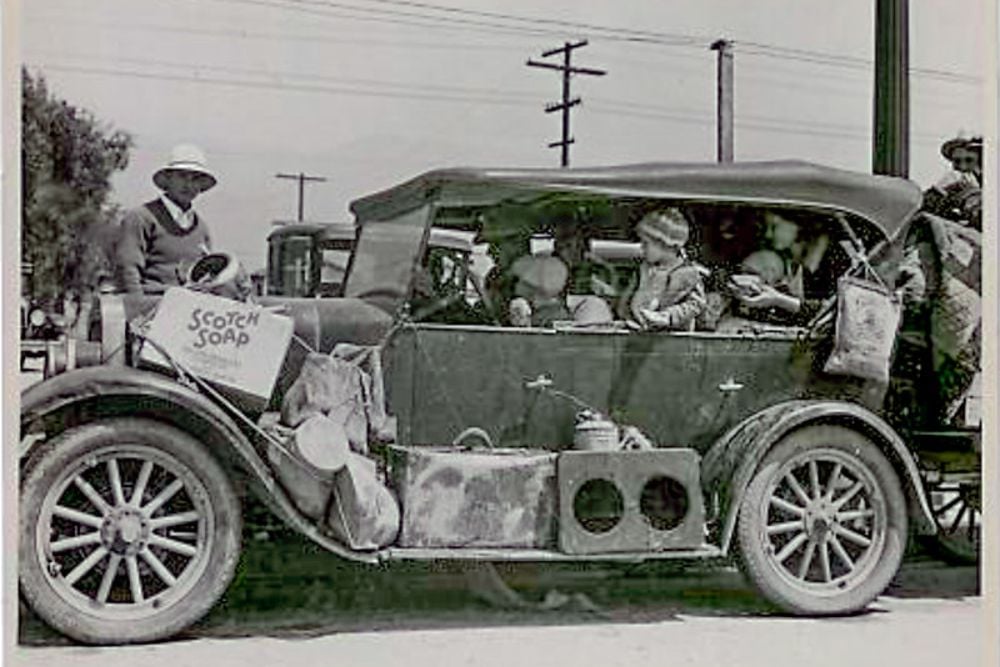
The severe drought and dust storms that plagued the American and Canadian prairies during the 1930s forced hundreds of thousands of families to abandon their farms. This mass migration transformed the demographic and cultural landscape of the United States, particularly in California, where many displaced farmers settled.
The environmental catastrophe led to major agricultural reforms, soil conservation programs, and influenced American literature, photography, and music for generations.
Operation Eagle Claw Failure
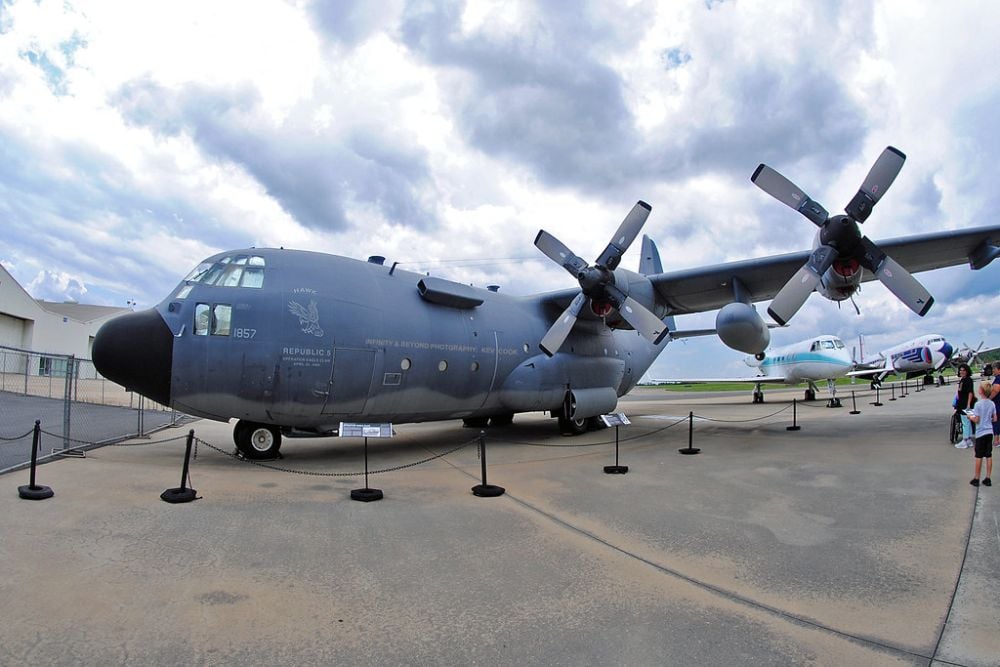
In April 1980, the United States attempted to rescue American hostages held in Tehran, Iran. The mission, Operation Eagle Claw, encountered an unexpected dust storm that reduced visibility and disabled several helicopters.
The mission had to be aborted, and during the withdrawal, an aircraft collision killed eight servicemen. This weather-induced failure had significant diplomatic and political ramifications, including damage to President Carter’s reelection campaign and prolonging the hostage crisis, which lasted 444 days.
The Titanic and Calm Seas
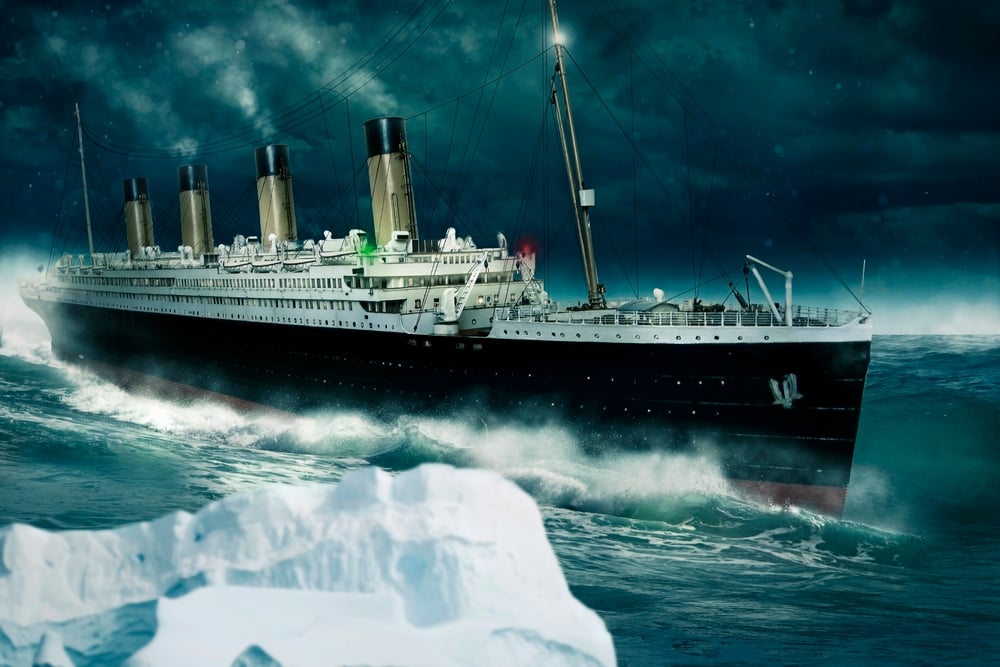
When the Titanic struck an iceberg on April 14, 1912, unusually calm weather conditions played a crucial role in the disaster. The flat, moonless night made spotting icebergs extremely difficult.
Additionally, the lack of waves meant there was no white water breaking at the base of the iceberg to make it more visible. Meteorologists and maritime experts have noted that if there had been even moderate waves that night, the disaster might have been averted as the iceberg would have been spotted earlier.
Hurricane Sandy’s Election Impact
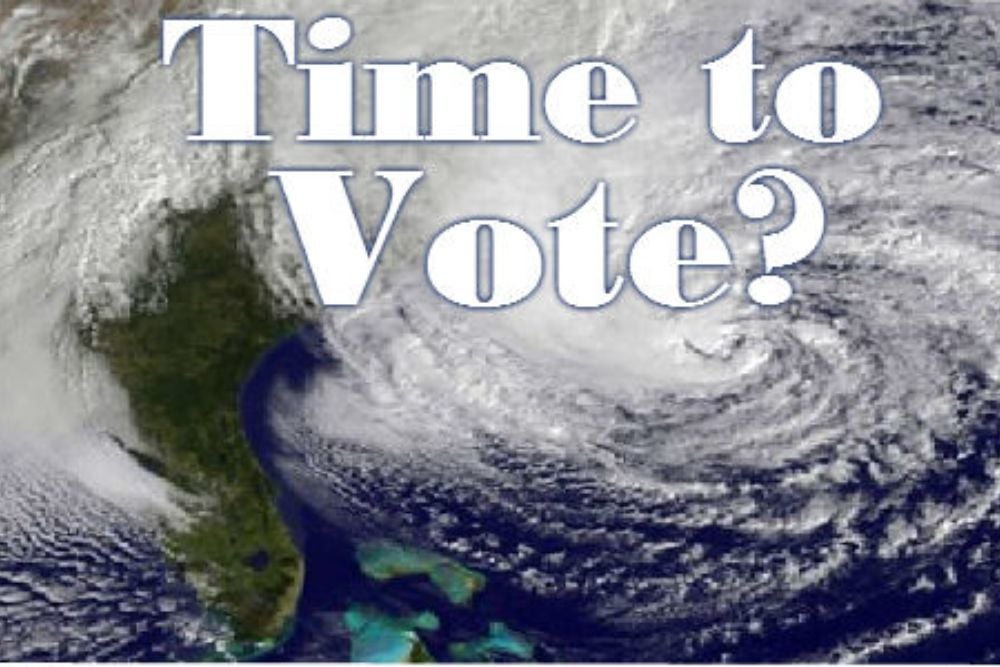
When Hurricane Sandy struck the eastern United States just days before the 2012 presidential election, it dramatically altered the final week of campaigning. President Obama suspended his campaign to focus on the federal response, which was generally well-received.
The storm highlighted climate change as an election issue and gave Obama an opportunity to demonstrate leadership during a crisis. Many political analysts believe Sandy’s timing and Obama’s response contributed to his victory over Mitt Romney.
Acknowledging Weather’s Influence
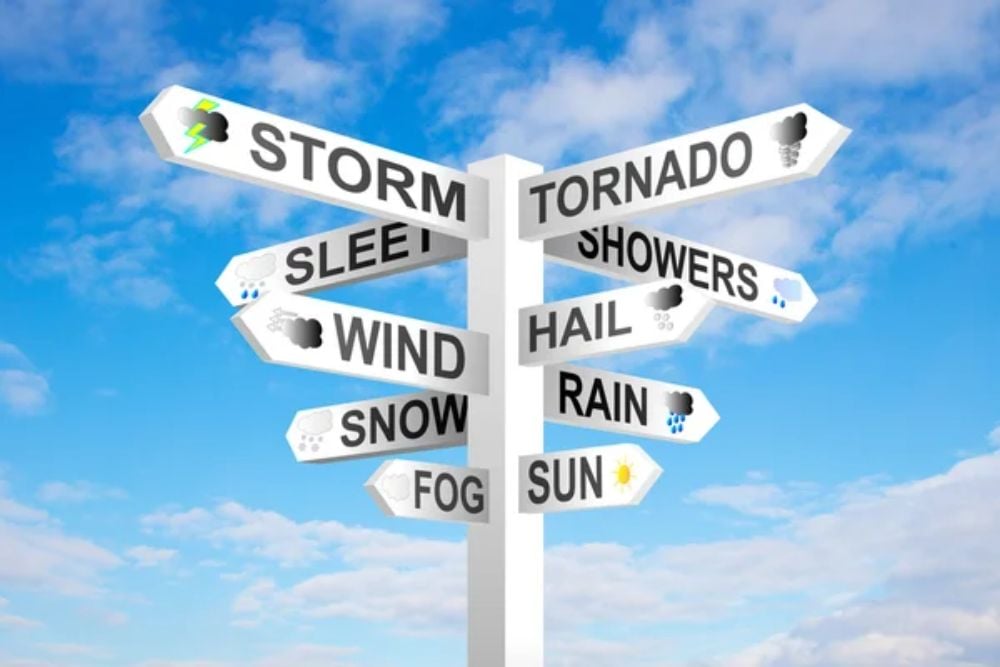
Throughout human history, weather has repeatedly demonstrated its power to disrupt, destroy, and dramatically redirect the course of pivotal events. From ancient battles to modern elections, atmospheric conditions have determined outcomes that shaped our world in profound and lasting ways.
Despite our technological advances, we remain subject to weather’s unpredictable influence, reminding us of nature’s ultimate authority over human affairs.
The examples above represent just a fraction of weather’s historical impact. As climate change accelerates, understanding this relationship between weather and history becomes increasingly relevant for anticipating and preparing for future critical moments when our atmosphere might once again decide our fate.
More from Go2Tutors!

- The Romanov Crown Jewels and Their Tragic Fate
- 13 Historical Mysteries That Science Still Can’t Solve
- Famous Hoaxes That Fooled the World for Years
- 15 Child Stars with Tragic Adult Lives
- 16 Famous Jewelry Pieces in History
Like Go2Tutors’s content? Follow us on MSN.