17 Landmarks That Nearly Got Built Elsewhere
Some of the world’s most iconic landmarks almost ended up in completely different places. Last-minute location changes, heated political debates about positioning, and pure chance shaped these structures we know and love today — they could’ve transformed entirely different skylines. The stories behind these near-misses reveal how geography, politics, and unexpected circumstances influenced the landmarks that define our world.
Many relocation stories involve surprising twists of fate, while others stem from funding issues or engineering challenges that forced architects and planners to reconsider their original visions. Here’s a list of 17 landmarks that nearly got built elsewhere, forever altering the places we never got to see them.
The Statue of Liberty

France’s gift to America was originally intended for Egypt, not the United States. Sculptor Frédéric Auguste Bartholdi first pitched his colossal statue concept to the Egyptian government — he envisioned a massive figure holding a torch at the Suez Canal entrance to guide ships through the waterway.
Egypt declined due to cost concerns, though, so Bartholdi adapted his design and France offered it to America as a symbol of friendship.
The Eiffel Tower
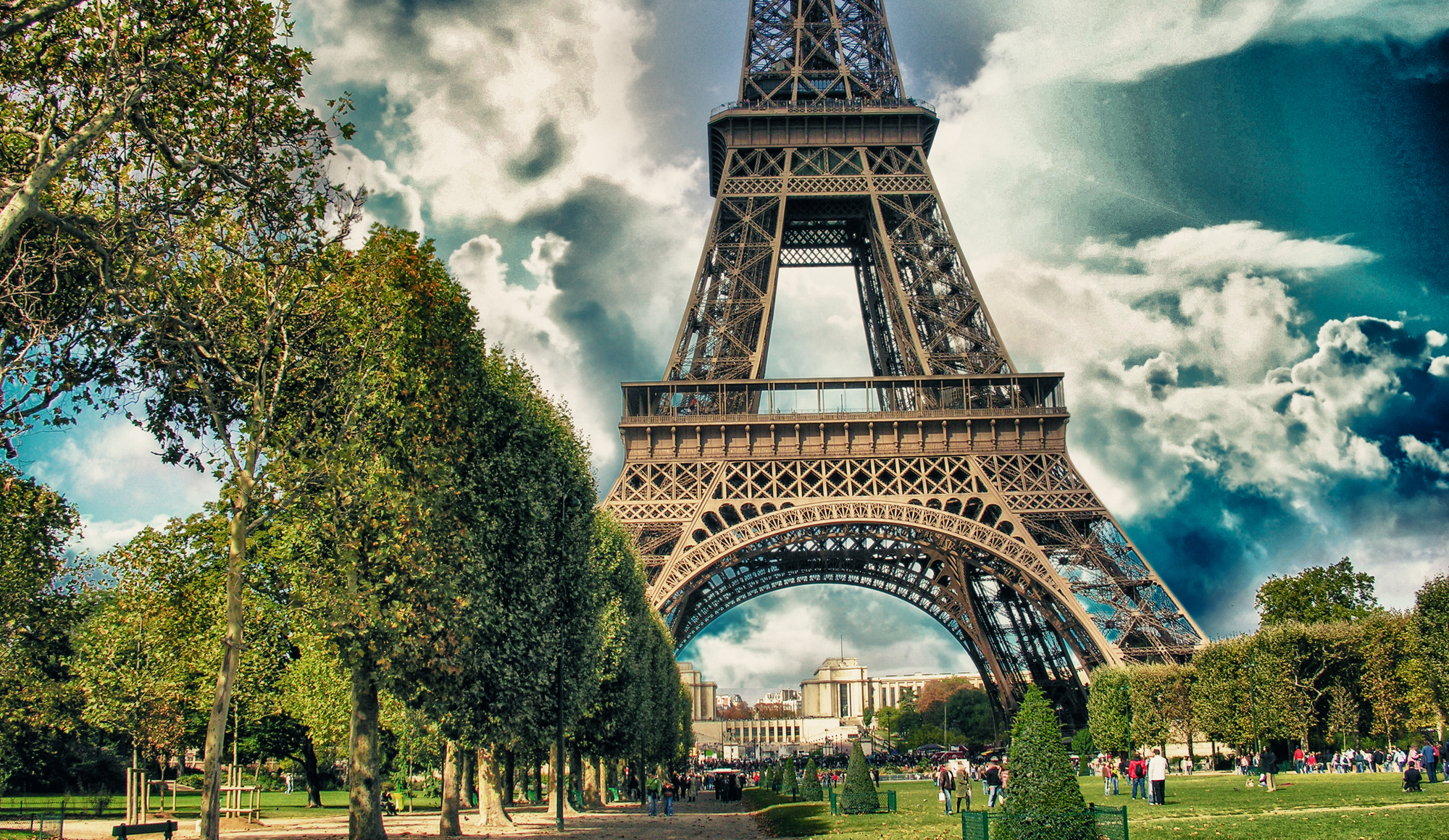
Barcelona had first dibs on Gustave Eiffel’s famous iron tower. The Spanish city was offered the design for their 1888 Universal Exposition, yet city officials rejected it as too radical and expensive — they couldn’t see past its unconventional appearance.
Paris enthusiastically accepted the project for their 1889 Exposition Universelle, giving the City of Light its most recognizable symbol.
Like Go2Tutors’s content? Follow us on MSN.
The Sydney Opera House

Australia’s architectural masterpiece nearly ended up at Farm Cove instead of its current harbourfront location. Original plans called for construction at that site, but concerns arose about blocking harbor views from the Royal Botanic Gardens — officials worried it would compromise one of Sydney’s most beloved public spaces.
The change to Bennelong Point required extensive foundation work, though it created the dramatic waterfront setting that makes the Opera House so spectacular.
The Washington Monument
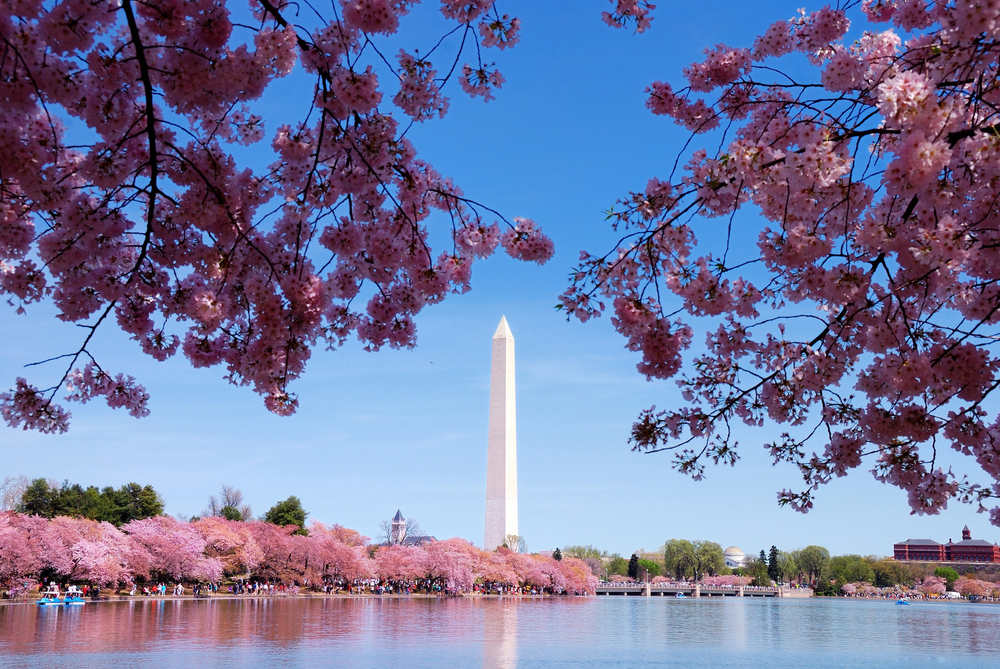
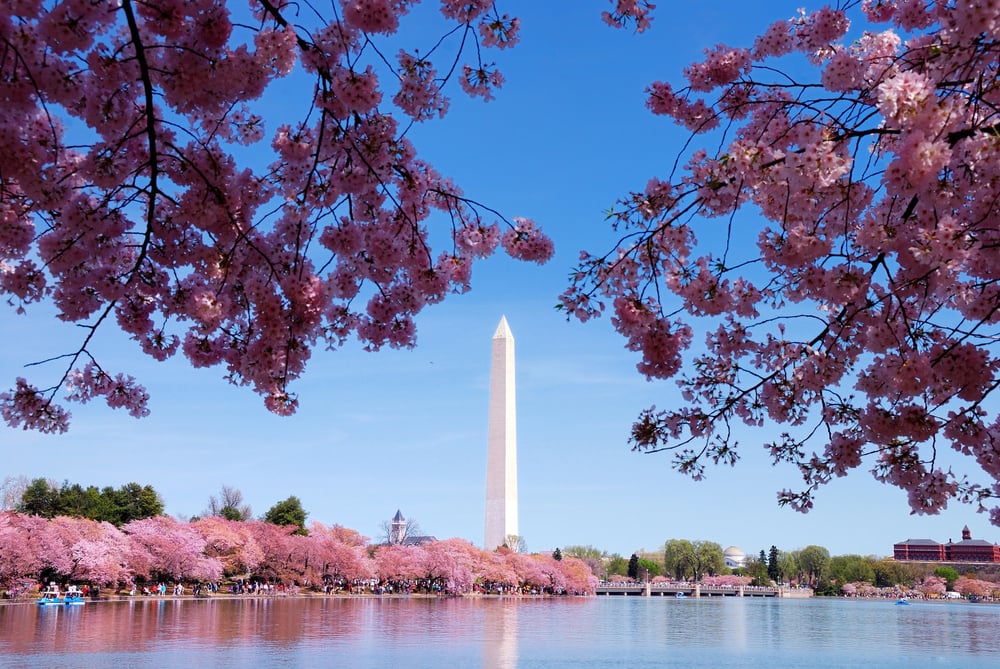
George Washington’s towering memorial was originally planned for the exact intersection of the White House and Capitol axes. The marshy ground at that location couldn’t support the massive obelisk structure, however — engineers discovered the soil conditions were completely unsuitable.
They moved it 390 feet southeast to more stable ground, creating the slight misalignment that visitors still notice today.
The Golden Gate Bridge
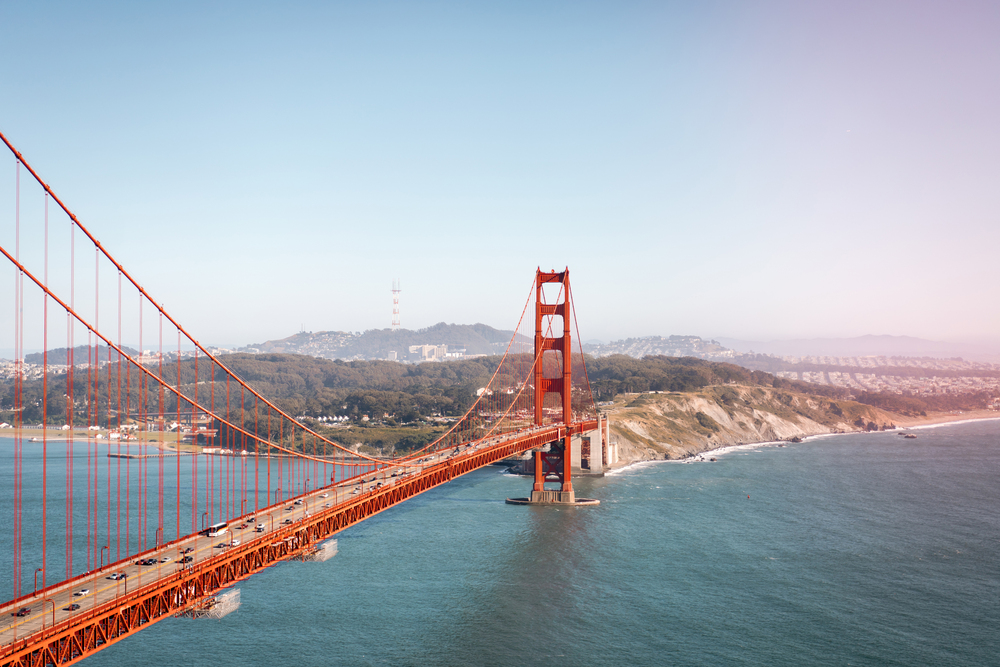
San Francisco’s most famous span almost crossed the bay at several different points further inland. Early proposals suggested routes through Angel Island and other locations that seemed more practical at the time — engineers initially favored shorter crossings.
The current location was chosen only after extensive studies proved it offered the optimal combination of engineering feasibility and breathtaking aesthetics.
Like Go2Tutors’s content? Follow us on MSN.
The Empire State Building
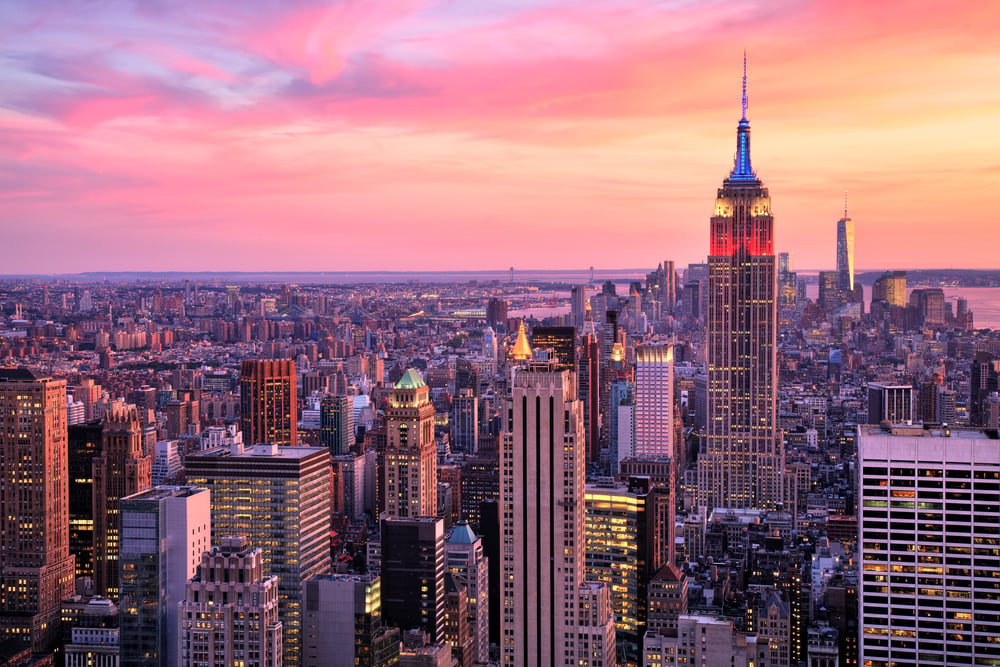
Manhattan’s Art Deco giant was nearly constructed on the east side of Fifth Avenue. Developers couldn’t secure enough adjacent lots for the massive project at that location, though — property acquisition proved more complex than anticipated.
The move to the current site required demolishing the original Waldorf-Astoria Hotel, yet it provided the space needed for what would become the world’s tallest building.
Mount Rushmore
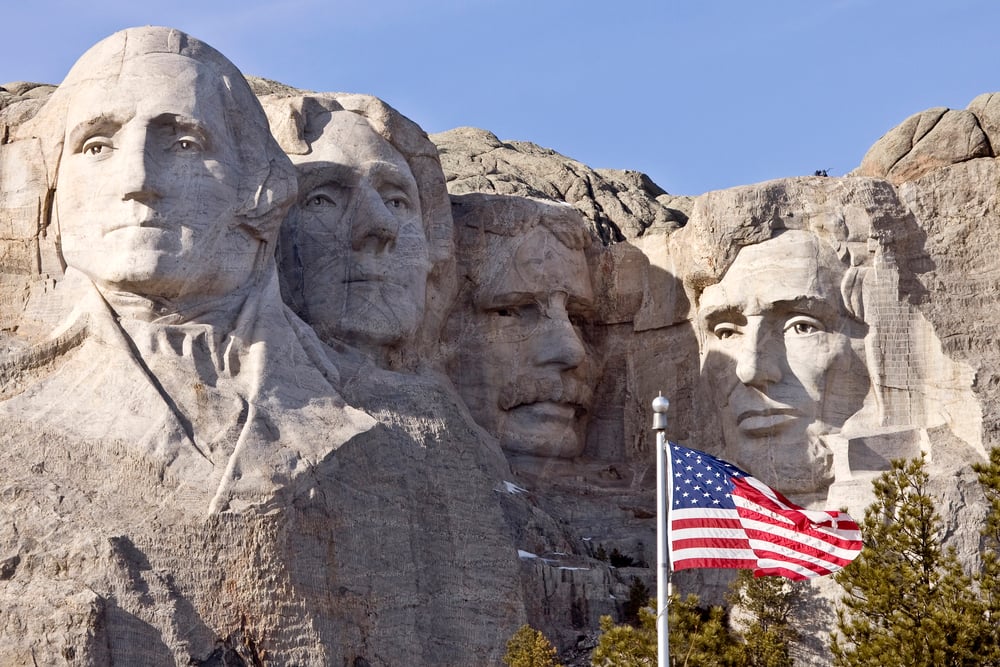
Sculptor Gutzon Borglum first considered carving the presidential monument into granite spires called the Needles in the Black Hills. The rock quality at that location wasn’t suitable for detailed facial carving — the stone was too fractured and unstable.
This led to selecting Mount Rushmore, which offered superior granite quality and a more dramatic positioning that would be visible from greater distances.
The CN Tower
Toronto’s communications tower nearly got built in suburban areas outside the downtown core. Initial proposals placed the massive structure away from the city center, but civic leaders insisted on a central location — they wanted it to anchor urban redevelopment efforts.
The current site required extensive underground work to avoid subway tunnels, though it created the downtown landmark that defines Toronto’s skyline.
Like Go2Tutors’s content? Follow us on MSN.
The Gateway Arch
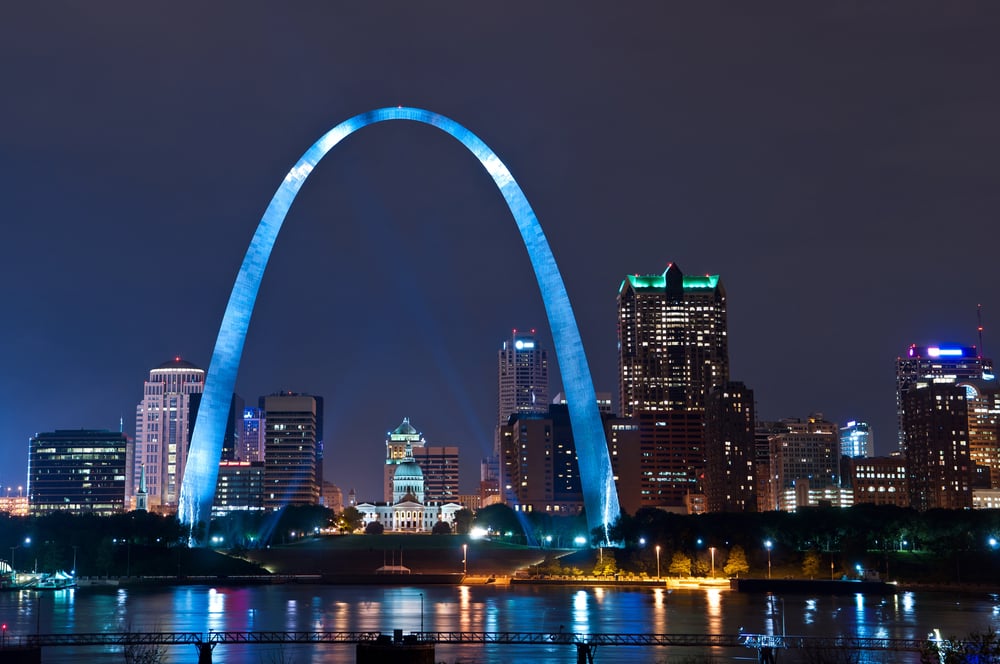
St. Louis’s monument to westward expansion almost ended up across the river in Illinois. Early planning for the memorial considered locations in East St. Louis, which would’ve put the arch in a different state entirely.
Political pressure and better development prospects kept it on the Missouri side, making it St. Louis’s centerpiece rather than a distant landmark.
The Space Needle
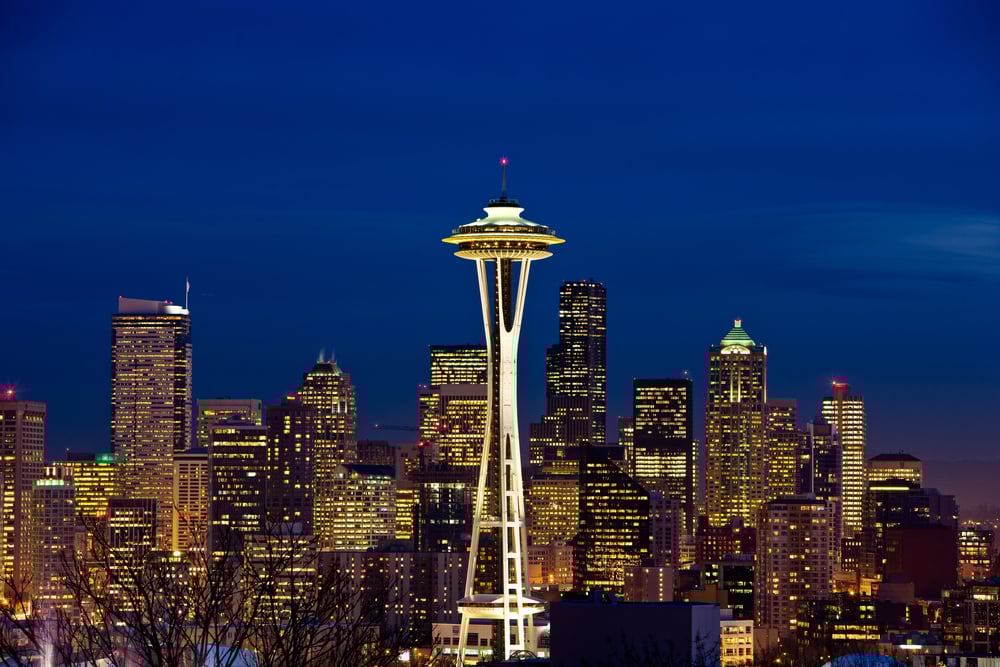
Seattle’s futuristic tower was originally designed for the center of the 1962 World’s Fair grounds. Concerns about construction interfering with other pavilion work led to its current position on the northern edge — planners worried about disrupting the tight construction schedule.
The relocation actually improved views of the city and made it more accessible to visitors arriving from downtown.
The London Eye
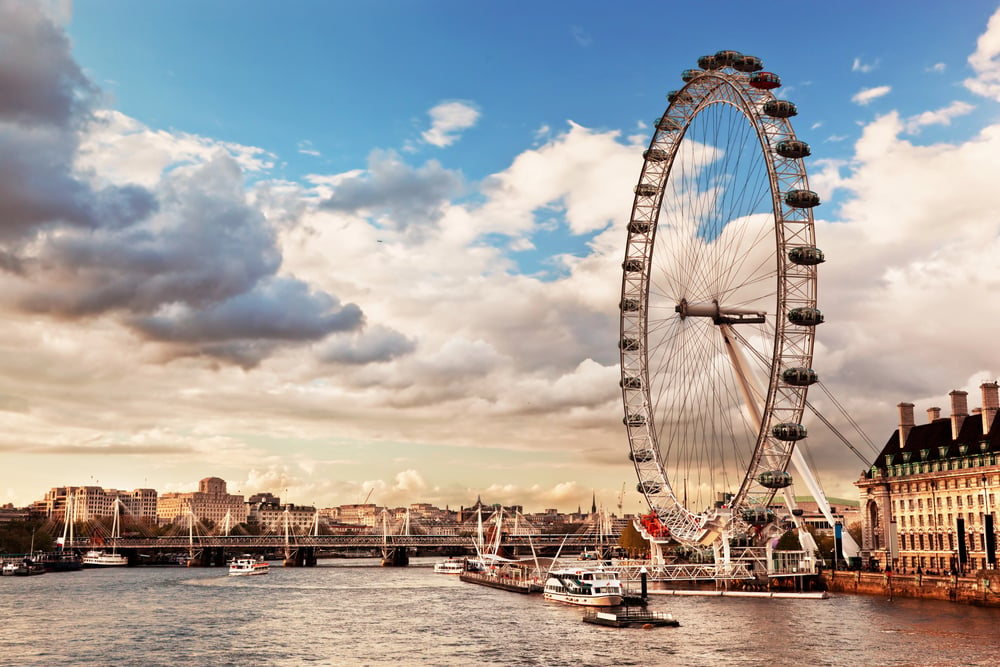
London’s giant observation wheel was almost constructed near Tower Bridge on the Thames south bank. Original proposals favored that location for its dramatic backdrop, yet it would’ve created significant traffic problems in an already congested area.
The current spot near Westminster Bridge provides better public transport access and improved views of Parliament and Big Ben.
Like Go2Tutors’s content? Follow us on MSN.
The Burj Khalifa

Dubai’s record-breaking skyscraper nearly got built in Abu Dhabi or other parts of the UAE. Initial planning for the world’s tallest building considered multiple emirates, while each location offered different advantages.
Dubai’s aggressive development plans and superior infrastructure ultimately secured the project, making it the centerpiece of the new downtown district rather than a standalone tower elsewhere.
The Hollywood Sign
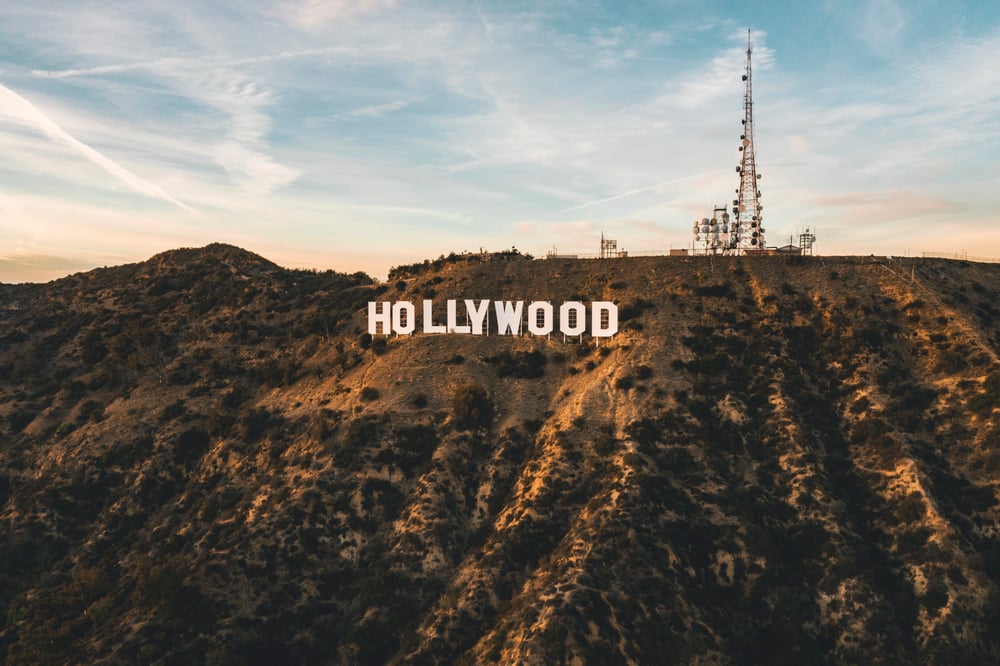
The famous hillside advertisement almost ended up on a different slope entirely. Original marketing for the Hollywoodland real estate development considered several locations throughout the Hollywood Hills, though visibility was the primary concern.
Mount Lee was chosen mainly for its prominence from downtown Los Angeles, yet other sites would’ve made the sign visible from completely different parts of the city.
The Christ the Redeemer Statue
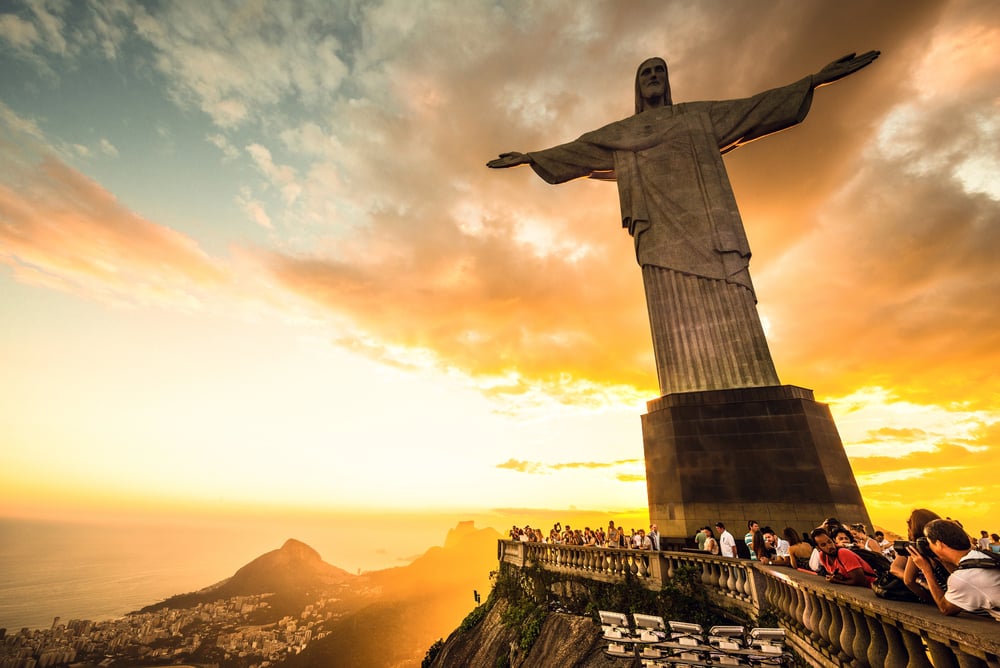
Rio’s towering religious monument was originally planned for Sugar Loaf Mountain instead of Corcovado. Early proposals favored the more famous peak, while its distinctive shape seemed like a natural pedestal.
Corcovado Mountain was ultimately chosen because its higher elevation and central location made the statue visible from more neighborhoods throughout the sprawling city.
Like Go2Tutors’s content? Follow us on MSN.
The Brandenburg Gate
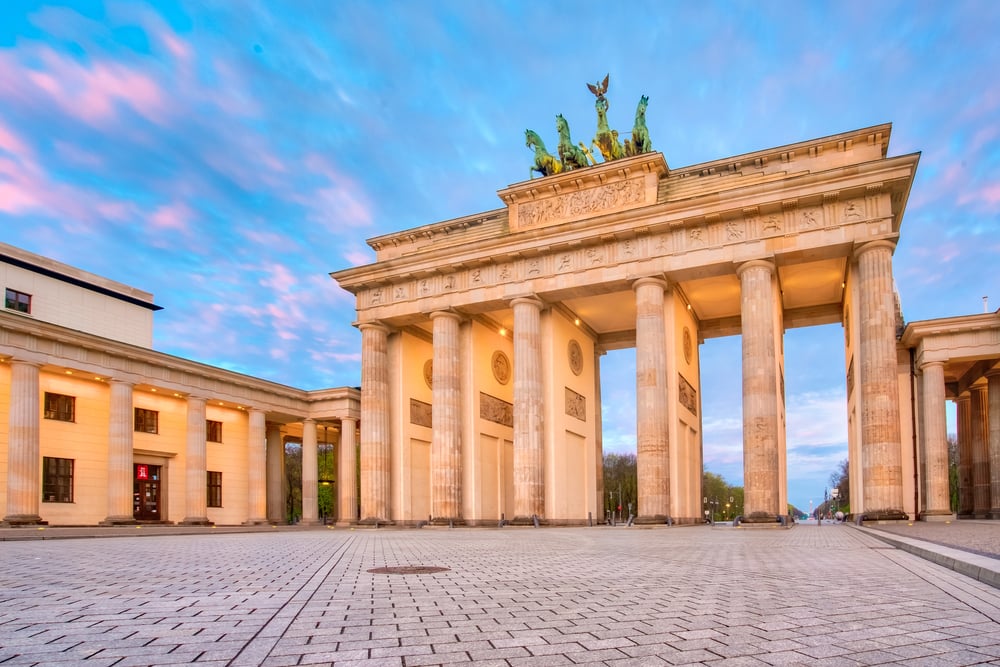
Berlin’s neoclassical gateway nearly got reconstructed elsewhere after World War II damage. Post-war planners considered moving the structure to a more central location in the divided city, though this would’ve required complete reconstruction.
The decision to rebuild it in its original location proved crucial when it became the symbol of German reunification and the fall of the Berlin Wall.
Big Ben

London’s famous clock tower was almost built with a different design at the southern end of the Palace of Westminster complex. Original plans after the 1834 fire called for that positioning, yet architects reconsidered the layout.
The northern location was chosen to balance the building’s composition and provide better acoustics for the famous bells that chime across the Thames.
The Parthenon
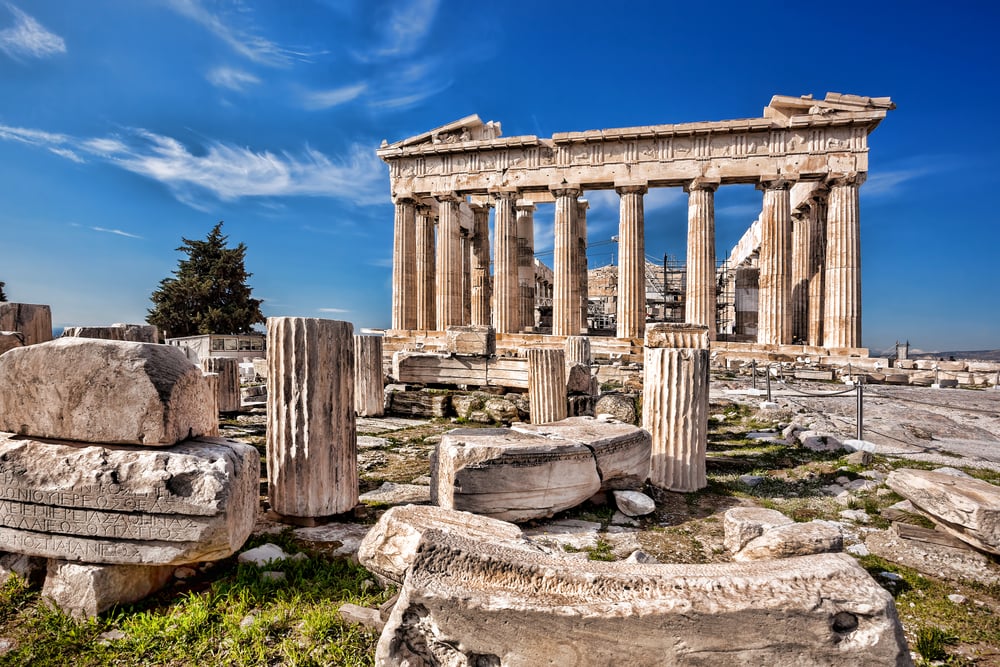
Athens’ ancient temple was nearly constructed on the northern side of the Acropolis plateau. Original plans placed it there, though after the Persian Wars, Pericles and his architects decided to rebuild it on the highest point.
This relocation created the commanding presence that has defined the Athens skyline for over 2,400 years, making it visible from throughout the ancient city.
Like Go2Tutors’s content? Follow us on MSN.
Where Geography Meets Destiny
These near-misses show us that landmarks we consider inseparable from their locations often resulted from practical decisions rather than destiny. Engineering challenges, political negotiations, and simple economics determined where these icons would rise, while tourist imagination can’t picture them anywhere else.
The Eiffel Tower in Barcelona or the Statue of Liberty at the Suez Canal were once serious possibilities, though they seem impossible now. Final locations weren’t always first choices, yet they became the right choices through circumstance, vision, and sometimes pure luck.
More from Go2Tutors!

- 16 Historical Figures Who Were Nothing Like You Think
- 12 Things Sold in the 80s That Are Now Illegal
- 15 VHS Tapes That Could Be Worth Thousands
- 17 Historical “What Ifs” That Would Have Changed Everything
- 18 TV Shows That Vanished Without a Finale
Like Go2Tutors’s content? Follow us on MSN.