19 Lavish Gifts Exchanged by World Leaders
Diplomacy has always involved more than just handshakes and formal meetings. World leaders have been exchanging extravagant gifts for centuries as a way to show respect, build relationships, and sometimes show off their country’s wealth and power.
These presents range from the thoughtful and symbolic to the absolutely outrageous and over-the-top. Some gifts strengthen international bonds, while others create awkward diplomatic moments that everyone wishes they could forget.
Behind every diplomatic gift lies a fascinating story of cultural exchange, political strategy, and sometimes pure one-upmanship. Presidents have received everything from live animals to priceless ancient artifacts, often worth more than the average person’s house.
The gift-giving process involves months of planning, with teams of advisors carefully selecting presents that send the right message without causing offense. Some leaders have strict rules about what they can accept, while others seem to enjoy collecting the most unusual items possible.
The most successful diplomatic gifts become symbols of friendship that last for decades, displayed in government buildings and passed down through administrations as reminders of important international relationships.
A golden sword from Saudi Arabia to President Bush
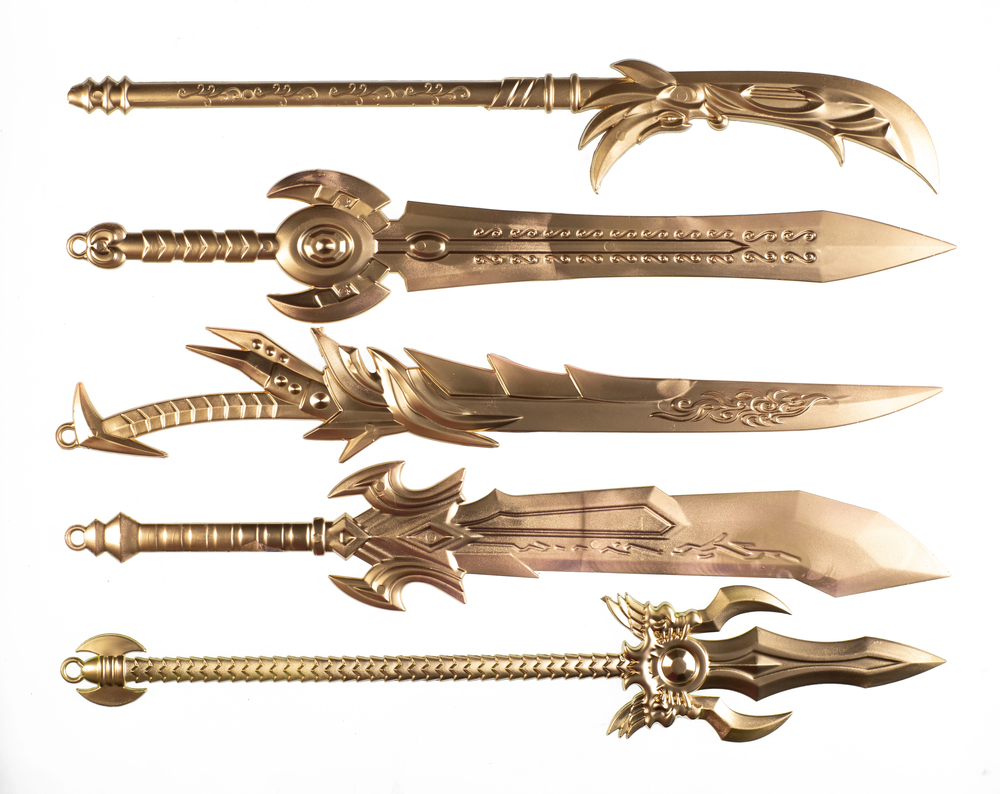
Saudi King Abdullah presented President George W. Bush with a ceremonial sword covered in gold and precious gems during a state visit in 2008. The sword’s handle featured intricate Arabic calligraphy and was decorated with emeralds, rubies, and diamonds arranged in traditional Islamic patterns. Bush had to follow protocol and accept the gift graciously, even though U.S. law requires presidents to turn over expensive foreign gifts to the government. The sword now sits in the National Archives, valued at over $50,000. This type of elaborate weaponry gift is common in Middle Eastern diplomatic culture, symbolizing honor and protection.
Live pandas from China to world leaders
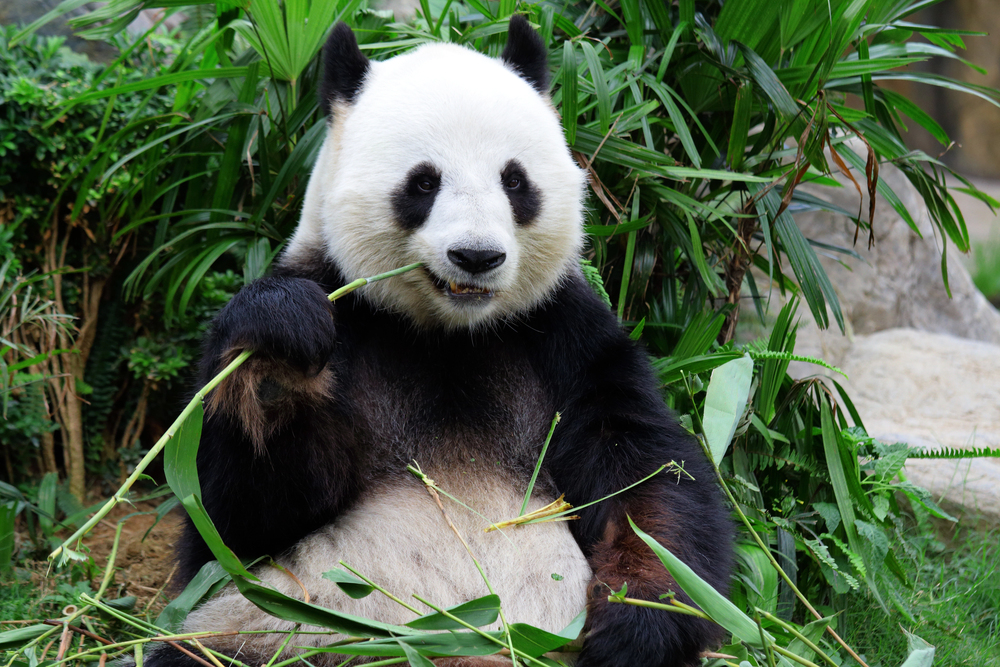
China has used giant pandas as diplomatic gifts since the 1950s, sending these beloved animals to countries they want to strengthen relationships with. The most famous panda diplomacy occurred when China gave two pandas to the United States in 1972 after President Nixon’s historic visit to Beijing. Each panda costs millions of dollars to care for over their lifetime, making them among the most expensive gifts ever given between nations. Countries that receive pandas must build special facilities and hire expert caretakers, essentially committing to decades of expensive panda maintenance. Modern panda diplomacy involves loans rather than permanent gifts, but the tradition continues to create goodwill between China and other nations.
A 2,000-year-old horse sculpture for President Obama
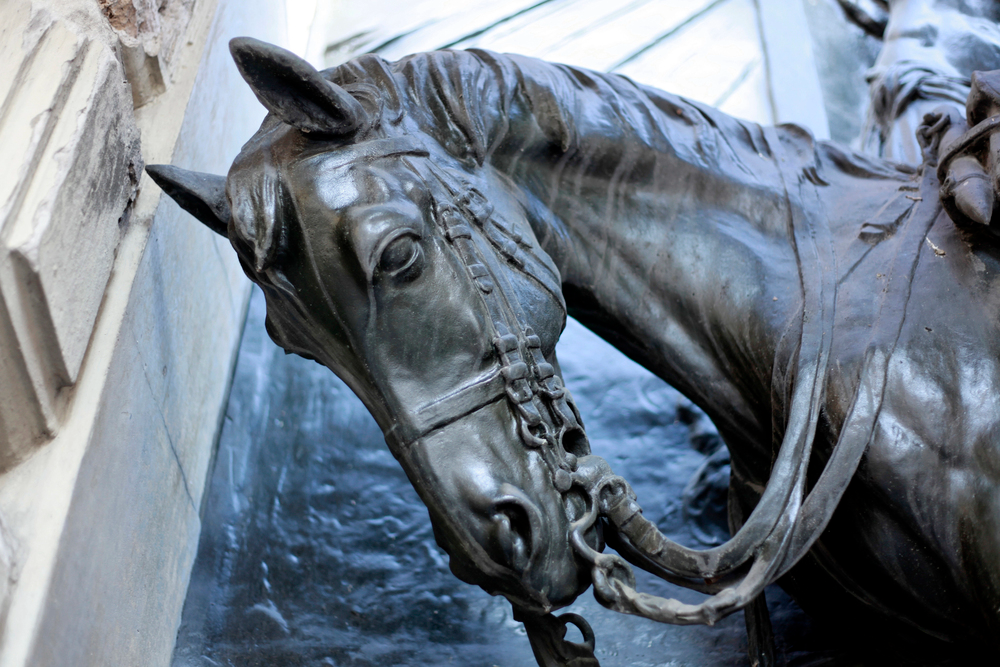
Chinese President Hu Jintao presented Barack Obama with an ancient bronze horse sculpture dating back to the Han Dynasty during a 2011 state dinner. The artifact represented the spirit of cooperation between the two nations and showed China’s respect for American leadership. Art historians valued the piece at over $100,000, making it one of the most valuable gifts Obama received during his presidency.
Diamond-encrusted jewelry set from the Queen of England
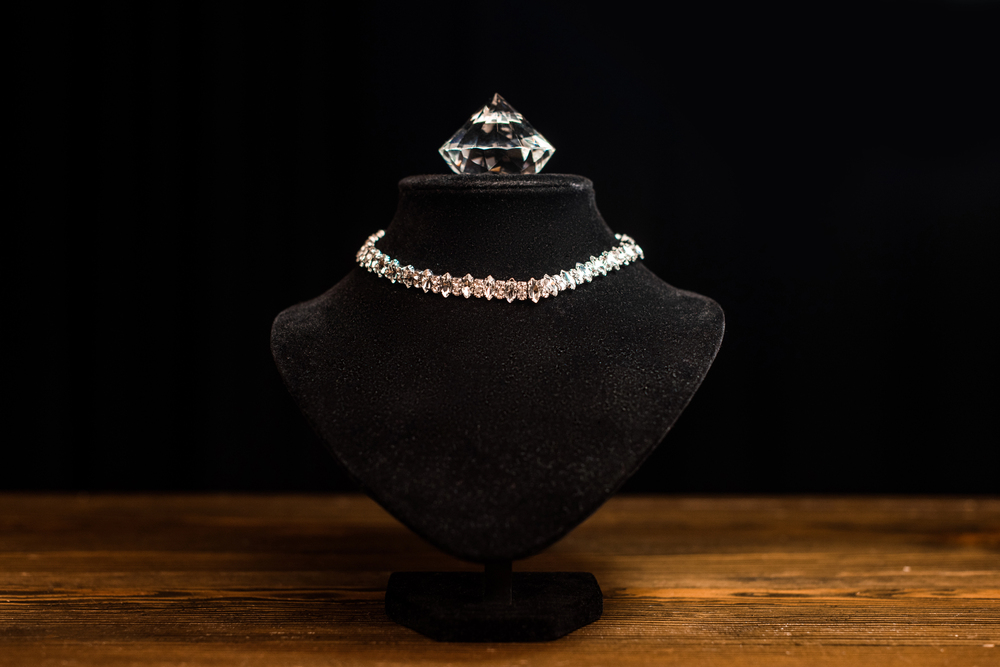
Queen Elizabeth II gave Michelle Obama a stunning set of diamond jewelry during the first family’s visit to Buckingham Palace in 2009. The set included a necklace, earrings, and bracelet featuring diamonds from the Crown Jewels collection, personally selected by the Queen. Each piece was custom-designed by royal jewelers and took months to complete before the Obama family’s arrival in London. The jewelry’s estimated value exceeded $200,000, making it one of the most expensive gifts ever given to an American First Lady. Protocol required Michelle Obama to wear the jewelry during the state dinner, where photographers captured images that appeared in newspapers worldwide.
A bulletproof Mercedes from the German Chancellor
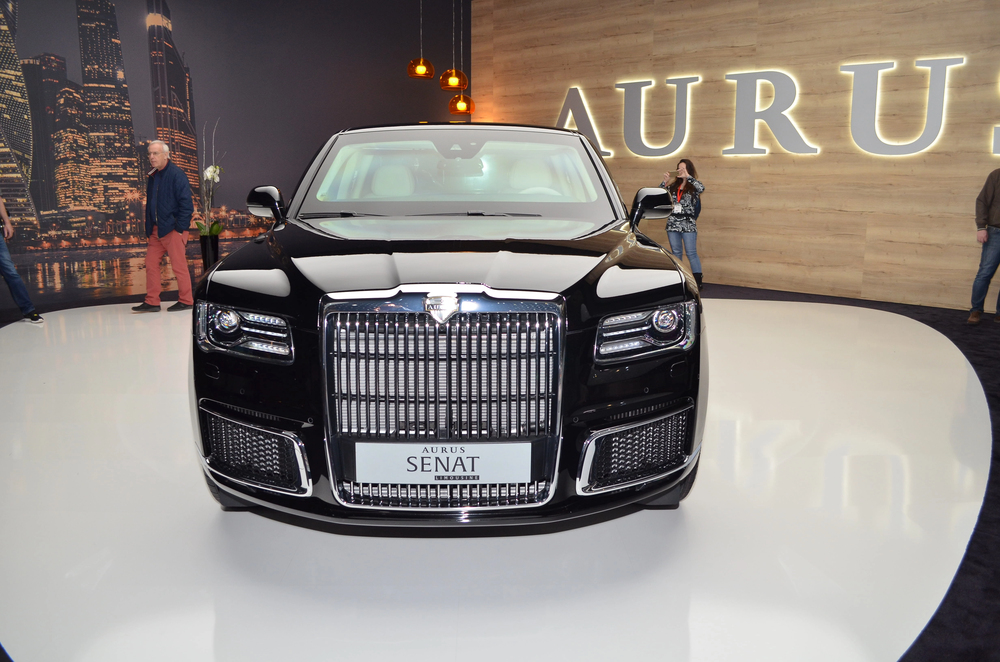
German Chancellor Angela Merkel arranged for a custom bulletproof Mercedes-Benz to be given to Pope Francis in 2013, replacing his simple papal vehicle with state-of-the-art security features. The car included armor plating, bulletproof glass, and advanced communication systems while maintaining the Pope’s preference for modest transportation. Mercedes engineers worked for months to balance security requirements with the Pope’s desire for a vehicle that didn’t look too luxurious or intimidating. The gift reflected Germany’s commitment to papal security while respecting Vatican preferences for understated elegance. Pope Francis initially resisted using such an elaborate vehicle but eventually accepted it for safety reasons.
Solid gold tea set from the Japanese Emperor
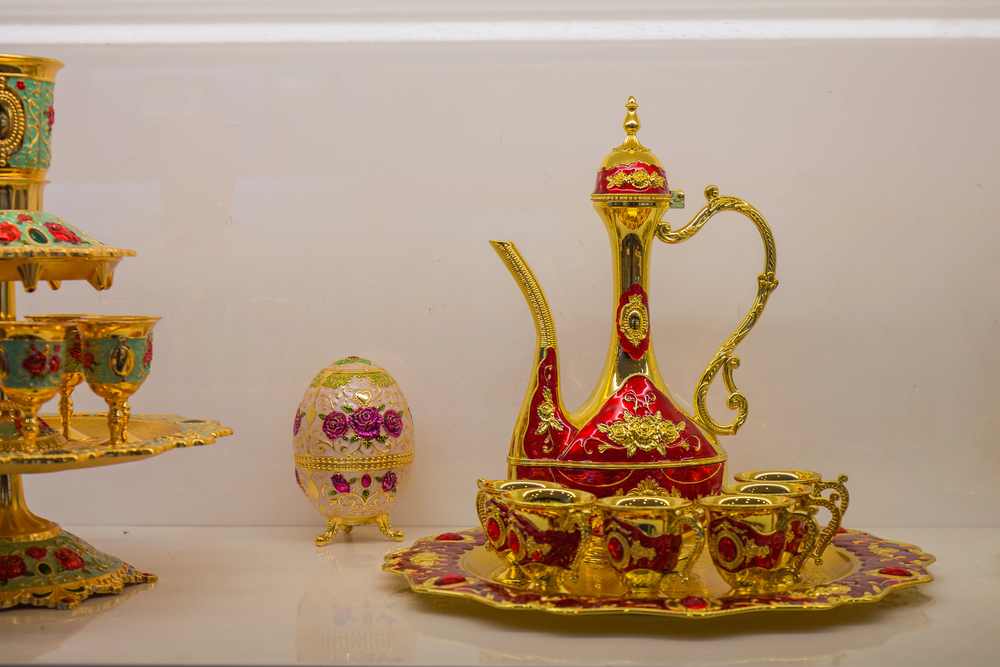
Emperor Akihito of Japan presented President Reagan with a complete tea ceremony set made from solid gold during a 1983 state visit to Washington. The set included teapots, cups, serving trays, and ceremonial utensils, all crafted by Japan’s most skilled metalworkers. Each piece featured traditional Japanese designs and took over a year to complete using techniques passed down through generations of craftsmen. The tea set’s weight in gold alone made it worth over $75,000, not including the artistic and cultural value. Reagan displayed portions of the set in the White House residence, though the complete collection was too valuable for regular use.
A racehorse worth millions from an Arab sheikh
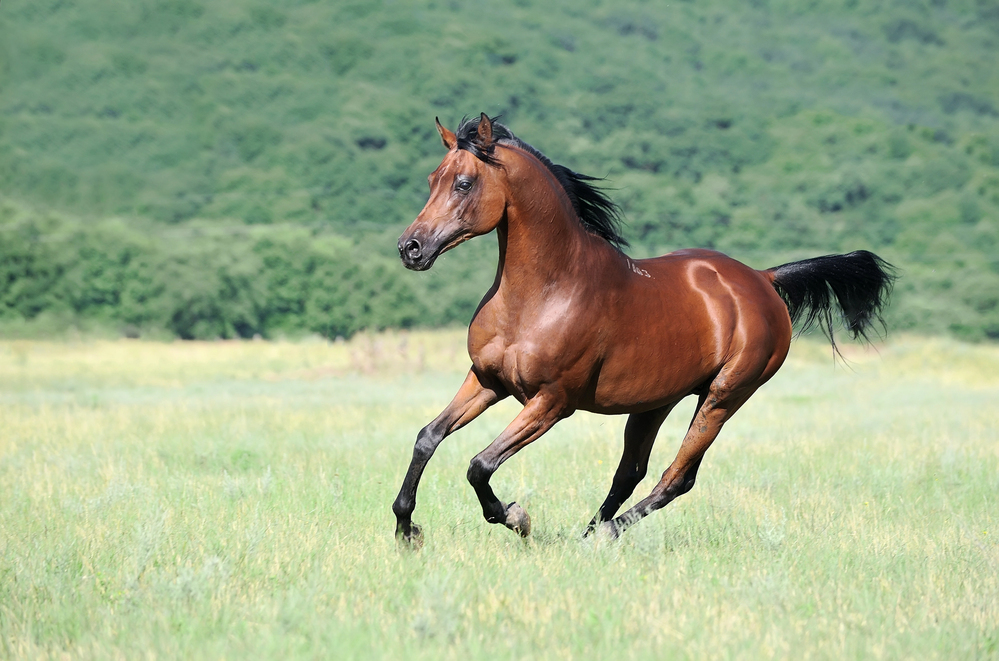
Sheikh Mohammed bin Rashid Al Maktoum of Dubai gave President Putin a prized Arabian racehorse valued at over $3 million during a diplomatic meeting in 2007. The horse came from the sheikh’s personal stable and had already won several international competitions, making it one of the world’s most valuable racing animals. Putin, an experienced horseman, accepted the gift enthusiastically and arranged for the horse to be transported to a special facility near Moscow. The gift strengthened ties between Russia and the UAE while showcasing the sheikh’s passion for equestrian sports. Russian media covered the horse’s arrival extensively, treating it as a symbol of international friendship.
Ancient artifacts from Egyptian President Mubarak

Egyptian President Hosni Mubarak presented several world leaders with authentic ancient Egyptian artifacts during state visits in the 1990s and 2000s. These gifts included small sculptures, jewelry, and pottery pieces that were thousands of years old and had been excavated from archaeological sites. Each artifact came with detailed documentation about its historical significance and provenance, making them incredibly valuable to museums and collectors. The practice created controversy among archaeologists who argued that ancient artifacts should remain in Egypt rather than being given as diplomatic gifts. Several countries eventually returned these artifacts to Egyptian museums after Mubarak’s government fell in 2011.
A custom Rolex watch collection from Switzerland

The Swiss government presented a collection of custom Rolex watches to G8 summit leaders in 2003, with each timepiece personalized for its recipient. The watches featured unique engravings, precious metal details, and mechanical complications that took Swiss craftsmen months to complete. Each watch was worth over $30,000 and came in a handcrafted wooden box made from Swiss alpine wood. The gift highlighted Switzerland’s reputation for precision manufacturing while giving world leaders a practical luxury item they could actually use. Several recipients were photographed wearing their Swiss watches at subsequent diplomatic events.
Exotic birds from South American presidents
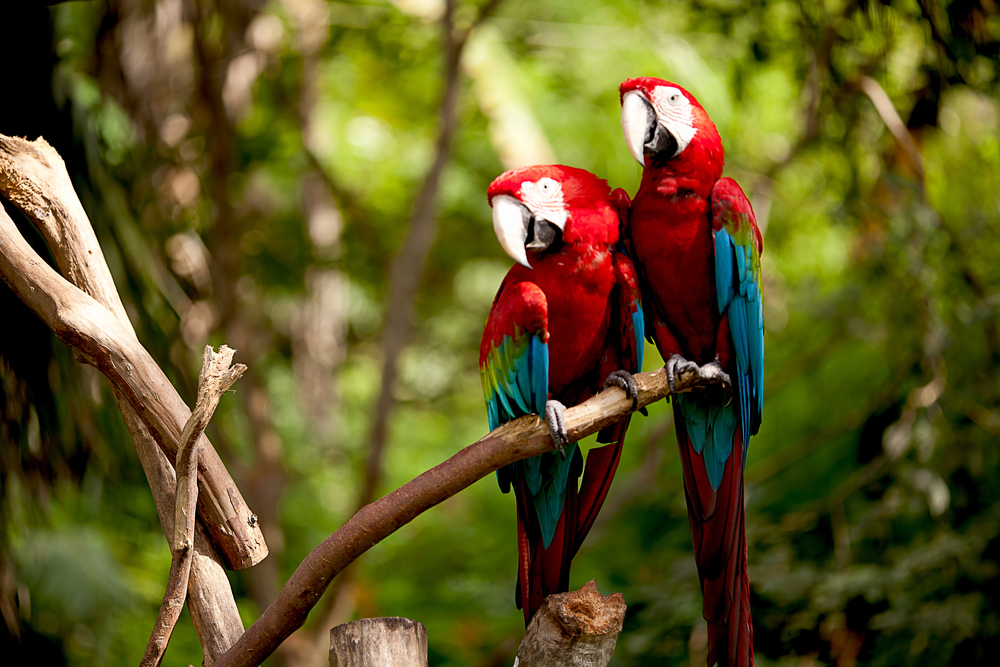
Several South American leaders have given rare tropical birds to foreign dignitaries, including colorful parrots and toucans that can live for decades. These gifts require extensive paperwork and quarantine procedures to ensure the birds meet international health and safety standards. President of Ecuador Rafael Correa gave Pope Benedict XVI a pair of rare Andean birds during a Vatican visit, complete with custom-built aviaries for their care. The birds symbolized the biodiversity of South American rainforests and Ecuador’s commitment to environmental protection. Vatican staff had to learn specialized care techniques to keep the exotic birds healthy in Rome’s different climate.
Handwoven carpets from Persian rulers

Iranian leaders have traditionally given elaborate handwoven Persian carpets to foreign dignitaries, with some pieces taking years to complete. These carpets often feature intricate designs that tell stories about Persian history and culture, with each thread carefully placed by master weavers. President Ahmadinejad gave several world leaders carpets worth over $50,000 each, including pieces that required entire families of weavers to complete. The carpets serve as both artistic masterpieces and diplomatic symbols, representing Iran’s rich cultural heritage. Many recipients display these carpets in government buildings where they can be admired by visitors for generations.
Crystal sculptures from Czech Republic leaders
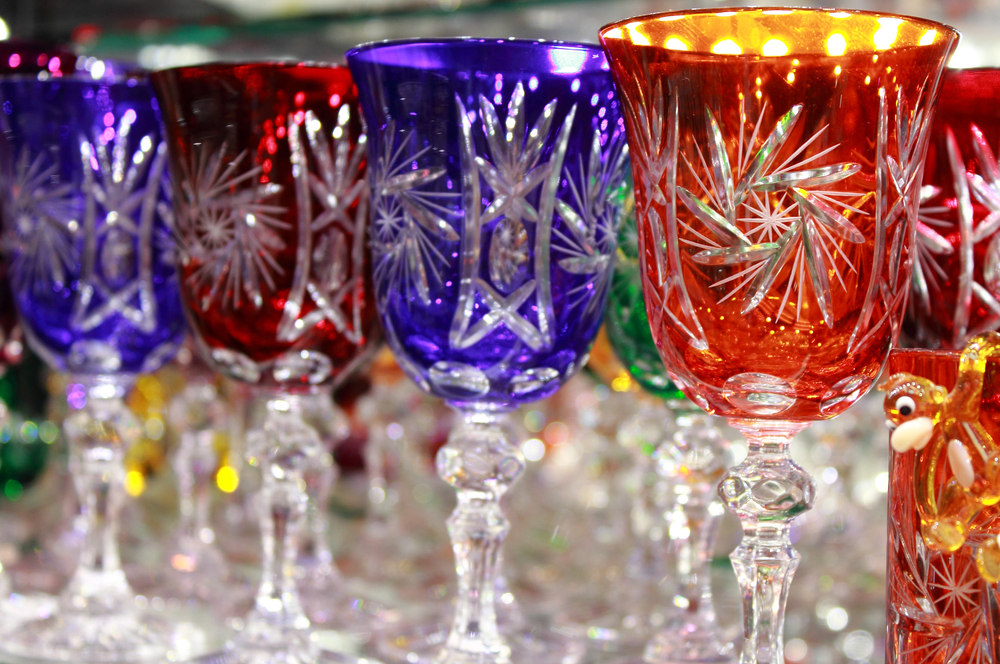
Czech presidents have given elaborate Bohemian crystal sculptures to foreign leaders, showcasing their country’s centuries-old glassmaking traditions. These crystal pieces often weigh hundreds of pounds and require special transportation and display arrangements due to their size and fragility. President Václav Havel commissioned a massive crystal chandelier for the White House during a state visit, featuring traditional Czech designs adapted for American settings. Each crystal sculpture takes months to create and involves multiple artisans working with techniques passed down through generations. The gifts help promote Czech crystal exports while demonstrating the country’s artistic capabilities to world leaders.
Vintage wine collections from French presidents

French leaders regularly give rare vintage wines to foreign dignitaries, often including bottles that are decades or even centuries old. These wine collections represent some of France’s most prestigious vineyards and can be worth tens of thousands of dollars per bottle. President Chirac gave President Clinton a collection of vintage Bordeaux wines dating back to the 1940s, stored in a custom wooden case with French government seals. The wines require special storage conditions and are often too valuable to actually drink, becoming museum pieces instead. French wine gifts reinforce France’s reputation for luxury and sophistication while creating lasting symbols of diplomatic friendship.
Traditional artwork from African leaders

Several African presidents have given traditional masks, sculptures, and artwork to world leaders, representing their countries’ rich cultural heritage. These pieces often have deep spiritual and historical significance in their home countries, making them particularly meaningful diplomatic gifts. President of Ghana John Kufuor gave President Bush a collection of Ashanti gold weights and traditional kente cloth during a White House visit. Each piece was created by local artisans using techniques that have remained unchanged for centuries. The artwork helps educate world leaders about African culture while supporting traditional craftspeople in developing nations.
Jeweled daggers from Middle Eastern royalty

Middle Eastern rulers have given ornate ceremonial daggers to world leaders, featuring precious metals and gemstones arranged in traditional Islamic patterns. These weapons are purely decorative and symbolize honor, protection, and friendship between nations. King Hussein of Jordan gave President Carter a jeweled dagger with a gold handle encrusted with emeralds and diamonds. The craftsmanship requires months of work by skilled metalworkers who specialize in traditional Middle Eastern weapon decoration. While beautiful, these gifts sometimes create awkward security situations when world leaders must travel with ornate weapons in their diplomatic luggage.
Handcrafted furniture from Scandinavian leaders

Nordic countries have given world leaders custom-made furniture pieces that showcase their design traditions and high-quality craftsmanship. These gifts often feature clean lines, natural materials, and functional designs that reflect Scandinavian aesthetic principles. The Prime Minister of Sweden gave President Obama a custom desk made from sustainably harvested Swedish oak, crafted by the country’s most skilled furniture makers. Each piece takes months to design and build, with artisans paying attention to every detail of construction and finishing. The furniture serves practical purposes while demonstrating Nordic countries’ commitment to environmental sustainability and quality manufacturing.
Precious metal sculptures from mining nations

Countries rich in natural resources have given world leaders sculptures made from their most valuable materials, including gold, silver, and platinum. These gifts showcase the nation’s mineral wealth while creating impressive display pieces for government buildings. The President of South Africa gave several world leaders sculptures made from locally mined gold and decorated with African diamonds. Each sculpture represents months of work by skilled metalworkers and gem cutters who create one-of-a-kind pieces. The high material costs alone make these gifts extremely valuable, not including the artistic labor involved in their creation.
Rare books and manuscripts from European leaders
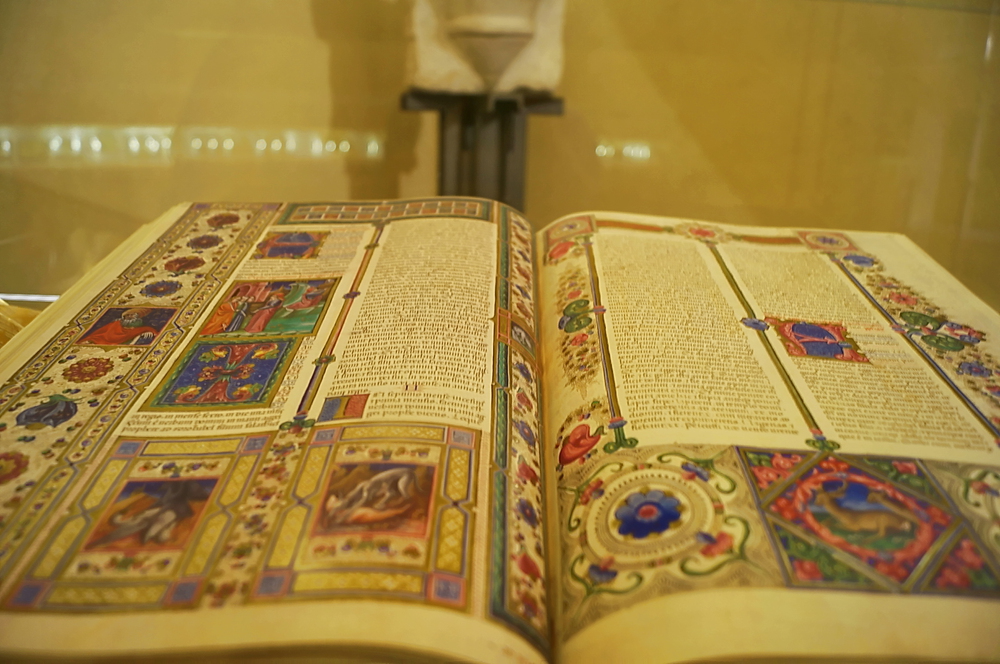
European countries with rich literary traditions have given world leaders rare books and historical manuscripts, often including pieces that are centuries old. These gifts represent cultural heritage and intellectual achievement, making them particularly meaningful for leaders who value education and history. The President of Italy gave President Obama a collection of illuminated manuscripts dating back to the Renaissance, including works by famous Italian scholars and artists. Each book requires special conservation treatment and climate-controlled storage to prevent deterioration. Libraries and museums often help care for these literary gifts, ensuring they remain preserved for future generations.
Traditional musical instruments from various cultures

World leaders have received traditional musical instruments from different countries, ranging from African drums to Asian string instruments. These gifts celebrate cultural diversity while giving recipients tangible connections to foreign musical traditions. The Emperor of Japan gave President Reagan a traditional koto (Japanese string instrument) along with lessons from a master musician. Each instrument is handcrafted using traditional techniques and materials, often taking months to complete. While many world leaders don’t actually learn to play their gifted instruments, they serve as beautiful cultural artifacts and conversation pieces in government residences.
When gestures become treasures
These extravagant diplomatic gifts reveal how world leaders use luxury and culture to build international relationships that extend far beyond formal treaties and agreements. What started as simple gestures of respect have evolved into elaborate displays of national wealth, artistic achievement, and cultural pride. Many of these gifts now reside in government museums and archives where the public can appreciate their beauty and historical significance.
More from Go2Tutors!

- The Romanov Crown Jewels and Their Tragic Fate
- 13 Historical Mysteries That Science Still Can’t Solve
- Famous Hoaxes That Fooled the World for Years
- 15 Child Stars with Tragic Adult Lives
- 16 Famous Jewelry Pieces in History
Like Go2Tutors’s content? Follow us on MSN.