17 Rare Traits Few People Have
Some people just seem to experience the world differently than the rest of us. Maybe they can taste colors when they hear music, or they remember conversations from decades ago with perfect clarity. While we often think of human nature as fairly uniform, psychological research reveals that certain traits appear in only tiny fractions of the population.
These remarkable characteristics aren’t just quirky differences—they represent genuine neurological and psychological variations that scientists are still working to understand. Here is a list of 17 rare traits that make their bearers truly one in a million.
INFJ Personality Type
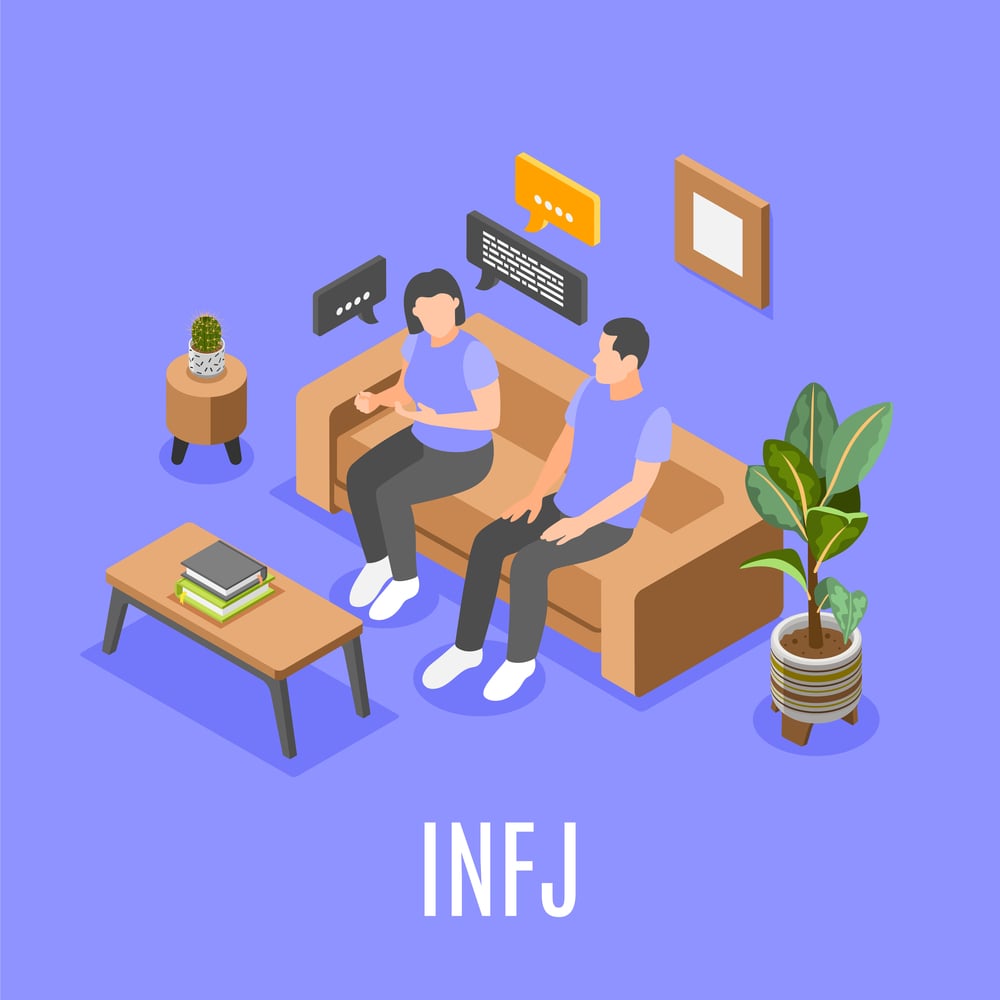
The INFJ personality type, known as ‘The Advocate,’ occurs in only 1.5% of the general population, making it the rarest of all 16 Myers-Briggs personality types. These individuals possess an unusual blend of idealism and strategy, empathy and analysis, operating from a unique cognitive blueprint that constantly scans for patterns and meanings beneath the surface. People with this type often feel like they’re seeing the world in high definition while everyone else is stuck with blurry vision.
Synesthesia

Approximately 3 to 5 percent of the population experiences synesthesia, a neurological phenomenon where stimulation of one sense automatically triggers another. Some of the rarest forms include auditory-tactile, mirror-touch, and lexical-gustatory synesthesia, where people might feel textures when hearing sounds or taste specific flavors when hearing certain words. Research shows that synesthetes tend to have more vivid mental imagery and demonstrate more creative thinking than non-synesthetes.
Eidetic Memory in Adults
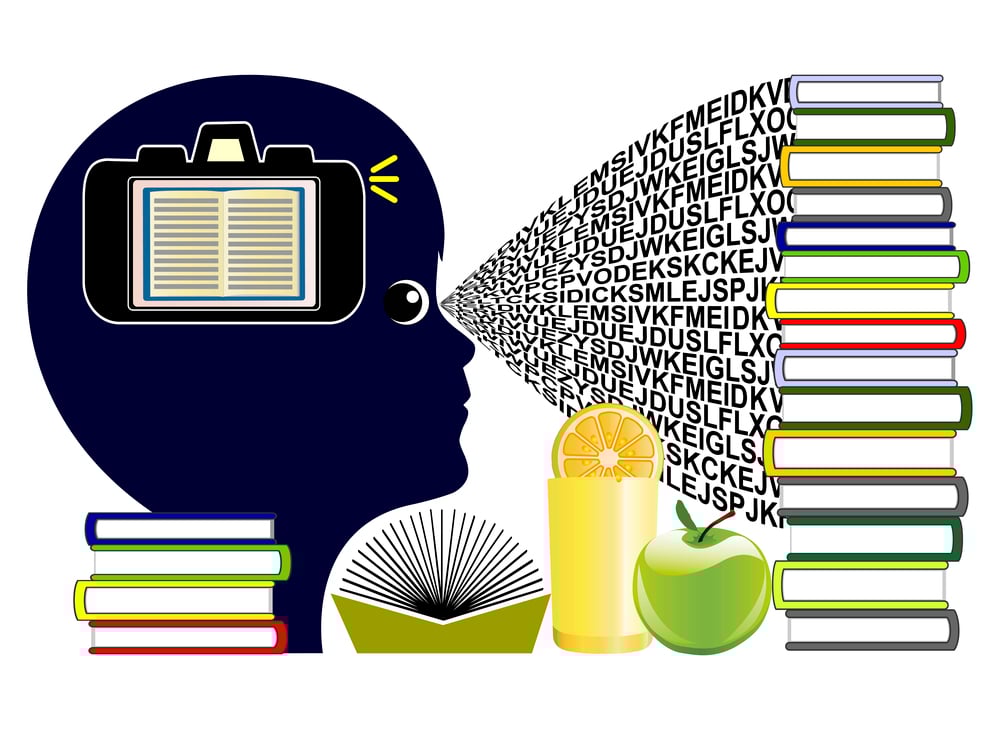
True eidetic memory is extremely rare in adults, though it occurs in about 2 to 10 percent of children. While approximately 8% of children may exhibit this phenomenon, it is exceedingly rare in the adult population. Adults who retain this ability can visualize images with extraordinary detail for several minutes after seeing them, almost like having a mental photograph that slowly fades away.
Lexical-Gustatory Synesthesia

The rarest form of synesthesia is lexical-gustatory synesthesia, which causes speakers to ‘taste’ the words they are saying. People with this condition might taste chocolate when saying the word ‘Tuesday’ or experience a metallic flavor when hearing someone’s name. This form is so uncommon that it represents just a tiny fraction of the already small synesthetic population.
Mirror-Touch Synesthesia
Mirror-touch synesthesia has been described as a kind of supercharged empathy where a person feels as though they’re being touched if they witness it happening to someone else. Imagine watching someone get a massage and actually feeling the pressure on your own back, or seeing someone stub their toe and experiencing a phantom pain in yours. This neurological crosswiring can be both a gift and a burden, creating intense empathetic connections but also potential sensory overload.
Highly Superior Autobiographical Memory
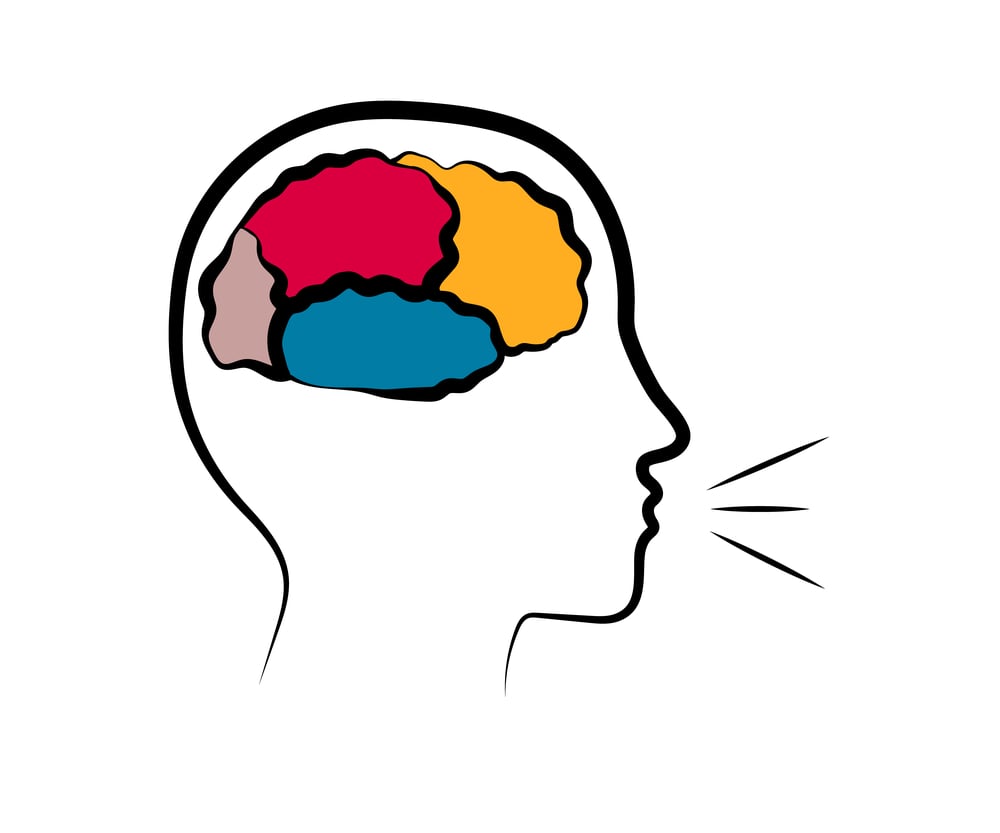
People with highly superior autobiographical memory (HSAM) can remember several specific details about their lives and experiences, including specific dates and other seemingly minute details, without relying on mnemonic devices or other tricks. They can tell you exactly what they wore on a random Tuesday fifteen years ago or recall every conversation from their high school graduation. This ability is so rare that only a few dozen verified cases exist worldwide.
INTJ Personality Type in Women
Female INTJs make up about 0.5% of the total female population, making this the rarest female personality type. These women are strategic and long-term thinkers who prioritize logic over emotions, tend to be independent and highly self-sufficient, and are decisive and assertive, often challenging authority or tradition. Their combination of traits contrasts sharply with traditional societal expectations, making them particularly uncommon.
Absolute Pitch

People with absolute pitch can identify or produce specific musical notes without any reference point—they hear a car horn and immediately know it’s an F-sharp. This ability occurs in less than 1 in 10,000 people in the general population. Unlike relative pitch, which most musicians develop through training, absolute pitch appears to be largely innate and must develop during a critical period in early childhood.
Tetrachromacy
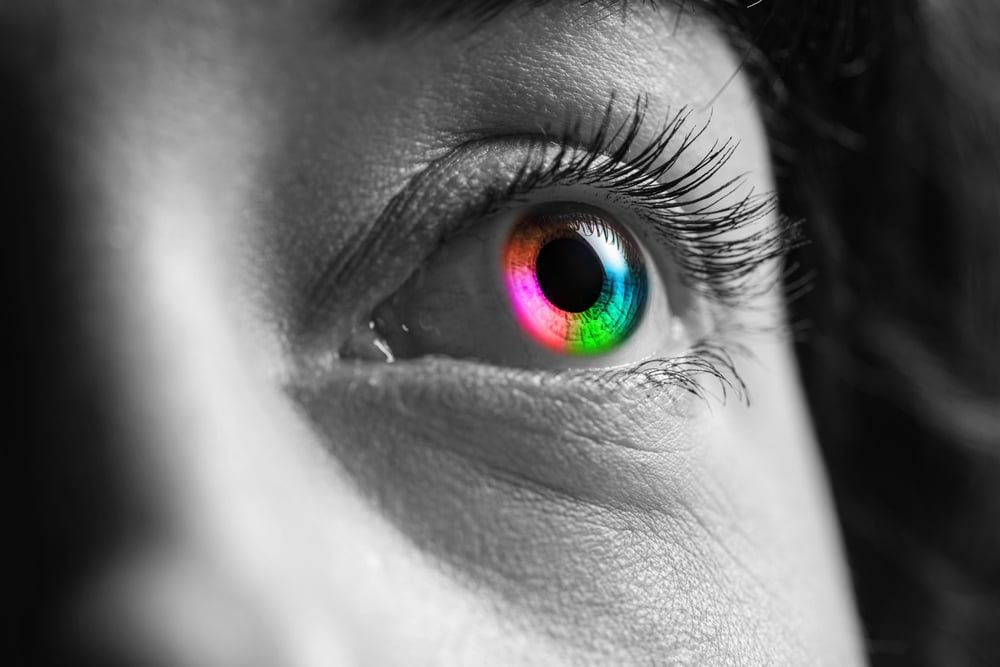
While most humans have three types of color receptors, some women possess a fourth type that theoretically allows them to see millions more colors than the rest of us. True tetrachromacy is estimated to occur in only 2-3% of women and is virtually nonexistent in men due to genetic factors. These individuals might see subtle color variations in what appears to be a solid green field or distinguish between seemingly identical shades of blue.
Savant Syndrome

Populations with synesthetes are very rare, but they are present in a certain proportion if grouped in certain ways. Savant syndrome, where individuals demonstrate extraordinary abilities in specific areas while having significant mental disabilities, occurs in fewer than 1% of people with developmental disabilities. These remarkable individuals might be able to perform complex mathematical calculations instantly, memorize entire books after a single reading, or create detailed drawings of cities after just a brief helicopter tour.
Chronesthesia

This rare cognitive ability allows some people to mentally travel through time with unusual vividness and accuracy. Unlike typical episodic memory, chronesthesia involves a subjective sense of time that lets individuals place memories in precise temporal contexts. People with this trait can accurately estimate when events occurred and experience past memories with a profound sense of ‘mental time travel’ that goes far beyond normal recollection.
Super-Recognizers

While most people struggle to remember faces they’ve seen briefly, super-recognizers can identify individuals they encountered years ago in completely different contexts. This ability occurs in approximately 1-2% of the population and represents the opposite extreme from face blindness. Super-recognizers often find work in security and law enforcement, where their unusual talent for facial recognition proves invaluable.
Echolocation in Sighted Individuals

Though most commonly associated with individuals who are blind, some sighted people can develop echolocation abilities using tongue clicks or other sounds to navigate their environment. This remarkable skill allows them to ‘see’ objects, walls, and even detect different materials through sound reflection. The ability to develop functional echolocation in sighted individuals is extremely rare and requires extensive training and natural aptitude.
Hyperthymesia

This condition involves the ability to remember virtually every day of one’s life in extraordinary detail, starting from adolescence. People with hyperthymesia can recall specific events, conversations, and even minor details from decades past without effort. Only a few dozen verified cases exist worldwide, and the condition can be both a blessing and a curse, as individuals sometimes struggle with the overwhelming nature of their constant, detailed memories.
Supertasters

These individuals possess significantly more taste buds than average—sometimes two to three times the normal amount. Supertasters experience flavors with much greater intensity and can detect subtle taste differences that others miss entirely. They often find certain foods unbearably bitter or sweet and may have more restricted diets due to their heightened sensitivity to flavors and textures.
ENTJ Personality Type in Women

ENTJ women, known as ‘The Commander,’ share several core characteristics with INTJ women: they are strategic and long-term thinkers who prioritize logic over emotions and tend to be independent and highly self-sufficient. The second least common personality type, ENTJ or commander, represents about 1.8% of the population. When focusing specifically on women, this percentage drops even further, making these natural leaders exceptionally uncommon in the female population.
Exceptional Working Memory

While average working memory can hold about 7 items at once, some rare individuals can maintain and manipulate 15 or more pieces of information simultaneously. This cognitive superpower allows for complex mental calculations, superior problem-solving abilities, and the capacity to follow intricate, multi-step instructions with ease. People with exceptional working memory often excel in fields requiring intense mental juggling, such as air traffic control or complex mathematical research.
The Rarity Advantage

Research suggests that many rare cognitive traits exist not as random anomalies but as specialized forms of human neurodiversity that may have provided evolutionary advantages. These individuals often serve as natural leaders, deep thinkers, or creative problem-solvers, though being rare can come with its own challenges of feeling different or misunderstood. Rather than viewing these traits as mere curiosities, science increasingly recognizes them as valuable variations in the human cognitive toolkit that contribute to our species’ remarkable adaptability and innovation.
More from Go2Tutors!

- 16 Historical Figures Who Were Nothing Like You Think
- 12 Things Sold in the 80s That Are Now Illegal
- 15 VHS Tapes That Could Be Worth Thousands
- 17 Historical “What Ifs” That Would Have Changed Everything
- 18 TV Shows That Vanished Without a Finale
Like Go2Tutors’s content? Follow us on MSN.