17 Restaurant Chains That Began as Something Else
When you think of your favorite restaurant chains, you probably picture them exactly as they are today — bustling kitchens, familiar logos, and signature dishes. But many of these beloved brands started out doing something completely different before they became the food destinations we know and love.
From gas stations to grocery stores, and from coffee bean shops to donut stands, the origins of these restaurant chains might surprise you. Here is a list of 17 restaurant chains that began as something entirely different before they found their way into the food business.
Kentucky Fried Chicken
Colonel Harland Sanders didn’t dream up the “Colonel” title himself. In 1936, Kentucky’s governor gave him the honorary rank of Kentucky Colonel for his contributions to the state — not specifically for fried chicken. Sanders leaned into the title, adopting the white suit, goatee, and string tie to turn himself into a living mascot for his brand.
The “Colonel” persona was just as cooked-up as the secret recipe.
Starbucks
When Starbucks opened its doors in 1971 at Seattle’s Pike Place Market, it looked nothing like the espresso bars we know today. The store sold bulk coffee beans, tea, and spices, along with coffee makers, grinders, and teapots — that was it.
For the first 12 years of Starbucks history, you couldn’t even buy a brewed cup of coffee in any given store. The only brewed coffee was given away as samples to help customers decide on a product.
It wasn’t until Howard Schultz bought the company in 1987 and was inspired by Italian coffee culture that Starbucks transformed into the café chain serving espresso drinks that we recognize today.
Cracker Barrel
Cracker Barrel started as more than just a restaurant — it was a combination business. Founded in Tennessee by Dan Evins in 1969, who was a gasoline sales rep, he built his first restaurants near highways to attract travelers, and they all had gas pumps in the parking lots.
The concept was brilliant: feed hungry travelers and fuel up their cars at the same time. While the gas pumps are long gone, Cracker Barrel kept the ‘Old Country Store’ part of its name, and you can still browse their retail section while waiting for a table.
Sbarro
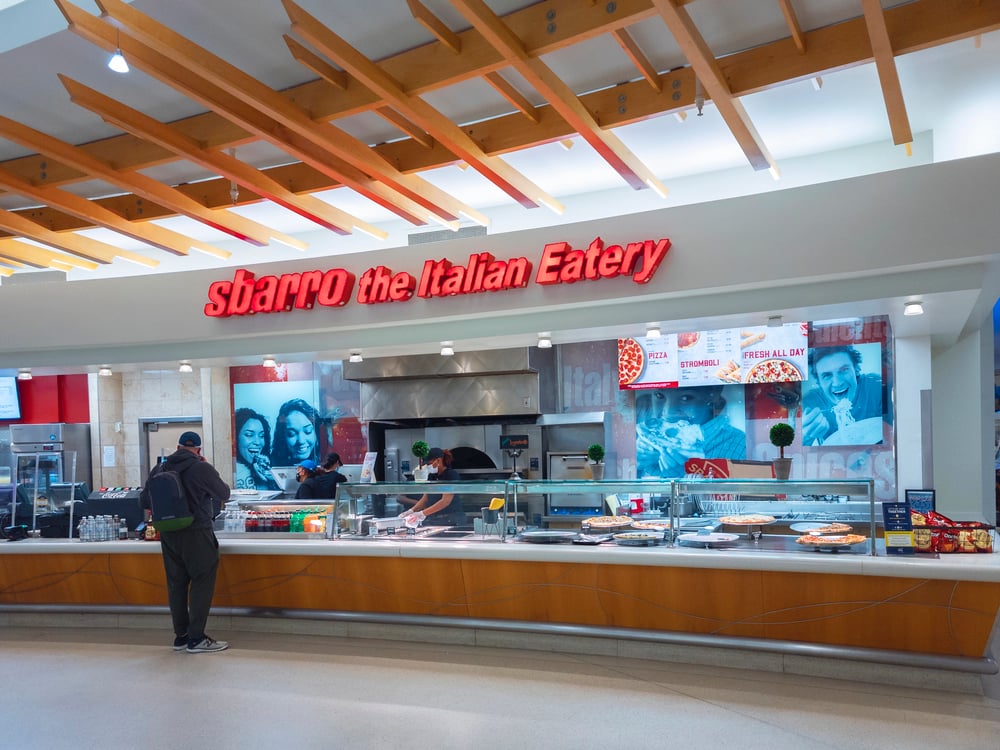
It may be difficult to imagine a Sbarro’s that isn’t in a mall food court, but the pizza chain began as a salumeria, or Italian grocery store, in the Bensonhurst neighborhood of Brooklyn in 1956. Gennaro and ‘Mama’ Carmela set up shop after emigrating from Naples, and opened their first mall-based location in 1970.
The transition from Italian deli to pizza chain happened naturally as customers kept asking for hot, ready-to-eat versions of the Italian specialties they were buying to take home.
Denny’s
What’s now known as Denny’s had quite the identity crisis in its early years. It started as Danny’s Donuts in 1953 in Lakewood, California. A few years later, they changed their name to Danny’s Coffee and began operating 24 hours a day.
The company went through another name change to Denny’s Coffee Shop to avoid confusion with another chain, then finally shortened it to just Denny’s. The original focus on donuts and coffee gradually expanded to become the breakfast-all-day diner we know today.
Red’s Giant Hamburg
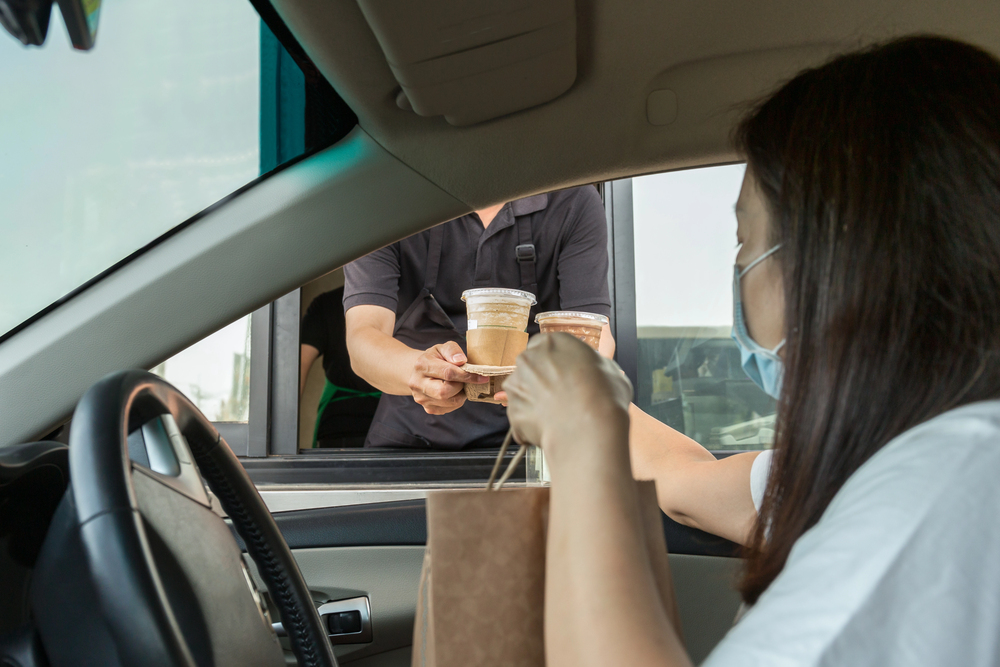
Red’s Giant Hamburg in Springfield, Missouri, holds the distinction of being widely credited as America’s first drive-thru restaurant when it opened in 1947. The spot began life as a gas station until owner Sheldon ‘Red’ Chaney decided his time would be better spent as a restaurant proprietor.
Chaney kept the drive-up concept but switched from selling gasoline to selling hamburgers, creating what would become a template for countless fast-food chains that followed.
Domino’s Pizza
Domino’s Pizza was founded in 1960 in Ypsilanti, Michigan, near Eastern Michigan University, by brothers Tom and James Monaghan. The duo paid $1,400 to purchase an existing pizzeria called DomiNick’s, and eight months later Tom took full-time control of the business.
The name ‘DomiNick’s’ gradually evolved into Domino’s as the brothers put their own spin on the pizza business they had acquired, eventually growing it into one of the world’s largest pizza delivery chains.
Dairy Queen
Dairy Queen got its start with an ice cream store in Moorhead, Minnesota, owned by a man named Sherb Noble. DQ started out selling only soft-serve ice cream and related snacks.
Burgers and sandwiches were added much later, but they originally served just ice cream treats. The signature Blizzard and hot food menu items that make up a big part of their business today came decades after the company was founded as a simple ice cream stand.
Pizza Hut
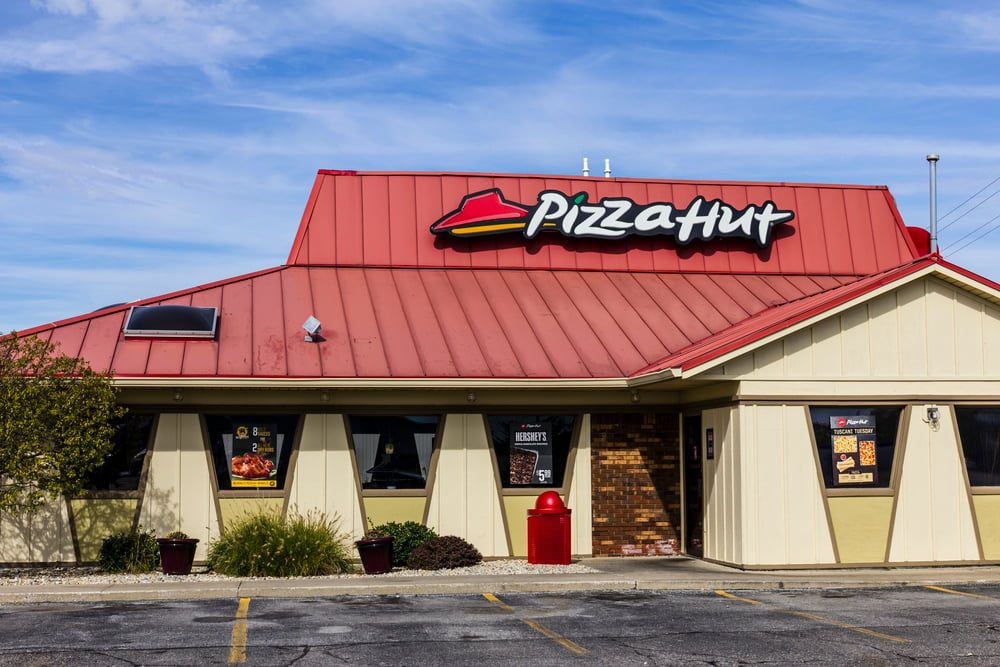
Two brothers in Wichita, Kansas had a great idea and borrowed $600 from their mother. They used this to open the first Pizza Hut in 1958.
With only enough room for eight letters on their sign, the brothers decided to call their restaurant Pizza Hut, and 10 years later, the iconic red roof was added to each location. What started as a small family venture with limited signage space became America’s first pizza chain and eventually grew to over 16,000 locations in more than 100 countries.
IHOP
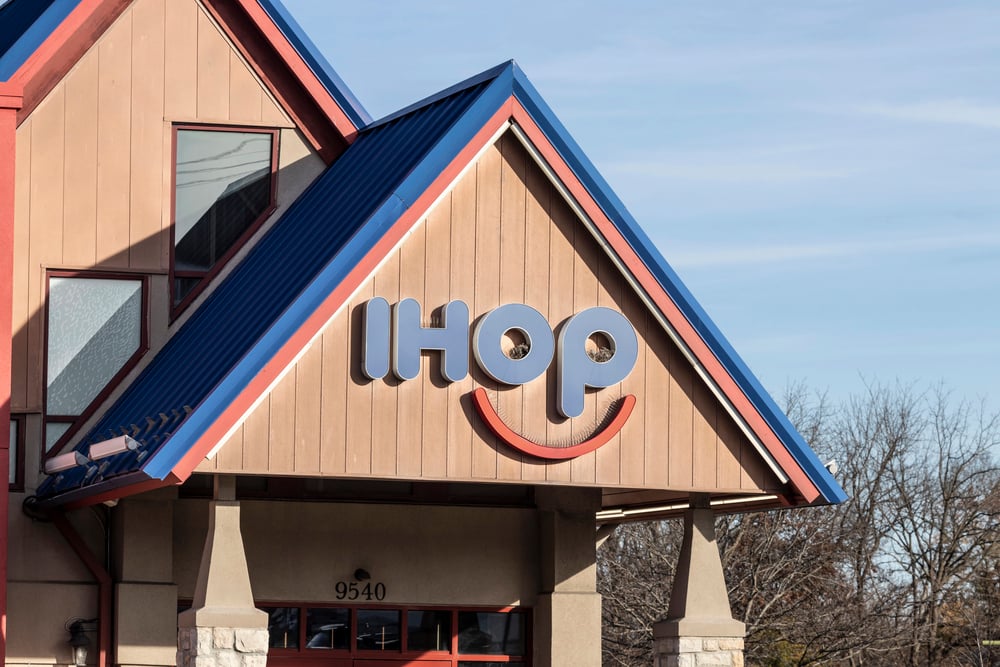
The first IHOP restaurant debuted in 1958 in Los Angeles, California. They operated as just another 24-hour restaurant, but weren’t always the pancake specialists they are today. The ‘International House of Pancakes’ started as a more general family dining restaurant that happened to serve breakfast all day.
Over time, they leaned heavily into their pancake specialty, eventually becoming so synonymous with breakfast that they briefly tried rebranding as ‘IHOb’ (International House of Burgers) in 2018 before quickly returning to their pancake roots.
Sonic Drive-In
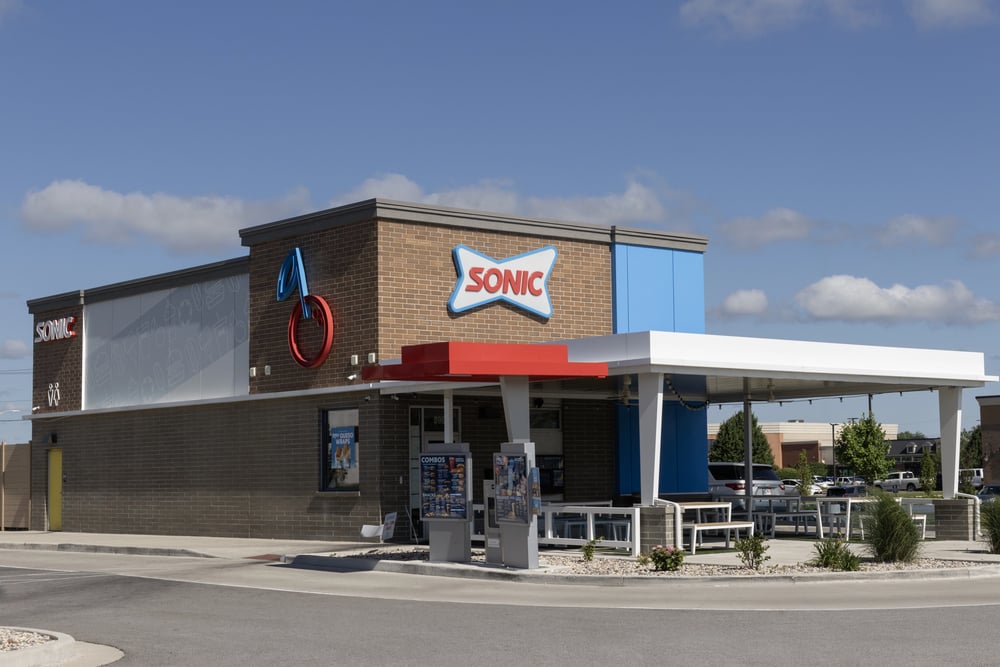
In 1953, Sonic built its first drive-in restaurant in Shawnee, Oklahoma. The concept included revolutionary curbside speakers, and carhops would skate to your table.
What made Sonic unique wasn’t that it started as something completely different, but rather that it started as a different type of drive-in concept. The skating carhops and unique ordering system evolved from earlier drive-in restaurant models, creating something new in the process.
Chipotle
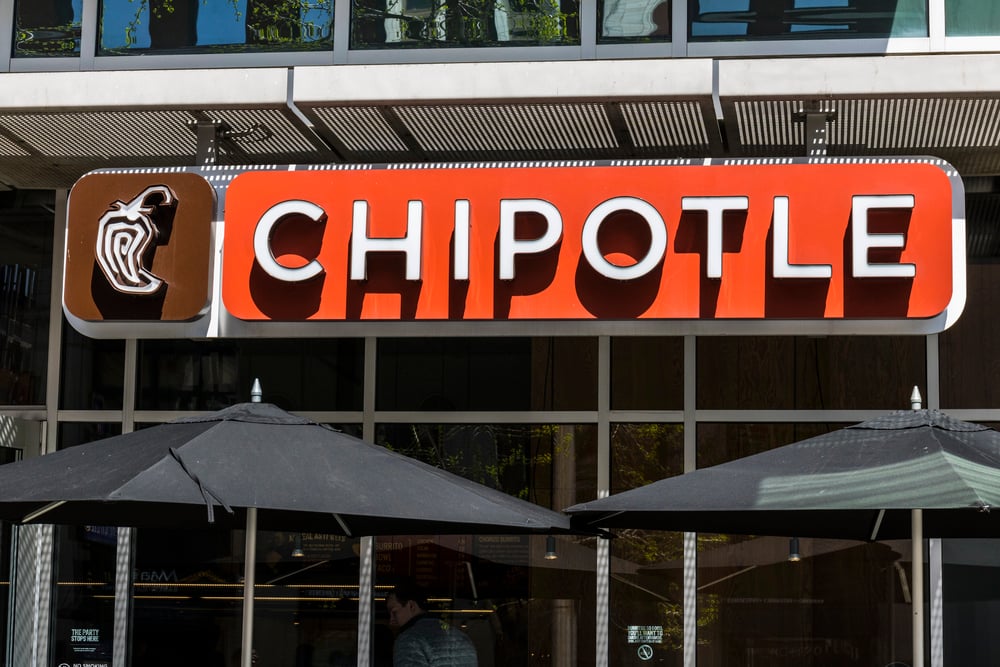
Chipotle was founded by Steve Ells, a Culinary Institute of America graduate, in 1993. After securing an $85,000 loan from his mother, he opened the first Chipotle in a former ice cream shop near the University of Denver campus.
Ells had originally planned to open a fine-dining restaurant, but the success of his burrito concept — selling over 1,000 burritos per day within a month — convinced him to abandon his upscale restaurant dreams and focus on expansion instead.
Panera Bread
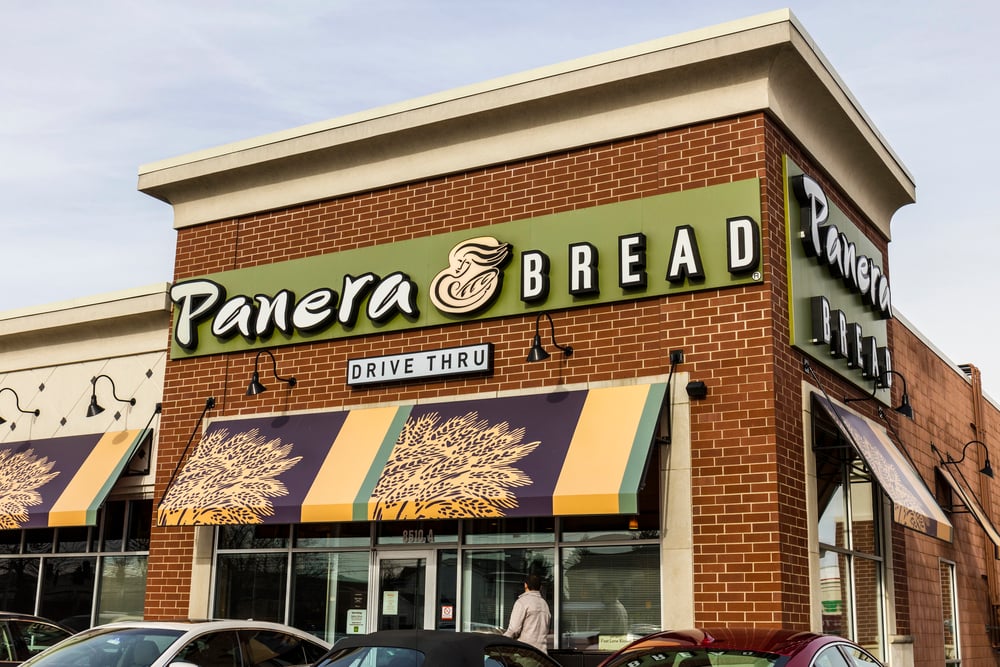
Panera Bread got its start in 1993, when Au Bon Pain purchased the St. Louis Bread Company’s 20 St. Louis-area bakery-cafés and changed the name to Panera Bread.
The new company became so successful that in 1999, Au Bon Pain sold off all its other operations to focus entirely on Panera. What began as a regional bakery chain transformed into a national fast-casual powerhouse known for its bread bowls and clean ingredient messaging.
Outback Steakhouse
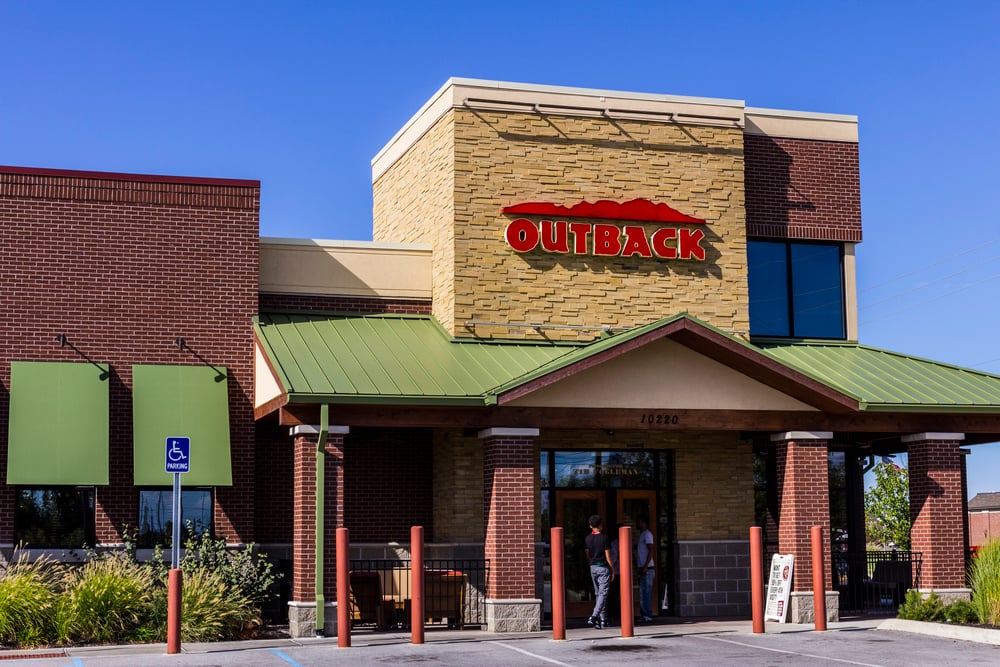
Founded in Florida in 1988 by three restaurant industry veterans who originally named their enterprise Multi-Venture Partners, Inc., Outback brought in crowds by serving American food in an Australian-themed dining room. The founders weren’t trying to create an authentic Australian restaurant — they were experienced restaurant operators who saw an opportunity to create a themed dining experience that would stand out from other steakhouses.
Hardee’s
Hardee’s was founded by a man named Wilber Hardee in Greenville, North Carolina, in 1960. Hardee may have been a good businessman, but he was also a bit of a gambler.
In 1961, after bringing on two entrepreneurs to help expand the restaurant, Hardee lost his controlling share in the company to the duo in a game of poker. Sometimes the biggest change a restaurant undergoes isn’t in its concept, but in its ownership — and Hardee’s literally changed hands over a card game.
White Castle
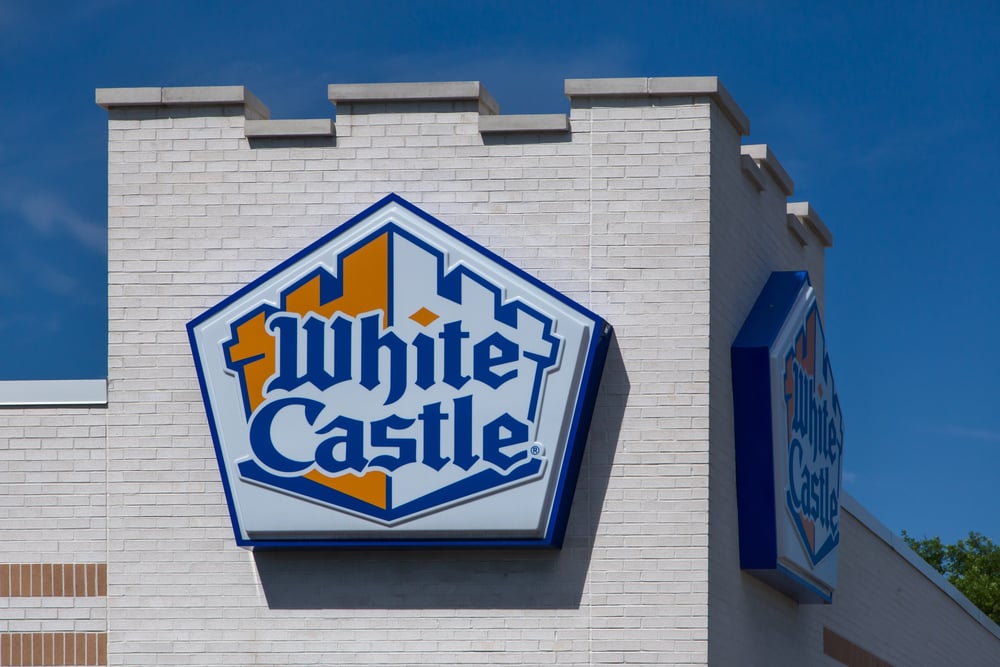
The first White Castle location, opened in 1921 by Billy Ingram in Wichita, Kansas, consisted of a small building made of painted white brick that featured a small turret and a black-painted sign advertising its now-famous five-cent mini-hamburgers. While White Castle didn’t start as a different type of business, it essentially created the fast-food industry template that countless others would follow.
The concept of standardized, mass-produced burgers sold at low prices was revolutionary for its time.
Papa John’s
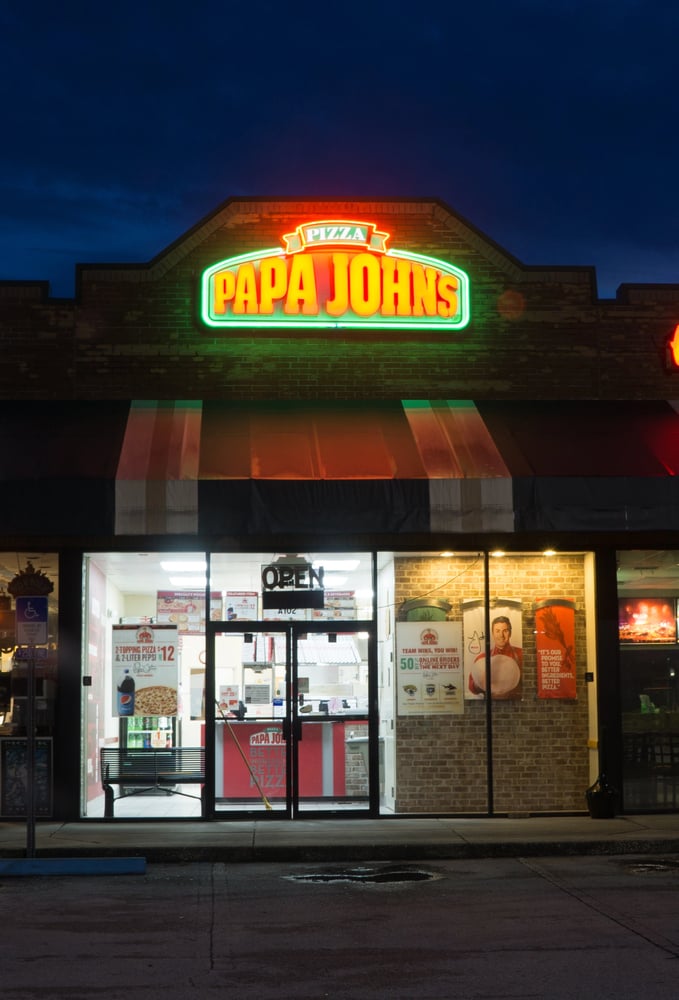
The fourth-largest pizza chain in the nation got its start in 1984 when John Schnatter installed a pizza oven in a tavern owned by his father. Later that year, Schnatter opened his first brick-and-mortar location in Jeffersonville, Indiana.
‘Papa John’ literally started by converting part of his family’s existing bar into a pizza kitchen, proving that sometimes the best business ideas come from seeing an opportunity right in front of you.
From Humble Beginnings to Global Success
These transformations show how entrepreneurial spirit can take unexpected turns. Many of these restaurant founders weren’t even planning to get into the food business — they were gas station owners, grocery store operators, and ice cream vendors who discovered they had a knack for feeding people.
What started as side hustles, convenient add-ons, or complete career pivots became some of America’s most recognizable brands. The next time you visit one of these chains, you’ll know there’s a much more interesting story behind that familiar logo than you might have imagined.
More from Go2Tutors!

- The Romanov Crown Jewels and Their Tragic Fate
- 13 Historical Mysteries That Science Still Can’t Solve
- Famous Hoaxes That Fooled the World for Years
- 15 Child Stars with Tragic Adult Lives
- 16 Famous Jewelry Pieces in History
Like Go2Tutors’s content? Follow us on MSN.



