Unusual Burial Customs Across Cultures
Death brings out the most fascinating traditions in human culture. What people do with their deceased loved ones says a lot about what they believe happens after life ends.
Some customs focus on celebrating life, others on honoring ancestors, and still others on practical concerns unique to their environment. These burial practices developed over centuries and reflect deep beliefs about the connection between the living and the dead.
Here is a list of 16 unusual burial customs from around the world.
Sky burial in Tibet

Tibetan Buddhists practice a ritual called jhator, which means ‘alms for the birds.’ Bodies are taken to mountaintops where they’re prepared and left for vultures to consume.
This isn’t seen as disrespectful at all. Buddhists believe the spirit has already moved on to its next life, leaving behind only an empty shell.
The body becomes one final act of generosity, feeding other living creatures. Tibet sits mostly above the tree line, which makes cremation difficult because wood is scarce.
The ground is also rocky and frozen, making traditional burial nearly impossible. Sky burial solves practical problems while fitting perfectly with religious beliefs about compassion toward all living things.
Famadihana in Madagascar

Every five to seven years, the Malagasy people of Madagascar pull their ancestors out of family tombs for a celebration. They wrap the remains in fresh silk cloth, spray them with perfume or wine, and dance with them to live music.
This tradition, called Famadihana or ‘turning of the bones,’ brings families together from across the country. People believe their ancestors aren’t truly at rest until they’ve undergone this ceremony multiple times.
The celebration includes feasting, music, and updating the dead on family news. When sunset approaches, the ancestors go back into the tomb, placed upside down to close the cycle of life and death.
The silk cloth and festivities cost families a lot of money, but the connection to ancestors matters more than the expense.
Fantasy coffins in Ghana

The Ga people of Ghana bury their dead in coffins shaped like almost anything you can imagine. A fisherman might rest in a giant fish or boat.
A farmer gets a cocoa pod. A pilot goes into an airplane.
These fantasy coffins, called abebuu adekai or ‘proverb boxes,’ can take the form of cars, animals, cell phones, or even Coca-Cola bottles. Master carpenters spend weeks crafting each one by hand from local wood.
The shapes aren’t random choices. They represent what the person did for a living, what they loved, or what they dreamed about but never achieved.
The Ga believe that people continue their occupations in the afterlife, so the coffin ensures they’ll have the right job waiting for them. These elaborate creations have become art pieces displayed in museums worldwide.
Zoroastrian towers of silence

Ancient Zoroastrians developed a unique solution to their belief that dead bodies contaminate sacred elements like earth, fire, and water. They built circular towers called dakhmas on hilltops and placed bodies on top in three rings.
Men went in the outer circle, women in the middle, and children in the innermost ring. Vultures would consume the flesh, and the sun would bleach the bones.
Once clean, the bones were placed in a central pit where they dissolved over time. This practice kept decay away from pure elements while disposing of remains efficiently.
The towers were outlawed in Iran during the 1970s as cities expanded, but some Zoroastrian communities in India continued the practice until vulture populations declined dramatically in recent decades.
Jazz funerals in New Orleans

New Orleans turns death into a parade with brass bands leading mourners through the streets. The procession starts somber with slow hymns like ‘Just a Closer Walk with Thee.’
After the burial, the mood shifts completely. The band breaks into upbeat jazz, and people dance through the streets in what’s called the ‘second line.’
This tradition blends African, French, and Caribbean influences into something uniquely American. The celebration of life matters more than mourning the loss.
Jazz funerals have become so popular that people request them in their wills, and the tradition has spread beyond New Orleans to other cities with strong jazz cultures.
Hanging coffins in the Philippines and China

Some communities in the Philippines and southern China place coffins on cliff faces hundreds of feet above ground. The Igorot people of Sagada and the Bo people of China believed that higher burials brought the deceased closer to ancestral spirits and heaven.
Getting the coffins up there requires incredible effort. Workers drill into cliff faces or find natural ledges, then hoist the coffins using ropes and scaffolding.
Some hanging coffins have stayed in place for over 2,000 years. The tradition has mostly ended because it’s dangerous and requires specialized knowledge.
Today, these ancient burial sites attract tourists who marvel at the engineering and dedication required to honor the dead in such dramatic fashion.
South Korean cremation beads
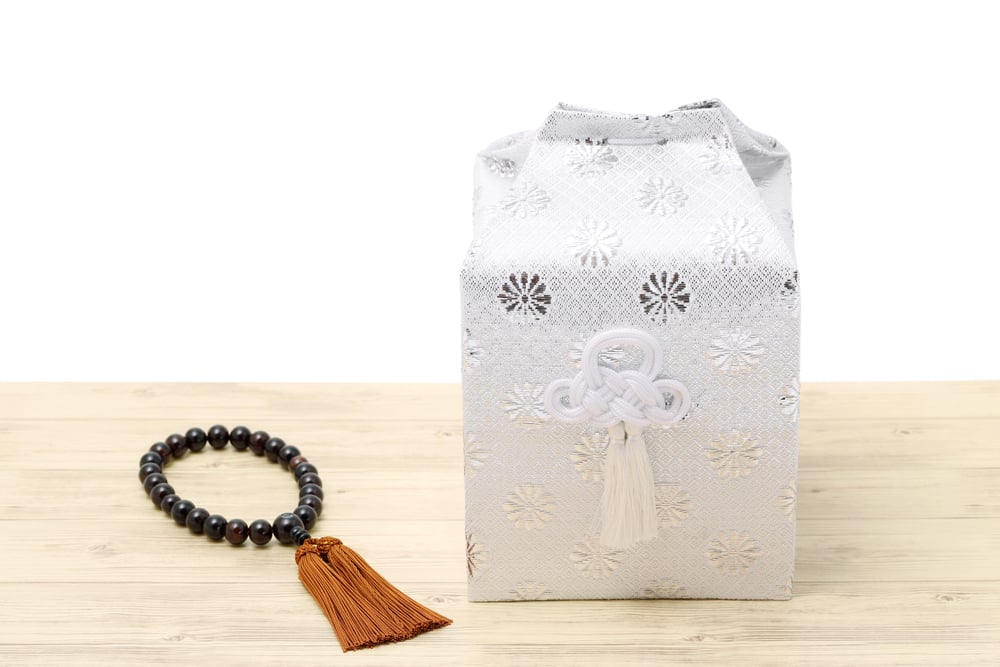
South Korea has limited land for burials, which led to a law requiring graves to be removed after 60 years. This caused families to look for new options.
Many turned to cremation and then discovered a way to keep their loved ones close. Companies now transform cremation ashes into colorful glass-like beads.
Families display these beads in their homes as art pieces or jewelry. The beads come in different colors, from turquoise to pink to pearl white.
Each bead represents a small portion of the person’s remains, allowing families to divide them among relatives. This modern practice solves space problems while giving families a beautiful way to remember the deceased.
Viking ship burials
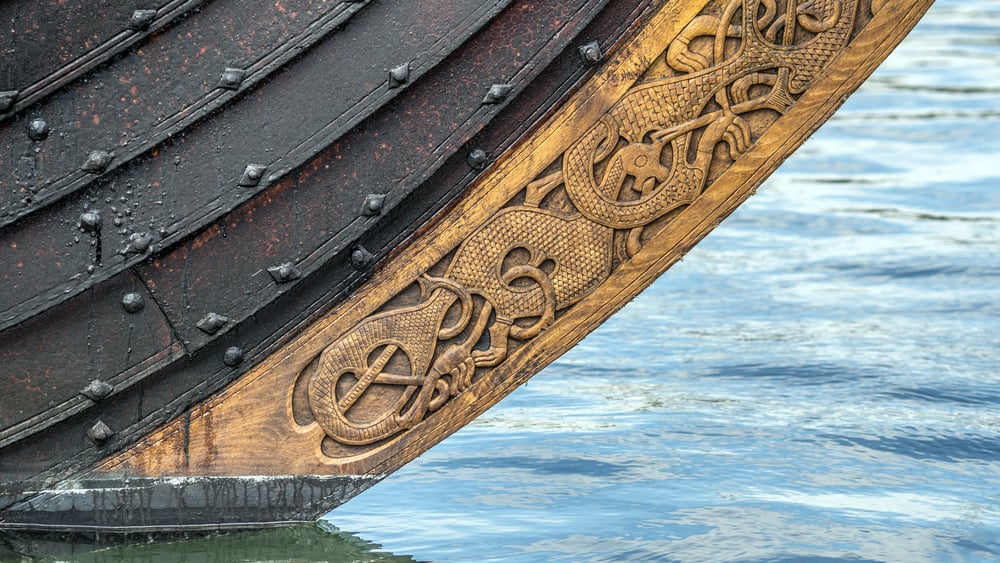
Vikings of high status were sometimes laid to rest in ships along with weapons, tools, and even servants or animals. The ships were either buried under mounds of earth or set aflame and pushed out to sea.
Archaeological evidence for burning ships at sea is scarce, but grave mounds containing ships are well documented. The most famous is the Oseberg ship in Norway, which contained two women and elaborate grave goods.
Vikings believed the ship would carry the deceased to the afterlife. The practice showed wealth and status.
Only important people got ship burials because building and sacrificing a seaworthy vessel was expensive. These burials give modern archaeologists incredible insights into Viking culture, art, and daily life.
Green burials

The environmental movement created a new burial option that’s actually a return to old methods. Green burials skip embalming chemicals, metal caskets, and concrete vaults.
Bodies are wrapped in biodegradable cloth or placed in simple wooden boxes. They’re buried in natural areas where native plants grow instead of manicured lawns.
No pesticides or excessive water use. Some green burial grounds don’t even use permanent markers, letting the land return completely to nature.
This appeals to people who want to minimize their environmental impact even after death. The practice is growing fast in the United States and Europe as people rethink what makes a meaningful burial.
Balinese cremation ceremonies

In Bali, cremations are massive community events that can cost families thousands of dollars and involve hundreds of people. The body might be kept for months or even years while the family saves money and waits for an auspicious date.
When the ceremony finally happens, the deceased is placed in an elaborate tower-shaped structure that’s carried through the streets with gamelan music playing. Young men spin the tower to confuse the spirit so it won’t try to return home.
The body is then transferred to an animal-shaped sarcophagus and cremated. The ashes go into the ocean or a sacred river.
The ceremony can last several days and includes feasting, dancing, and elaborate offerings. Death is seen as a celebration, not a tragedy.
Memorial reef structures

Some people who love the ocean choose to have their cremated remains mixed into concrete and formed into reef structures. These artificial reefs get placed on the ocean floor where they provide habitat for fish and marine life.
The structures are designed with various shapes, from simple domes to elaborate sculptures. Families can visit the site and even dive down to see how the reef is growing.
This option appeals to divers, sailors, and anyone who felt connected to the sea during their life. The reefs serve a practical environmental purpose while giving families a unique memorial site.
Several companies now offer this service, and thousands of people have chosen it.
Ancient Egyptian mummification
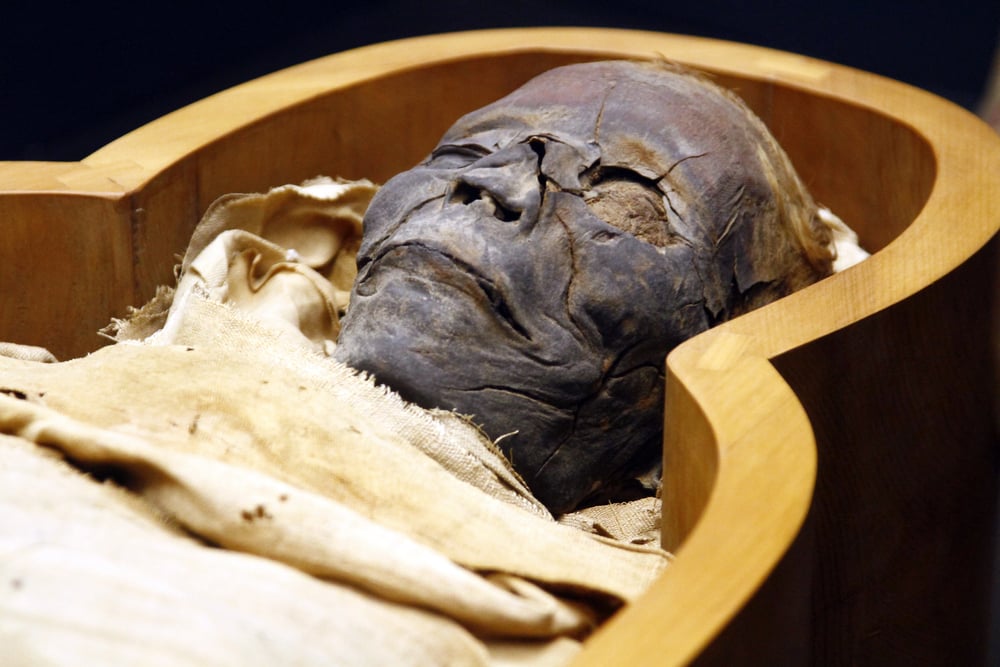
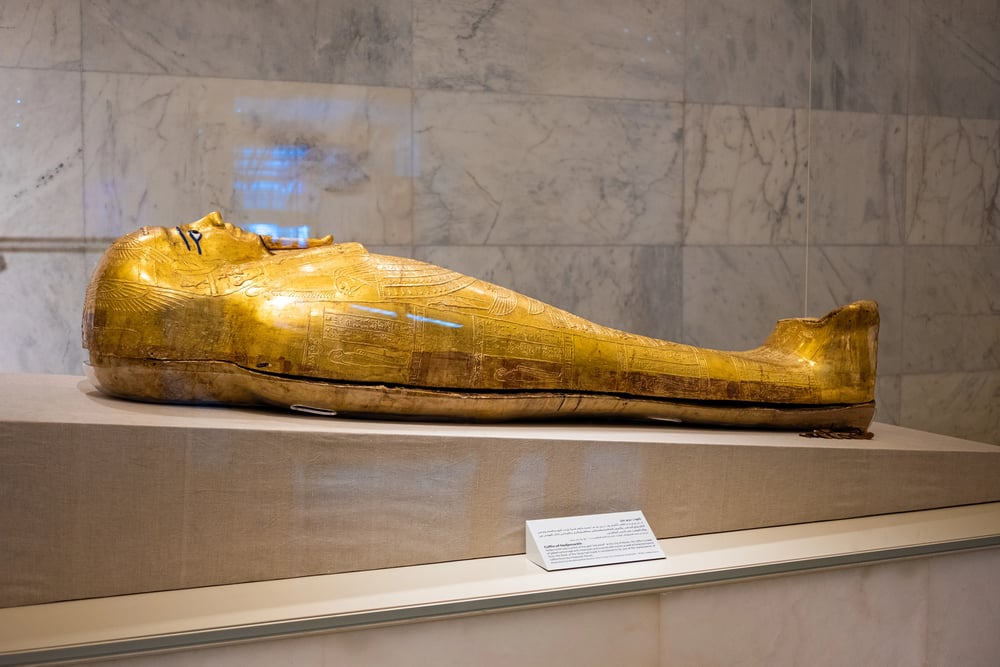
The ancient Egyptians turned preservation of the dead into an art form that lasted over 3,000 years. The process took 70 days and involved removing organs, drying the body with salt, and wrapping it in layers of linen.
The brain was removed through the nose with hooks. Other organs went into canopic jars.
The heart stayed in the body because Egyptians believed it was needed in the afterlife. Wealthy Egyptians received elaborate mummifications with gold masks and jeweled amulets.
Poor people got simpler versions. The practice reflected beliefs about the afterlife journey and the importance of preserving the physical body for eternity.
Modern science has learned a lot about ancient diseases and diet by studying mummies.
Hindu cremation on funeral pyres

Hindus traditionally cremate their dead on open-air funeral pyres, with Varanasi on the Ganges River being the most sacred location. The eldest son usually lights the pyre.
The cremation can take several hours as the fire reduces the body to ashes. Afterward, the ashes are scattered in the Ganges or another sacred river.
Hindus believe this releases the soul and helps it move toward reincarnation. The practice is thousands of years old and remains common in India today, though some families now choose electric crematoriums in cities.
Cremation on the Ganges is considered especially auspicious because the river is believed to wash away sins and help the soul achieve moksha, or liberation from the cycle of rebirth.
Surfer memorial paddle-outs
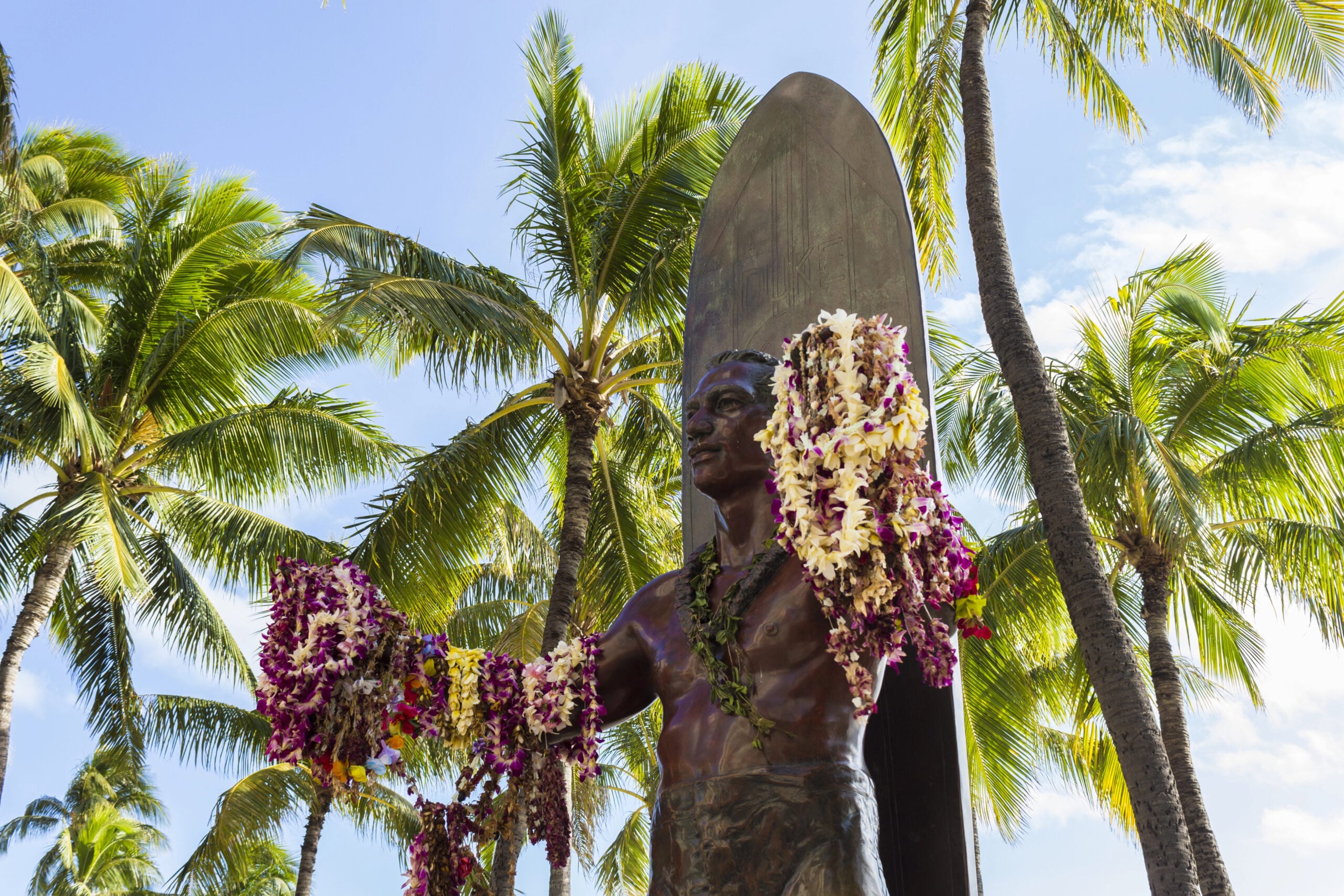
Surfing groups came up with a special way to honor those who’ve passed. Once someone from the crew passes away, loved ones paddle out together on surfboards, forming a ring past where the waves crash.
People take turns talking about memories while tossing petals or remains into the water, sometimes linking arms. A tune might float across the surface through a rugged speaker set up by one of them.
The event wraps up with people gliding into the water, sharing a final ride as a tribute to the person who passed. Though it began in California, this practice now shows up in surf spots across the globe.
It’s about that strong bond riders have – not just with the sea, yet also with their crew. No strict rules here – just real feeling, celebrating life where they felt most alive.
Tibetan prayer flags used after someone dies

Once a person passes away in Tibetan Buddhist circles, loved ones put up colorful prayer flags covered with sacred words. Because the breeze moves them constantly, it’s thought their messages rise skyward, helping the departed spirit move forward.
Each hue stands for an element – earth, water, fire, air, or space. Even when the sun and weather wear the cloth thin, locals trust the blessings keep spreading outward.
Over time, fresh banners are tied up alongside old ones. The ritual links people with those who’ve passed, sharing whispers on the breeze.
Across the Himalayas, prayer flags wave in quiet rhythm – some travelers from far places started hanging them too, after trips to Nepal or Tibet.
Ancient Greek coin ritual

Ancient Greeks tucked a small coin – often an obol – into the dead person’s mouth or laid it over their eyes. The money went to Charon, the boatman moving spirits past the River Styx into the afterlife.
If there wasn’t any payment, the spirit stayed stuck near the shore for ages. So firm was this idea that even folks with little means saved up for the coin.
Dig sites at old Greek burial spots often turn up these coins still in place. The way they did things reveals how much the old Greeks cared about what comes after death.
Because without a correct funeral or giving something to Charon, the spirit couldn’t rest easy.
What these customs reveal
Burial customs reveal what groups care about most. While some highlight ties between those alive and gone, others deal with real-world issues such as lack of space or weather conditions.
A number point to spiritual ideas on life after dying, along with what the spirit might require during its passage. One thing’s clear – folks go all out to pay respects when someone passes.
Fancy caskets, parties lasting weeks, you name it. These habits show dying isn’t only about the one gone.
It reflects those still here, what they feel in life, endings, and whatever lies ahead. Customs shift over time, influenced by tech advances or worries about nature, changing how we see where bodies rest.
More from Go2Tutors!

- The Romanov Crown Jewels and Their Tragic Fate
- 13 Historical Mysteries That Science Still Can’t Solve
- Famous Hoaxes That Fooled the World for Years
- 15 Child Stars with Tragic Adult Lives
- 16 Famous Jewelry Pieces in History
Like Go2Tutors’s content? Follow us on MSN.