17 Sitcom Moments That Caused Major Backlash
Sitcoms on television have always been innovative. They can push too hard at times. Throughout the years, seemingly innocuous comedy shows produced incidents that provoked boycotts, protests, and outrage. Not only did these contentious episodes cause a stir, but they also radically altered the way that networks handle delicate subjects.
Why are these moments so intriguing? They both challenge and reflect the cultural attitudes of their era. These 17 sitcom moments sparked intense criticism and altered television history forever.
The Cosby Show’s Pound Cake Speech Reference

Bill Cosby’s real-life controversial comments about personal responsibility in the Black community started showing up in storylines. Audiences caught on fast.
The show’s later episodes subtly wove in these divisive viewpoints—creating this weird tension between the show’s wholesome image and its star’s increasingly polarizing public persona. Fans who’d loved the Huxtable family for years suddenly couldn’t figure out if they could separate the character from the actor anymore.
All in the Family’s Racial Slurs

Archie Bunker casually threw around racial epithets to expose prejudice. Many viewers completely missed the point.
Norman Lear’s groundbreaking show got hammered by civil rights groups who argued that putting slurs on primetime TV normalized hate speech—context be damned. The whole thing raised a question that still bugs people today: can offensive language ever actually serve a progressive purpose?
Like Go2Tutors’s content? Follow us on MSN.
Married… with Children’s Misogynistic Humor
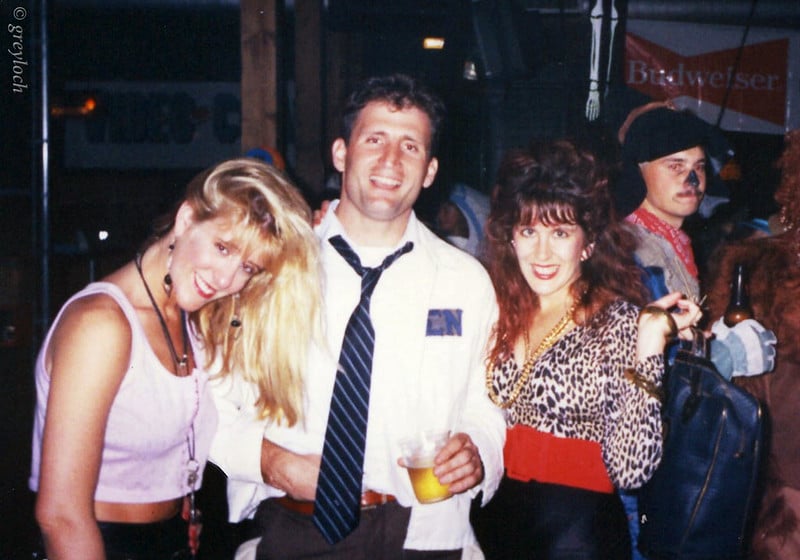
The Bundy family’s crude jokes about women and marriage really ticked off feminist organizations. Al Bundy’s bitter rants about his wife and daughters came across as reinforcing harmful stereotypes about gender roles.
The show’s popularity among certain demographics made things worse—people worried its humor was actually shaping attitudes instead of just reflecting them.
Roseanne’s Same-Gender Kiss

Roseanne Conner kissed another woman at a gay bar in 1994. Conservative groups went nuts, organized boycotts while advertisers bailed.
The episode broke ground by showing a straight character exploring her comfort with same-gender affection—but it aired when such content was basically taboo. ABC got swamped with thousands of complaint letters, and several affiliate stations flat-out refused to air it.
The Golden Girls’ AIDS Discussion
Dorothy’s AIDS scare episode tackled something most sitcoms wouldn’t touch with a ten-foot pole. The show’s frank discussion of the disease and how it spreads sparked major controversy.
Conservative viewers thought the topic was way too heavy for a lighthearted comedy—meanwhile, AIDS activists slammed certain aspects of the show’s medical information. The episode became this lightning rod for debates about whether TV should educate or just entertain.
Like Go2Tutors’s content? Follow us on MSN.
Soap’s Controversial Storylines

This soap opera parody pushed every boundary imaginable with storylines involving adultery, murder, and unconventional relationships. Religious groups organized massive boycotts before the show even premiered—based purely on advance publicity.
The controversy got so intense that some ABC affiliates initially refused to carry the show, and advertisers fled like their hair was on fire.
Ellen’s Coming Out Episode

Ellen DeGeneres having her character come out as gay created a media firestorm that went way beyond television. The episode drew both praise and condemnation—some viewers celebrated the representation while others organized boycotts of the show and its advertisers.
The controversy ultimately helped kill the show, proving just how ahead of its time this moment really was.
The Jeffersons’ Interracial Relationships

George Jefferson’s racist attitudes toward his son’s white girlfriend created these really uncomfortable moments that many viewers found offensive. The show tried to address prejudice within the Black community but ended up sparking debates about whether the comedy was helping or hurting conversations about race.
Critics argued the show’s approach sometimes reinforced stereotypes instead of challenging them.
Like Go2Tutors’s content? Follow us on MSN.
Maude’s Abortion Episode

Maude Findlay’s decision to have an abortion at age 47 created one of TV’s most controversial storylines. The two-part episode aired months before Roe v. Wade was decided—talk about timing.
CBS faced enormous pressure from religious groups and conservative politicians, with some affiliate stations refusing to air the episodes entirely.
Murphy Brown’s Single Motherhood

Murphy Brown decided to have a child without a father figure, sparking a national political debate about family values. Vice President Dan Quayle’s criticism of the character’s choices elevated the controversy to unprecedented levels—nobody expected a sitcom to become a political football.
The show’s portrayal of single motherhood as a viable choice challenged traditional notions of family structure during a particularly conservative era.
South Park’s Religious Satire
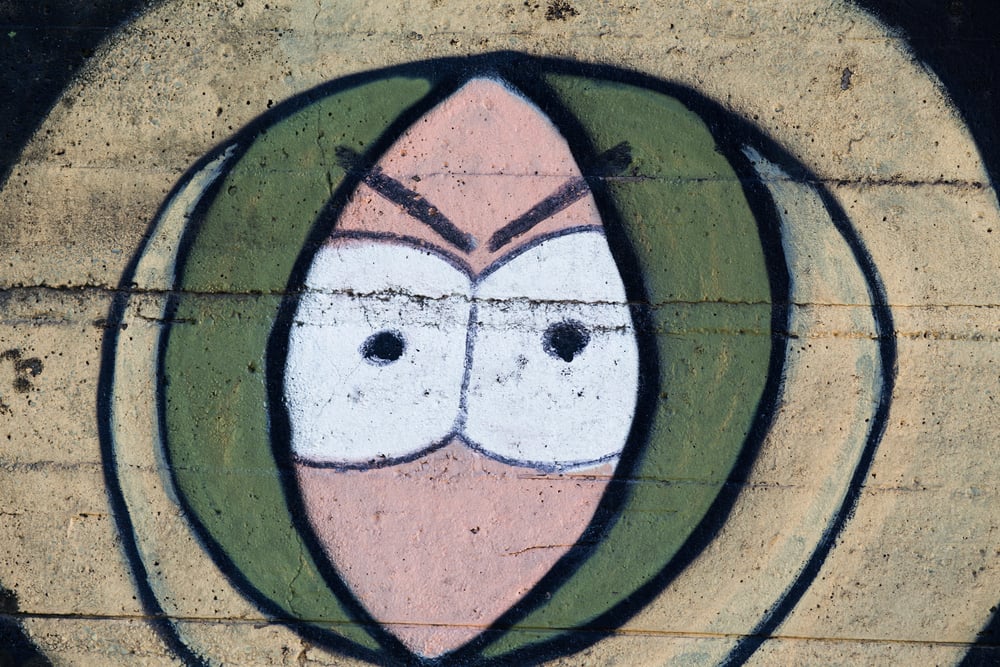
Matt Stone and Trey Parker’s irreverent take on religion consistently pushed boundaries, though certain episodes crossed lines for many viewers. The show’s satirical treatment of various faiths drew criticism from religious leaders and sparked debates about free speech limits in comedy.
Comedy Central faced pressure to censor or cancel episodes that some considered blasphemous.
Like Go2Tutors’s content? Follow us on MSN.
The Simpsons’ Social Commentary

Homer Simpson’s various mishaps often served as commentary on American society, yet some episodes struck viewers as too political or controversial. The show’s satirical take on everything from nuclear safety to political corruption occasionally drew criticism from groups who felt targeted.
Despite being animated, The Simpsons proved that cartoon characters could generate very real controversy.
Cheers’ Workplace Harassment

Sam Malone’s persistent romantic advances toward Rebecca Howe would be considered workplace harassment by today’s standards. The show portrayed these interactions as harmless flirtation, reflecting 1980s attitudes but drawing criticism from viewers who saw them as problematic.
The controversy highlighted changing attitudes toward workplace behavior and consent.
Three’s Company’s Stereotypical Portrayals

Jack Tripper’s pretense of being gay to live with his female roommates relied on outdated stereotypes about gender and identity. The show’s humor often came at the expense of marginalized communities, drawing criticism from advocacy groups.
The controversy demonstrated how comedy based on deception and stereotypes could perpetuate harmful attitudes.
Like Go2Tutors’s content? Follow us on MSN.
Family Ties’ Political Tensions

The clash between liberal parents and their conservative son Alex P. Keaton reflected real political divisions in American families. Some episodes dealing with political topics drew criticism from both sides of the aisle, with viewers feeling their beliefs were being mocked.
The show’s attempt to find humor in political differences sometimes intensified rather than eased cultural tensions.
Archie Bunker’s Place’s Controversial Themes

This All in the Family spinoff continued to tackle controversial subjects, though without the balancing influence of other family members. Archie’s unfiltered opinions on race, gender, and politics drew even more criticism than the original show.
The controversy highlighted how character development and context matter when dealing with sensitive topics in comedy.
The Fresh Prince of Bel-Air’s Class Commentary
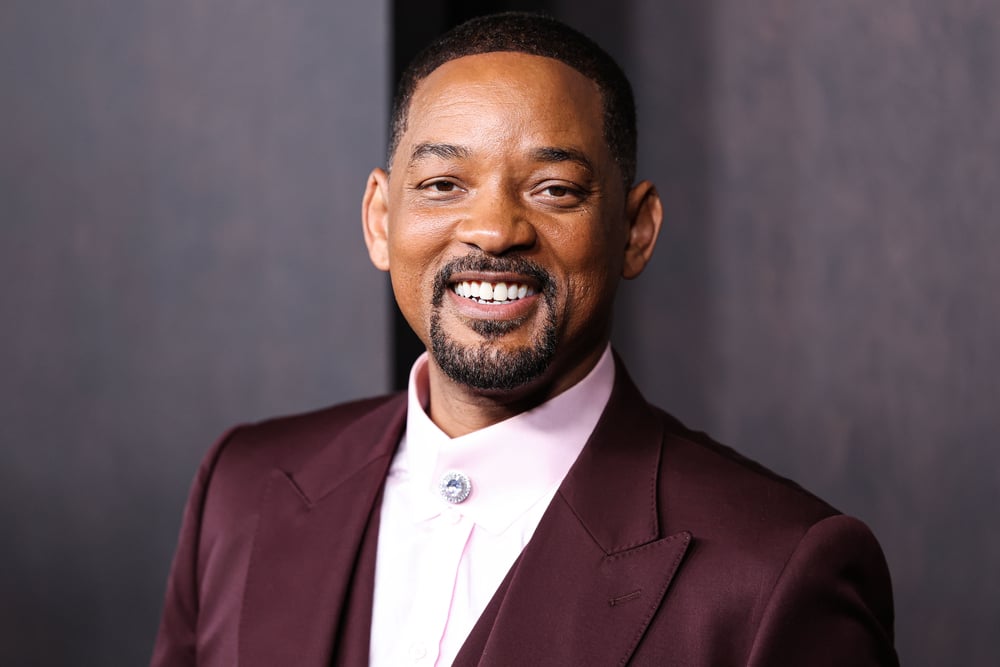
Will Smith’s character often highlighted tensions between different socioeconomic classes within the Black community. Episodes dealing with issues like colorism and class privilege sparked debates about representation and responsibility in Black media.
The show’s approach to these topics sometimes drew criticism from viewers who felt it perpetuated divisions rather than healing them.
Like Go2Tutors’s content? Follow us on MSN.
When Comedy Crosses the Line
These controversial sitcom moments remind us that comedy has always been a battlefield for cultural values and social change. What seemed acceptable to audiences in one era often appears problematic to later generations, reflecting our evolving understanding of respect, representation, and responsibility.
The backlash these shows faced wasn’t just about individual episodes—it was about television’s power to shape public opinion and cultural norms. Today’s content creators still grapple with these same challenges, trying to balance creative freedom with social responsibility in an even more connected and vocal media landscape.
More from Go2Tutors!

- 16 Historical Figures Who Were Nothing Like You Think
- 12 Things Sold in the 80s That Are Now Illegal
- 15 VHS Tapes That Could Be Worth Thousands
- 17 Historical “What Ifs” That Would Have Changed Everything
- 18 TV Shows That Vanished Without a Finale
Like Go2Tutors’s content? Follow us on MSN.