17 Toys Inspired by Government Technology
Ever notice how some of your favorite childhood toys seemed almost too advanced for their time? That’s because many of them weren’t just products of imagination—they were inspired by cutting-edge government and military technology. From communication devices to navigation systems, the tech developed for national security and research often finds its way into toy boxes across America.
Here’s a list of 17 toys that trace their origins back to government innovation, proving that sometimes the most serious technology makes for the most fun playthings.
Walkie-Talkies

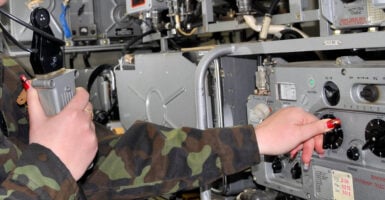
The portable radio communication devices that let kids pretend to be secret agents actually came from World War II battlefield technology. Military engineers developed handheld transceivers so soldiers could coordinate without being tethered to base stations. Toy companies quickly realized that shrinking this tech down for children would be a hit, and by the 1950s, walkie-talkies became a staple in toy stores everywhere.
Remote Control Cars

Before kids were racing miniature vehicles around living rooms, the military was using radio-controlled technology for reconnaissance and bomb disposal. The U.S. Navy experimented with remote-controlled boats and aircraft during World War II to safely handle dangerous situations. Toy manufacturers adapted this wireless control technology, creating the first RC cars in the 1960s that gave children their own taste of remote operation.
Night Vision Goggles

Those green-tinted toy goggles that made backyard adventures feel like covert missions were inspired by actual military night vision technology. The U.S. Army developed infrared and image intensification systems during the Vietnam War to give soldiers advantages in low-light combat situations. Toy versions obviously don’t match military-grade performance, but they capture the same concept of seeing in the dark.
Laser Tag Equipment

The flashing lights and electronic scoring systems of laser tag games evolved from military laser rangefinding and targeting systems. Defense contractors in the 1970s created laser-based training equipment to help soldiers practice without using live ammunition. Entrepreneurs saw the entertainment potential and adapted the technology for recreational use, leading to the laser tag craze of the 1980s.
GPS Treasure Hunt Games

Modern geocaching toys and electronic treasure hunting games rely on the same Global Positioning System technology that the Department of Defense originally developed for missile guidance. The military created GPS in the 1970s to give precise location data for navigation and targeting purposes. Once civilian access was granted, toy makers jumped on the opportunity to create location-based games for kids.
Silly Putty

— Illustration by homank76
This stretchy, bouncy substance that copies newspaper ink was actually a failed attempt to create synthetic rubber for the military during World War II. Engineers at General Electric were trying to develop rubber substitutes when they accidentally created the silicone polymer we know as Silly Putty. The military didn’t want it, but toy companies recognized its entertainment value and turned the rejected material into one of America’s most beloved toys.
Super Soaker Water Guns

The high-pressure water blasters that dominated summer battles were invented by a NASA engineer working on spacecraft systems. Lonnie Johnson was developing new refrigeration technology for the space program when he created a powerful water gun prototype in his spare time. His background in aerospace engineering helped him design the pressurization system that made Super Soakers far more effective than traditional squirt guns.
Velcro Building Sets

The hook-and-loop fastening system used in construction toys was originally developed for the space program. NASA needed a way for astronauts to secure items in zero gravity, so they adopted and refined Velcro technology for spacecraft use. Toy manufacturers saw how this strong yet temporary connection system could work for building sets, creating toys that snap together and apart easily.
Electronic Spy Gear

The miniature cameras, listening devices, and motion detectors found in spy toy sets are simplified versions of actual surveillance technology developed by intelligence agencies. The CIA and other organizations have long worked on compact surveillance equipment for field operations. Toy companies scale down these concepts, giving kids their own collection of ‘spy gadgets’ that actually work, just with much shorter range and lower quality.
Submarine Periscopes

Those extendable viewing devices that let kids peek around corners or over obstacles are based on the periscope systems used in military submarines. Naval engineers perfected these mirror-based viewing systems to allow underwater vessels to observe surface activity without revealing their position. Toy periscopes use the same optical principles, just in a much smaller and simpler package.
Foam Dart Blasters

The spring-loaded mechanisms and aerodynamic projectiles in foam dart guns evolved from military training equipment. Defense contractors developed non-lethal training weapons to help soldiers practice marksmanship and tactics without the dangers of live ammunition. Toy manufacturers adapted these safe projectile systems, creating the foam dart blasters that are now common in toy arsenals.
Rocket-Powered Model Kits

Model rockets that actually launch and return via parachute are miniature versions of the rocket technology developed by NASA and the military. The solid fuel propulsion systems and recovery mechanisms mirror the same principles used in actual spacecraft and missiles. These educational toys give kids hands-on experience with the same physics and engineering concepts that power real rockets.
Infrared Tag Systems

The invisible beam sensors used in advanced tag games and home security toy sets work on the same infrared detection principles developed for military motion sensors. Defense researchers created infrared beam interruption systems to detect movement in secured areas. Toy versions let kids set up their own detection networks, triggering alarms when someone crosses an invisible beam.
Drone Toys

The remote-controlled flying vehicles that kids pilot around parks and backyards are direct descendants of military unmanned aerial vehicles. The Defense Department pioneered drone technology for reconnaissance and combat missions, developing the flight control systems and camera technology. Consumer drone toys use scaled-down versions of these same systems, making aerial photography and acrobatic flying accessible to anyone.
Metal Detectors

The handheld devices that let kids search for buried treasure in sandboxes work on the same electromagnetic principles developed for military mine detection. Army engineers created portable metal detection equipment to locate buried explosives and weapons during wartime. Toy metal detectors use identical technology at lower sensitivity levels, turning the serious business of bomb disposal into a fun treasure hunting activity.
Pressure-Sensitive Floor Mats

The electronic mats that trigger sounds or actions when stepped on use pressure detection technology originally developed for military intrusion detection systems. Defense installations needed ways to detect unauthorized personnel entering secure areas, leading to the development of pressure-sensitive alarm systems. Toy companies adapted this technology for interactive play mats that respond to footsteps with music, sounds, or lights.
Magnetic Building Blocks

The powerful rare earth magnets used in modern magnetic construction sets were developed for military and aerospace applications. These super-strong magnets were originally created for guidance systems in missiles and satellites, where traditional magnets weren’t powerful enough. Toy manufacturers discovered that these industrial-strength magnets could create building sets with incredible holding power and creative possibilities.
From Battlefield to Backyard

The journey from classified military research to childhood entertainment shows how innovation often finds unexpected applications. What starts as serious technology for national defense frequently becomes the foundation for the next generation’s favorite toys. These adaptations don’t just entertain kids—they introduce them to the same scientific principles and engineering concepts that drive advanced technology, potentially inspiring future innovators who might develop the next breakthrough that eventually becomes a toy.
More from Go2Tutors!

- 16 Historical Figures Who Were Nothing Like You Think
- 12 Things Sold in the 80s That Are Now Illegal
- 15 VHS Tapes That Could Be Worth Thousands
- 17 Historical “What Ifs” That Would Have Changed Everything
- 18 TV Shows That Vanished Without a Finale
Like Go2Tutors’s content? Follow us on MSN.