17 Strange Ways to Boost Memory
Your brain is basically a supercomputer that never stops working, but sometimes it needs a little creative help to function at its best. While most people stick to the usual study techniques like flashcards and repetition, science has uncovered some genuinely weird ways to give your memory a serious upgrade.
From ancient techniques used by memory champions to bizarre modern discoveries about scent and temperature, these methods might sound unconventional but they’re backed by solid research. Here is a list of 17 strange ways to boost memory that actually work.
Create a memory palace in your mind

The memory palace technique sounds like something from a fantasy novel, but it’s actually one of the most powerful memory tools ever discovered. This technique is a favorite of memory athletes, some of whom use it to remember tens of thousands of digits of pi.
You create a detailed mental image of a familiar place like your house, then assign specific information to different rooms or locations within that space. When you need to recall the information, you simply take a mental walk through your palace and collect what you’ve stored there.
Sniff your way to better recall
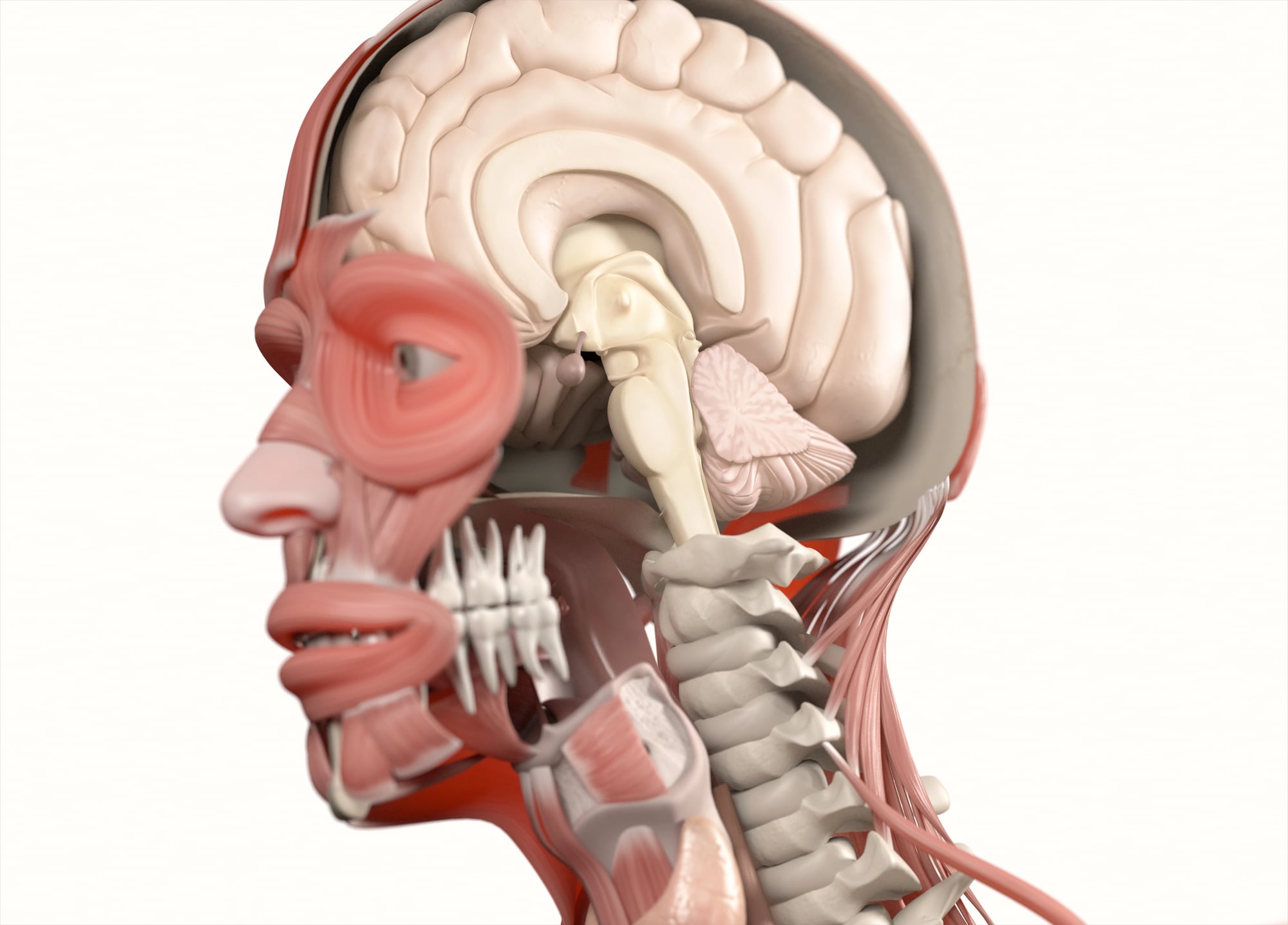
Your nose might be your brain’s secret weapon when it comes to memory formation. Scents bypass the thalamus and go straight to the brain’s smell center, known as the olfactory bulb, which is directly connected to the amygdala and hippocampus.
Try studying while exposed to a distinctive scent like peppermint or lavender, then smell the same scent during your test or when you need to recall the information. The connection between smell and memory can trigger surprisingly vivid recollections.
Talk to yourself out loud

This might make you look a bit odd in the library, but reading information aloud creates multiple pathways in your brain for storing the same data. When you speak, you’re not just seeing the words but also hearing them and feeling the physical movements of your mouth and tongue.
This multi-sensory approach gives your brain several different ways to retrieve the same information later, making it much more likely to stick.
Like Go2Tutors’s content? Follow us on MSN.
Use your hands while learning

Gestures aren’t just random hand movements—they’re actually connected to how your brain processes and stores information. Recent findings suggest that gestures may be produced as a type of simulated action that arises when motor activation due to mental imagery processes exceeds a certain threshold.
When you’re learning something new, try incorporating relevant hand movements or gestures. If you’re studying math, trace equations in the air, or if you’re learning a language, act out the meanings of words.
Study in weird places

Your brain loves variety, and changing your study environment can actually improve how well you remember information. Instead of always sitting at the same desk, try reviewing material in different locations like a park, coffee shop, or even while walking around your neighborhood.
Your brain forms associations with the environment where learning takes place, so having multiple environmental cues gives you more ways to trigger those memories later.
Chew gum strategically

The relationship between chewing gum and memory is surprisingly complex and depends on timing. Researchers discovered an association between chewing gum and improved short-term memory recall, as well as concentration.
However, the motion involved in chewing impedes your brain’s ability to memorize serial lists when done simultaneously with learning. The trick is to chew gum while studying certain types of information, then chew the same flavor again during recall.
Like Go2Tutors’s content? Follow us on MSN.
Draw terrible pictures

You don’t need to be an artist to use drawing as a memory tool—in fact, crude sketches often work better than detailed illustrations. When you draw something, even badly, you’re forced to think about the essential elements and relationships within the information.
This process of breaking down complex ideas into visual components creates stronger neural pathways than simply reading or writing the same information.
Teach an imaginary student

Explaining concepts to someone else, even if that someone is imaginary, forces your brain to organize information in a completely different way. When you prepare to teach something, you automatically identify the most important points and think about how to connect different ideas.
Try explaining what you’re learning to a stuffed animal, pet, or even just speaking to an empty chair—your brain doesn’t care that the audience isn’t real.
Exercise right before studying

Physical activity doesn’t just benefit your body—it can give your brain a powerful boost too. A quick 10-20 minute workout before studying increases blood flow to your brain and releases chemicals that enhance memory formation.
This doesn’t have to be intense exercise either; even a brisk walk around the block or some jumping jacks can prime your brain for better information retention.
Like Go2Tutors’s content? Follow us on MSN.
Use the spacing effect

Instead of cramming everything into one marathon study session, spread your learning out over several days or weeks. This technique, known as spaced repetition, works because your brain strengthens memories each time you successfully recall them after a period of forgetting.
Review material after one day, then again after three days, then a week later—each successful recall makes the memory more permanent.
Study before sleeping

Your brain does some of its most important memory work while you’re asleep, so timing your study sessions around sleep can significantly improve retention. Information learned right before bed gets priority processing during sleep, when your brain consolidates memories and moves them from temporary storage to long-term storage.
Just make sure you’re actually getting enough sleep—pulling an all-nighter defeats the purpose entirely.
Create bizarre mental images

The stranger and more ridiculous you can make your mental associations, the better your brain will remember them. This works because unusual or shocking images stand out from the background noise of everyday thoughts.
If you need to remember that the capital of Montana is Helena, imagine a giant helmet (sounds like Helena) sitting on top of a mountain. The more absurd and vivid you make the image, the more likely it is to stick.
Like Go2Tutors’s content? Follow us on MSN.
Use background music strategically

Music can either help or hurt your memory depending on the type and when you use it. Instrumental music, particularly classical or ambient sounds, can improve focus and memory formation for many people.
However, music with lyrics tends to compete with verbal information for brain resources. The key is consistency—if you study with music, try to have similar music playing when you need to recall the information.
Apply the method of weird associations

Connect new information to things you already know well, but make the connections as strange as possible. If you’re learning about the French Revolution and need to remember that it started in 1789, you might imagine your friend from 1989 wearing a beret and carrying a baguette while storming a castle.
The personal connection combined with the bizarre imagery creates multiple retrieval pathways in your brain.
Practice memory competitions techniques

Memory champions use specific techniques that anyone can learn, like the person-action-object system. In this method, you convert numbers into memorable images by assigning each digit to a specific person, action, or object.
The number 247 might become Michael Jordan (23, close to 24) eating (action for 4) a slice (object for 7). These seemingly random systems work because they transform abstract information into concrete, visual memories.
Like Go2Tutors’s content? Follow us on MSN.
Use temperature to your advantage

Your brain’s performance actually changes with temperature, and you can use this to your advantage. Slightly cooler temperatures tend to improve alertness and focus, while warmer temperatures can aid creativity and broader thinking.
Try studying detailed facts in a cooler environment, but switch to a warmer space when you need to understand connections between concepts or engage in creative problem-solving.
Leverage the testing effect

Instead of just reading your notes over and over, constantly test yourself on the material even when you don’t feel ready. This might feel uncomfortable because you’ll get things wrong, but making mistakes and then correcting them actually strengthens memory formation more than passive review.
Create practice questions, use flashcard apps, or simply close your book and try to write down everything you remember—the struggle to recall information makes it stick better.
The memory revolution continues

Recent technological advances have shown that volunteers using memory prosthesis displayed an 11% to 54% improvement on the memory tests, suggesting that the future of memory enhancement might be even stranger than these current techniques. The human brain remains remarkably adaptable, and researchers continue discovering new ways that simple environmental changes, physical actions, and mental strategies can dramatically improve how we learn and remember.
Whether you’re a student preparing for exams or just someone who wants to remember where they put their keys, these scientifically-backed techniques prove that sometimes the weirdest approaches work the best.
More from Go2Tutors!

- 18 Unexpectedly Valuable Collectibles You Might Have Lying Around
- 20 Little-Known Historical Battles That Had Huge Consequences
- 20 Historical Artifacts That Scientists Can’t Explain
- 15 Inventions That Were Immediately Banned After Being Created
- 20 Actors Who Were Almost Cast in Iconic Roles
Like Go2Tutors’s content? Follow us on MSN.