Why Coca-Cola isn’t officially sold in these countries
Have you ever wondered if you can’t get a Coke anywhere in the world? You might be surprised to learn more about world politics from the response.
In actuality, Coca-Cola is present in more than 200 nations and territories, though not all of them are fully covered. The most well-known brand in the world has some unexpected gaps as a result of trade embargoes and political unrest.
This article explores the nations where it is illegal to purchase Coke and how geopolitics affects something as basic as our beloved soft drink.
Cuba’s Decades-Long Coca-Cola Drought
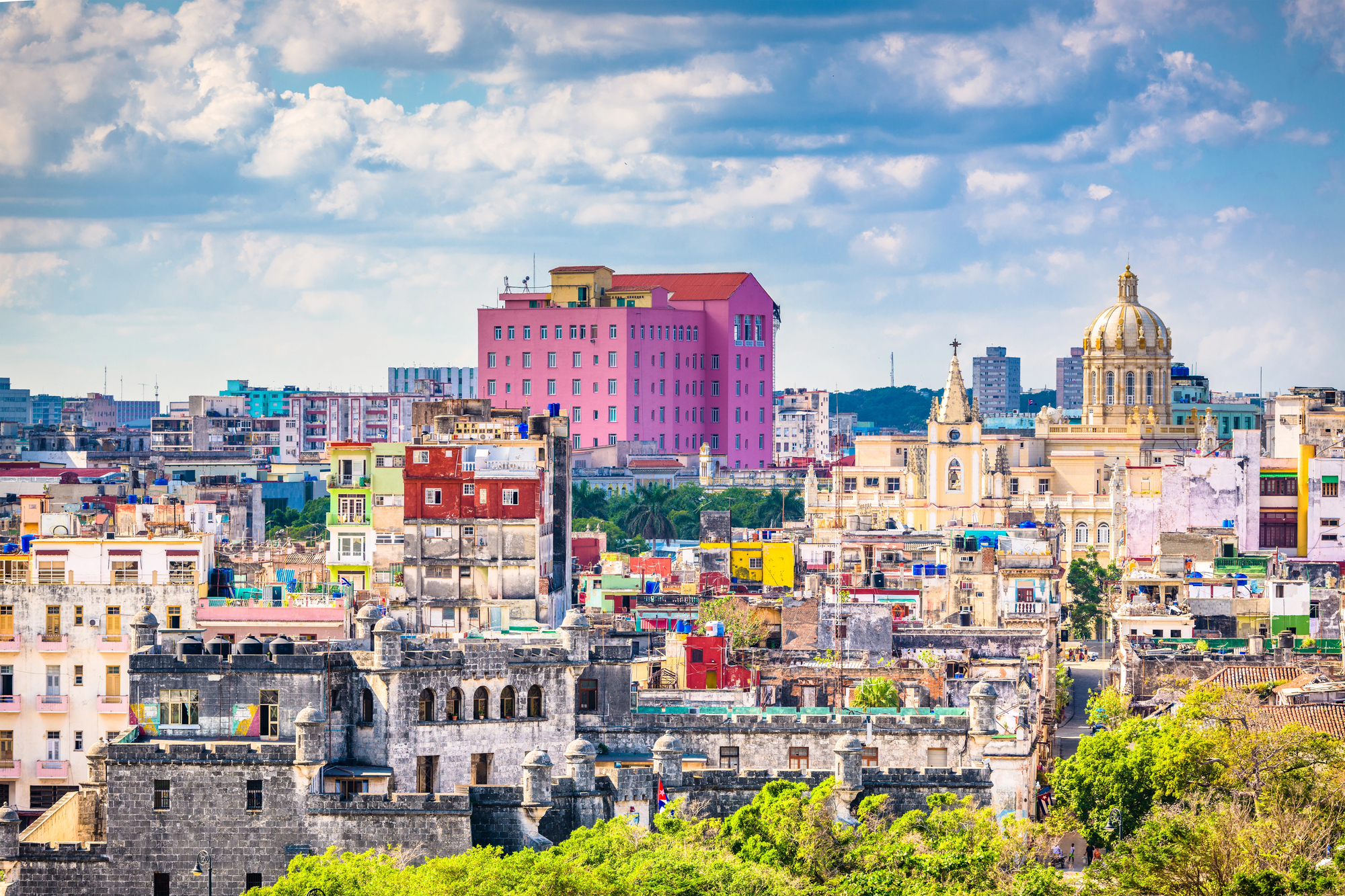
Cuba’s relationship with Coca-Cola tells a story that spans over six decades of political tension. The island nation was one of the earliest countries outside the United States to bottle Coca-Cola, opening its bottling plant way back in 1906.
For more than half a century, Cubans enjoyed their Cokes just like everyone else. Then came 1962, and everything changed. Fidel Castro’s revolutionary government began seizing foreign-owned assets, targeting American companies specifically. The U.S. responded with a comprehensive trade embargo that remains in place today, making it impossible for American companies like Coca-Cola to conduct official business in Cuba.
North Korea’s Isolated Market
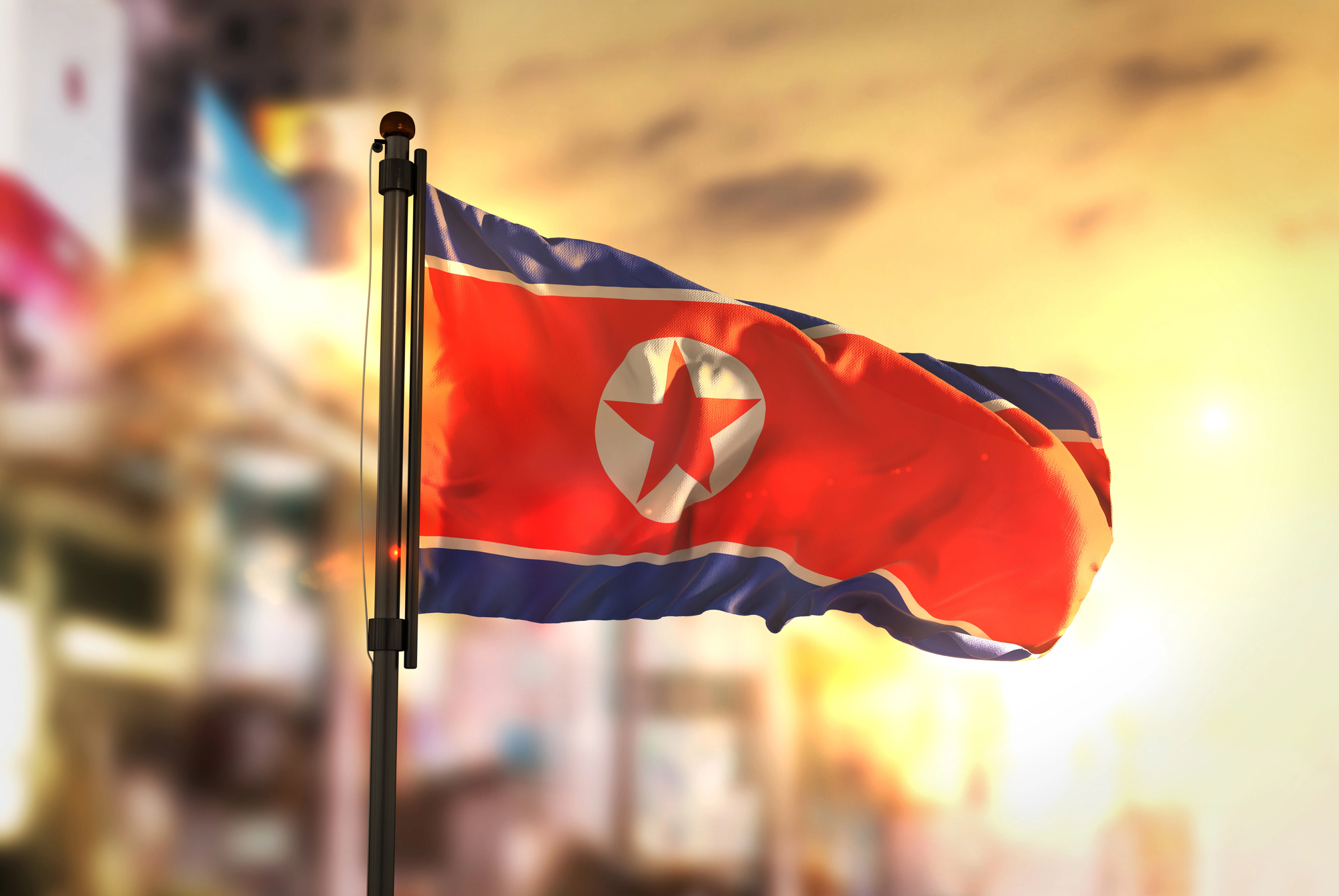
North Korea presents perhaps the most clear-cut case of Coca-Cola absence. Since the Korean War began in 1950, U.S. trade sanctions have effectively locked American companies out of the North Korean market.
Unlike other countries that have seen sanctions lifted over time, North Korea’s isolation has only deepened through the decades. The hermit kingdom has been cut off from official Coca-Cola distribution for over 70 years now. However, here’s where it gets interesting—Chinese-made Coca-Cola occasionally crosses the border, and North Korea produces domestic cola alternatives sold in local shops.
Russia’s Complex Exit Story
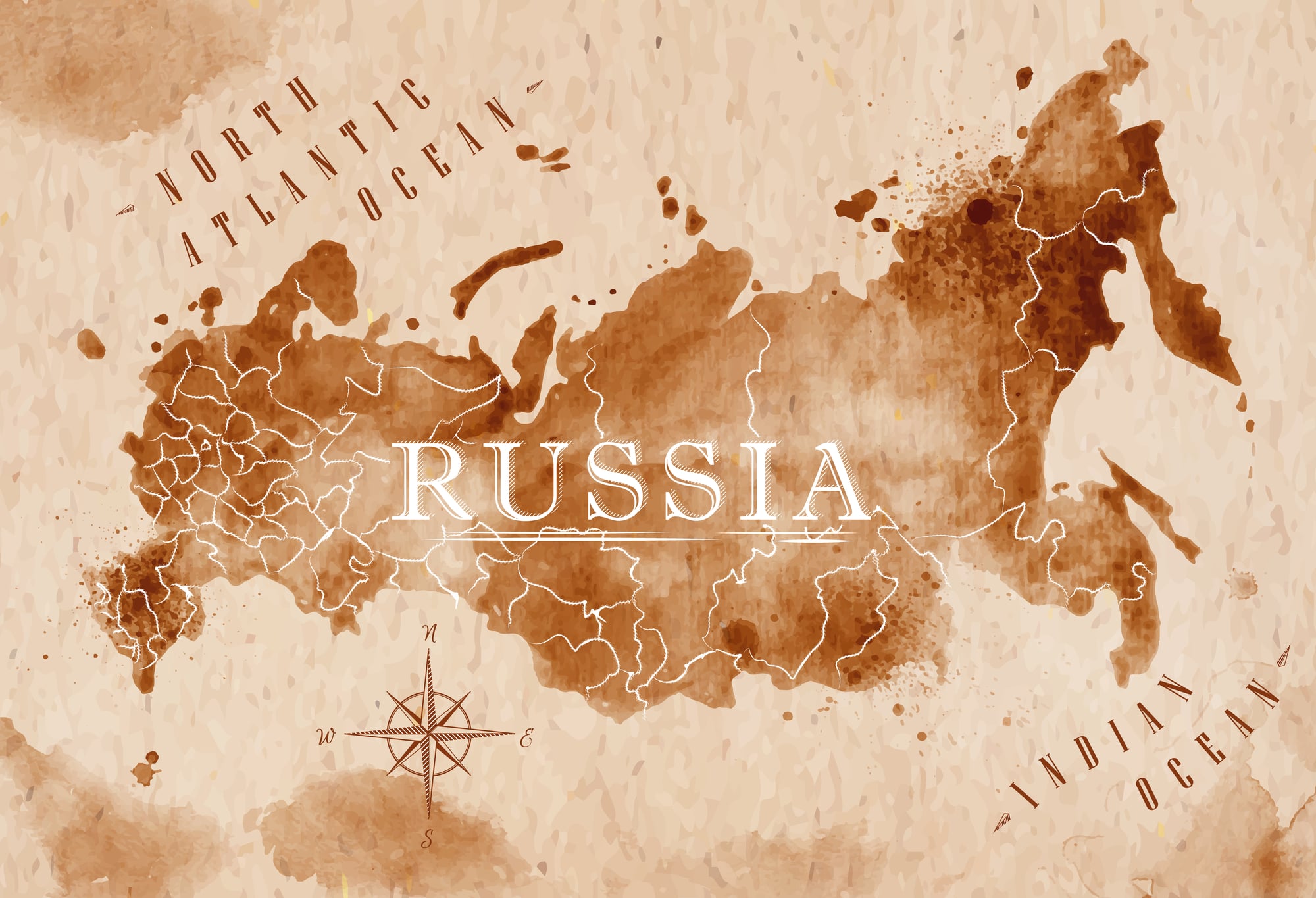
Russia’s situation represents the most recent and complex chapter in Coca-Cola’s global presence. Unlike Cuba and North Korea, Russia was a major market for Coca-Cola until geopolitics intervened.
In March 2022, following Russia’s invasion of Ukraine, Coca-Cola announced it was suspending operations in the country. This wasn’t a decades-old embargo situation—this was a real-time corporate response to international conflict. The company ceased new investments, stopped promotional activities, and halted the production of its flagship brands in Russian facilities.
Local Alternatives and Copycat Brands

When global brands disappear, local entrepreneurs step in to fill the void. Cuba developed ‘TuCola’ and ‘Tropicola’ as domestic alternatives, trying to capture that familiar cola taste.
North Korea produces domestic cola alternatives sold in local shops, though travelers describe these local brands as varying in quality. Russia’s story is particularly intriguing—Coca-Cola’s former bottling partner rebranded and launched ‘Dobry Cola,’ which tastes remarkably similar to the original. These alternatives show how consumer demand for cola transcends political boundaries.
The Bottling Partner Dilemma
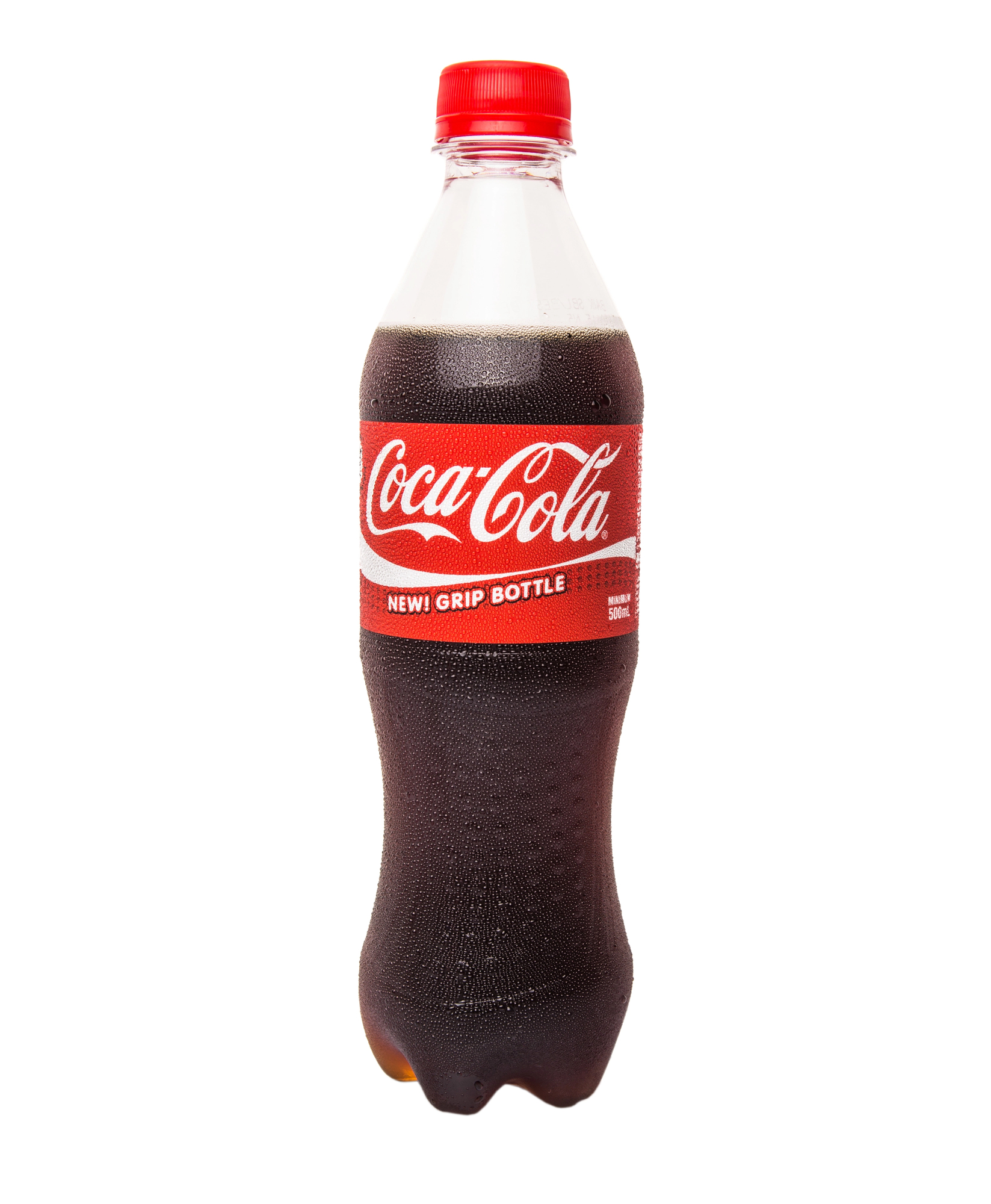
One of the most complex aspects of Coca-Cola’s international presence involves its bottling partnerships. The Coca-Cola Company doesn’t directly manufacture beverages in most countries—instead, it licenses local partners to produce and distribute its products.
When political situations change, these partnerships create complicated scenarios. In Russia, for example, Coca-Cola Hellenic Bottling Company, an independent Swiss-based firm, continued operating after the parent company’s withdrawal, completely stopping Coke production and switching to domestic cola brands instead.
Like Go2Tutors’s content? Follow us on MSN.
Myanmar’s Return to the Coca-Cola Family

Myanmar’s story offers hope for the other isolated markets. For decades, the country was under U.S. sanctions that kept Coca-Cola away.
But when those sanctions were lifted in 2012, Coca-Cola didn’t just gradually enter the market—it invested $200 million to establish comprehensive distribution networks. Within a few years, Myanmar went from being Coca-Cola-free to having the familiar red logo throughout the country. This transformation shows how quickly things can change when political winds shift.
The Technology Factor
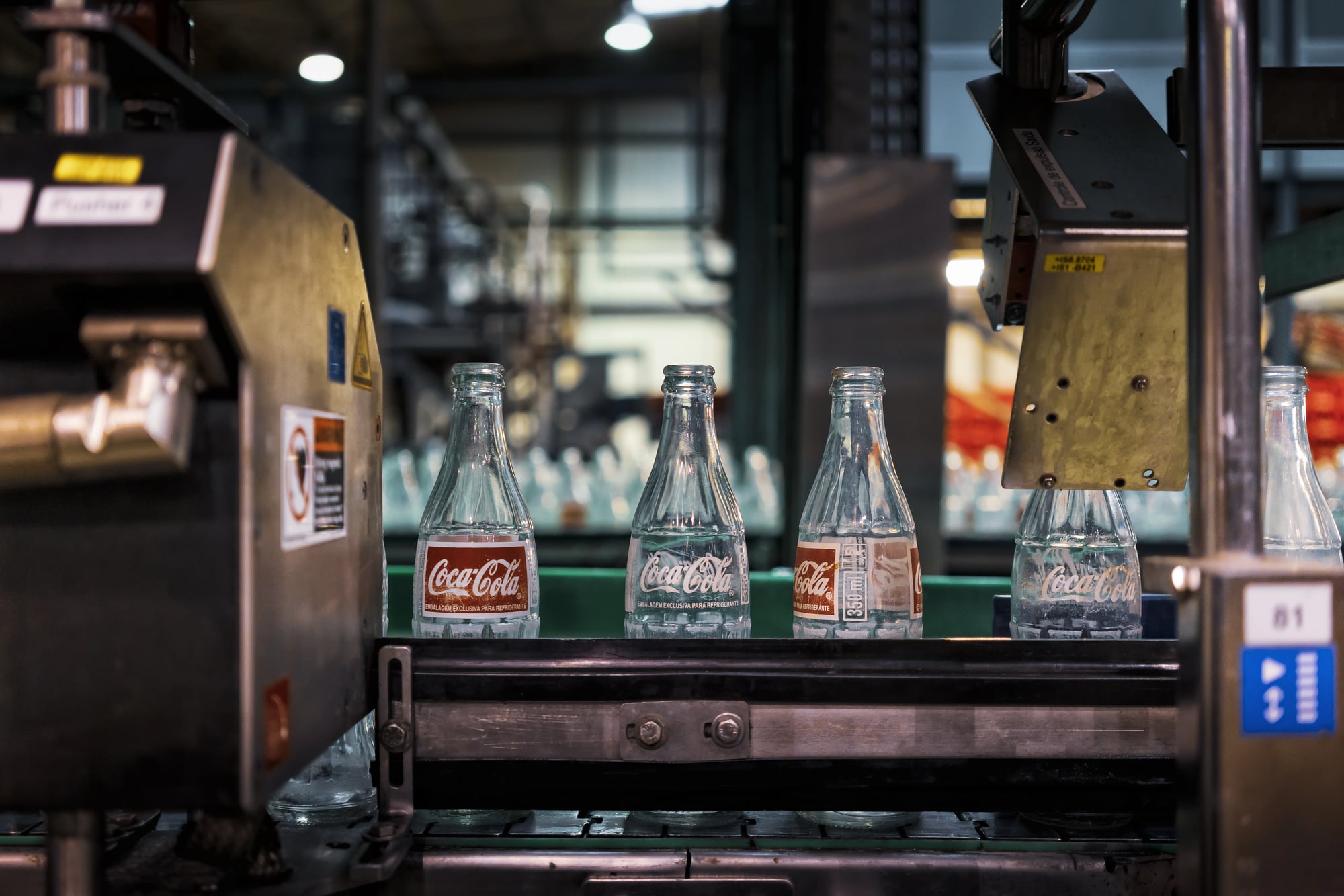
Modern technology has made unofficial importation both easier and more traceable. Social media posts from Cuba show locals celebrating when they find ‘real’ Coca-Cola, often photographing the bottles like treasured discoveries.
Informal networks and creative logistics have created new smuggling routes and gray-market systems. Russian entrepreneurs use sophisticated methods to bring Coca-Cola from neighboring countries, while North Korean border traders coordinate exchanges through various channels.
Corporate Responsibility vs. Market Opportunity
Coca-Cola’s decisions to withdraw from or avoid certain markets highlight the tension between profit and principle. The company could potentially find ways to enter these markets through complex partnerships or legal workarounds, but chooses not to.
This reflects a broader corporate philosophy about maintaining international relationships and supporting global diplomatic efforts. Sometimes, doing the right thing means walking away from potential profits.
Looking Toward Future Changes
The landscape of where Coca-Cola operates continues evolving with global politics. Myanmar’s reintegration into the Coca-Cola family proved that even decades-long absences can end.
Cuba’s gradual opening to international tourism creates possibilities for official Coca-Cola return. Russia’s situation remains the most fluid, as corporate responses to international conflicts continue developing. These countries remind us that global business operates within the complex web of international relations.
Digital Age Challenges
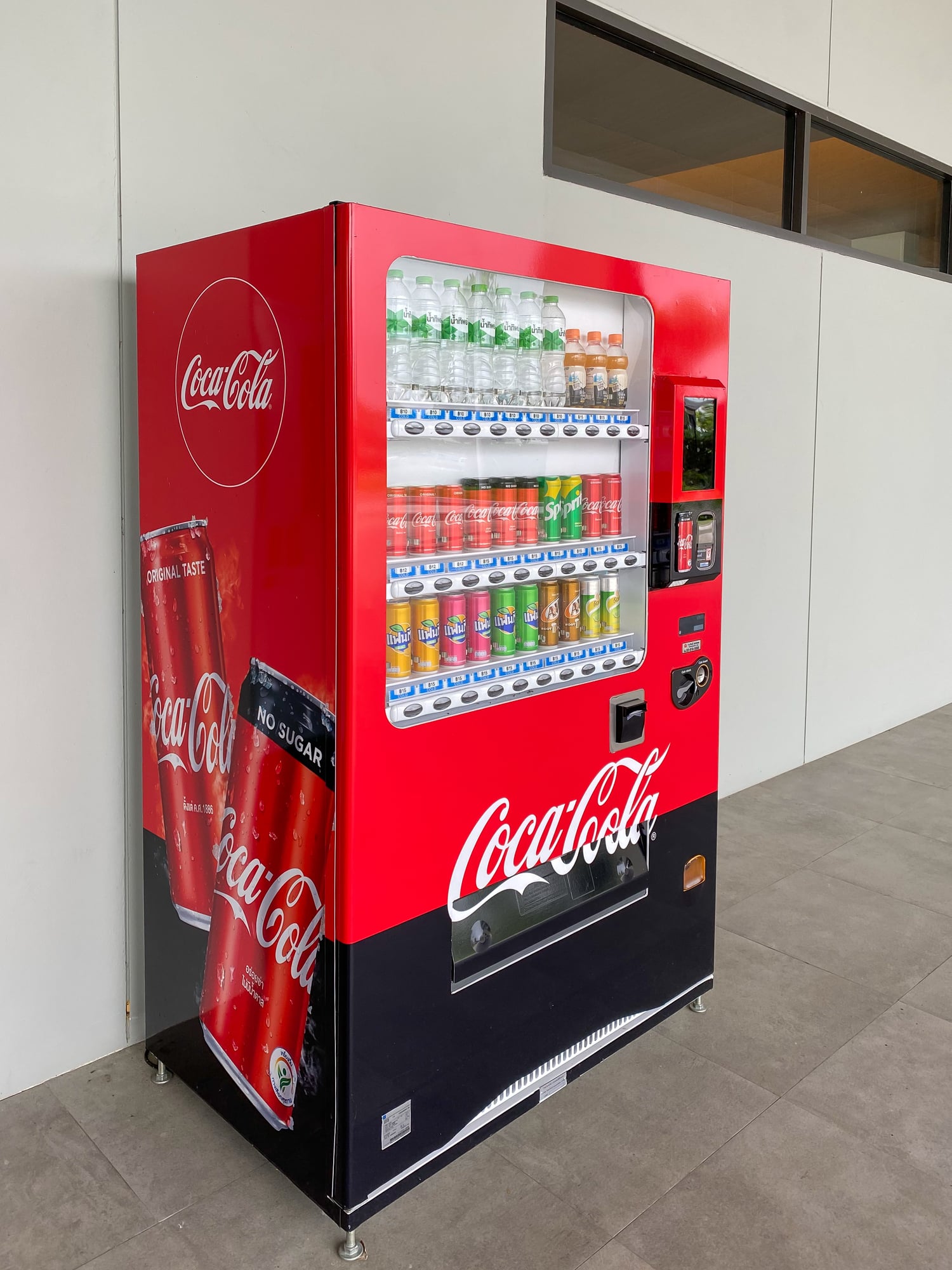
Social media has created new complications for Coca-Cola’s market absences. When people in restricted countries post about finding or wanting Coca-Cola, it creates digital evidence of unmet demand.
The company must navigate between acknowledging this interest and maintaining its official stance. Influencers and travel bloggers inadvertently highlight these market gaps, creating both positive buzz and potential regulatory complications.
The Future of Global Brands
The Coca-Cola story in these countries reflects broader questions about globalization in an increasingly fragmented world. As geopolitical tensions rise and countries impose more sanctions, even the most global brands face new restrictions.
Coca-Cola’s experience offers lessons for other multinational companies about balancing commercial interests with international responsibilities. The challenge becomes maintaining global reach while respecting diverse political realities.
More from Go2Tutors!

- The Romanov Crown Jewels and Their Tragic Fate
- 13 Historical Mysteries That Science Still Can’t Solve
- Famous Hoaxes That Fooled the World for Years
- 15 Child Stars with Tragic Adult Lives
- 16 Famous Jewelry Pieces in History
Like Go2Tutors’s content? Follow us on MSN.



