17 Strangest Competitive Eating Records Broken Globally
Competitive eating has evolved far beyond the traditional hot dog contests most people picture. What started as county fair entertainment has transformed into a legitimate sport with dedicated athletes, official governing bodies, and records that push the boundaries of human digestive capacity.
These competitors train for months, develop specialized techniques, and compete for prizes that can reach thousands of dollars.The records that emerge from this world often sound impossible until you see the footage yourself.
Some involve familiar foods consumed in staggering quantities, while others feature combinations so bizarre they seem designed by someone with a particularly twisted sense of humor. The athletes who set these marks aren’t just eating enthusiasts—they’re strategic competitors who understand the science of jaw mechanics, stomach expansion, and optimal swallowing techniques.
Mayonnaise
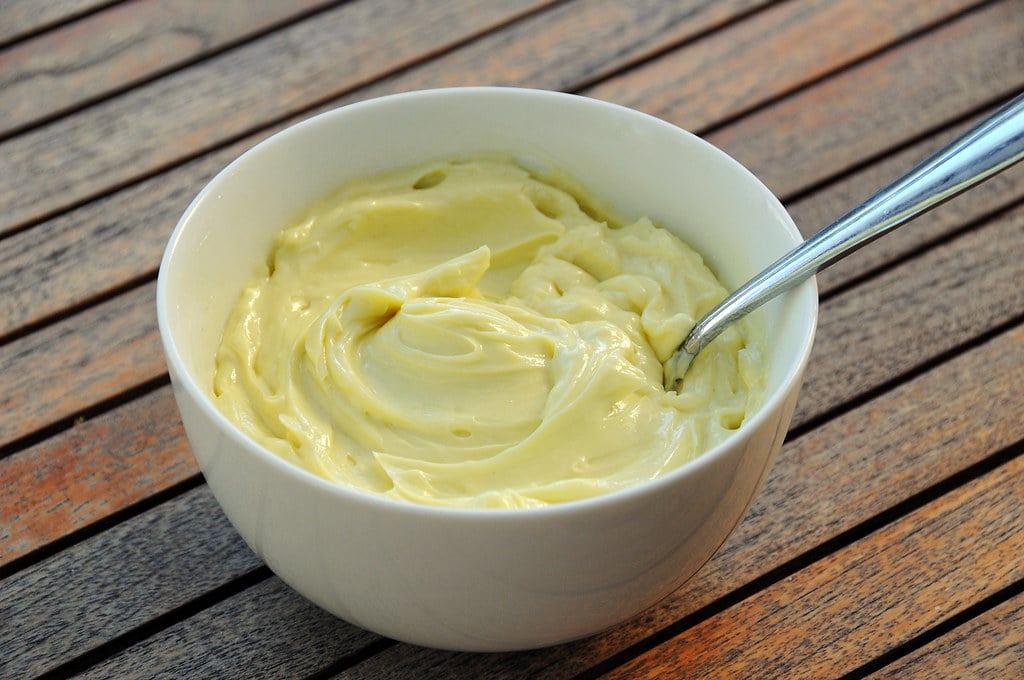
Oleg Zhornitskiy ate four 32-ounce bowls of mayonnaise in eight minutes. That’s a full gallon of pure mayonnaise consumed faster than most people finish a sandwich.
The record stands as one of the most nauseating achievements in competitive eating history, and Zhornitskiy reportedly spent the rest of the day in considerable digestive distress.
Butter Sticks

When you think about what makes competitive eating particularly challenging, texture often matters more than quantity—and butter presents the ultimate texture challenge (especially since most people never eat it plain, let alone by the stick). The current record holder consumed 7 sticks of salted butter in 5 minutes, which works out to roughly 5,000 calories of pure dairy fat.
And yet this wasn’t just about forcing down something unpalatable; it required a specific technique where the competitor had to let each stick soften slightly in their mouth before swallowing, because cold butter would simply stick to the throat and create a choking hazard. So the strategy became this delicate balance between speed and patience.
Raw Onions
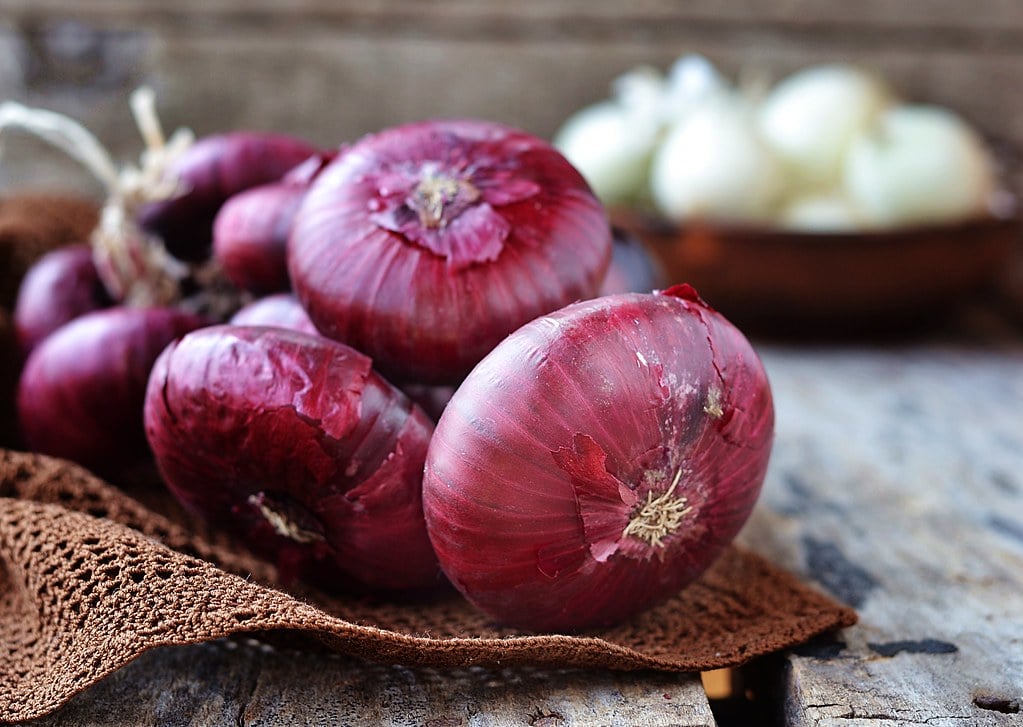
Yusuke Yamaguchi ate 8.5 pounds of raw onions in 8 minutes and 56 seconds. This isn’t just about stomach capacity—raw onions burn. The sulfur compounds that make people cry when chopping onions become concentrated torture when consumed in massive quantities.
Yamaguchi reportedly couldn’t taste anything properly for three days after setting the record.
Dog Food
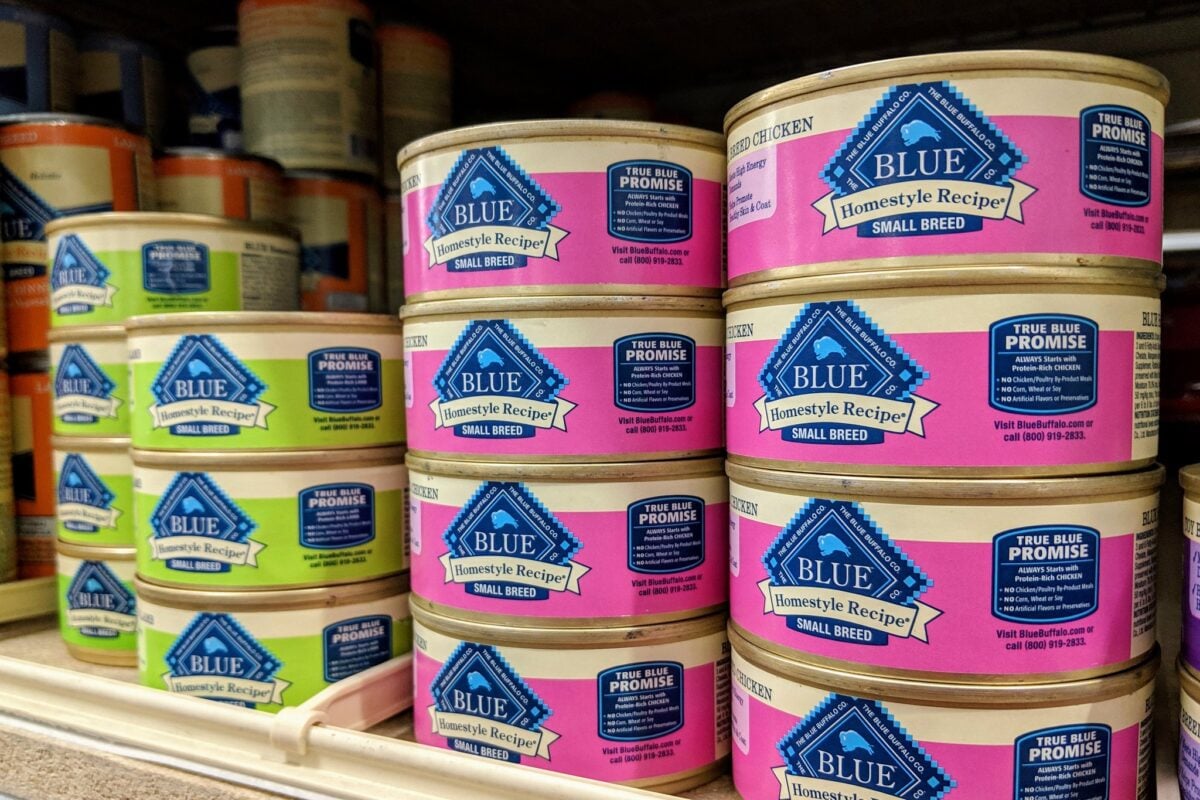
The dog food eating record belongs to Michel Lotito, who consumed 2.2 pounds of canned dog food (specifically, chunks in gravy) in less than 4 minutes—though what makes this particularly unsettling isn’t just the choice of cuisine but the methodical way competitive eaters approach even the most unappetizing challenges. Lotito treated it like any other protein-based contest: he analyzed the texture, developed a rhythm, and approached each spoonful with the same technical precision that champion eaters bring to more conventional foods.
And the strangest part wasn’t watching someone eat dog food (which, to be fair, is nutritionally formulated and technically safe for human consumption)—it was watching someone eat dog food well, with practiced technique and obvious experience managing difficult textures. But then again, this was Michel Lotito, who also holds records for eating bicycles and small aircraft, so canned dog food probably felt like a light training day.
Marshmallows

There’s something almost meditative about watching someone eat marshmallows at superhuman speed. The record stands at 25 large marshmallows in one minute, but the technique required looks less like eating and more like a carefully choreographed dance.
Each marshmallow gets compressed between the fingers before hitting the mouth, because the air pockets that make them soft and enjoyable also make them take up valuable space.The real artistry shows up in the jaw work—small, rapid compressions that squeeze out air while positioning the marshmallow for the swallow.
By the end, the competitor’s mouth moves with the mechanical precision of someone who has turned candy consumption into a technical skill. Sugar rushes are apparently the least of their concerns.
Jell-O
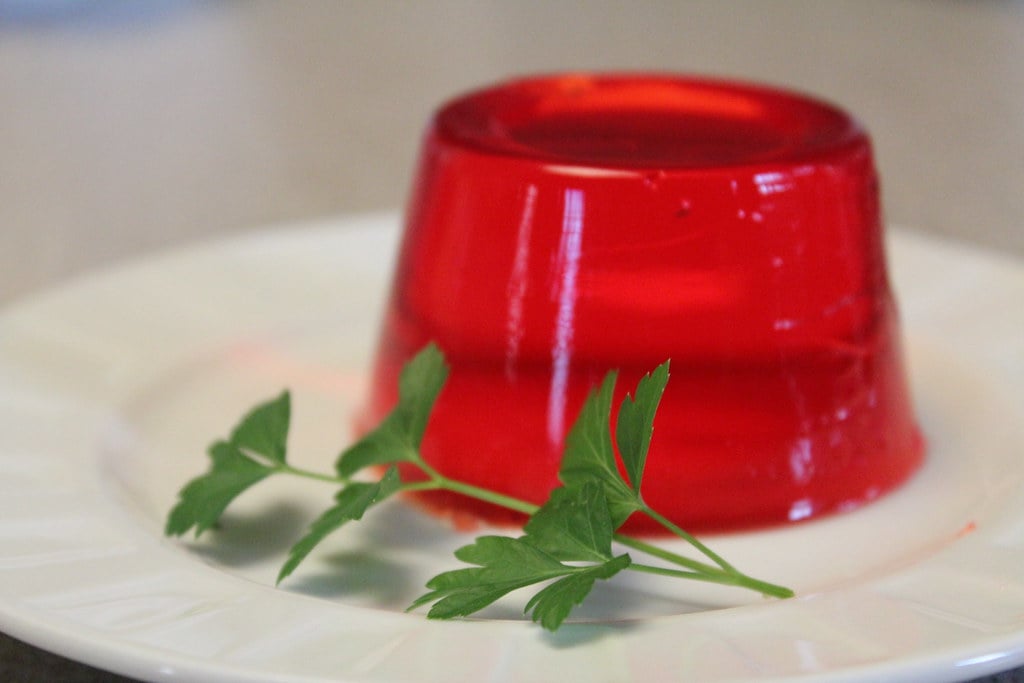
The Jell-O speed-eating record is held by competitive eater Pat Bertoletti, who consumed 6.92 pounds of Jell-O in 6 minutes. This particular record demonstrates why technique matters more than appetite in competitive eating—Jell-O doesn’t compress, can’t be chewed for efficiency, and requires a swallowing method that’s completely different from solid foods.
Bertoletti’s approach resembled controlled drowning more than eating. The key was tilting the head back and creating a steady flow rather than trying to process individual spoonfuls.
Smart competitors also choose sugar-free varieties to avoid the inevitable crash that comes from consuming pounds of gelatin dessert.
Ice Cream
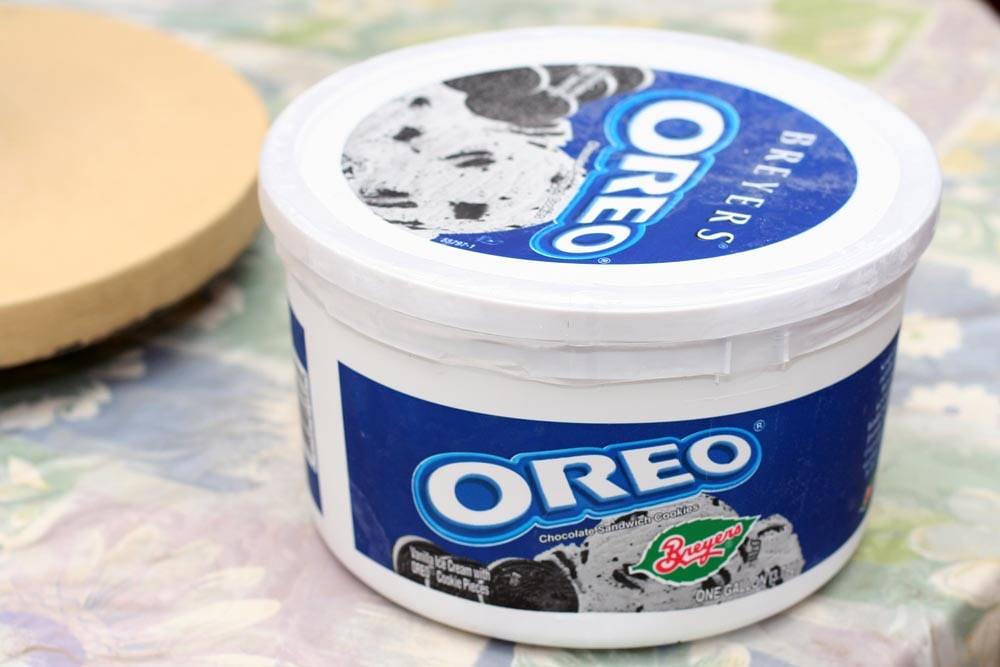
When the temperature drops below freezing, eating stops being about digestion and becomes about pain tolerance. The ice cream record requires consuming massive quantities of frozen dairy while managing brain freeze that would incapacitate normal humans.
The current record holder ate 1.5 gallons of vanilla ice cream in 12 minutes, but the real challenge wasn’t the volume—it was maintaining function while their core body temperature dropped.The technique involves strategic mouth positioning, where competitors learn to let ice cream hit specific areas of their palate to minimize the neurological response that causes brain freeze.
Advanced practitioners actually train with ice cubes to build tolerance. And yet even with preparation, watching someone eat this much ice cream looks less like a food contest and more like a form of voluntary hypothermia.
The human body wasn’t designed for this kind of cold shock, which is exactly what makes the record so impressive.
Pickled Eggs
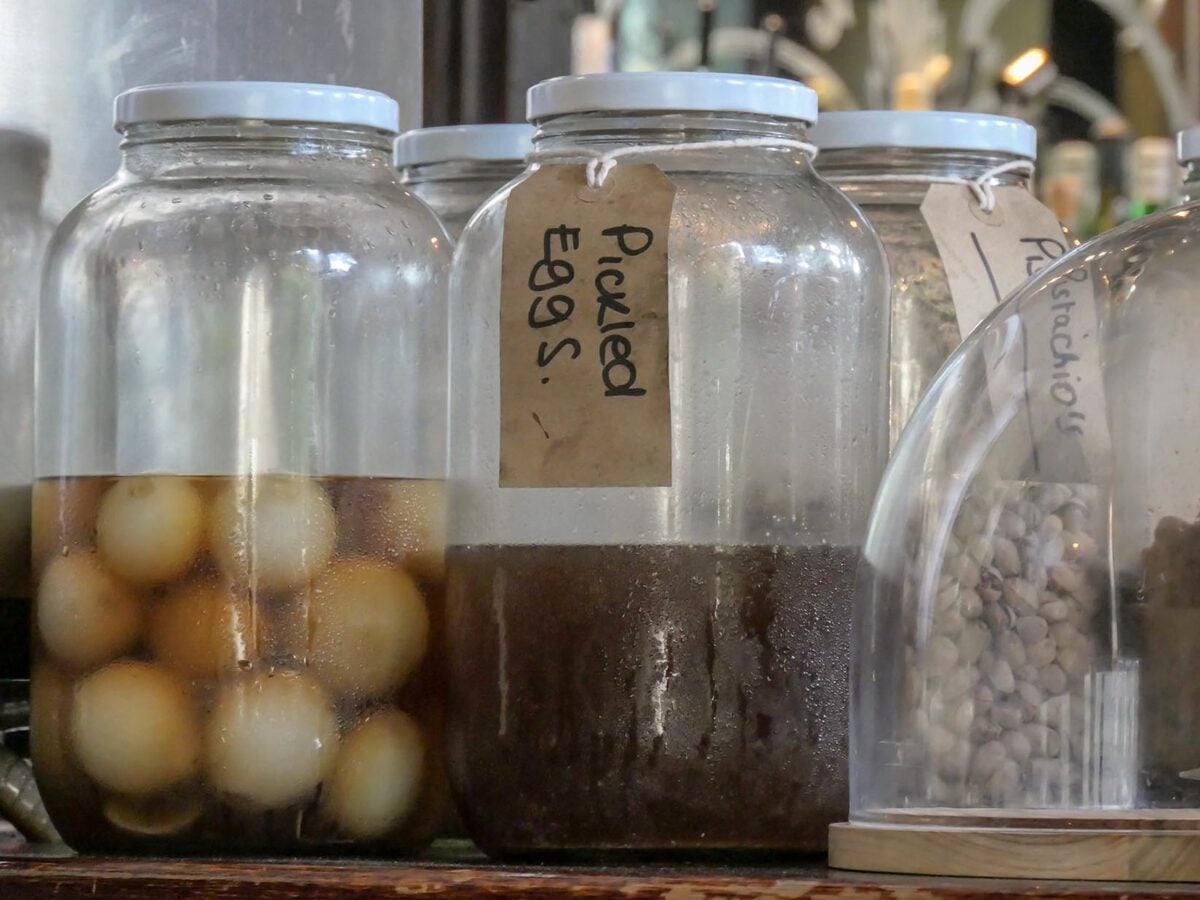
Pickled eggs are already an acquired taste in normal quantities. Eric Booker ate 50 pickled eggs in under 4 minutes, which represents roughly 3,500mg of sodium and enough vinegar to pickle a small cucumber.
The record required managing both the rubbery texture of the eggs and the acidic burn of the brine. Booker’s technique involved minimal chewing and constant water consumption between rounds.
The aftermath reportedly involved several hours of digestive consequences that Booker described as “regrettable but worth it for the title.” This particular record has stood unchallenged for years, largely because most competitive eaters consider it more punishment than competition.
Cranberries
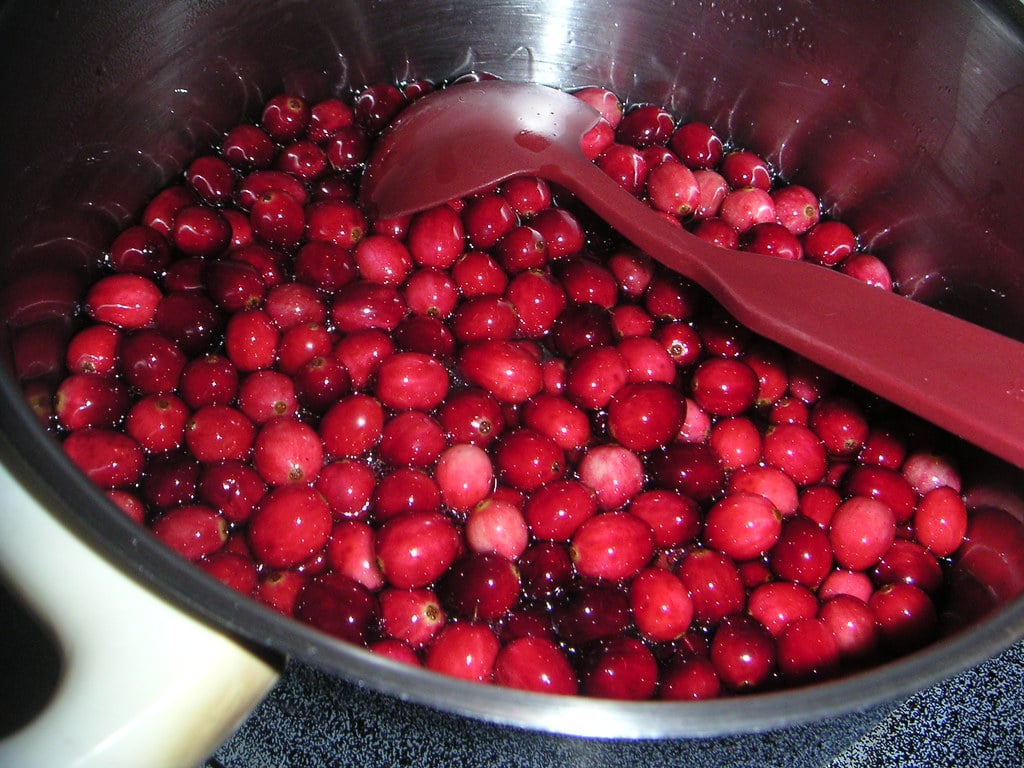
Fresh cranberries are essentially edible punishment—they’re so sour that most people wince after eating just one. The competitive eating record involves consuming 1.5 pounds of raw cranberries in 10 minutes, which sounds manageable until the first bite hits.
These aren’t the sweetened dried cranberries people sprinkle on salads; they’re fresh, bitter, and aggressively sour.The technique becomes less about eating and more about bypassing the taste buds entirely.
Competitors develop a rapid-fire chewing method that minimizes contact time with the tongue, followed by immediate swallowing to avoid prolonged exposure to the tartness. And the facial expressions tell the real story—by the halfway point, even experienced competitive eaters look like they’re questioning their life choices.
Lemons

Some foods exist purely to test human stubbornness, and lemons are near the top of that list. The record for whole lemon consumption stands at 3 lemons (including peel and seeds) in 15.3 seconds, set by Ashrita Furman.
The citric acid concentration in three whole lemons is enough to strip enamel from teeth and create a burning sensation that lasts for hours.Furman’s technique involved crushing each lemon slightly before eating to break down the internal structure, then consuming them in large chunks to minimize chewing time.
But the real challenge wasn’t the eating—it was the aftermath. The acid content left his mouth raw for days, and he reportedly couldn’t taste anything with citrus for weeks without experiencing flashbacks to the contest. Which raises the obvious question: why would anyone do this more than once? Furman has actually broken his own record multiple times, suggesting either remarkable dedication or questionable decision-making skills.
Jalapeño Peppers

The jalapeño pepper eating record belongs to Alfredo Hernandez, who consumed 16 jalapeños in one minute. This record combines speed eating with pain tolerance, because jalapeños deliver approximately 8,000 Scoville heat units each.
Sixteen peppers in 60 seconds means Hernandez experienced roughly 128,000 Scoville units of concentrated capsaicin.The strategy required eating the peppers whole to minimize the time capsaicin spent in contact with his mouth, but this approach created its own problems.
Swallowing whole peppers means the burning sensation continues in the throat and stomach long after the contest ends. Hernandez described the experience as “like swallowing lit matches,” and the record has remained unbroken largely because most competitors prefer contests that don’t require medical supervision.
Raw Eggs
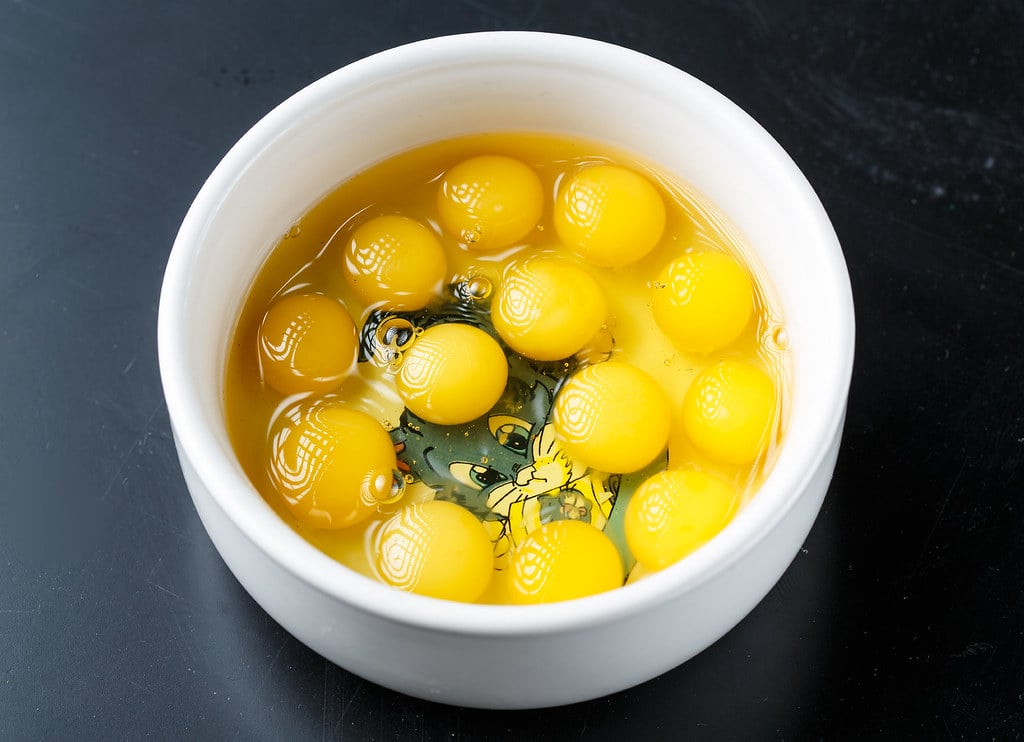
Rocky Balboa made raw egg consumption look inspiring, but competitive eating transforms it into something that resembles a medical procedure more than athletic training. The record stands at 50 raw eggs in 5 minutes, which represents roughly 3,500 calories and 350 grams of protein consumed faster than most people eat a normal breakfast.
The technique eliminates any pretense of enjoying food—competitors crack multiple eggs into large containers, then consume them in steady gulps while managing the texture that most people find revolting. And the consistency becomes the real challenge; raw eggs have a slippery quality that makes controlled swallowing nearly impossible, so the process looks less like eating and more like controlled vomiting in reverse.
But the nutritional aftermath is perhaps the strangest part: consuming that much raw protein at once reportedly leaves competitors feeling energized for hours, as if they’ve mainlined a protein supplement designed by someone with no concern for palatability.
Watermelon
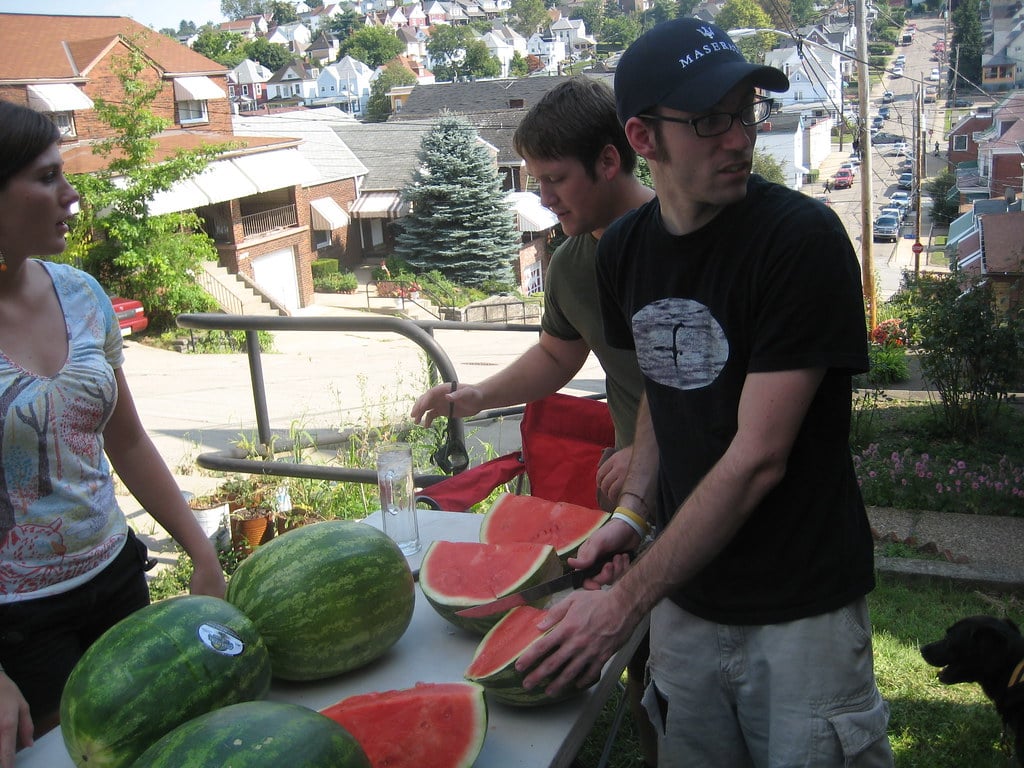
Watermelon seems like it should be among the more pleasant competitive eating challenges—it’s sweet, mostly water, and associated with summer picnics rather than gastrointestinal endurance tests.The record holder consumed a 10-pound watermelon in approximately 1 minute and 15 seconds, but the technique required makes it anything but refreshing.
Competitive watermelon eating involves consuming the rind along with the flesh, because separating them wastes precious time.This means eating what amounts to 10 pounds of fruit and vegetable matter that ranges from sweet and juicy to bitter and fibrous, all while maintaining a pace that allows no time for proper chewing.
The visual is particularly striking—by the 30-second mark, competitors are covered in watermelon juice and moving with the mechanical efficiency of a wood chipper. The aftermath involves several hours of digestive processing that competitors describe as “intense but natural,” which is probably the best outcome anyone can hope for after eating 10 pounds of anything in under a minute.
Spam

Spam occupies a unique position in American cuisine—it’s simultaneously beloved and mocked, nostalgic and processed, convenient and questionable. The competitive eating record involves consuming 6 pounds of Spam in 12 minutes, which works out to roughly half a pound per minute of concentrated pork shoulder and ham.
The challenge isn’t just the quantity; it’s the sodium content, which reaches dangerous levels well before the contest ends.The technique requires cutting the Spam into manageable chunks while managing the gelatinous coating that forms when it’s removed from the can.
Advanced competitors actually rinse each piece briefly to remove excess salt and gelatin, sacrificing some time for digestibility. And yet the strangest aspect isn’t watching someone eat 6 pounds of processed meat—it’s how methodical and businesslike the whole process becomes, as if consuming industrial quantities of Spam is just another day at the office.
Corn on the Cob

Corn on the cob presents a deceptively complex competitive eating challenge because the delivery method—kernels attached to a cylindrical cob—requires a completely different technique from most foods. The record stands at 33.5 ears of corn consumed in 12 minutes, which represents roughly 8 pounds of corn kernels plus the digestive challenge of managing that much fiber and starch simultaneously.
The winning technique involves a typewriter method, where competitors move systematically across each ear in horizontal rows rather than rotating the cob. But the real innovation comes in the jaw mechanics—experienced corn eaters develop a rapid scraping motion that strips kernels efficiently while minimizing chewing time.
And the visual effect is oddly hypnotic: watching someone process 33 ears of corn with mechanical precision transforms a summer barbecue staple into something that resembles an industrial corn-processing operation performed by a human machine.
Chocolate Bars

Chocolate should be among the more pleasant competitive eating challenges, but the record transforms it into an endurance test that has little to do with enjoying candy. The current record involves consuming 4.5 pounds of chocolate in 6 minutes, which sounds indulgent until the reality of the technique sets in.
This much chocolate creates a thick, sticky coating in the mouth that makes swallowing increasingly difficult as the contest progresses.The strategy involves alternating between different chocolate types—milk chocolate for easier swallowing, dark chocolate for density—while managing the inevitable sugar rush that peaks midway through the contest.
Competitors report that by the 4-minute mark, chocolate stops tasting sweet and becomes purely textural, like eating flavored paste. The aftermath involves several hours of what one record holder described as “chocolate poisoning,” though medically it’s just the body processing an enormous glucose load along with enough caffeine to keep most people awake for 24 hours.
Baked Beans
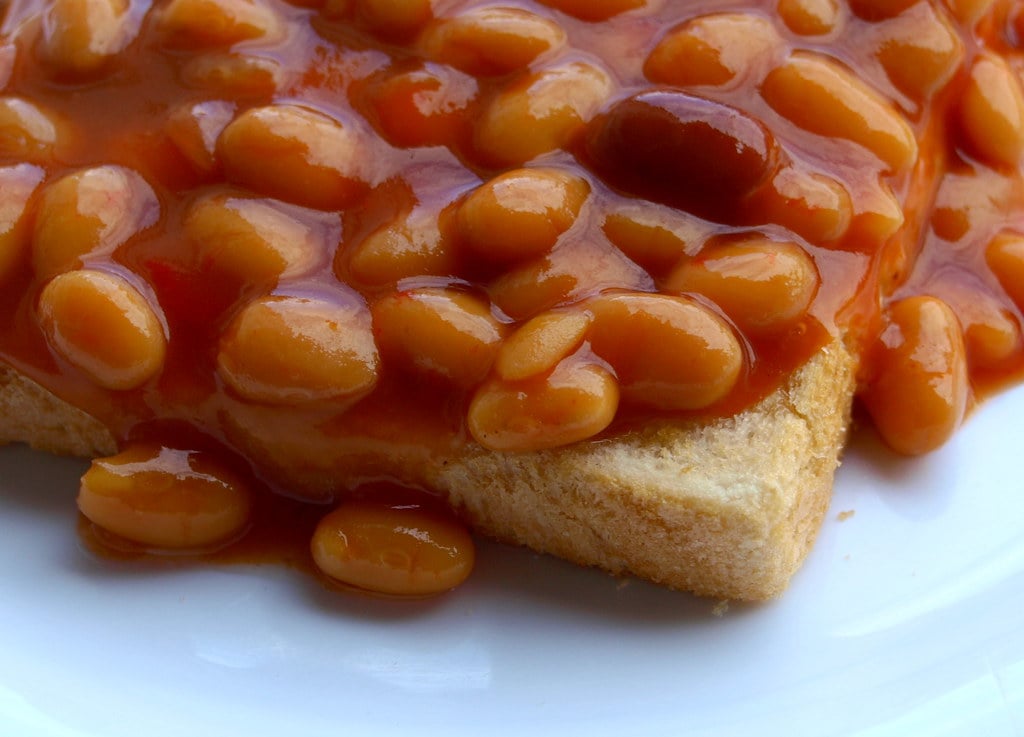
Matt Stonie consumed 6 pounds of baked beans in 1 minute and 48 seconds. Baked beans combine several challenging elements: they’re dense, sticky, high in fiber, and loaded with complex sugars that create digestive complications. The speed required means essentially no chewing, so competitors are swallowing whole beans at a rate that would make normal digestion impossible.
Stonie’s technique involved tilting the container and creating a steady flow of beans directly into his throat, treating them more like a thick liquid than individual food items. The real challenge came from the sauce, which coats the mouth and throat with a sticky sweetness that makes subsequent swallows increasingly difficult.
This particular record is notable because Stonie looked genuinely uncomfortable by the end, which is saying something for someone who regularly eats absurd quantities of food for a living.
When Food Becomes Performance

These records represent something more complex than simple gluttony or entertainment. They’re evidence of humans pushing biological limits in ways that seem simultaneously pointless and remarkable. Each record holder has spent months developing techniques that transform eating from a basic biological function into a specialized skill that most people couldn’t replicate if their lives depended on it.
The strangest aspect might be how seriously these competitors approach challenges that sound like jokes. There’s real science behind optimal jaw positioning for marshmallow consumption, legitimate strategy in watermelon rind management, and actual training regimens for building tolerance to massive quantities of mayonnaise.
What looks like elaborate stunts are actually the result of dedicated practice and technical innovation applied to the fundamental human activity of eating food.
More from Go2Tutors!

- The Romanov Crown Jewels and Their Tragic Fate
- 13 Historical Mysteries That Science Still Can’t Solve
- Famous Hoaxes That Fooled the World for Years
- 15 Child Stars with Tragic Adult Lives
- 16 Famous Jewelry Pieces in History
Like Go2Tutors’s content? Follow us on MSN.



