17 Times Innovation Was Shut Down by Government Orders
Innovations in technology and society have advanced humanity throughout history. However, government officials occasionally intervene with a firm “no” when innovative brains push boundaries too quickly or too far.
These actions have sometimes stopped potentially revolutionary ideas in their tracks, whether they are driven by safety concerns, economic protection, or upholding social order. Here is a list of 17 times governments around the world flexed their regulatory muscles to stop innovations that might have changed our daily lives.
Supersonic Passenger Travel

The Concorde represented the pinnacle of aviation innovation, cutting transatlantic flight times in half. However, U.S. regulations banned supersonic flight over land due to noise concerns, effectively killing the market for these revolutionary aircraft.
The sonic boom problem forced these engineering marvels to fly primarily over oceans, limiting their commercial viability and contributing to their eventual retirement.
Gene-Edited Babies

In 2018, Chinese scientist He Jiankui announced he had created the world’s first gene-edited babies, twins modified to resist HIV infection. The Chinese government immediately condemned the experiment and sentenced the researcher to three years in prison.
This swift governmental action established clear boundaries around human genetic modification, forcing researchers worldwide to reconsider the ethical limits of their work.
Like Go2Tutors’s content? Follow us on MSN.
Autonomous Vehicles

Due to regulatory hurdles in various countries, self-driving car companies have repeatedly scaled back ambitious timelines for fully autonomous vehicles. Safety concerns and liability questions prompted governments to implement testing restrictions that limited real-world deployment.
Companies have spent billions developing the technology only to face an evolving patchwork of regulations that changes from one jurisdiction to the next.
Napster

Napster, the first music-sharing platform, changed the way people found and listened to music until it was essentially shut down by court orders in 2001. The government-backed enforcement of copyright laws caused the service to halt operations despite its enormous popularity.
Our present streaming models are the result of this intervention’s transformation of the digital music scene.
Mobile Phone Networks

In the 1990s, India banned private companies from operating telecommunications networks, stifling mobile technology adoption for years. The government monopoly on communications services created massive inefficiencies and waiting lists that stretched for years.
When regulations were finally relaxed in the early 2000s, mobile phone adoption exploded, showing how government restriction had artificially delayed technological progress.
Like Go2Tutors’s content? Follow us on MSN.
Airbnb Restrictions

Cities from Barcelona to New York have implemented strict regulations against short-term rentals, significantly limiting Airbnb’s innovative accommodation model. These government interventions, aimed at protecting housing markets and hotel industries, forced the company to scale back operations in major markets.
Local ordinances effectively created no-go zones for this sharing economy pioneer, demonstrating how city-level regulations can impede global business models.
Uber Bans
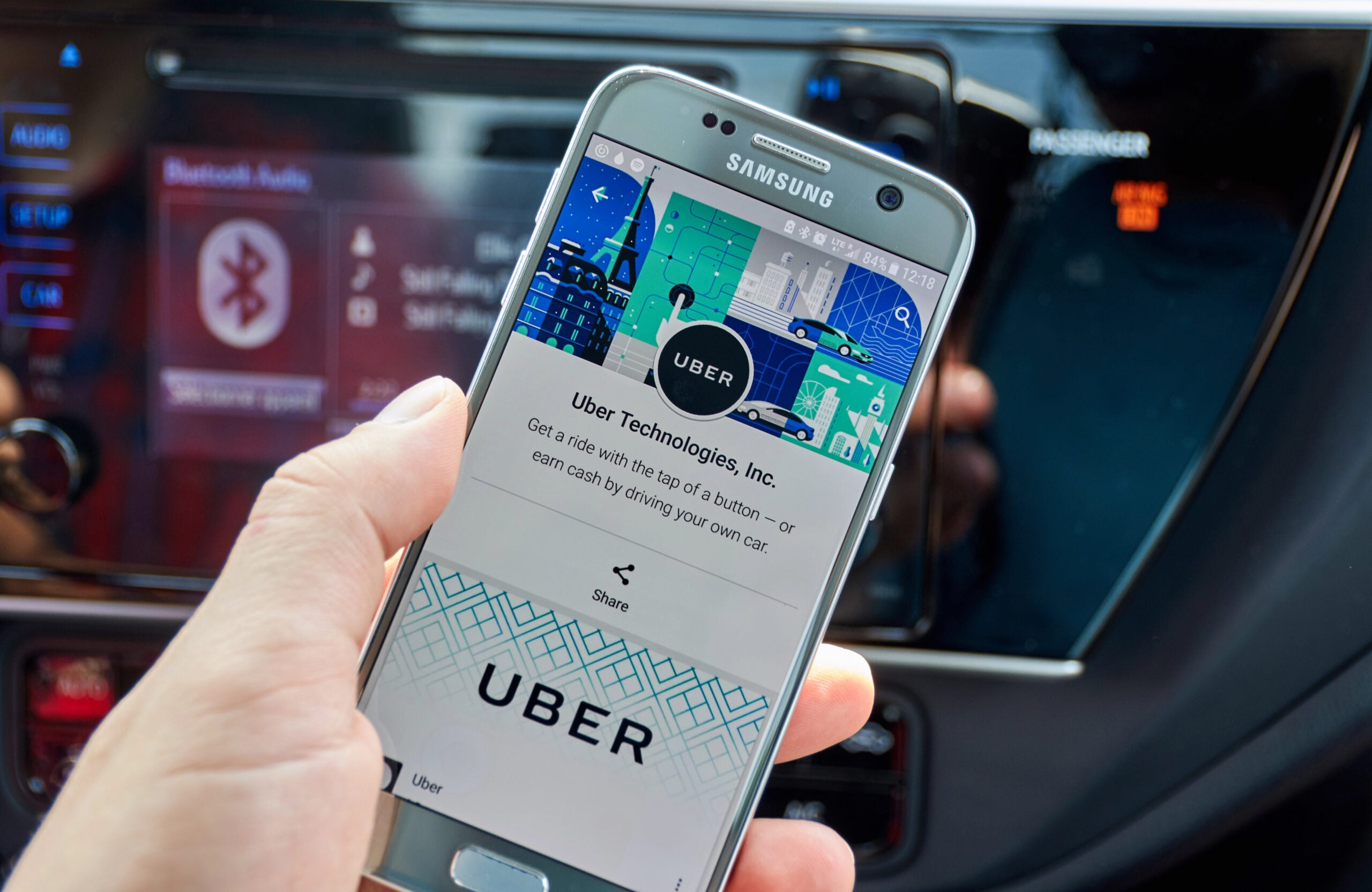
Numerous countries and cities have temporarily or permanently banned Uber, citing concerns about worker protections and taxi industry regulation. The ride-sharing company faced complete shutdowns in places like Denmark, Hungary, and parts of Germany for failing to comply with transportation laws.
These regulatory actions forced the company to abandon markets representing hundreds of millions of potential customers.
Nuclear Power Expansion
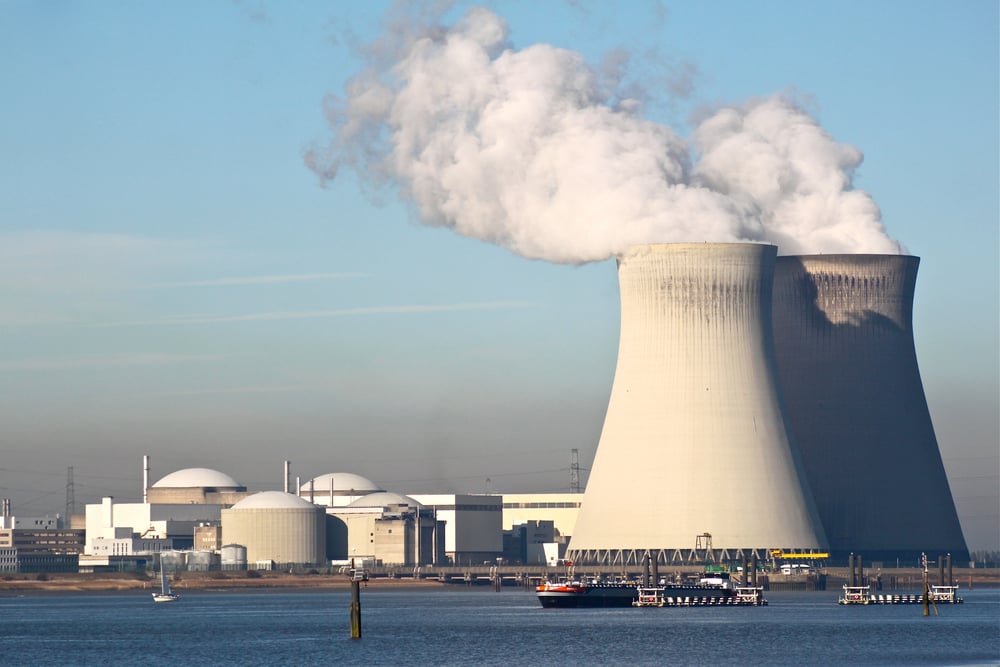
After the 2011 Fukushima disaster, countries including Germany and Japan enacted policies to phase out nuclear power despite its potential as a low-carbon energy source. Due to safety concerns, government decisions effectively halted decades of nuclear innovation and plant construction.
The regulatory retreat from nuclear energy forced many countries to rely more heavily on fossil fuels while alternative technologies matured.
Like Go2Tutors’s content? Follow us on MSN.
Cryptocurrency Exchanges

China’s 2021 ban on cryptocurrency transactions and mining operations forced an exodus of blockchain innovators from what had been the industry’s largest market. The government’s concerns about financial stability and control led to sweeping restrictions that shuttered exchanges overnight.
This regulatory crackdown demonstrated how quickly a government could dismantle an emerging financial technology ecosystem.
Stem Cell Research

During President George W. Bush’s presidency, the United States drastically limited federal funding for research on embryonic stem cells, putting potential medical advances years behind schedule. Researchers in regenerative medicine were forced to look to private funding or move to more open countries where the laws were more permissive.
The policy left a huge innovation gap that took almost a decade to bridge when the limitations were subsequently removed.
Commercial Drones
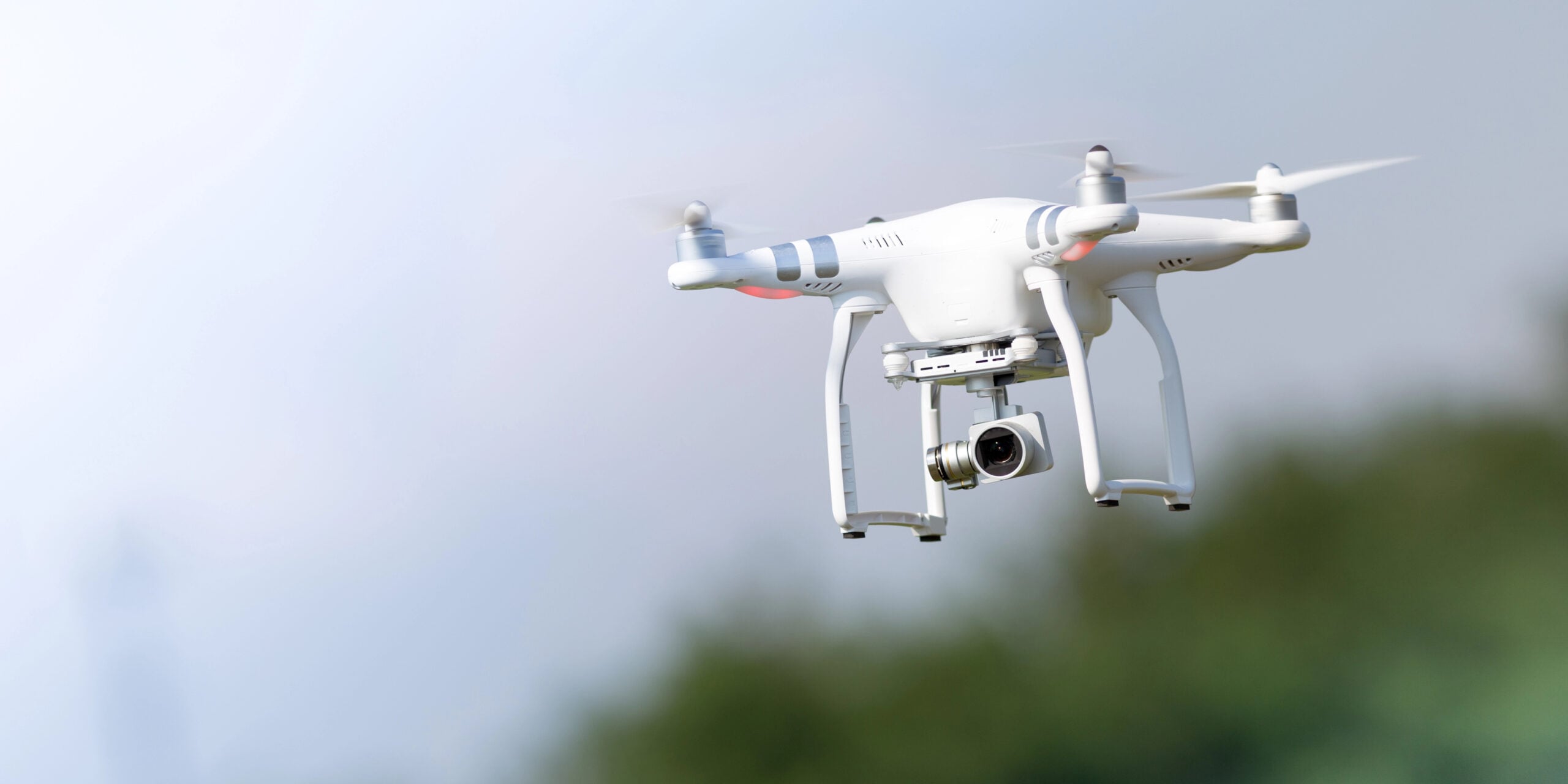
The FAA imposed strict regulations on commercial drone use in the United States for years, delaying innovation in delivery services and aerial photography. Companies like Amazon announced drone delivery plans that remained grounded by regulatory hurdles for nearly a decade.
The slow path to approval for beyond-visual-line-of-sight operations demonstrated how government caution can temper the pace of technological deployment.
Like Go2Tutors’s content? Follow us on MSN.
Vaping Products

The FDA’s regulatory approach to e-cigarettes forced many smaller manufacturers out of business despite their potential as harm-reduction tools for smokers. Compliance costs associated with the approval process ran into millions of dollars per product, creating insurmountable barriers for innovative startups.
This regulatory framework effectively consolidated the industry among larger companies that could afford the extensive testing requirements.
Facial Recognition

Cities including San Francisco and Boston banned government use of facial recognition technology due to privacy concerns and potential bias. These municipal regulations prevented police departments from deploying systems already in development.
The patchwork of local restrictions created uncertainty for companies investing in this field, showing how even city-level governments can impact national technology trajectories.
Hyperloop

Elon Musk’s vision of high-speed transport through low-pressure tubes faced significant regulatory hurdles that delayed real-world implementation. The innovative transportation concept required entirely new safety frameworks that government agencies were slow to develop.
Despite billions in investment, the regulatory uncertainty around this novel transportation technology contributed to scaled-back timelines and expectations.
Like Go2Tutors’s content? Follow us on MSN.
Online Privacy Tools

Russia and China outlawed a number of encryption services and VPNs that shield users from surveillance, in the interests of national security. The government’s actions effectively criminalized privacy tools used by millions for legitimate purposes.
The bans illustrate how governments can intervene actively when innovations threaten their ability to monitor citizens’ activities.
Food Innovation
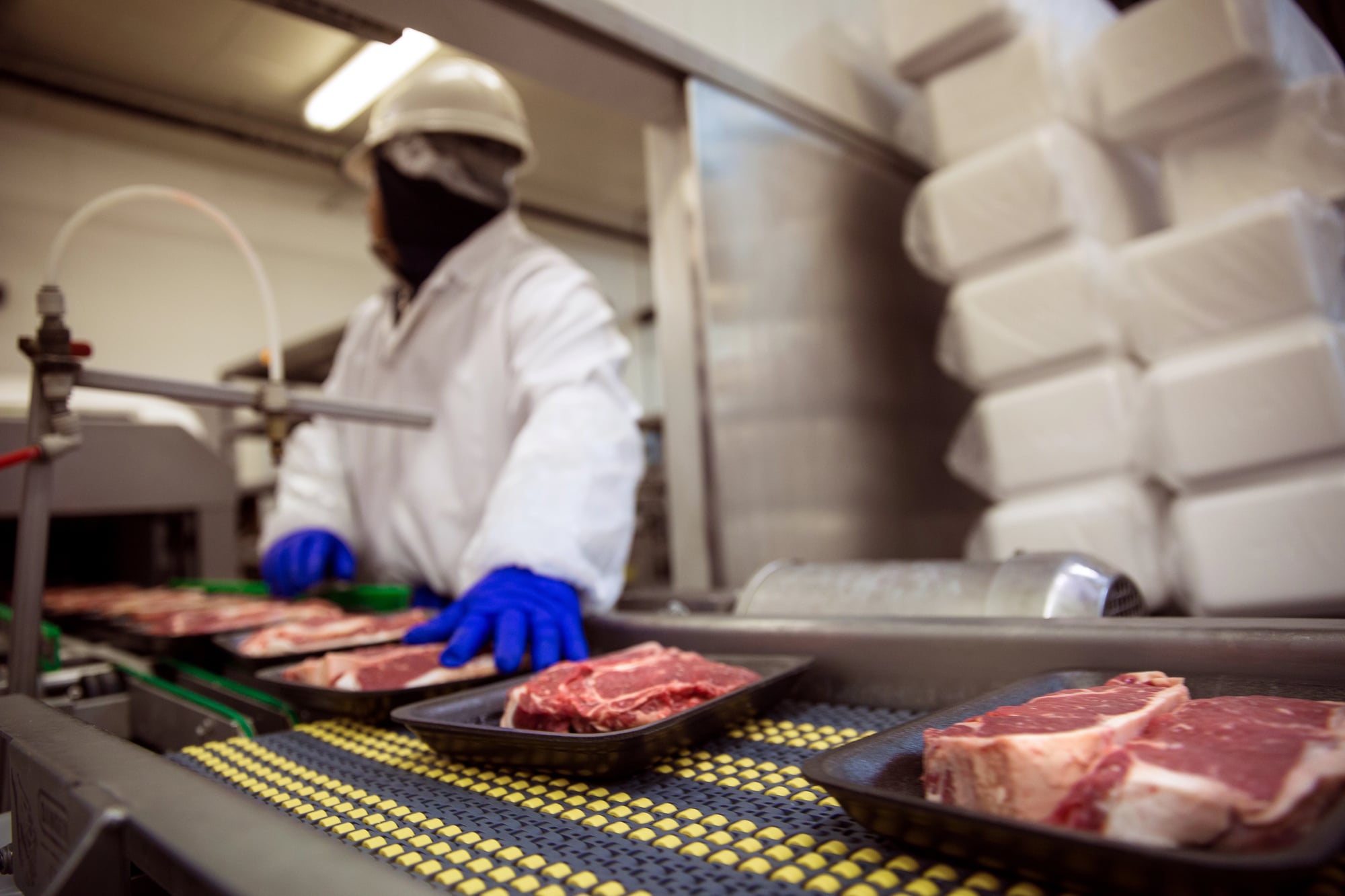
Despite potential environmental benefits, lab-grown meat companies have faced years of regulatory review before their products can reach consumers. The FDA and USDA created an extensive approval process for these novel food products, significantly slowing their market entry.
These careful government evaluations have added years to development timelines for potentially sustainable protein alternatives.
Human Cloning

Virtually every country has banned human reproductive cloning research through explicit laws or regulatory frameworks. This near-universal government prohibition effectively halted an entire field of potential biological innovation.
The broad consensus against pursuing this technology demonstrates how moral and ethical concerns can prompt coordinated government action across political systems.
Like Go2Tutors’s content? Follow us on MSN.
The Regulatory Balance

When innovation collides with established regulatory frameworks, the outcome often depends on the public perception of risks versus rewards. Governments must balance protecting citizens against stifling potentially beneficial progress.
The examples above illustrate the complex dance between innovative forces and regulatory caution that continues to shape our technological future.
In the future, the new technologies of the day are under the same scrutiny from authorities interested in unintended consequences. The delicate balance between encouraging innovation and avoiding harm is still one of the most daunting tasks of technological governance in our ever-fast-paced world.
More from Go2Tutors!

- 18 Unexpectedly Valuable Collectibles You Might Have Lying Around
- 20 Little-Known Historical Battles That Had Huge Consequences
- 20 Historical Artifacts That Scientists Can’t Explain
- 15 Inventions That Were Immediately Banned After Being Created
- 20 Actors Who Were Almost Cast in Iconic Roles
Like Go2Tutors’s content? Follow us on MSN.