17 Fun Facts About Japanese Car Makers
Japanese car manufacturers have become household names around the world, but their journey from post-war recovery to global dominance is packed with surprising stories. These companies didn’t just copy what others were doing—they revolutionized how cars are built, marketed, and driven.
Here’s a list of 17 fascinating facts about the innovative minds behind Japan’s automotive empire.
Mazda Started as a Cork Company
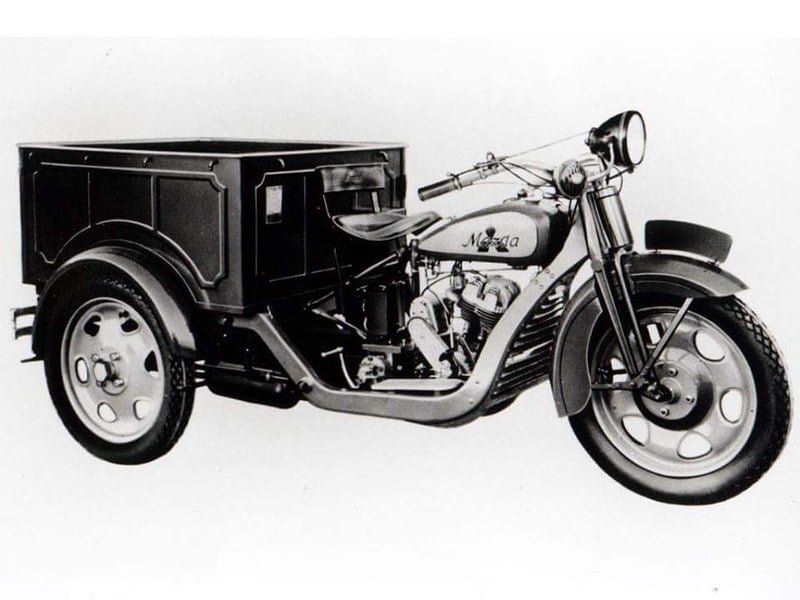
Mazda began life as Toyo Cork Kogyo Co. in 1920, manufacturing artificial cork products. When the cork business struggled, company president Juhiro Matsuda made a bold pivot to machine tools and eventually vehicles. The first Mazda vehicle was actually a three-wheeler truck called the Mazda-Go.
It’s pretty wild to think that one of today’s most innovative car companies started by making bottle stoppers.
Toyota’s First Car Was a Blatant Copy
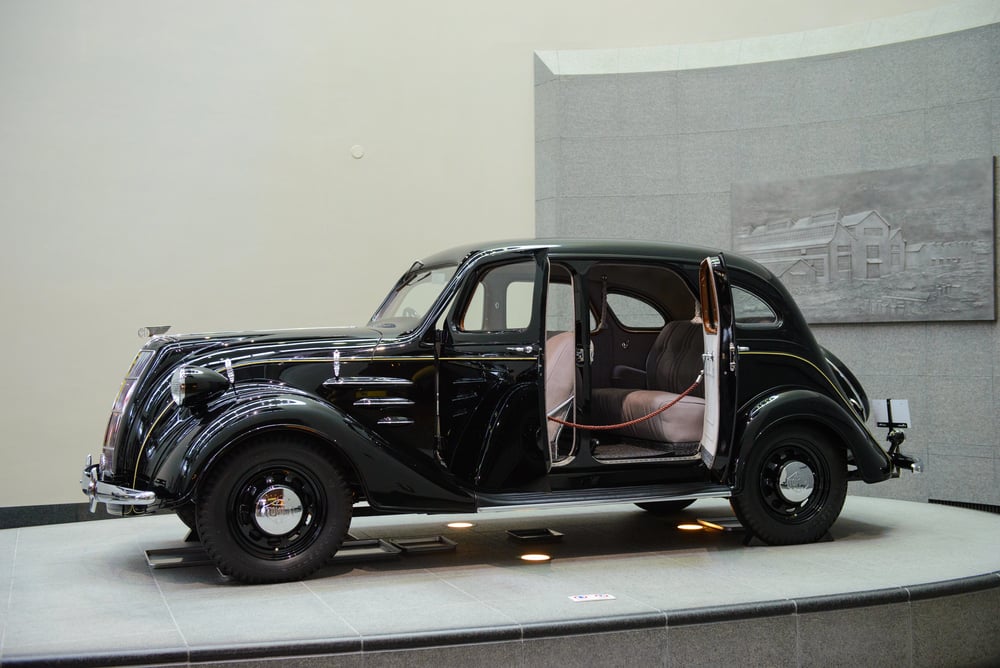
— Photo by brostock01
Toyota’s first passenger car, the 1936 Model AA, was such a direct copy of Dodge and Chevrolet designs that some parts could actually be interchanged with the originals. This wasn’t unusual for early Japanese manufacturers, who openly studied and borrowed from established American and European designs.
Back then, Japanese car makers were known mainly for their habit of ripping off designs from other manufacturers. They turned this approach into a strength by improving upon what they copied.
Like Go2Tutors’s content? Follow us on MSN.
Honda Was Founded by a Failed Piston Ring Maker
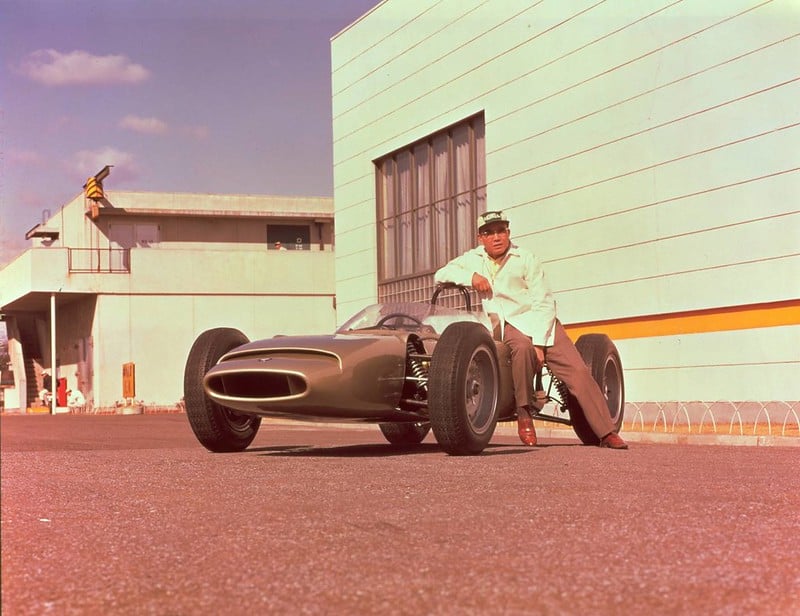
Soichiro Honda founded Tōkai Seiki in 1937 to make piston rings, but initially failed when Toyota rejected his products due to poor quality. Rather than give up, Honda attended engineering school and visited factories across Japan to understand Toyota’s quality processes.
By 1941, Honda had mastered mass production of piston rings acceptable to Toyota, using an automated process that could employ even unskilled wartime laborers. This obsession with quality would later define Honda’s entire philosophy.
Mazda Survived an Atomic Bomb
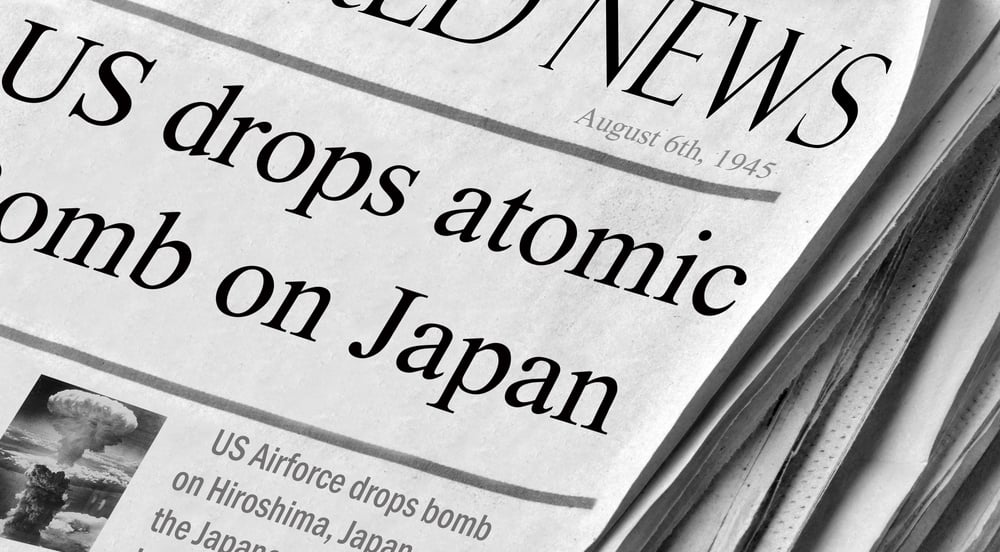
Toyo Kogyo’s production was dramatically interrupted when the US dropped an atomic bomb on Hiroshima in August 1945, but the main factory and headquarters was largely spared thanks to its position behind a mountain. The company’s survival allowed it to become one of Japan’s major automakers.
The main factory and headquarters, however, was largely spared from the blast, thanks to its geographical position behind a mountain. This stroke of geographic luck changed automotive history.
Subaru’s Logo Has Only Six Stars for a Reason
— Photo by boggy22
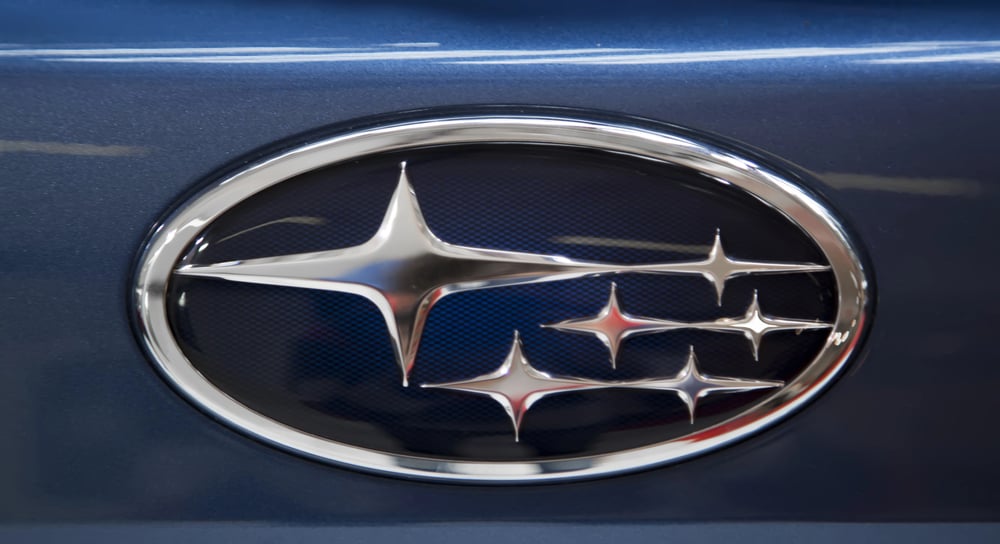
Subaru is the Japanese name for the Pleiades star cluster, also known as the Seven Sisters, but the car manufacturer’s logo shows only six stars because Japanese tradition says one of the seven stars is invisible. The name itself reflects the company’s unique approach—Subaru was formed from the merger of six companies, much like how multiple stars form a constellation.
This astronomical connection makes Subaru the only car brand named after a star cluster.
Like Go2Tutors’s content? Follow us on MSN.
Japanese Cars Were Once Considered Jokes in America
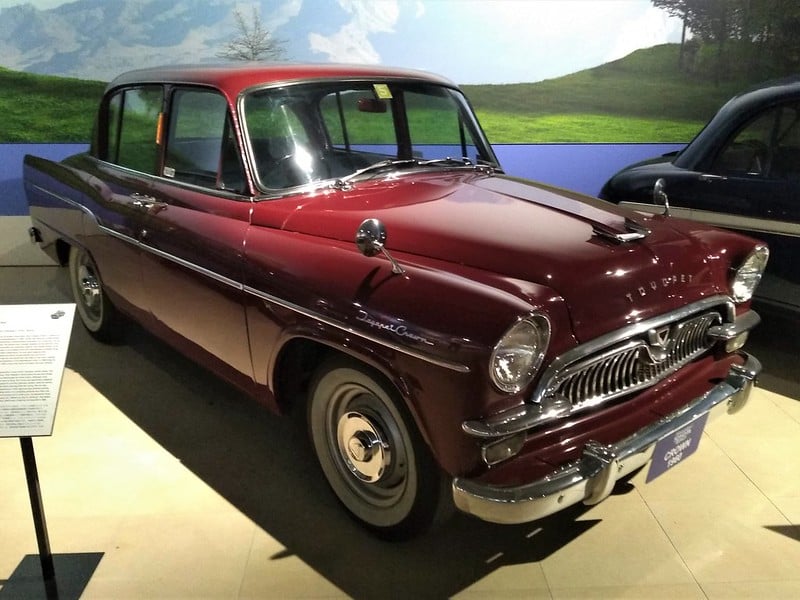
When Japanese cars first arrived in North America, they were dismissed as rust-prone, under-built jokes. Japanese vehicles had the stigma they had in the 1950s and 1960s when they first emerged internationally. It was not until around 1958 when Toyota brought the Toyopet Crown from Japan to the US that Americans were first introduced.
The transformation from laughingstock to industry leader happened remarkably fast—within two decades, Japanese cars had earned a reputation for reliability that still holds today.
The Toyota Corolla Is the Best-Selling Car Ever
— Photo by everyonensk
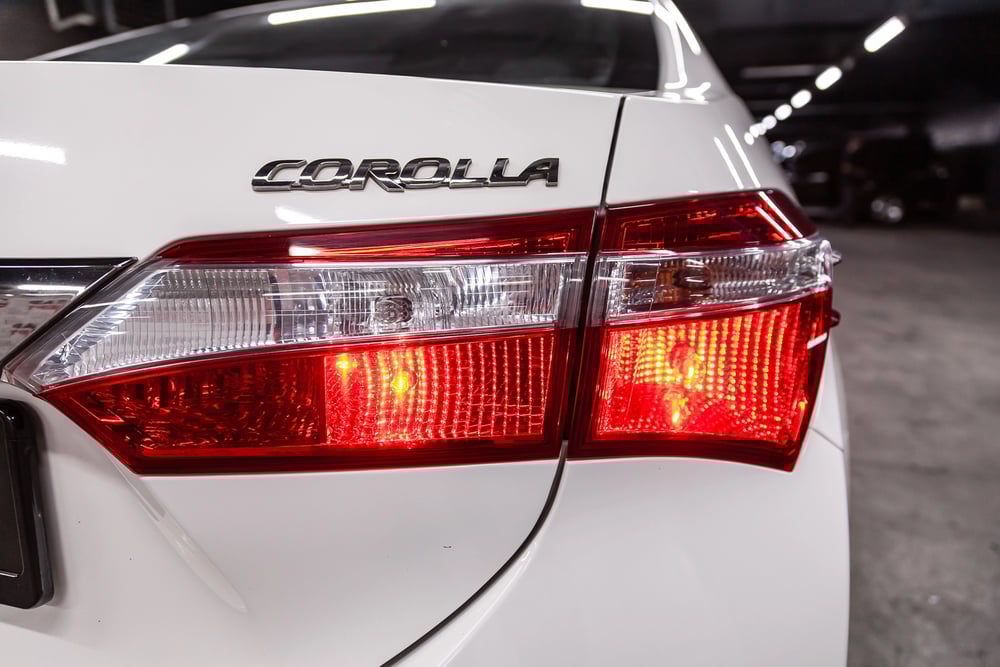
The Toyota Corolla, introduced in 1966, became the world’s all-time best-selling line of cars. In North America, the Honda Civic is the second-longest continuously running nameplate from a Japanese manufacturer; only its perennial rival, the Toyota Corolla, introduced in 1966, has been in production longer.
The Corolla’s success stems from Toyota’s focus on building practical, reliable transportation that ordinary people could afford and depend on for decades.
Mazda Won Le Mans with a Rotary Engine
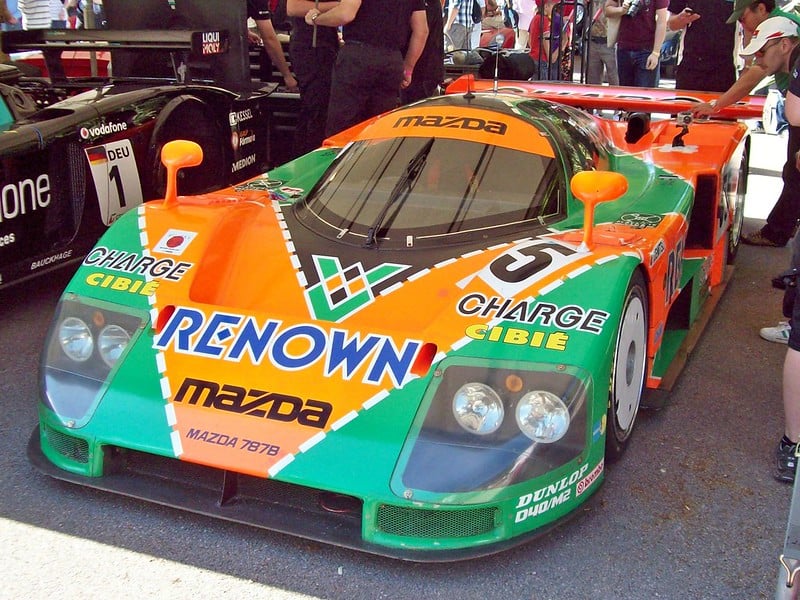
Mazda became the first Japanese manufacturer to win the prestigious Le Mans 24 Hour endurance race in 1991 with the rotary-powered 787B racing car. The 787B’s triumph remains unparalleled, as it remains the only non-piston-engined car ever to win at Le Mans.
This led to a ban on rotary engines in the Le Mans race starting in 1992. The victory was so dominant that race organizers changed the rules to prevent it from happening again.
Like Go2Tutors’s content? Follow us on MSN.
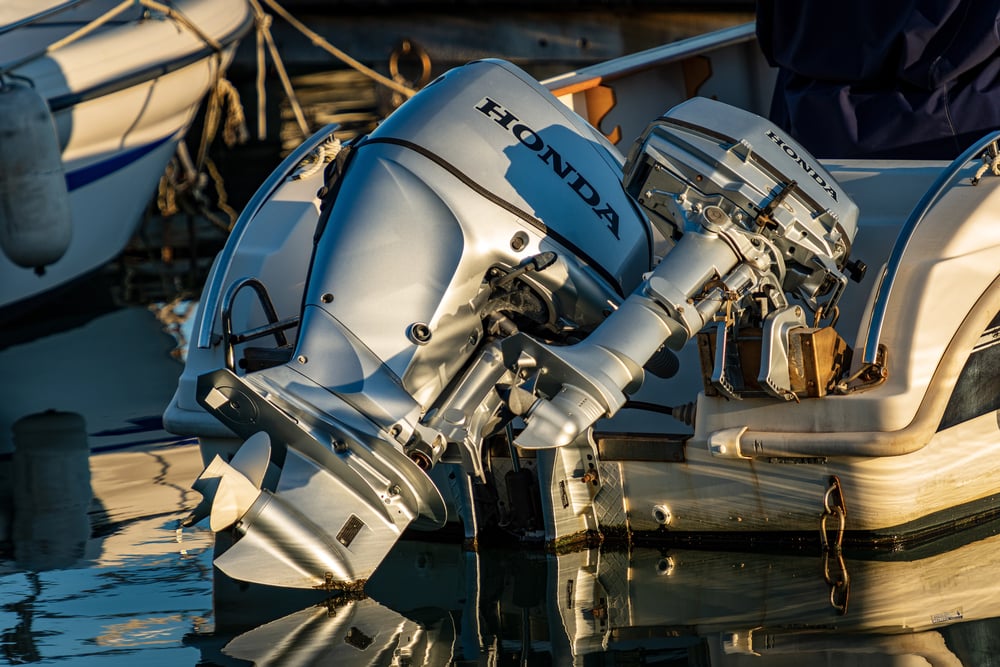
Honda Makes More Engines Than Anyone Else
— Photo by catalby
Honda is the world’s largest producer of internal combustion engines, building over 14 million annually for cars, motorcycles, boats, and power equipment. The company has also been the world’s leading motorcycle manufacturer since 1959, with hundreds of millions produced.
Honda’s engineering reach extends far beyond automobiles, cementing its place as the most prolific engine maker worldwide.
Japanese Car Names Have Hidden Meanings
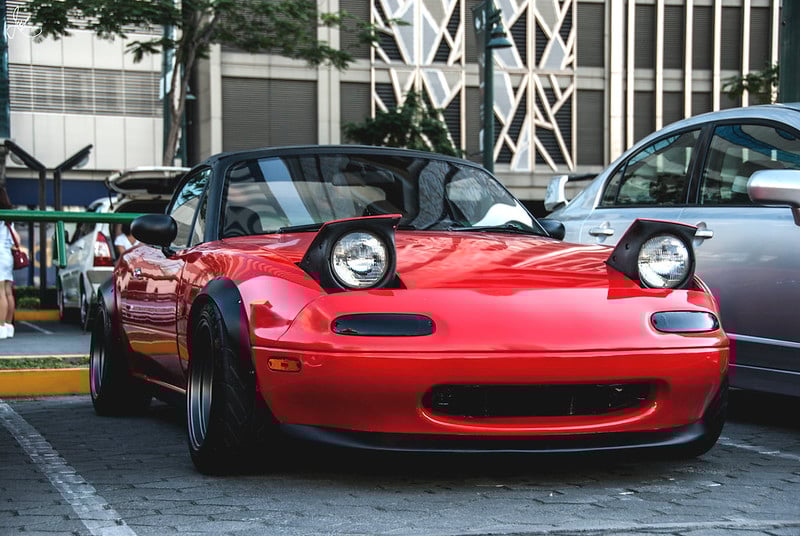
Many Japanese car names carry special significance. The Mazda Miata sports car was designed according to the principle of jinba ittai, which means ‘oneness of horse and rider’. Honda’s luxury brand Acura comes from the Latin word for accuracy. Nissan’s Datsun was originally DAT, which stood for the initials of the company’s three investors, with ‘sun’ added to mean ‘son of DAT.’
These thoughtful names reflect the care Japanese companies put into every aspect of their brands.
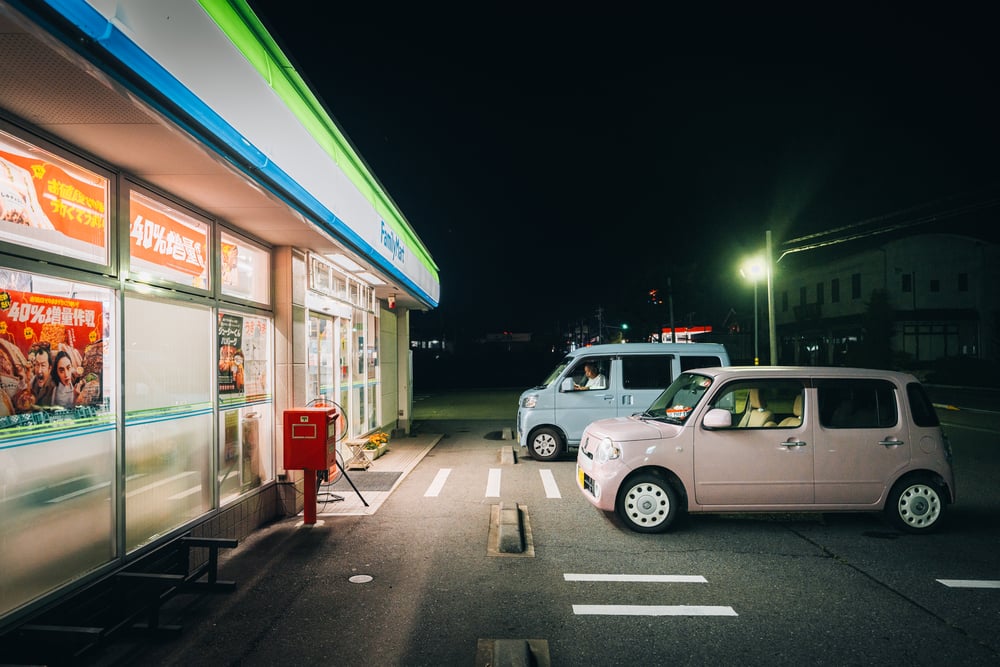
Kei Cars Are a Uniquely Japanese Innovation
— Photo by ronnybas
Japan’s kei car regulations state a vehicle cannot exceed 3.4 meters in length, 1.48 meters in width, and 2 meters in height. As a result of these regulations, Suzuki Japan gets creative and produces kei models for every taste and need, from sports cars to crossovers. The first of this new era, launched in 1958, was the Subaru 360, known as the ‘Lady Beetle’ for its significance similar to the Volkswagen Beetle in Germany.
These tiny cars prove that good things really do come in small packages.
Like Go2Tutors’s content? Follow us on MSN.
Ford Once Owned One-Third of Mazda
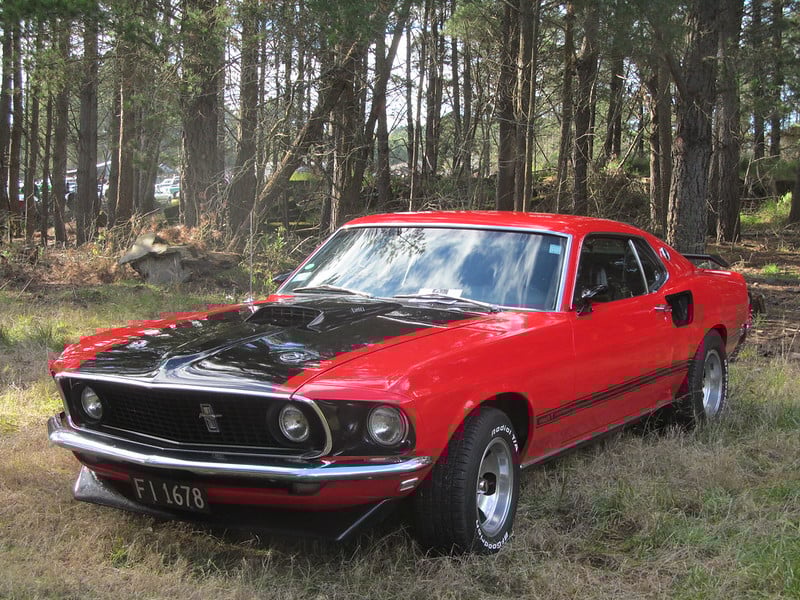
Mazda started a long association with Ford in 1969, and Ford eventually bought a sizeable 33.4 percent stake in Mazda. Their alliance produced a raft of twinned models including the Mazda 121 and Ford Laser city cars, Mazda Tribute and Ford Escape SUVs, and the Mazda BT-50 and Ford Ranger trucks.
Ford dramatically cut its shareholding after the 2008 global financial crisis, leaving Mazda a far more independent company today. This partnership helped both companies but ultimately Mazda thrived on its own.
Honda Created the First Japanese Luxury Brand
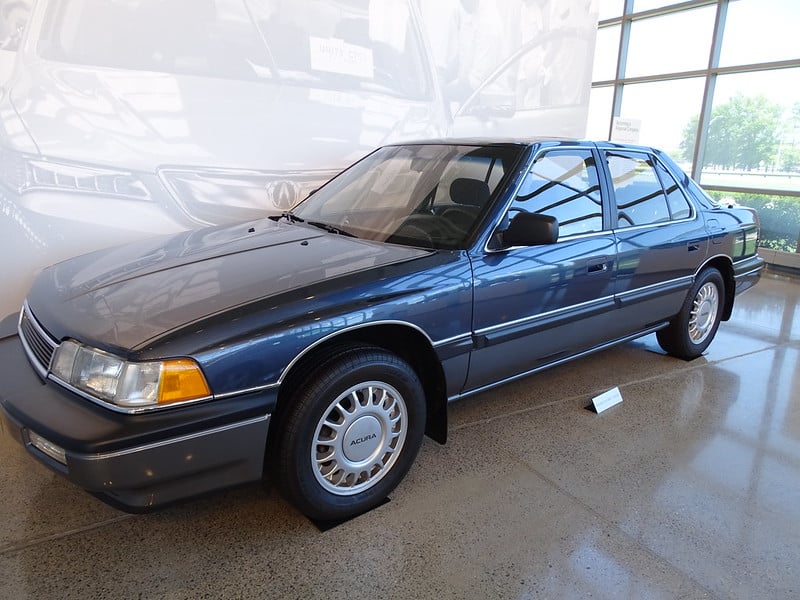
Honda was the first Japanese automobile manufacturer to release a dedicated luxury brand, Acura, on March 27, 1986. This bold move paved the way for Toyota’s Lexus and Nissan’s Infiniti brands. Honda recognized that Japanese engineering had reached a level where it could command premium prices, breaking the stereotype that Japanese cars were only good for basic transportation.
Acura’s success proved that luxury wasn’t exclusively European or American territory.
Japanese Manufacturers Pioneered Just-in-Time Production
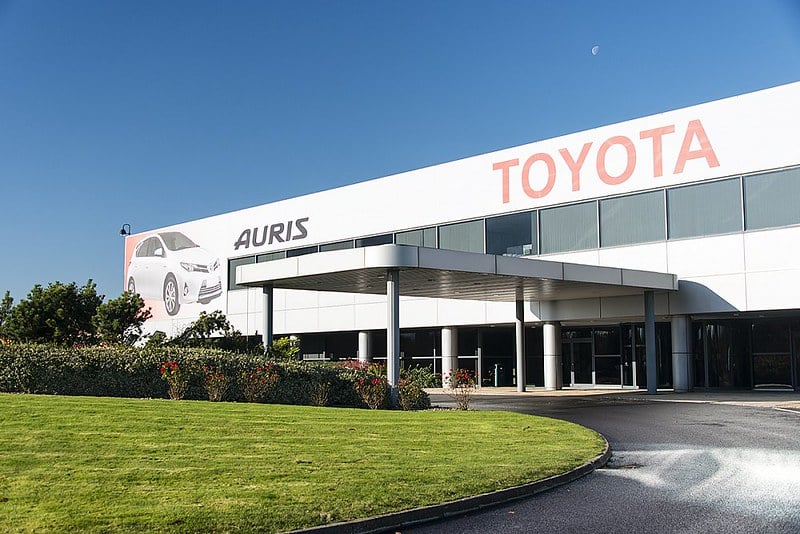
Toyota pioneered the Just-in-Time system in the 1950s and 1960s, producing only what was needed, when it was needed. This eliminated waste and cut costs while maintaining high quality.
Combined with Kaizen (continuous improvement) and problem-solving tools like the Five Whys, Toyota’s approach reshaped global manufacturing.
Like Go2Tutors’s content? Follow us on MSN.
Nissan Almost Didn’t Survive the 2020s
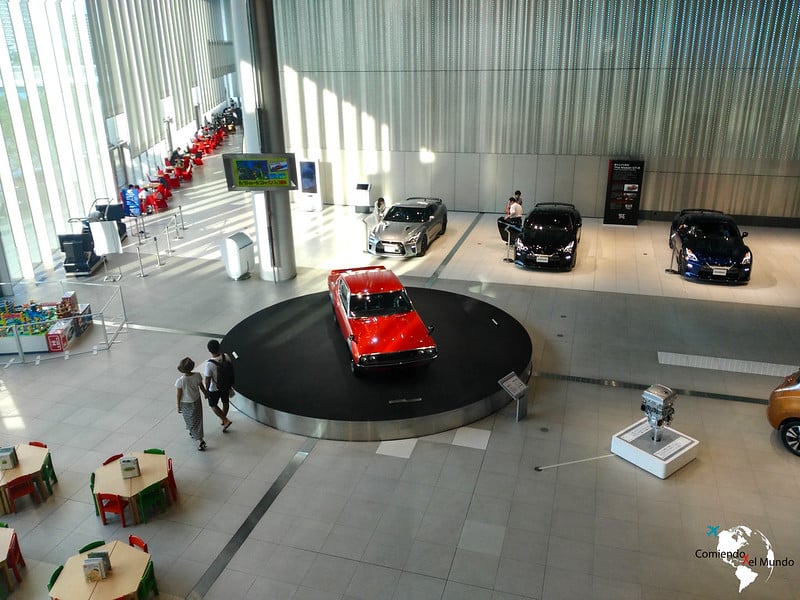
Nissan has faced major financial and leadership challenges in recent years, particularly following the global downturn and the fallout from former chairman Carlos Ghosn’s arrest. While restructuring efforts and its alliance with Renault and Mitsubishi have helped stabilize operations, questions remain about Nissan’s long-term competitiveness.
Three-Quarters of Rolls-Royces Are Still Running
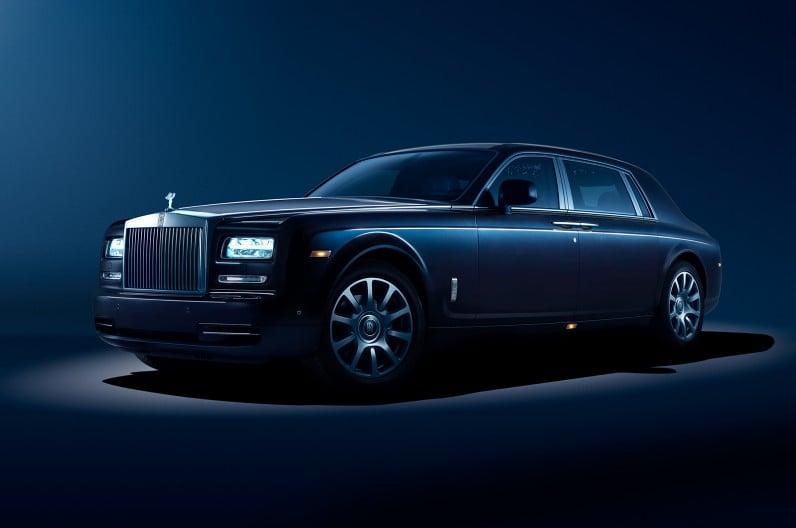
While not Japanese, here’s a fun bonus fact: Almost three-quarters of the Rolls Royce cars ever produced are still on the road today. This speaks to build quality that even the most reliable Japanese manufacturers respect.
Japanese car makers studied this kind of durability and applied similar principles to mass-market vehicles. The result was cars that could last for decades rather than just a few years, revolutionizing consumer expectations worldwide.
Japanese Innovation Continues
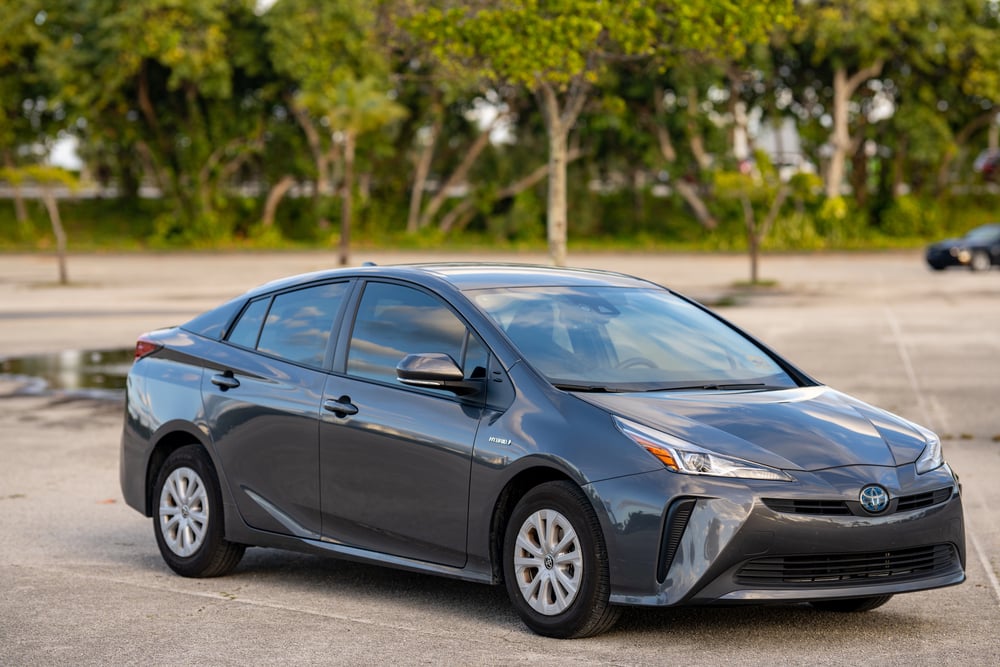
— Photo by felixtm
Japanese car companies think ahead of others, developing renewable green technologies and electric cars as innovative moves that gained the market popularity. The Toyota Prius was the first mass-produced hybrid car and became a huge success, making other manufacturers follow suit.
Today’s Japanese automakers continue pushing boundaries with hydrogen fuel cells, advanced robotics, and autonomous driving technology. Their willingness to take risks on unproven technologies keeps them at the forefront of automotive innovation.
Like Go2Tutors’s content? Follow us on MSN.
The Road Ahead
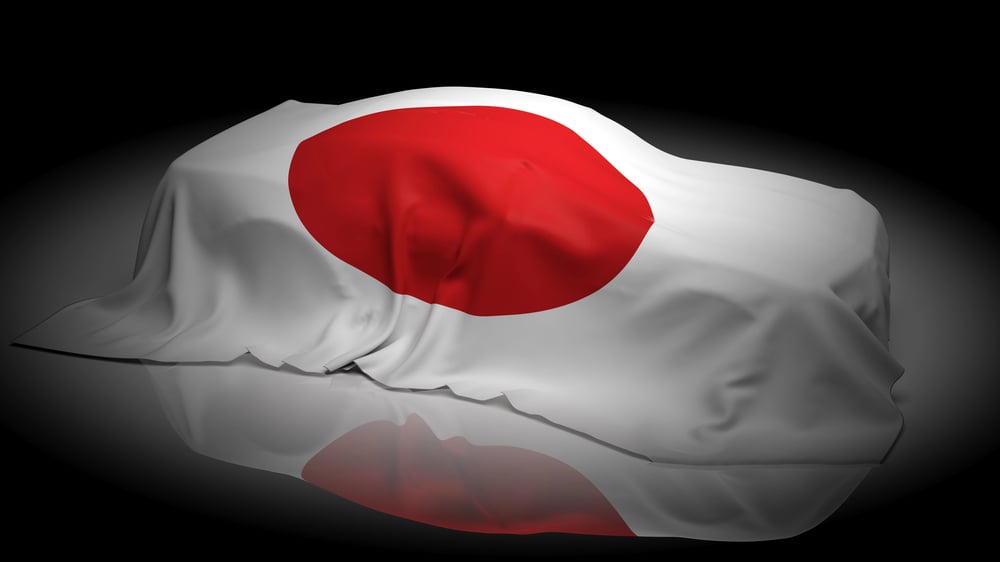
From cork manufacturers to Le Mans champions, Japanese car makers transformed not just their own industry but global expectations about what vehicles should be. Their emphasis on quality, efficiency, and continuous improvement didn’t just make better cars—it forced everyone else to raise their game.
While some companies face modern challenges, the innovative spirit that turned post-war Japan into an automotive powerhouse continues to drive the industry forward, ensuring that the best Japanese car stories are probably yet to be written.
More from Go2Tutors!

- 16 Historical Figures Who Were Nothing Like You Think
- 12 Things Sold in the 80s That Are Now Illegal
- 15 VHS Tapes That Could Be Worth Thousands
- 17 Historical “What Ifs” That Would Have Changed Everything
- 18 TV Shows That Vanished Without a Finale
Like Go2Tutors’s content? Follow us on MSN.



