18 Frozen Supper Brands Families Once Served
The freezer aisle changed what a weeknight dinner could be. A parent coming home late could slide a foil tray into the oven, set a timer, and have a hot meal on the table without a single pot to wash.
The brands that made this possible became household names, and their packaging was as recognizable as the food inside. Some of these names are still in the freezer case.
Others have changed hands or faded away, but each shaped the way American families ate on busy nights.
Swanson TV Dinner
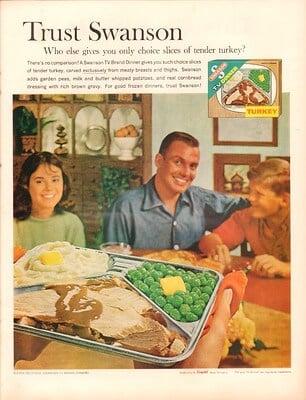
Swanson’s first TV dinner reached grocery freezers on September 10, 1953, with turkey, cornbread dressing, peas, and sweet potatoes in a compartmented aluminum tray, priced at 98 cents. According to the best-known account, the idea grew out of 260 tons of unsold Thanksgiving turkey and a salesman named Gerry Thomas, though others at the company disputed his version.
Swanson sold more than 10 million units in 1954 and 25 million the following year.
Hungry-Man
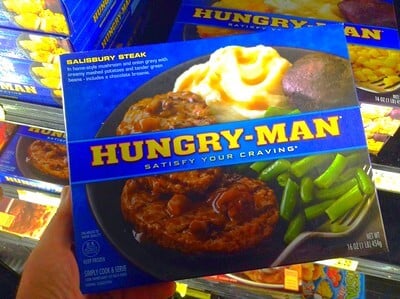
Swanson unveiled Hungry-Man dinners in 1973, with an advertisement starring Pittsburgh Steelers players Mean Joe Greene and Rocky Bleier. The bigger portions were aimed at adults who had found the standard tray too small.
The name promised a full meal for a person who had worked all day and did not want a snack in a compartment.
Banquet
Banquet was founded in 1953, the same year as the TV dinner, and its first products were frozen meat pies. The company later became one of the main competitors in the tray meal market, and it introduced its Man Pleaser dinners around the same time Hungry-Man appeared.
Banquet became a budget favorite in a freezer case that was otherwise full of premium labels.
Morton
Morton Frozen Foods was one of the early rivals that followed Swanson into the tray dinner business, and in the 1960s it ranked with Swanson and Banquet as one of the big three names. The standard choices were chicken, turkey, roast beef, and meatloaf, each sealed in its own tray.
For families with a freezer stocked with all three big brands, Morton was the alternative on a night when the other two had run out.
Stouffer’s
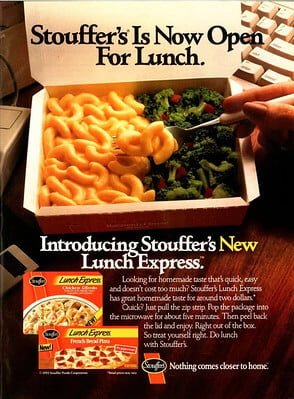
Stouffer’s grew out of a restaurant business before it became a frozen food company, and it introduced its own frozen meals in the 1950s as a step up from the standard tray dinner. Its reputation rested on dishes sold in larger family-size packages, among them macaroni and cheese and Salisbury steak.
A package from the Stouffer’s freezer case suggested a restaurant meal at home, which made it popular with parents who wanted something more than a tray.
Lean Cuisine
Stouffer’s introduced Lean Cuisine in 1981 as a line of low-calorie frozen entrees aimed at dieters. The portions were small and the packaging promised a satisfying meal for a modest number of calories.
The brand tapped into a decade of fitness classes, aerobic videos, and workplace lunches heated in an office microwave.
Weight Watchers

H.J. Heinz acquired Weight Watchers in 1978, and frozen meals soon carried the brand’s name in freezer cases. The entrees were portion-controlled and designed to fit into the program’s eating plan.
A box with the Weight Watchers label gave a dieter a ready-made lunch with the portion already measured.
Healthy Choice
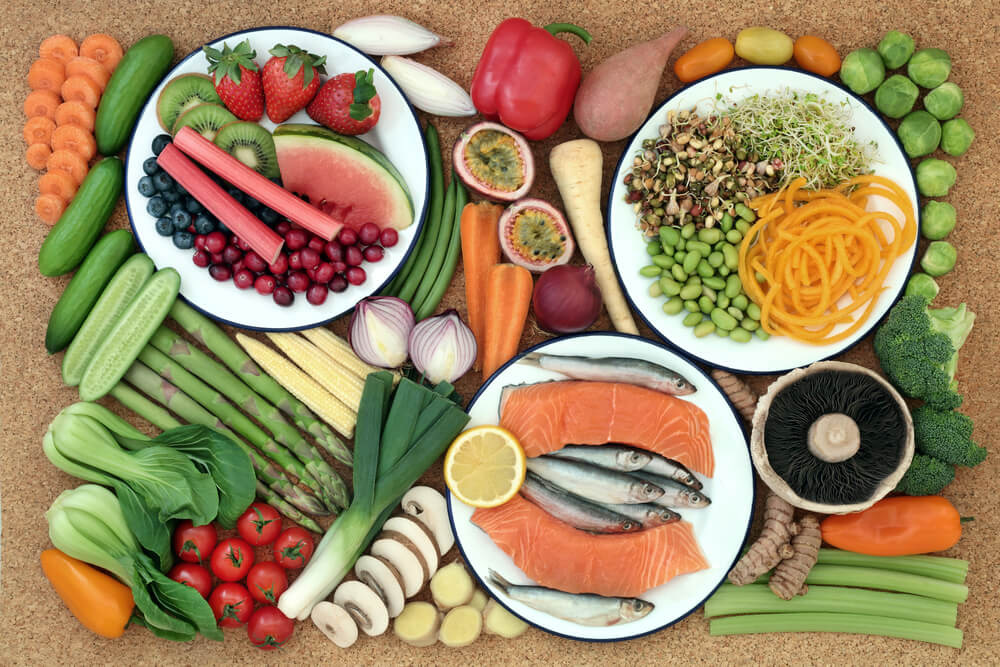
ConAgra introduced Healthy Choice in 1989 after chairman Charles “Mike” Harper suffered a heart attack and began paying attention to the fat and sodium in processed foods. The line began with frozen dinners marked as low in fat.
Its green-and-white packaging stood out in a freezer case full of red and gold boxes.
Chun King
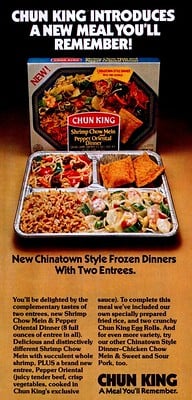
Jeno Paulucci founded Chun King in Duluth, Minnesota, in 1947, building the company into a major seller of canned and frozen Chinese-style foods. R.J. Reynolds bought the brand in 1966 for $63 million.
Many American families had their first taste of chop suey from a Chun King box, which shows how thoroughly the brand shaped a generation’s idea of takeout.
Totino’s
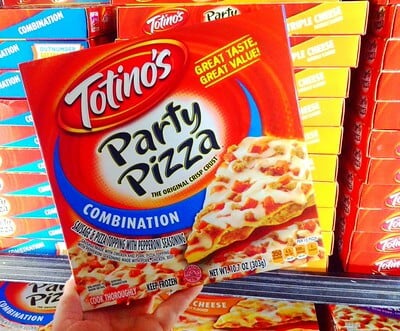
Rose and Jim Totino launched their pizza business in Minneapolis in 1951, and the brand became one of the best-known names in frozen pizza after Pillsbury acquired the company in 1975. The thin, crisp crust was meant to be baked straight from the freezer, and the party pizza became a staple for kids’ sleepovers.
A square of Totino’s pizza was an easy dinner for a child left in charge of the oven.
Tombstone
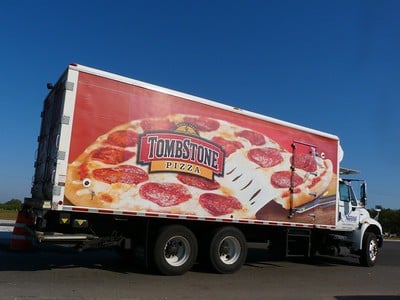
Brothers Joe and Ron Simek founded Tombstone Pizza in Medford, Wisconsin, in 1962, and the company grew into a national frozen pizza brand. The restaurant-style pizza made in a small Wisconsin town grew into a national brand that filled freezer cases far from its birthplace.
A Tombstone pizza became a regular Friday night treat in many households.
Sara Lee
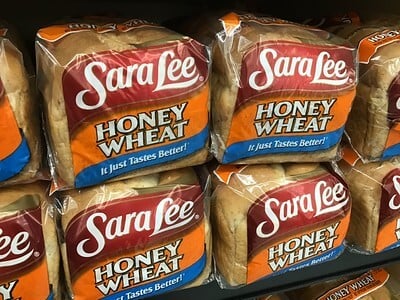
Charles Lubin founded the Kitchens of Sara Lee in Chicago in 1949 and named his bakery for his young daughter. His frozen cheesecake became a standout product, and the brand grew into a household name for frozen cakes and pies.
A box of Sara Lee in the freezer was a promise of dessert without the baking.
Gorton’s
Gorton’s of Gloucester dates to 1849, when the company began as a Massachusetts fish-processing business, and its fisherman in a yellow slicker became one of the most recognizable logos in the freezer case. Fish sticks, breaded fillets, and fish cakes put seafood on the family table without any trip to the fishmonger.
A plate of fish sticks with a lemon wedge was a common Friday dinner in households that skipped meat that day.
Van de Kamp’s
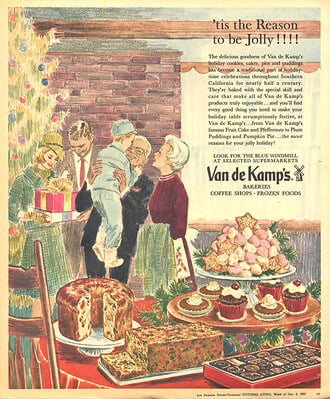
Van de Kamp’s opened in Los Angeles in 1915 as a bakery and later became known for frozen fish sold under the brand’s Dutch windmill logo. The windmill appeared on boxes of breaded fish in freezer cases across the West.
A Van de Kamp’s box suggested a clean, simple dinner that took a few minutes under the broiler.
Birds Eye
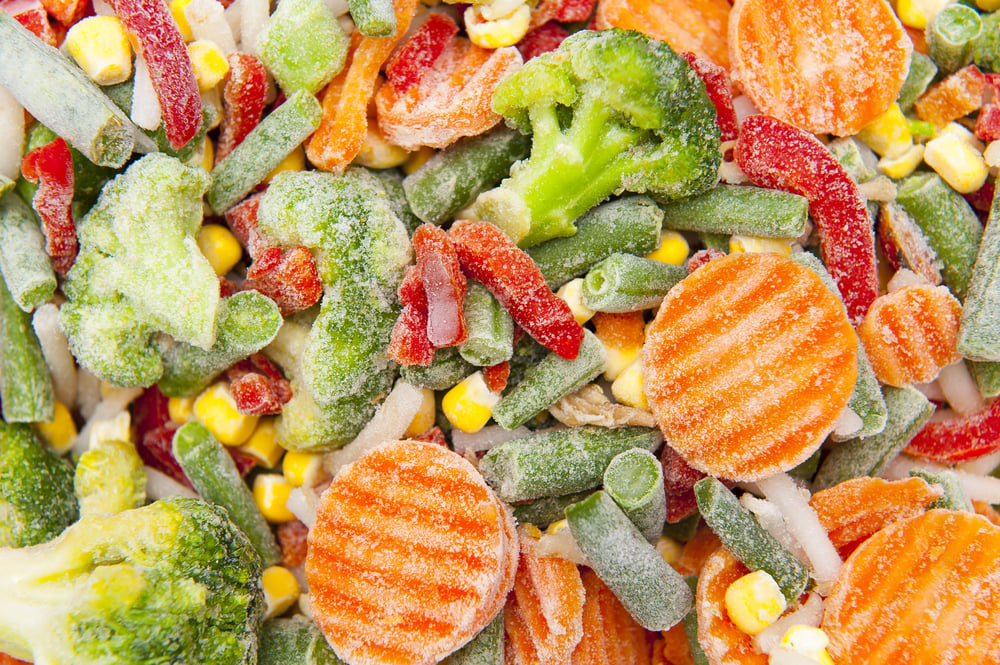
Clarence Birdseye developed a method for quick-freezing food, and General Foods introduced its Birds Eye Frosted Foods in Springfield, Massachusetts, in 1930. The line began with a limited number of frozen vegetables, fruit, fish, and meat.
Birds Eye made the case that frozen food could be as good as fresh, and it paved the way for every frozen supper that followed.
Green Giant
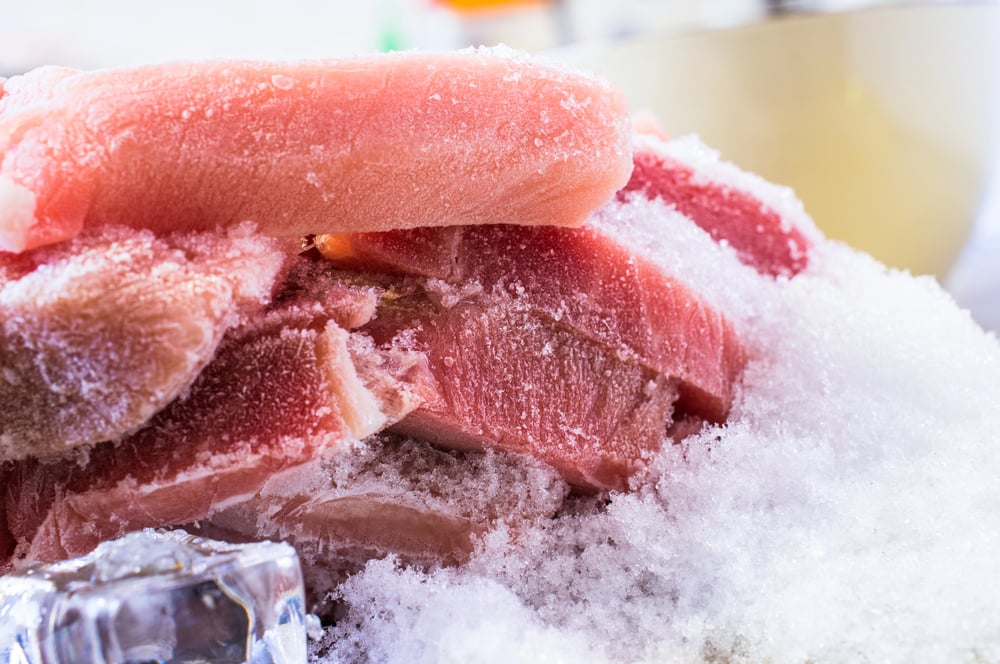
The Green Giant name began with the Minnesota Valley Canning Company in Le Sueur, Minnesota, and the Jolly Green Giant mascot appeared in 1928. The company later expanded into frozen vegetables, with the Giant towering over a field on every package.
A frozen vegetable in a Green Giant box was a side dish with a face that children recognized.
Ore-Ida
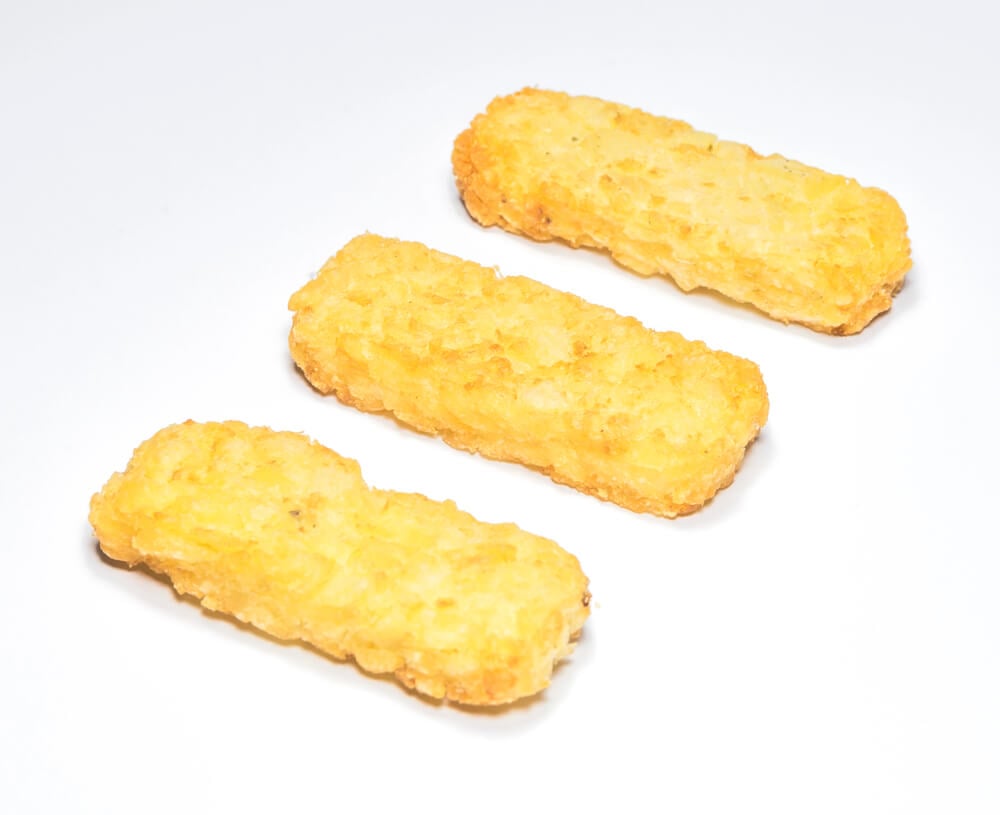
Brothers F. Nephi Grigg and Golden Grigg founded Ore-Ida in Ontario, Oregon, and in 1953 they introduced Tater Tots, made from potato scraps left over from cutting french fries. The little cylinders became a school cafeteria staple and a freezer-case standard.
A bag of Tater Tots in the oven made a side dish for almost any dinner.
Mrs. Smith’s
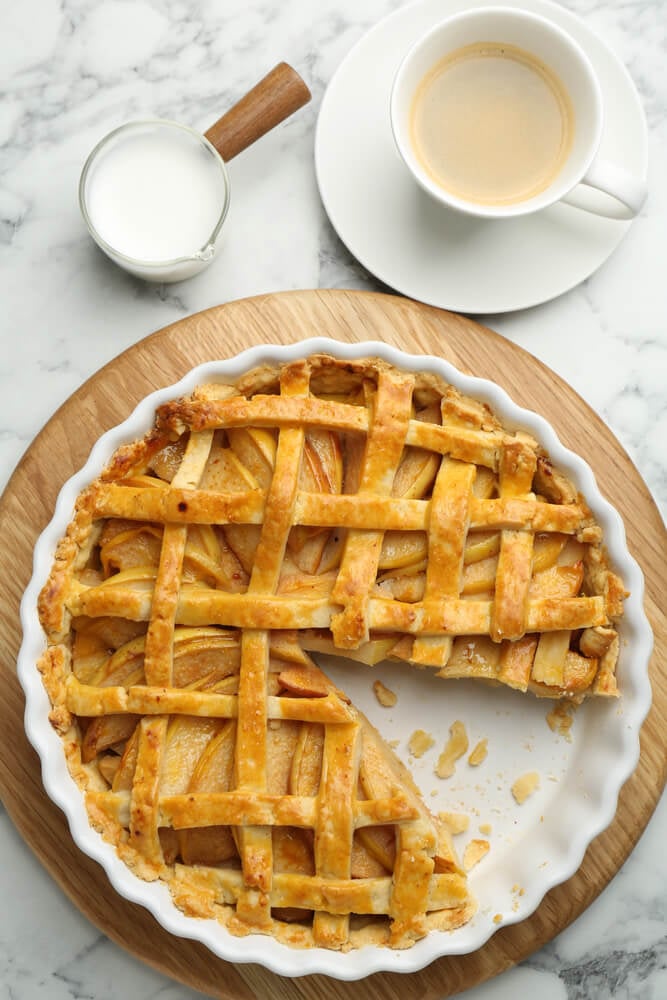
Amelia Smith began selling pies in Pottstown, Pennsylvania, in 1919, and the company eventually moved into frozen pies sold in supermarkets. The brand’s pies, with their ruffled crusts and sturdy aluminum tins, became a centerpiece of holiday dinners.
A Mrs. Smith’s pie in the freezer meant a dessert was only a bake away.
Dinner at the Pace of a Commercial Break
Frozen suppers fit neatly into the rhythm of postwar life, with working parents, television in the living room, and a growing appetite for convenience. A meal that cooked in the time it took to watch a show suited a household that valued speed.
The foil tray became a symbol of modern living almost overnight. Today the freezer case is crowded with newer labels and healthier claims, but the basic bargain has not changed.
A hot dinner is still only one oven timer away. The brands that first made that promise remain a quiet part of the American kitchen.
More from Go2Tutors!

- 27 Silver Dollars and Half Dollars Worth Keeping
- 28 Restaurant Menu Items Nobody Orders Anymore
- 17 Places Built in Seemingly Impossible Spots
- 27 Vintage Rings Worth More Than They Look
- 25 Restricted Sites Tourists Can’t Enter
Like Go2Tutors’s content? Follow us on MSN.