19 Juice Drinks That Filled Childhood Refrigerators
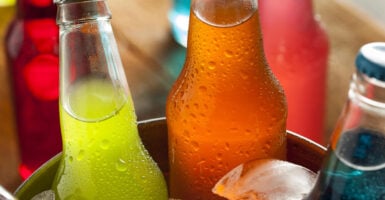
Somewhere between the milk and the leftovers, the refrigerator door of a typical childhood home held a rotating cast of bottles, cans, and foil pouches. Some were real juice, some were mostly sugar and color, and all of them were fiercely defended by whoever in the house considered them their own.
Many of these drinks came out of garages, kitchen counters, and tiny shops long before they became national brands. Their origin stories turn out to be stranger than their labels ever suggested.
Capri Sun and the Pouch That Fought Back
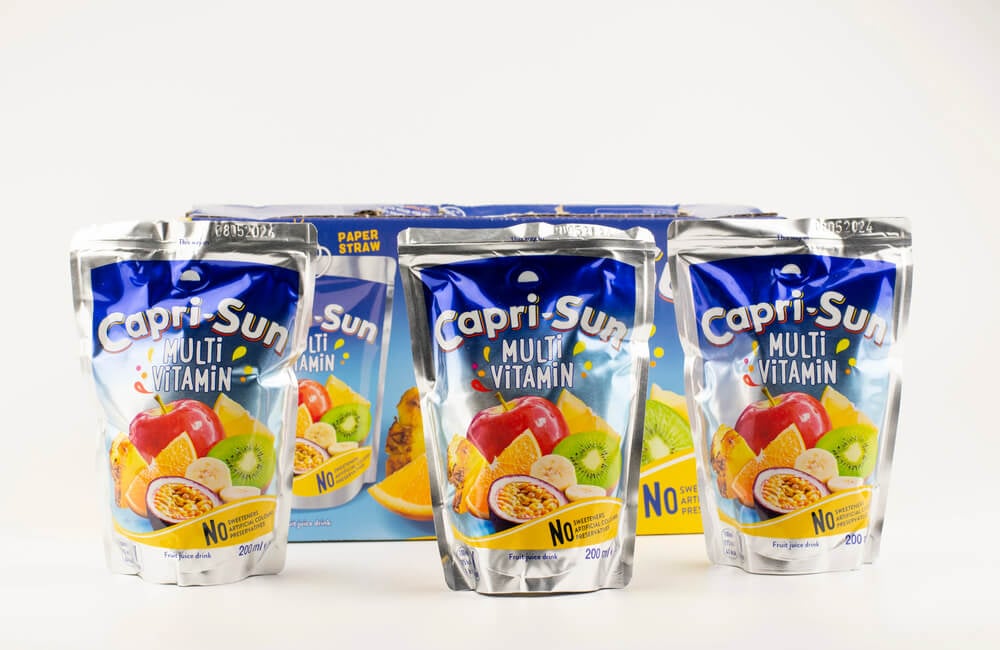
Capri-Sun was developed in Germany in 1969 by Rudolf Wild, and its foil pouch reached American shelves in the early 1980s. The included straw had a sharp tip meant to pierce a small silver target, a task that went wrong often enough to teach a generation about juice fountains.
Squeezing the pouch mid-sip remained the classic error, and the sticky evidence usually ended up on a lunchroom table.
Kool-Aid and the Powder That Replaced the Bottle
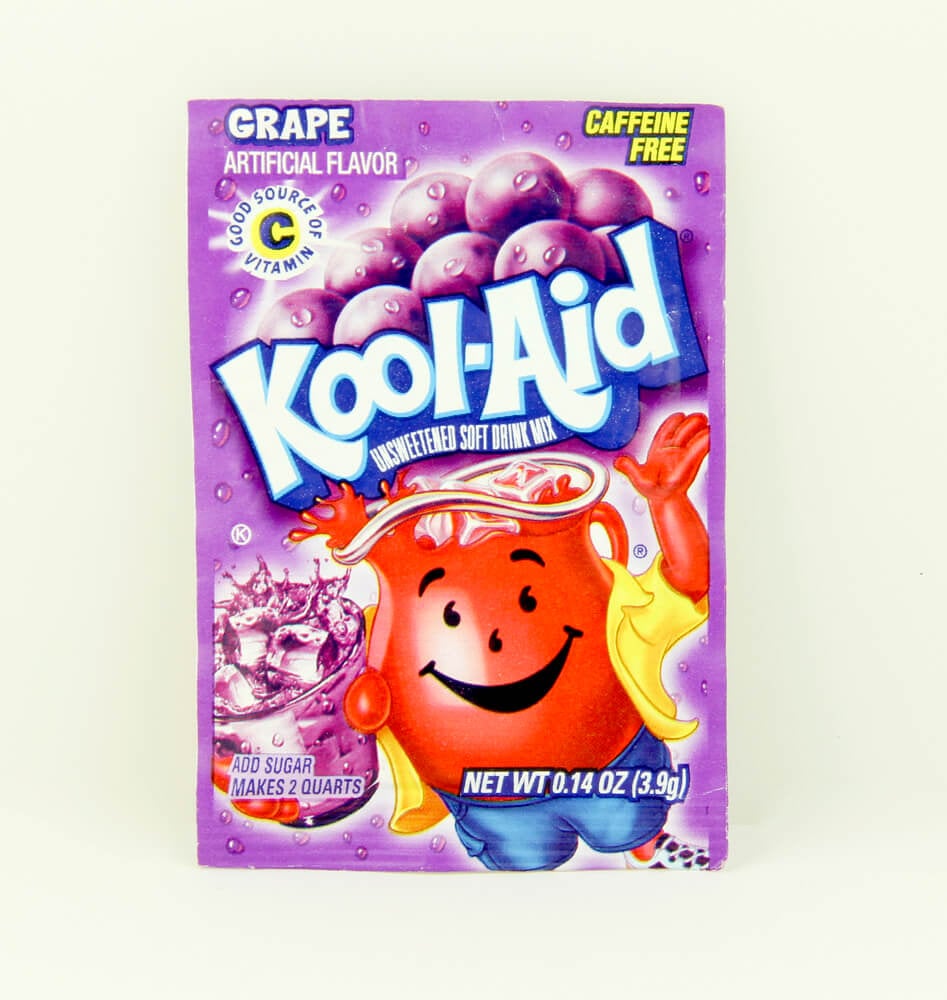
Edwin Perkins invented Kool-Aid in Hastings, Nebraska, in 1927, first selling it as a liquid concentrate before switching to a powder because packets cost far less to ship. Nebraska named it the official state soft drink in 1998.
The Kool-Aid Man, the giant pitcher who bursts through walls with a shout of “Oh yeah!”, arrived in 1975 and has been demolishing drywall in commercials ever since.
Hawaiian Punch and Its Garage Origins
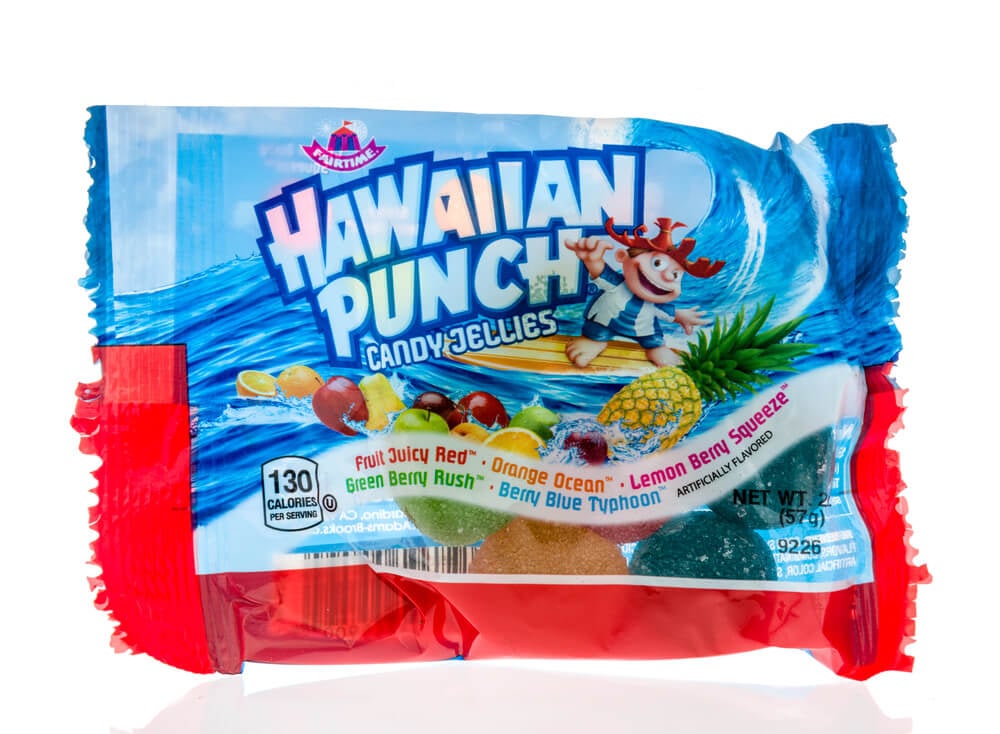
Hawaiian Punch began in 1934 as an ice cream topping syrup, cooked up by A.W. Leo, Tom Yates, and Ralph Harrison in a converted garage in Fullerton, California. The original formula combined seven fruits: apple, apricot, guava, orange, papaya, passion fruit, and pineapple.
Its cartoon mascot, Punchy, famously asked whether anyone wanted a nice Hawaiian Punch, and his sidekick Oaf always answered “Sure” just before getting punched.
Hi-C Ecto Cooler and the Slime-Green Citrus Drink
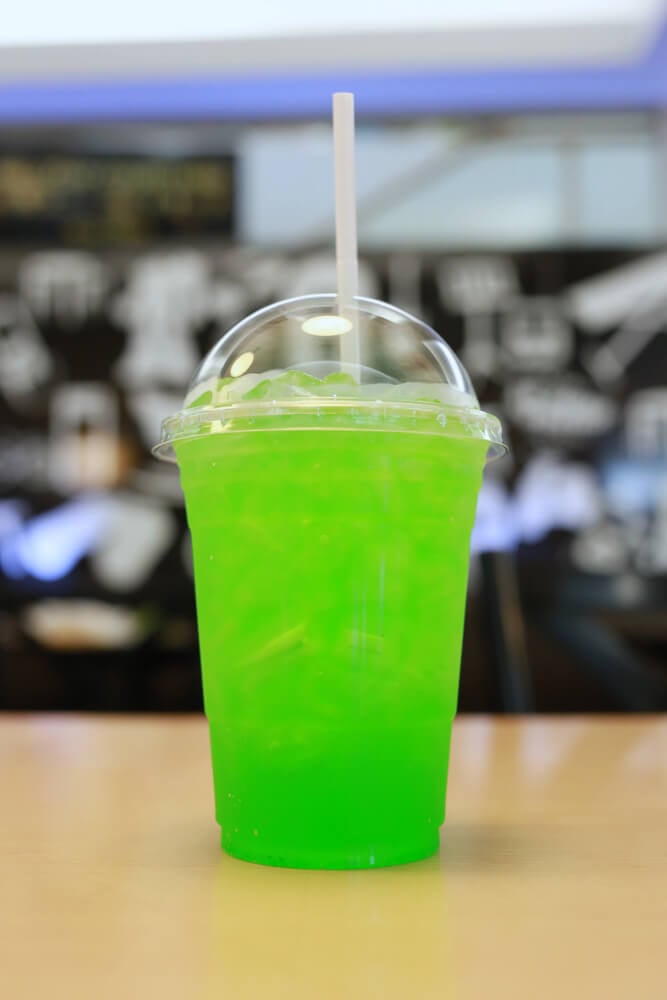
Hi-C rebranded its Citrus Cooler as Ecto Cooler in 1987 as a tie-in with the cartoon The Real Ghostbusters. The drink was expected to last only as long as the show, but it outlived the cartoon’s 1991 cancellation by a full decade, with Slimer quietly removed from the packaging in 1997 and the product discontinued in 2001.
It returned briefly in 2016 and again in 2021 to promote new Ghostbusters movies.
SunnyD and the Orange Drink That Was Not Orange Juice
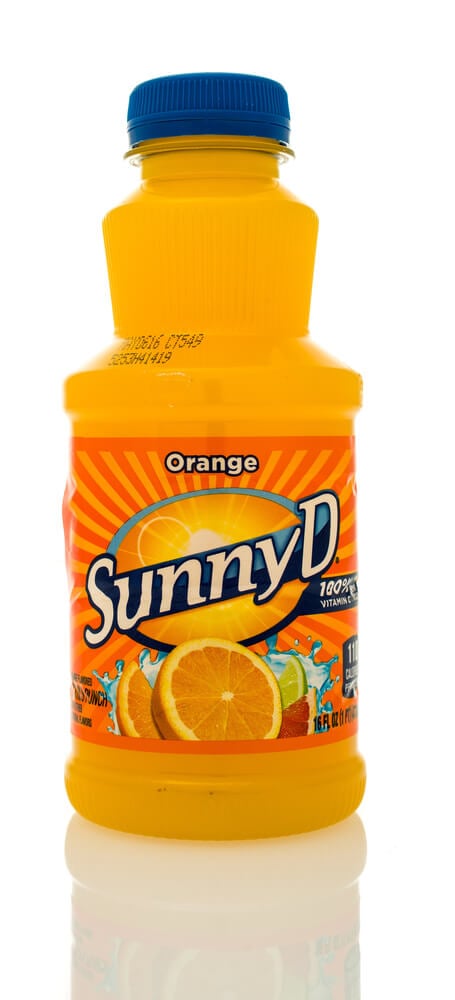
Sunny Delight was developed in 1963 by Doric Foods of Mount Dora, Florida, and its Florida origins and bright orange color made it feel like a cousin of orange juice. The ingredient list told a different story, since the drink contains two percent or less concentrated juice, with water and sweetener making up most of each bottle.
Procter & Gamble bought the brand in 1989, and the shortened name SunnyD took over around the turn of the century.
Juicy Juice and the Promise on the Box
Libby’s introduced Juicy Juice in 1977 under the Nestlé umbrella, built around the promise printed on every package: 100 percent juice. After a 2002 agreement between Nestlé and Ocean Spray, the drink was produced in Ocean Spray facilities until Nestlé sold the brand.
Harvest Hill Beverage Company bought it in 2014 and still sells it.
Squeezit and the Bottles With Faces
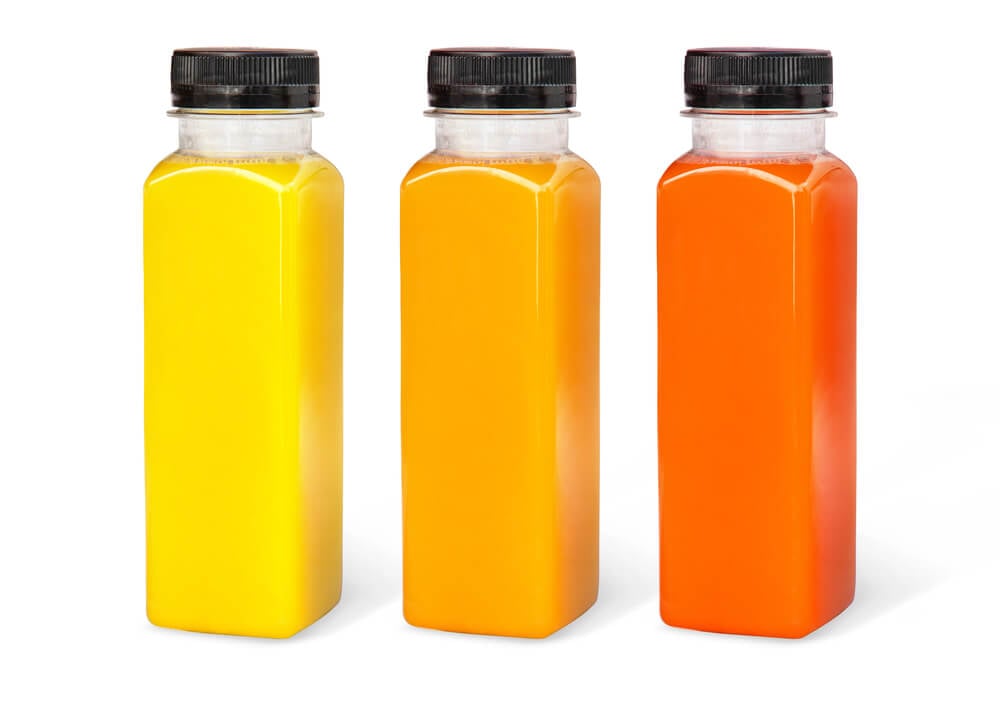
General Mills introduced Squeezit in 1985 as a fruit drink in a squeezable plastic bottle, launching with four flavors: red punch, orange, grape, and cherry. In 1992 the bottles gained faces and names, including Chucklin’ Cherry, Smarty Arty Orange, and Grumpy Grape.
Kids quickly discovered the bottles also worked as squirt guns, a use General Mills later acknowledged with some amusement, and the line was discontinued in 2001.
Tang and Its Orbital Résumé
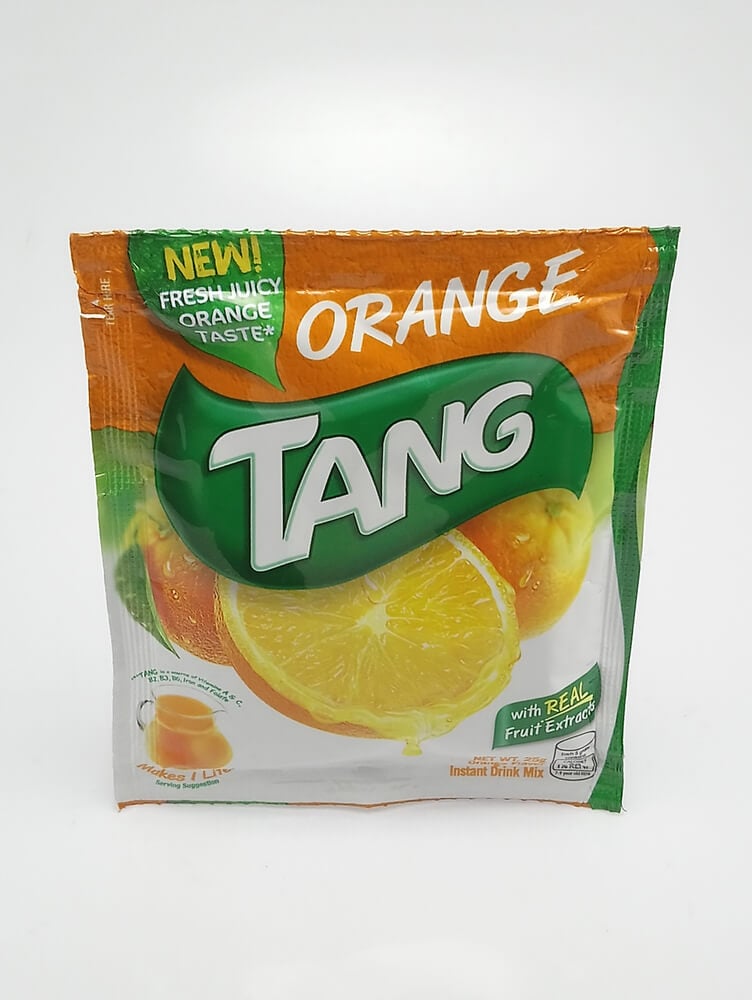
General Foods introduced Tang in 1957, a powdered orange drink developed by food scientist William A. Mitchell. NASA’s use of the powder on spaceflights, beginning with John Glenn’s orbital mission in 1962 and continuing through the Gemini program, gave Tang a lasting reputation as the astronauts’ drink.
The connection became its main selling point, which is slightly odd for a product that mostly had to dissolve in lukewarm water.
Welch’s Grape Juice and the Dentist Who Made It
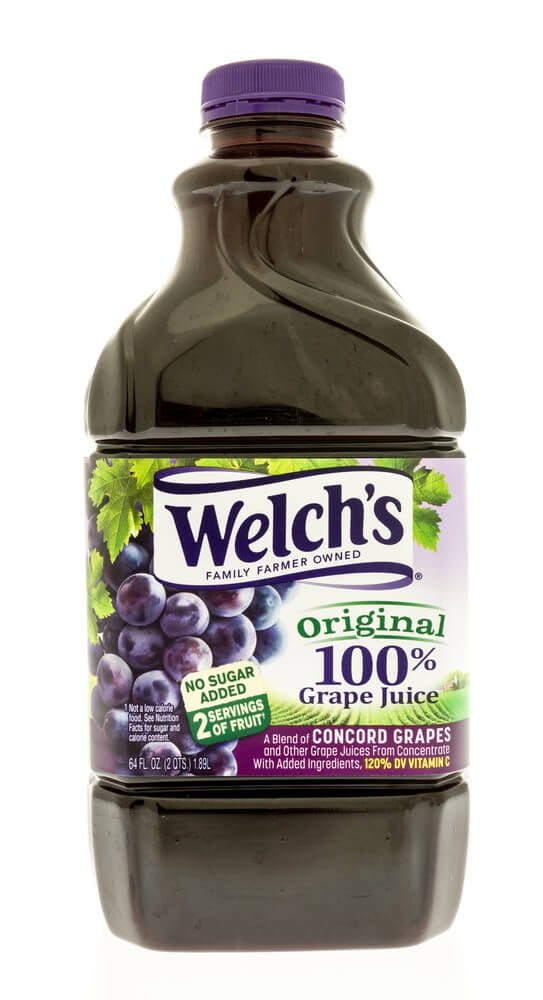
Thomas Bramwell Welch, a dentist in Vineland, New Jersey, pasteurized Concord grape juice in 1869 to create an unfermented drink for church communion. The product eventually became Welch’s Grape Juice and moved from church tables to family breakfast tables.
The deep purple stain it left on shirts, carpets, and couch cushions became part of its legacy.
Ocean Spray Cranberry Juice Cocktail
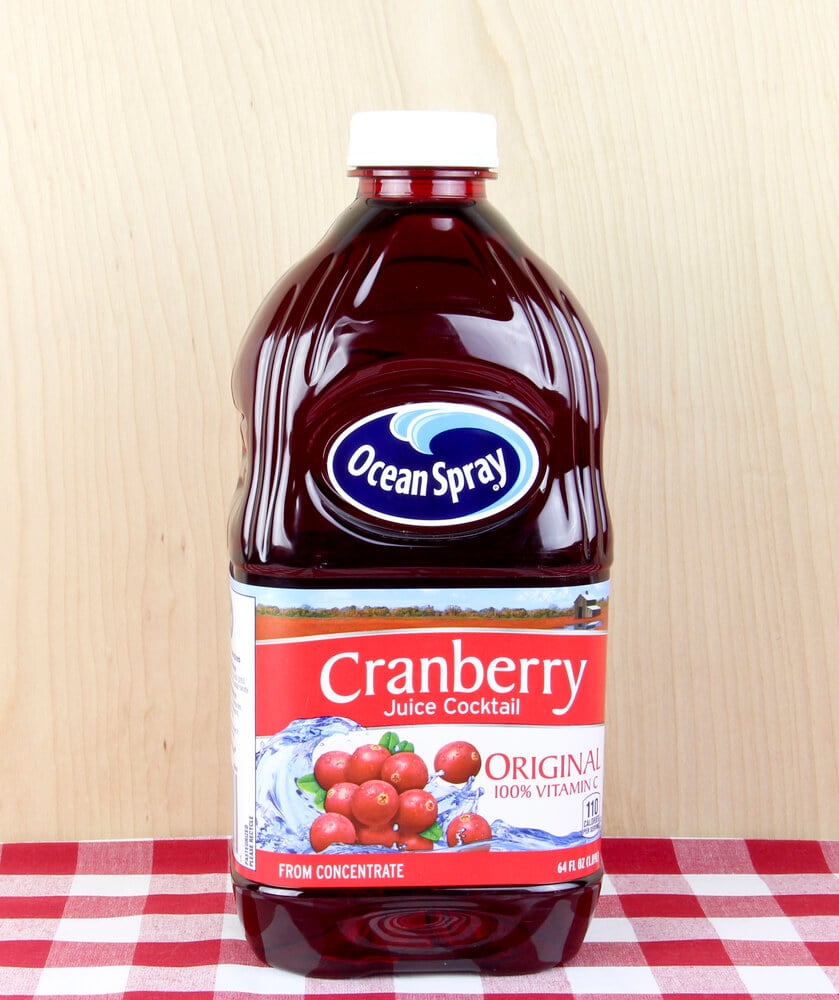
Ocean Spray began as a cooperative of cranberry growers in 1930, and in 1963 it introduced Cranberry Juice Cocktail, turning a holiday sauce fruit into a refrigerator staple. The drink balanced the berries’ sharpness with sweetener and water, which made it far easier for children to enjoy than the jellied cylinder at Thanksgiving.
Bottles of it stayed in homes where cranberries would otherwise have appeared only once a year.
Minute Maid and the Frozen Can That Changed Breakfast
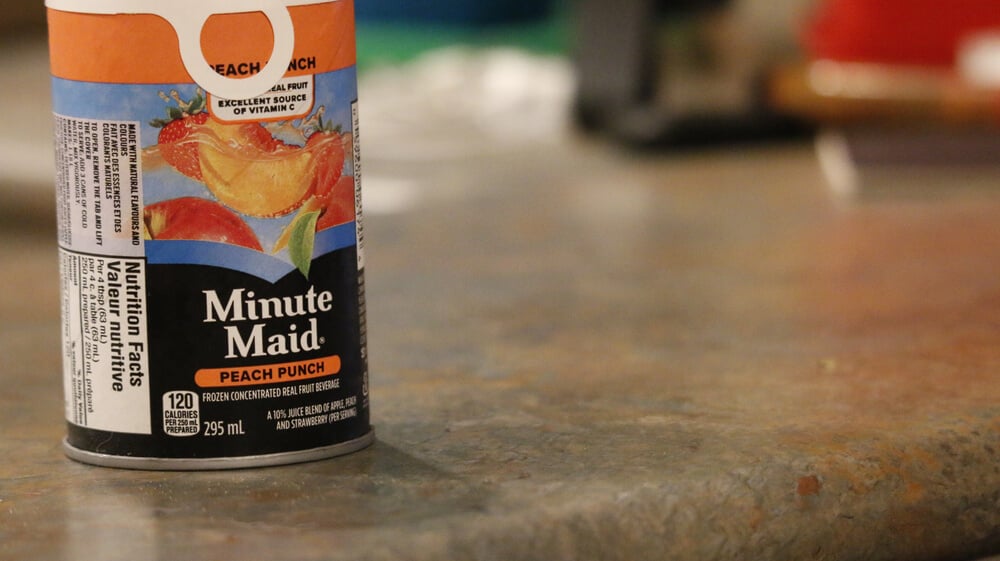
Minute Maid shipped the first frozen orange juice concentrate in the United States in April 1946, when the company was still called Vacuum Foods Corporation. A Boston marketing firm supplied the name, which promised that a can of concentrate could become juice in about a minute.
Bing Crosby promoted it on national radio beginning in the late 1940s, and many people assumed he owned the company, though he was an investor and pitchman, and Coca-Cola bought the business in 1960.
Tropicana and the Orange With a Straw
Anthony Rossi, an Italian immigrant, founded the company that became Tropicana in Bradenton, Florida, in 1947. Its cartons, featuring an orange with a straw stuck in it, became some of the most recognizable images in the dairy case.
PepsiCo bought the brand in 1998, long after the carton had become a fixture of American breakfast tables.
Fruitopia and the Drink Designed for Teenagers
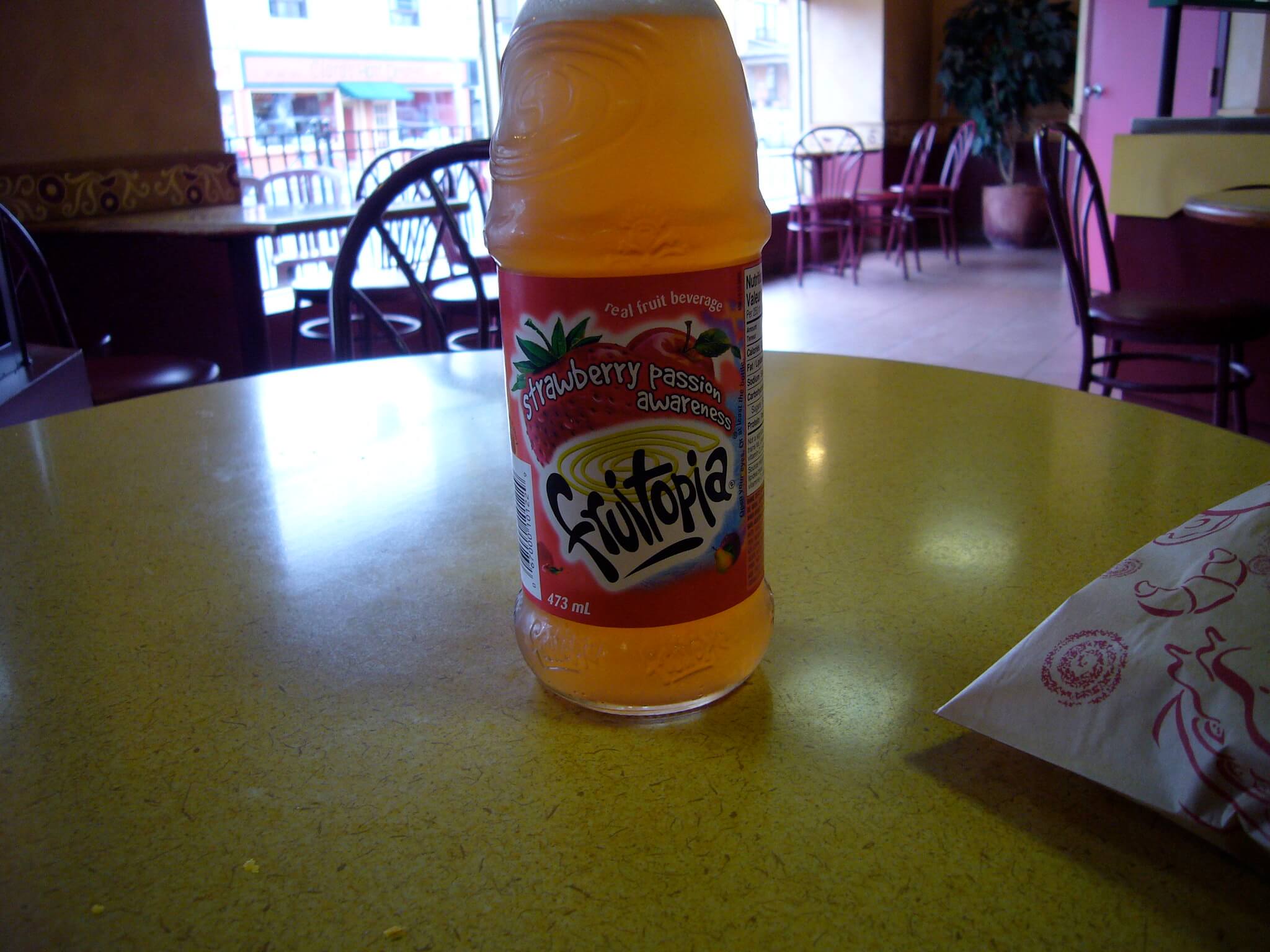
Coca-Cola introduced Fruitopia in 1994 under its Minute Maid brand, aiming at teens and young adults who were drifting toward Snapple. Its swirling, psychedelic labels carried flavor names like Strawberry Passion Awareness.
The line was phased out across the United States by 2003, though it survived in Canada, and a few flavors moved under the Minute Maid name.
Five Alive and the Citrus Blend That Left the States
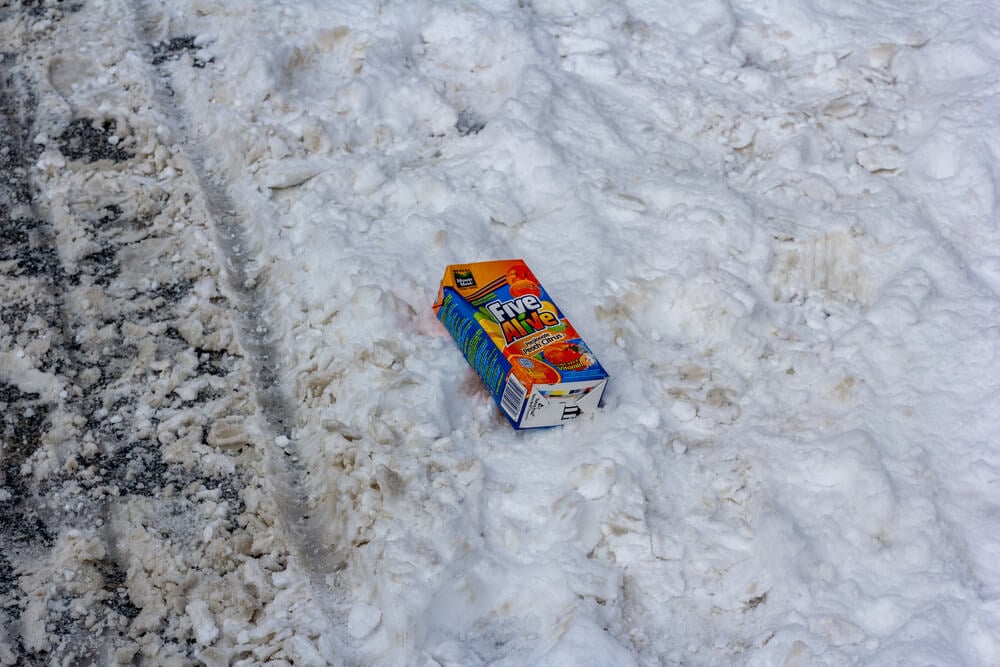
Five Alive debuted under the Minute Maid lineup in 1978, and Coca-Cola patented the drink the following year. The citrus blend stayed on American shelves into the 1990s, then disappeared without a formal explanation, with some fans blaming the arrival of Fruitopia.
It remains available in Canada, where it still comes in several flavors.
Snapple and the Facts Under the Cap
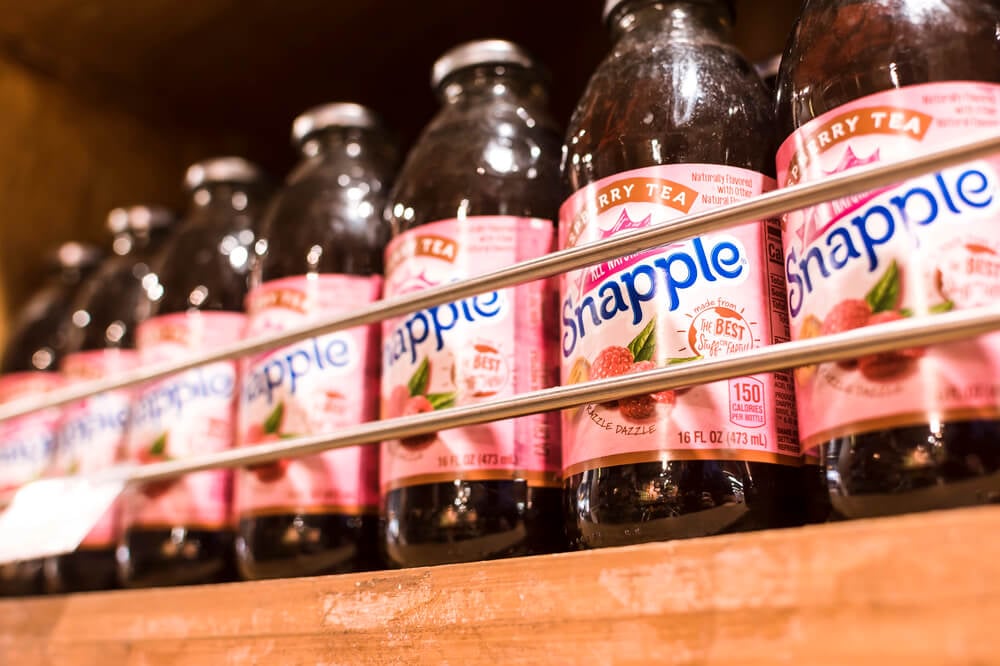
Snapple’s slogan promised a drink made from the best stuff on Earth, but its most lasting contribution may have been the Real Facts printed under every cap. In the 1990s, Wendy Kaufman, a company employee who had answered fan mail, became the face of its advertising as the Snapple Lady.
Quaker Oats purchased the brand in 1994 for $1.7 billion and sold it just a few years later.
Nantucket Nectars and the Juice Guys
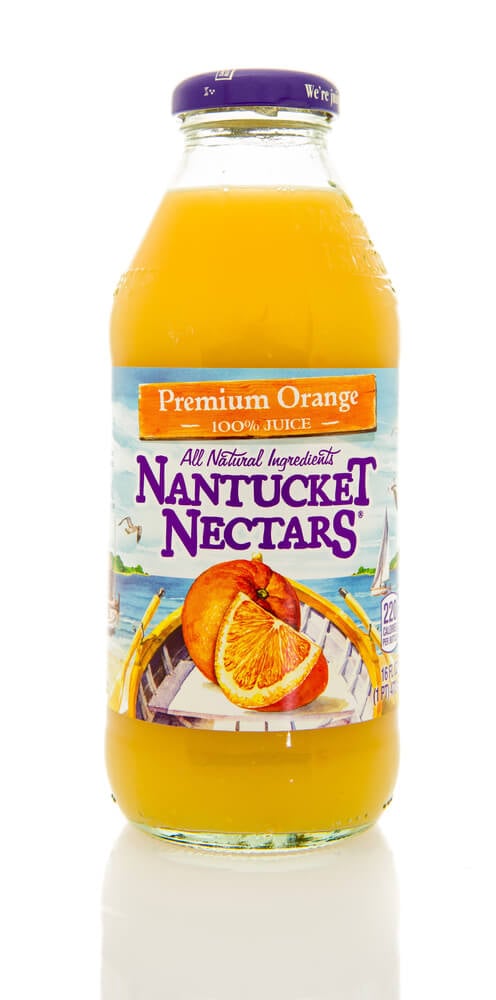
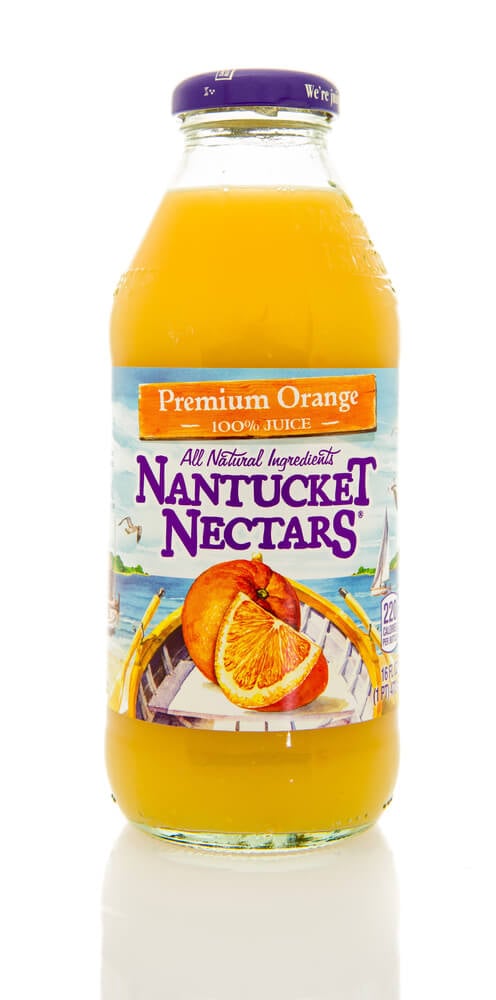
Tom First and Tom Scott, friends from Brown University, ran a floating convenience store called Allserve in Nantucket Harbor before they turned to juice. First tried to recreate a peach drink he had tasted in Spain, and the pair sold it from the deck of their boat.
They took in about $52,000 in their first year of business, and the brand later passed through Ocean Spray and Cadbury Schweppes before landing with Keurig Dr Pepper.
Odwalla and the Backyard Shed
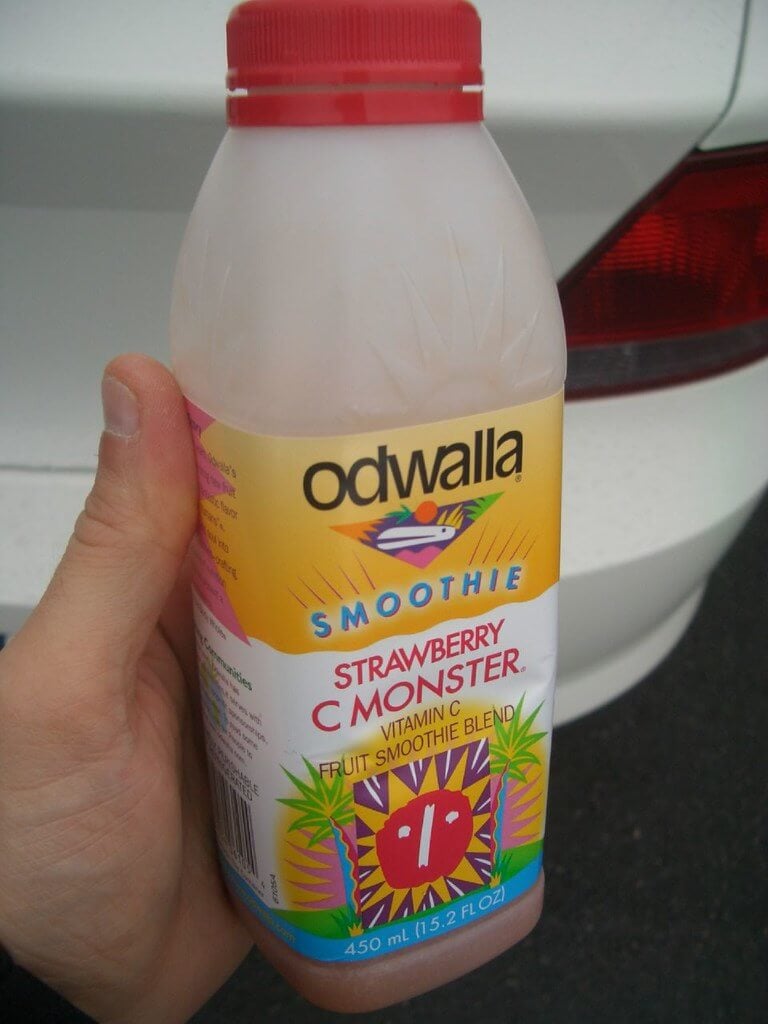
Odwalla began in 1980 in Santa Cruz, California, when Greg Steltenpohl, Gerry Percy, and Bonnie Bassett squeezed oranges with a used hand juicer in a shed behind Steltenpohl’s house. The name came from a character in a song-poem by the Art Ensemble of Chicago who guided the people of the sun out of the gray haze.
Coca-Cola bought the company in 2001 and discontinued the brand in 2020, though it was relaunched in 2025 through a partnership with the Mexican beverage company Grupo Jumex.
Martinelli’s and the Apple-Shaped Bottle
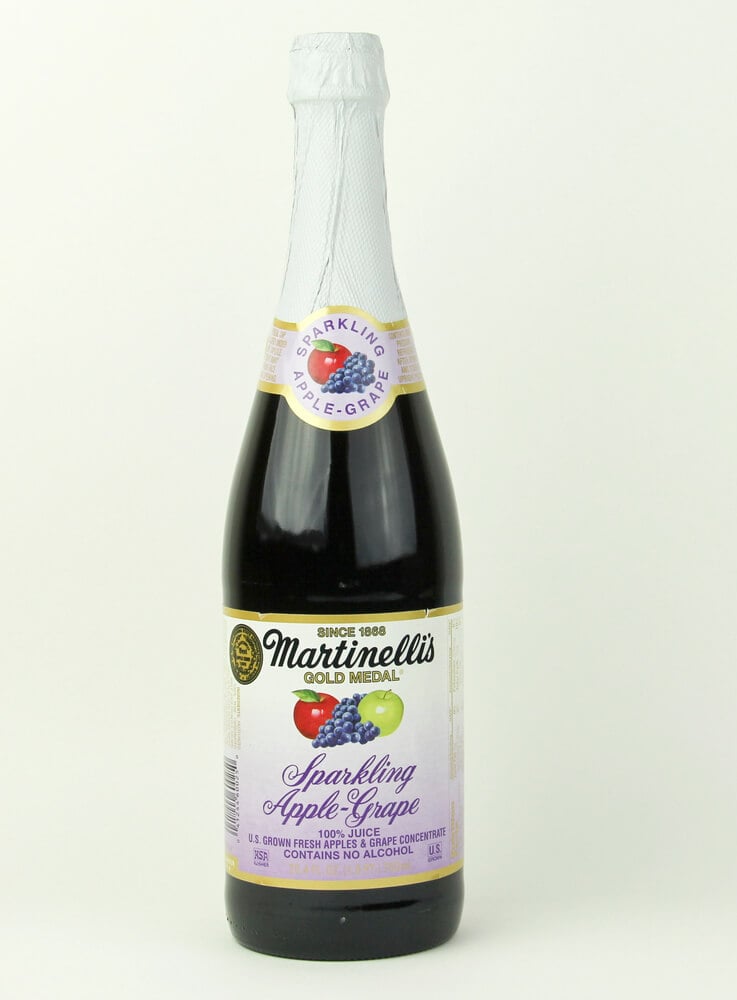
S. Martinelli & Company has operated in Watsonville, California, since 1868, when Stephen Martinelli began producing hard cider from apples grown on his brother’s farm. Prohibition pushed the company toward nonalcoholic apple juice, and in the 1930s it introduced its apple-shaped glass bottle along with the slogan “Drink Your Apple a Day.”
Each 10-ounce bottle takes two apples to fill, and the gold medals on the label trace back to cider awards won at state fairs.
Ribena and the Blackcurrant Cordial
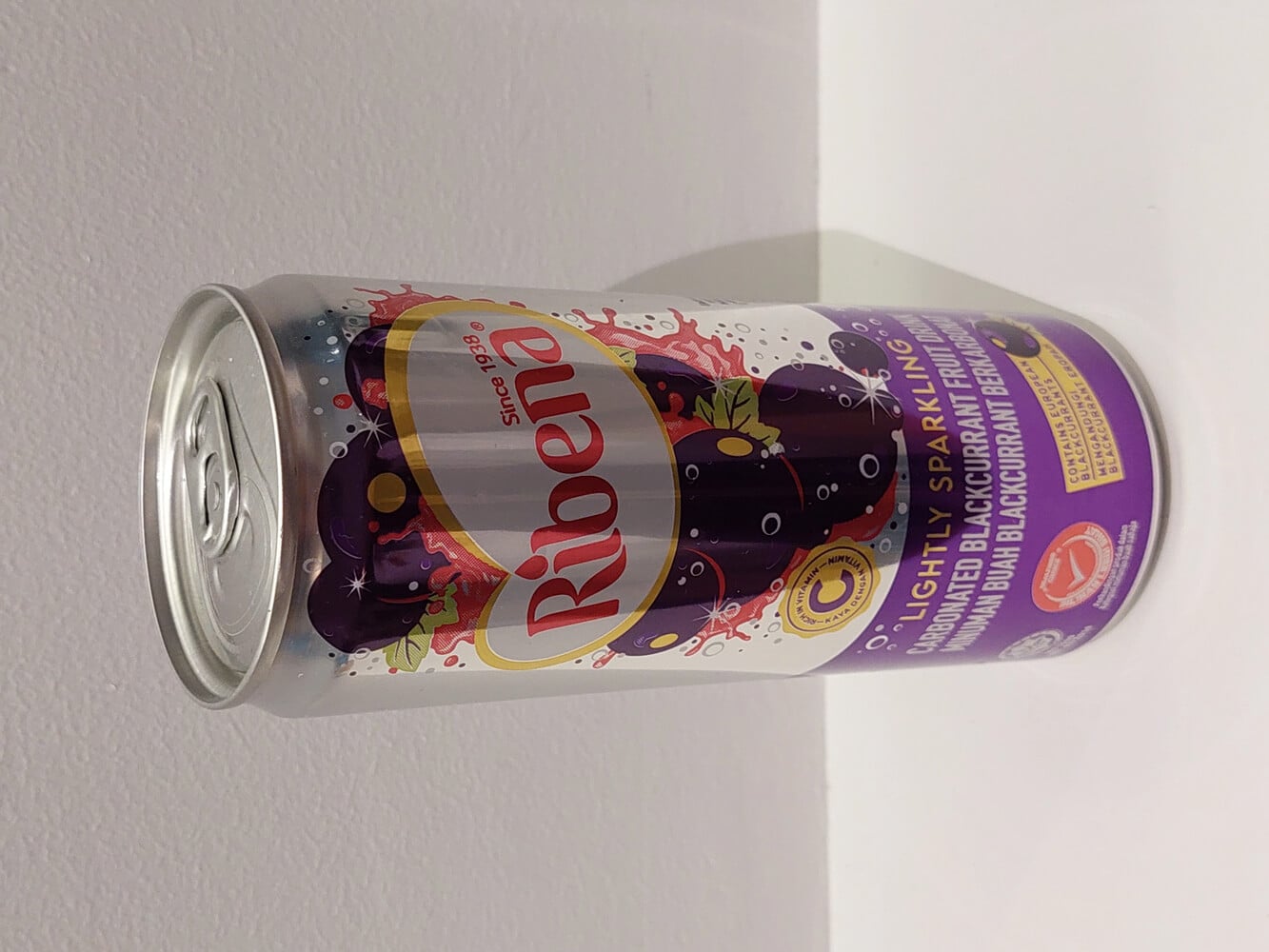
Ribena was developed in Britain in the 1930s from blackcurrant juice, a rich source of vitamin C, and its name comes from the Latin name for blackcurrants, Ribes nigrum. During World War II, when citrus fruit was scarce, the syrup was distributed to children as a vitamin supplement.
The dark purple bottle, with its instructions to dilute the concentrate, became a staple of British childhood.
The Drink as a Time Stamp
Few things pin down a childhood as precisely as the drink in the refrigerator door. A brand discontinued in 2001 or relaunched in 2016 can mark a decade as clearly as a hairstyle.
These drinks also reveal how often a household staple began as an accident, a side project, or a solution to a shipping problem. Several brands on this list have vanished, others have been reformulated, and a few returned only for a movie tie-in.
The nostalgia for them tends to outlast the products themselves. That may be why a foil pouch or a plastic bottle with a cartoon face can still bring back a particular kitchen and a particular afternoon.
More from Go2Tutors!

- 27 Silver Dollars and Half Dollars Worth Keeping
- 28 Restaurant Menu Items Nobody Orders Anymore
- 17 Places Built in Seemingly Impossible Spots
- 27 Vintage Rings Worth More Than They Look
- 25 Restricted Sites Tourists Can’t Enter
Like Go2Tutors’s content? Follow us on MSN.