18 Genius Features Of Japan’s Bullet Trains
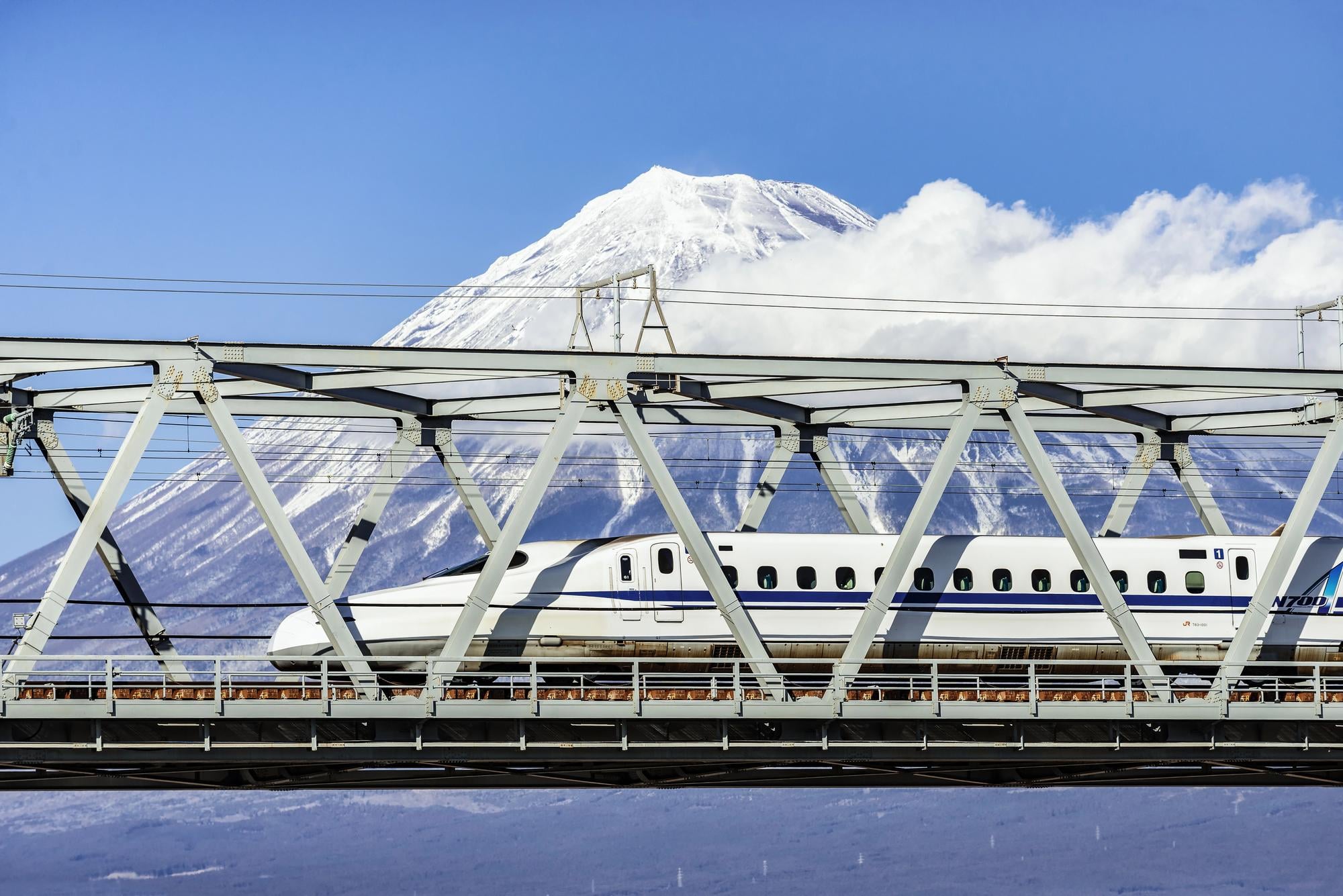
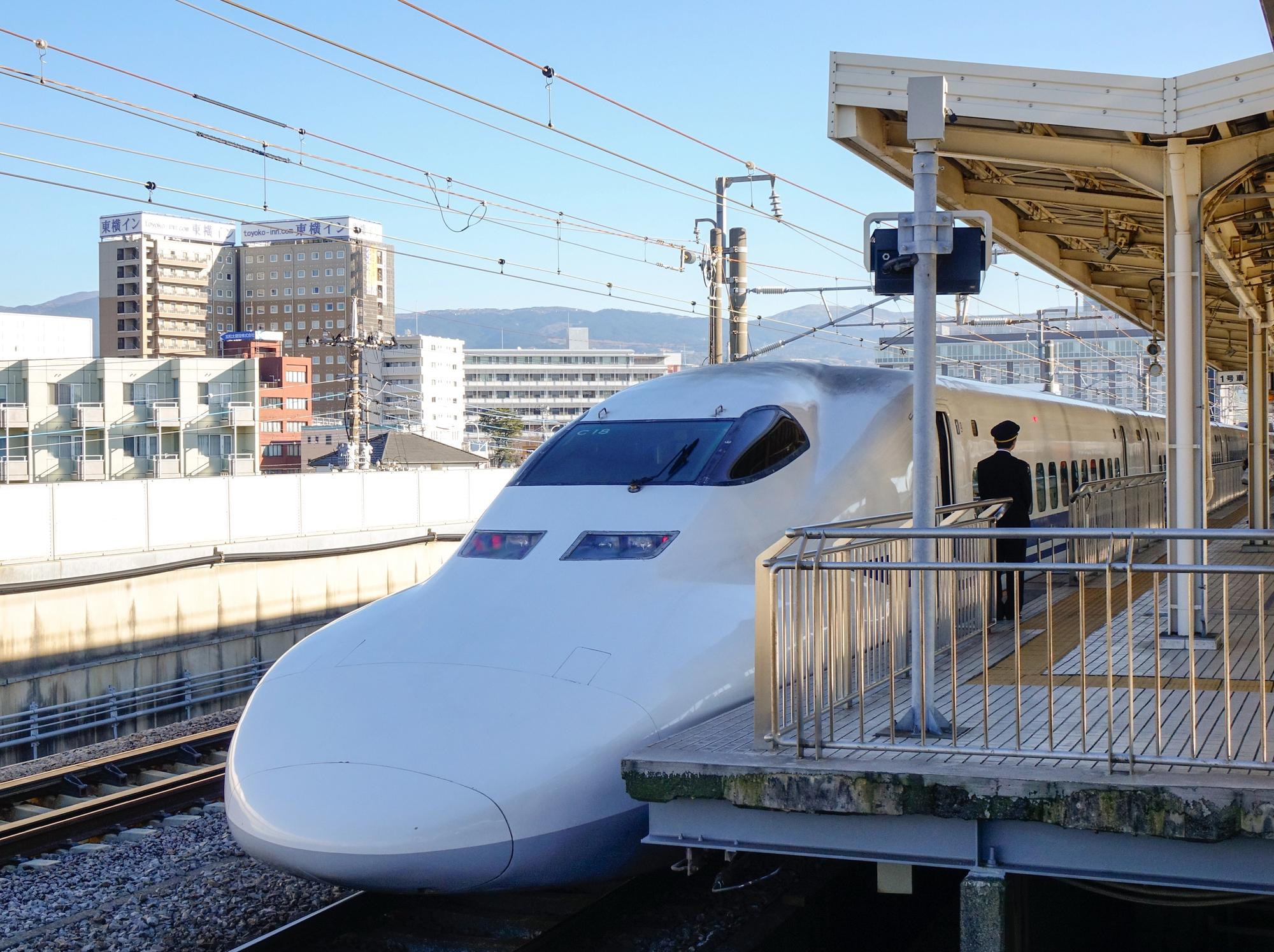
Japan’s bullet trains represent one of humanity’s greatest transportation achievements. Since the first Shinkansen line opened in 1964, these engineering marvels have redefined what rail travel can be. They’re not just fast—they’re a masterclass in precision, comfort, and innovation that other countries still struggle to match.
From their sleek aerodynamic design to their almost supernatural punctuality, every aspect of the Shinkansen system reflects decades of relentless improvement. Here’s a list of 18 genius features that showcase exactly why Japan’s bullet trains remain the gold standard of rail transport worldwide.
Aerodynamic nose design

The bullet train’s distinctive pointed nose isn’t just for looks—it’s a marvel of biomimicry engineering. Japanese engineers studied the kingfisher bird’s beak to create a shape that cuts through air with minimal resistance and reduces the sonic boom effect when trains enter tunnels. This design allows trains to reach speeds over 200 mph while using less energy and creating less noise pollution.
Earthquake detection system
Japan’s bullet trains feature one of the world’s most sophisticated earthquake warning systems, using a network of seismometers throughout the country. When the system detects even minor tremors, it automatically applies emergency brakes to all trains in the affected area within seconds. This technology has prevented countless accidents and saved lives, proving that the trains can stop faster than earthquakes can spread damage.
Precise seven-minute cleaning routine
Between arrivals, cleaning crews perform what can only be described as a choreographed ballet of efficiency. In exactly seven minutes, teams of uniformed staff clean every seat, empty trash, restock amenities, and prepare the train for its next journey. They bow before entering each car and work with such precision that passengers barely notice the changeover happening. Pure choreography in motion.
Platform alignment technology
Bullet trains stop with such accuracy that the doors align perfectly with platform markings every single time. This feat requires incredibly precise speed control and distance calculation, allowing passengers to queue in exactly the right spots. The system is so reliable that painted foot markers on platforms show exactly where each car door will open—and they’re never wrong.
Tilting mechanism for curves
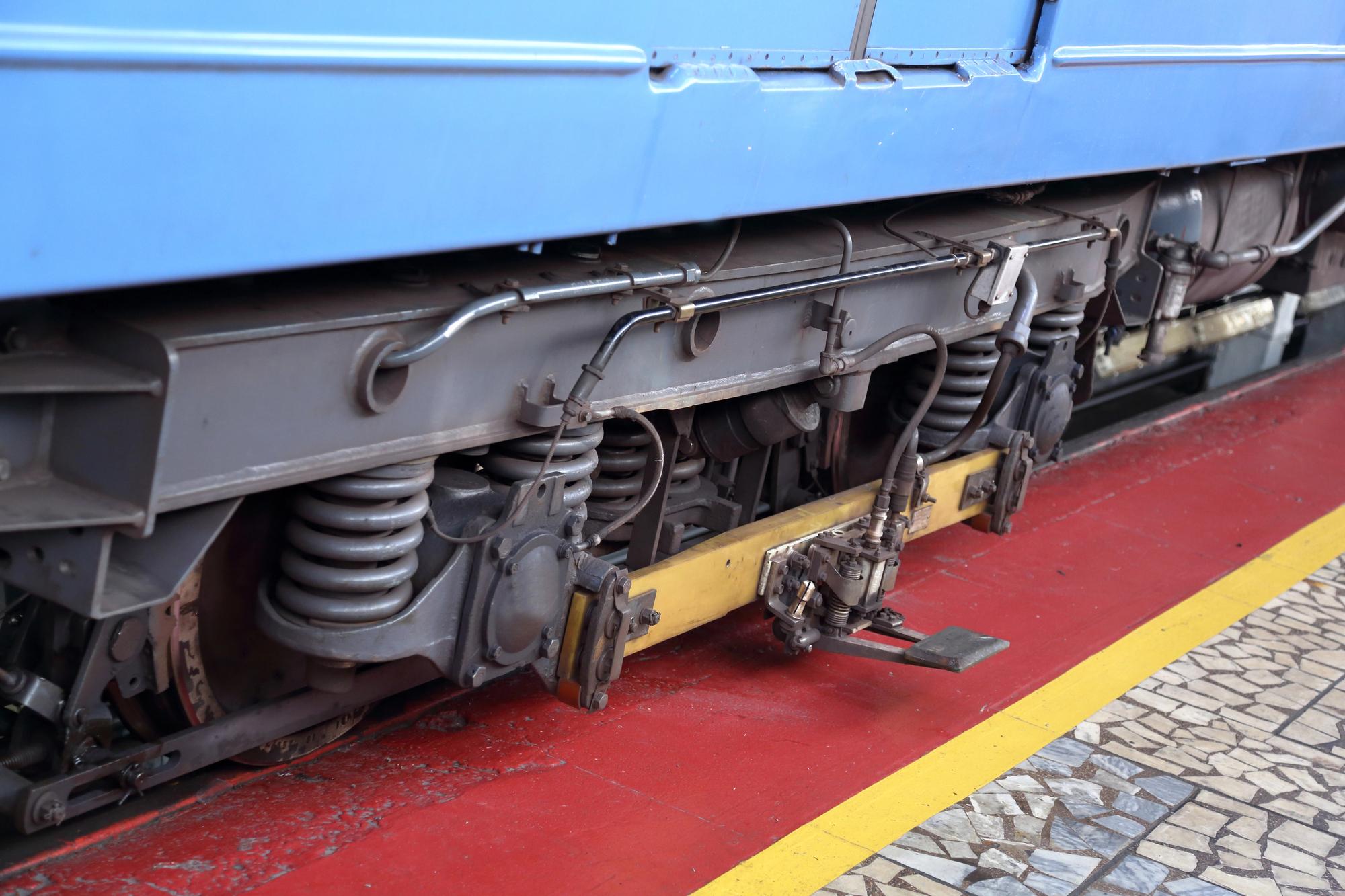
Advanced tilting technology allows bullet trains to maintain high speeds even through curves that would force other trains to crawl. The cars automatically lean into turns, reducing lateral forces on passengers and preventing the uncomfortable swaying typical of conventional rail travel.
This system lets trains zip through mountainous terrain without sacrificing comfort or speed. Think of it as banking into a turn, just like motorcycles do on racetracks.
Regenerative braking system
When bullet trains slow down, they don’t just waste that kinetic energy—they convert it back into electricity. The regenerative braking system captures energy during deceleration and feeds it back into the power grid, making the entire network more efficient. This technology was revolutionary when introduced and has since been adopted by electric vehicles worldwide.
Advanced weather monitoring
Sophisticated weather stations along bullet train routes monitor everything from wind speeds to snow accumulation in real-time. The system automatically adjusts train speeds or suspends service when conditions become unsafe, prioritizing passenger safety over schedule adherence. Rain sensors even detect when precipitation might affect braking distance and adjust operations accordingly. Safety first, schedules second.
Noise reduction technology
Despite traveling at highway speeds, bullet trains are remarkably quiet thanks to innovative sound-dampening features. Special pantographs (the equipment that connects to overhead wires) reduce electrical noise, while aerodynamic improvements minimize wind resistance sounds. The result is a surprisingly peaceful journey where passengers can easily hold conversations without raising their voices.
Magnetic levitation testing

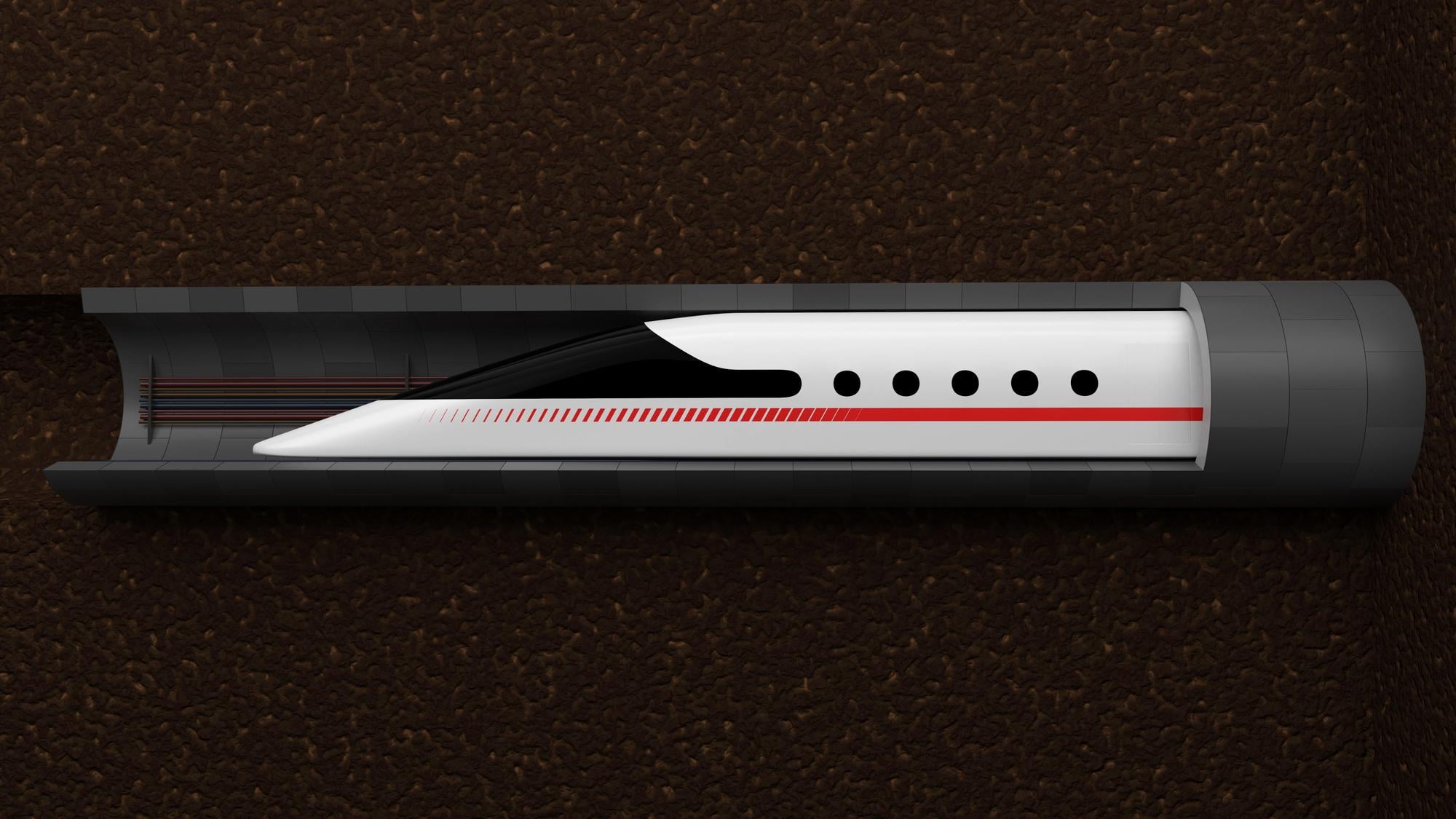
Japan continues pushing boundaries with experimental magnetic levitation technology that eliminates wheel-on-rail contact entirely. These maglev test trains have reached speeds over 370 mph, floating on magnetic fields instead of rolling on tracks.
While still in development, this technology represents the future of ultra-high-speed rail transport, and it’s absolutely mind-boggling to experience in person—passengers describe feeling like they’re gliding through the air rather than traveling on solid ground.
Automatic train control system
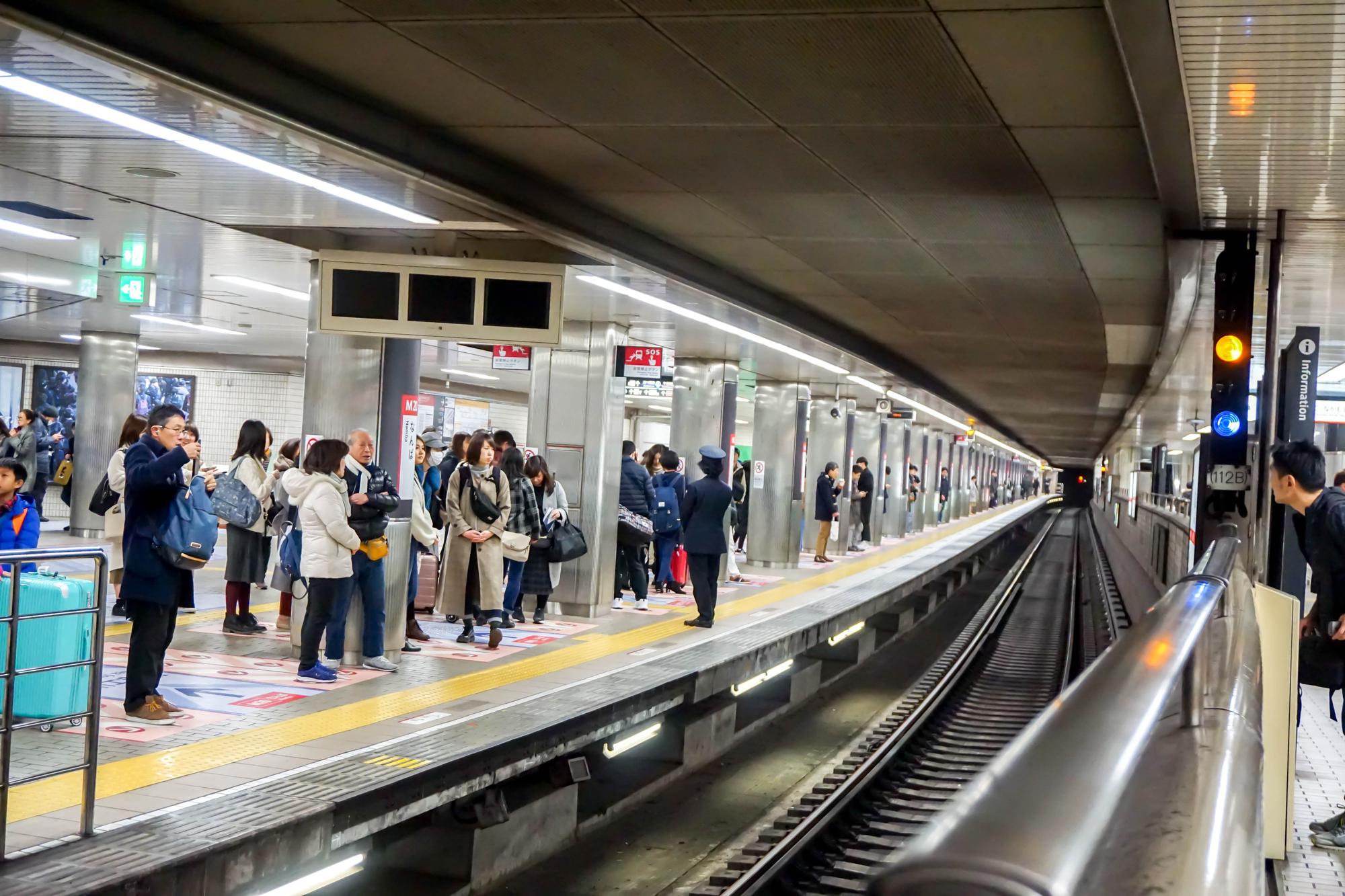
Human error is virtually eliminated through computerized systems that control acceleration, braking, and speed limits automatically. Engineers primarily monitor systems rather than manually operating trains, reducing the possibility of mistakes that could cause accidents. This automation allows for the incredibly tight scheduling that makes the Shinkansen network possible.
Dedicated track infrastructure
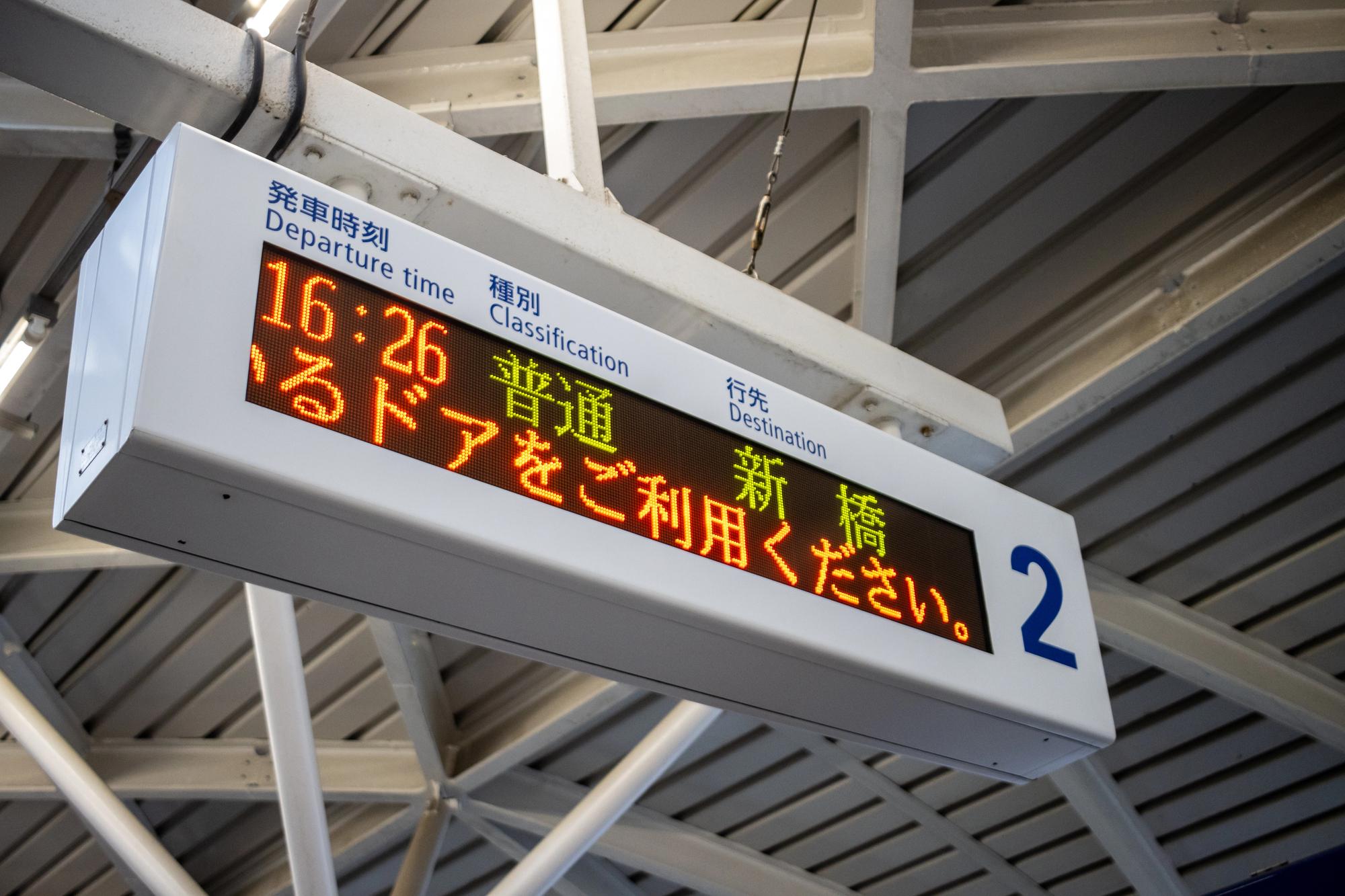
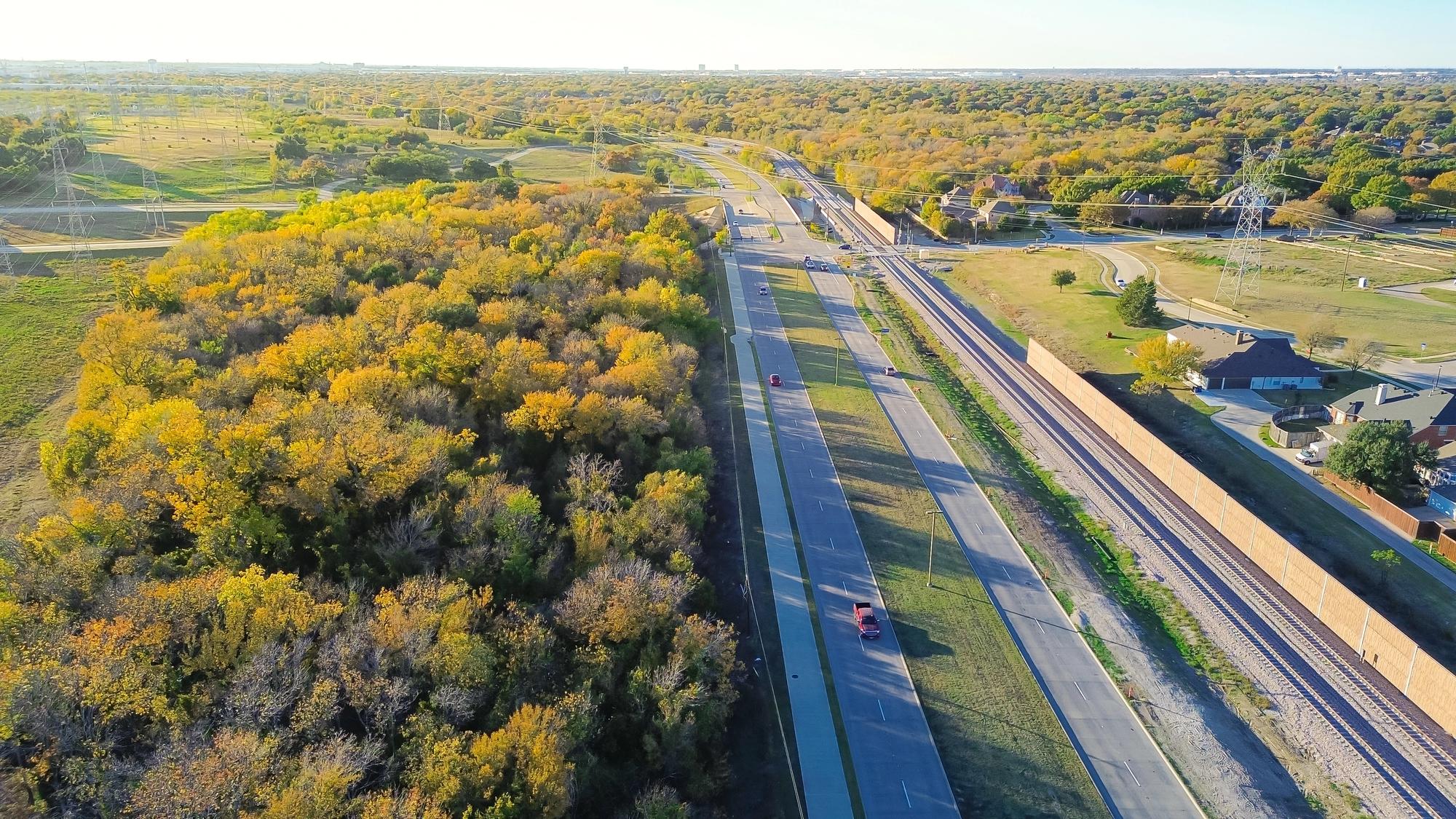
Unlike many rail systems that share tracks with freight or local trains, bullet trains run on completely separate, purpose-built lines. These tracks feature gentler grades, wider curves, and specialized construction that enables sustained high-speed operation. The dedicated infrastructure means bullet trains never get stuck behind slower traffic. No freight delays here.
Real-time passenger information
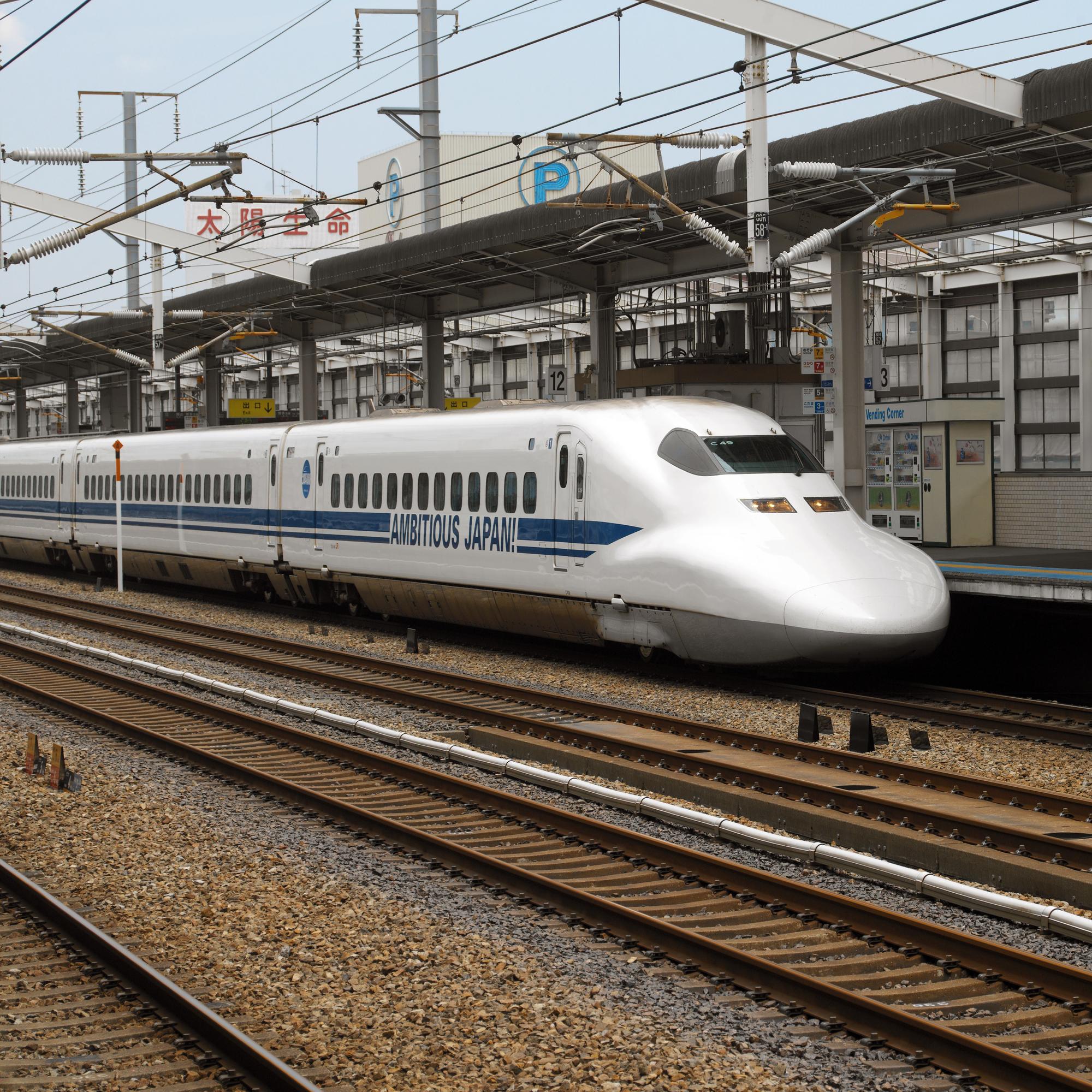
Digital displays throughout stations and trains provide constantly updated information about delays, connections, and platform changes. The system is so comprehensive that passengers know exactly when their train will arrive, which car to board for their destination, and where to transfer for connecting services. This information accuracy reduces stress and improves the overall travel experience.
Energy-efficient operation
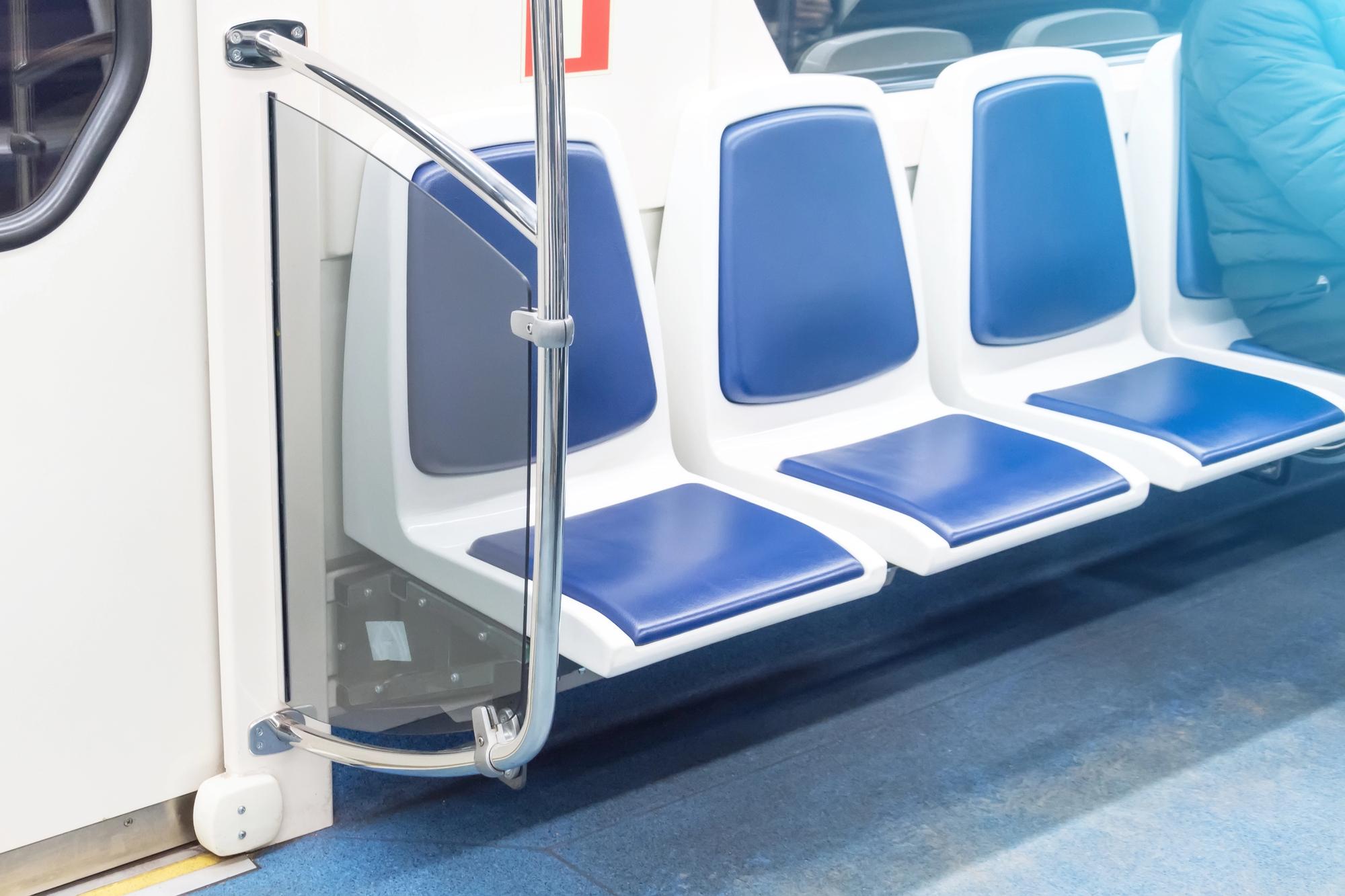
Bullet trains use surprisingly little energy per passenger compared to other forms of transportation. The combination of aerodynamic design, lightweight materials, and regenerative braking creates exceptional efficiency.
When you factor in the high passenger capacity, bullet trains actually use less energy per person than driving the same distance in most cars—which makes you wonder why more countries haven’t invested in similar systems.
Flexible seating configurations
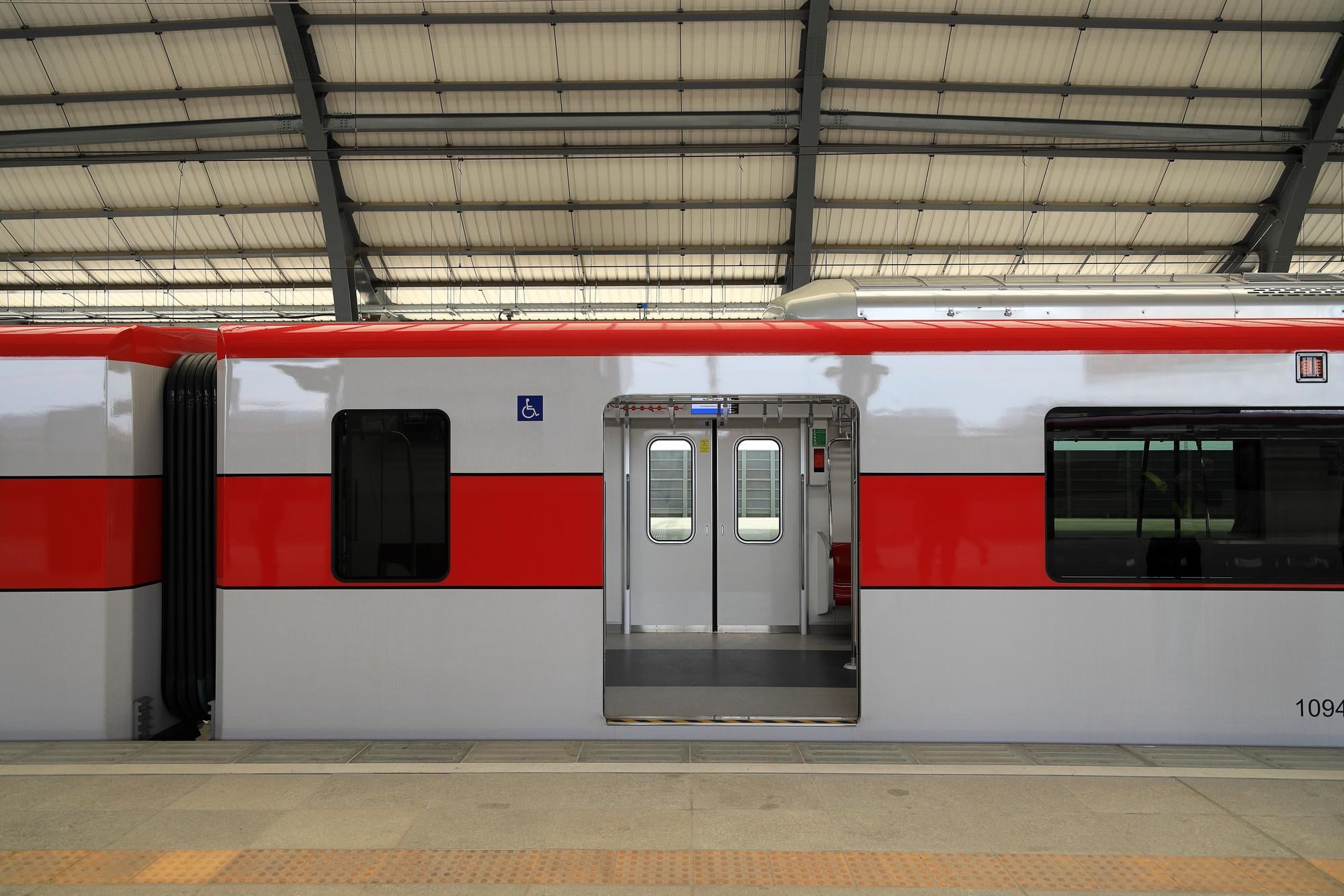
Different bullet train models offer various seating arrangements to match passenger needs and route demands. Some feature spacious business class sections with reclining seats, while others maximize capacity with efficient economy layouts. The modular design allows operators to adjust configurations based on demand patterns and route characteristics.
Advanced bogies and suspension
The wheel assemblies (bogies) underneath bullet trains incorporate sophisticated suspension systems that smooth out track irregularities. These systems use a combination of air springs, shock absorbers, and active damping to create an incredibly smooth ride. Passengers barely feel the transition when trains cross bridges or change elevation. It’s almost eerily smooth.
Integrated food service
Bullet trains feature onboard food service that ranges from bento boxes to full meal service, depending on the route length. Vendors walk through cars selling regional specialties, drinks, and snacks with the same efficiency that characterizes the entire system. The food quality rivals what you’d find in good restaurants, making dining part of the travel experience.
Punctuality algorithms
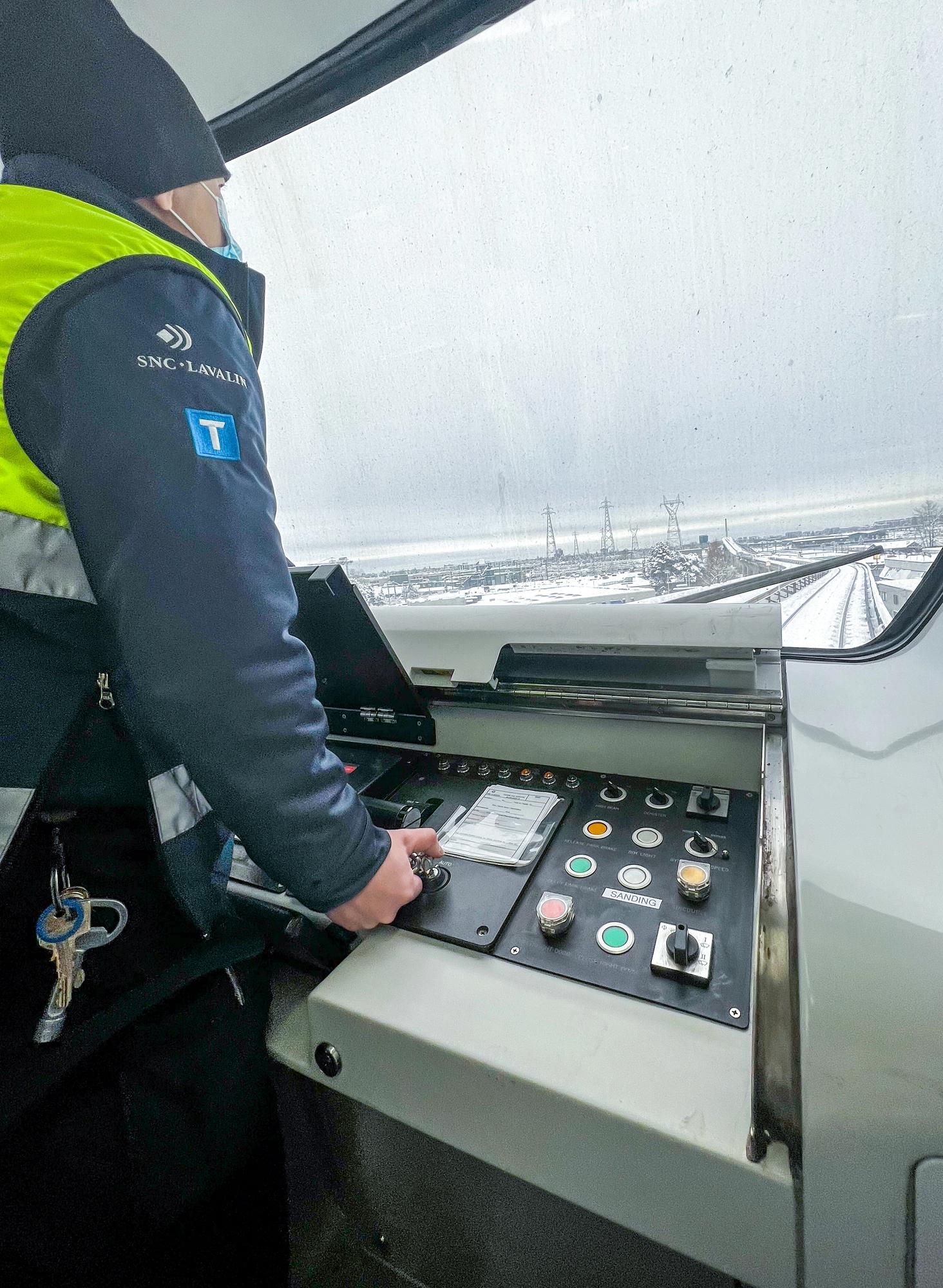
The famous punctuality of bullet trains isn’t just cultural—it’s backed by sophisticated scheduling algorithms that account for passenger loading times, weather conditions, and track sharing. The system builds in buffer time and makes real-time adjustments to maintain schedules.
Average delays are measured in seconds rather than minutes, setting a global standard for reliability that other transportation systems can only dream of achieving.
Continuous infrastructure monitoring
Sensors throughout the bullet train network constantly monitor track conditions, overhead wire tension, and structural integrity. This continuous monitoring allows maintenance crews to address potential issues before they cause service disruptions. The predictive maintenance approach keeps the entire system running smoothly while extending infrastructure lifespan.
A transportation revolution that never stops evolving
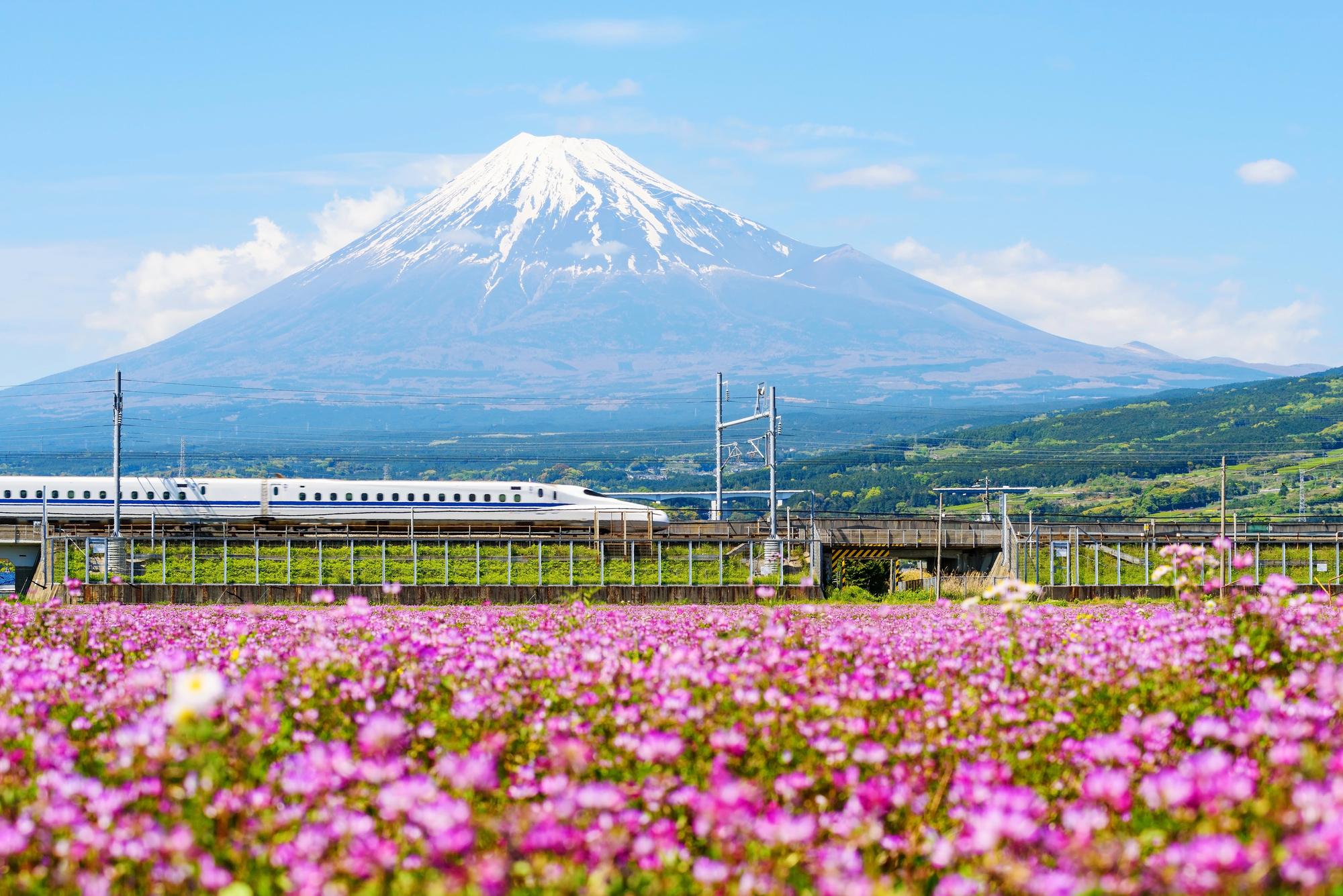
What makes Japan’s bullet trains truly genius isn’t any single feature—it’s how all these innovations work together as a complete system. Each element, from the aerodynamic nose to the seven-minute cleaning routine, reflects a culture of continuous improvement that refuses to accept ‘good enough.’ While other countries build high-speed rail networks, they’re essentially copying homework that Japan has been perfecting for over half a century.
The real genius lies in understanding that great transportation isn’t just about speed—it’s about creating an experience so reliable and refined that it changes how people think about travel itself. Even so, Japan keeps innovating, proving that the best is always yet to come.
More from Go2Tutors!

- 16 Historical Figures Who Were Nothing Like You Think
- 12 Things Sold in the 80s That Are Now Illegal
- 15 VHS Tapes That Could Be Worth Thousands
Like Go2Tutors’ content? Follow us on MSN.



