14 Lesser-Known Moments That Defined Soviet History
Most people can rattle off the big events in Soviet history – the October Revolution, Stalin’s purges, the fall of the Berlin Wall. Yet between these headline moments lie countless smaller incidents that proved just as crucial in shaping the USSR’s destiny. These overlooked events reveal how history often turns on seemingly insignificant moments that ripple outward to transform entire nations.
Here’s a list of 14 lesser-known moments that fundamentally altered Soviet history.
The Kronstadt Rebellion of 1921
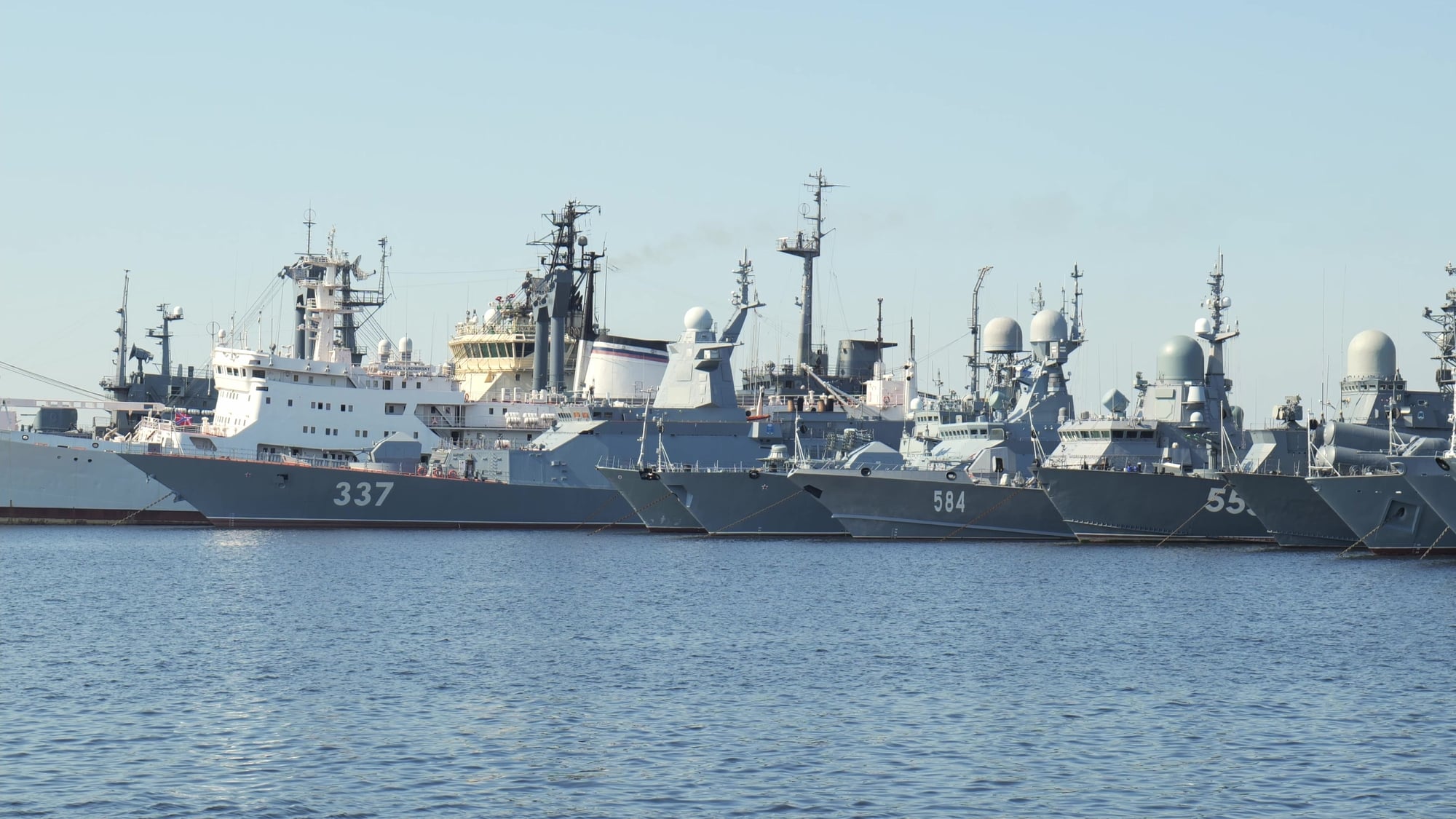
Kronstadt’s naval base had been a Bolshevik stronghold, so when its sailors rose up in March, the revolt sent shockwaves through Lenin’s government. These weren’t White Army sympathizers – they were genuine communists who’d grown tired of broken promises and harsh policies.
Their rebellion forced Lenin to abandon War Communism and introduce the New Economic Policy instead. Though Trotsky crushed the uprising, it marked the first crack in pure communist ideology.
Sergei Kirov’s Assassination in 1934
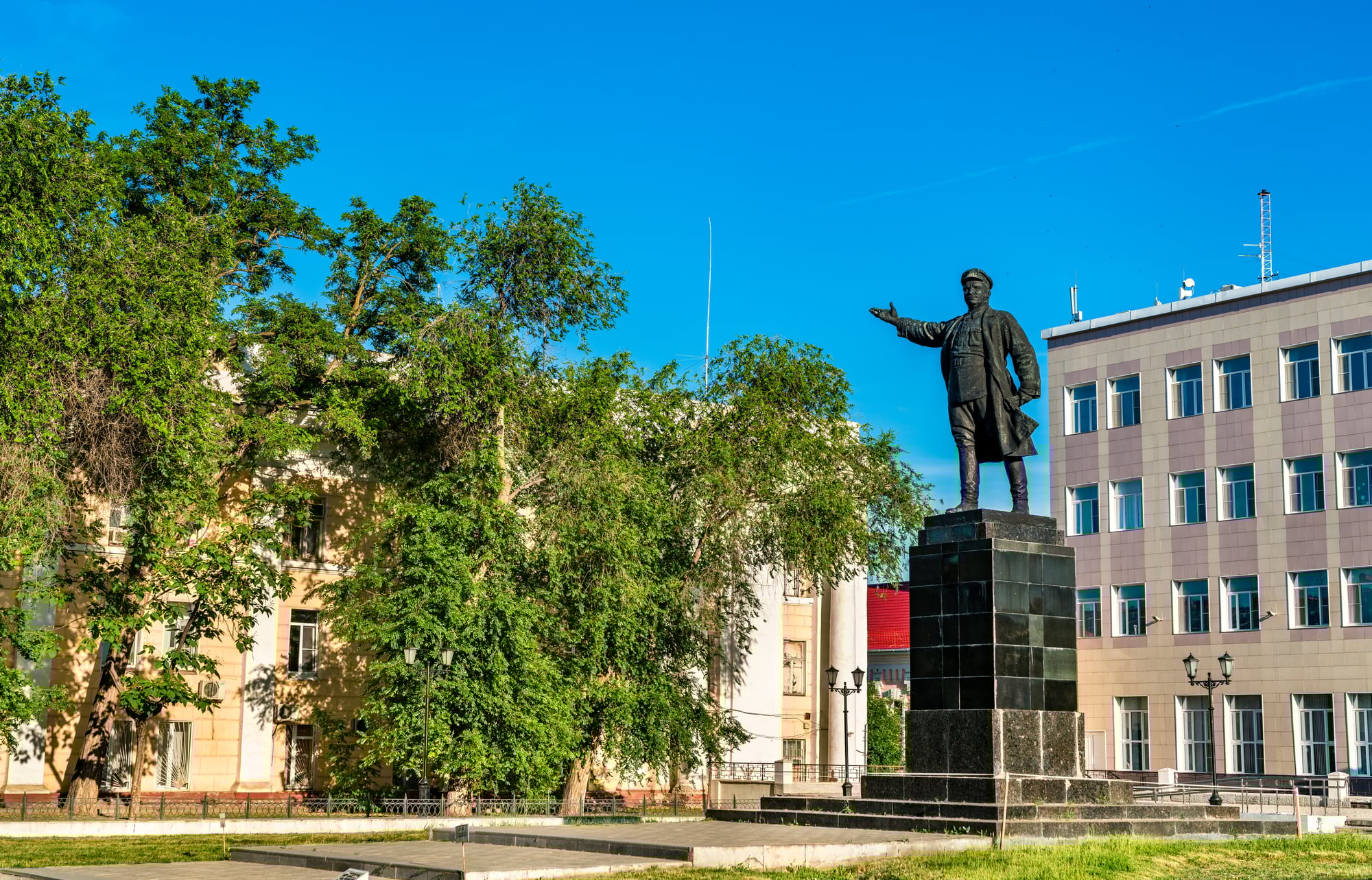
A single gunshot in a Leningrad hallway changed Soviet history when Leonid Nikolaev killed Communist Party leader Sergei Kirov. Stalin immediately seized on the murder as justification for launching the Great Purge – though many historians suspect he orchestrated the assassination himself.
Kirov had been gaining popularity and posed a genuine threat to Stalin’s authority. Whether Nikolaev acted alone or followed orders, his bullet triggered years of terror that reshaped the Soviet political landscape.
The Doctors’ Plot of 1953
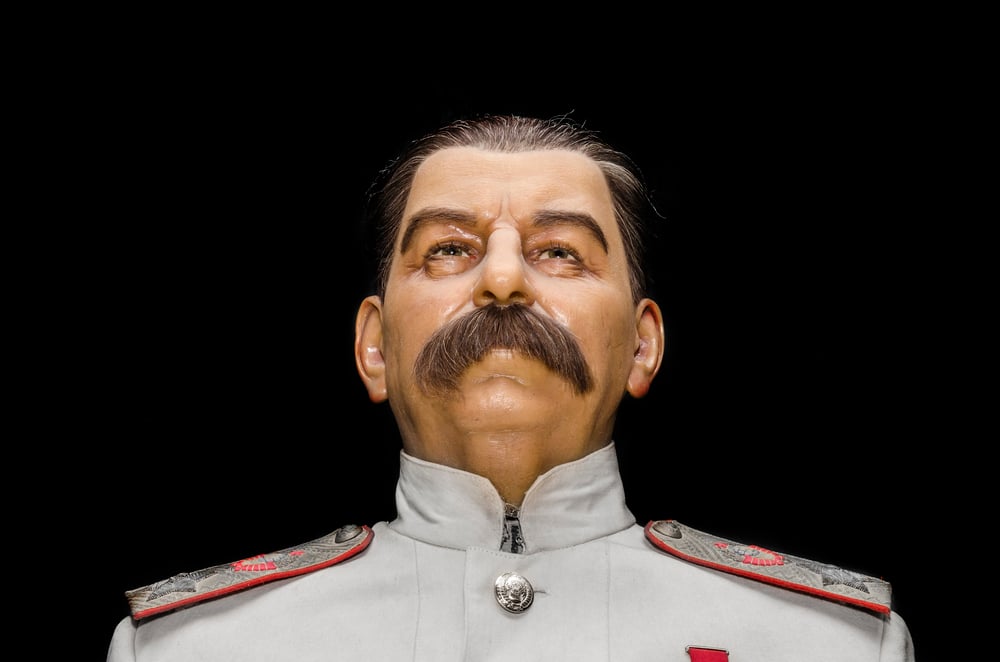
Stalin’s final paranoid fantasy involved a supposed conspiracy of Jewish doctors plotting to poison the Soviet leadership. The fabricated plot was gaining momentum and appeared ready to trigger another massive purge when Stalin suddenly died in March.
His death likely prevented thousands of executions and saved the Soviet Union from complete totalitarian chaos.
The Kitchen Debate Between Nixon and Khrushchev
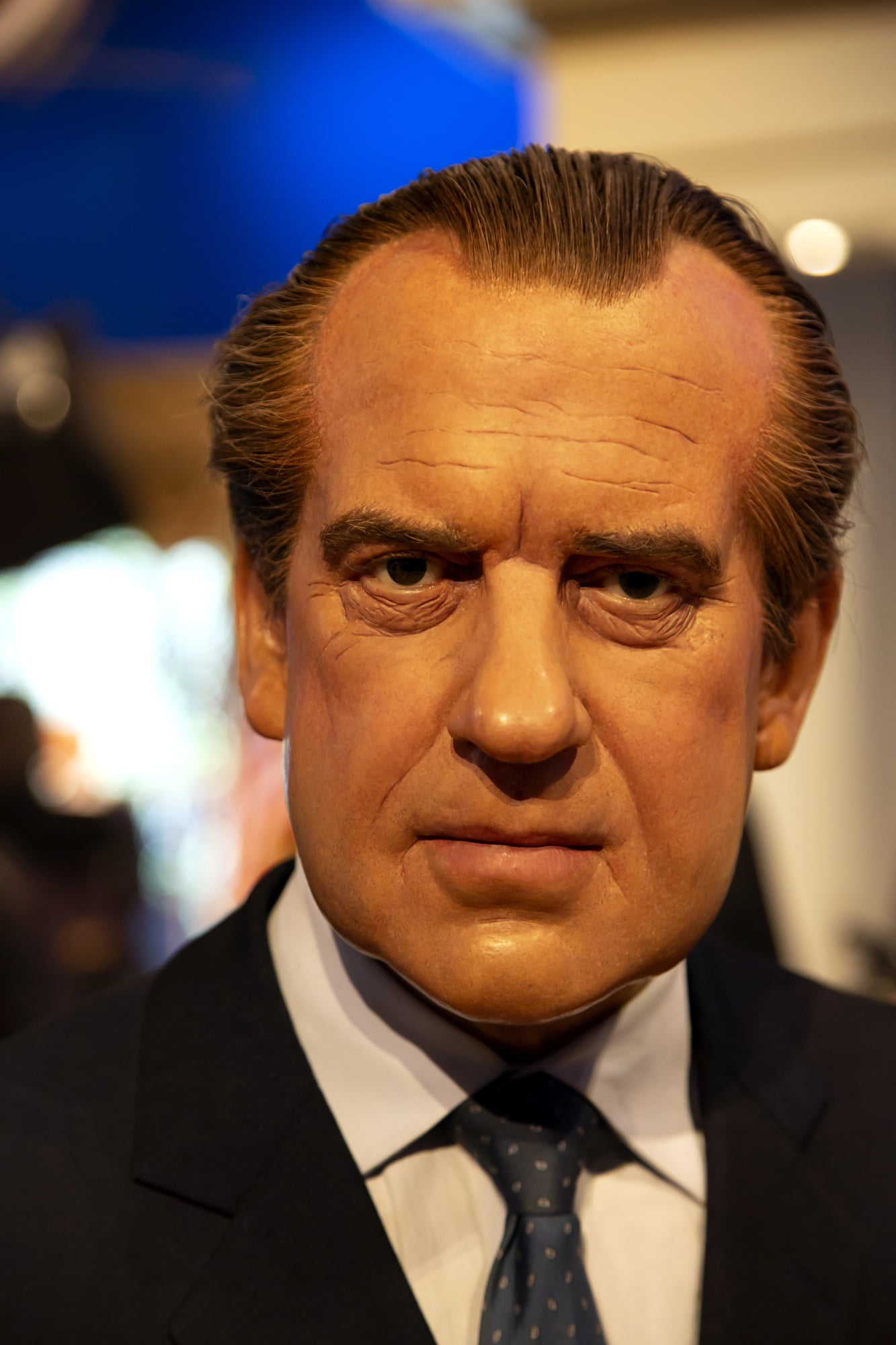
An American exhibition in Moscow became the stage for an impromptu Cold War showdown in July. Vice President Nixon and Premier Khrushchev found themselves arguing about capitalism versus communism while standing in front of a model American kitchen.
Their heated exchange was caught on camera and broadcast worldwide – transforming how the superpowers would compete. Both sides began emphasizing lifestyle and consumer goods as measures of success rather than focusing solely on military might.
The Virgin Lands Campaign Disaster
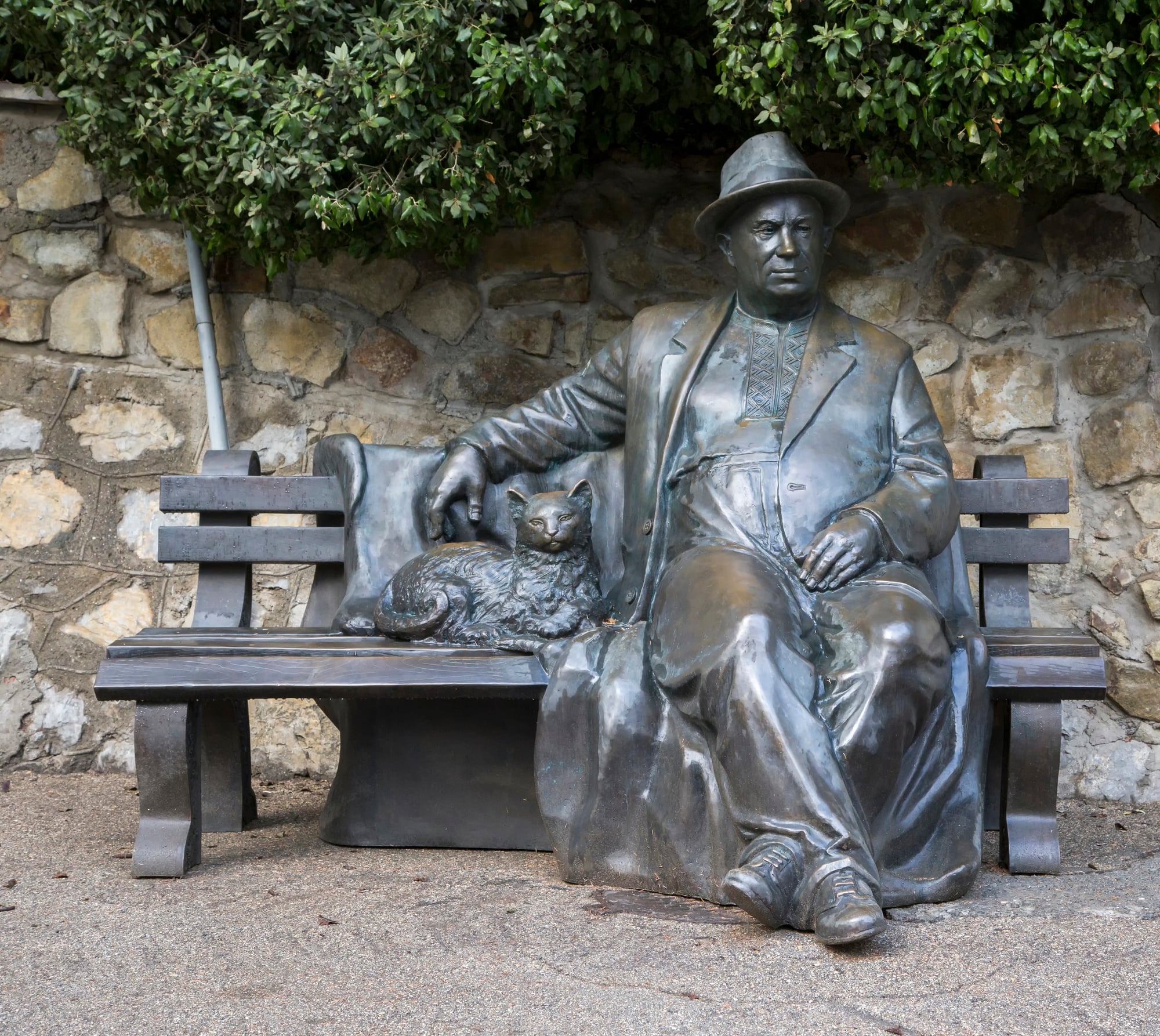
Khrushchev’s grand scheme to cultivate millions of acres of untouched land in Kazakhstan and Siberia started with tremendous optimism in. Early harvests looked promising, encouraging further expansion of the program.
Poor planning and environmental ignorance led to massive soil erosion and ecological catastrophe, contributing to chronic food shortages and helping seal Khrushchev’s political fate.
Boris Pasternak’s Nobel Prize Scandal
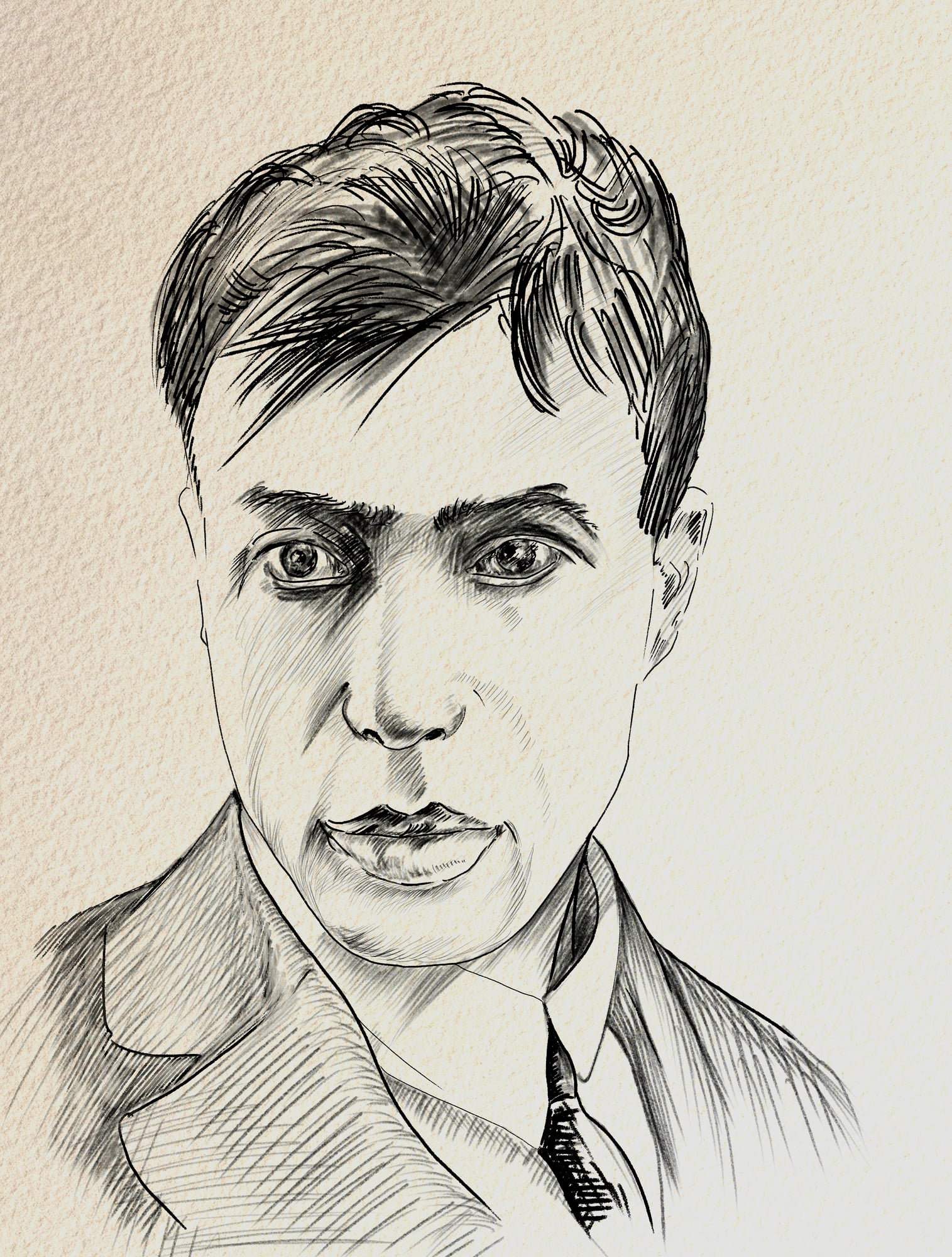
When Pasternak won the Nobel Prize for Literature in, Soviet authorities faced an impossible situation. “Doctor Zhivago” had been banned domestically but was published abroad to international acclaim.
Forcing Pasternak to decline the prize created an international incident that exposed Soviet censorship to global scrutiny and signaled the beginning of increased intellectual challenges to state artistic control.
The Novocherkassk Massacre of 1962

Workers in Novocherkassk had reached their breaking point when the government simultaneously raised food prices and cut wages. Their strikes and protests seemed reasonable enough – until Soviet troops opened fire on the demonstrators.
Dozens died and hundreds more were wounded in what became one of the bloodiest suppressions of worker unrest in Soviet history. The massacre remained classified for decades but demonstrated that even during Khrushchev’s “thaw,” the system couldn’t tolerate genuine labor dissent.
The Prague Spring Invasion Decision
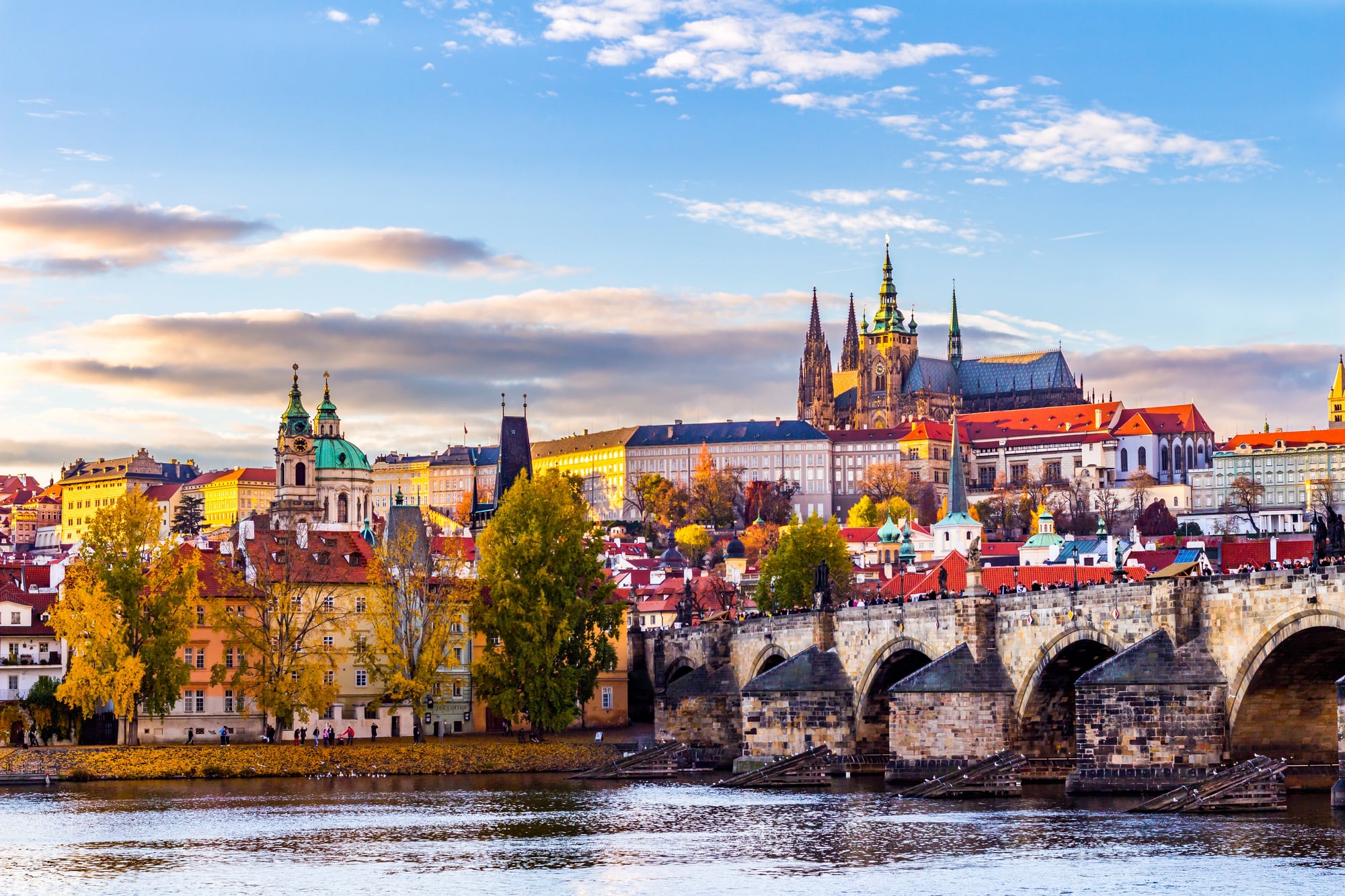
August brought a moment of truth for the Soviet leadership when they chose to invade Czechoslovakia. They weren’t just crushing Alexander Dubček’s reforms – they were killing any hope for “socialism with a human face” throughout the Eastern Bloc.
The invasion sent a clear message that Moscow wouldn’t tolerate even modest liberalization efforts, a decision that would haunt the USSR when it faced its own reform movements.
Andrei Sakharov’s Ideological Transformation
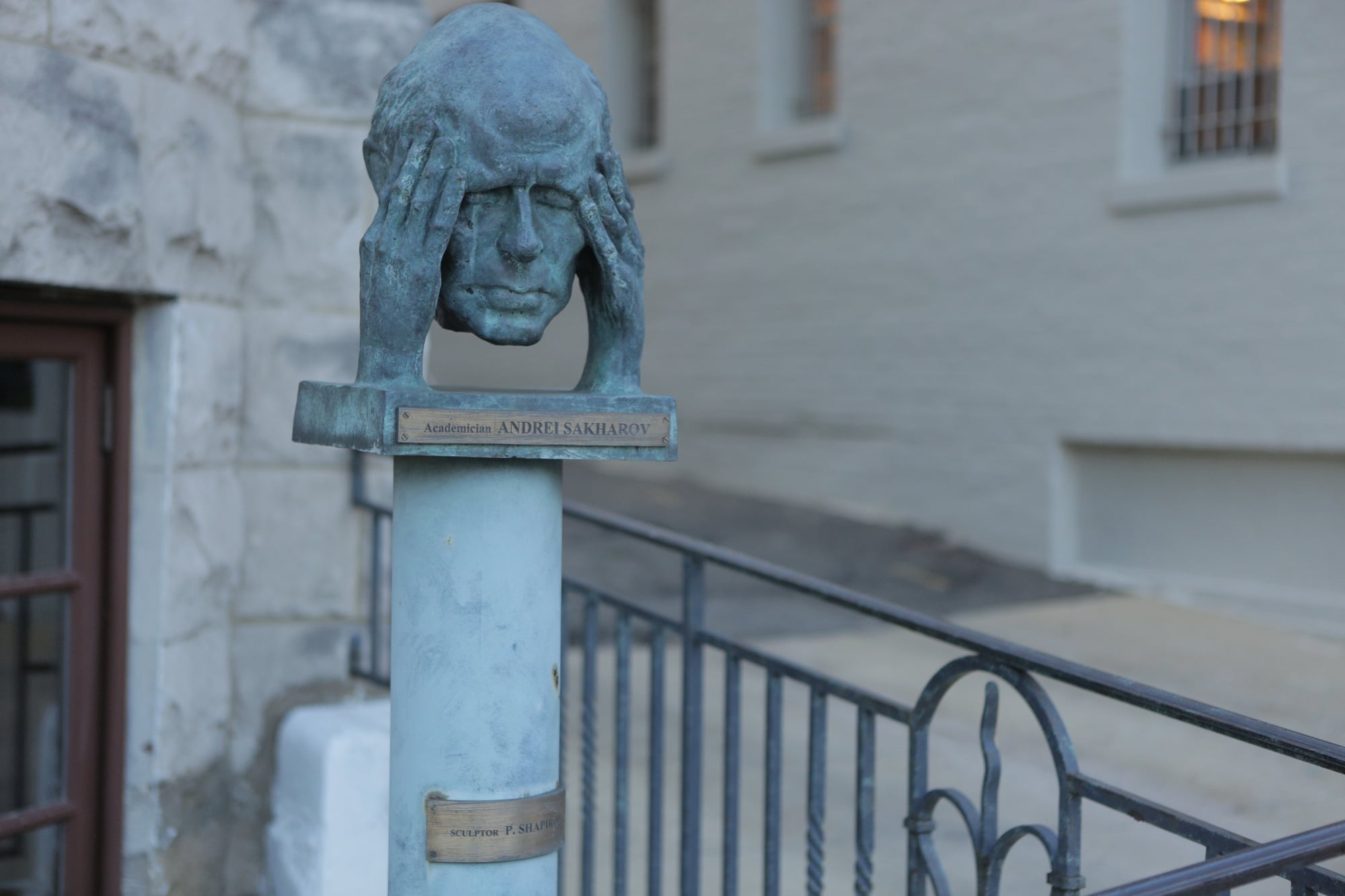
The physicist who helped create the Soviet hydrogen bomb gradually evolved into the country’s most prominent human rights activist. Sakharov’s essay “Reflections on Progress, Peaceful Coexistence, and Intellectual Freedom” marked a crucial turning point when a loyal Soviet scientist began questioning the very system he’d served.
His transformation from regime supporter to dissident inspired countless others and helped legitimize opposition to Soviet policies.
The Sino-Soviet Split Reaches Breaking Point
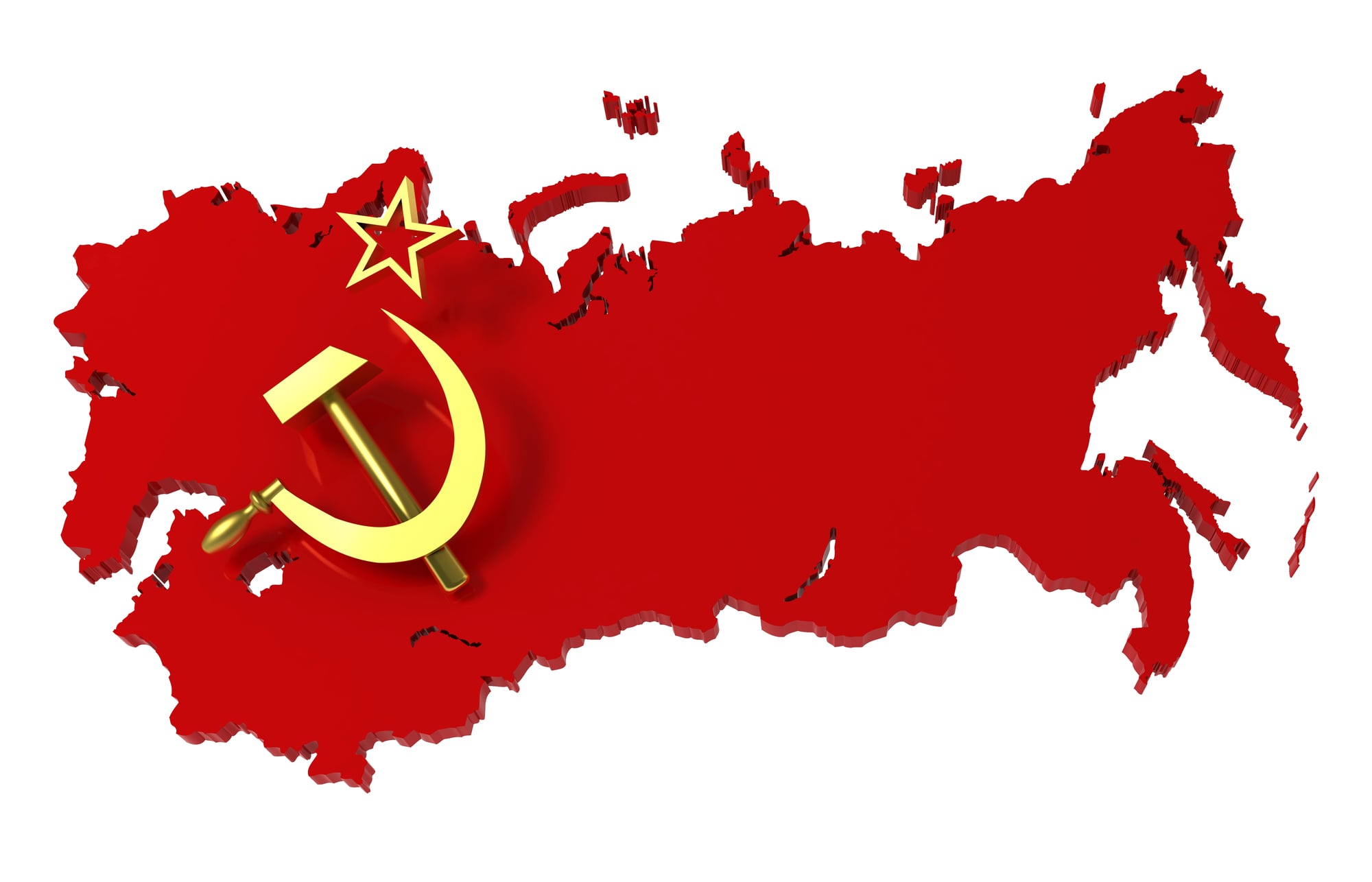
Communist unity was completely shattered during the border clashes at Damansky Island. What had been simmering tensions between Moscow and Beijing erupted into actual combat that brought both nations to the brink of nuclear war.
The confrontation forced the Soviet Union to maintain enormous military forces along its eastern border while simultaneously competing with the West. This split fundamentally altered global geopolitics and weakened both communist powers significantly.
The Apollo-Soyuz Mission of 1975
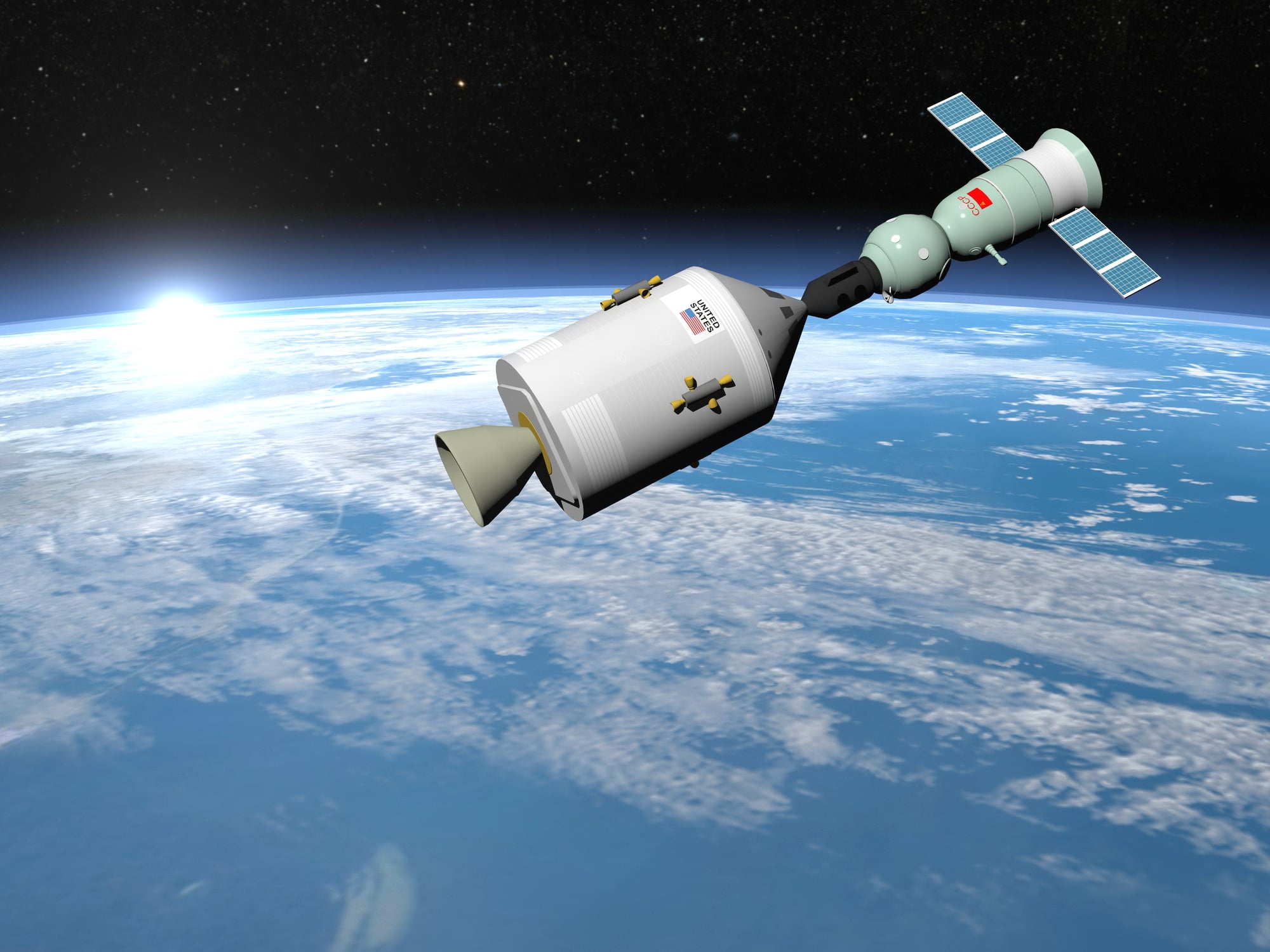
Space became a symbol of cooperation rather than competition when Soviet and American spacecraft docked in orbit during the height of détente. The mission represented the peak of Soviet-American relations and demonstrated that the superpowers could collaborate on peaceful projects.
However, this spirit of cooperation proved fleeting, and the goodwill generated by the joint mission couldn’t survive the renewed tensions that followed.
The Afghan War’s Secret Beginnings
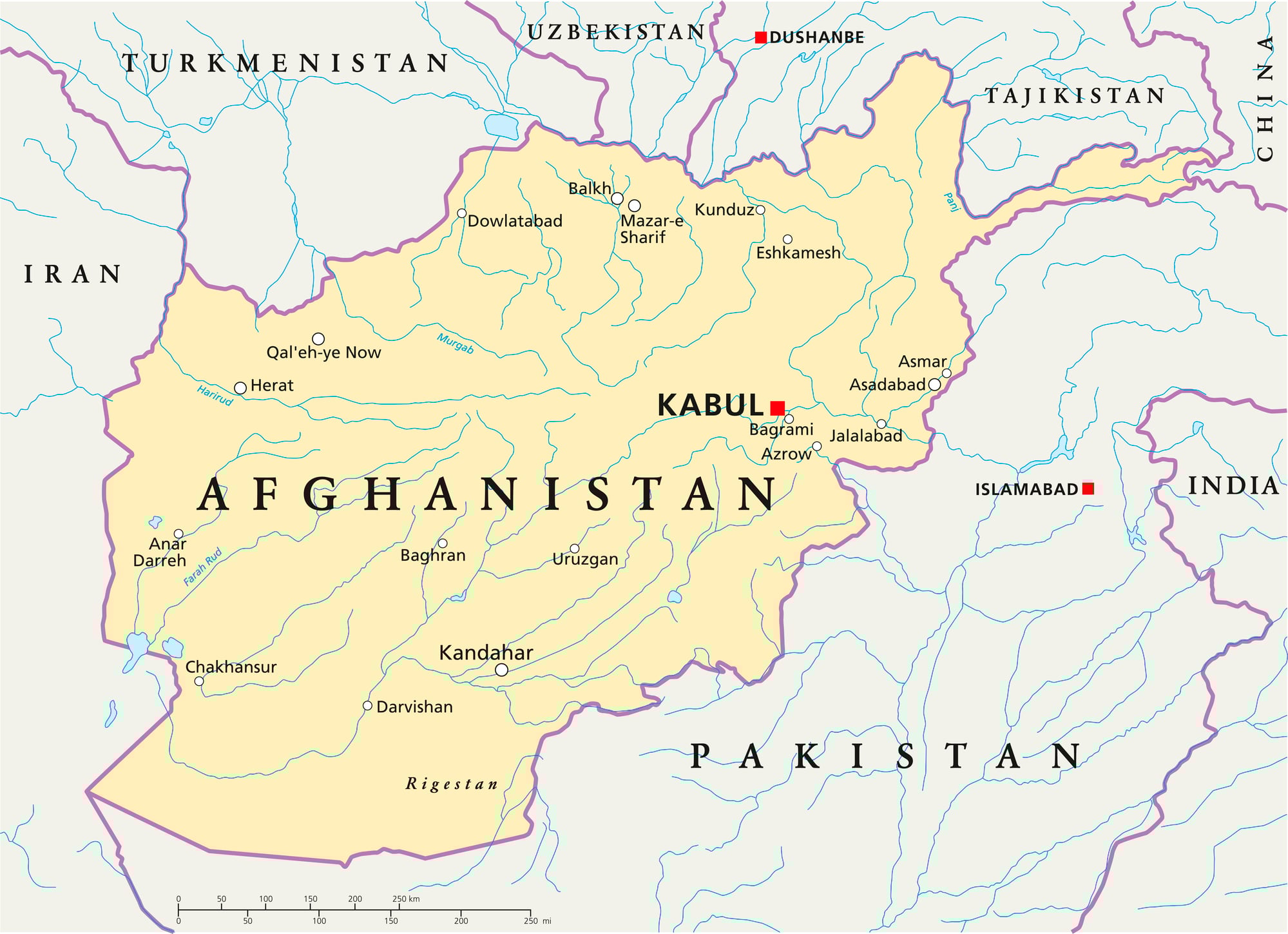
Most historians date Soviet involvement in Afghanistan to the December invasion, though the reality is more complex. Soviet military advisors and covert operations had been active in the country for months before the official intervention.
Politburo members understood they were potentially entering a quagmire, yet they proceeded anyway. Their decision marked the beginning of what would become the USSR’s equivalent of Vietnam, draining resources and morale for an entire decade.
Chernobyl’s Political Shockwaves
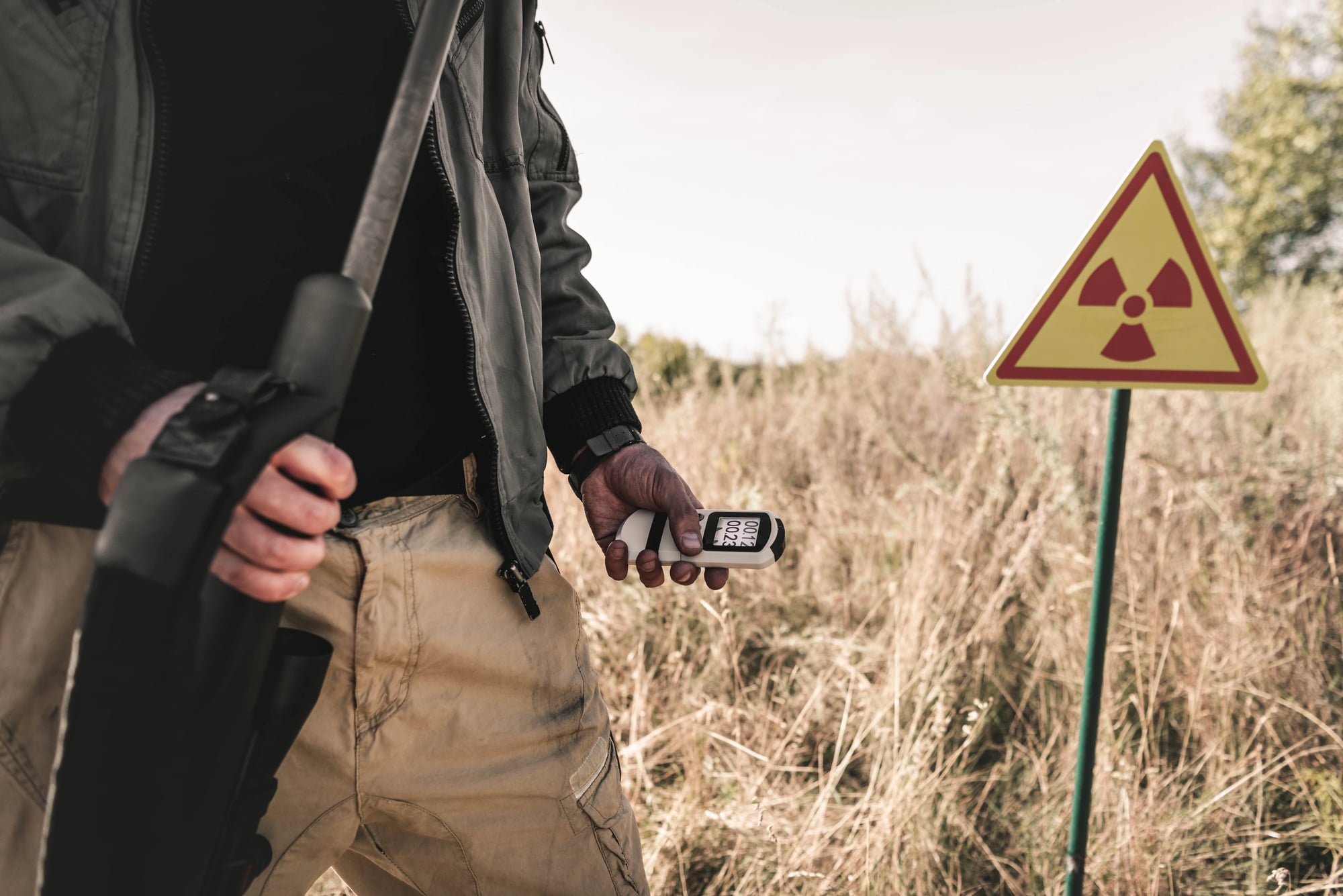
The April nuclear disaster at Chernobyl proved to be as much a political catastrophe as an environmental one. The accident exposed the dangerous combination of secrecy and incompetence that plagued the Soviet system while demonstrating that some problems couldn’t be solved through propaganda alone.
Gorbachev later identified Chernobyl as a more significant factor in the USSR’s collapse than his own reform policies, and the disaster certainly accelerated the union’s disintegration.
The Rust Landing Embarrassment
When 19-year-old West German pilot Mathias Rust landed his small Cessna in Red Square in May, he accomplished more than just embarrassing Soviet air defenses. The incident provided Gorbachev with the perfect excuse to purge conservative military leadership and replace them with reform-minded officers.
This audacious flight by a teenager helped clear the political obstacles to the dramatic changes that would soon transform the Soviet Union.
Small Moments, Massive Consequences

These forgotten incidents demonstrate how the Soviet Union’s trajectory was shaped not only by grand gestures and famous leaders but by countless smaller events that cascaded into major historical shifts. A sailor’s rebellion triggered economic reforms, a novelist’s international recognition exposed cultural contradictions, and a young pilot’s stunt flight enabled political transformation.
The USSR didn’t collapse because of any single dramatic moment but because hundreds of smaller decisions and incidents gradually eroded the system’s foundations. Understanding these lesser-known events helps explain why certain problems proved impossible to solve and why the Soviet experiment ultimately couldn’t sustain itself against the accumulated weight of its own contradictions.
More from Go2Tutors!

- The Romanov Crown Jewels and Their Tragic Fate
- 13 Historical Mysteries That Science Still Can’t Solve
- Famous Hoaxes That Fooled the World for Years
- 15 Child Stars with Tragic Adult Lives
- 16 Famous Jewelry Pieces in History
Like Go2Tutors’s content? Follow us on MSN.