18 Human Abilities That Peak at Different Ages
Most people assume aging means everything goes downhill after 30. That’s completely wrong. Your brain and body follow different timelines, with various abilities hitting their sweet spot at wildly different ages.
While some skills dominate in your twenties, others don’t even get started until you’re past 50. Think of human development like a relay race where different runners take the baton at different times. Here are 18 human abilities that reach their peak at different ages.
Raw Physical Strength

Muscles hit maximum power around age 25. Testosterone and estrogen levels are still pumping strong, muscle fibers pack together at their densest, and recovery happens fast.
Most powerlifters and strongmen competitors dominate during their mid-twenties – there’s solid biology behind that timing. After 30, muscle mass drops by roughly 3-8% each decade.
Your body essentially starts a very gradual retirement plan, though resistance training can seriously slow the decline.
Bone Density
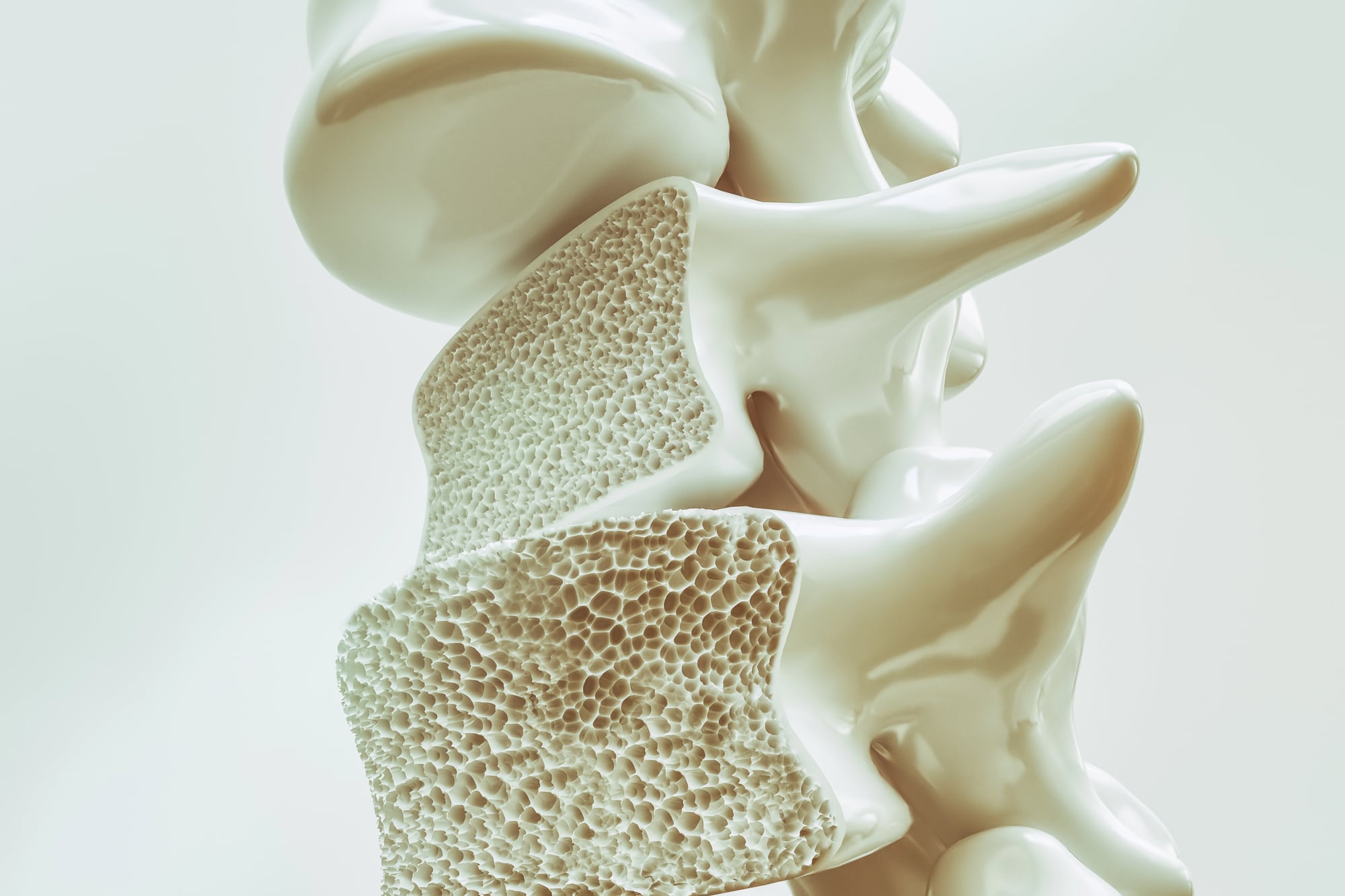
Peak bone density arrives around 30, which sounds late but makes total sense. Your skeleton spends the entire twenties adding final layers of calcium and minerals – like a construction project that takes three decades to finish properly.
Getting enough calcium and vitamin D during your twenties and thirties becomes absolutely critical. Once you cross into your thirties, bone density begins its slow fade.
It’s basically your skeletal retirement fund: build more early, coast better later.
Like Go2Tutors’s content? Follow us on MSN.
Processing Speed
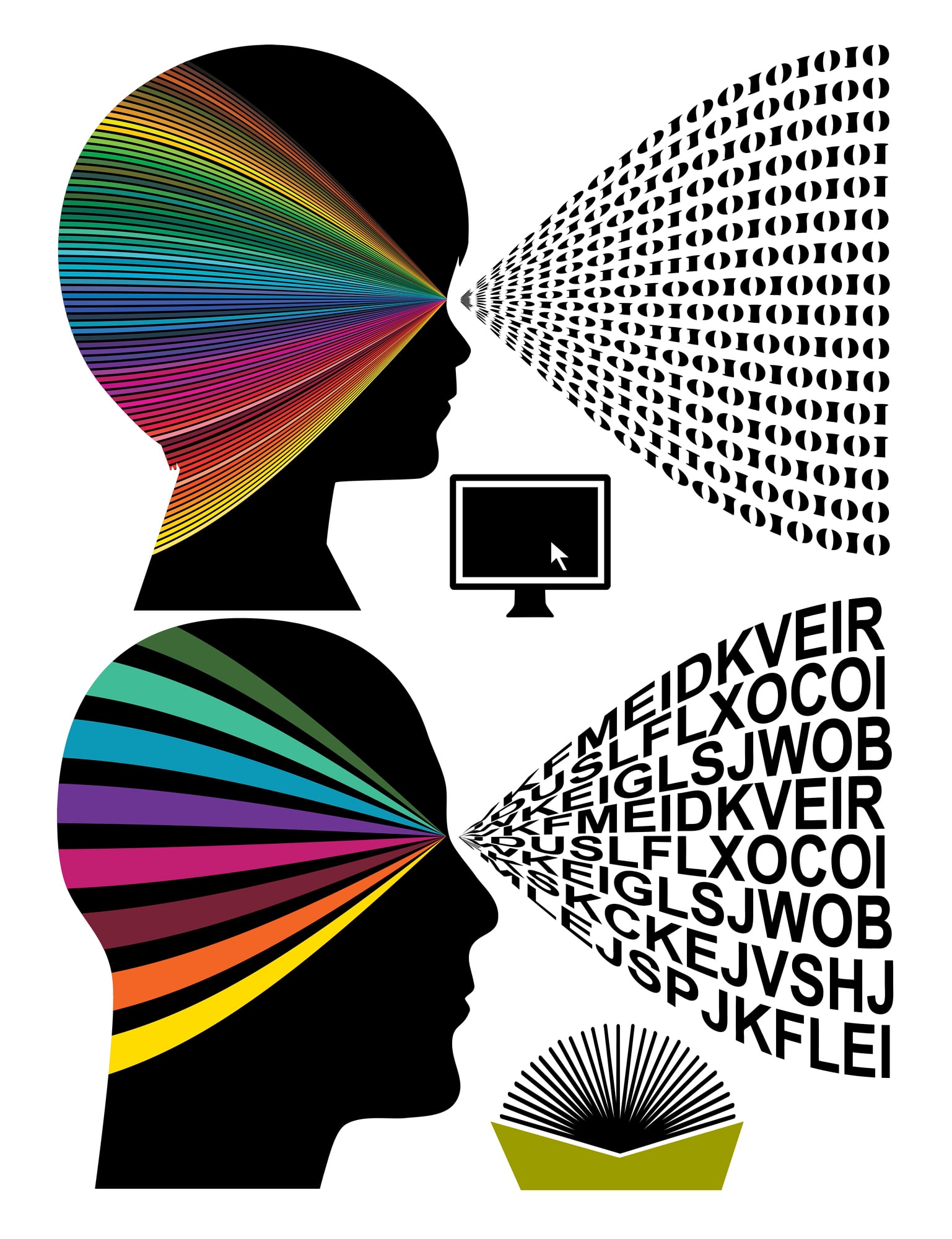
Mental processing speed maxes out around 18-19. Ever wonder why teenagers master new video games so annoyingly fast?
Their brains process information when neural pathways are brand new and running at peak efficiency. This lightning-quick processing gradually slows with age, yet slower processing often brings better judgment and more thoughtful decisions.
Working Memory

Your ability to juggle multiple pieces of information mentally peaks in early twenties. This is like mental juggling – keeping several concepts active while manipulating them simultaneously.
College students excel here, which helps since they’re constantly switching between calculus, literature, and chemistry. Working memory starts declining after 25, though life experience compensates by teaching more efficient information organization.
Visual-Spatial Processing
Mental rotation abilities and spatial understanding peak around 20. This skill drives everything from map reading to parallel parking success.
Engineering and architecture students often discover their spatial talents during college. Men typically show slight advantages throughout life, but the gap narrows as both decline with age.
Like Go2Tutors’s content? Follow us on MSN.
Arithmetic Skills

Basic math computation peaks surprisingly early – around age 20. Your brain’s number-crunching power reaches absolute maximum in late teens and early twenties, which explains why many mathematicians make breakthrough discoveries while young.
Mathematical reasoning and complex problem-solving can keep improving into your forties as experience provides new approaches to tough problems.
Novel Vocabulary Learning

Absorbing completely new words happens fastest during late teens and early twenties. Brain plasticity remains high and eager to grab new language patterns.
Study abroad programs and second language acquisition work best during college years for this reason. Native vocabulary keeps growing throughout life, yet acquiring entirely new linguistic concepts becomes trickier as neural pathways solidify.
Face Recognition

Recognizing and remembering faces peaks around 30-32. Evolutionary timing makes sense here – you’re at prime socializing age when distinguishing between people becomes crucial for survival and success.
Face recognition gradually weakens after thirties, though familiar faces stay recognizable throughout life.
Like Go2Tutors’s content? Follow us on MSN.
Emotional Regulation
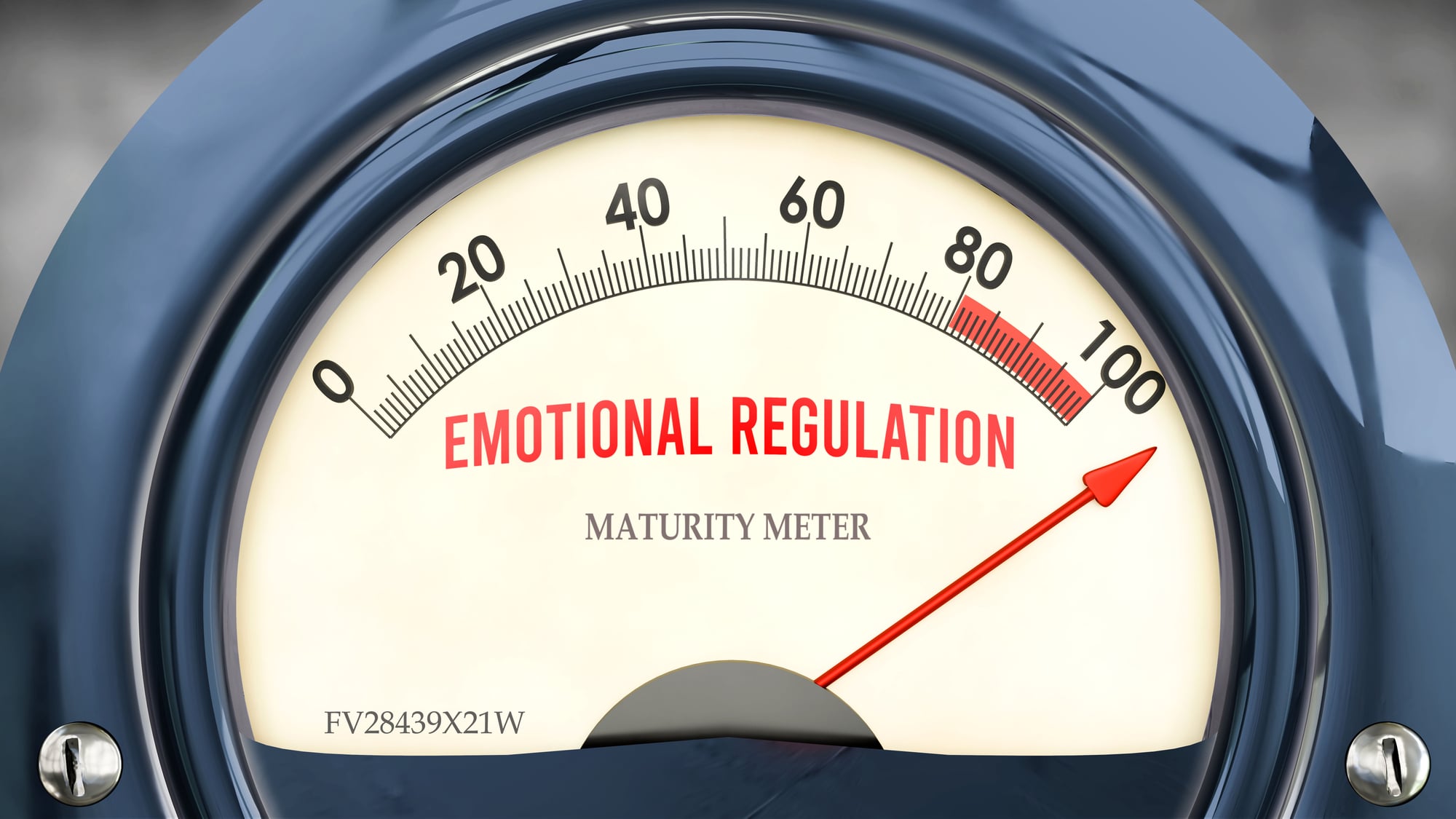
Managing emotions effectively doesn’t peak until your sixties. Older adults consistently demonstrate better emotional control and less reactivity to negative events compared to younger people.
Emotional wisdom literally compounds over decades. Improved regulation comes from years of practice handling life’s roller coaster, plus brain changes that make older adults less reactive to emotional triggers.
Crystallized Intelligence

Accumulated knowledge and skills keep expanding well into your sixties and seventies. Unlike fluid intelligence that peaks early, crystallized intelligence represents everything you’ve learned and retained over time.
Crossword champions and trivia masters often dominate in later decades. This intelligence type stays stable or even improves as long as you keep learning and challenging yourself mentally.
Vocabulary Size

Active vocabulary continues expanding until around age 70. Every book, conversation, and documentary adds to your word collection.
Native English speakers typically know 20,000-35,000 words by adulthood and keep adding more throughout life. Language expression richness often peaks in middle age when vast vocabulary combines with life experience for more nuanced communication.
Like Go2Tutors’s content? Follow us on MSN.
Psychological Well-being

Life satisfaction follows a U-shaped pattern, bottoming out around 50 then climbing steadily afterward. People in their seventies and eighties report higher satisfaction than those in their forties and fifties.
This happiness rebound occurs despite physical decline, suggesting emotional maturity and perspective matter more than we realize.
General Knowledge
Your mental database of facts, trivia, and information peaks somewhere in your fifties or sixties. Decades of reading, watching, and experiencing create an impressive knowledge warehouse.
Game show contestants perform best during middle age for good reason. While specific skills might fade, general knowledge tends to stick around and grow as you connect new information to existing mental networks.
Empathy and Social Skills

Understanding others’ emotions and navigating complex social situations keeps improving into your forties and fifties. Life experience teaches you to read between the lines and grasp human interaction subtleties that younger people miss.
Older adults often excel at conflict resolution and mentoring because they’ve watched similar situations unfold countless times before.
Like Go2Tutors’s content? Follow us on MSN.
Attention to Detail

Noticing small details and catching errors peaks during your forties. This ability combines pattern recognition developed over decades with cognitive abilities that remain sharp.
Editors, accountants, and quality control specialists often hit their professional stride during this decade. Experience plus maintained focus creates a sweet spot for detailed work that both younger and older adults struggle to match.
Strategic Thinking

Complex planning and strategic reasoning peak in your forties and fifties. Decades of experience combine with strong cognitive abilities to create masterful long-term thinking.
Chess grandmasters, business leaders, and military strategists often reach their peak during these years. Strategic thinking requires both pattern recognition from experience and mental flexibility to adapt plans when needed.
Wisdom and Judgment

True wisdom reaches its peak in your sixties or seventies. Real wisdom combines knowledge, experience, and emotional regulation in ways that take decades to develop fully.
You can’t rush this process no matter how smart you are. Research shows older adults make better decisions in emotionally charged situations and resist scams or manipulation more effectively than younger people.
Like Go2Tutors’s content? Follow us on MSN.
Perspective and Meaning-Making
Finding meaning in life experiences and maintaining perspective during tough times continues growing throughout life. Older adults excel at seeing the bigger picture and understanding how current challenges fit into life’s larger story.
This ability often reaches its peak in final decades when accumulated experience provides the deepest understanding of what actually matters.
The Symphony of Human Development

These peaks reveal something profound about human development. Instead of viewing life as steady decline after some imaginary prime, we can appreciate how different abilities flourish at different stages.
Your teenage brain might process information at lightning speed, but your sixty-year-old brain brings wisdom and emotional control that no amount of raw processing power can replicate. Human abilities don’t just decline uniformly – they transform and evolve.
New strengths emerge even as others fade, creating a complex symphony of human potential that plays out across an entire lifetime. Each decade offers its own unique advantages and capabilities. Perhaps the real peak isn’t any single age, but rather the ongoing discovery of what we’re capable of achieving at every stage of life.
More from Go2Tutors!

- 18 Unexpectedly Valuable Collectibles You Might Have Lying Around
- 20 Little-Known Historical Battles That Had Huge Consequences
- 20 Historical Artifacts That Scientists Can’t Explain
- 15 Inventions That Were Immediately Banned After Being Created
- 20 Actors Who Were Almost Cast in Iconic Roles
Like Go2Tutors’s content? Follow us on MSN.