Royal Women Who Broke Every Rule
Royal families have always come with strict expectations about how princesses and queens should behave. The rules cover everything from what they wear to who they marry to how they spend their time.
But throughout history, some royal women decided those rules weren’t worth following.
Here are the queens, princesses, and duchesses who wrote their own stories instead of sticking to the script.
Princess Margaret’s party lifestyle
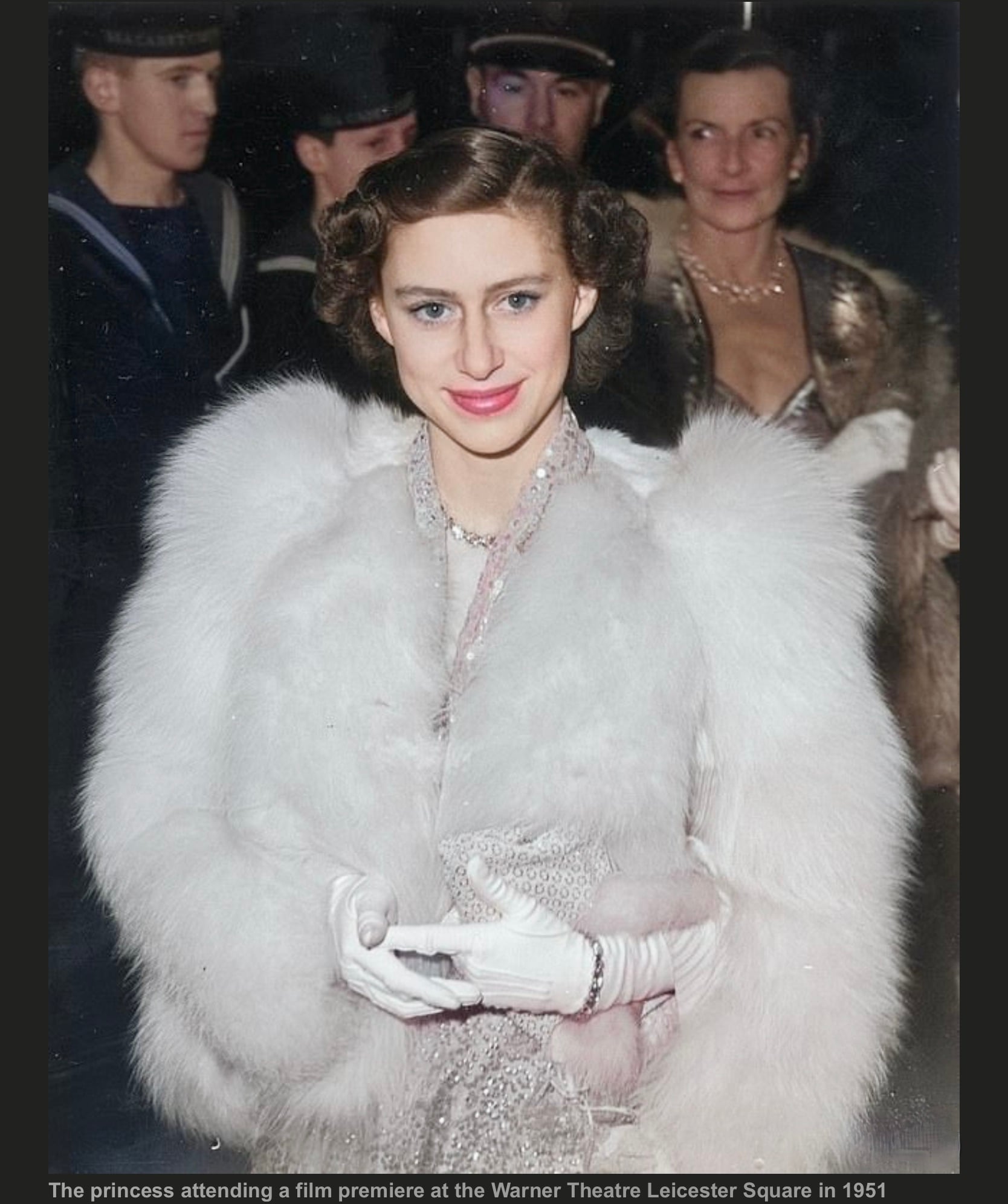
Princess Margaret, Queen Elizabeth’s younger sister, turned royal life into one long celebration that scandalized Britain for decades. She stayed out until dawn at nightclubs, dated actors and musicians, and made it clear she had no interest in the boring royal duties everyone expected her to perform.
Margaret smoked constantly, drank heavily, and surrounded herself with artists and creative types instead of stuffy aristocrats. Her wild behavior made headlines almost weekly, but she never apologized or tried to tone things down.
Catherine the Great’s rise to power

Catherine wasn’t even Russian when she showed up to marry the future czar, but she taught herself the language and studied the country’s history until she knew more than most natives. When her husband turned out to be a terrible ruler, she organized a coup and took the throne for herself.
No woman had ruled Russia alone before, but Catherine didn’t care about precedent. She reigned for 34 years and expanded Russia’s borders while promoting education and the arts throughout her empire.
Princess Diana’s divorce and media strategy
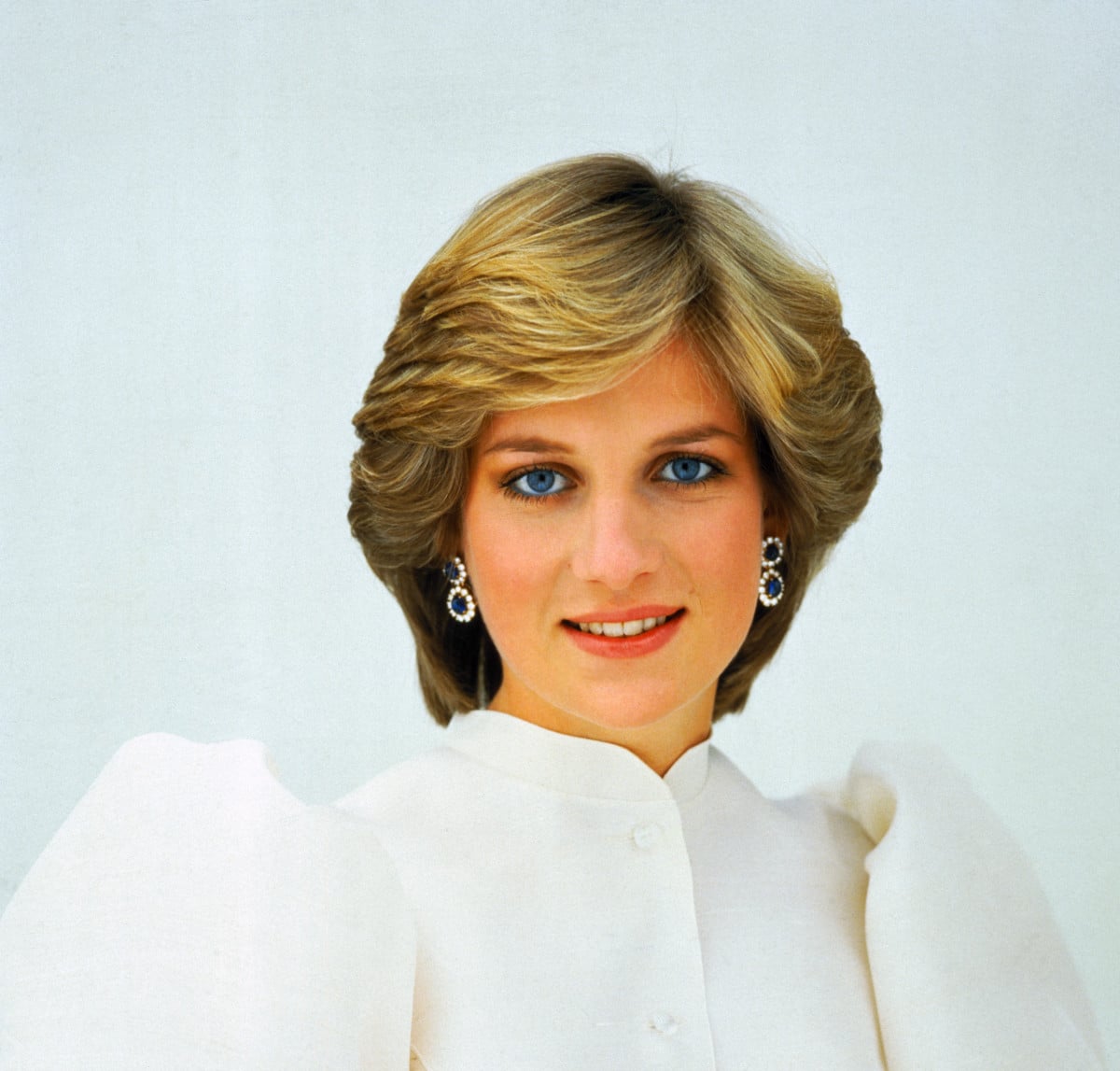
Diana shocked the world when she sat down for a television interview and talked openly about her failing marriage to Prince Charles. Royal family members never discussed their private lives with journalists, but Diana decided the public deserved to know the truth about what happened behind palace walls.
She used the media to tell her side of the story and build support before the divorce. The interview destroyed any chance of reconciliation and changed how the royal family dealt with the press forever.
Queen Nzinga of Ndongo and Matamba

Queen Nzinga dressed in men’s clothing, led her own armies into combat, and negotiated treaties with European powers as an equal. She ruled parts of modern-day Angola during the 1600s and fought against Portuguese colonizers for nearly 40 years.
Nzinga kept a group of young men dressed as women in her court, completely flipping traditional gender roles to make a point about power. She converted to Christianity when it suited her political goals, then went back to traditional beliefs when that seemed smarter.
Meghan Markle’s exit from royal life
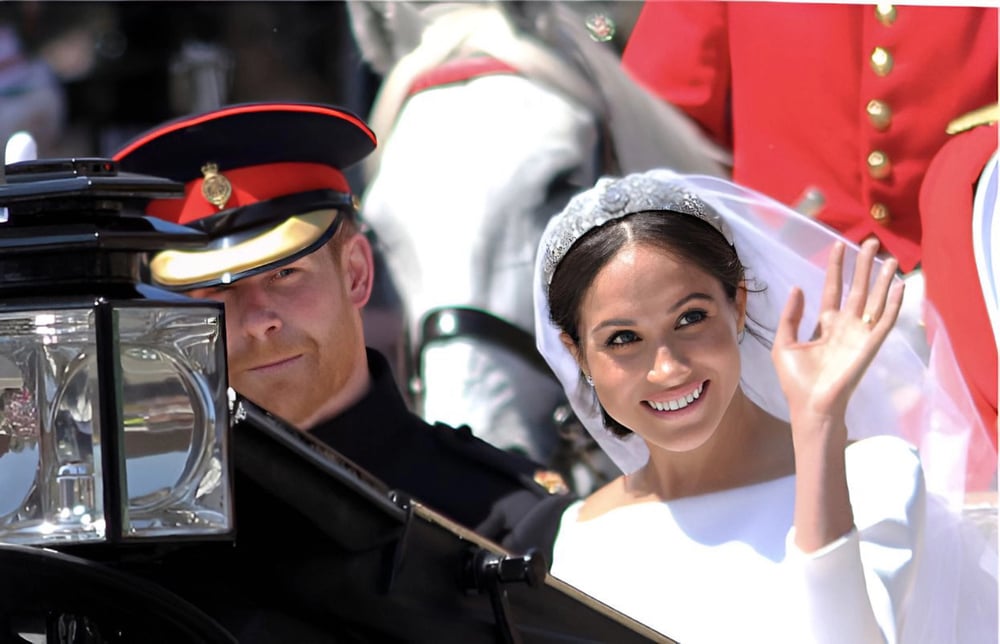
Meghan Markle walked away from the British royal family after less than two years as a working royal, citing racism and lack of support. She and Prince Harry moved to California and started giving interviews about their negative experiences within the institution.
Most royals who feel unhappy just suffer in silence and carry on with their duties. Meghan chose to prioritize her mental health and family over centuries of tradition about keeping problems private.
Wu Zetian’s path to emperor

Wu Zetian started as a low-ranking concubine in the Chinese imperial court but climbed her way to becoming the only woman to ever hold the title of emperor in China’s history. She allegedly killed or exiled anyone who stood in her way, including possibly her own infant daughter.
Wu was promoted based on ability rather than family connections, which was basically unheard of at the time. She ruled during the Tang Dynasty and made decisions about war, taxes, and government policy that were usually reserved for men.
Princess Anne’s refusal to give titles

Princess Anne decided not to give her children royal titles, even though she had every right to do so. She wanted Peter and Zara to have normal lives without the weight of royal expectations on their shoulders.
This choice was almost unheard of among senior royals who usually grab every title and privilege available. Anne also became the first royal to compete in the Olympics and has worked tirelessly for charities without seeking attention or praise.
Marie Antoinette’s spending habits
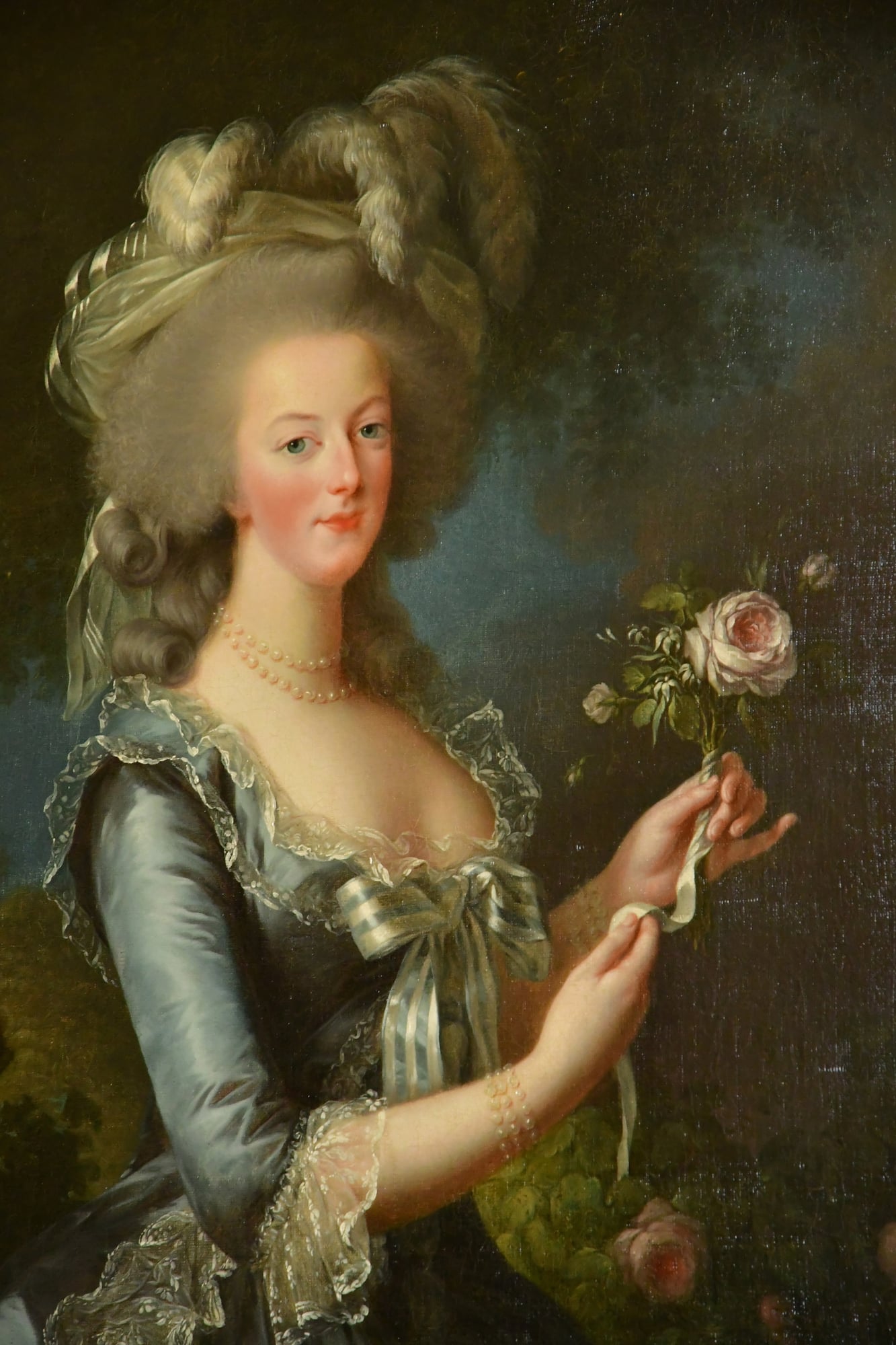
Marie Antoinette spent ridiculous amounts of money on dresses, jewelry, and parties while France’s economy crumbled around her. She built an entire fake village at Versailles where she could play at being a peasant, complete with perfectly clean animals and manicured gardens.
The queen hosted elaborate gambling nights that lasted until sunrise and scandalized the court with her casual attitude toward protocol. Her refusal to read the room or adjust her lifestyle contributed to the French Revolution that eventually cost her everything.
Empress Theodora’s low-born background
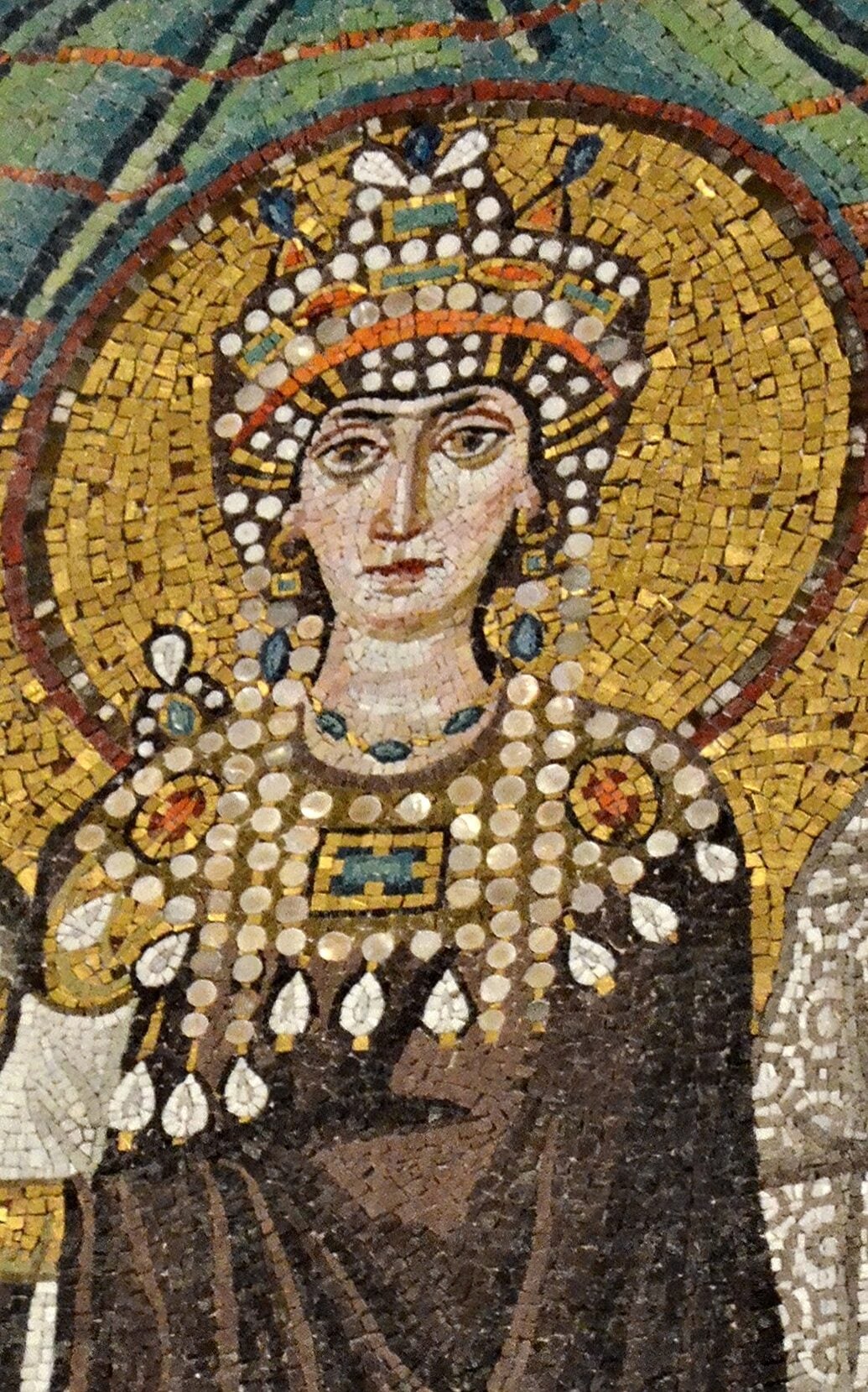
Theodora worked as an actress and entertainer, which in Byzantine times was basically the lowest form of employment, before she married Emperor Justinian. Laws had to be changed just to allow their marriage because empresses were supposed to come from noble families.
She pushed for women’s rights, changed laws about divorce and property ownership, and had real political power in the empire. Theodora never hid her past or pretended to be something she wasn’t, even after becoming one of the most powerful women in the world.
Queen Charlotte’s mixed-race heritage

Queen Charlotte of England had African ancestry through the Portuguese royal family, though this fact gets debated by historians to this day. She gave birth to 15 children and supported the arts in Britain, particularly music and botany.
Charlotte didn’t let society’s obsession with bloodlines stop her from being an active, involved queen. The city of Charlotte, North Carolina was named after her, and her legacy includes introducing the Christmas tree tradition to England.
Wallis Simpson’s double divorce

Wallis Simpson was married twice before she started her relationship with King Edward VIII, which was completely unacceptable for someone who wanted to marry into the British royal family. The Church of England didn’t recognize divorce, and Edward had to give up the throne to marry her.
She never apologized for the constitutional crisis she caused or showed any regret about changing the course of British history. Wallis and Edward lived in exile in France, where they threw parties and lived exactly as they pleased without royal restrictions.
Empress Dowager Cixi’s political control

Cixi started as a concubine but ended up controlling China for nearly 50 years through a combination of smart political moves and ruthless elimination of rivals. She ruled from behind the scenes, officially acting as regent for young emperors but actually making every important decision herself.
Women weren’t supposed to have any political power in imperial China, but Cixi ignored those expectations completely. She resisted modernization efforts that might have weakened her control, which many historians blame for China’s struggles in the early 20th century.
Princess Stephanie of Monaco’s career choices
Princess Stephanie worked as a model, launched a swimwear line, and even released pop music albums instead of focusing on traditional royal duties. She dated circus performers and bodyguards, had children outside of marriage, and generally lived life on her own terms.
Monaco’s royal family is known for being more relaxed than other European royals, but Stephanie took that freedom to new levels. She eventually settled down and now works with AIDS charities and supports the circus arts.
Queen Liliuokalani’s resistance to annexation

Queen Liliuokalani fought against American businessmen and the U.S. government trying to take control of Hawaii in the 1890s. She wrote a new constitution to restore power to the Hawaiian monarchy and people, which directly threatened American interests on the islands.
Even after being overthrown and placed under house arrest, she never stopped advocating for Hawaiian independence. Liliuokalani composed music during her imprisonment, including the famous song ‘Aloha Oe,’ and refused to give up her claim to the throne.
Grace Kelly’s Hollywood background

Grace Kelly was a successful movie star when she married Prince Rainier of Monaco, which raised eyebrows among European aristocrats who thought actresses were beneath royal status. She gave up her acting career completely after marriage, but her Hollywood glamour changed Monaco’s image from a gambling town to a sophisticated destination.
Grace brought American informality and style to Monaco’s stuffy royal protocols. Her tragic death in a car accident at age 52 shocked the world and ended what many considered a fairy tale story.
Queen Ranavalona of Madagascar

For three decades in the 1800s, Queen Ranavalona ruled Madagascar with a firm hand. Foreign traders found the doors shut; Europeans saw their influence vanish overnight.
Missionaries left – those spreading Christianity were not welcome here. Instead, old customs stood strong, backed by force without apology.
Anyone caught following the new faith paid the highest price. Soldiers grew more numerous under her watch, trained and ready.
Colonial powers looked on, yet never gained footing while she lived. Harsh? Yes.
But across Africa, kingdoms crumbled – one island stayed free.
Sarah Ferguson After Divorce Scandals

Few expected the aftermath would unfold so publicly. Pictures surfaced showing Sarah Ferguson beside someone new, even before paperwork finalized.
Money troubles followed fast – expensive choices piled up like unread bills. A scheme emerged where she appeared ready to trade influence for payment, hinting at backdoor talks with her former spouse.
While others who left royal roles faded into privacy, she seemed to resurface where the spotlight met mess. Writing stories for kids helped.
So did backing certain causes. Yet trust? That remains thin within palace circles.
Old ways meet stubborn effort

Facing stiff expectations, these queens and princesses chose different paths. Not everyone fought battles or rewrote constitutions – some simply walked away from scripts handed down for generations.
One ignored court demands while another challenged marriage customs without warning. A few sparked legal shifts others inherited decades later.
Living openly, loving freely, speaking up when silence was expected – that became their quiet rebellion. Time passed but echoes remained.
Centuries later traces of those decisions still shape how power meets personal truth.
More from Go2Tutors!

- The Romanov Crown Jewels and Their Tragic Fate
- 13 Historical Mysteries That Science Still Can’t Solve
- Famous Hoaxes That Fooled the World for Years
- 15 Child Stars with Tragic Adult Lives
- 16 Famous Jewelry Pieces in History
Like Go2Tutors’s content? Follow us on MSN.