18 Organisms That Survive Extreme Heat
When most living things would literally cook to death, some remarkable organisms just shrug off temperatures that would melt plastic. These heat-loving champions have developed incredible strategies to not just survive but actually thrive in conditions that seem impossible for life.
From scorching deserts to boiling hot springs, these tough customers have figured out how to beat the heat in ways that would make any air conditioning engineer jealous. Here is a list of 18 organisms that have mastered the art of extreme heat survival.
Tardigrade

Tardigrades, those microscopic ‘water bears,’ can survive temperatures up to 300°F by essentially hitting the pause button on life itself. When things get too toasty, they curl up into a dried-out orb called a tun and shut down all their biological processes until conditions improve.
Scientists have blasted these tiny creatures with heat that would vaporize most living things, only to watch them spring back to life when cooled down. Their superpower lies in replacing the water in their cells with special sugar molecules that act like biological antifreeze.
Sahara Desert Ant

Sahara desert ants venture out onto sand that reaches 158°F, hot enough to fry an egg, to scavenge for other insects that couldn’t handle the heat. These remarkable ants have developed extra-long legs that work like tiny stilts, keeping their bodies away from the scorching sand surface.
Their silvery hairs reflect sunlight like a natural mirror, and they can navigate using polarized light when the heat creates shimmering mirages that would confuse most animals. They dash across the desert in short bursts, covering ground faster than a human can walk.
Like Go2Tutors’s content? Follow us on MSN.
Thermophilic Bacteria
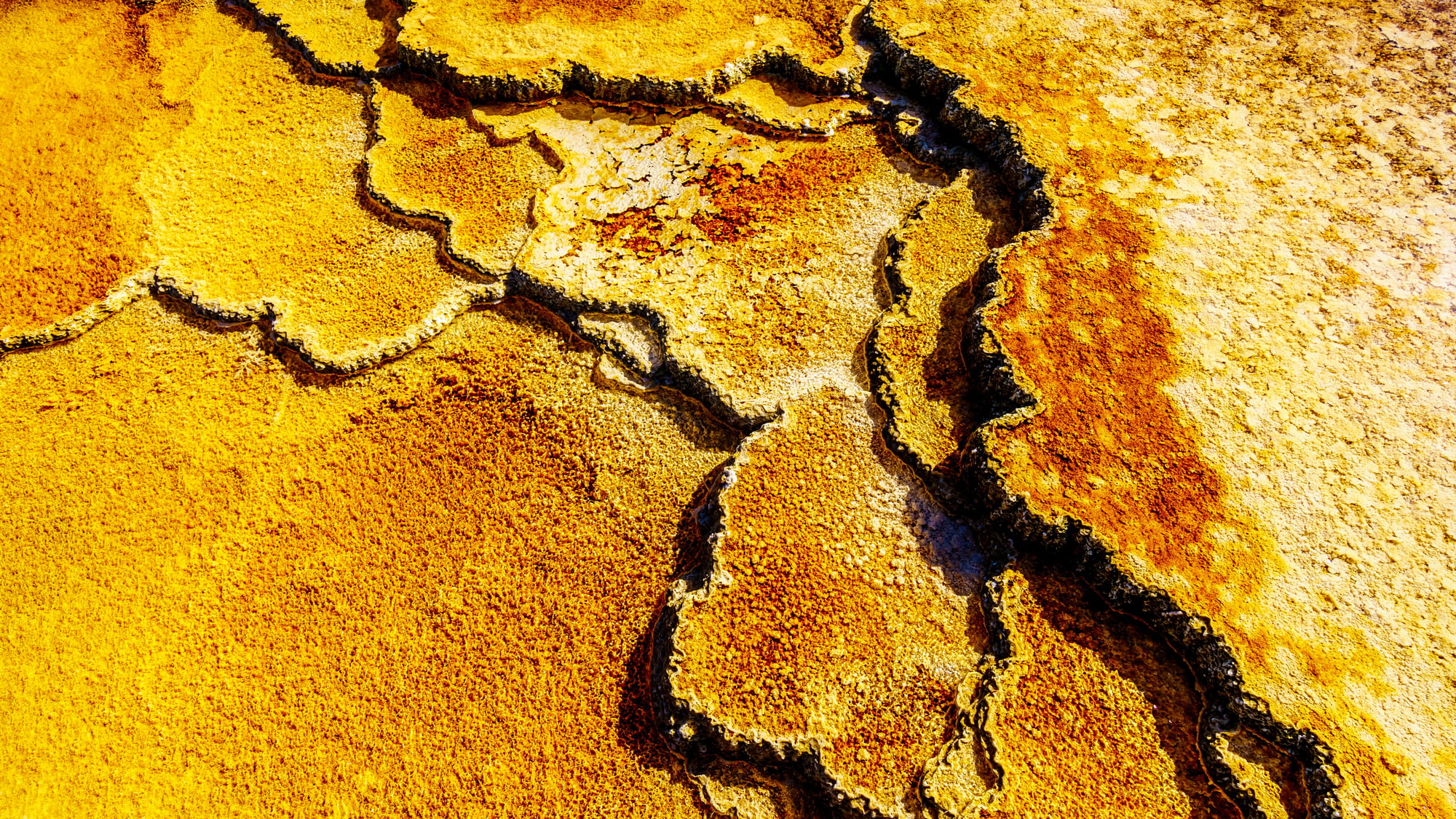
Thermophilic bacteria treat boiling water like a refreshing swimming pool, thriving in temperatures between 140°F and 176°F. These microscopic heat lovers live in hot springs, deep ocean vents, and even industrial processes where other life forms would be instantly sterilized.
Their cell walls contain special fats that stay stable at high temperatures, while their proteins are folded in ways that prevent them from unraveling in the heat. Some species are so adapted to extreme heat that they actually die if temperatures drop below 113°F.
Fennec Fox
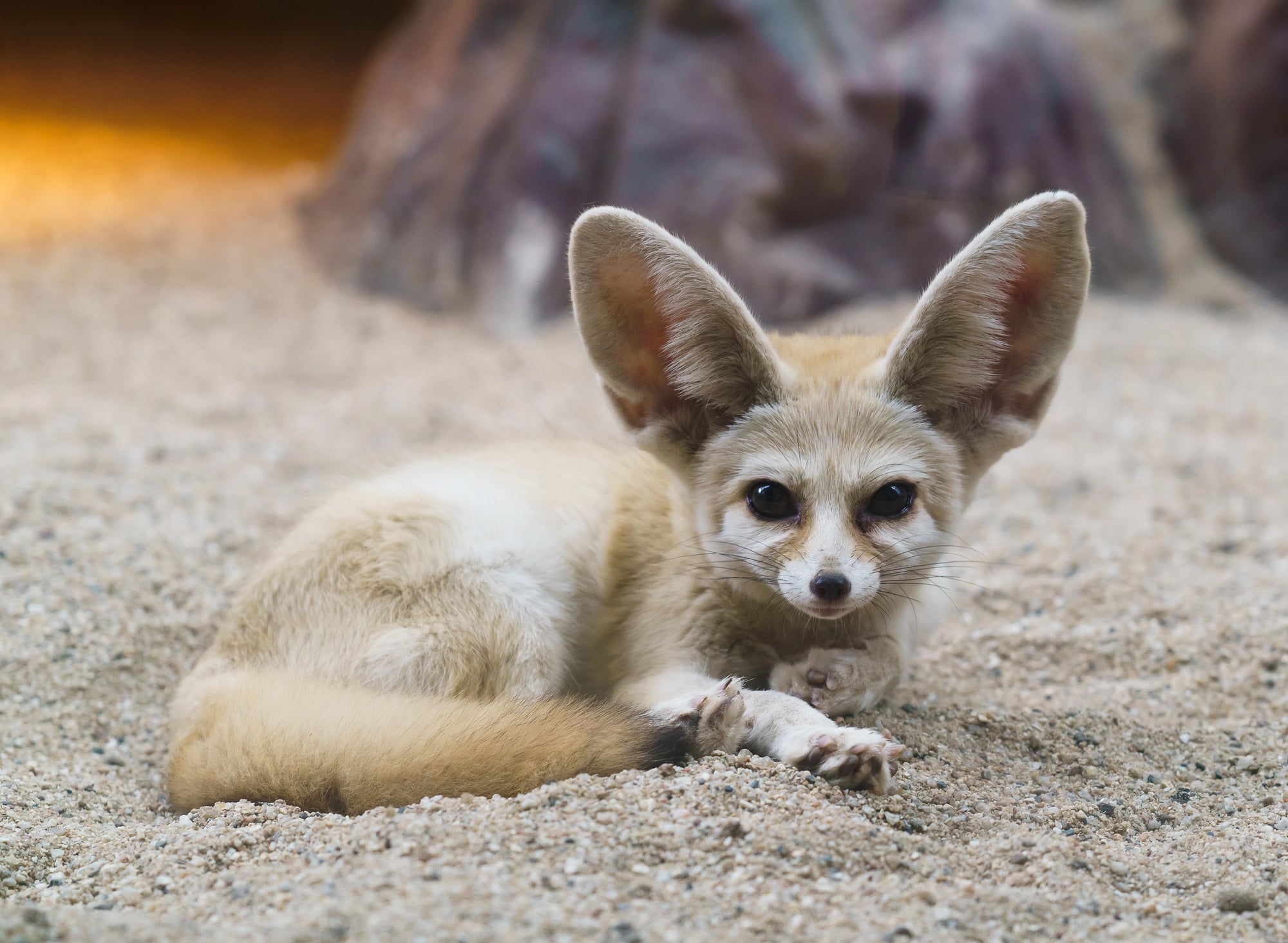
The fennec fox has turned living in scorching North African deserts into an art form, using oversized ears that work like natural air conditioners. Those comically large ears aren’t just for show—they’re packed with blood vessels that help dissipate heat, while their thick fur actually insulates them from both hot and cold temperatures.
They stay underground during the day when surface temperatures can reach 126°F, emerging at night to hunt when the desert cools down. Their kidneys are so efficient they rarely need to drink water, getting most of their moisture from food.
Pompeii Worm

Living near underwater volcanic vents where temperatures hit 176°F, Pompeii worms have basically set up a house in what amounts to a natural pressure cooker. These segmented worms keep their heads in the scalding water to feed while their tails stay in cooler areas, creating a temperature difference of over 140°F along their bodies.
They’ve developed special bacteria on their backs that form a protective layer, almost like wearing a living heat shield. Their unique proteins don’t break down even when exposed to temperatures that would denature most biological molecules.
Like Go2Tutors’s content? Follow us on MSN.
Bactrian Camel
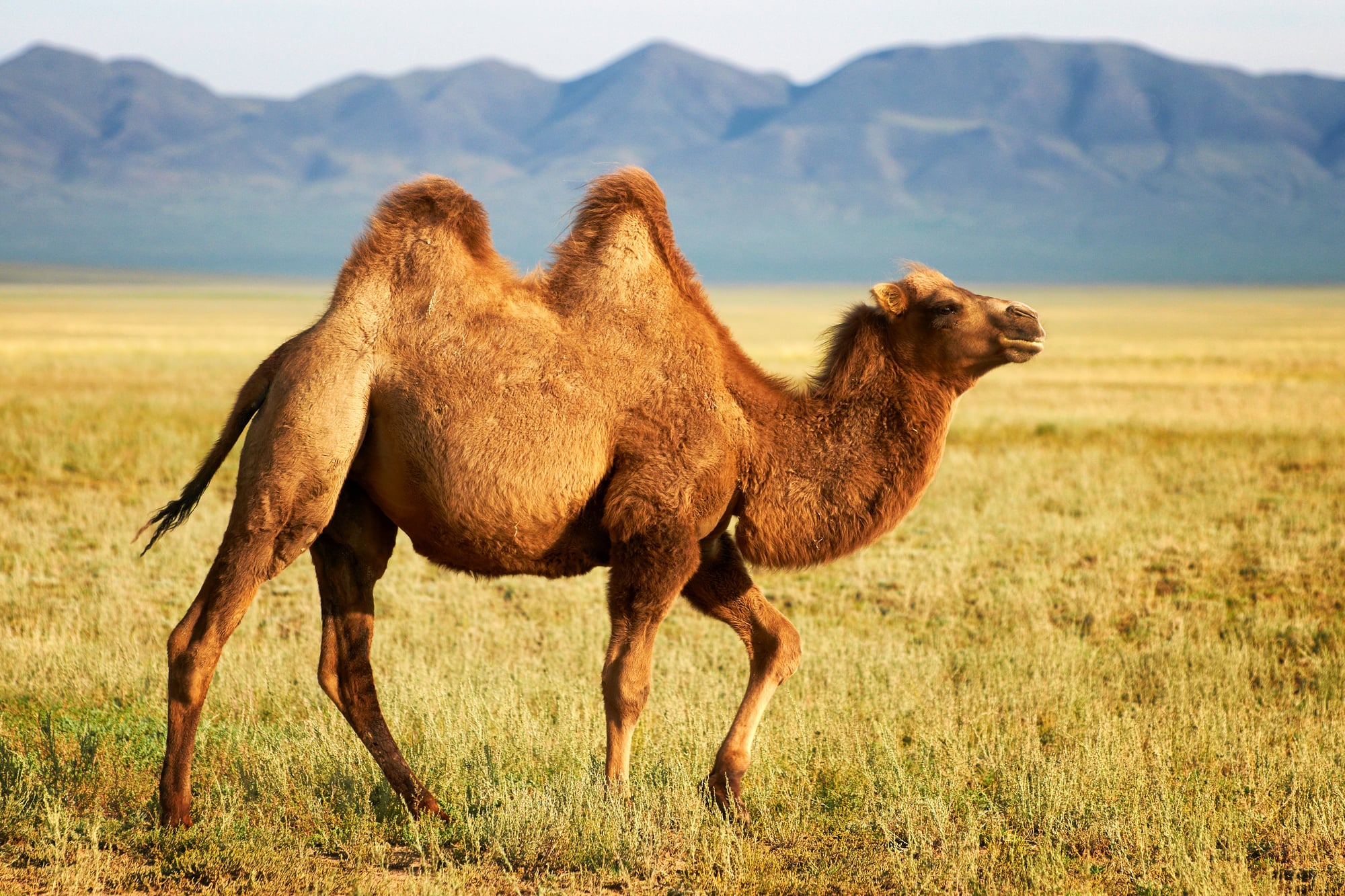
Bactrian camels handle temperature swings from -40°F to 100°F like they’re adjusting a thermostat, thriving in some of Asia’s most extreme desert conditions. Their thick, shaggy coats work like advanced insulation, trapping cool air next to their skin during hot days and retaining warmth during frigid nights.
These hardy animals can go without water for weeks, and when they do drink, they can gulp down 30 gallons in just 13 minutes. Their wide, padded feet distribute weight across hot sand like natural snowshoes.
Hyperthermophilic Archaea

Hyperthermophilic archaea are the ultimate heat extremists, living comfortably in temperatures above 176°F and some even surviving at 250°F. These ancient microorganisms thrive in places like Yellowstone’s hot springs and deep-sea hydrothermal vents where the pressure keeps water from boiling.
Their DNA is wrapped in special proteins that prevent it from melting, while their cell membranes contain unique molecules that stay intact at temperatures that would destroy normal cells. Some species actually require these extreme temperatures to reproduce and will die in merely ‘warm’ conditions.
Desert Pupfish

Desert pupfish live in water so hot and salty it would kill most fish within minutes, thriving in springs that reach temperatures up to 113°F. These tough little fish have adapted to conditions more extreme than most hot tubs, with specialized kidneys that handle salt concentrations four times higher than seawater.
They can survive in water with oxygen levels so low that other fish would suffocate, and their metabolism actually speeds up in hotter water. During cooler months, they become less active, but when the heat cranks up, they become more energetic and aggressive.
Like Go2Tutors’s content? Follow us on MSN.
Kangaroo Rat

Kangaroo rats have mastered desert survival so well they never need to drink water, even in temperatures exceeding 104°F. These small rodents get all their moisture from the seeds they eat, and their kidneys are so efficient they produce urine more concentrated than seawater.
They stay cool by burrowing underground during the day, creating complex tunnel systems where temperatures remain stable. Their specialized nasal passages actually recapture water from their breath, recycling every drop of moisture their bodies produce.
Sockeye Salmon

Sockeye salmon endure water temperatures up to 77°F during their spawning runs, pushing their cold-water physiology to the absolute limit. These determined fish develop special enzymes that continue working even as their body temperature rises, allowing them to complete their upstream journey in conditions that would normally be fatal.
Their metabolism shifts into overdrive during hot-water periods, burning through energy reserves at an incredible rate. The hottest water often occurs in shallow streams where they’re most vulnerable, making their heat tolerance crucial for species survival.
Emperor Penguin Chick
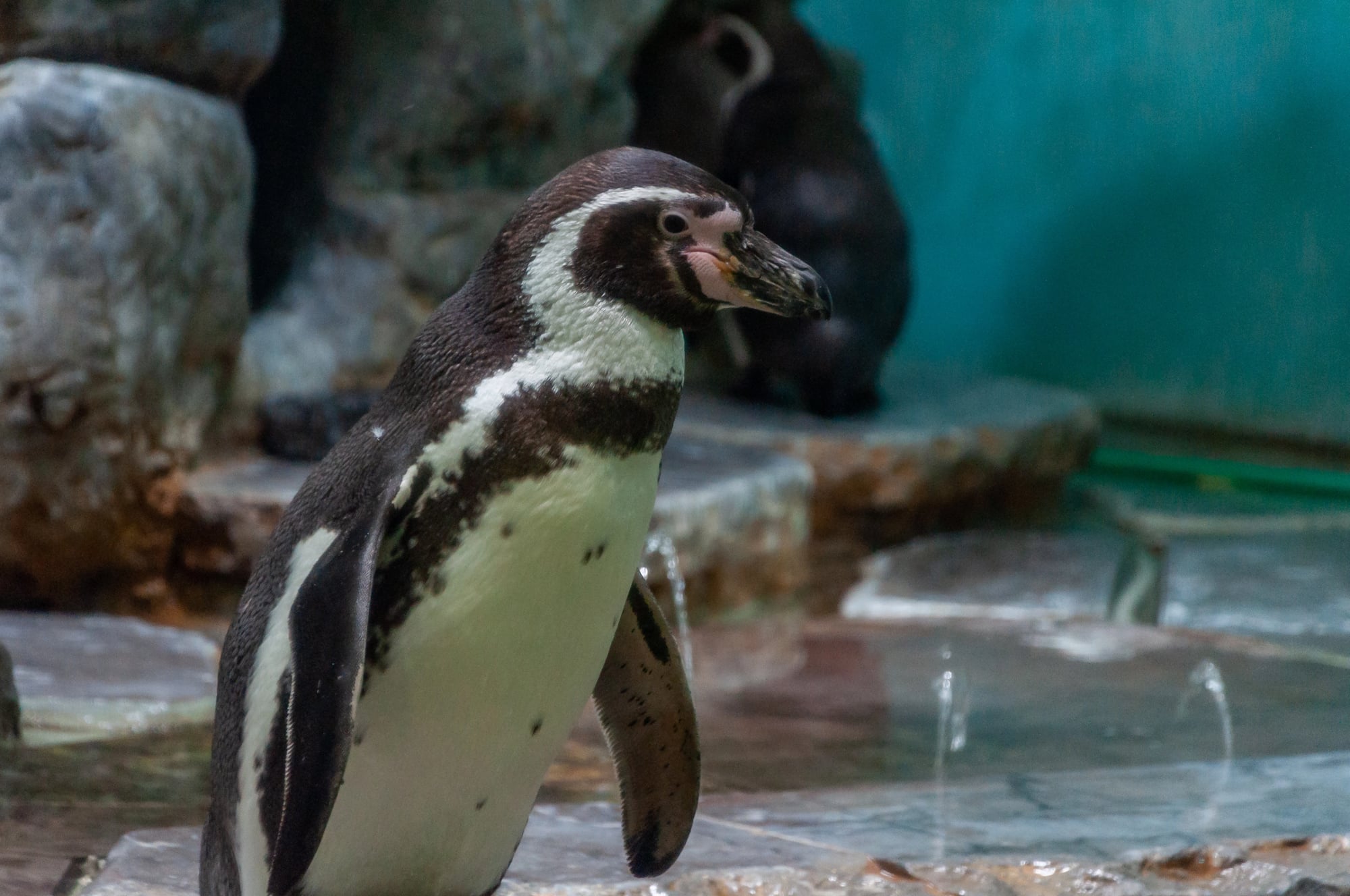
Emperor penguin chicks survive Antarctic conditions where ground temperatures can fluctuate from -40°F to surprisingly warm patches near their parents’ feet. These fluffy youngsters huddle together in groups called crèches, with chicks on the outside rotating to the warmer center in a natural heat-sharing system.
Their down feathers create multiple air pockets that insulate them from both extreme cold and the radiant heat from thousands of other penguins. When temperatures rise, they actually pant and spread their flippers to cool down, just like dogs in summer heat.
Like Go2Tutors’s content? Follow us on MSN.
Coachwhip Snake
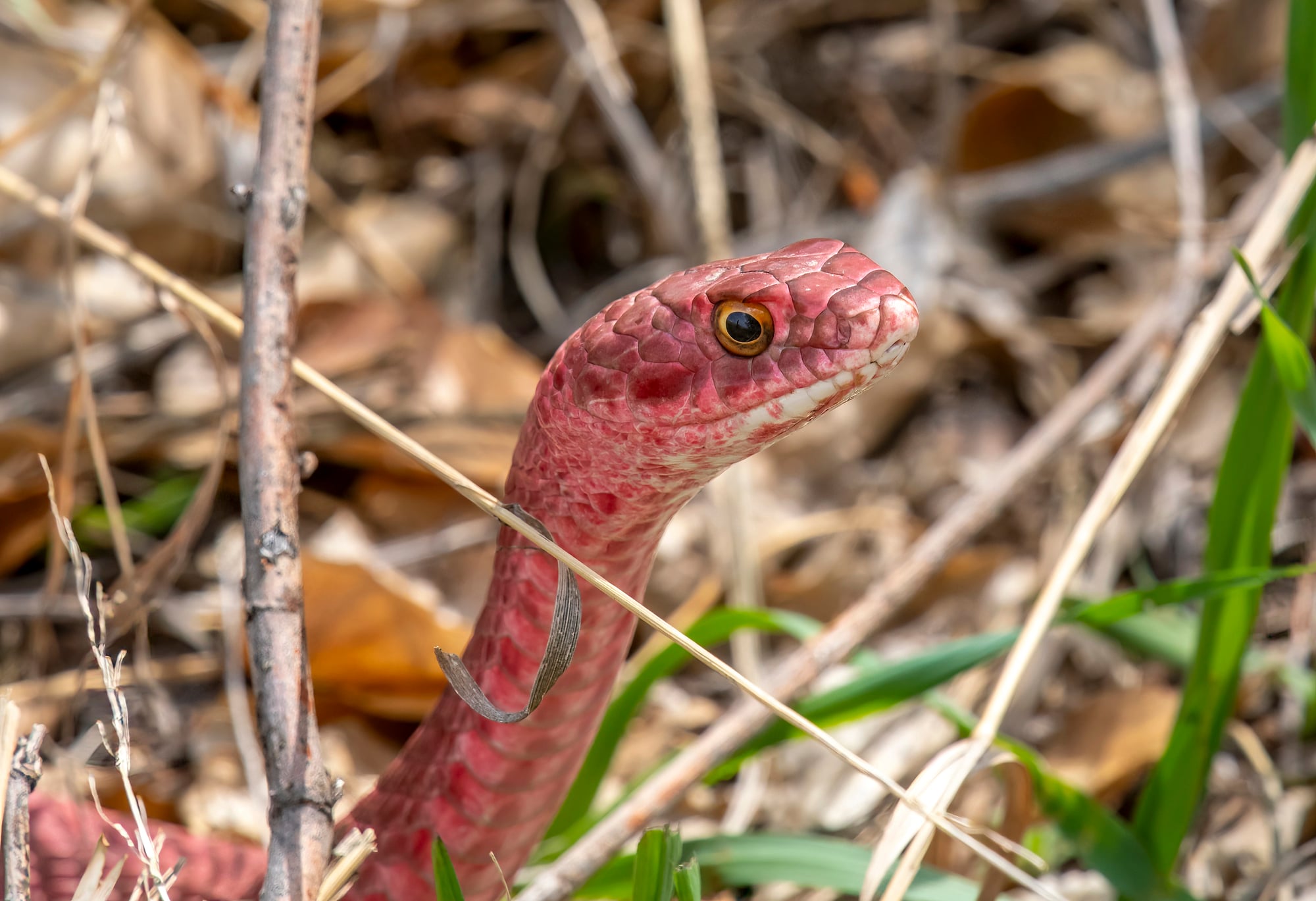
Coachwhip snakes cruise across desert surfaces that reach 140°F, moving so fast they seem to float above the burning sand. These speedy reptiles use a unique sidewinding motion that minimizes contact with hot surfaces, touching the ground for just milliseconds at a time.
Their light-colored scales reflect heat while their internal body temperature can safely rise to levels that would damage most other animals. They hunt during the hottest parts of the day when other reptiles seek shade, taking advantage of their superior heat tolerance.
Deinococcus Radiodurans

Deinococcus radiodurans laughs in the face of extreme heat, surviving temperatures up to 140°F while simultaneously handling radiation levels that would sterilize most environments. This ‘superbug’ repairs its DNA faster than heat and radiation can damage it, essentially performing constant cellular maintenance in real-time.
Its thick cell wall and unique protein structures resist breakdown even under conditions that would destroy laboratory equipment. Scientists study this bacterium to understand how life might survive on other planets with extreme temperature variations.
Yucca Moth

Yucca moths have synchronized their entire life cycle with desert plants that bloom only during the hottest summer nights when temperatures exceed 90°F. These specialized insects can only reproduce in conjunction with yucca plants, creating one of nature’s most temperature-dependent partnerships.
Their caterpillars develop inside yucca seed pods during the peak of desert summer, somehow thriving in conditions that would kill most other insect larvae. Adult moths emerge during heat waves, when their exclusive food source is most receptive to pollination.
Like Go2Tutors’s content? Follow us on MSN.
Tube Worm
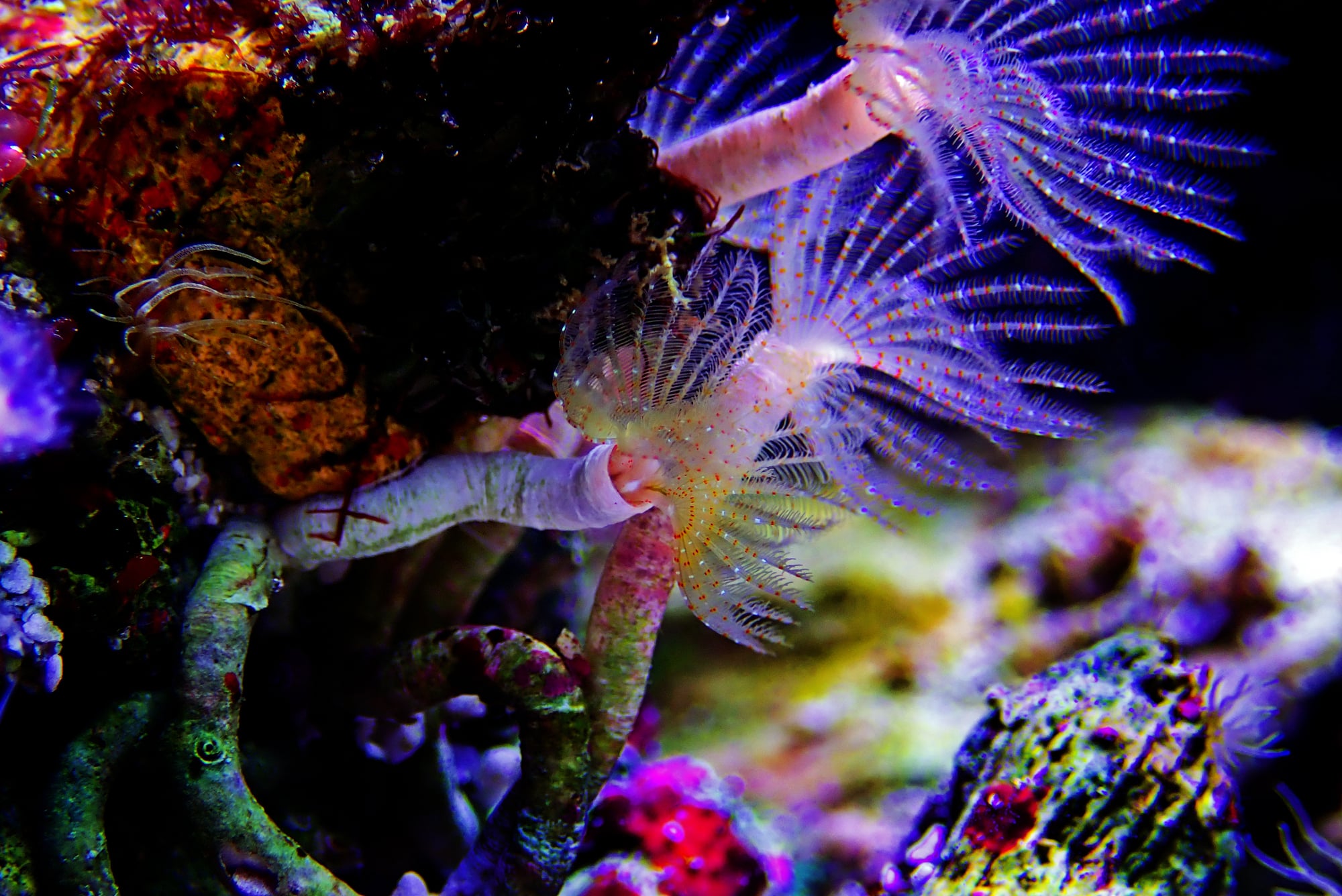
Deep-sea tube worms near hydrothermal vents live in water that would instantly cook most marine life, thriving in temperatures ranging from 35°F to over 180°F. These bizarre creatures have no mouth or digestive system, instead relying on bacteria living inside their bodies to convert scalding chemical soup into usable nutrients.
Their bright red plumes filter nutrients from water so hot it would melt plastic, while their white tubes anchor them directly to volcanic vents. They create underwater oases of life in conditions more extreme than most industrial processes.
Roadrunner
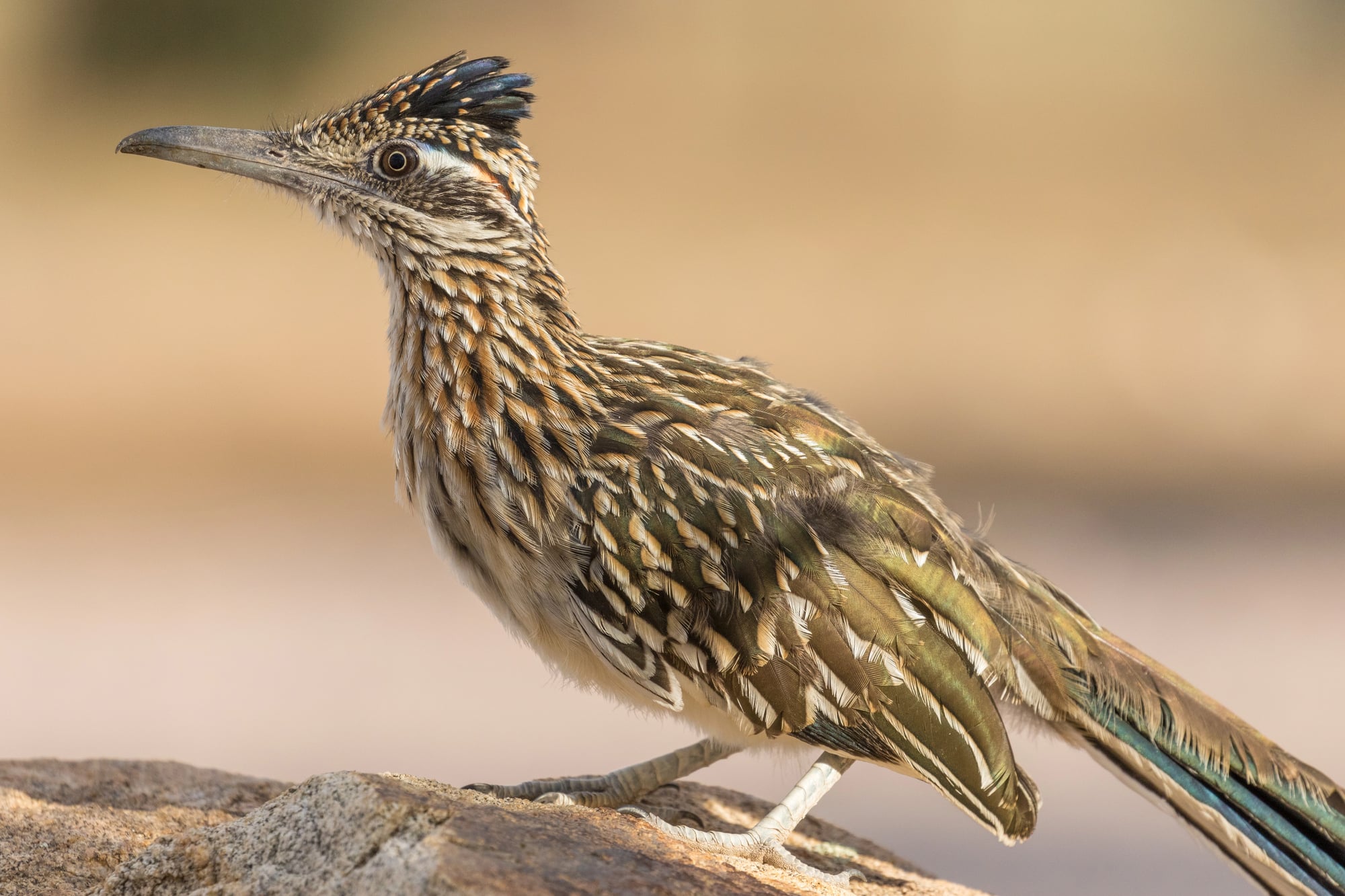
Roadrunners handle desert heat that regularly exceeds 110°F by becoming living solar panels, absorbing morning sun to jumpstart their metabolism. These speedy birds lower their body temperature at night to conserve energy, then bask in dawn sunlight to warm up quickly for daytime hunting.
Their dark back feathers absorb heat while lighter belly feathers reflect it, creating a natural temperature regulation system. They can actually raise their body temperature to 107°F, levels that would cause heat stroke in most animals.
Himalayan Jumping Spider
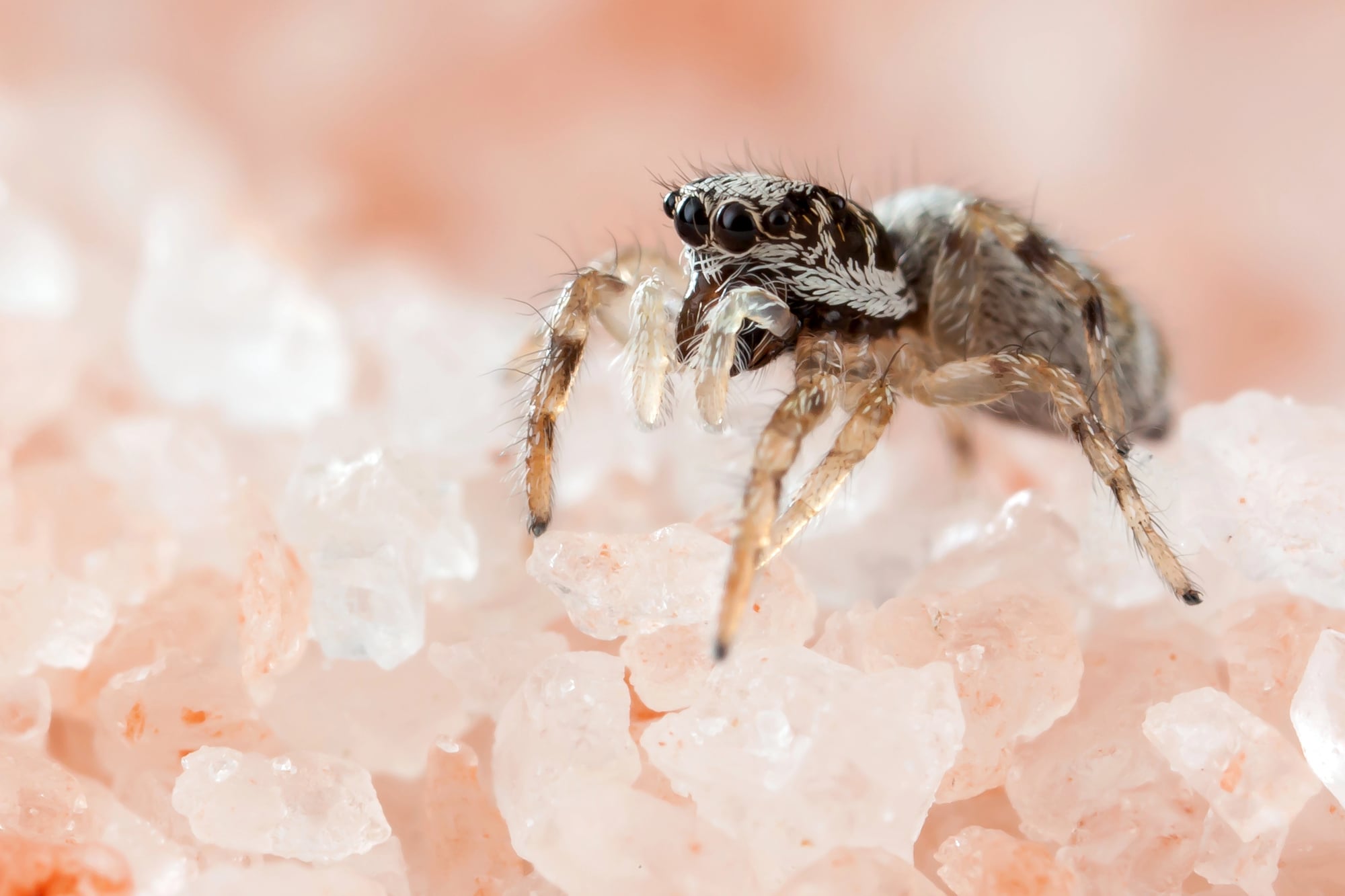
Himalayan jumping spiders survive on Mount Everest at altitudes where intense solar radiation creates scorching surface temperatures despite freezing air. These tiny arachnids have developed dark coloration that helps them absorb heat quickly during brief sunny periods while specialized antifreeze proteins prevent their body fluids from crystallizing.
They hunt during the few hours when rock surfaces are warm enough to support insect activity, timing their feeding to coincide with optimal thermal conditions. Their ability to rapidly warm up and cool down allows them to exploit thermal niches other animals can’t access.
Like Go2Tutors’s content? Follow us on MSN.
Scaly-Foot Gastropod

The scaly-foot gastropod lives directly on underwater volcanic vents where temperatures reach 752°F, making it one of the most heat-tolerant animals on Earth. This bizarre snail has evolved iron-reinforced scales and a shell that can withstand temperatures hot enough to melt aluminum.
Its foot contains specialized bacteria that help process toxic chemicals from volcanic vents while providing protection from extreme heat. The snail essentially lives in a constant state of thermal shock that would instantly kill most marine life, yet thrives in this hellish environment.
Masters of the Thermal Frontier

These incredible organisms show us that life doesn’t just adapt to extreme heat—it conquers it with strategies that seem almost like science fiction. From bacteria that treat boiling water as a comfortable bath to spiders scaling the world’s highest peaks, heat tolerance has driven some of evolution’s most creative solutions.
The mechanisms these creatures use to survive scorching conditions are now inspiring everything from better industrial processes to space exploration technology. As our planet continues warming, studying these thermal champions might just hold keys to understanding how life persists when the heat is on.
More from Go2Tutors!

- 18 Unexpectedly Valuable Collectibles You Might Have Lying Around
- 20 Little-Known Historical Battles That Had Huge Consequences
- 20 Historical Artifacts That Scientists Can’t Explain
- 15 Inventions That Were Immediately Banned After Being Created
- 20 Actors Who Were Almost Cast in Iconic Roles
Like Go2Tutors’s content? Follow us on MSN.