Police Units With Unusual Specialties
Camels cross paths with officers in certain cities, not just traffic jams. Picture patrols on desert edges where hooves matter more than tires.
Art theft squads chase stolen paintings through back alleyways and quiet auctions.Harbor police watch waterways like hawks, scanning boats after dark.
Mountain rescue teams climb icy ridges no roads can reach. Few expect clown masks at protests – yet there they are, part of crowd control tactics.
Undercover roles blur lines between actor and officer, month after hidden month. K9 handlers depend on barks, not badges, when tracking fugitives through forests.
Out there, a few cops do jobs you would not expect. These squads show how today’s law enforcement stretches past routine patrols.
The Camel Patrol Unit

Out in Dubai, some cops move around on camels rather than bikes or cars. Through beach paths and crowded sightseeing zones, these riders glide where regular patrol trucks struggle to pass.
Built for scorching sand, the animals outlast many others under the sun, drawing smiles plus picture requests from travelers nearby. Tradition sparked the idea – keeping old ways alive while staying seen among crowds needing order.
Volcano Monitoring Squad

When Iceland’s ground rumbles, a dedicated squad steps in – ready for fire and chaos. These officers study rocks, escape routes, long before the mountain wakes.
Close to molten rivers, they move with training, not instinct. Scientists share data; the team acts on it, timing each step.
Not just ash and flame – they manage crowds drawn by danger like moths. Some travelers ignore risk, chasing views only disaster can offer.
Their job? Stay calm while others rush toward trouble.
The Art Crime Team
Paintings vanish. Sculptures go silent. Ancient objects slip away without warning.
Italy answered with a quiet force – the Carabinieri Art Squad – trained to follow the traces. Not just police, they learn brushstrokes like grammar, studying how artists speak through time.
Museums send whispers; these agents listen. Since the 1960s, their hands have pulled back treasures worth oceans in value.
A digital vault grows under their watch – one filled not with gold but images of what’s lost. Fakes tremble when compared.
Raids turn up originals because someone once filed a photo, years before. What looks like dust on an old frame might be evidence only they recognize.
Railway Self-Harm Prevention Officers

Trains in Japan are watched closely by staff who focus on keeping passengers safe from self-harm. At platforms, these workers move quietly through crowds, eyes scanning for stillness too long, averted gazes, tension.
When someone appears unsteady inside, help arrives without force. Their words come slow, calm, built on listening more than speaking.
Behind each conversation is hours of practice reading silence, pain hidden behind routine gestures. Moments matter most when hesitation shows itself as slumped shoulders or clenched hands.
Prevention here leans on presence, not procedure. Lives keep moving because someone noticed before motion began.
Cheese Defenders

Worth a small fortune, those big rounds of Parmigiano-Reggiano sit guarded in Parma’s storage units. From there, cops keep watch – each wheel marked with a code on its crust.
If someone tries passing off fakes, investigators step in fast. Hidden digits help track down missing ones, even after thefts.
Not your average inventory: lenders treat them like gold when people borrow money. So it makes sense why patrol cars circle the aging stock so often.
Elephant Response Team

Forest staff in India manage teams focused on easing tensions when elephants enter places where people live. Instead of just watching, they study how elephants move and react, relying on drone footage to follow groups across farmland.
Barriers go up not only to block paths but also to gently steer animals away from homes and fields. When reports come in about elephants near village lanes, workers arrive quietly, guiding them back toward safe zones.
Communication sometimes happens through low rumbles or hand signals, taught to select members who spend long hours near herds.
Gaming Surveillance Unit

Out of nowhere, South Korean law enforcement steps into digital worlds to track crimes hiding inside online games. Hidden behind avatars, some cops dive into matches just like regular users – watching, waiting, spotting trouble.
When someone steals a rare weapon or locks another out of their profile, that report lands on an investigator’s desk. Tricking players through fake trades? That kind of scam gets attention fast.
Behind chat logs and server data, they trace actions back to real people. Even arguments that start over pixels sometimes explode beyond screens – then things get physical.
In those moments, the same team follows the trail offline.
Graffiti Removal Squad

Hours after someone reports it, Los Angeles already has teams on the scene. Photos go straight into a system tracking possible links to ongoing graffiti trends.
Cleanup follows fast – no waiting around for permission slips or schedules. When paint disappears quickly, copycats lose interest.
Surprise is part of the strategy: they act before others can plan again.
Fake Currency Experts

The U.S. Secret Service started out protecting currency before they ever guarded presidents. Officers in this division study printing techniques, paper composition, and security features that separate real money from fakes.
They train bank tellers and business owners to spot counterfeits and track down printing operations. The team investigates everything from basement printers to sophisticated international operations.
Mountain Rescue Police
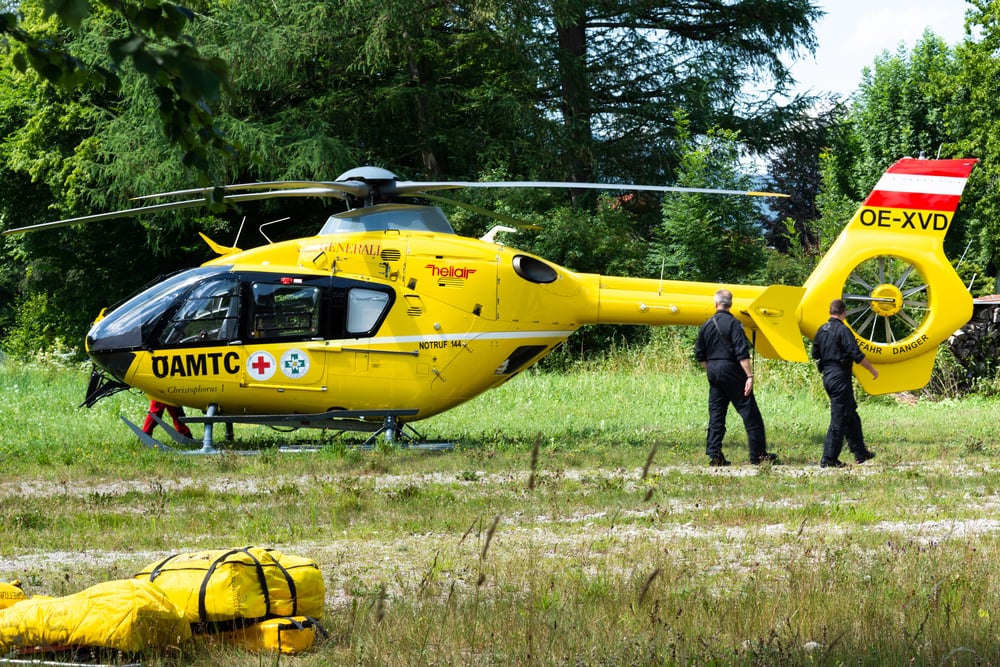
Switzerland maintains police units specially trained for Alpine rescues and avalanche response. These officers ski at expert levels, know technical climbing, and can operate in whiteout conditions.
They coordinate helicopter rescues and recover people trapped under snow after slides. Many have medical training to provide emergency care at high altitudes where normal ambulances can’t reach.
Livestock Theft Investigators

Texas Rangers still investigate cattle rustling just like they did in the Old West. Modern rustlers use trucks instead of horses, but stealing livestock remains a serious crime in ranch country.
Officers brand-check cattle at auctions, track suspicious trailer movements, and work with ranchers who’ve lost animals. A single theft can cost a rancher tens of thousands of dollars, which keeps these investigators plenty busy.
Social Media Crime Unit

New York created a team that monitors social media for criminal activity and threat assessment. Officers scroll through posts looking for planned violence, gang activity, and evidence of crimes already committed.
They’ve stopped attacks by catching threatening posts before people act on them. The unit also investigates cyberbullying cases and online scams targeting vulnerable people.
Falconry Squad

Dutch police trained eagles to take down unauthorized drones flying in restricted airspace. The birds learn to see drones as prey and snatch them out of the sky safely.
Officers work with professional falconers to maintain the program and keep the eagles healthy. This low-tech solution works better than jamming signals or shooting drones down, which can cause crashes in dangerous areas.
Truffle Protection Officers

French police in certain regions guard truffle hunting grounds from poachers during harvest season. These underground fungi sell for thousands of dollars per pound, which makes them targets for theft.
Officers patrol forests at night when most poaching happens and investigate suspicious sales at markets. Some truffle farmers have even hired private security because the crops are so valuable.
Underwater Investigation Team
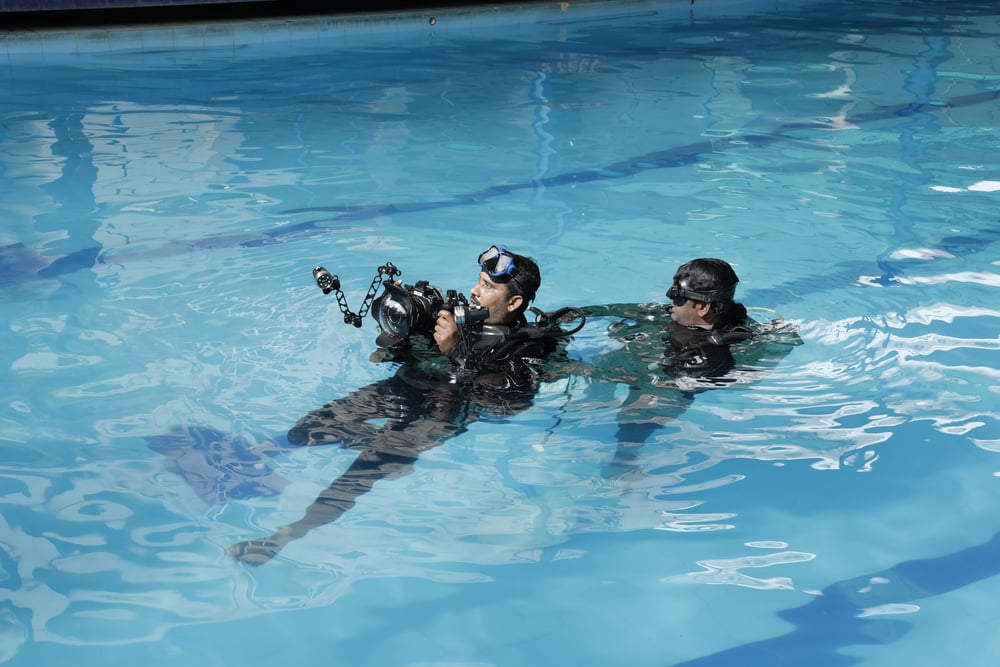
Florida maintains specialized police divers who investigate crimes that happen in water. These officers recover evidence from lakes and oceans, search for missing persons, and examine submerged vehicles.
They train constantly because underwater crime scenes require completely different techniques than land investigations. The team has solved murders by finding weapons thrown into canals and recovered stolen property dumped offshore.
Wild Boar Management Unit

German police in rural areas respond to wild boar incidents that happen more often than most people realize. These animals wander into towns, cause car accidents, and sometimes attack people when cornered.
Officers trained in wildlife management either herd them back to forests or, when necessary, handle dangerous situations. The boar population has exploded in recent years, which keeps this unit responding to calls almost daily.
Where Specialization Meets Necessity

Police work has evolved far beyond basic patrol duties as communities face increasingly specific challenges. These unusual units show how law enforcement adapts to protect everything from priceless art to entire ecosystems.
What seemed unnecessary decades ago has become essential as the world grows more complicated. The officers in these specialized roles prove that creative solutions often work better than traditional approaches when dealing with unique problems.
More from Go2Tutors!

- The Romanov Crown Jewels and Their Tragic Fate
- 13 Historical Mysteries That Science Still Can’t Solve
- Famous Hoaxes That Fooled the World for Years
- 15 Child Stars with Tragic Adult Lives
- 16 Famous Jewelry Pieces in History
Like Go2Tutors’s content? Follow us on MSN.