18 Times Product Recalls Came Too Late
Product recalls are supposed to protect consumers from dangerous items, but sometimes they happen after the damage is already done. When companies delay pulling hazardous products from shelves, the consequences can be devastating—ranging from serious injuries to tragic deaths that could have been prevented.
Here’s a list of 18 times product recalls came far too late, leaving families to deal with consequences that should never have happened.
Ford Pinto
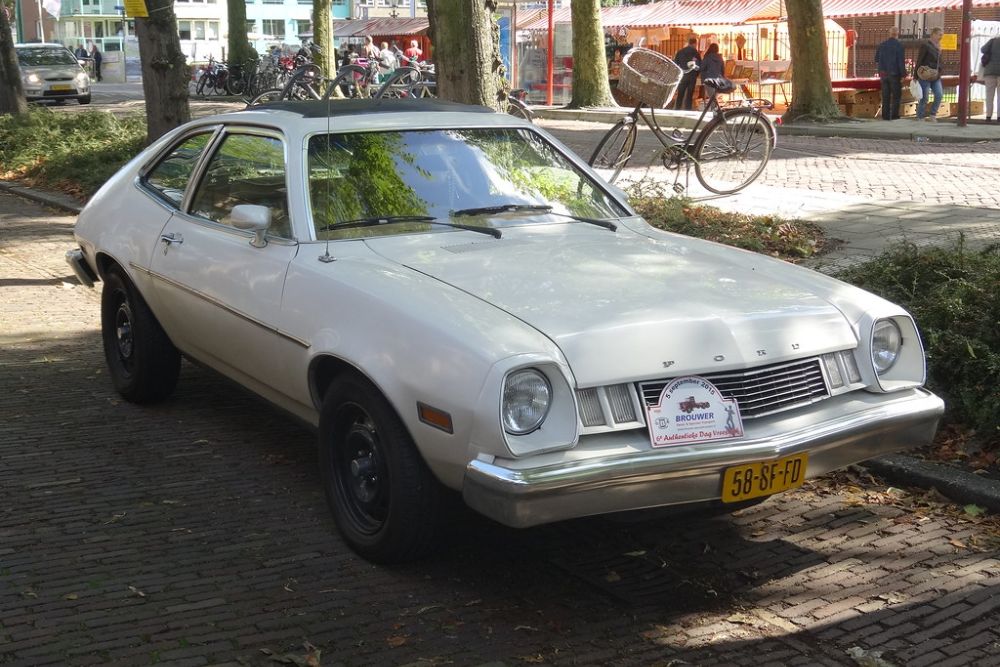
Ford knew their Pinto had a deadly flaw long before they issued a recall. The car’s fuel tank was positioned dangerously close to the rear bumper, making it prone to rupturing and catching fire in rear-end collisions.
Internal company documents later revealed that Ford had calculated it would be cheaper to pay wrongful death settlements than to fix the design problem, leading to an estimated 500 to 900 deaths before the recall in 1978.
Takata Airbags
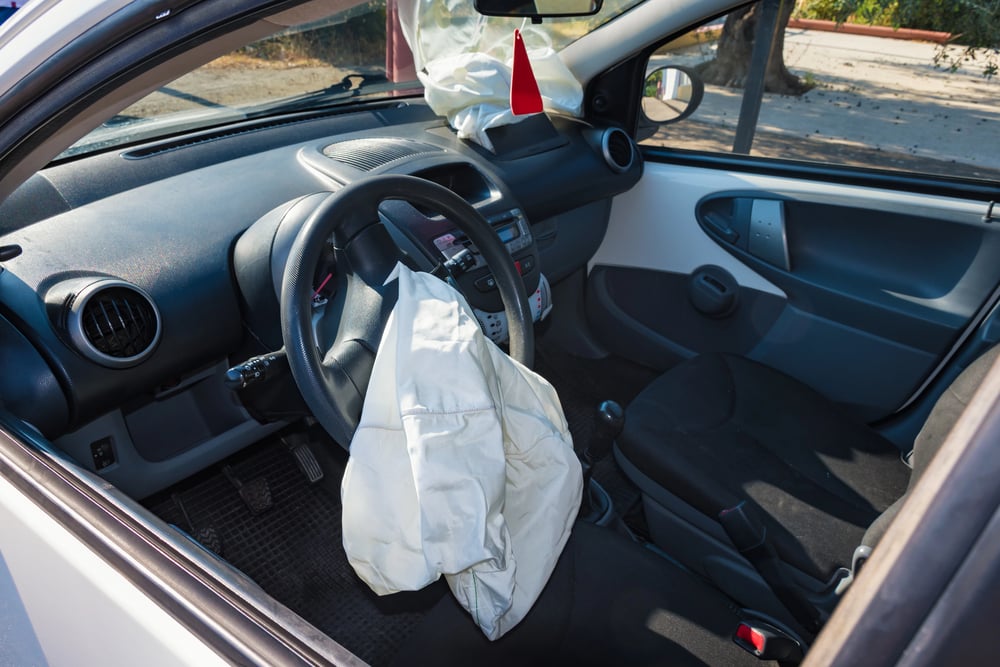
What was supposed to save lives became a lethal weapon in millions of vehicles worldwide. Takata airbags contained a defective inflator that could explode with excessive force, sending metal shrapnel flying into drivers and passengers.
Despite knowing about the problem for years, it took until 2013 for major recalls to begin, but by then at least 27 people had died and hundreds more were injured.
Tylenol Cyanide Murders
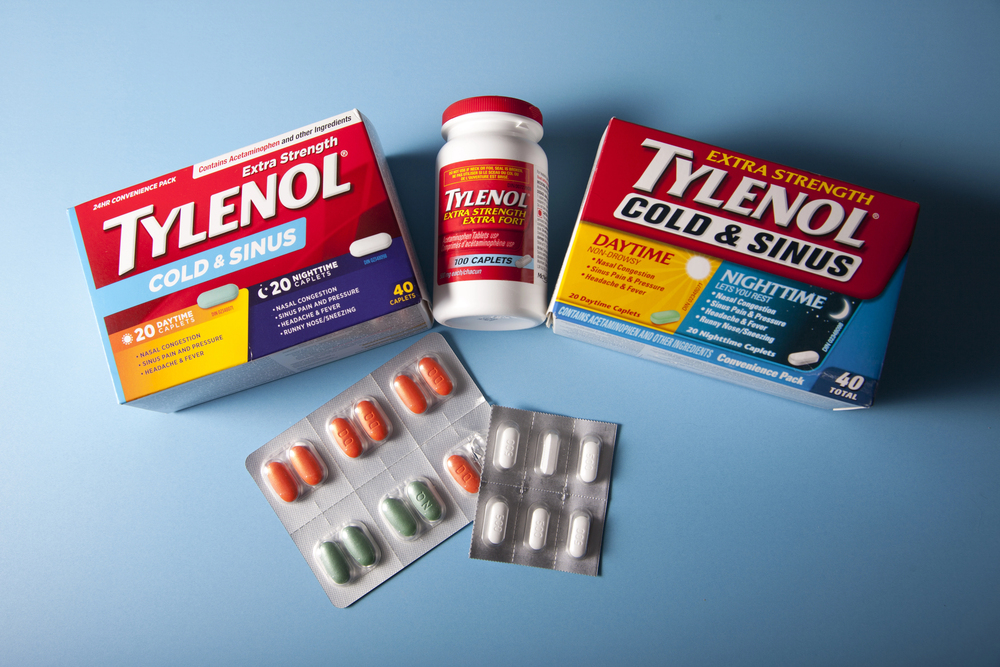
In 1982, seven people in Chicago died after taking Tylenol capsules that had been laced with cyanide by an unknown perpetrator. While Johnson & Johnson wasn’t directly responsible for the tampering, their initial response was slow and inadequate.
The company eventually recalled 31 million bottles nationwide, but not before panic spread and copycat incidents occurred in other cities.
Firestone Tires
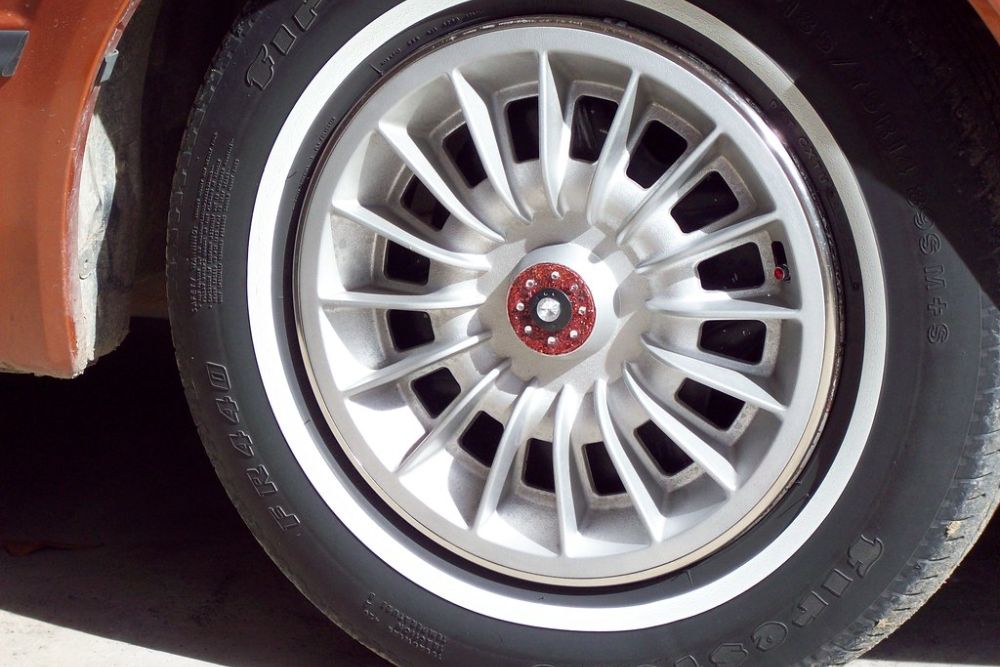
Firestone’s 500 steel-belted radial tires had a nasty habit of losing their treads at highway speeds, causing vehicles to roll over. The company received thousands of complaints and knew about the defects as early as the 1970s, yet continued selling the tires for years.
By the time recalls began in earnest in 1978, an estimated 500 people had died in accidents linked to these faulty tires.
Samsung Galaxy Note 7
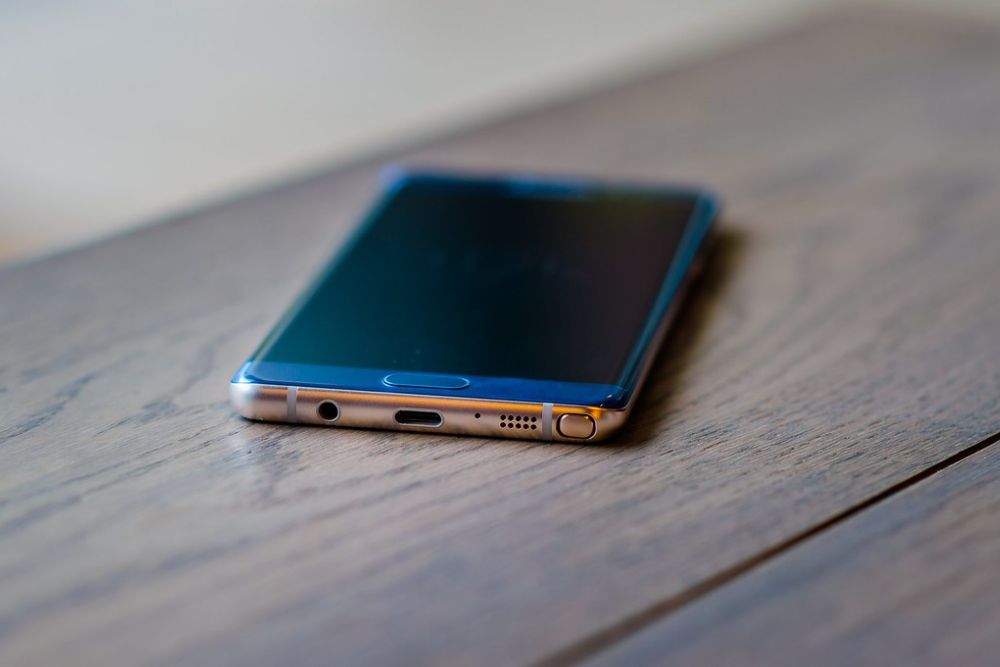
Samsung’s flagship phone turned into a potential fire hazard when its lithium-ion batteries began overheating and exploding. The company issued an initial recall in September 2016, but replacement phones also caught fire, leading to a second recall.
Airlines banned the devices, and the phone earned the nickname ‘exploding phone’ before Samsung permanently discontinued the model.
General Motors Ignition Switch

A defective ignition switch in various GM vehicles could slip from the ‘run’ position to ‘accessory’ or ‘off’ while driving, shutting down the engine and disabling safety systems like airbags. GM engineers knew about this problem as early as 2001 but didn’t issue recalls until 2014.
At least 124 people died in accidents linked to this defect, with many more injured when their airbags failed to deploy.
Guidant Defibrillators
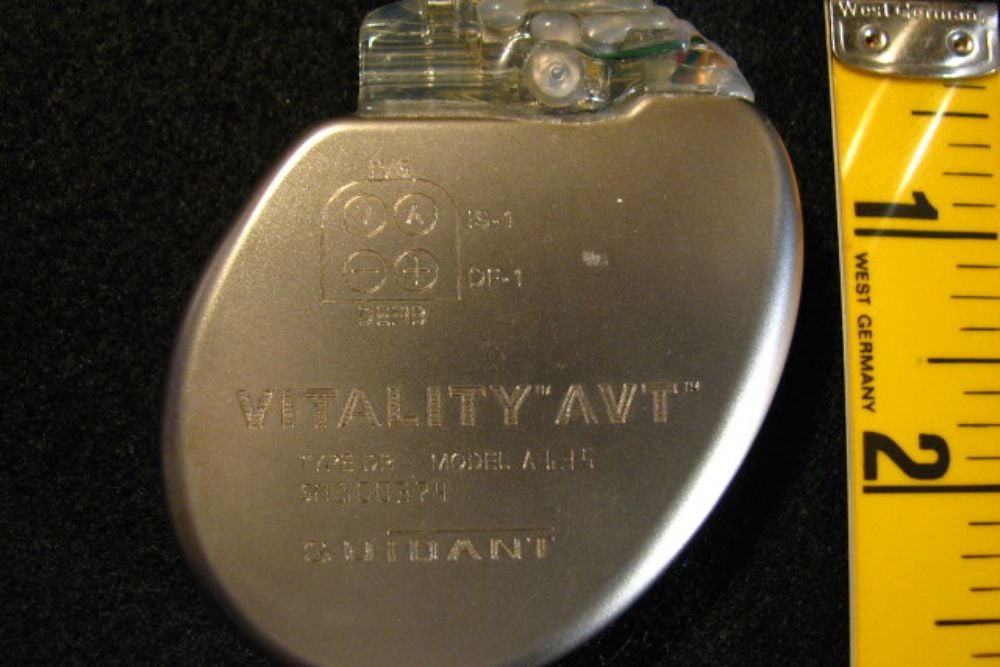
Guidant’s implantable defibrillators were supposed to restart hearts during cardiac emergencies, but some units were prone to short-circuiting. The company knew about electrical problems that could cause the devices to fail but waited months before issuing recalls.
During that delay, several patients died when their defibrillators malfunctioned during life-threatening situations.
Bridgestone/Firestone ATX Tires
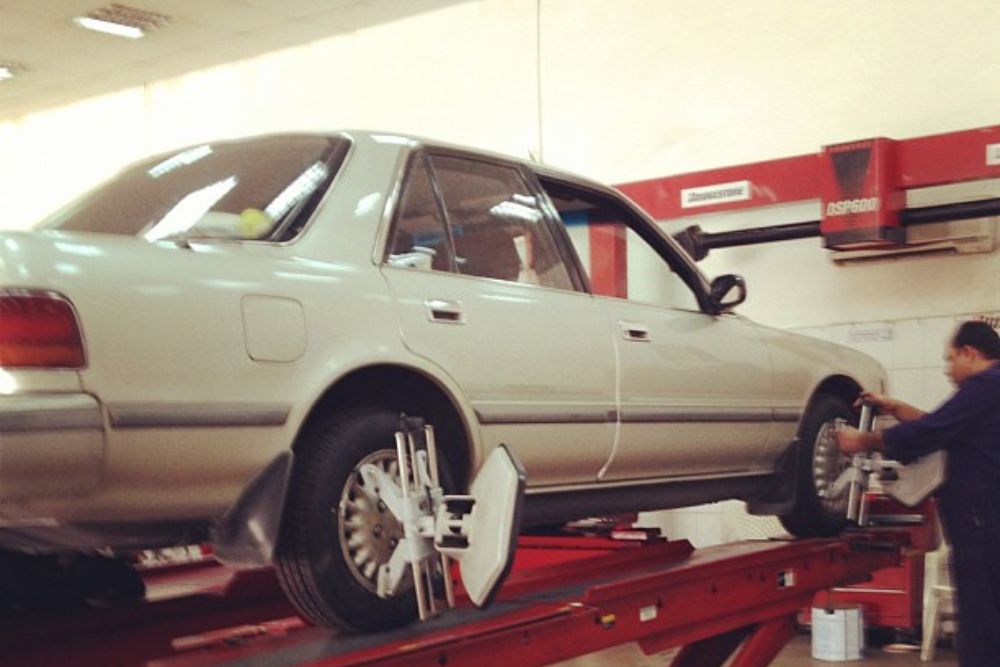
Another Firestone disaster struck in the late 1990s when their ATX, ATX II, and Wilderness AT tires began experiencing tread separation, particularly on Ford Explorers. The combination of defective tires and the Explorer’s tendency to roll over proved deadly.
Despite mounting evidence and complaints, it took until 2000 for a major recall, after more than 200 deaths and 700 injuries.
Ford Crown Victoria
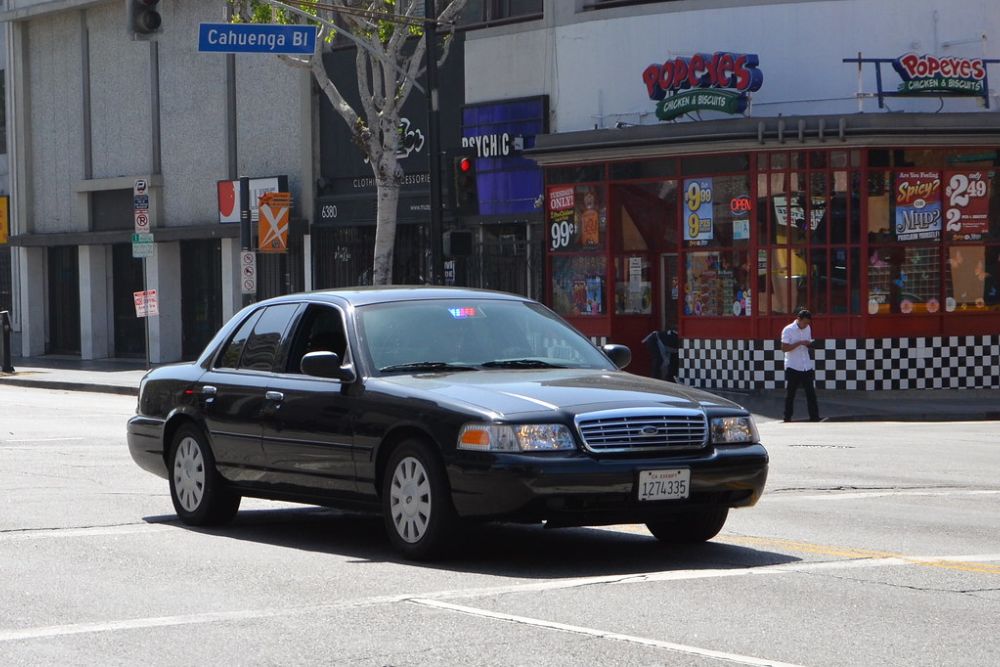
Police departments across the country reported that Ford Crown Victoria patrol cars were catching fire after rear-end collisions, putting officers at risk. The fuel tank design made the vehicles vulnerable to fires that could trap officers inside burning cars.
Ford eventually offered a safety kit to law enforcement agencies, but not before several officers died in fiery crashes.
Toyota Sudden Acceleration
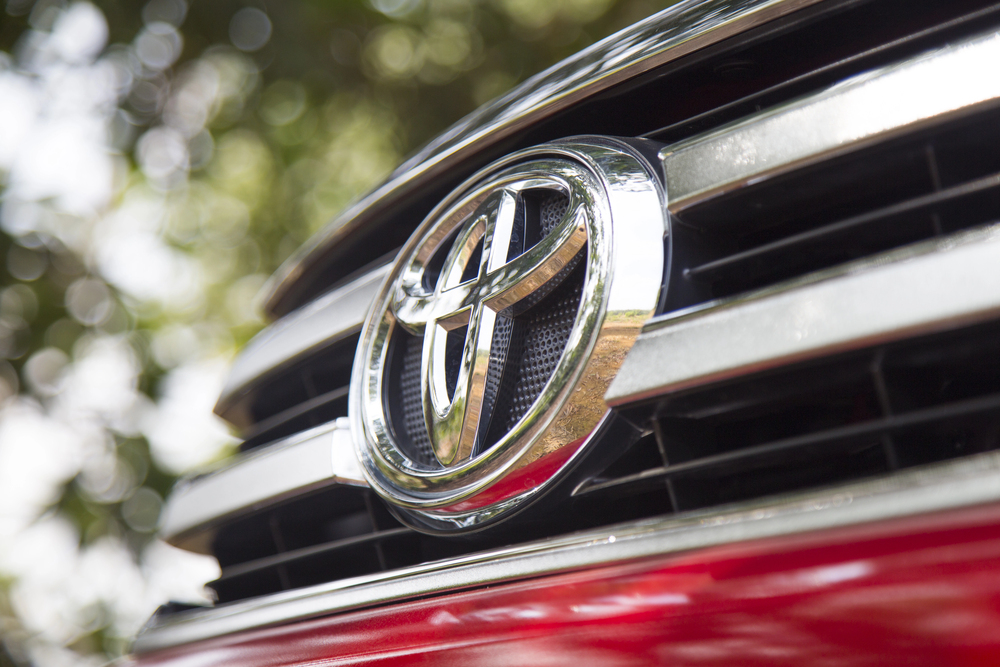
Toyota vehicles began experiencing unintended acceleration events where cars would speed up without driver input, making them nearly impossible to stop. The company initially blamed floor mats and sticky gas pedals, but the problem was more complex. Recalls began in 2009 and continued through 2010, but not before dozens of people died in crashes caused by runaway vehicles.
Dalkon Shield
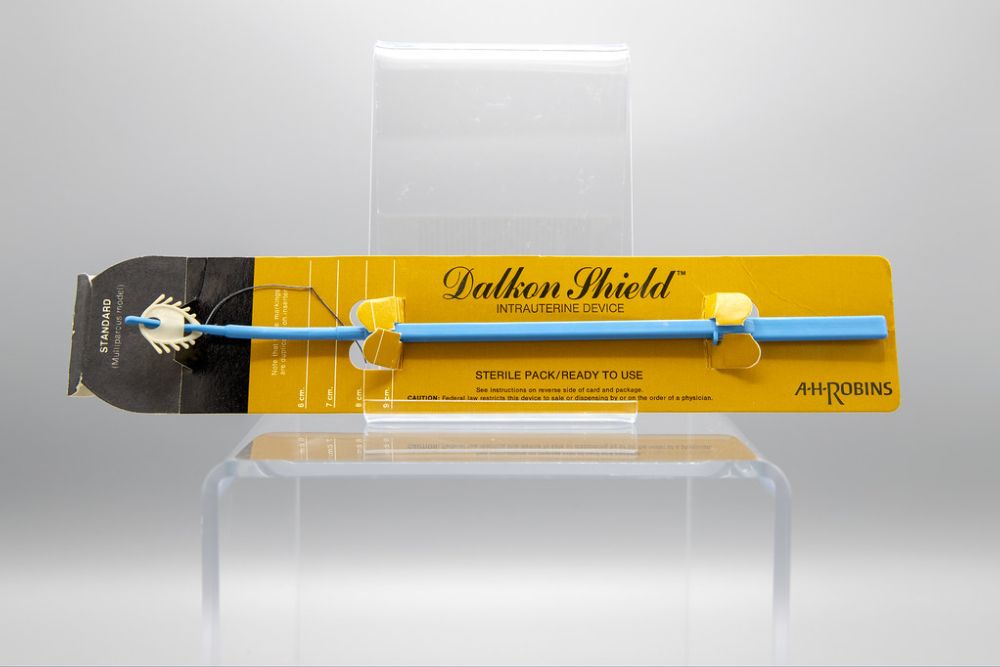
The Dalkon Shield intrauterine device was marketed as a safe form of birth control in the 1970s, but it caused serious infections, infertility, and even death in thousands of women. The manufacturer, A.H. Robins Company, knew about the problems but continued selling the device for years.
By the time it was pulled from the market, an estimated 18 deaths and countless cases of pelvic inflammatory disease had occurred.
Lawn Darts

These heavy, pointed lawn games seemed harmless enough until children began getting seriously injured and killed. The sharp metal tips could cause skull fractures and brain injuries when thrown incorrectly or when kids got in the way.
Despite mounting injuries throughout the 1980s, it took until 1988 for the Consumer Product Safety Commission to ban lawn darts after a 7-year-old girl was killed.
Three-Wheeler ATVs

All-terrain vehicles with three wheels were inherently unstable and prone to rolling over, especially when turning at speed. Manufacturers knew about the stability problems but continued selling them to families as recreational vehicles.
The recall and eventual phase-out didn’t happen until 1988, after hundreds of deaths and thousands of injuries, many involving children and teenagers.
Rely Tampons
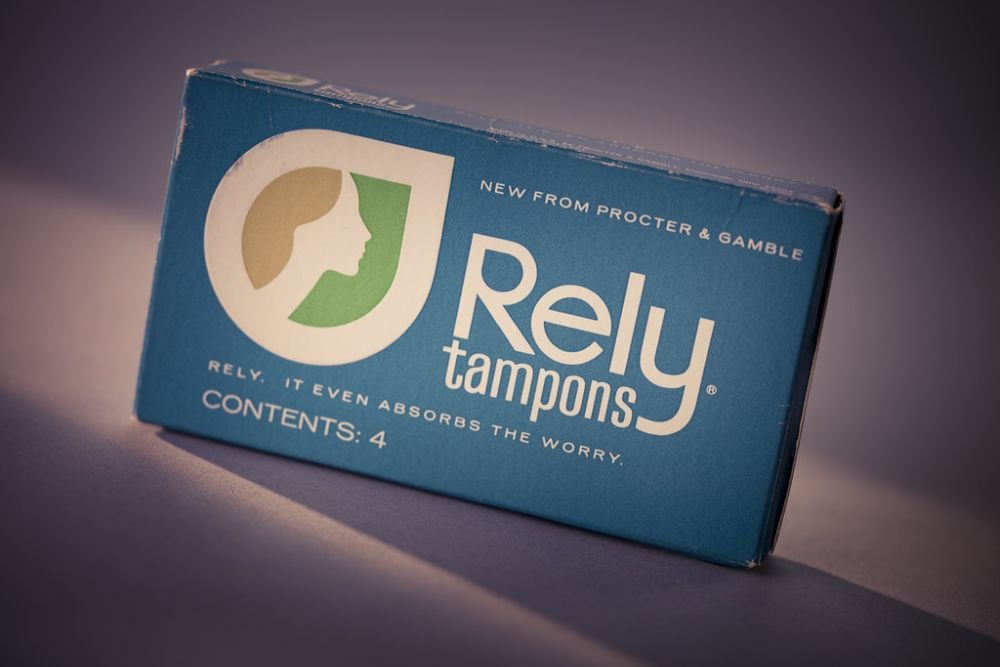
Procter & Gamble’s super-absorbent Rely tampons were linked to a surge in toxic shock syndrome cases in 1980. The ultra-absorbent materials created an environment where dangerous bacteria could thrive, leading to potentially fatal infections.
Despite early reports connecting the tampons to illness, the company was slow to act, and at least 38 women died before the product was pulled from shelves.
Jensen UV-A Sunlamps
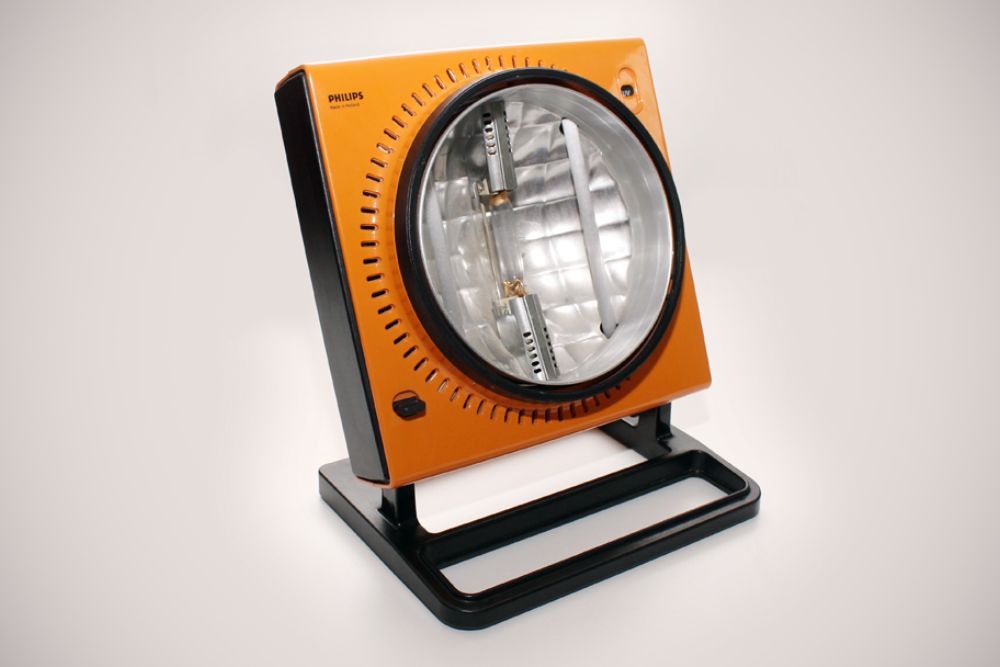
Home tanning beds manufactured by Jensen Industries had a serious design flaw that could cause severe burns and eye damage. The units lacked proper safety controls and could deliver dangerous levels of ultraviolet radiation.
Reports of burns and injuries mounted throughout the early 1980s, but recalls were delayed, leading to permanent scarring and vision problems for many users.
Vioxx
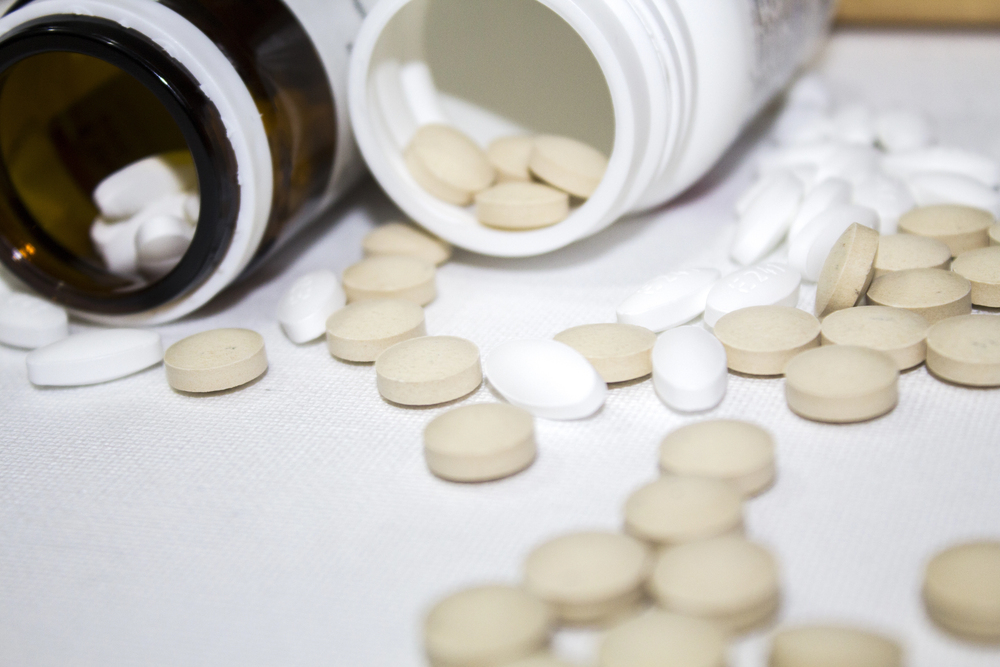
Merck’s popular painkiller Vioxx was supposed to be easier on the stomach than other anti-inflammatory drugs, but it significantly increased the risk of heart attacks and strokes. Internal studies suggested cardiovascular risks as early as 2000, yet the company continued marketing the drug until 2004.
An estimated 88,000 to 140,000 cases of serious heart disease were attributed to Vioxx before its withdrawal.
GM Side-Saddle Fuel Tanks
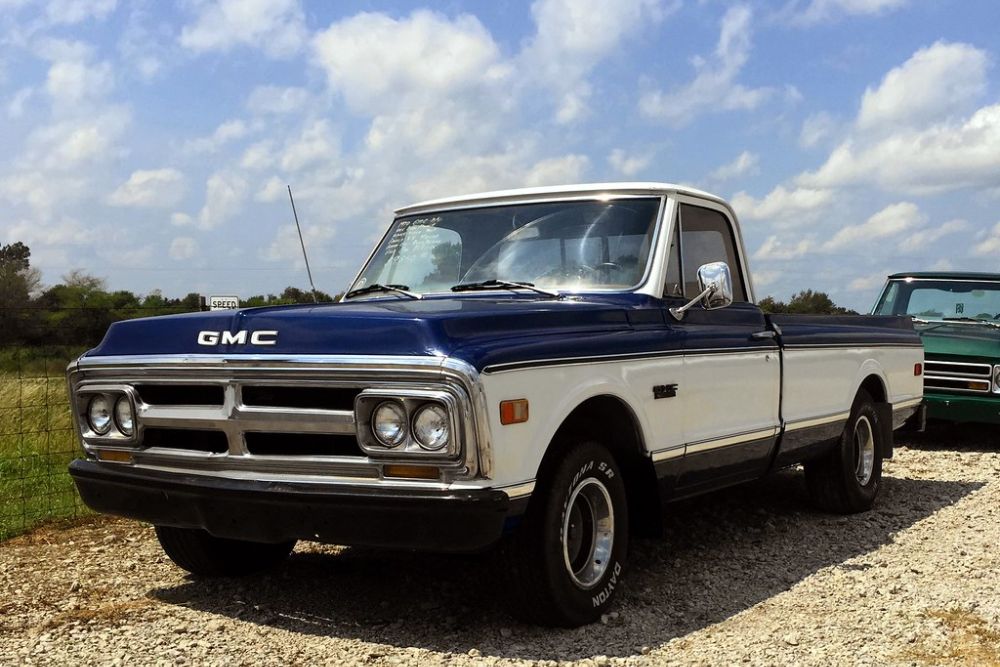
General Motors pickup trucks from the 1970s and 1980s featured fuel tanks mounted outside the frame rails, making them vulnerable to rupturing in side-impact crashes. The design, nicknamed ‘side-saddle’ tanks, was known to be dangerous, but GM continued using it for years.
Hundreds of people died in fires caused by fuel tank ruptures before the design was eventually changed.
Evenflo On My Way Infant Carriers

These baby car seats had a critical design flaw where the handle could suddenly release and flip forward, potentially causing the carrier to tip and injure the infant inside. Despite reports of handle failures and injuries dating back to the early 1990s, Evenflo was slow to issue recalls.
Several babies were seriously injured, and at least one death was linked to handle failure before comprehensive recalls began.
When Corporate Calculus Goes Wrong

These recalls remind us that behind every product safety decision lies a complex web of corporate priorities, regulatory oversight, and human consequences. While companies have gotten better at identifying and addressing safety issues quickly, these historical cases show what happens when profits are prioritized over people.
The families affected by these delayed recalls didn’t just lose loved ones—they lost faith in the systems designed to protect us all.
More from Go2Tutors!

- The Romanov Crown Jewels and Their Tragic Fate
- 13 Historical Mysteries That Science Still Can’t Solve
- Famous Hoaxes That Fooled the World for Years
- 15 Child Stars with Tragic Adult Lives
- 16 Famous Jewelry Pieces in History
Like Go2Tutors’s content? Follow us on MSN.