18 Year 2000 Predictions That Totally Missed
The dawn of the new millennium brought more than just Y2K fears and epic New Year’s parties. Futurists, tech experts, and cultural commentators were busy making bold predictions about what the next 25 years would bring.
Some got it spectacularly right, but many others fell flat on their faces in ways that seem almost comical today. Looking back at these forecasts reveals just how unpredictable the future really is, even when the smartest minds put their heads together.
Here’s a list of 18 predictions from around 2000 that completely missed the mark.
Flying Cars Would Be Everywhere
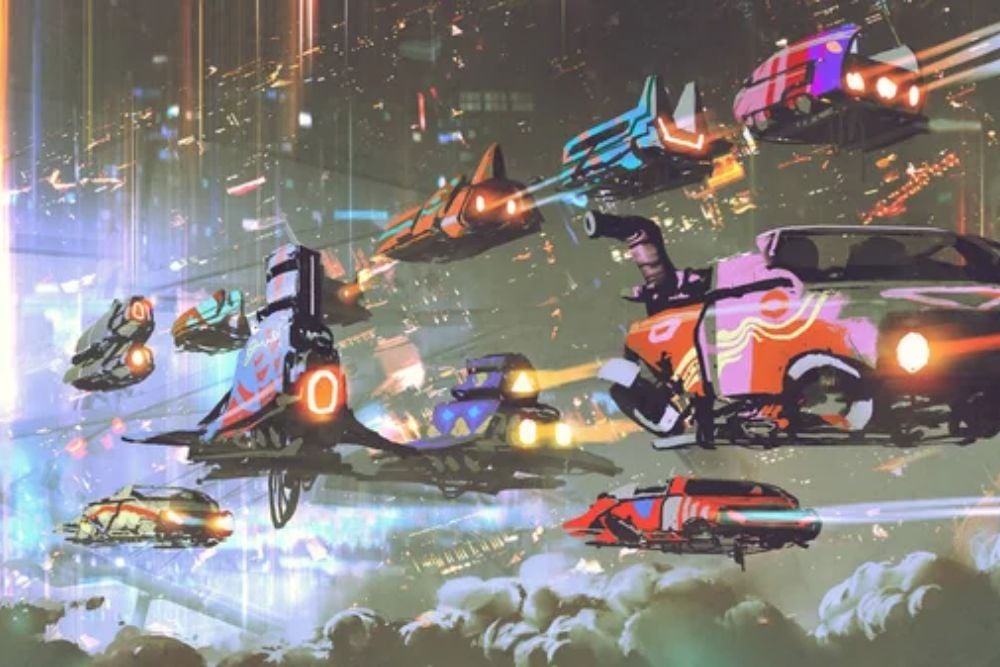
Remember when everyone thought we’d be zipping around in personal flying vehicles by now? Popular Mechanics and countless sci-fi movies had us convinced that traffic jams would be a thing of the past because we’d all be cruising through the sky.
Instead, we’re still stuck in the same old traffic, just with better GPS systems and electric vehicles that barely get off the ground.
Paper Money Would Disappear

Financial experts were certain that physical cash would be extinct by 2020. They envisioned a completely digital economy where credit cards and electronic payments would rule supreme.
While we do use cards and apps more than ever, cash stubbornly refuses to die, and plenty of people still prefer the old-fashioned way of paying for things
Robots Would Handle All Household Chores
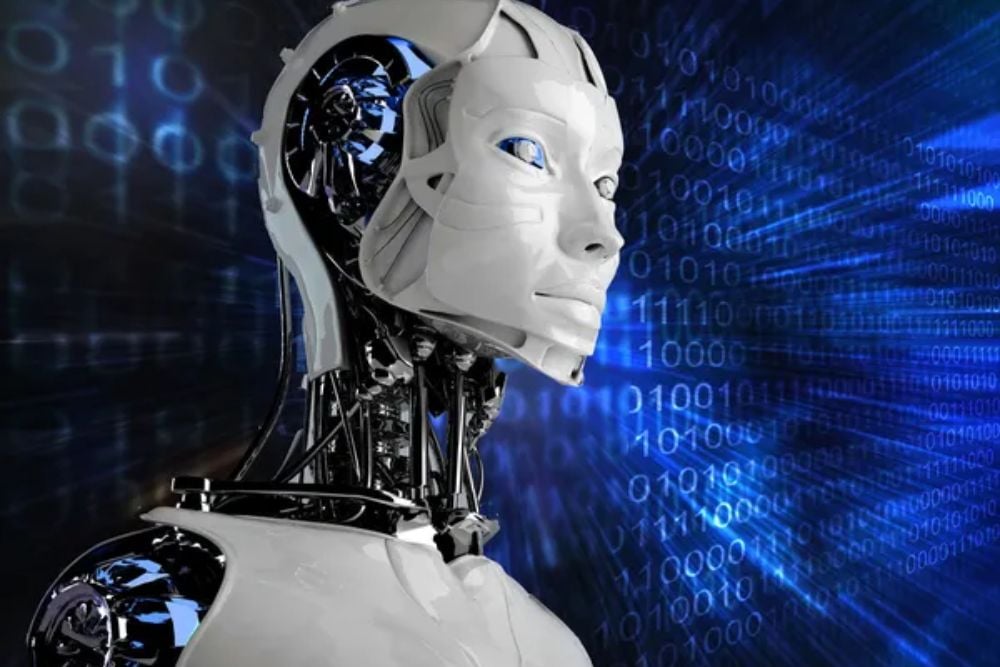
The Jetsons had us believing that robot maids would be standard equipment in every home by now. Tech enthusiasts predicted that automated helpers would vacuum, do laundry, cook meals, and basically turn us all into couch potatoes.
Sure, we have Roombas and smart appliances, but most of us are still doing our own dishes and folding our own clothes like chumps.
Video Phones Would Replace Regular Calls

Futurists were convinced that video calling would completely take over voice-only conversations. They imagined a world where seeing someone’s face during every phone call would be the norm, not the exception.
While video calls did become popular (thanks, Zoom!), most people still prefer regular phone calls for quick conversations and save the video for special occasions or work meetings.
Online Shopping Would Kill Physical Stores

E-commerce enthusiasts predicted that brick-and-mortar retail would be completely dead by 2020. They saw a future where malls would become ghost towns and everyone would do 100% of their shopping from home.
While online shopping did explode, physical stores adapted and survived, often by creating hybrid experiences that blend digital and in-person shopping.
Newspapers Would Vanish Completely

Media experts were certain that print newspapers would be extinct, replaced entirely by digital news consumption. They predicted that no one would want to read news on paper when they could get it instantly online.
Though newspaper circulation has dropped dramatically, many publications still print physical copies, and some people genuinely prefer reading the news on actual paper.
Work-From-Home Would Remain Rare

Before 2000, remote work was seen as a niche arrangement that would never catch on broadly. Business leaders predicted that office culture was too important and that technology wouldn’t advance enough to make remote collaboration effective.
The pandemic proved just how wrong this prediction was, turning remote work into a mainstream expectation almost overnight.
Electric Cars Would Stay Niche Forever

Auto industry experts dismissed electric vehicles as expensive toys for environmentalists that would never appeal to mainstream consumers. They predicted that gas-powered cars would dominate for decades because electric technology was too limited and charging infrastructure would never develop properly.
Tesla and other manufacturers had different plans entirely.
Social Media Was Just a Fad
Tech commentators viewed early social platforms like Friendster as temporary entertainment that people would quickly outgrow. They couldn’t imagine that connecting with friends online would become a primary form of human interaction.
Fast-forward to today, and social media platforms basically run the world, influencing everything from politics to purchasing decisions.
Streaming Would Never Beat Physical Media
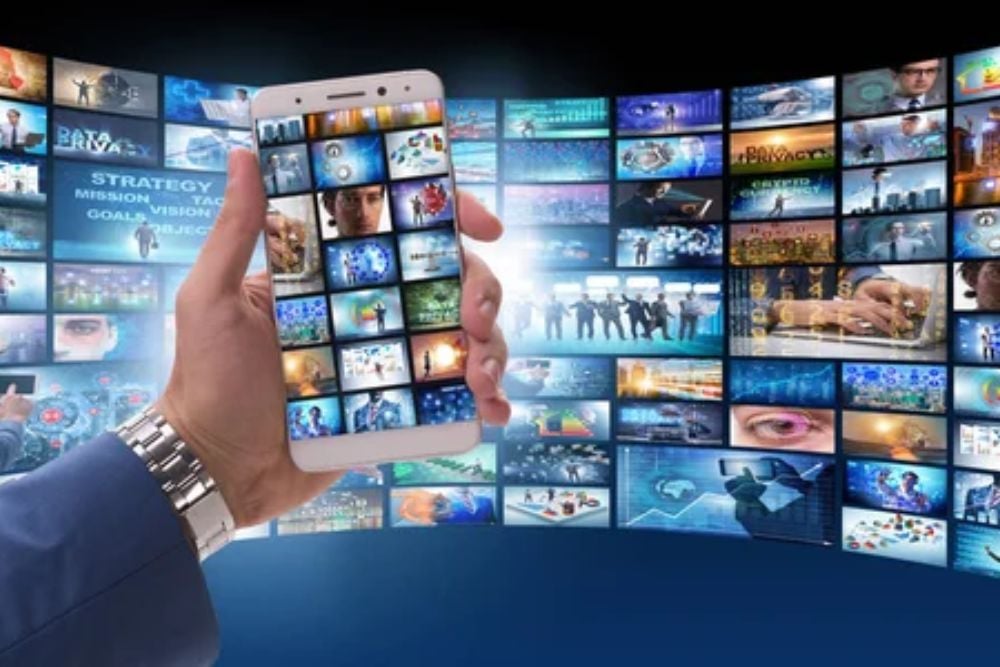
Entertainment industry executives were convinced that people would always prefer owning physical DVDs and CDs rather than renting digital content. They argued that consumers wanted permanent ownership and that internet speeds would never be fast enough for quality streaming.
Netflix and Spotify had other ideas about how people actually wanted to consume media.
Privacy Concerns Would Kill Online Commerce
Security experts predicted that fear of identity theft and privacy breaches would prevent most people from ever feeling comfortable shopping or banking online. They assumed that consumers would never trust the internet with their personal information or credit card details.
Instead, people adapted to digital life faster than anyone expected, even with ongoing privacy concerns.
Voice Recognition Would Never Work Properly
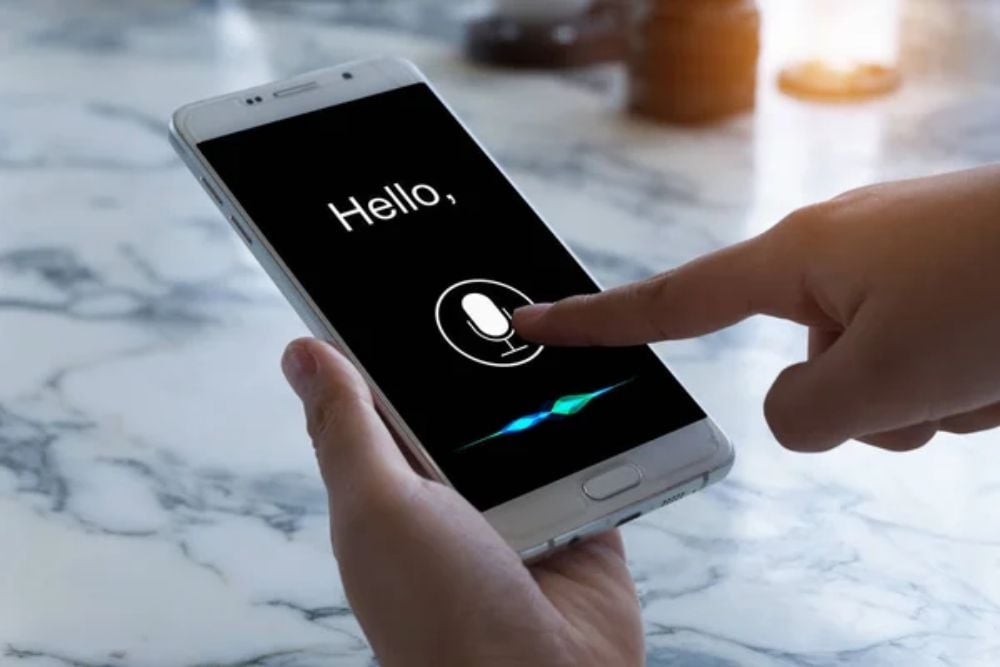
Computer scientists were skeptical that voice recognition technology would ever become accurate enough for everyday use. They predicted that people would always prefer typing and clicking rather than talking to their devices.
Siri, Alexa, and Google Assistant proved that prediction spectacularly wrong, making voice commands a normal part of daily life.
Video Games Would Remain a Kids’ Hobby
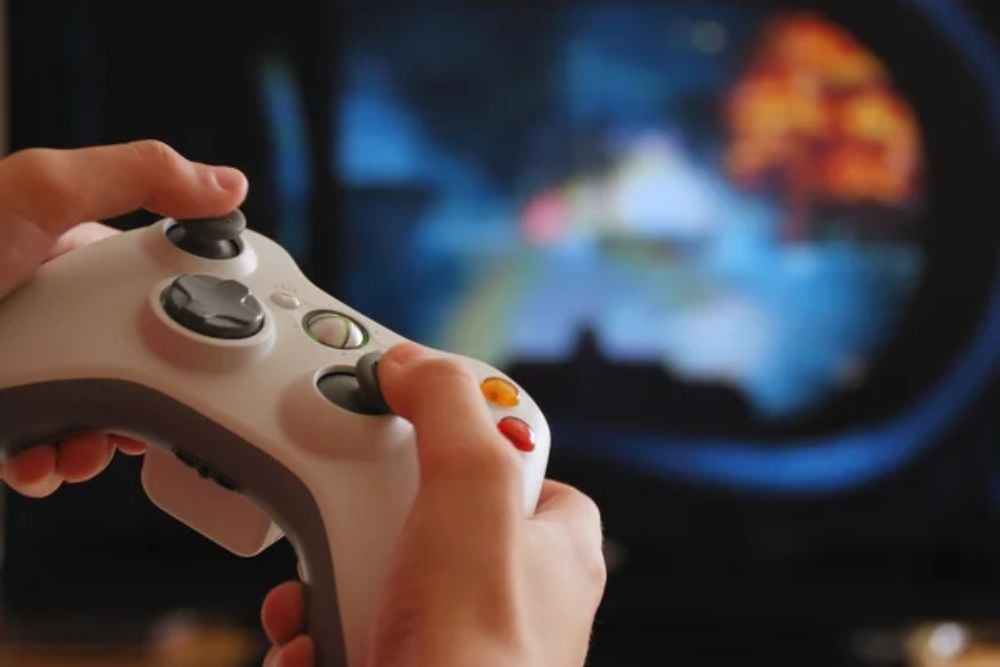
Gaming industry observers thought video games would never appeal to adults in significant numbers. They predicted that gaming would always be primarily a children’s activity that people would outgrow as they matured.
Today’s gaming industry generates more revenue than movies and music combined, with players spanning all age groups and demographics.
Artificial Intelligence Would Stay in Labs

AI researchers themselves predicted that machine learning would remain largely academic, with limited real-world applications for decades to come. They thought AI would be too complex and expensive to integrate into consumer products.
Machine learning now powers everything from photo recognition to recommendation algorithms that influence daily decisions.
Internet Access Would Stay Expensive and Limited

Telecommunications experts believed that high-speed internet would remain a luxury service that most people couldn’t afford or wouldn’t need. They predicted that dial-up connections would satisfy most users for years to come.
Instead, broadband became essential infrastructure, and people now expect fast internet access as a basic utility.
Digital Music Would Never Replace CDs

Music industry executives were certain that consumers would always prefer the superior sound quality and permanent ownership that compact discs provided. They predicted that digital music files were too compressed and temporary to satisfy serious music lovers.
The iTunes Store and streaming services completely upended that assumption.
Online Dating Would Never Go Mainstream

Relationship experts viewed early dating websites as desperate measures for people who couldn’t meet partners naturally. They predicted that the stigma around online dating would prevent it from ever becoming socially acceptable.
Dating apps have since become the primary way people meet romantic partners, completely normalizing digital matchmaking.
Smartphones Would Remain Business Tools

Technology analysts thought that internet-enabled phones would only appeal to business professionals who needed email access on the go. They predicted that regular consumers would never want or need that much technology in their pocket.
The iPhone launch proved that prediction hilariously wrong, turning smartphones into essential life accessories.
When Crystal Balls Get Cloudy

These missed predictions remind us that forecasting the future is incredibly difficult, even for experts who study trends professionally. Technology adoption rarely follows the neat timelines that analysts project, and human behavior often surprises everyone involved.
The most transformative changes frequently come from unexpected directions, making bold predictions look silly in hindsight. Perhaps the real lesson is that the future will probably surprise us in ways we can’t even imagine yet.
More from Go2Tutors!

- The Romanov Crown Jewels and Their Tragic Fate
- 13 Historical Mysteries That Science Still Can’t Solve
- Famous Hoaxes That Fooled the World for Years
- 15 Child Stars with Tragic Adult Lives
- 16 Famous Jewelry Pieces in History
Like Go2Tutors’s content? Follow us on MSN.