15 Arcade Cabinets Still Worth Every Quarter
The golden age of arcade gaming might have peaked decades ago, though some machines continue to draw crowds and justify their coin slots worldwide. These cabinets represent more than nostalgia. They offer gameplay experiences that remain genuinely compelling across different cultures and gaming traditions.
Whether it’s the perfect balance of challenge and reward or mechanics that modern games still can’t replicate, certain arcade classics have earned their legendary status in gaming centers from Tokyo to London to São Paulo. From fighting game tournaments in South Korea to casual family entertainment centers in Europe, these machines prove that great game design transcends technological limitations and cultural boundaries.
Here is a list of 15 arcade cabinets that still deliver unforgettable gaming moments worth your pocket change, whether that’s quarters, yen, euros, or pesos.
Dragon’s Lair

Don Bluth’s 1983 laserdisc adventure brought movie-quality animation to arcades through an interactive cartoon experience unlike anything before or since. Players guide Dirk the Daring through a medieval castle filled with death traps — relying on split-second timing to input the correct joystick movements and button presses.
The game’s trial-and-error learning curve feels punishing at first, yet memorizing the sequences becomes a badge of honor among dedicated players. Modern games with their complex graphics still can’t match the fluid, hand-drawn animation that makes every death scene a work of art.
NBA Jam
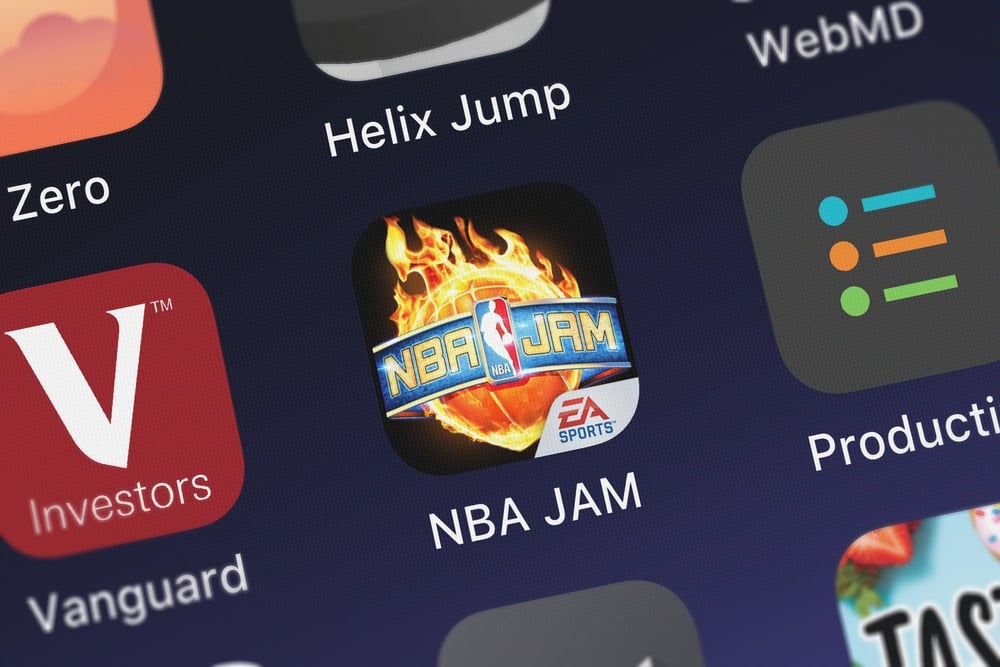
Midway’s 1993 basketball arcade took the sport and cranked everything up to ridiculous levels with two-on-two action that defied physics and logic. Players soar through impossible dunks while the announcer delivers iconic one-liners that became part of gaming culture.
The rubber-band AI keeps matches close regardless of skill differences — ensuring that comebacks always feel possible until the final buzzer. Four-player simultaneous action turns every session into a chaotic party where friendships are tested and trash talk flows freely.
The King of Fighters ’98

SNK’s 1998 fighting masterpiece brought together characters from multiple franchises in what many consider the definitive team-based fighter. The three-character team system creates incredible strategic depth as players must manage meter usage, character order, and team synergy throughout matches.
Each fighter represents different martial arts traditions from around the world — celebrating global fighting cultures through authentic movesets and visual designs. The game’s balance remains so refined that international tournaments still feature ’98 as a main event, proving its enduring competitive appeal across diverse gaming communities.
Marble Madness

This 1984 Atari creation challenged players to guide a marble through isometric obstacle courses using a trackball controller that provided unmatched precision. The physics feel surprisingly realistic as your marble gains momentum on slopes and loses speed on rough surfaces.
Each of the six races introduces new hazards and environmental challenges — from acid pools that shrink your marble to hammers that knock you off narrow ledges. Time pressure keeps players moving forward, though rushing leads to costly mistakes that can ruin an otherwise perfect run.
Spy Hunter
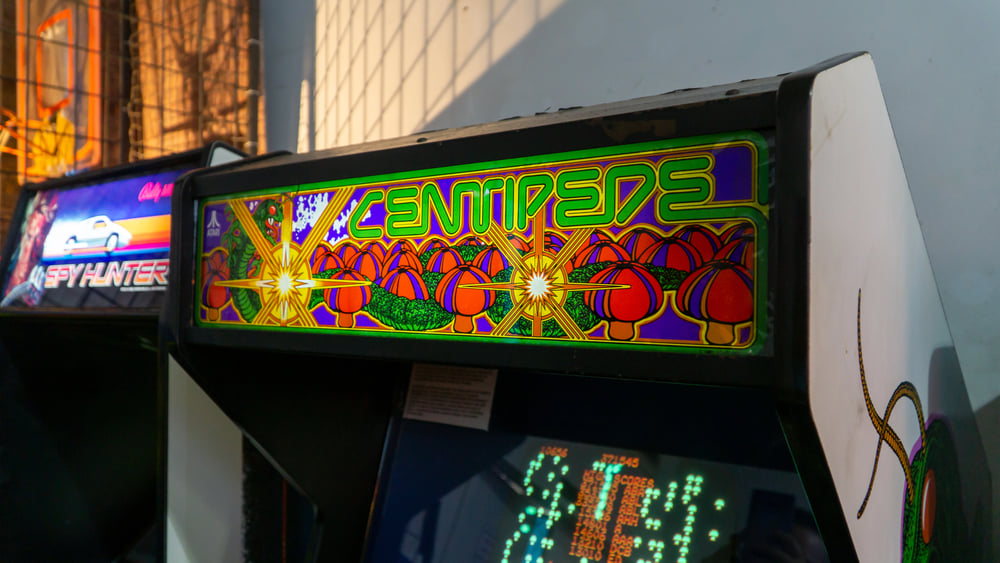
Bally Midway’s 1983 vehicular combat game put players behind the wheel of a high-tech interceptor car equipped with machine guns, oil slicks, and smoke screens. The Peter Gunn theme song perfectly captures the espionage atmosphere as you weave through civilian traffic while battling enemy agents.
Weapon upgrades feel meaningful and strategic — do you take the missiles for maximum damage or the oil slick for crowd control? The game’s forward-scrolling perspective creates a sense of constant progression that keeps the action moving at breakneck speed.
Tekken 3
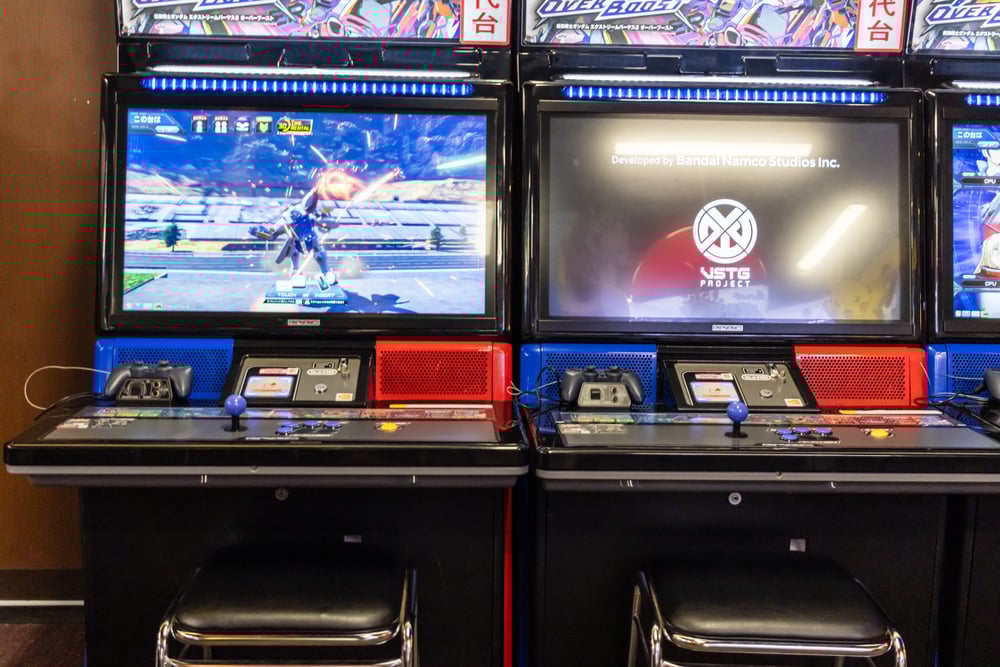
Namco’s 1998 3D fighter brought console-quality graphics to arcades while maintaining the precise timing and deep mechanics that fighting game fans demand. The roster of diverse martial artists each brings authentic fighting styles — from Jin’s traditional karate to Eddy’s fluid capoeira movements.
Juggling combos feel satisfying to execute while remaining accessible enough for casual players to enjoy the spectacular animations. The game’s balance allows multiple viable strategies, whether you prefer aggressive rushdown tactics or patient defensive play.
Beatmania IIDX

Konami’s DJ simulation game transformed music gaming through its seven-key keyboard and turntable controller that mimics real DJ equipment. Players must hit notes in time with electronic dance music tracks while manipulating the scratch turntable for additional sound effects.
The game’s difficulty progression accommodates everyone from curious beginners to dedicated enthusiasts who spend years perfecting their techniques. Popular throughout Asia and growing in Western markets — IIDX demonstrates how rhythm games can bridge cultural gaps through universal musical appreciation and competitive skill development.
Marvel vs. Capcom 2

This 2000 crossover celebration, cramming 56 characters into one massive roster, created endless team combinations and strategic possibilities. The three-on-three tag system allows for devastating assist combinations and dramatic comeback victories when low-health characters receive super meter bonuses.
Each character retains their unique personality and moveset from their respective universes — creating dream matchups between Wolverine and Ryu or Storm and Chun-Li. The game’s high-speed action and over-the-top special effects create a comic book atmosphere that perfectly captures both franchises’ energy.
Wangan Midnight Maximum Tune
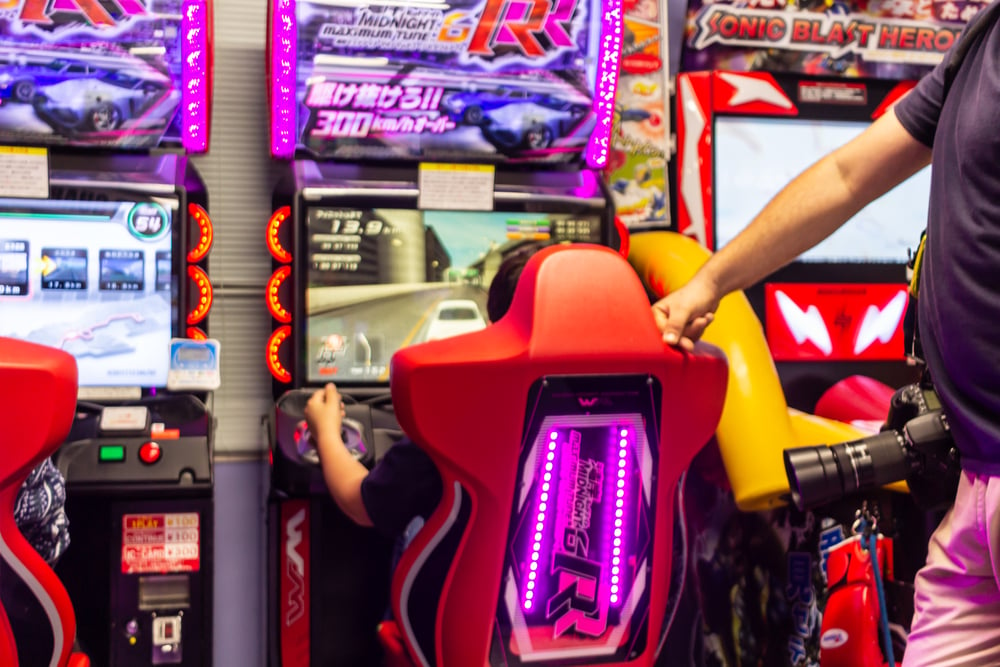
This Japanese racing series captures the high-speed highway culture through realistic car physics and authentic Japanese automotive tuning culture. Players navigate Tokyo’s Shuto Expressway and other famous routes using actual steering wheels, pedals, and gear shifters that simulate real driving experiences.
The upgrade system allows deep customization of suspension, aerodynamics, and engine components — reflecting Japan’s rich car modification scene. Popular across Asia and increasingly available worldwide, the game creates communities of racing enthusiasts who share tuning strategies and compete for fastest lap times.
House of the Dead 2

This 1998 Sega light gun game perfected the zombie-shooting formula through improved graphics, branching paths, and perfectly calibrated difficulty. The cabinet’s mounted guns feel weighty and responsive — while screen positioning creates the illusion of actually aiming down sights.
Cooperative play transforms the experience into a buddy movie where communication and coordination become essential for survival. Multiple endings based on performance and accuracy encourage repeat playthroughs, though the cheesy voice acting and B-movie atmosphere create unintentional comedy that enhances the entertainment value.
Puzzle Bobble

Taito’s 1994 bubble-shooting puzzle game created a simple yet deeply strategic experience that appeals to players across all cultures and age groups. The physics-based bubble mechanics require spatial reasoning and trajectory planning, while the cute dinosaur characters add universal charm without relying on language or cultural references.
Each level presents unique challenges that reward both careful planning and quick reflexes under pressure. The game’s popularity spans from Japanese game centers to European family entertainment venues, proving that elegant puzzle design transcends cultural boundaries and creates shared gaming experiences worldwide.
Taiko no Tatsujin

Namco’s drum simulation brings traditional Japanese percussion to arcades through large physical taiko drums that players strike with wooden mallets. The game celebrates Japanese culture while remaining accessible to international audiences through its intuitive rhythm-based gameplay.
Songs range from traditional folk music to modern pop hits from various countries, creating a diverse musical experience that respects cultural heritage while embracing global entertainment. The physical drumming motion provides satisfying tactile feedback that digital rhythm games struggle to match, making each successful performance feel like a genuine musical accomplishment that transcends language barriers.
Street Fighter III: Third Strike
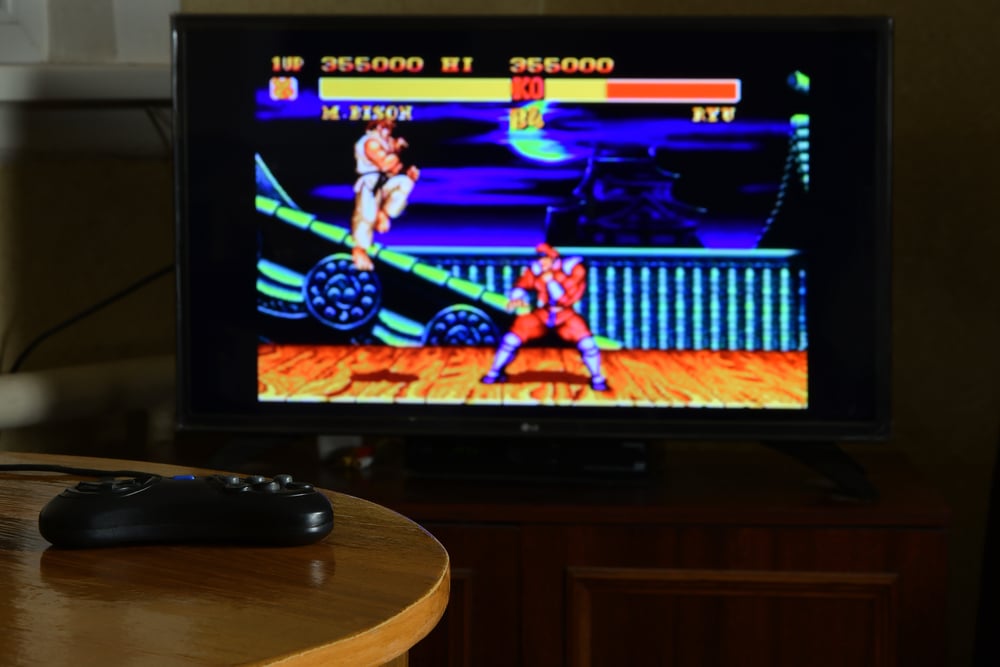
This 1999 Capcom fighter represents fighting game design at its most refined, with a sophisticated parry system that rewards precise timing and deep character knowledge. Each fighter brings unique martial arts traditions from around the globe, from Ryu’s traditional Japanese karate to Elena’s Kenyan capoeira-inspired movements.
The parry mechanic allows skilled players to turn defense into offense through frame-perfect timing, creating moments of incredible tension that transcend cultural and language barriers. International tournament scenes from Brazil to Japan still celebrate Third Strike as the pinnacle of competitive fighting, with its learning curve welcoming dedicated students from every corner of the gaming world.
Metal Slug

SNK’s 1996 run-and-gun masterpiece combined pixel art perfection with relentless action and subtle humor throughout its military-themed adventure. The hand-drawn animations showcase incredible attention to detail, from individual muzzle flashes to elaborate death sequences for enemy soldiers.
Weapon variety keeps the action fresh, though flamethrowers clear groups while rocket launchers demolish vehicles and structures. Cooperative play doubles the chaos while providing revival opportunities, creating shared experiences of triumph and spectacular failure.
Crazy Taxi

This 1999 Sega arcade game turned urban driving into a frantic race against time through pickup and delivery missions across a vibrant city. The open-world structure allows multiple route strategies, rewarding players who learn shortcuts and traffic patterns.
Passengers provide constant commentary and direction changes, creating dynamic scenarios that prevent memorization-based solutions. The punk rock soundtrack and irreverent attitude capture the late-90s arcade scene perfectly, while simple controls make every near-miss and successful delivery feel earned through skill rather than luck.
The Quarter’s Legacy Spans Continents
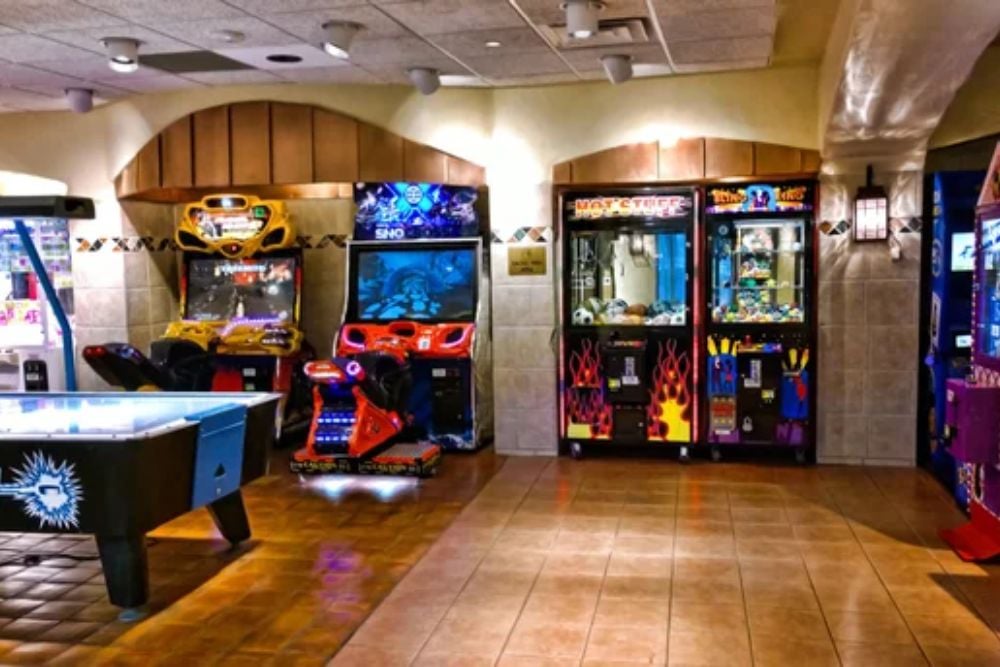
These fifteen cabinets represent arcade gaming at its most universal. Pure gameplay experiences that transcend cultural boundaries and technological limitations.
From the rhythm games that celebrate musical traditions across Asia to fighting games that showcase martial arts from every continent, these machines prove that compelling game design speaks a global language. They demonstrate that the best arcade experiences don’t focus on graphics or processing power, but on intuitive controls, balanced challenge, and that indefinable quality that makes players around the world reach for just one more game.
Whether you encounter them in Tokyo game centers, European entertainment venues, or retro arcades anywhere else, these classics continue to create shared moments of joy and competition that unite players across all backgrounds.
More from Go2Tutors!

- The Romanov Crown Jewels and Their Tragic Fate
- 13 Historical Mysteries That Science Still Can’t Solve
- Famous Hoaxes That Fooled the World for Years
- 15 Child Stars with Tragic Adult Lives
- 16 Famous Jewelry Pieces in History
Like Go2Tutors’s content? Follow us on MSN.



