19 smooth facts about butter that are amazing
Think you know everything about that golden spread sitting in your fridge? This creamy kitchen staple has been around for thousands of years, and its story is way more fascinating than most people realize.
From ancient nomads accidentally discovering it to butter towers built by wealthy Europeans, this dairy delight has shaped cultures, sparked rebellions, and even played a role in religious ceremonies. Get ready to discover some seriously cool trivia about one of the world’s most beloved foods.
Here is a list of 19 smooth facts about butter that will change how you see that simple yellow stick forever.
Ancient Origins

Butter has been around since ancient Mesopotamia, with the earliest evidence dating back to 2,500 BCE. Legend says the first butter was created by accident when a nomad tied a sheepskin bag of milk to his horse, and after a day of traveling, the jostling motion churned the cream into something amazing.
A Sumerian tablet from this era actually shows people milking cows and making butter, proving this wasn’t just a lucky accident but an established practice.
Religious Significance

Ancient cultures around the world used butter as a sacred tool for their spiritual practices, including the Sumerians, Vedic Aryans, Druids, Hindus, and Buddhists. In India, Hindus have been offering Lord Krishna tins full of ghee (clarified butter) for at least 3,000 years.
Tibetan Buddhists still create elaborate butter carvings called tormas that are central to their spiritual practice.
Butter Towers

In Rouen, France, the Cathedral’s Tour de Beurre (Butter Tower) was actually financed and built with money from wealthy people who paid the Church hefty tithes for permission to eat butter during Lent. Until the 1600s, butter-eating was banned during the 40 days before Easter, but demand for this ‘butter permission’ was so high that it funded an entire cathedral tower.
Talk about expensive cravings!
Color Variations

The natural color of butter depends on the cow’s diet. Butter generally has a pale yellow color but varies from deep yellow to nearly white, and its natural, unmodified color is dependent on the source animal’s feed and genetics.
Cows that graze on grass produce more yellow butter because of the beta-carotene in fresh grass.
World Production
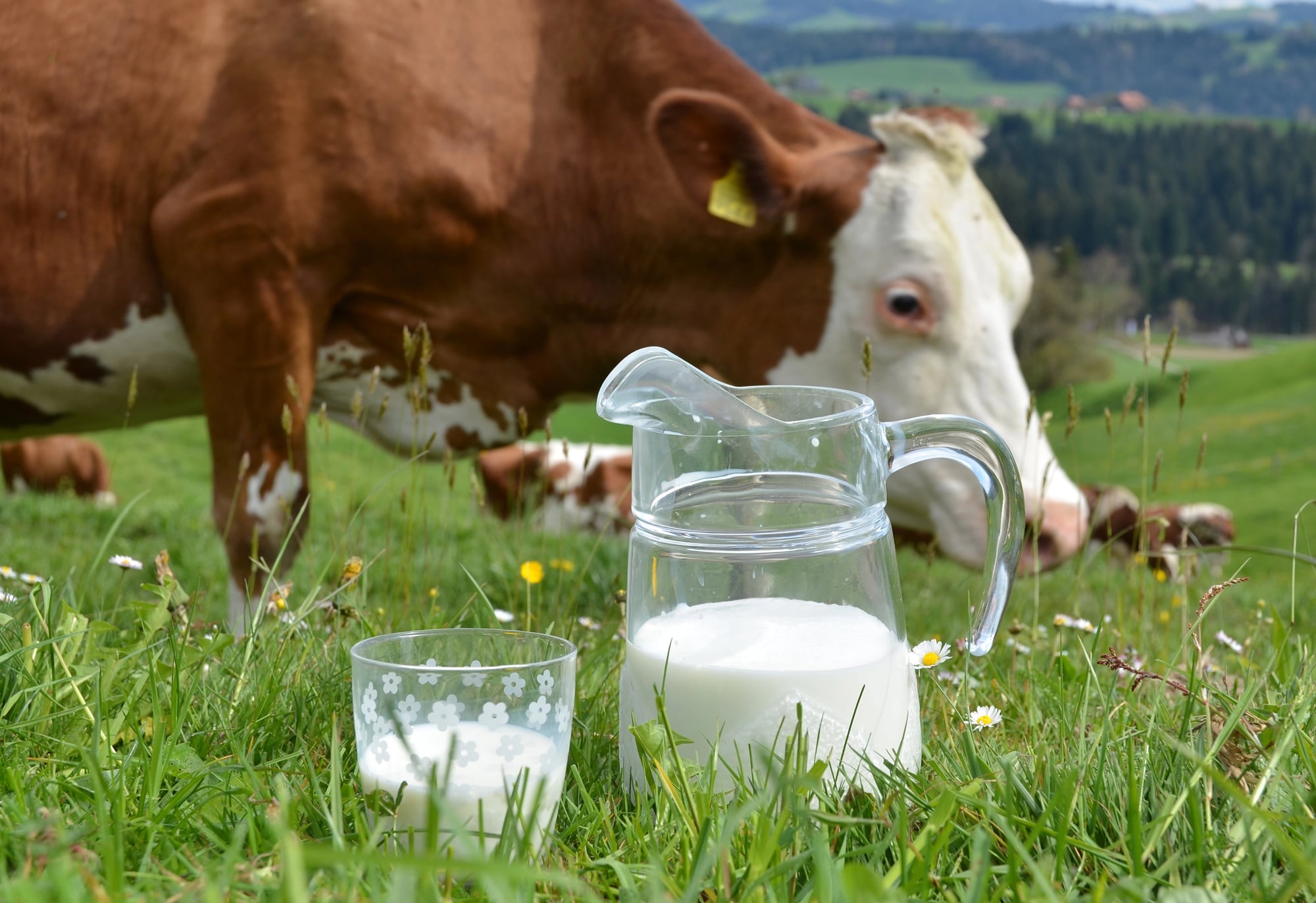
In 2022, world production of butter made from cow milk was 6 million tonnes, led by the United States with 13% of the total. About a third of the world’s milk production is devoted to making butter.
That’s a massive amount of churning happening around the globe every single year.
Calorie Powerhouse

Butter is a high-energy food, containing approximately 715 calories per 100 grams. One tablespoon (14 grams) of butter packs about 100 calories, which is similar to 1 medium-sized banana.
It’s basically concentrated energy in creamy form.
Composition Breakdown
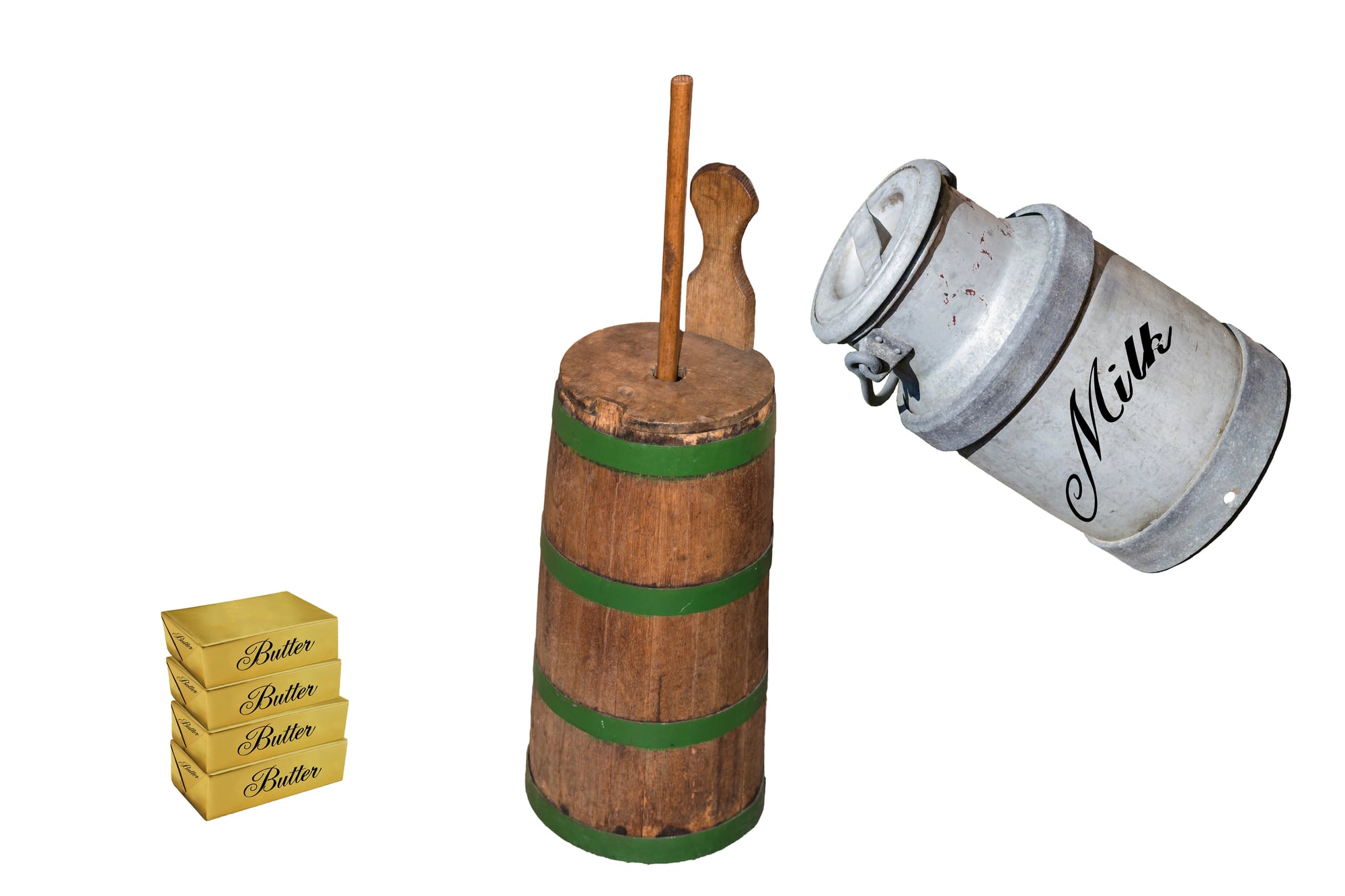
The typical composition of butter is 80-82% fat, 16-17.5% water, 1.5% salt, and 1% milk solids (vitamins, minerals, and lactose). It’s a semi-solid emulsion at room temperature, consisting of approximately 81% butterfat.
That high fat content is what makes everything taste so much better.
European vs American Differences
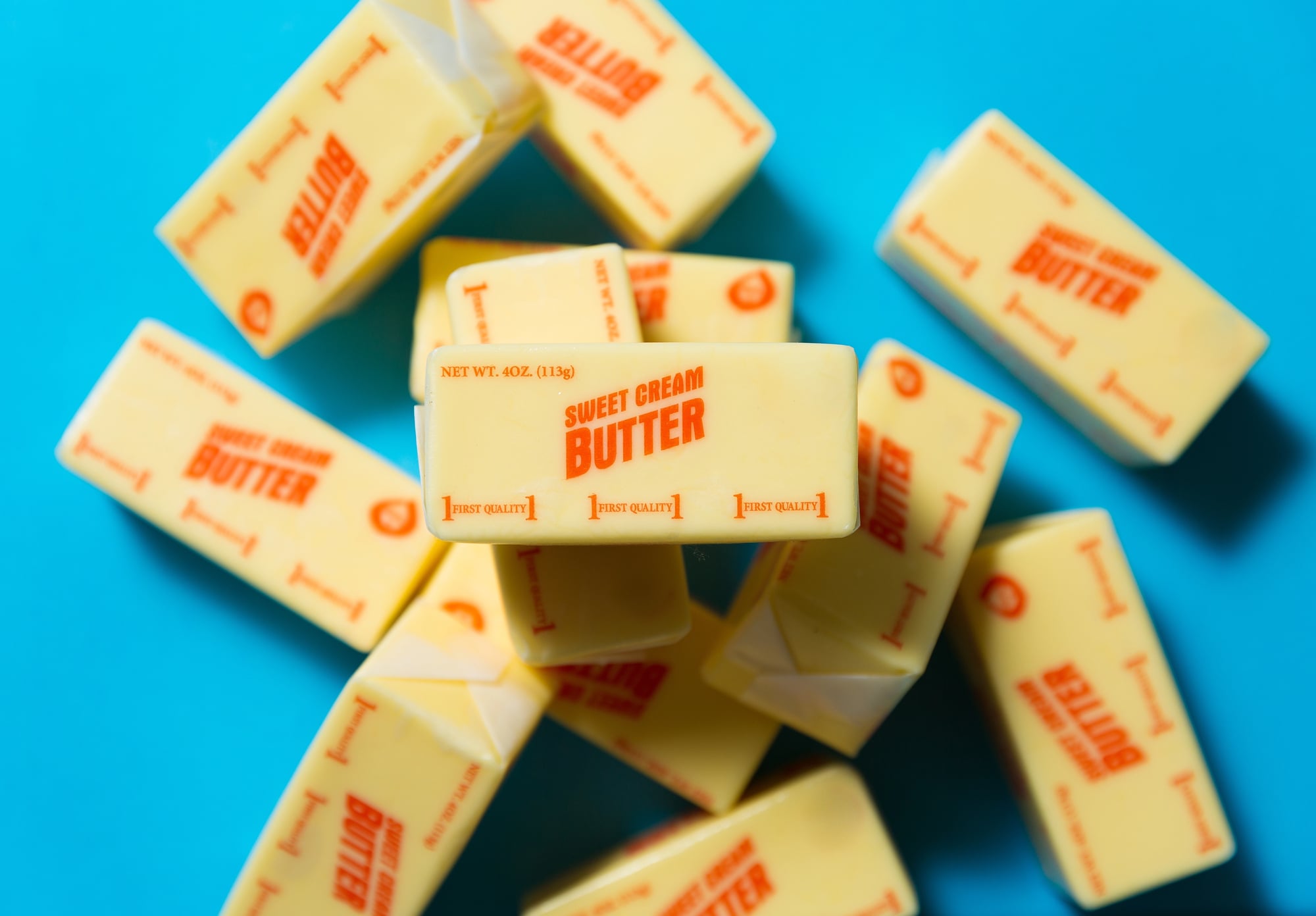
Cultured butter is preferred throughout continental Europe, while sweet cream butter dominates in the United States and the United Kingdom. European butter typically has an 82% butterfat minimum as opposed to the 80% minimum in the U.S., and French butter is grass-fed, which accounts for why French pastry has a reputation for being richer-tasting and flakier.
The difference is real, not just marketing hype.
Ancient Medicine

In ancient Rome, butter was medicinal—swallowed for coughs or spread on aching joints. In ancient times, butter was used as a remedy for various ailments and was believed to have healing properties, applied to wounds and used to treat burns.
Before modern medicine, people turned to butter for all sorts of health issues.
Butter Sculptures
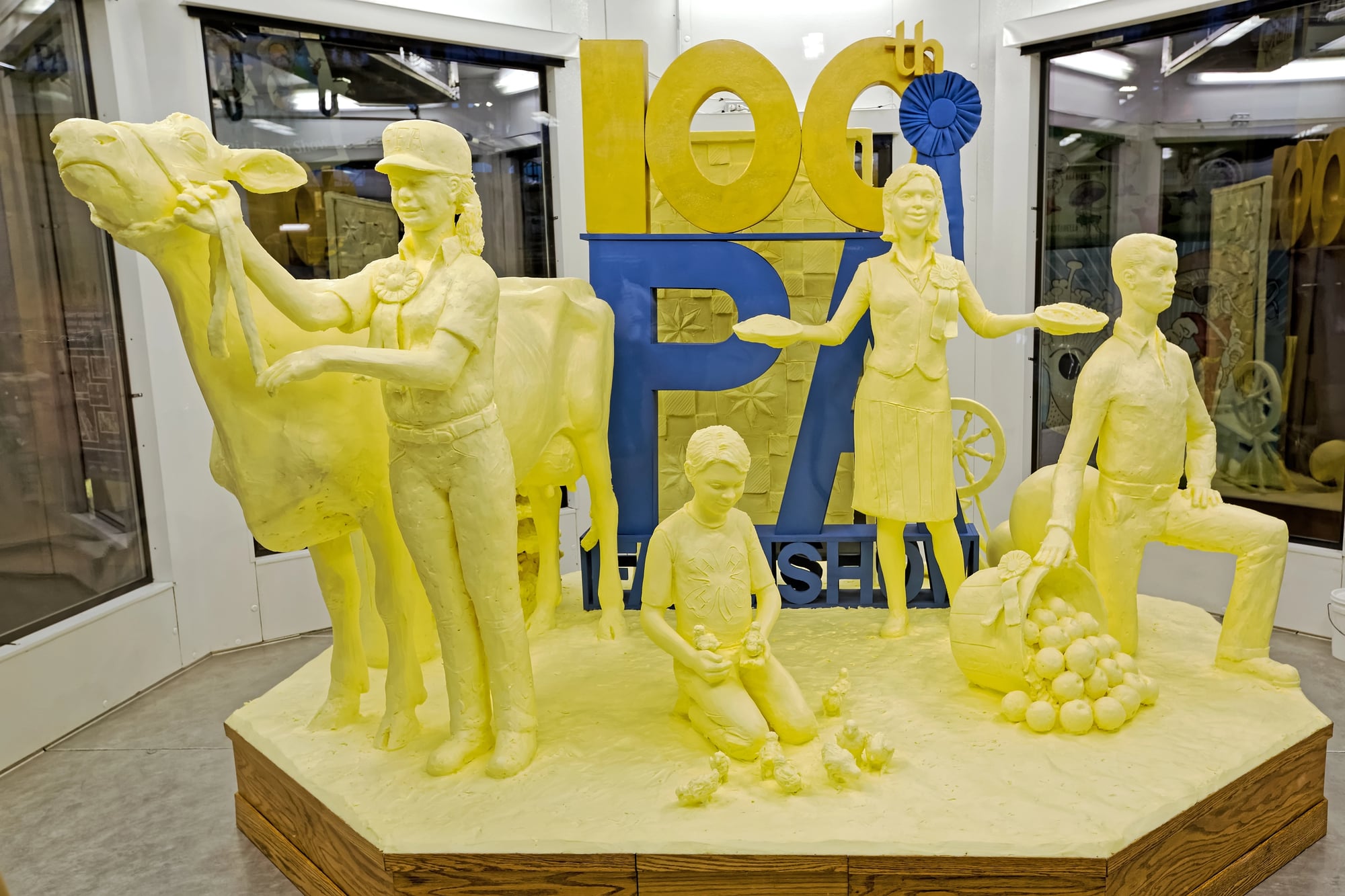
Butter sculpting is a unique art form, particularly popular in the United States, with state fairs often featuring intricate butter sculptures that can weigh hundreds of pounds. Butter sculptures first appeared in agricultural fairs during the 19th century to promote butter as a wholesome, natural product tied to American pastoralism.
These aren’t just novelty acts—they’re serious artistic endeavors.
Irish Bog Butter

Scientists recently discovered perfectly preserved butter from over 2000 years ago underneath Irish peat moss. Barrels of ancient Irish butter, which were traditionally buried in bogs for aging, are among the most common archeological finds in Ireland.
The bog’s low oxygen levels, high acidity, and cool temperatures created an anaerobic environment that protected the butter from spoilage.
Harvard Butter Rebellion

Butter may have inspired the first known student protest in U.S. history: Harvard University’s Great Butter Rebellion of 1766. Students were so fed up with the quality of butter being served that they organized a full revolt.
Even centuries ago, college students knew good butter when they tasted it.
Norwegian Butter Tax
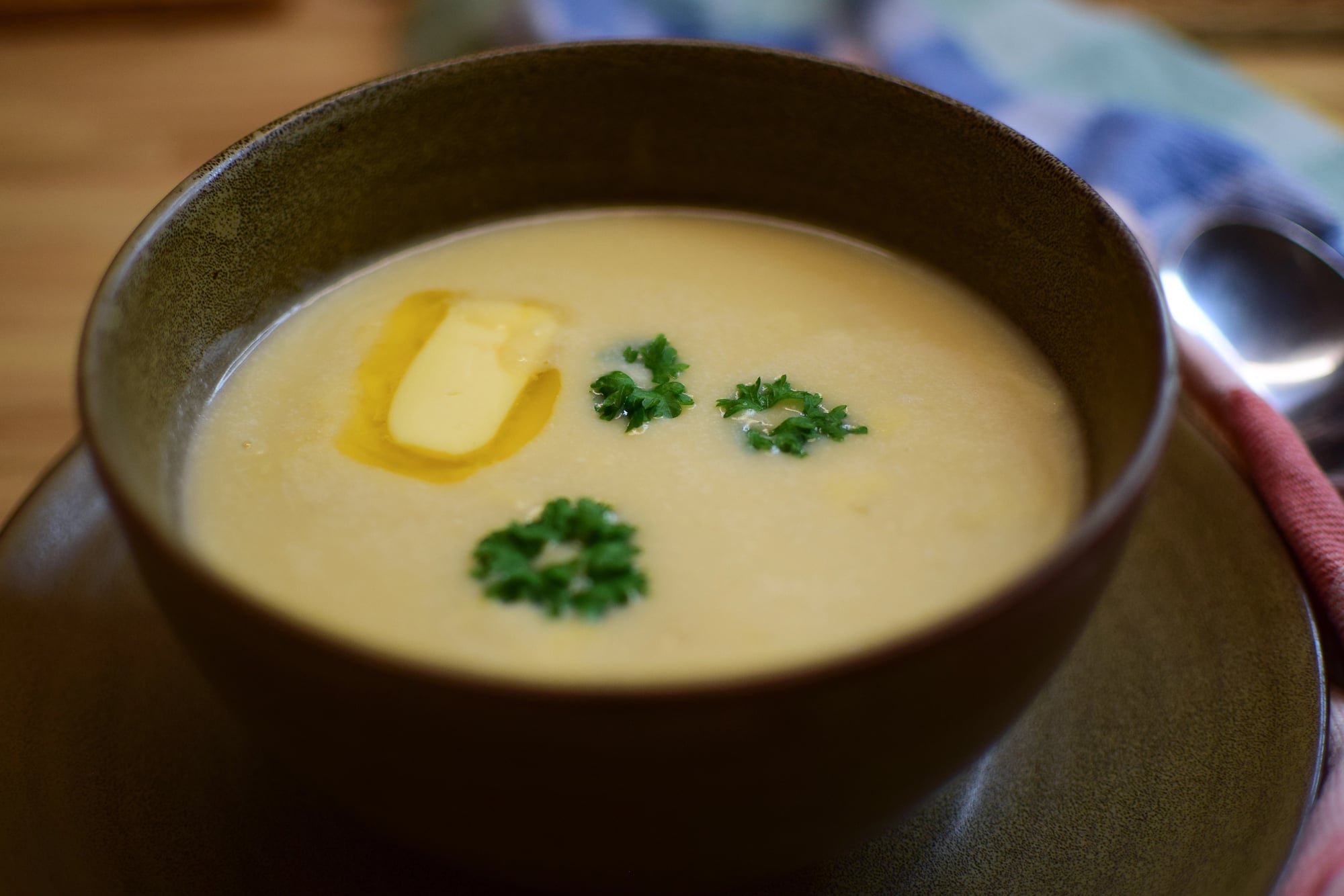
Butter was so essential to life in Norway that the King demanded a full bucket every year as a tax. By the 12th century, Scandinavian merchants exported tremendous amounts each year, making butter a central part of their economy.
Imagine paying your taxes on dairy products instead of money.
American Consumption Peak

At the turn of the 20th century, Americans’ annual consumption was an astonishing 18 pounds of butter per capita—nearly a stick and a half per person per week. By 1997, consumption had fallen to 4.1 pounds per capita per year due to health concerns and the rise of margarine.
That’s quite a dramatic drop from the butter-loving days of the early 1900s.
Different Animals

Most frequently made from cow’s milk, butter can also be manufactured from the milk of other mammals, including sheep, goats, buffalo, and yaks. Water buffalo milk was the traditional milk in India for centuries and was the animal most suited to the climate there.
Each type of milk creates butter with its own unique flavor profile.
Regional Stick Shapes

Butter stick shapes are regional—in the western US, they are shorter and fatter, and in the eastern US they are longer and slimmer. This quirky fact shows how even something as simple as butter packaging varies across the country.
Geography affects everything, even the shape of your butter.
Melting Point

Butter remains a firm solid when refrigerated but softens to a spreadable consistency at room temperature and melts to a thin liquid consistency at 32 to 35 °C (90 to 95 °F). This narrow temperature range is what makes butter perfect for baking—it holds its shape when cool but melts beautifully when heated.
Traditional Churning
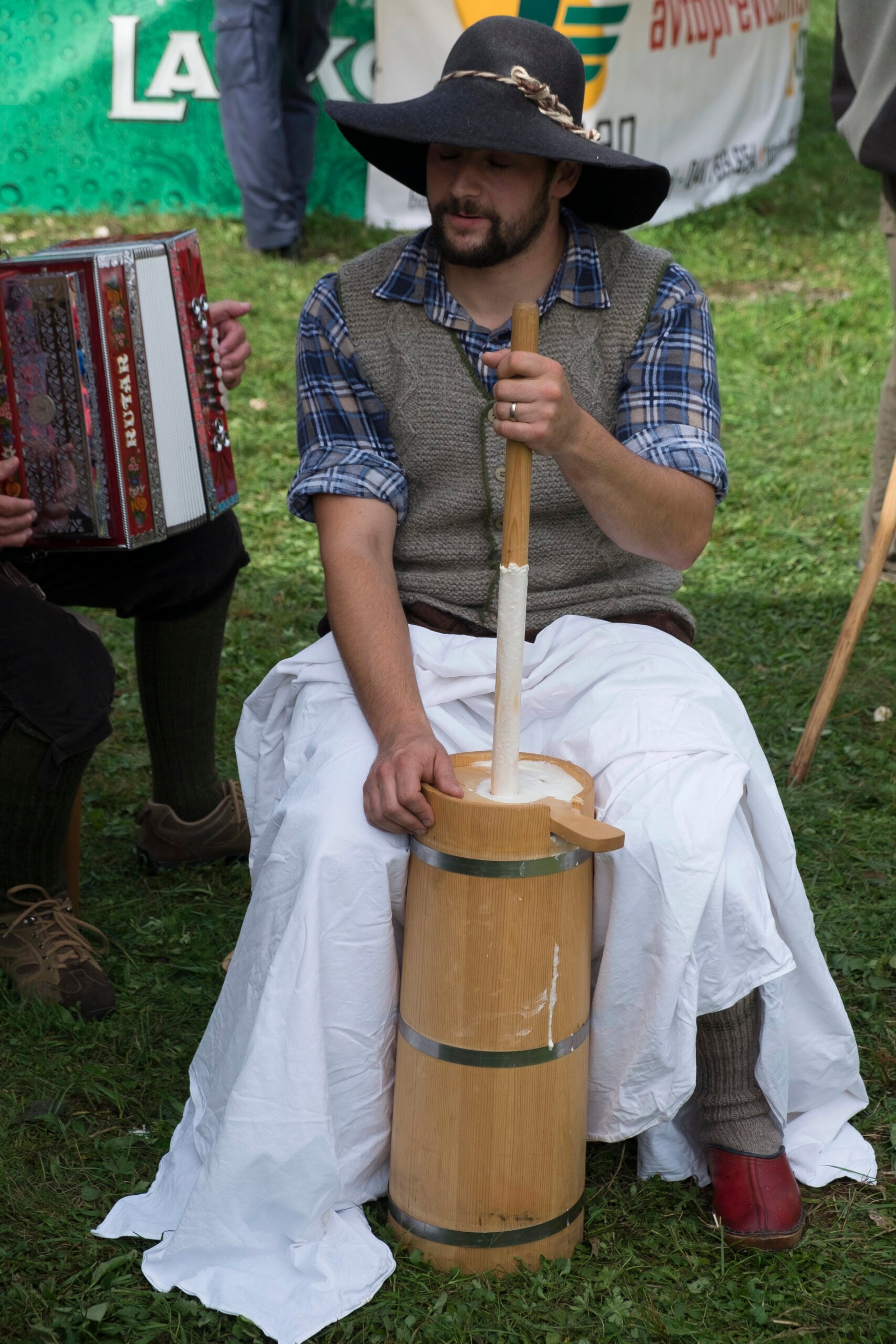
The oldest known butter-making technique still in use today involves farmers in Syria who skin a goat, tie the hide up tight, fill it with milk, and begin shaking. In a remote Indian village, elderly women still use a unique churning system with a center pole and cross-piece, alternately pulling on ropes to spin the churn.
These traditional methods are disappearing but show the ingenuity of ancient butter makers.
Etymology

The word butter derives (via Germanic languages) from the Latin butyrum, which is the latinisation of the Greek βούτυρον (bouturon). The word has traveled through multiple languages and cultures, picking up slight changes along the way while keeping its essential meaning.
It’s a linguistic journey that mirrors butter’s own travels around the world.
The Creamy Truth

These facts reveal butter as far more than just a simple spread—it’s been a currency, medicine, art medium, and religious offering throughout human history. From ancient Mesopotamian tablets to modern artisanal creameries, butter has maintained its place as one of humanity’s most cherished foods.
The next time you spread some on your toast or use it in baking, remember that you’re participating in a tradition that spans millennia and connects you to countless generations of butter lovers worldwide.
More from Go2Tutors!

- The Romanov Crown Jewels and Their Tragic Fate
- 13 Historical Mysteries That Science Still Can’t Solve
- Famous Hoaxes That Fooled the World for Years
- 15 Child Stars with Tragic Adult Lives
- 16 Famous Jewelry Pieces in History
Like Go2Tutors’s content? Follow us on MSN.